Cardiac Rhythms
 Call Kai
 Learn
 Practice Test
 Spaced Repetition
 Match
 Flashcards
 Knowt Play
1/31

There's no tags or description
Looks like no tags are added yet.
32 Terms
Poor Perfusion Clues
Mental status alterations
Skin temperature/color
Urine output decreased
BP trends + pulses (hypotensive)
Chest pain or dyspnea
Crackles in Lungs
Edema
Delayed capillary refill
Weak peripheral pulses
Cyanosis – lips, mouth, nose
Difficulty breathing
P wave
atrial depolarization
PR Interval
atrial-to-ventricular conduction time
QRS complex
ventricular depolarization (ejecting blood)
ST segment
ventricular recovery time
T wave
ventricular recovery
ST/T wave important for detecting ischemia + infarcation
Normal Sinus Rhythm
Heart rate between 60 to 100/min
Regular rhythm
One consistently shaped P wave before each QRS complex
PR interval duration is between 0.12 and 0.20 seconds
QRS complex duration is between 0.06 and 0.10 seconds

Sinus Bradycardia Patho
SA node sends an electrical impulse slower than 60 bpm.
Sinus Bradycardia Cause
Athletes
MI
Sleep apnea
Increased intracranial pressure
Eating disorder
Hypothyroidism
Lyme disease, typhoid fever, malaria, or Rocky Mountain spotted fever
Prolonged hypoxia
Meds
acetylecholine, metoprolol, digoxin, CCB, amiodarone, thalidomide, lithium
Sinus Bradycardia Sx
Dizziness or lightheaded
Near syncope
Chest pain
Altered mentation
Difficulty breathing
Excessive sweating
<60bpm
Sinus Bradycardia Labs
Electrolyte panel; low magnesium or calcium
TSH (high) or T4 (low) for hypothyroidism
Troponin
Urine sample (illicit drug use)
ECG for confirmation
Sinus Bradycardia
Heart rate below 60/min
Regular rhythm
One consistently shaped P wave before each QRS complex
PR interval between 0.12 and 0.20 seconds in length
QRS complex duration between 0.06 and 0.10 seconds

Sinus Bradycardia Education
Change position slowly
Lifestyle modifications ; rehab for illicit drug use
How to check their own pulse and interpret results
Sinus Brady Treatment
IV fluids
IV Atropine
Assess HR and mentation
Prepare for possible transcutaneous pacemaker (if sx don’t improve)
permanent pacemaker may be required
Sinus Tachycardia Patho
SA node sends a faster electrical impulse, greater than 100 bpm
Excessive excitability of the sympathetic nervous system
Can lead to decreased CO
Sinus Tachycardia Cause
Fluid volume loss or fluid volume excess
Pain
Fever
MI
Shock
Hyperthyroidism
Anxiety and stress
Rx Meds (including atropine, catecholamines, and theophylline)
Illicit Drugs (such as cocaine or amphetamines)
Caffeine or Nicotine
Sinus Tachycardia Sx
HR >100bpm
Palpitations
Elevated temp
Difficulty breathing
Chest Pain
Sinus Tachycardia Labs
CBC (assess for anemia or infection)
Electrolyte panel or glucose
Cardiac Enzymes
Urine (for illicit drug)
ABGs
D-Dimer
ECG
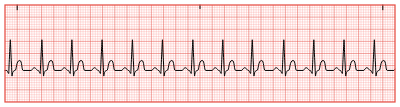
Sinus Tachycardia
Heart rate greater than 100 bpm (range of >100 to <150 bpm)
Regular rhythm
One consistently shaped P wave before each QRS complex
PR interval between 0.12 and 0.20 seconds in length
QRS complex duration between 0.06 and 0.10 seconds
Sinus Tachycardia Education
importance of discontinuing or reducing substances known to increase heart rate
including caffeine, alcohol, and nicotine
Identification of stress management techniques such as meditation or controlled breathing
How to take their own pulse and interpret results
Sinus Tachycardia Tx
instruct the client to perform noninvasive vasovagal maneuvers such as gagging, forceful coughing, and bearing down as if having a bowel movement
IV adenosine
Metoprolol
Catheter ablation
PVCs Patho
early electrical impulses, originating from irritated ventricular cells, are transmitted before the next normal impulse is expected from the SA node
earlier and wider QRS

PVC Cause
Can be normal for some or….
Cardiac muscle damage
Chronic lung disease
Hypokalemia
Hypomagnesia
Caffeine or alcohol or nicotine
HTN
MI
Cardiomyopathy
Ventricular tachycardia
Pulmonary hypertension
Sleep apnea
Thyroid disorders
PVCs Sx
palpitations or feeling as though the heart missed a beat
Lightheadedness
SOB
Chest Pain
PVCs Education
alter or avoid strenuous activities
smoking cessation, restricting alcohol consumption, and eliminating illicit drug use
Decrease caffeine consumption
FALL RISK
PVCs Labs
Electrolyte panel (low potassium and magnesium)
Thyroid levels (low TSH, high T4…hyper)
ECG
Holter monitor during activites
PVC Treatment
IV potassium or magnesium
Beta Blockers (metoprolol or carvediol)
Flecainide, propafenone, and amiodarone are the antiarrhythmics
Catheter ablation
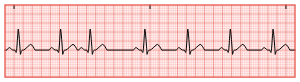
PACs
benign cardiac rhythm occurrences that cause the heart’s electrical conduction system to activate an early heartbeat or impulse from one of the two atrial chambers.
occur when irritated atrial tissue fires an early electrical impulse before the next normal impulse is expected from the SA node.
PACs Cause
MI or hypertension
diabetes mellitus
congestive heart failure
Meds
digoxin, beta blockers, chemotherapy drugs, and some antidepressants.
PACs Sx
palpitations or feeling a fluttering sensation within the chest
shortness of breath with physical activity
PACs Labs
P wave associated with PAC may be hidden and unidentifiable. The PR interval associated with PAC may be shortened (< 0.12) or unmeasurable.
PACs Education
Instruct the client on manifestations of PACs and will provide reassurance that this cardiac rhythm condition is benign.
Lifestyle modifications
monitoring fatigue during exercise, methods to reduce stress, and the need to avoid smoking and alcohol.