Atomic Structure
 Call Kai
 Learn
Learn Practice Test
 Spaced Repetition
 Match
Match Flashcards
 Knowt Play
1/27

There's no tags or description
Looks like no tags are added yet.
Name | Mastery | Learn | Test | Matching | Spaced | Call with Kai | Chat |
|---|
No analytics yet
Send a link to your students to track their progress
28 Terms
Dalton
The theory was that all matter is made up of atoms. His model was of tiny, indestructible spheres that had little structure. (1803)
Thomson
His model had electrons after his discovery in 1897. They were embedded in a sphere that had a positive charge. (1904)
Rutherford
His model includes a dense, positively charged nucleus that contains at least one proton, with the electrons moving around it. The discovery of the nucleus is the result of his famous gold foil experiment. (1911)
Bohr
His Model is based on his theory that electrons move in fixed circular orbits that are equally spaced around the nucleus. (1913)
Schrödinger
In his model there is no definite position of the electrons around the nucleus. He developed mathematical equations to describe the probability of an electron’s location. (1926)
James Chadwick
He confirms a neutral subatomic particle that is located in the nucleus of an atom and that it had mass equal to a proton (1932)
Democritus
He theorized that the world is made up of tiny particles that couldn’t be broken down further and called atoms meaning indivisible (460-370 BC)
Modern quantum
Extending the electron cloud model to 3 dimensional space, it now includes dense, barbell regions where it is most likely to find an electron.
Atom
The smallest unit of an element that can still be identified as that element
Nucleus
The small and dense center of the atom. Contains the protons and neutrons
Electron Cloud
Surrounds the nucleus and contains the electrons. Also called the shell or energy level
Atomic number
The number of protons in the nucleus of every atom of a particular element. Determines its identity
Chemical symbol
The abbreviation given to an element. Some times they Represent their latin name and not their english
Element Name
Name of the element usually at the bottom of the element box
Atomic mass
The average mass of an element’s atoms. To find the mass, add the number of protons to the number of neutrons.

Whos Model is this
Thomson

Whos model is this
Rutherford
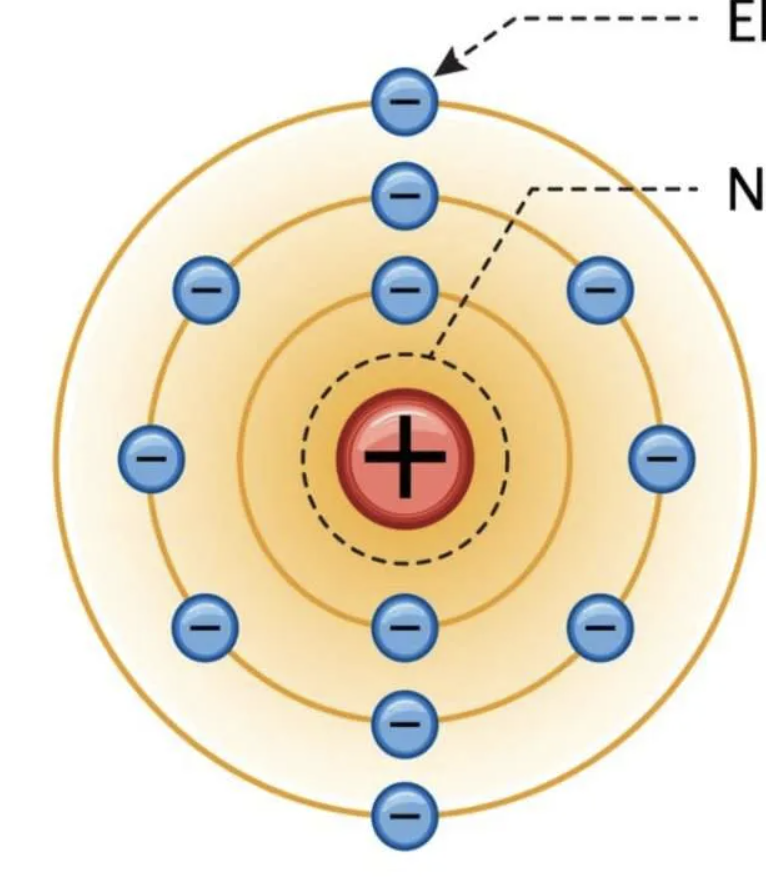
Whose model is this
Bohr

whose model is this
Schrödinger

What is this
Electron cloud
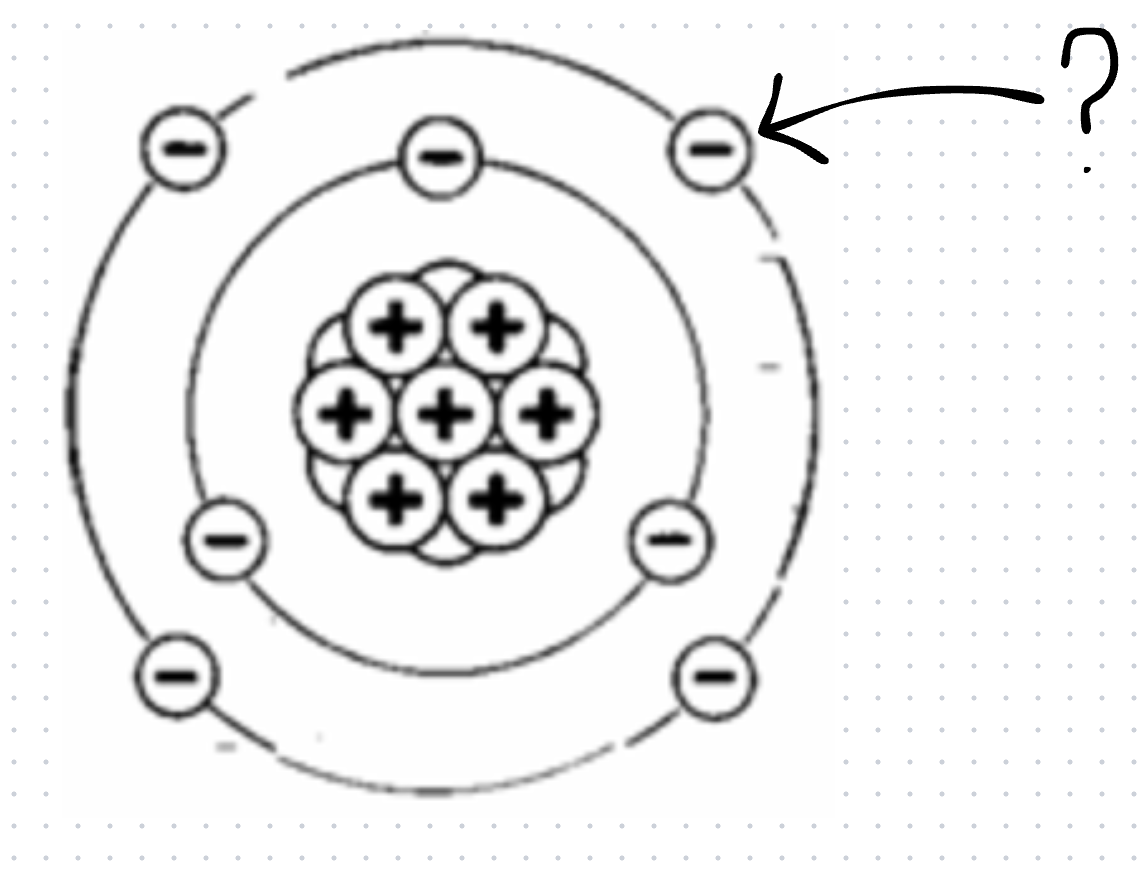
What is this
Electron

What is this
Proton

What is this
Neutron

What is this
Nucleus

What is this
Atomic Number

What is this
Chemical Symbol
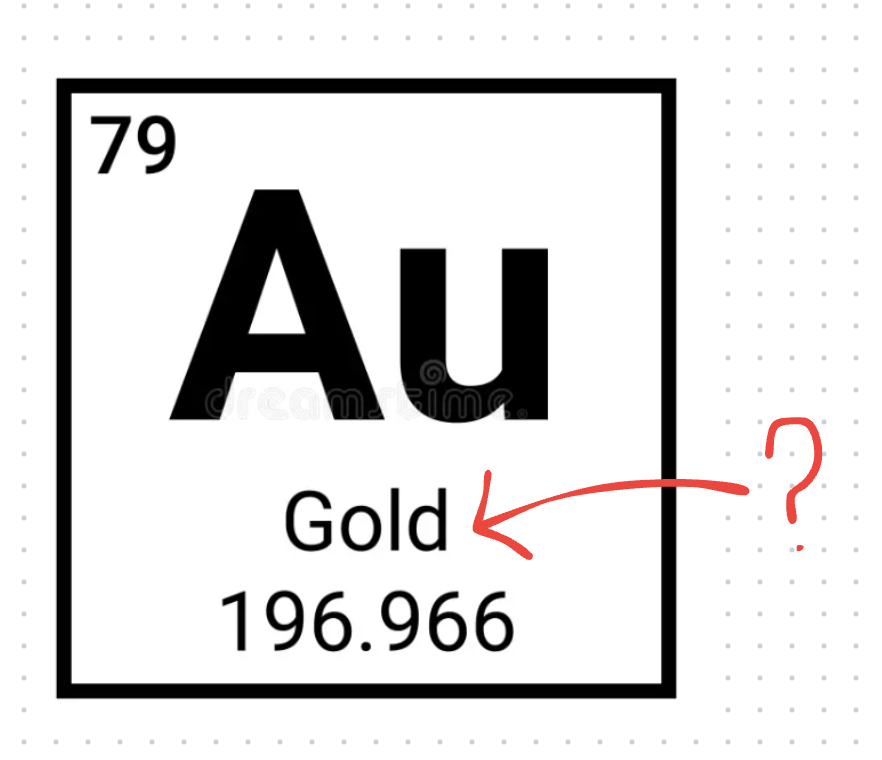
What is this
Element Name

What is this
Atomic mass