Protozoa
 Call Kai
 Learn
 Practice Test
 Spaced Repetition
 Match
 Flashcards
 Knowt Play
1/18

There's no tags or description
Looks like no tags are added yet.
19 Terms
General characteristics
unicellular; microscopic; no germ layers, tissues, or organs; specialized intracellular organelles
locomotion
pseudopodia, flagella, cilia
symmetry
all 4 types (radial, spherical, bilateral, asymmetrical
phylum amoebazoa (3)
pseudopodia, heterotrophs
amoeba
arcella
difflugia

naked (no test), asymmetrical
amoeba

clear test
arcella

structured test
difflugia
Phylum euglenozoa
1-2 flagella, autotrophic and heterotrophic
euglena
trypanosoma

autotroph
euglena

heterotroph, causes sleeping sickness
trypanosoma
phylum plantae
flagellated single or colonial organisms, autotrophic
volvox

has daughter colonies
volvox
phylum dinoflagellata
typically 2 flagella, mostly autotrophic, marine and freshwater species, bioilluminesce, may bloom
ceratium
phylum apicomplexa
no locomotor structures, all parasitic, asexual reproduction
plasmodium

causes malaria
plasmodium
phylum ciliophora
cilia, usually 2 sizes of nuclei, heterotrophic, sexual reproduction usually by transbinary fission
paramecium
vorticella
stentor

…
paramecium
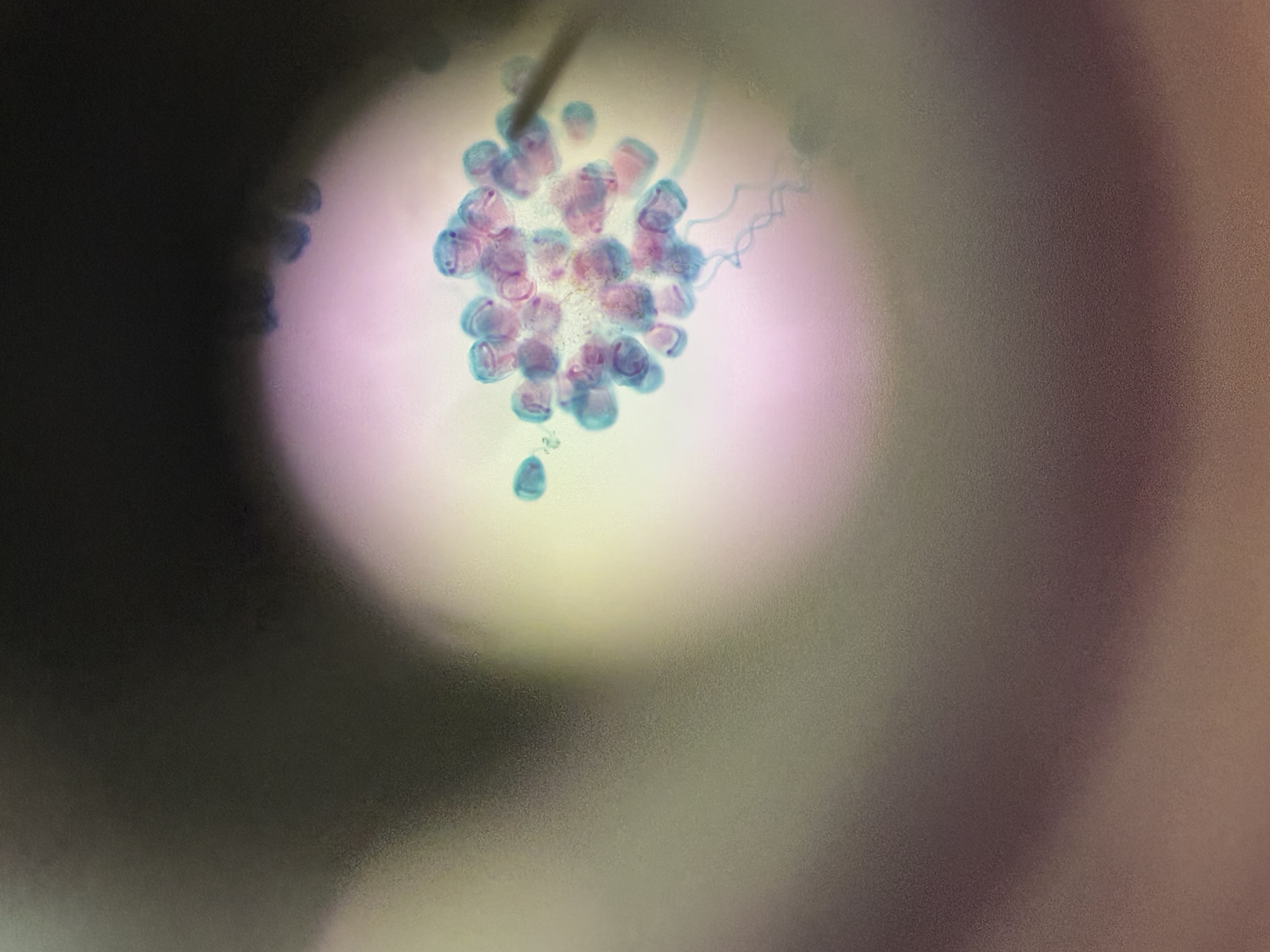
looks like a funnel, attached to substrate by a stalk
vorticella

thicker stalk than vorticella
stentor