Ch. 26 Bleeding
 Call Kai
 Learn
 Practice Test
 Spaced Repetition
 Match
 Flashcards
 Knowt Play
1/34

There's no tags or description
Looks like no tags are added yet.
35 Terms
Hemorrhage
most common cause of hypoperfusion
excessive bleeding
3 parts of the cardiovascular system
the pump - heart
container - blood vessels that reach the cells of the body
fluid - blood/bodily fluids
arterioles
the smaller blood vessels that connect the arteries + capillaries
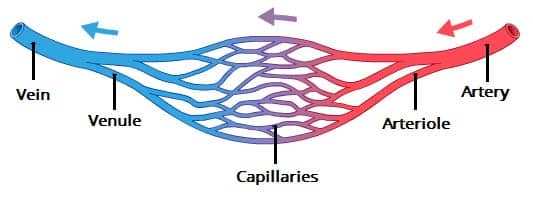
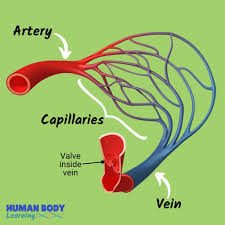
capillaries
small tubes
link the arterioles + venules
blood clot formation depends on
blood stasis
changes in the blood vessel wall
blood’s ability to clot
autonomic nervous system
adjusts blood flow by constricting or dilating blood vessels
duration organs can last without adequate perfusion
brain + spinal cord: 4-6 min
lungs: 15-20 min
kidneys: 45 min
skeletal muscle: 2-3 hours
amount of blood in the body
adults (per kilogram of body weight):
male: 70ml, 10-12 pints
female: 65ml
body cannot handle blood loss greater than____ of total volume
20%
arterial bleeding
bright red
spurting
difficult to control
venous bleeding
darker red
flows steadily
capillary bleeding
very dark red
oozes
coagulation
formation of clots to plug openings in injured blood vessels
hemophilia
lack 1 or more of the blood’s clotting factors
several forms: most hereditary
bleeding can spontaneously occur
if bandages have already been applied to a wound…
do NOT remove them
ask what the wound looks like
internal bleeding
occurs in a cavity or space inside the body
broken bones can be a cause
treat for shock, transport quickly
ALWAYS suspect internal bleeding in trauma patients
illnesses can be a cause
signs/symptoms:
pain, bruising, dizziness, weakness, nausea/vomiting (can be bloody), altered mental status, tachycardia, bloody urine/stools, numbness
illnesses that can cause internal bleeding
bleeding ulcers
bleeding from the colon
ruptured ectopic pregnancy
aneurysms
hemoptysis
the coughing up of bright red blood
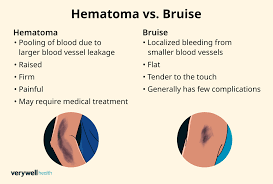
hematoma
a mass of blood that has collected in the soft tissues beneath the skin
hematuria
bright red bleeding from the mouth or rectum or blood in urine
may indicate serious internal bleeding or disease
hematemesis
the vomiting of blood
melena
stool that contains digested blood
black
foul-smelling
signs/symptoms of bleeding closed fracture
pain
tenderness
bruising
guarding
swelling
signs/symptoms of lacerated spleen or liver
broken ribs
bruises over lower part of chest
rigid, distended abdomen
pain in right shoulder (liver)
pain in left shoulder (spleen)
signs of hypovolemic shock
altered LOC - 1st sign
tachycardia
weakness, fainting, dizziness
thirst
nausea, vomiting
cold, moist skin
weak, rapid pulse
shallow, rapid breathing
dull eyes
slightly dilated pupils; slow to respond to light
capillary refill time > 2 seconds (children/infants)
decreasing BP
blood thinners
often prescribed to patients with a history of stroke, pulmonary embolism, heart attack
makes it difficult to stop bleeds; blood doesn’t clot as easily
impaled objects
stabilize with bulky dressings
apply pressure for at least 5 min
NEVER pull impaled objects out
pressure dressings
bandage that wraps around the dressing used to control the bleeding
cover above + below wound
apply tightly, but pulse should still be palpable
do NOT remove the dressing; apply more on top if bleeding continues
wound packing
expose + wipe wound
pack tightly, towards heart
apply pressure
tourniquets
high + tight
if bleeding does not stop after one is applied, use another one
once in place, do NOT remove or loosen
epistaxis
nosebleed
can send patient into shock
could cause vomiting of blood
treatment:
1.) have pt. sit + lean forward
2.) apply pressure by pinching fleshy part of nose
3.) ice
4.) treat for shock if necessary
bleeding from nose or ears following a head injury
could indicate a skull fracture
do NOT stop the blood flow
loosely cover the site with a gauze pad and lightly wrapping a dressing around the head
cerebrospinal fluid will look like a stained target/halo
air splints
can help control internal or external injuries
immobilizes fractures
acts as a pressure dressing for the entire extremity
pelvic binder
used for suspected closed unstable pelvic fractures
controls internal bleeding
open-book pelvic fracture
how to apply:
1.) slide under supine pt. with device centered at hips
2.) secure + tighten
care for internal bleeding
follow standard precautions
control all external bleeding
maintain airway + spinal motion
high-flow O2
splints/pelvic binders may be used
vital signs
keep pt. warm
rapid transport