Chapter 6: Neoplasia (CANCER)
 Call Kai
 Learn
 Practice Test
 Spaced Repetition
 Match
 Flashcards
 Knowt Play
1/33

Earn XP
Description and Tags
34 Terms
Cancer
Uncontrolled, abnormal growth of cells.
What happens to cancer cells?
These cells no longer respond to a normal bodily functions:
They don’t die when we want them to die.
They don’t stop growing.
How does cancer occur?
Normal cells —> Abnormal cells —> Abnormal cells multiply —> Malignant cancer
Angiogenesis
The formation of new blood vessel. They draw in capillaries and draw in their own blood supply so that they can grow.
Maintain nutritional status for themselves.
What are some characteristics of cancer cell?
Anaplasia
Life span
Genetic instability
Cell density
Lack anchorage dependence
Lack of cell communication
Angiogenesis
Production of enzymes/hormones
Characteristics of cancer cell:
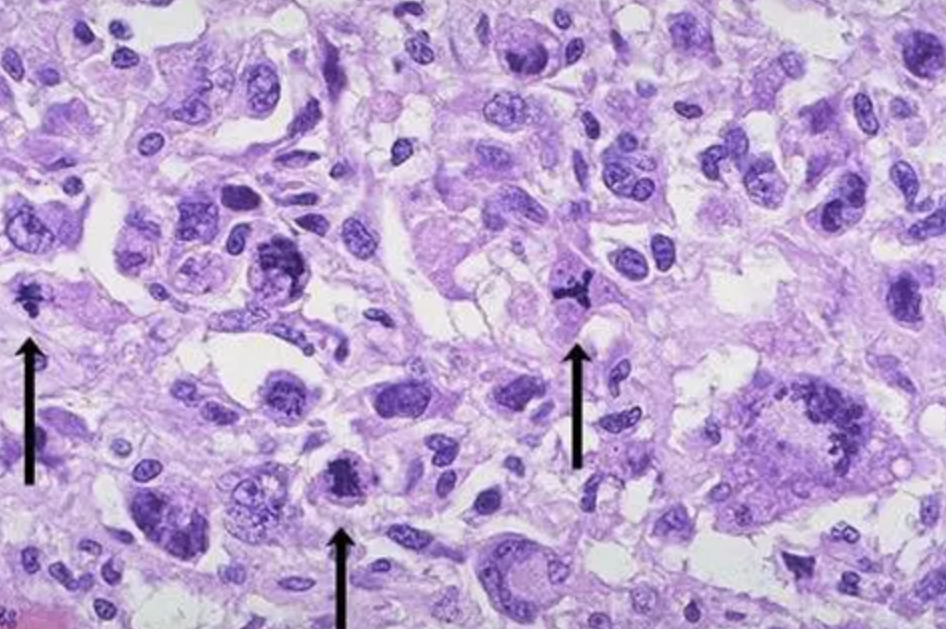
Anaplasia
Loss of cell differentiation.
Difficult to see where it's at and what it is.
Characteristics of cancer cell:
Life Span
Evade apoptosis.
Evade self eradication of old/dying cells.
Continue to remain and grow.
Characteristics of cancer cell:
Cell Density
Dependent inhibition.
Increases.
Cells are dependent when they start getting crowded.
Cancer cells overcrowd and sometimes move into new places.
Cancer cells lose the density-dependent inhibition and fail to maintain homeostasis.
Characteristics of cancer cell:
Lack of Anchorage Dependence
They can float and move around new places unlike normal cells.
Don’t need to latch on and mutant.
Characteristics of cancer cell:
Lack of Cell-Cell Communication
They do not care about what other cells are doing.
Characteristics of cancer cell:
Production of Enzymes/Hormones
Throw other aspects of the body out of whack.
Benign Tumor
(NOT CANCER) Tumor cells grow only locally and cannot spread by invasion or metastasis.
Benign Tumor Characteristics
Slow growing.
YES, it is capsulated.
They don’t usually leave that one specific area.
Non-invasive.
Non-metastasis.
Smooth/oval/lobulated/regular.
Painful.
No skin dimpling.
No nipple retraction.
Good Prognosis.
Relatively smaller damage to the body.
Malignant Tumor
(CANCER) Cells invade neighboring tissues, enter blood vessels and metastasize to different sites. They are more life threatening.
Malignant Tumor Characteristics
Fast growing.
Non-capsulated.
Invasive and infiltrate.
Yes, it is metastasis.
Nodular/Stellate/Irregular.
Painless.
YES, skin dimpling.
Yes, nipple retraction.
Bad Prognosis.
Relatively bigger damage to the body.
Types of Tumors
Adenoma
Adenocarcinoma
Carcinoma
Osteoma
Sarcoma
Papillomas
Types of Tumors:
Adenoma
Benign tumor of glandular epithelial tissue.
Types of Tumors:
Adenocarcinoma
Malignant tumor of glandular epithelial tissue.
Types of Tumors:
Carcinoma
Malignant tumor of epithelial tissue.
Types of Tumors:
Osteoma
Benign tumor of bone tissue
Types of Tumors:
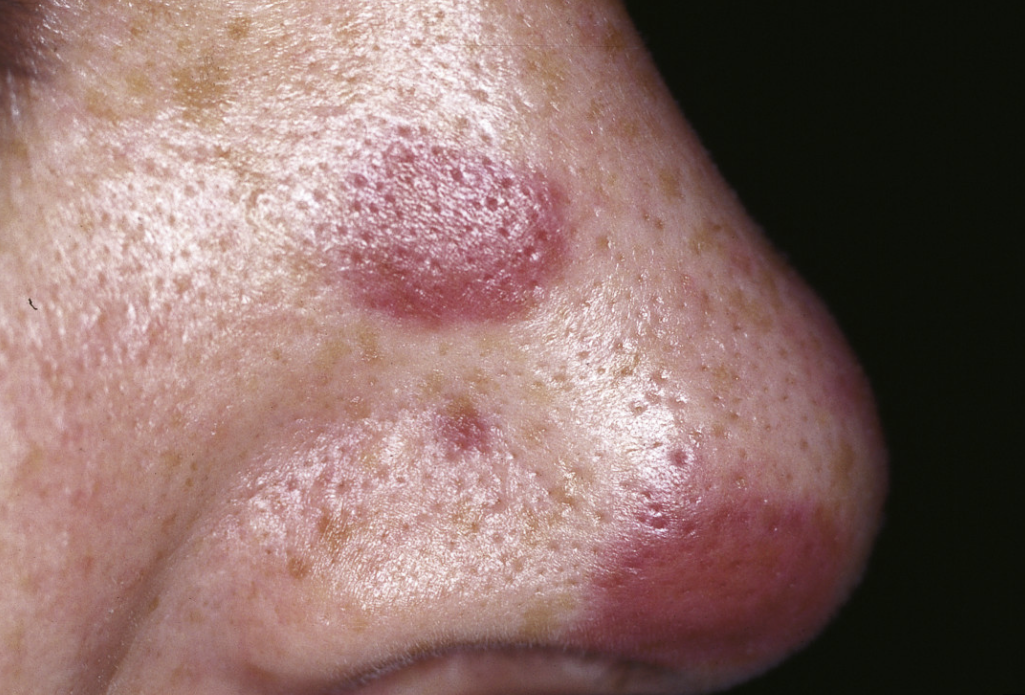
Sarcoma
Malignant tumor of mesenchymal origin.
Mesenchymal: Important for making and repairing skeletal tissues, such as cartilage, bone and the fat found in bone marrow.
Types of Tumors:
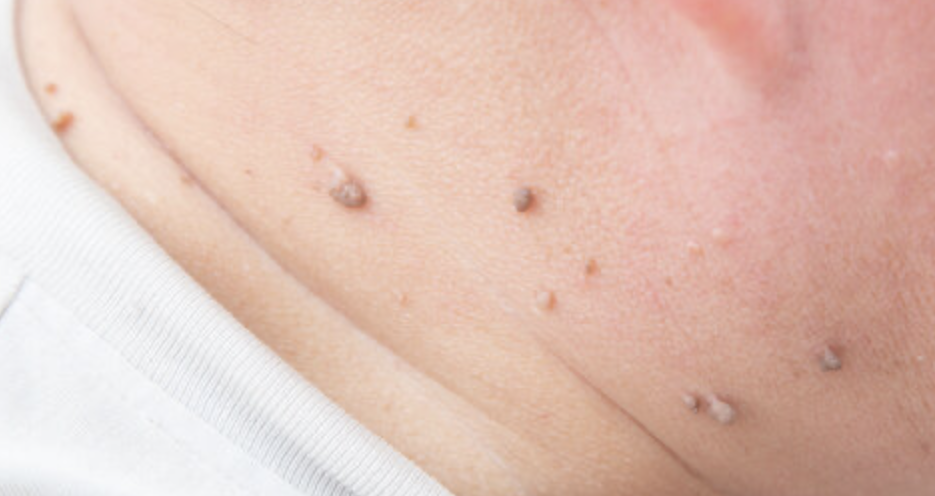
Papillomas
Benign microscopic or macroscopic finger-like projections growing on a surface.
Quick definition of benign tumors
Can become large.
Can compress other anatomical structures.
Unlikely to recur once removed.
Examples of benign tumors
Fibroids.
Lipomas.
Colon Polyps (can eventually become malignant).
Metastasis
Cancer spreads to other parts of the body.
Invasion of cells.
1) Cancer cells invade surrounding tissues and blood vessels.
2) Cancer cells are transported by the circulatory system to distant sites.
3) Cancer cells reinvade and grow at new location.
Factors related to tumor growth
Person’s age, sex, and overall health and nutritional status.
The status of the host’s immune system is also important. An individual who is immunosuppressed may be unable to recognize a tumor as foreign.
Certain hormone states (e.g, pregnancy) may stimulate certain tumor growth rates.
Stress may affect the host’s ability to restrict the development or growth of a tumor.
Location in the body and its blood supply.
The degrees of cellular anaplasia and the presence or absence of tumor growth factors are also important.
Genes Impacting Tumor Growth
Proto Oncogenes
Tumor suppressor genes
Genes that control programmed cell death (apoptosis)
Genes that regulate repair of damaged DNA
Cancer Risk Factors
Tobacco
Reproductive Factors
Certain Microbes
Alcohol
Occupational Exposure
Obesity
Radiation
Unhealthy Diet
Family History
Heredity
Colon Cancer
Prostate Cancer
Ovarian Cancer
Breast Cancer
Breast Cancer
Tumor Suppressor Genes:
BRCA 1 (+ mutations have lifetime risk of 80% for developing breast cancer).
BRCA 2 (+ mutations have 40-60% for developing breast cancer).
Diagnostic Tests For Cancer
Blood tests (not definitive).
Imagining, like X-rays and ultrasound (identifies tumors).
Cytology tests.
Urinalysis.
Self-checks.
Biopsy.
Screen tests (like mammograms and pap smears).
Cancer Screening
Blood Counts
Weight
Tumor Markers (definitive)
Tissue Biopsy
Do not need to remember staging/grading of tumors
Cancer Treatments
Hormone Therapy
Surgery
Bone Marrow Transplantation
Chemotherapy
Targeted Therapy
Radiation Therapy
Immunotherapy
Cancer Treatment Goals
Curative: Cure everybody.
Control
Palliative