(unit 2 part a notes) Higgins, Lauren, Period 3
 Call Kai
 Learn
Learn Practice Test
 Spaced Repetition
 Match
Match Flashcards
 Knowt Play
1/129

There's no tags or description
Looks like no tags are added yet.
Name | Mastery | Learn | Test | Matching | Spaced | Call with Kai | Chat |
|---|
No analytics yet
Send a link to your students to track their progress
130 Terms
standard anatomical position
standing upright, face forward, arms at sides, palms turned forward, feet flat
acromial
pertaining to the acromion(point of shoulder)
antebrachial
pertaining to the forearm
antecubital
pertaining to the area in front of the elbow
anterior(ventral)
toward the front or belly-side of the body
anteroposterior
passing from the anterior(front) toward the posterior(back) of the body
axillary
pertaining to the armpit
bilateral
pertaining to 2 sides
brachial
pertaining to the upper arm
buccal
pertaining to the cheek
calcaneal
pertaining to the heel bone
carpal
pertaining to the wrist
caudal
toward the tailbone
cephalic
pertaining to the head, toward the head
cephalocaudal
pattern of growth and development that proceeds from the head downward to the feet
cervical
pertaining to the neck
coxal
pertaining to the hip
cranail
pertaining to the skull
crural
pertaining to the leg, specifically the shin bone
cubital
pertaining to the elbow
deep
more internal, further inside the body, away from the body surface
digital
pertaining to the fingers or toes
distal
situated farther away from the center of the body, the trunk, or the point where a limb attaches to the body
external
outer part of the body
femoral
pertaining to the thigh
fibular
refers to the lateral side of the lower leg
frontal
pertaining to the forehead
genital
pertaining to the reproductive organs
gluteal
pertaining to the buttox
inferior
positioned below or toward the feet
inguinal
pertaining to the groin
interal
inside the body
lateral
father away from the midline, toward the side of the body
left
the left-handed side of a person in standard anatomical position
lumbar
pertaining to the low back region and the 5 vertebrae between the chest and sacrum
mammary
pertaining to the breast region
medial
toward the midline, or center of the body
mental
pertaining to the chin
metacarpal
pertaining to the hand bones
midline
an imaginary center line splitting the body into right and left halves
nasal
pertaining to the nose
occipital
pertaining to the back of the head
olecranal
pertaining to the olecranon, or the bony tip/pointy part of the elbow
oral
pertaining to the mouth
orbital
pertaining to the eye or eye socket
otic
pertaining to the ear
palmar
pertaining to the palm of the hand
parietal
pertaining to the outer wall of a body cavity
patellar
pertaining to the kneecap(patella)
pectoral
pertaining to the chest
perineal
pertaining to the perineum
plantar
pertaining to the sole or bottom surface of the foot
popliteal
pertaining to the back of the knee
posterior(dorsal)
toward the back of rear side of the body
posteroanterior
passing from the posterior(back) towards the anterior(front) of the body
prone
lying face down with palms downward
proximal
situated near the center of the body, the trunk, or point where a limb attaches to the body
pubic
refers to the genital region
right
right handed side of a person in standard anatomical position
sacral
pertaining to the triangular bone at the base of the spine
scapular
pertaining to the scapula, or shoulder blades in upper back
sternal
pertaining to the sternum(breastbone)
superficial
towards the body surface, closer to the skin
superior
positioned above or higher than another part of the body
supine
lying flat on back with palms facing upward
sural
relating to or located in the calf
tarsal
pertaining to the ankle
thoracic
pertaining to the chest(thorax)
umbilical
pertains to the navel or belly button
unilateral
pertaining to one side
vertebral
relating to the spine or backbone
visceral
pertaining to internal organs

transverse plane, horizontal plane, axial plane
splits body into superior and inferior portions
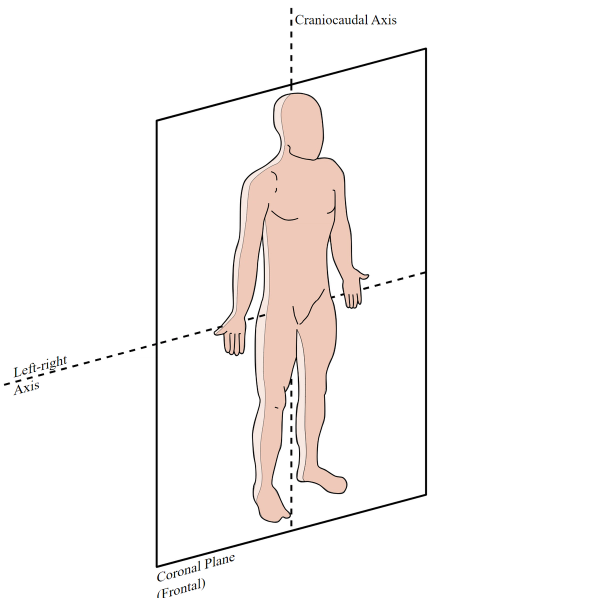
frontal plane, coronal plane
divides body vertically into anterior and posterior

sagittal plane
divides body vertically into left and right portions
midsagittal plane, median sagittal plane
cute straight down the exact middle of the body creating 2 halves, left and right side
parasagittal plane
cuts off-center creating unequal left and right portions
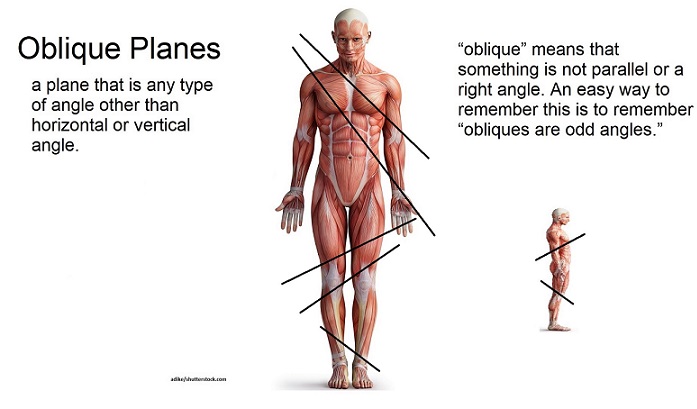
oblique plane
cuts through the body at a slanted angle that is neither horizontal or vertical
anatomy
study of body structures
anterior
head of the body
ventral
belly side
posterior
tail end
dorsal
back of body or spinal column
physiology
study of the functions of body structures
pathophysiology
study of disease
body cavities(dorsal and ventral)
spaces in the body that contain/protect internal organs and body structures
dorsal cavity(separated into cranial and spinal cavities)
protects organs/tissues within the back side of the body
cranial cavity
located in the skull and protects the brain
middle ear cavity
in eardrum and inner ear
orbital cavity
protects the eye
nasal cavity
divided vertically by nasal septum
oral cavity
in mouth
spinal cavity
located in the spinal column and protects spinal cord
ventral cavity
protects organs/tissues in front side of body(thoracic, abdominal, pelvic cavities)
thoracic cavity/chest cavity
protects heart lungs, esophagus, major blood vessels that run through chest
diaphragm
large muscle that separates the thoracic and abdominal cavities, plays role in breathing
pleural cavity
space between outside of the lungs and interior chest wall
mediastinum
central compartment of the chest, contains heart, major blood vessels, trachea, thymus, esophagus, and nerves
pericardial cavity
small, fluid-filled space surrounding the heart, located in mediastinum and lies between layers of pericardium
pericaridum
protective sac around the heart where fluid helps reduce friction as the heart beats