GI Tumors: Esophageal, Gastric, Pancreatic and Colorectal Cancer
 Call Kai
 Learn
 Practice Test
 Spaced Repetition
 Match
 Flashcards
 Knowt Play
1/43

There's no tags or description
Looks like no tags are added yet.
44 Terms
What is the lifetime risk of esophageal cancer in men?
1 in 125
What is the lifetime risk of esophageal cancer in women?
1 in 417
What percentage of all cancers does esophageal cancer represent?
1%
At what age range is esophageal cancer most commonly diagnosed?
Between ages 55 and 85
What is the 5-year survival rate for esophageal cancer?
20%
What is a major risk factor for esophageal cancer related to the esophagus lining?
Barrett's esophagus
What condition is associated with 30% of esophageal cancers?
Gastroesophageal reflux disease (GERD)
What are common symptoms of esophageal cancer?
Dysphagia and weight loss
What is odynophagia?
Painful swallowing
What is the primary surgical treatment for esophageal cancer?
Esophagectomy

What chemotherapy regimen is mentioned for esophageal cancer?
Carboplatin + Etoposide
What is a common side effect of radiation therapy for esophageal cancer?
Esophagitis
What is the mean age at diagnosis for gastric cancer?
68 years old
What is a significant risk factor for gastric cancer?
Helicobacter pylori (H. pylori) infection
What percentage of gastric tumors have already spread at the time of diagnosis?
80-90%
What is the most common type of gastric cancer?
Adenocarcinoma
What is the lifetime risk of pancreatic cancer?
1 in 64
What is the leading cause of cancer deaths in the US?
Pancreatic cancer (4th leading cause)
What are common symptoms of pancreatic cancer?
Jaundice, abdominal pain, decreased appetite
What is the Whipple procedure?
Resection of the head of the pancreas, entire duodenum, distal stomach, gallbladder, and common bile duct
What dietary factors increase the risk of pancreatic cancer?
High in fat, red meats, and processed meats
What is a common complication of pancreatic cancer related to digestive health?
Digestive problems
What is the significance of artery and vein involvement in pancreatic cancer?
It often indicates unresectable tumors
What is a common treatment approach for unresectable pancreatic tumors?
Palliative care, including bypass or stent placement
What is the role of radiation therapy in the treatment of esophageal cancer?
Typically given before surgery (neoadjuvant) or for palliative care
What is the standard treatment approach for locally advanced pancreatic cancer?
Neoadjuvant chemotherapy followed by chemoradiotherapy prior to surgery.
What are common side effects of radiation treatment for pancreatic cancer?
Nausea, vomiting, diarrhea, decrease in blood counts, stomatitis, and rare long-term renal failure.
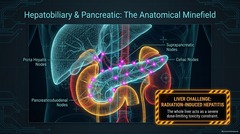
What organs at risk (OARs) are considered during pancreatic cancer radiation treatment?
Kidneys, liver, stomach, and lungs.
What is the risk of developing colorectal cancer for men and women?
Men: 1 in 23; Women: 1 in 25.
At what age do 90% of colorectal cancer cases occur?
Over the age of 55.
What is the second leading cause of cancer death in the US?
Colorectal cancer.
Name a genetic risk factor for colorectal cancer.
Familial adenomatous polyposis (FAP) or Lynch syndrome.
What dietary factors increase the risk of colorectal cancer?
High in animal fat, low in fiber, high in red meats, low in fruits and vegetables.
What are common clinical presentations of colorectal cancer?
Rectal bleeding, change in bowel habits, dark/black stools, pain, nausea/vomiting, occult blood in stool, and fatigue.
What imaging methods are used for the detection and diagnosis of colorectal cancer?
X-ray, CT scan, endoscopy/colonoscopy, and digital rectal exam (DRE).
What is the most common type of colorectal cancer?
Adenocarcinoma.
What is the treatment of choice for colorectal cancer?
Surgery.
What are common side effects of radiation treatment for colorectal cancer?
Diarrhea, abdominal cramps, skin reactions, and decreased blood counts.
What is the median age at diagnosis for anal cancer?
60 years old.
What virus is responsible for 90% of anal cancers?
Human Papillomavirus (HPV).
What is the most common presenting symptom of anal cancer?
Rectal bleeding.
What is the essential method for diagnosing anal cancer?
Physical examination with digital rectal exam (DRE).
What type of cancer makes up 80% of anal cancer cases?
Squamous cell carcinoma.

What are common side effects of combined chemoradiotherapy for anal cancer?
Perineal skin reaction, nausea/vomiting, diarrhea, and bone marrow suppression.