Repro Lab Practicum
 Call Kai
 Learn
 Practice Test
 Spaced Repetition
 Match
 Flashcards
 Knowt Play
1/107

There's no tags or description
Looks like no tags are added yet.
108 Terms
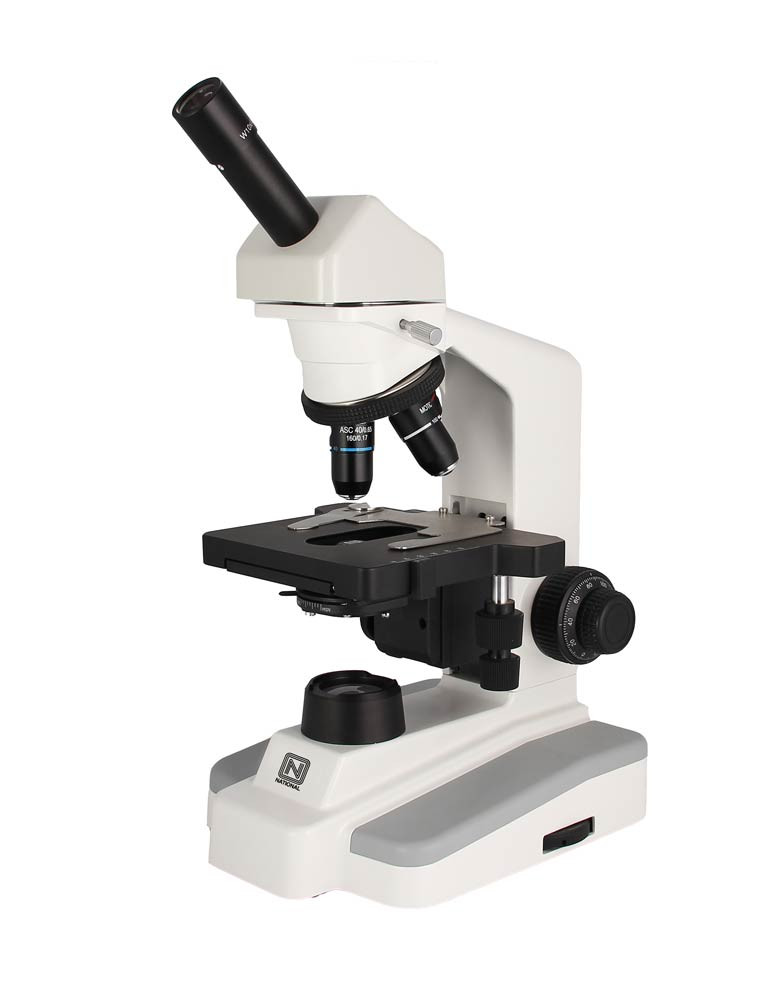
Microscope
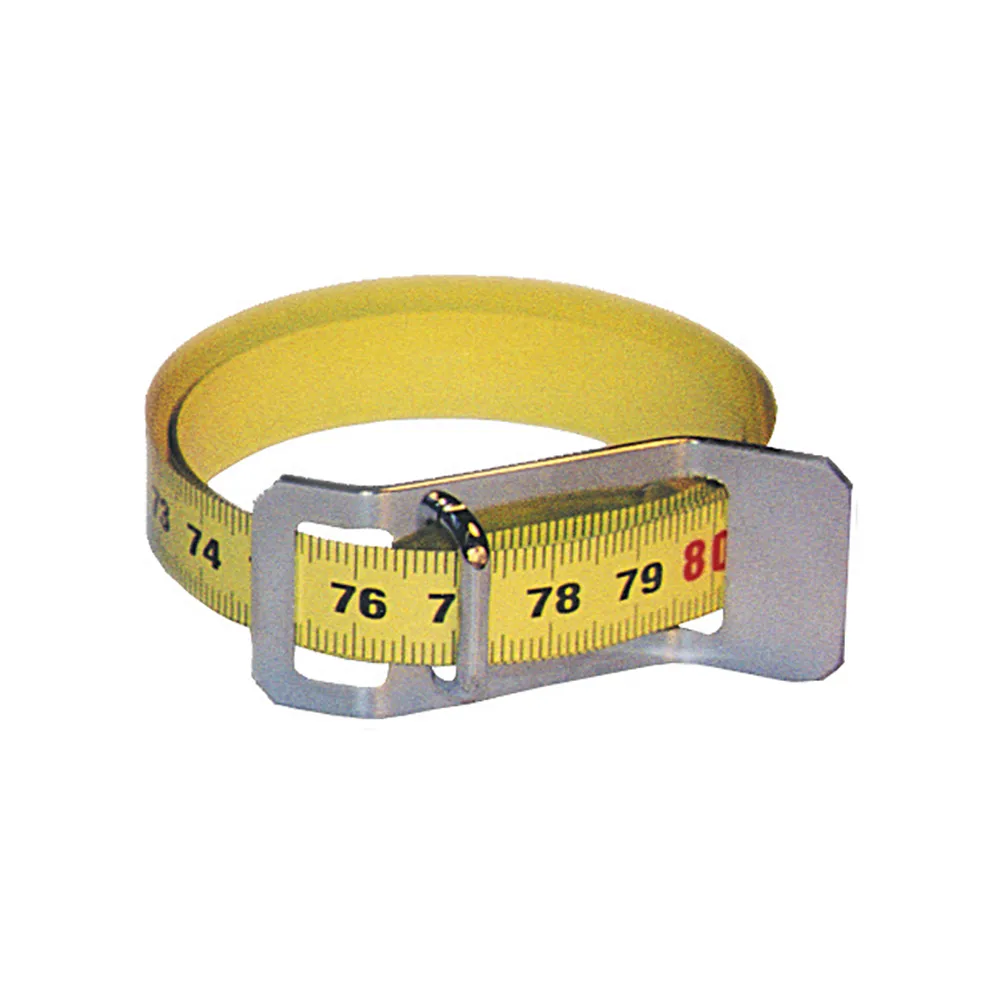
Scrotal circumference tape
Four basic tissues of the body
Epithelial, Nervous, Connective, and Muscular
Muscular Tissue- Skeletal
Voluntary
Muscular Tissue- Smooth
Involuntary
Muscular Tissue- Cardiac
Involuntary
Scrotum layers
Parietal/Visceral tunic vaginalis(vaginal tunic), Scrotal fascia, Tunica dartos(surface area), Scrotal Skin(sweat/cooling system)
Two types of testis
Pendulous - Hanging (Bull/Ram)
Non-Pendulous - attached on body (Stallion/Boar)
Epididymis and sperm characteristics (Three segments)
Caput (HEAD) - fluid reabsorption
Corpus (BODY) - maturation
Cauda (TAIL) - storage
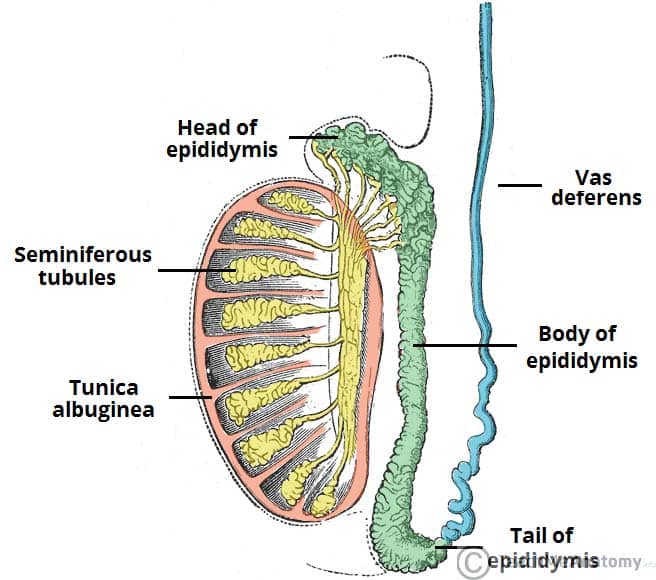
Epididymis
Penis types
Muscular-Vascular(raises up or down): human, stallion
Fibroelastic(extends): bull, ram, boar
What does the ischiocavernosus muscle do during an erection?
Muscle contracts to pump blood into the crus penis
Fibroelastic penis has a sigmoid flexure
True
Sigmoid flexure
S-shaped bend in the penis that straightens during erection in fibroelastic species.
Arterial inflow increases
Vasodilation of arteries
Venous outflow
Decreases and forces blood down into erection canals
To transport sperm…
Vas deferens needs smooth muscle
Where is the cervix located?
Between vagina and uterus
Vagina
Connects the cervix to the external genitalia and serves as the birth canal
Vulva
External opening of the reproductive tract, receives permission during copulation
Functions of cervix
Muscular barrier to keep baby in and bacteria out; produces cervical mucus

Species and their cervix
Cow- annular rings
Ewe- annular rings
Sow- interdigitated
Mate- longitudinal folds
Ectocervix
Stratified squamous epithelium, hard squamous cells
Endocervix
Simple columnar epithelium, soft glandular cells protecting cervix

Broad ligament:Provide support to and suspend the reproductive tract within the pelvic cavity
Mesosalphinx, Mesometrium, Mesoovarium

Uterine body and horns
Uterine body and horn functions
Transport sperm
Luteolysis (PGF2a)
Support pregnancy
Placenta attachment
Fetal expulsion
Uterus
Supports embryo and fetal development
Ampullary-Isthmic Junction(AIJ)
Site of fertilization
Oviduct functions
Gamete/zygote transport
Houses site of fertilization
Secretions
Ovary
Produces oocytes and reproductive hormones
Oviduct
Transports oocyte and embryo
Ampulla
Ovum transport
Infundibulum
“Catchers mit” captures ovary
Isthmus
Sperm reservoir
Early embryonic development
Ovary structures
Follicles
Corpora lutea
A follicle contains an immature oocyte surrounded by supporting cells.
True
Folliculogenesis
development and maturation of ovarian follicles
List the order of follicle stage
Primordial → Primary → Secondary → Tertiary
Primordial
First stage- immature oocyte surrounded by one layer of flattened cells.
Primary
Second stage- oocyte grows; surrounding granulosa cells become cuboidal.
Secondary
Third stage- multiple layers of granulosa cells develop; theca layers form.
Tertiary (antral)
Fourth stage- Fluid-filled space called the antrum develops
Which testicular cells produce testosterone?
Leydig cells
Fertilization occurs in the ampulla of the oviduct
True
Which hormone causes luteolysis
PGF2a
Which species is a seasonal short day breeder
Sheep
What is the main function of Sertoli cells?
Support developing sperm
What is the solid ball of cells called?
Morula
What is the dominant hormone during diestrus?
Progesterone
What is the fetal portion of a ruminant placentome?
Coryledon
Which hormone stimulates Leydig cells?
LH
What does a CIDR release?
Progesterone
Horses are seasonal long day breeders.
True
what is the maternal recognition signal in pigs
Estrogen
Sertoli cells line the seminiferous tubules and support developing sperm cells.
True
Which pairing correctly describes the two-cell, two-gonadotropin theory of estrogen production and ovarian follicles?
LH stimulates theca cells to produce androgens, while FSH stimulates granulosa cells to convert androgens into estrogens.
Which assisted reproductive technology involves placing an individual sperm cell directly into an oocyte?
Intracytoplasmic sperm injection
Ruminants have a cotyledonsry placenta with distinct placental attachment sites
True
A CIDR used for estrous synchronization releases prostaglandin F2a to cause regression of the CL
False
Scrotum
Holds and protects the testes; regulates temperature.
Testicles (Testis)
Produce sperm and testosterone
Define Epididymis
Sperm mature, gain motility, and are stored.
Define Vas deferens
Transports sperm from the epididymis toward the urethra.
Produce seminal fluids that nourish, protect, and transport sperm.
Define Accessory sex glands
Define Penis
Delivers semen into the female reproductive tract during mating.
Define Urethra
Passageway for urine and semen (at different times).
Bulbourethral glands
Produces mucus-like secretions that lubricate and help prepare the urethra.
Prostate glands
Produces fluid that contributes to semen
seminal vesicles
produce a large portion of seminal fluid
Thermoregulation
Maintaining the proper temperature of the testes for sperm production.
High testicular temperatures can interfere with spermatogenesis, resulting in reduced sperm production, motility, and quality.
True
Important structures that have parts in thermoregulation
Pampiniform plexus
Cremaster muscle
Dartos muscle
Scrotal skin
Pampiniform plexus
Network of veins that cools incoming arterial blood through heat exchange
Cremaster muscle
Raises and lowers testes
Dartos muscle
Contracts or relaxes the scrotal skin to regulate heat loss.
Scrotal skin
helps release heat through sweating and blood flow
Peritubular myoid cells
Help move fluid and sperm through the seminiferous tubules through contraction.
sertoli cells support sperm
true
Leydid cells make testosterone
True
Granulosa cells
Support the oocyte and produce hormones
Theca cells
Produce androgen precursors used for estrogen production
Antrum
Fluid-filled cavity inside a developing follicle
DEFINE Leydig cells
Found in the interstitial compartment, produce testosterone in response to LH; support and nutrition to germ cells.
DEFINE Sertoli cells
Found in tubular compartment of the testes; secrete androgen-binding protein in response to FSH; support and nutrition to germ cells.
Corpus hemorrhagicum (CH)
RED, newly ruptured follicle, essentially a blood clot
Granulosa cells develop into large luteal cells
True
Corpus luteum (CL)
YELLOW, forms from the ruptured follicle after ovulation, produces progesterone, and maintains the uterine environment
Luteolysis = destruction or regression of the corpus luteum.
True
Corpus albicans (CA)
WHITE, remain after CL regresses, look like dots
Luteogenesis
Formation of CL
What do hormones regulate?
Reproduction, growth, development, pregnancy
Endocrine
Hormone enters blood and acts on distant target cells
Paracrine
Diffuse to neighboring cells of same organ
Autocrine
Feedback on cell origin / itself
Exocrine
Releases secretions via duct
Neuroendocrine
Hormones released by a nerve are blood-borne
GnRH
Hypothalamus, stimulates pituitary release of FSH and LH
FSH
anterior pituitary, stimulates follicle growth and sertoli cell activity
LH
anterior pituitary, triggers ovulation and stimulates leydig cells to produce testosterone