Wild Game Final Exam
 Call Kai
 Learn
 Practice Test
 Spaced Repetition
 Match
 Flashcards
 Knowt Play
1/27

There's no tags or description
Looks like no tags are added yet.
28 Terms
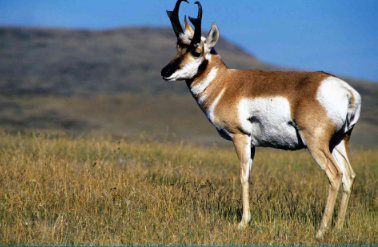
Common and scientific name, gender, what are they called in a group, are they CWD susceptible
Pronghorn antelope (Antilocapra americana)
Male: buck
Female: Doe
Group: Herd
NOT CWD Susceptible
Special notes on proghorn antelopes
They have antlers, not horns
They have a distinct cheek patch that can be used to distinguish gender

Common and scientific name, gender, what are they called in a group, are they CWD susceptible
White-tailed deer (Odocoileus Virginianus)
Male: Buck
Female: Doe
Group: Herd
They ARE Susceptible to CWD
Special Notes/Comments for White-tailed deer
White tail to distinguish their species and antlers
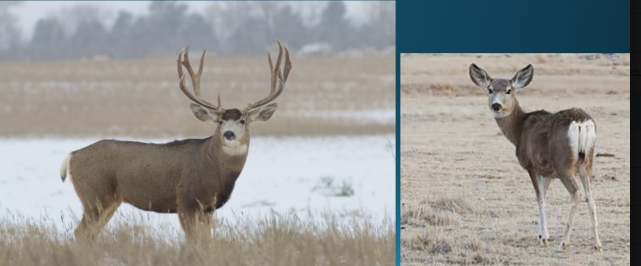
Common and scientific name, gender, what are they called in a group, are they CWD susceptible
Mule Deer (Odocoileus heminous)
Male: Buck
Female: Doe
Group: Herd
They ARE CWD Susceptible
Unique Characteristics associated with Mule Deer
Undergo something called stotting - a very unique run. Mule deer have a small thin tail with a black tip and a white butt. They have big ears and are significantly bugger in size and have very big antlers.

Common and scientific name, gender, what are they called in a group, are they CWD susceptible
Elk (Cervis canadensis)
Male: Bull
Female: Cow
Group: Herd/congregation
They ARE CWD Susceptible
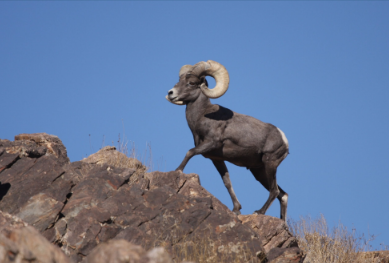
Common and scientific name, gender, what are they called in a group, are they CWD susceptible
Bighorn Sheep (ovis canadensis)
Male: Ram
Female: Ewe
Group: Herd
DONT KNOW if they are CWD susceptible
Special comments relating to Bighorn Sheep
North Texas Desert Bighorn, very susceptible to pneumonia

Common and scientific name, gender, what are they called in a group, are they CWD susceptible
American bison (Bison bison)
Male: Bull
Female: Cow
Group: Herd
They ARE NOT CWD Susceptible
Special comments and characteristics relating to the American bison
They ARE NOT buffalo, they are mainly privately owned, we are not sure if they are susceptible to CWD for sure

Common and scientific name, gender, what are they called in a group, are they CWD susceptible
Collared Peccary/Javelina (Tayassu tajacu)
Male: Boar
Female: Sow
Group: Squadron
Special comments and concerns for javelinas
NOT a pig, they are small but can mess you up, monomorphic, sharp canines and small litter, only found in New Mexico, Arizona and Texas

Common and scientific name, gender, what are they called in a group, are they CWD susceptible
American Alligator (Alligator mississippienisis)
Male: Bull
Female: Sow
Group: Congregation
They ARE NOT CWD Susceptible
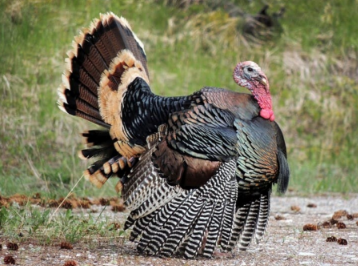
Common name, names for genders
Wild turkey
Male: Tom/gobbler
Female: Hen
Special comments for Wild Turkeys
Toms and Jakes have a heard that is a feather stemming from their chest, female sometimes have them but is not usual, three subspecies
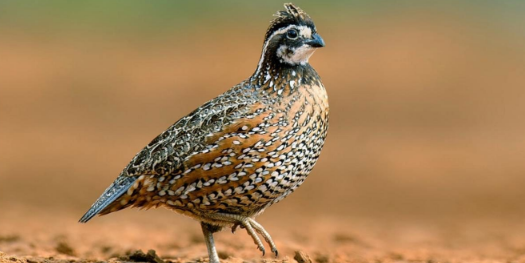
Common name, male and female genders, monomorphic/dimorphic
Northern Bobwhite Quail
Male: Cock
Female: Hen
Distinguishing characteristics of Northern Bobwhite Quail
Short and round with a short crest, striped face and white throat, population has declined by about 75 percent

Common name, male and female genders, monomorphic/dimorphic
Scaled quail
Male: Cock
Female: Hen
Monomorphic
Defining characteristics of Scaled Quail
Has the appearance of fish scaled, lives in the desert and the grasslands, has a peaked crest
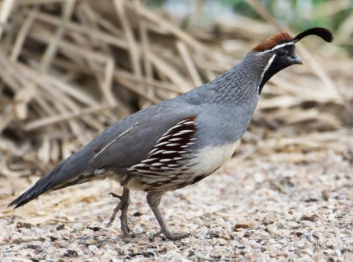
Common name, male and female genders, monomorphic/dimorphic
Common name: Gamber’s Quail
Male: Cock
Female: Hen
Dimorphic
Name some defining characteristics of the Gamber’s Quail
Comma-shaped crest
Red head
Black face
White stripe
Deserts
Population has declined by 2/3

Common name, male and female genders, monomorphic/dimorphic
Montezuma quail
Male: Cock
Female: Hen
Dimoprhic
Name some defining characteristics of the Montezuma quail
Look like a clown
Population has been rapidly declining
Black and white patterned face
Red belly
Spotted sides
Short tail
Found in desert areas

Common name, monomorphic/dimorphic
Plain Chachalaca
Monomorphic
Name some defining characteristics of the plain chachalaca
Arboreal galliform
Large
Long tail
Less plump

Common name, monomorphic/dimorphic
Mourning dove, monomorphic
Name some defining characteristics of the morning dove
Pointed tail
They are named after the sound that they make
Large
Small black beak