Unit 6: Kidneys, fluids, and electrolyte ILE 1 pt. 2
 Call Kai
 Learn
Learn Practice Test
 Spaced Repetition
 Match
Match Flashcards
 Knowt Play
 Podcast
1/164

There's no tags or description
Looks like no tags are added yet.
Name | Mastery | Learn | Test | Matching | Spaced | Call with Kai | Chat |
|---|
No analytics yet
Send a link to your students to track their progress
165 Terms
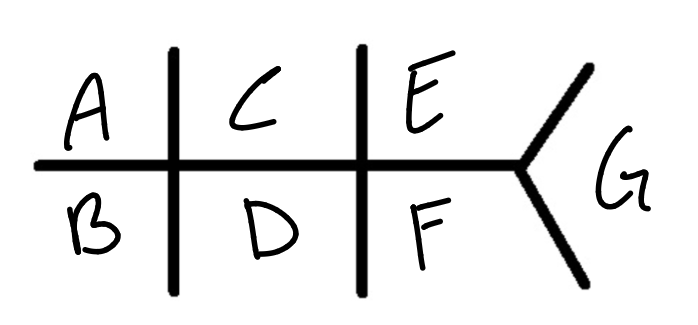
What goes in place of A on them chem 7 diagram?
sodium (Na)
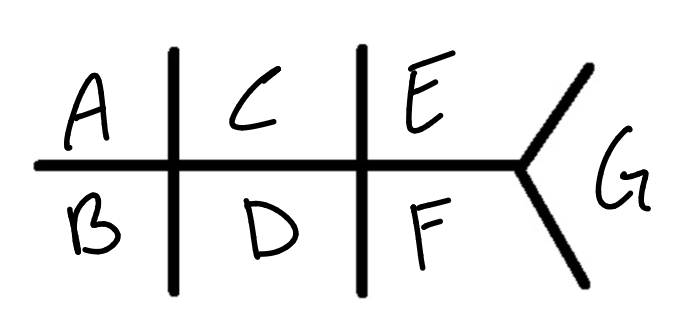
What goes in place of B on them chem 7 diagram?
potassium (K)
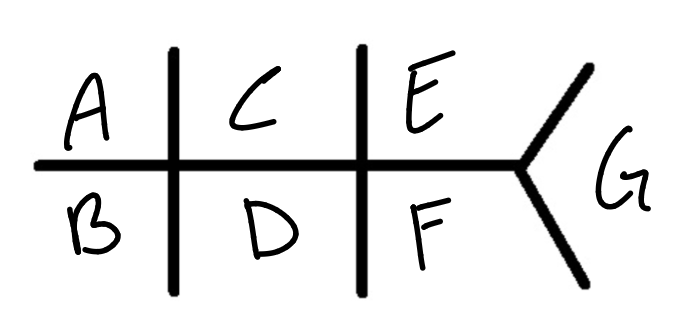
What goes in place of C on them chem 7 diagram?
Chloride (Cl)
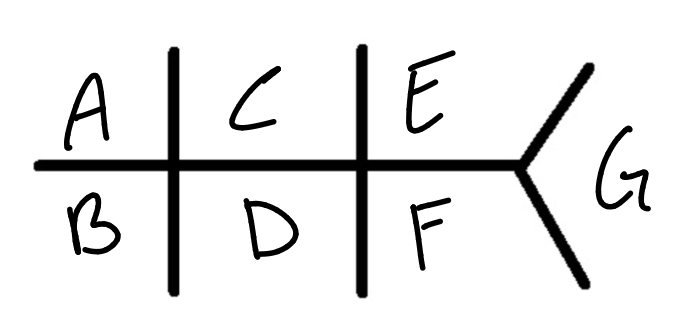
What goes in place of D on them chem 7 diagram?
bicarbonate/CO2
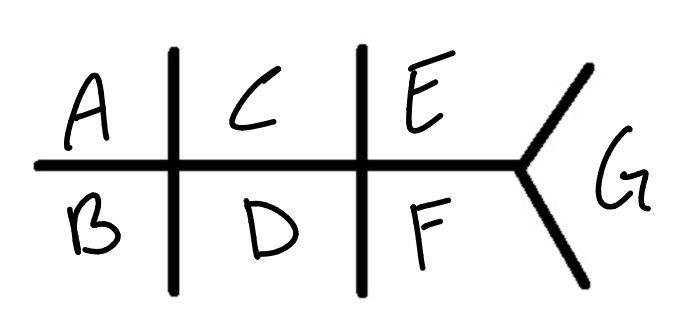
What goes in place of E on them chem 7 diagram?
blood urea nitrogen
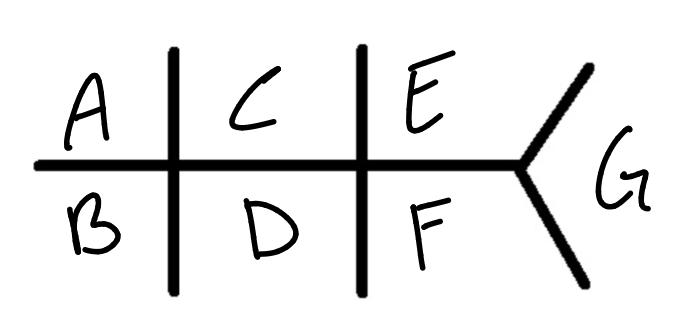
What goes in place of F on them chem 7 diagram?
serum creatine
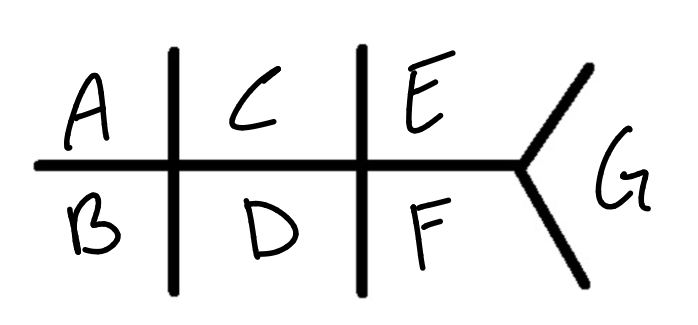
What goes in place of G on them chem 7 diagram?
glucose
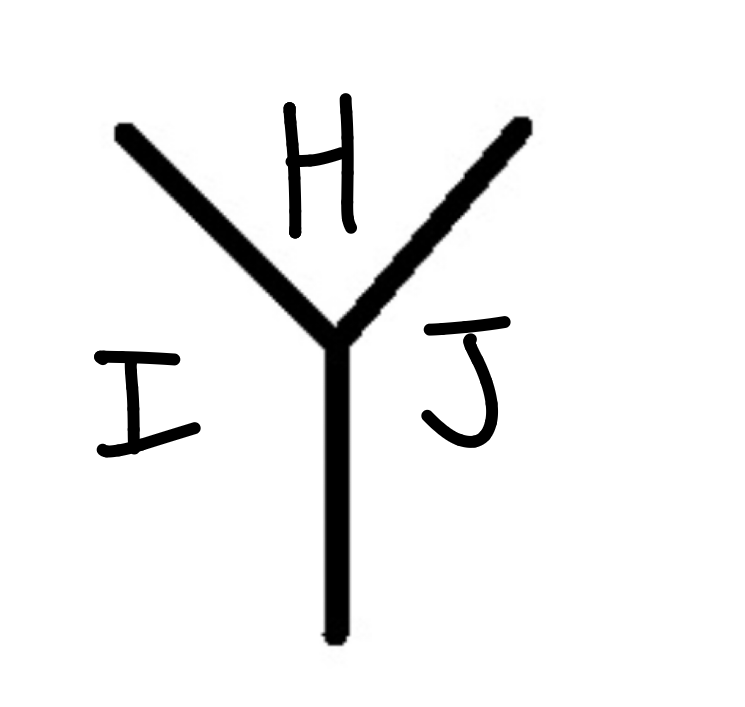
What goes in place of H on them chem 10 diagram?
Calcium (Ca)
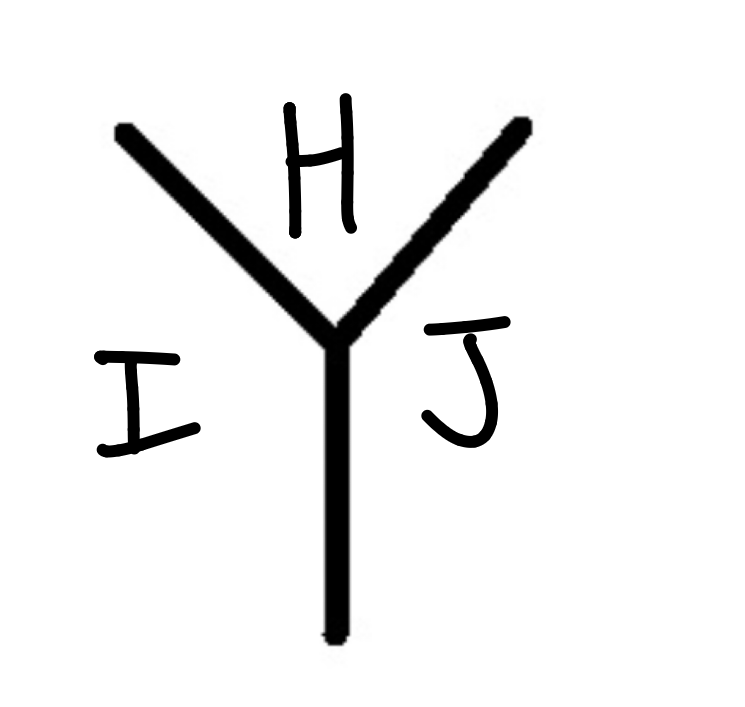
What goes in place of I on them chem 10 diagram?
Magnesium (Mg)
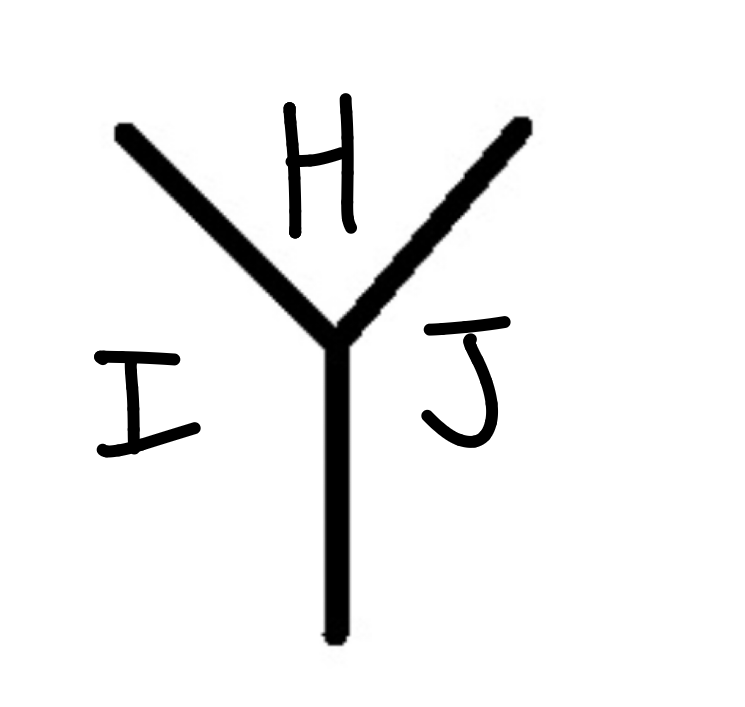
What goes in place of J on them chem 10 diagram?
phosphorus (Phos)
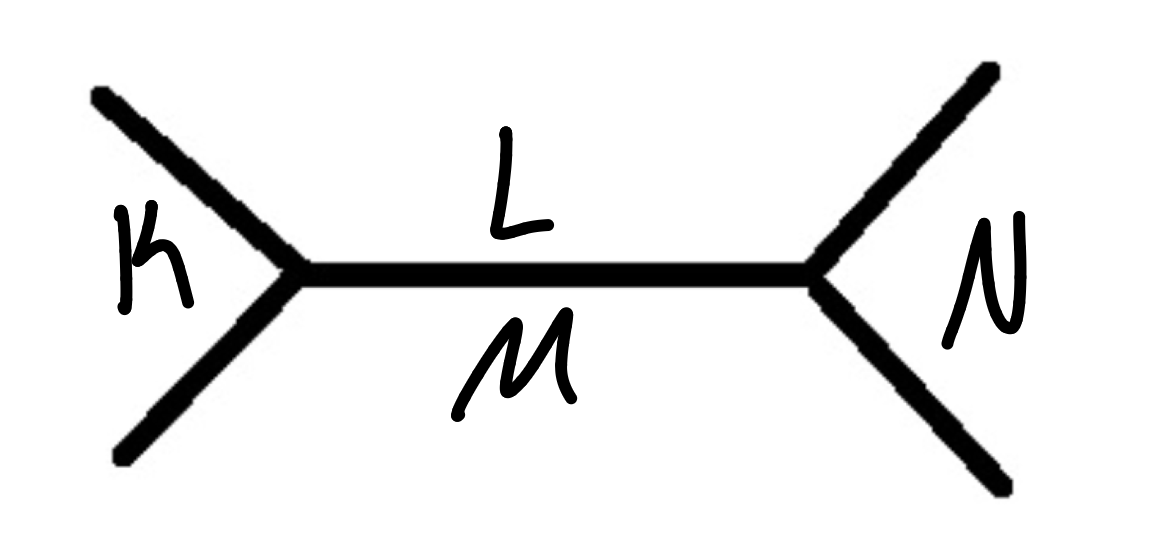
What goes in place of K on them CBC diagram?
white blood cells (WBC)
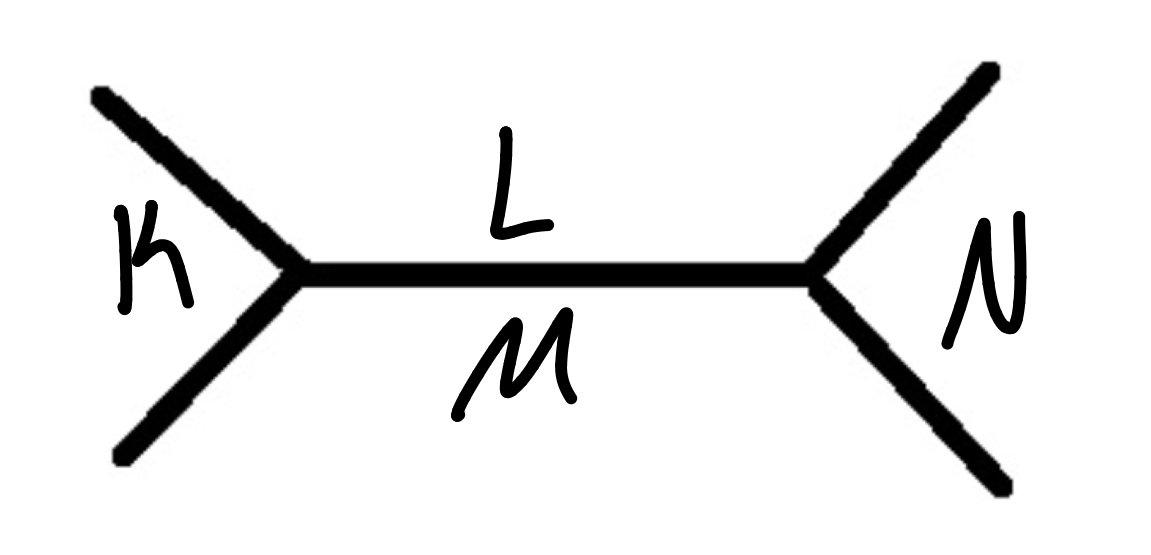
What goes in place of L on them CBC diagram?
hemoglobin (Hgb)
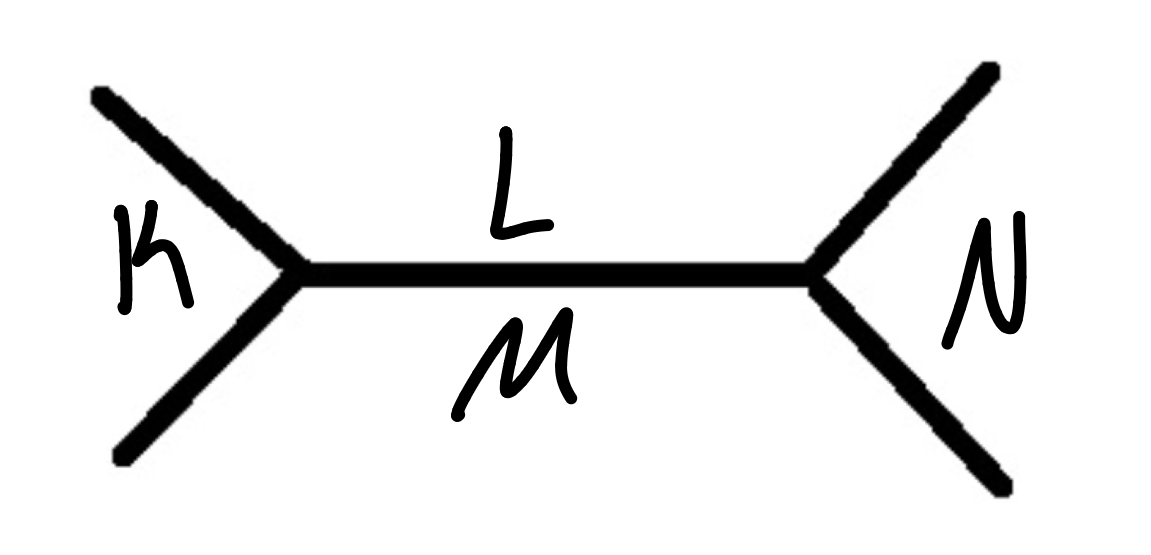
What goes in place of M on them CBC diagram?
hematocrit (Hct)
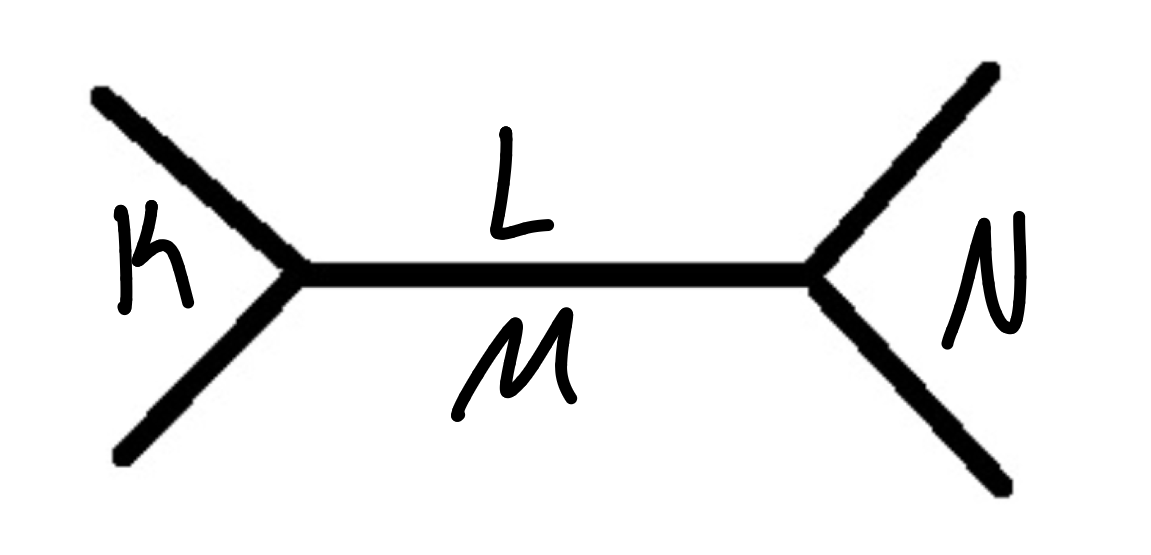
What goes in place of N on them CBC diagram?
platelets (Plt)
fluid homeostasis
maintaining intracellular volume to facilitate tissue perfusion and oxygenation, ensures cellular functions
TBW
total body water
your TBW should be ___% of your total body weight
60% in men and 50% in women
the extracellular compartment is __ of TBW
1/3
intravascular fluid (plasma) makes up ___ of extracellular fluid
1/4
interstitial fluid (between cells) makes up ___ of extracellular fluid
3/4
the intracellular compartment makes up ___ of total body water
2/3
Mechanisms responsible for water/ fluid loss
excretion via urination (kidney), injury/trauma/disease, insensible fluid loss (exhalation, precipitation, defecation), alcohol, drugs, pharmaceuticals
capillary
thin semi-permiable membrane of endothelial cells
What is responsible for osmotic pressure?
large molecules and proteins
starling forces
influences of filtration rate along capillary
ligand gating
form of passive transport where channels open in response to ligand binding
voltage gating
form of passive transport where channel opens in response to a change in membrane potential
post-tanslational modification
channel gates in response to modification such as phosphorylation
Example of an active transport mechanism
Na, K, ATPase transporter
For the Na+, K+, ATPase active transporter α subunit has…
Na-binding site, phosphorylation site, and ATP-binding site
For the Na+, K+, ATPase active transporter extracellular portion has
K-binding site and ouabain-binding site
Osmosis
flow of water across cell membranes via simple or facilitated diffusion
how does the body maintain homeostasis in regards to osmosis?
pumps/transporters
hydrostatic pressure
force exerted by fluid against a wall that results in movement of fluid between compartments (ex: force due to pumping of the heart)
What forces plasma and nutrients out of the capillaries and into the surrounding tissue?
hydrostatic pressure
isotonic solution
same concentration inside and outside (no net movement)
Hypertonic solution
extracellular has an increased concentration than intercellular (net movement out of cell)
hypotonic solution
extracellular has a lower concentration than intercellular (net movement into the cell)
if you place a cell in an isotonic solution, it is likely to undergo
equilibrium
if you place a cell in a hypertonic solution it is likely to undergo
crenation (shrivel)
If you place a cell in a hypotonic solution it is likely to undergo
lysis (rupture)
What electrolytes are primarily extracellular?
Na, Cl, CA
what electrolytes are primarily intracellular?
K, Mg, PO4
What influenced transcellular fluid balance?
osmolality and tonicity
what is the primary organ of electrolyte-fluid balance?
kidney
Where is the thirst center located?
hypothalamus
A decrease in blood pressure causes
increased angiotensin II
when you have an insufficient amount of water in your body it
increases the osmolality of your blood
A patient presents to the emergency department with significant dehydration following several days of vomiting. Laboratory testing reveals an increased plasma osmolality. Which of the following structures in the hypothalamus is activated in response to the increased blood osmolality?
Osmoreceptors
Water follows?
Sodium!
Can you regenerate a nephron once it has been damaged?
no
kidney physiology
removes waste, regulates serum pH, regulates blood pressure, produces hormone responsible for red blood cell production, and regulates bone health
urine contains
95% water and 5% solutes
Glomerular filtration
water and solutes move from blood vessels of glomerulus to begin urine via diffusion (larger molecules like proteins and drugs cannot enter bowman’s capsule)
GFR
total amount of filtrate (mL) formed by all nephrons/min & used to approximate kidney function
What is the typical GRF
(120-130 ml/min)/1.73m2
How to determine GFR
a) administer a substance that is not metabolized and freely filtered and measure amount excreted in urine over a known time period (expensive)
b) use an endogenous substance that is not metabolized and is freely filtered like serum creatinine (SCr) or Cystain-C (cys-c) (estimated value)
reabsorption
movement of solutes and water from urine back into blood stream & regulated by diffusion, active transport, and cell membrane charge
Where are medications reabsorbed?
distal tubule and collecting duct
Where are water and solutes primarily reabsorbed?
throughout the nephron
Secretion
movement of water and solutes from blood into urine
What is always an active process and occurs in the PCT (and ion Channels)
secretion
Glomerulus
freely filters Na+ (water follows), C-, K+, HCO3, phos, Ca+2
the Proximal Tubule of a nephron reabsorbs
all of the glucose
majority of Na (water follows), Cl, K, HCO3, Ca
some of phos
the Proximal Tubule of a nephron secretes
creatinine, H+, NH+4, some drugs
Which part of the nephron reabsorbs ~20% K, ~10% phos, ~20% Ca?
loop of henle
The descending limb of the loop of henle absorbs
water only
the ascending limb of the loop of henle reabsorbs
Na and Cl
Is impervious to water
What drug targets the loop of henle
loop diuretics
Where in the nephron is ~5% Na/Cl +water, ~10% phos, and ~20% Ca reabsorbed?
Distal convoluted tubule
What is secreted by the distal convoluted tubule?
K+ (via aldosterone), H+, NH4+, and some drugs
What drug targets the distal convoluted tubule?
thiazide diuretics
The collecting duct of the nephron reabsorbs
Na+ and Cl- , aquaporins allow for water movement, Ca+, and phos (via PTH)
What is secreted in the collecting duct
K+(via aldosterone), H+, NH4+, and some drugs
What drug targets the collecting duct
aldosterone antagonists and vasopressin antagonists
how does aldosterone influence reabsorption?
binds to and stimulates ENaC → increased Na+ reabsorption → increased water reabsorption
how does aldosterone influence secretion?
it binds to and stimulates Na-K ATPase → increased K+ secretion
thiazide diuretics
is a weak diuretic used to treat HTN and edema
Block Na-Cl symporter of Distal convoluted tubule
Predictable ADRs: hyperglycemia, hyperuricemia, hypomagnesemia, hypokalemia, hypotension, hyponatremia, and dehydration
loop diuretics
used to treat volume overload and HTN
Block the Na-K-2Cl cotransporter at the ascending loop
unpredictable ADRs: hearing loss
predictable ADRs: hypocalcemia, hyponatremia, hypokalemia, hypomagnesemia, hypotension, dehydration
mineralocorticoid receptor antagonists
used to treat resistant HTN resistant and ascites (fluid build up in abdominal cavity)
unpredictable ADRs: rash, gynecomastia, hirsutism, sexual dysfunction, dysmenorrhea, headache
predictable ADRs: hyperkalemia, and hypotension
Antidiuretic hormone (ADH)
released by pituitary gland to regulate water in the kidneys → binds to vasopressin V (ADH) receptor → cAMP activated → aquaporin channel proteins produced and inserted into apical membrane → water reabsorbed via osmosis
vasopressin receptor antagonists
prevent ADH from binding ADH/ vasopressin receptor → no G-protein release → no aquaporins → no water reabsorption
predictable ADRs- dehydration, frequent urination, decreased urine osmolality
Crystalloids
solutions of small molecules/ electrolytes in water that are able to distribute into tissues (ex: saline, dextrose, LRS)
Colloids
dispersions of large organic molecules like proteins (albumin) or complex polysaccharides (dextrans, starches); remain in intravascular space
5% dextrose in water (D5W) tonicity
hypotonic
0.45% NaCl (half normal saline) tonicity
hypotonic
0.9% NaCl (normal saline) tonicity
isotonic
0.9% NaCL electrolytes
Na: 154 | Cl: 154
serum osmolality
concentration of dissolved particles (ex: electrolytes and glucose) in blood
used as an indicator of the body’s water balance
heavily influenced by Na
estimated serum osmolality
Isotonic saline has what effect on intracellular volume>
no change
Isotonic saline effect on extracellular volume
increase
Isotonic saline effect on serum osmolarity
no change
Hypotonic saline effect on intracellular volume
increase
Hypotonic saline effect on extracellular volume
increase
Hypotonic saline effect on osmolarity
decrease
Hypertonic saline effect on intracellular volume
decrease
Hypertonic saline effect on extracellular volume
increase
Hypertonic saline effect on serum osmolarity
increase
What are some labs values to consider when assessing a patient’s fluid status
electrolytes, serum-urine osmolality, glucose, protein, lipids, BUN:SCr
hypovolemic
too little volume
decrease BP and BW, increased HR, Dry mouth, thirst, pale gums, dark urine