Arch History I - Test 3
 Call Kai
 Learn
 Practice Test
 Spaced Repetition
 Match
 Flashcards
 Knowt Play
1/29

There's no tags or description
Looks like no tags are added yet.
30 Terms

Stele 3, Axum, 3rd century CE. It was taken to Rome and later re-installed in Axum.

The Tomb of the False Door, Axum, 4th century CE. It is a post and lintel structure, with rubble masonry for posts and ashlar masonry for lintels.
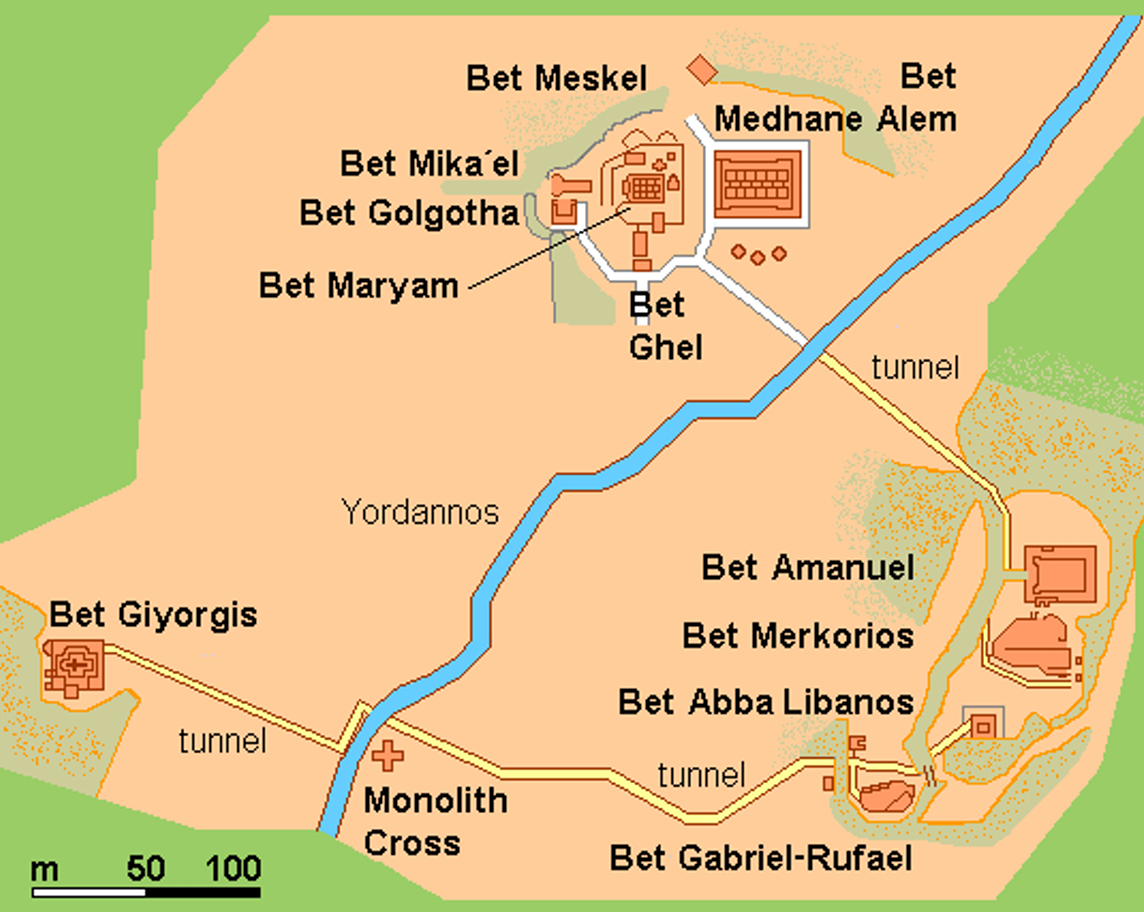
Plan of Lalibela showing the churches and the Yordannos or “River Jordan.” Ethiopia. 1200 CE. Was a Christian pilgrimage center and remains an active pilgrimage site today.
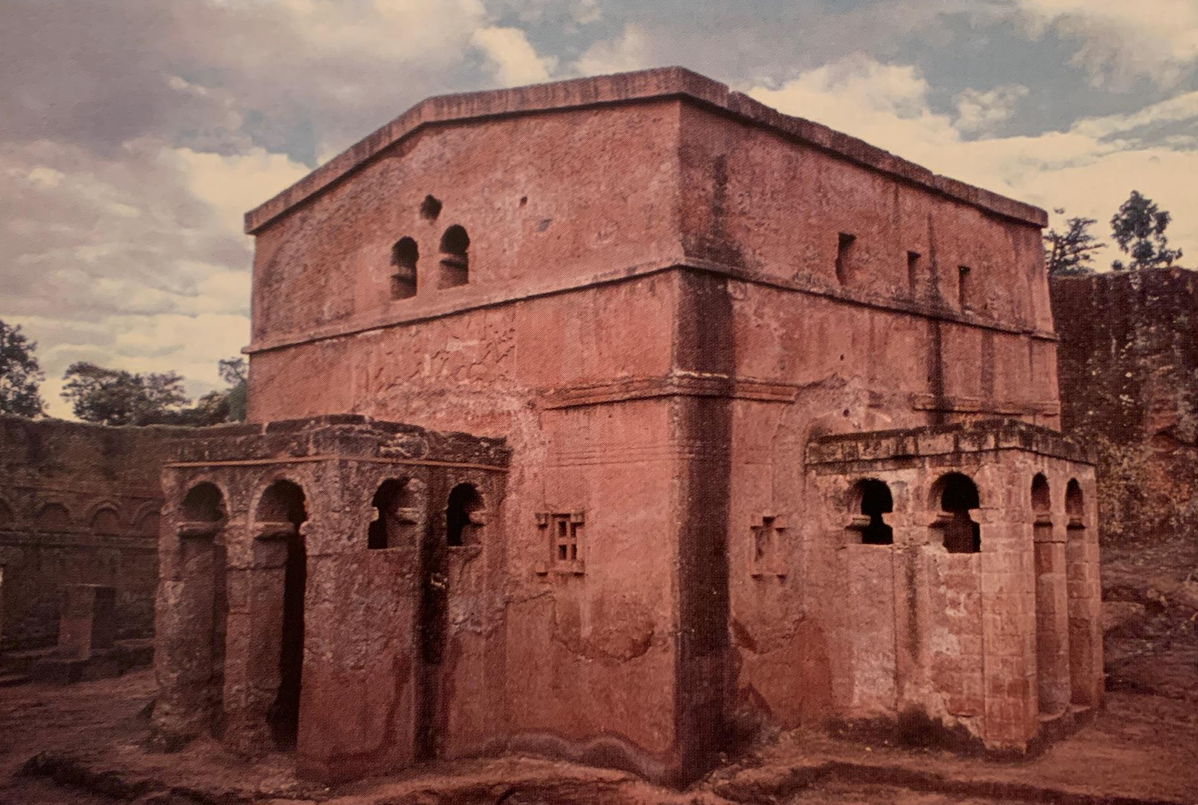
Bete Maryam (House of Mary), 11th century CE, Lalibela. Has voisours and keystones of arches as decoration—not needed for structure.

Bete Maryam (House of Mary), 11th century CE, Lalibela. Has voisours and keystones of arches as decoration—not needed for structure.

Bete Gabriel-Rafa’el (Houses of Gabriel and Raphael), 12th century CE, Lalibela. Has engaged columns and other unneeded structural elements used as decoration and to mark it as a building.

Bete Gabriel-Rafa’el (Houses of Gabriel and Raphael), 12th century CE, Lalibela. Has engaged columns and other unneeded structural elements used as decoration and to mark it as a building.

Bete Giyorgis (House of St. George), late 12th century, Lalibela. The concentric crosses were a source of devotional fixation and people would gather around the structure to pray and meditate.

The Great Temple from the Codex Ixtlilxochitl, early 17th century, Tenochtitlan. Had 2 staircases leading to 2 shrines to gods, where there were human sacrifices.

The Great Temple, Tenochtitlan, 1375. Had 2 staircases leading to 2 shrines to gods, where there were human sacrifices.

Temascal, Tenochtitlan, mid-16th century. Adobe sweat-bath structure with a small domed chamber where water was poured onto heated stones to create steam.

Nuremberg Map of Tenochtitlan, 1524. Expansive dikes and causeways connect settlements and protect the city and fields against flooding.

Chapultepec Aqueduct, Tenochtitlan, 1418. As shown in the Nuremberg map. Rests on artificial islands, with pathways and a 2nd water channel to allow for maintenance.

Chinampas, Tenochtitlan. Still cultivated today for food in Mexico City.

Andrea Pisano, reliefs for the bell tower of Florence Cathedral, 1336. Represents the separation of intellectual labor (architect) from manual labor (builder).

Arnolfo di Cambio, Santa Maria del Fiore, Florence, 1446. Dome by Filippo Brunelleschi. Brunelleschi made models of the design using potatoes and turnips that he cooked and ate at the end of the day.

Michelangelo, drawing of stone blocks for the façade of San Lorenzo, 1520. Used to spec the sizes and shapes of pieces of stone for the facade; demonstrates the architect’s role in developing construction details.

Giuliano da Sangallo, model of the Palazzo Strozzi, Florence, 1480. Was a tool to visualize and communicate spatial relationships; it was a series of stacked trays for different floors.

Leon Battista Alberti, Basilica of Sant’Andrea, Mantua, 1470. Was a reimagining of roman buildings, combining the Arch of Constantine and the Pantheon.

Leon Battista Alberti, Basilica of Sant’Andrea, Mantua, 1470. Was a reimagining of roman buildings, combining the Arch of Constantine and the Pantheon.

Fra Angelico, Annunciation, San Marco Convent, Florence, 1441. Uses linear perspective to create 3D space; contains a message to pray, instructing religion.
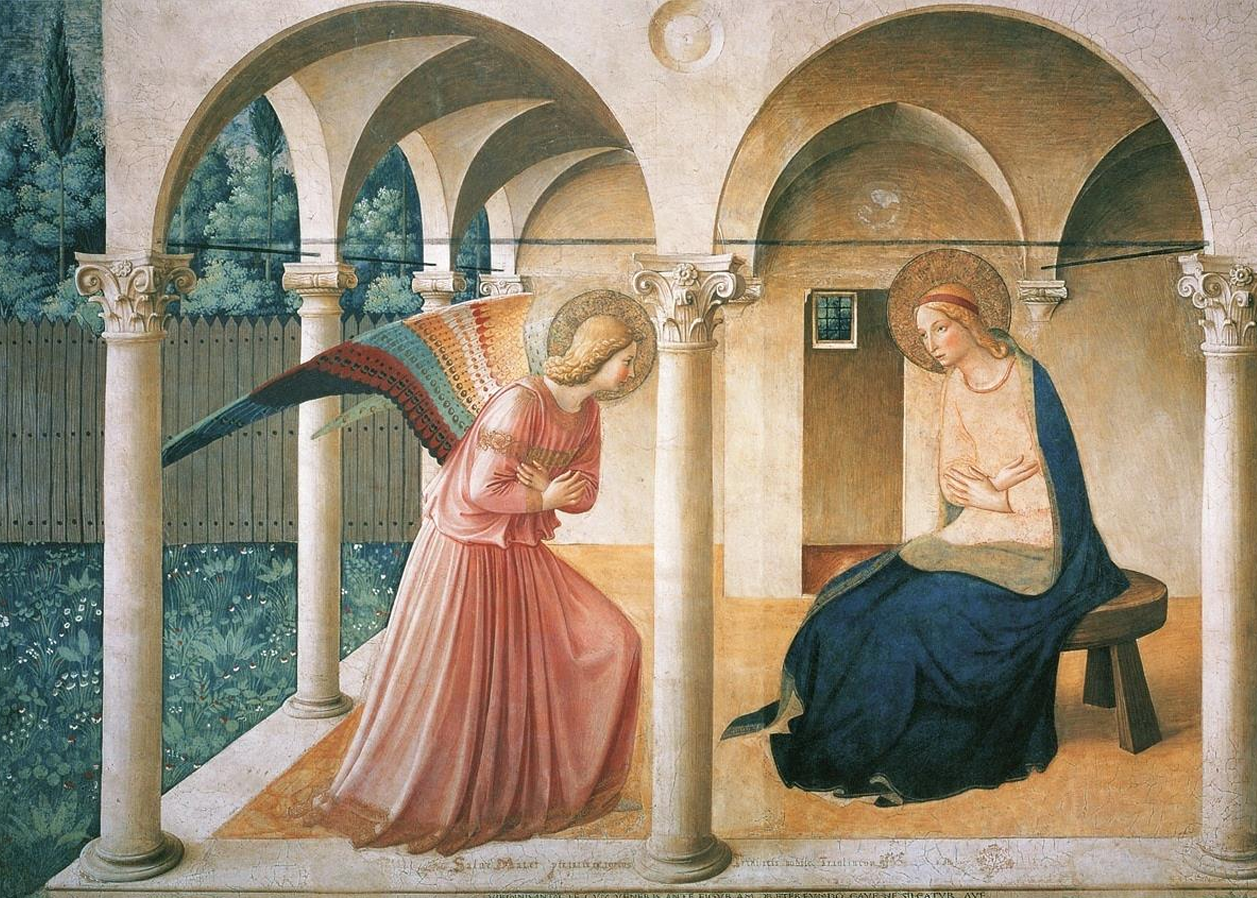
Fra Angelico, Annunciation, San Marco Convent, Florence, 1441. Uses linear perspective to create 3D space; contains a message to pray, instructing religion.

Fra Angelico, The Annunciation, cell 3, San Marco Convent, Florence, 1441. Monks’ dormitory cells each contained a painting beside the window, framed to fit the architecture and encourage prayer.

Ardabil Carpet, 1539. Oldest carpet that we can distinguish a manufacturing date for.

Sheikh Safi al-Din Khānegāh Shrine; Ardabil, Iran; 1647. The courtyards, iwans, and floral motifs symbolically recreate the gardens of paradise.

Sheikh Safi al-Din Khānegāh Shrine; Ardabil, Iran; 1647. The courtyards, iwans, and floral motifs symbolically recreate the gardens of paradise.
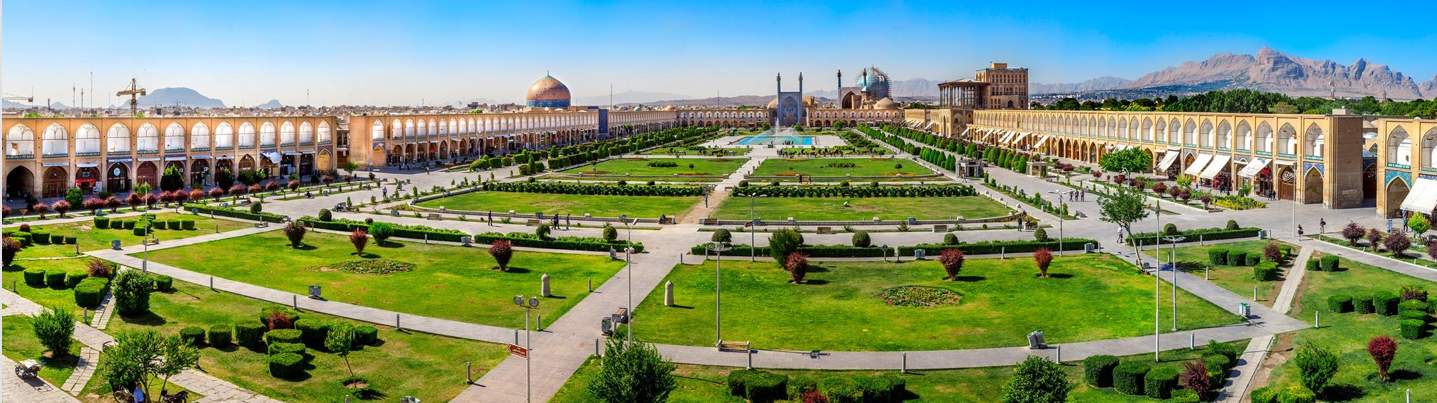
Shaykh Bahai (architect), Maidan-I Shah, Isfahan, 1629. The central grounds were used for sporting events and it was bound on all sides by arcades with stores.
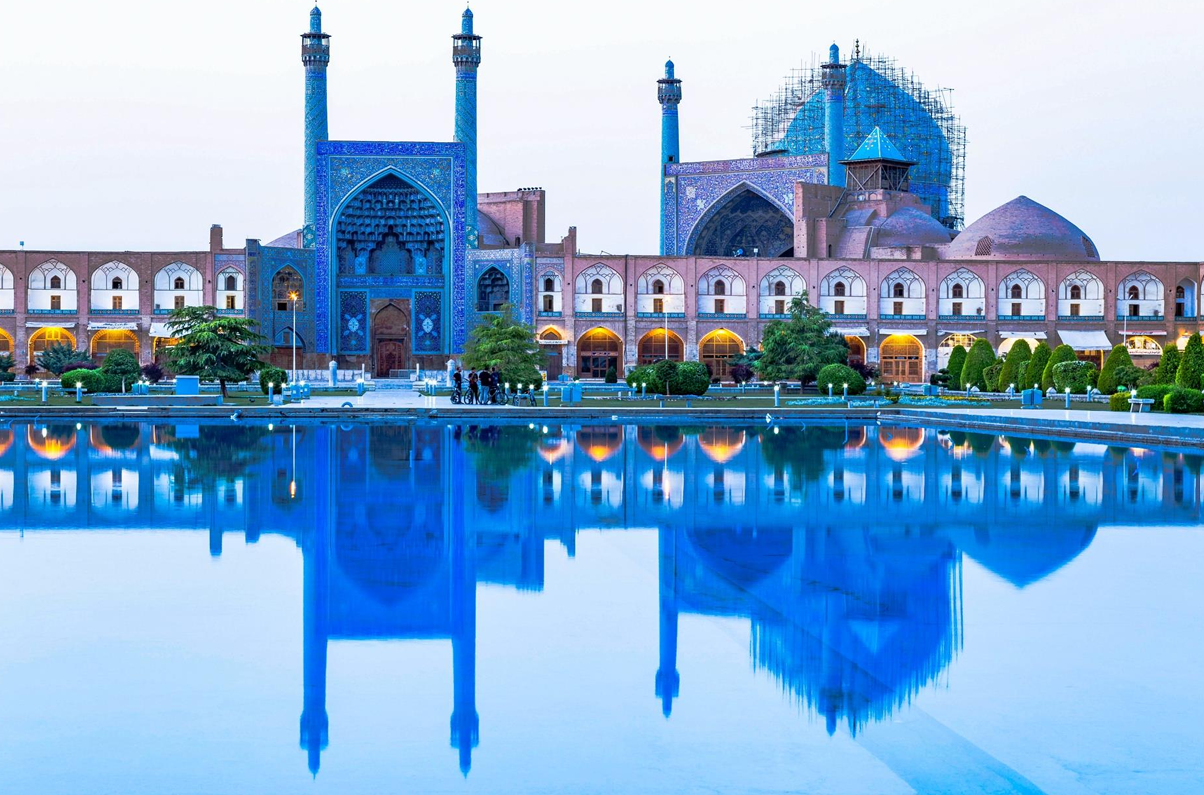
Ali Akbar Isfahani, Shah Mosque, Isfahan, 1629. Muqarnas beneath the dome create a fluid effect, making the vault appear liquid.

Ali Akbar Isfahani, Shah Mosque, Isfahan, 1629. Muqarnas beneath the dome create a fluid effect, making the vault appear liquid.

Ustad Ahmad Lahouri; Taj Mahal; Agra, India; 1632. Has the longest single Quaranic inscription in the world, all relating to the afterlife.