Gestation and contraception
 Call Kai
 Learn
 Practice Test
 Spaced Repetition
 Match
 Flashcards
 Knowt Play
1/47

There's no tags or description
Looks like no tags are added yet.
48 Terms

Sperm

Region
Head of sperm

Region
Neck of sperm
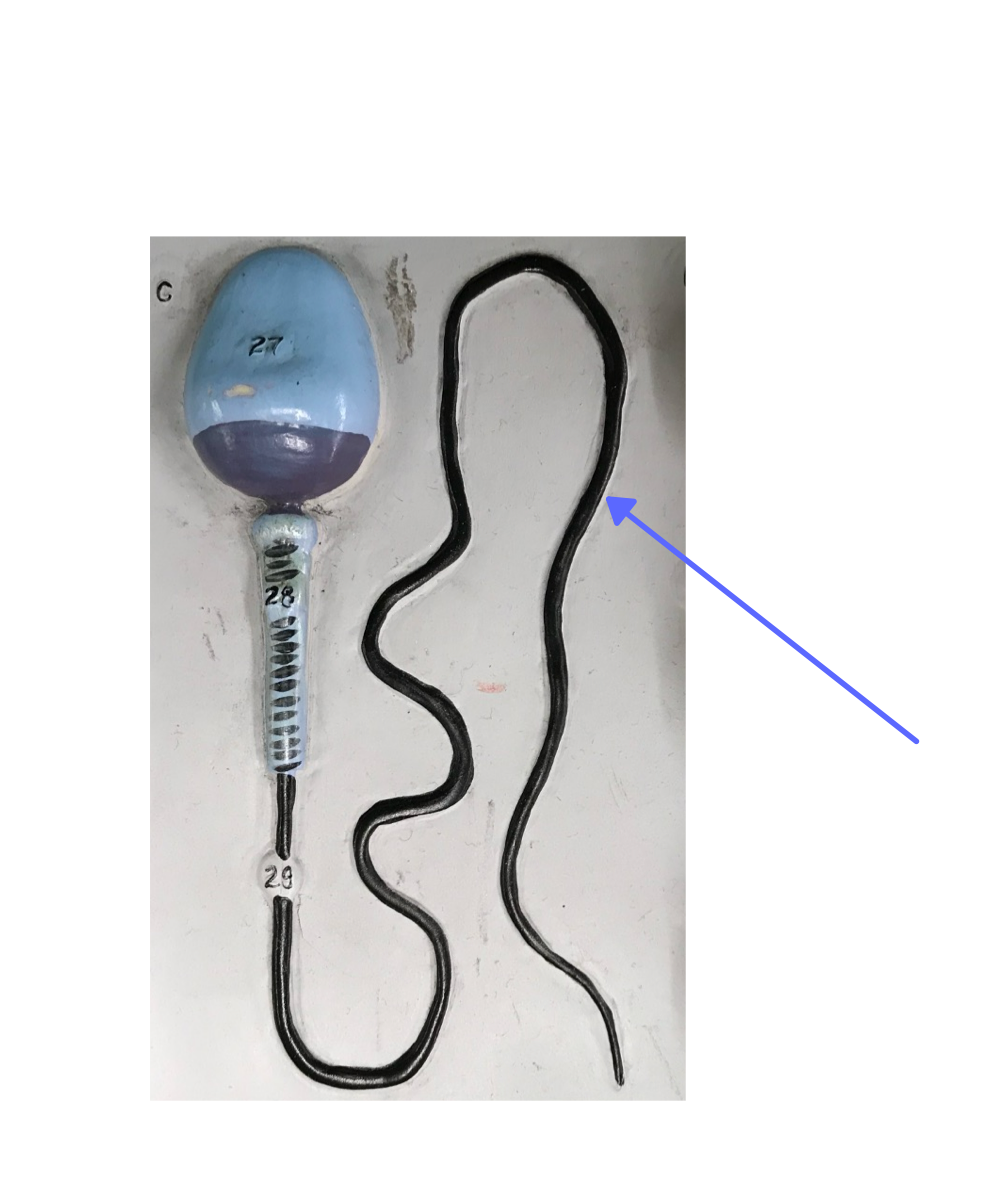
Region
Tail of sperm
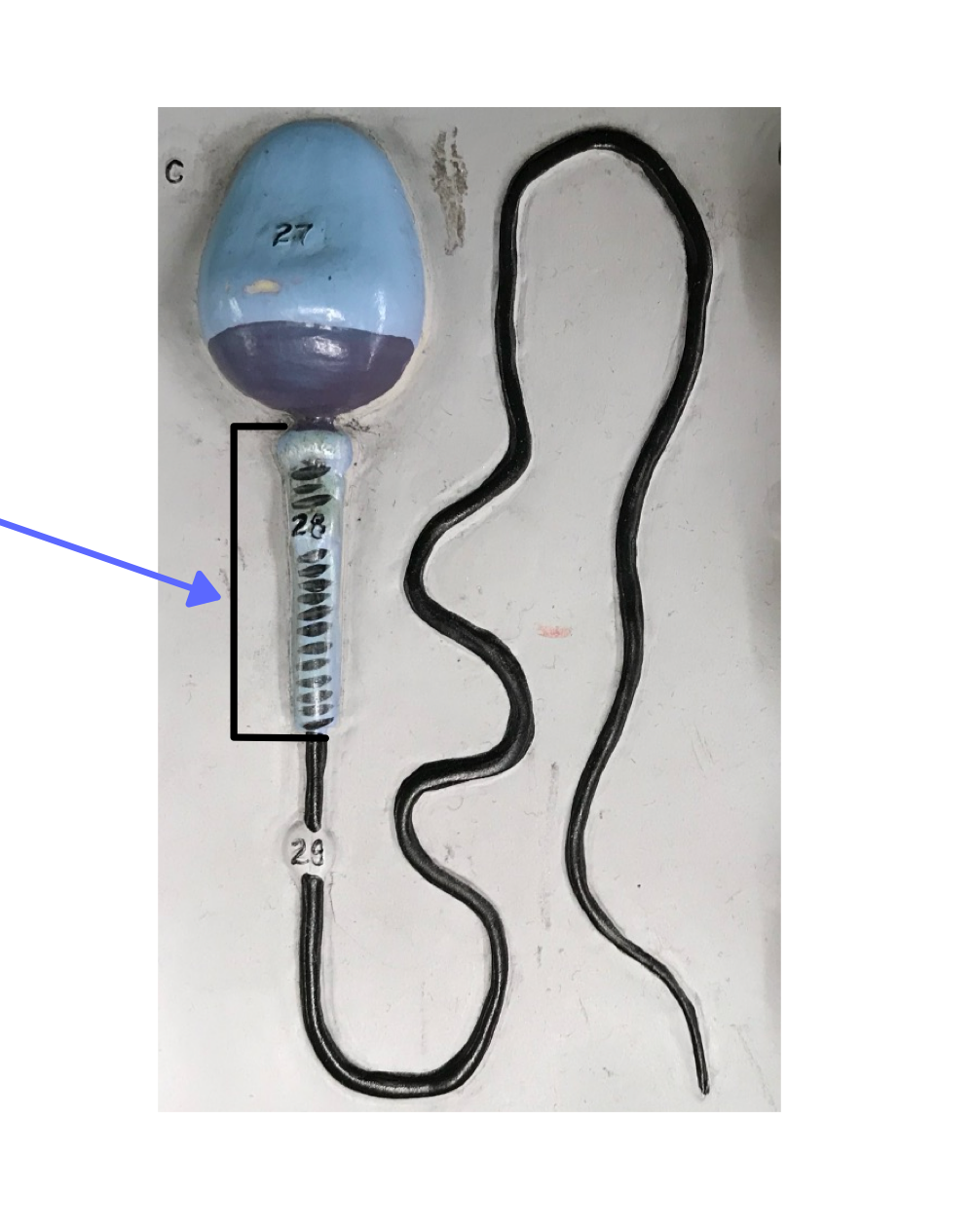
Region
Middle piece of sperm

Secondary Oocyte
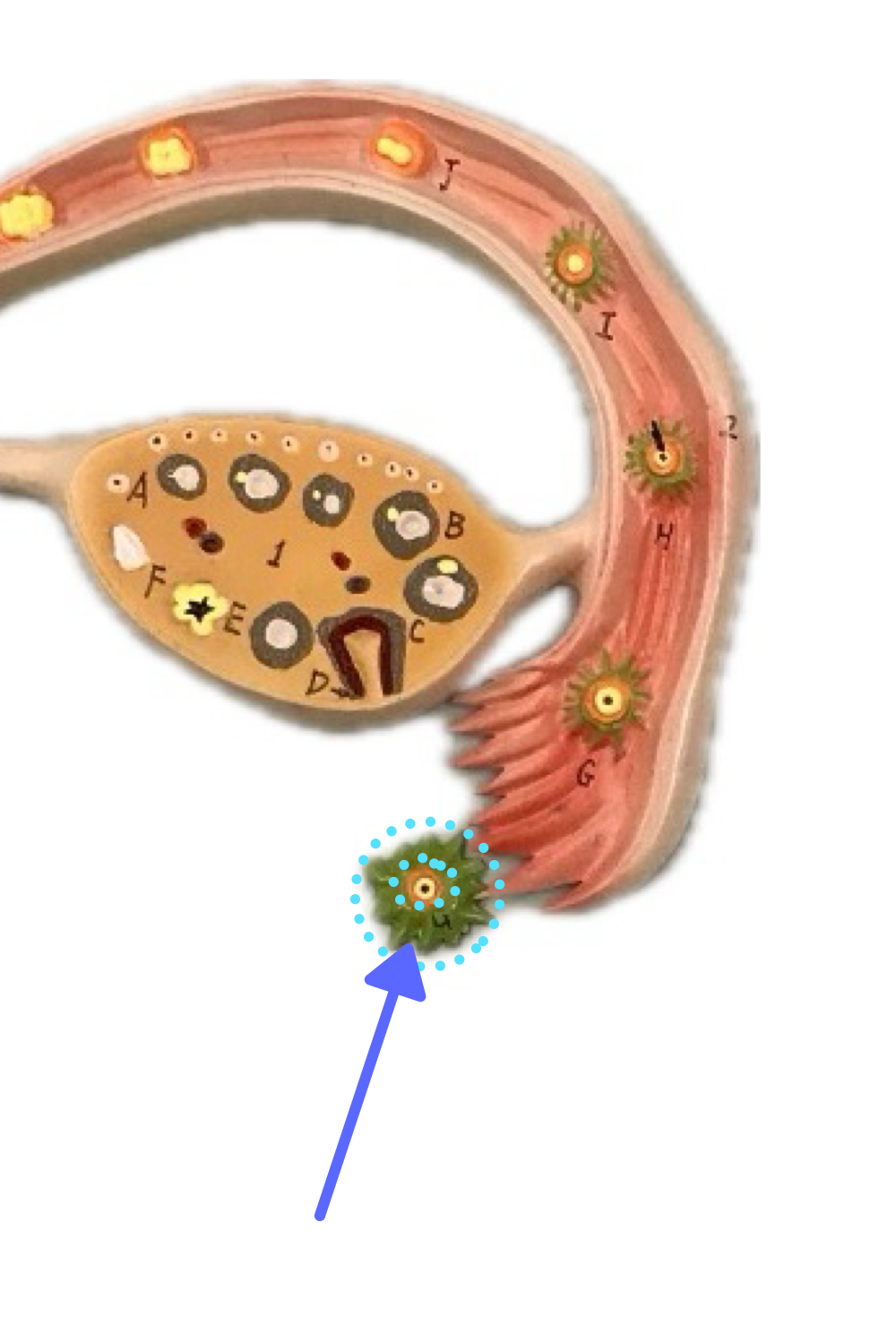
Corona Radiata

Corpus Luteum

Blastomere

Morula

Blastocyst
Space
Blastocoele


Layer
Trophoblast

Inner cell mass

Zygote
First trimester
The first 13 weeks after the last menstrual period; at 12 weeks, rudimentary organs have formed, fetus is approximately 3 inches long and weighs approximately 0.5 lbs
Second Trimester
Weeks 14 through 26 after the last menstrual period;
Fetal movements become perceptible around 16 to 20 weeks; at 25 weeks, fetus is approximately 9 inches long, weighs approximately 1.4 lbs, and has open eyelids
Third Trimester
Weeks 27 through 40 after last menstrual period;
At 38 weeks, average weight is about 7 lbs and average length is approximately 14 inches
Pre-term
Refers to babies born prior to 37 weeks gestation
Term
Refers to babies born between 37 and 40 weeks gestation
Post-term
Refers to babies born at greater than 40 weeks gestation

Structure
Yolk Sac

Placenta
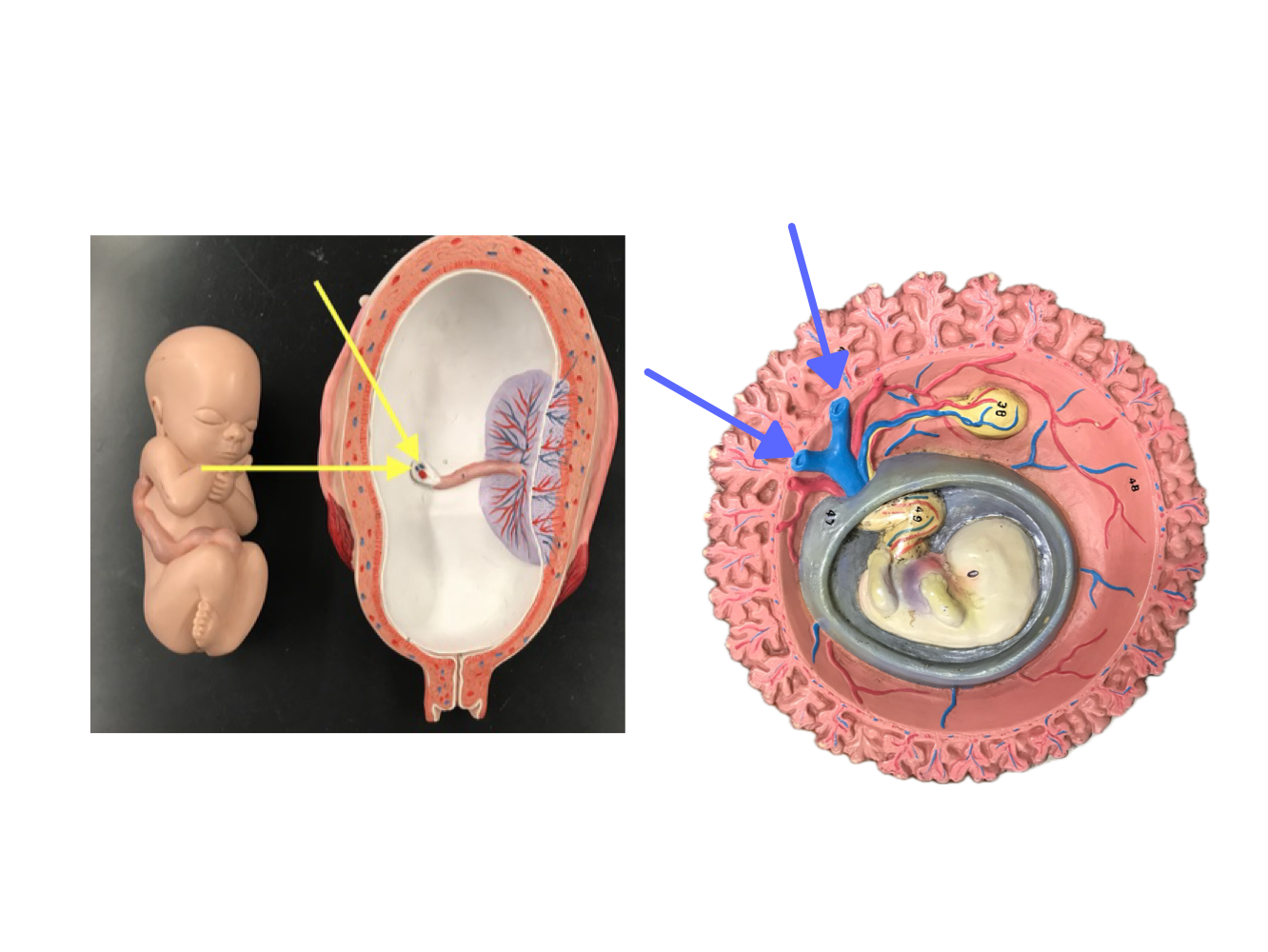
Umbilical arteries (2)
carry deoxygenated blood from the fetus to the placenta

Umbilical vein (1)
delivers oxygenated blood from the placenta to the fetus

Space
Amniotic Cavity
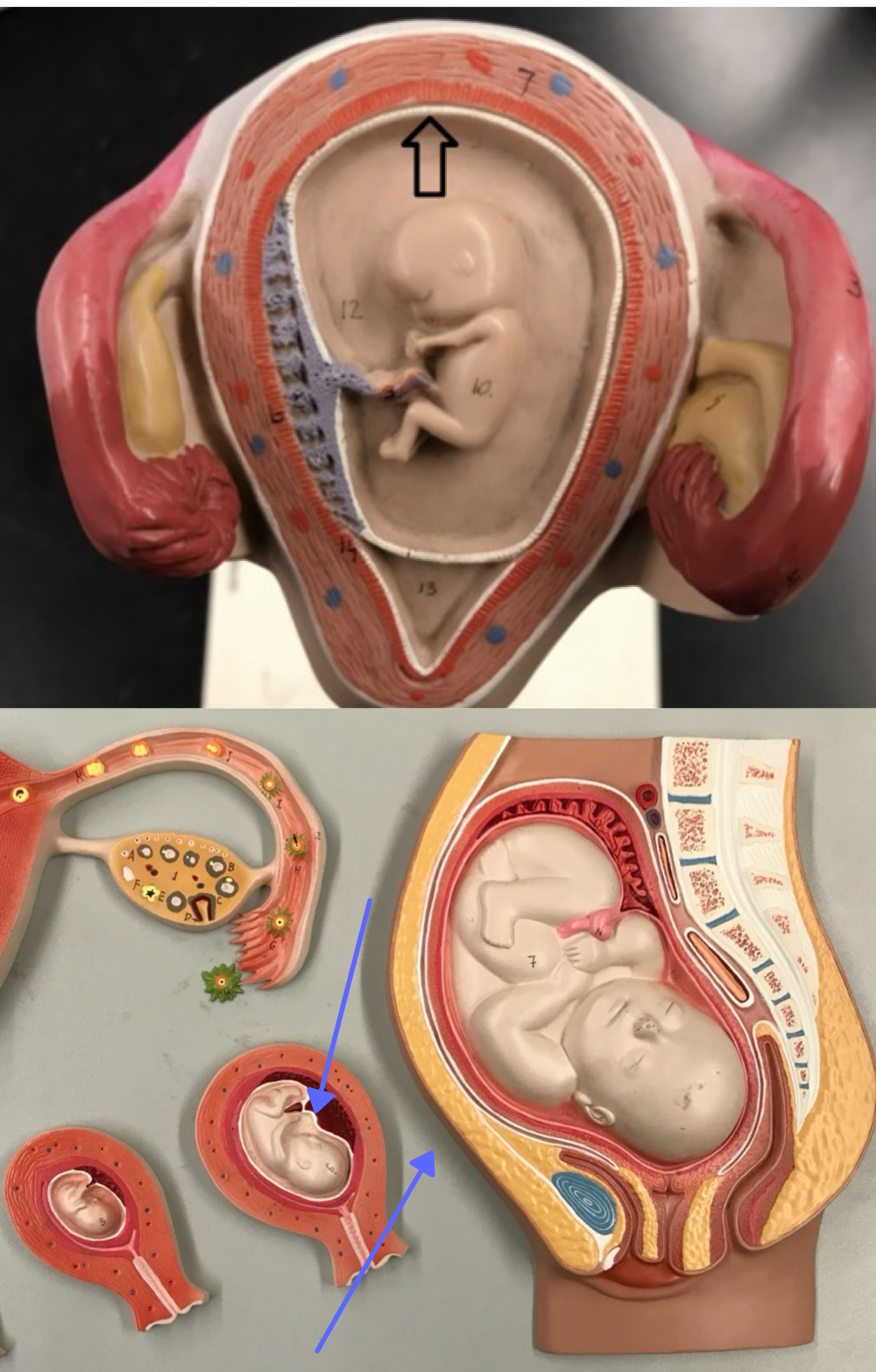
Layer
Amnion

Layer
Chorion

Structure
Chorionic villi
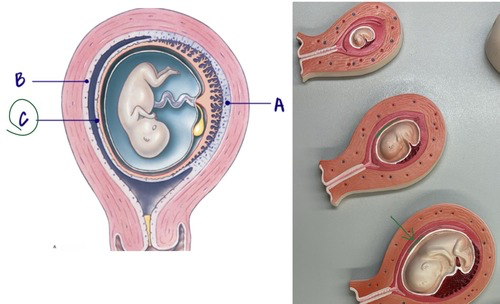
Decidua capsularis
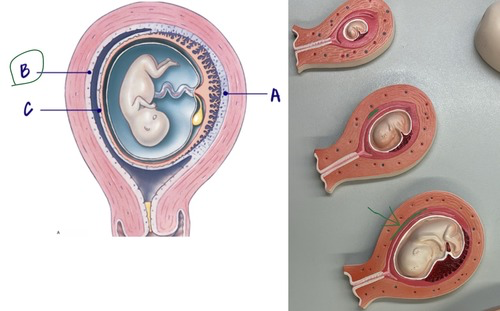
Decidua parietalis

Decidua basalis
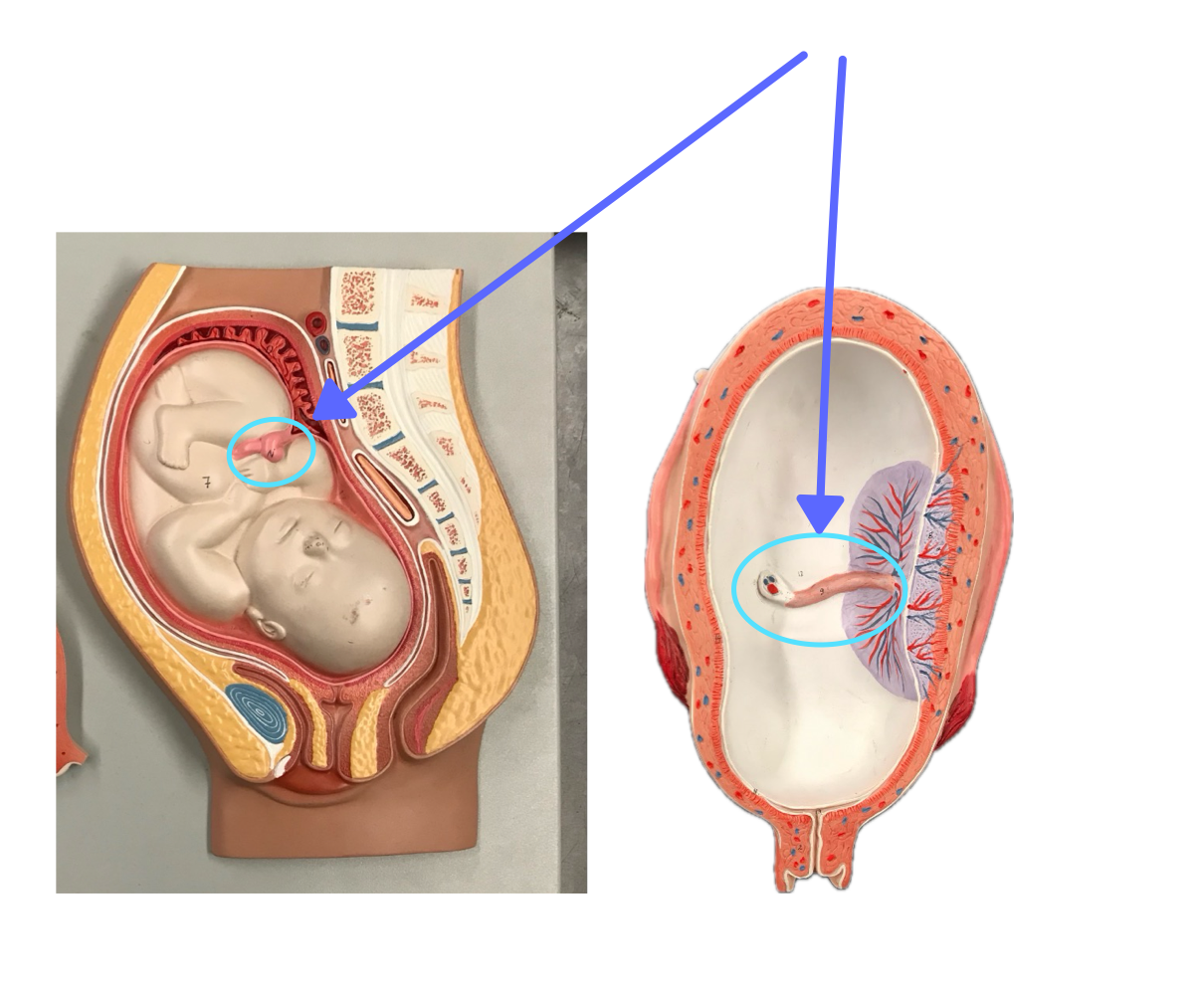
Umbilical cord

Male condom
non hormonal
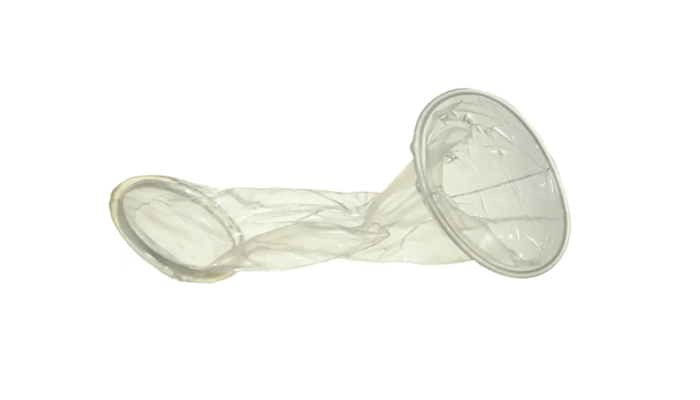
Female condom
non hormonal
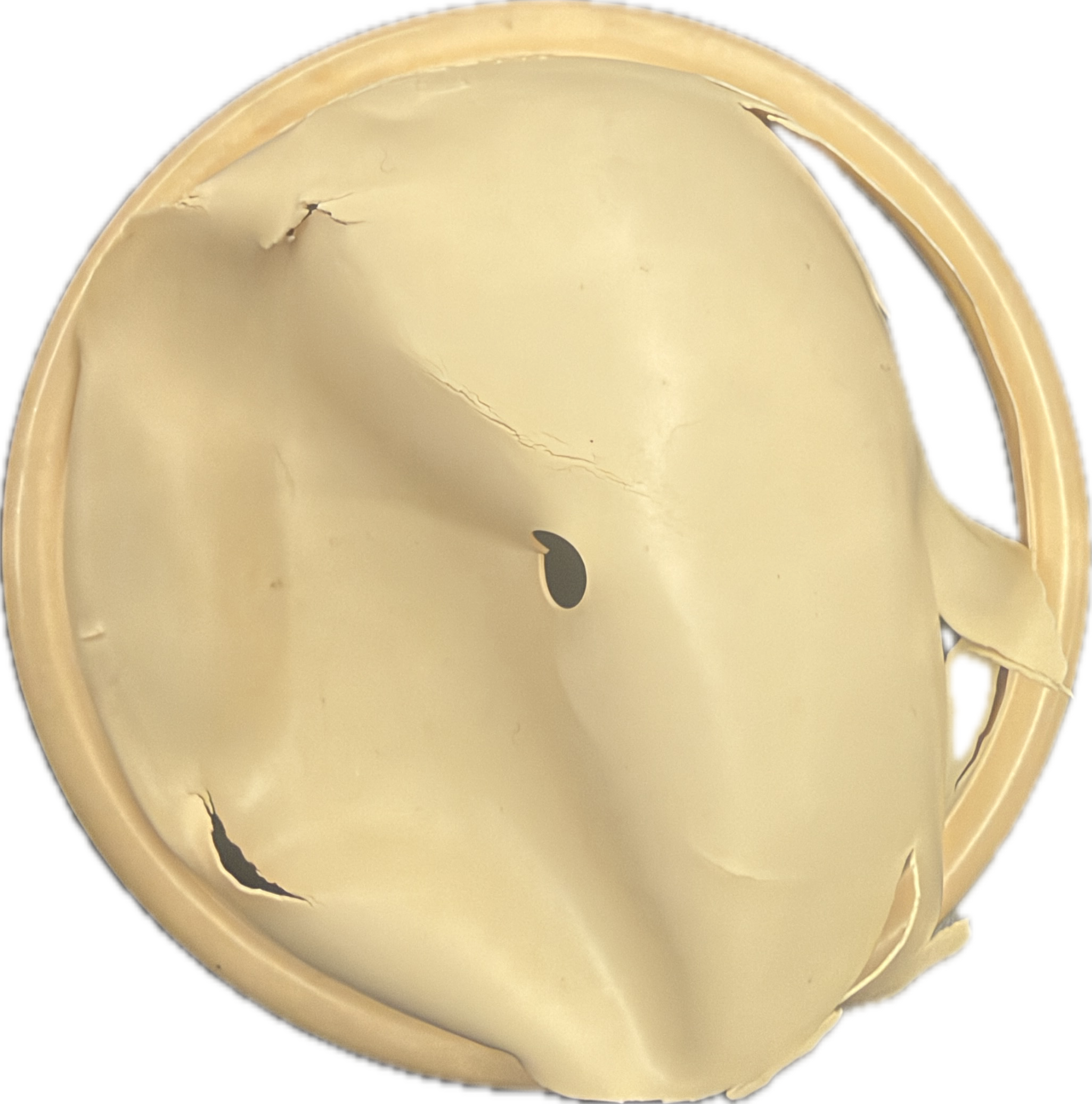
Diaphragm
non hormonal
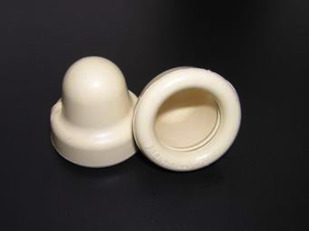
Cervical cap
non hormonal

Sponge Contraception
non hormonal
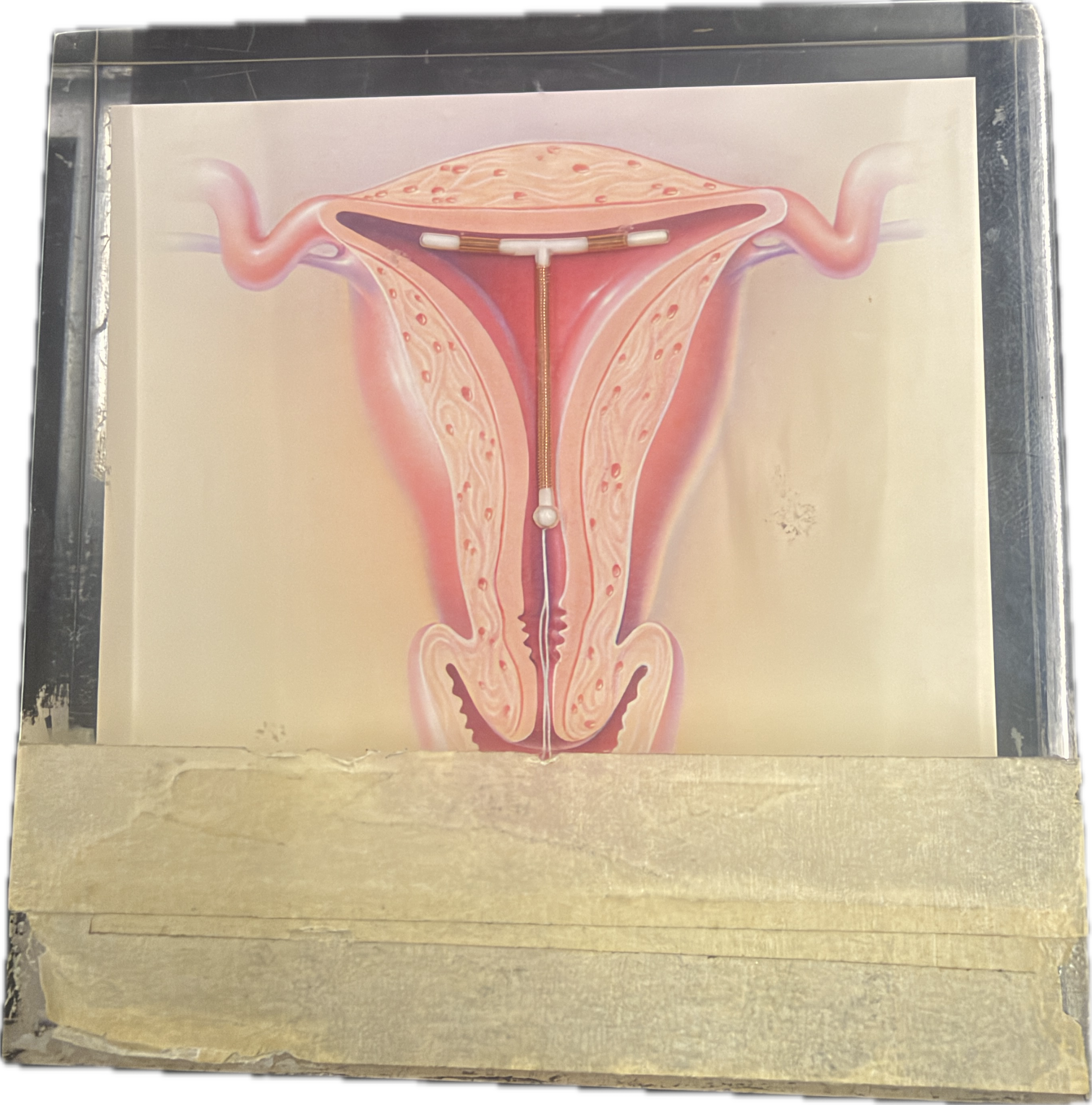
Intrauterine device (non hormonal)

Spermicide
non hormonal

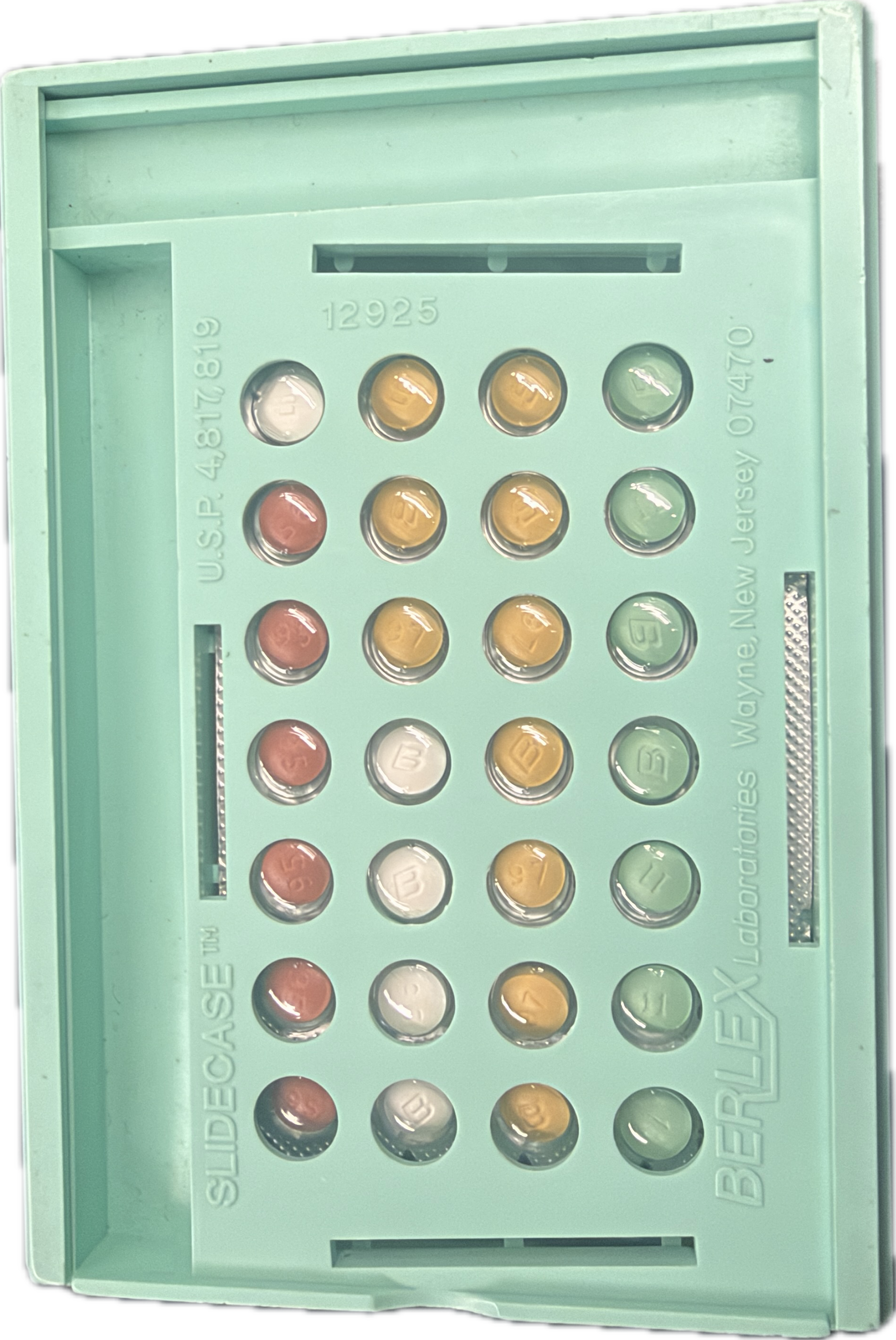
Oral contraceptives
Hormonal

Injection
Hormonal

Patch (Hormonal)

Progestin implant (Hormonal)

Vaginal ring (Hormonal)

intrauterine device (Hormonal)

Vasectomy (Permanent)

Tubal ligation (Permanent)