Vector Borne Diseases in Small Animals
 Call Kai
 Learn
Learn Practice Test
 Spaced Repetition
 Match
Match Flashcards
 Knowt Play
1/109

There's no tags or description
Looks like no tags are added yet.
Name | Mastery | Learn | Test | Matching | Spaced | Call with Kai | Chat |
|---|
No analytics yet
Send a link to your students to track their progress
110 Terms
What is the causative agent of granulocytic ehrlichiosis?
Anaplasma phagocytophilum
What is the cell tropism of anaplasma phagocytophilum?
Granulocytes
What are the hosts for anaplasma phagocytophilum?
Variety of animals including canines and humans
Where can anaplasma phagocytophilum be found? ands what can it co-infect with do to the ixodes tick vector?
Northeastern USA, CA, WI, MN, Europe, Asia, Africa
Co-infections with Borrelia burgdorferi (lyme dz)
What type of disease is granulocytic ehrlichiosis?
Primarily acute disease causing polyarthritis, fever, lethargy, inappetence, etc
Subclinical infections possible
How to diagnose granulocytic ehrlichiosis
Difficult
± morula
± Antibody tests: IFA, ELISA, Snap 4DX
± PCR
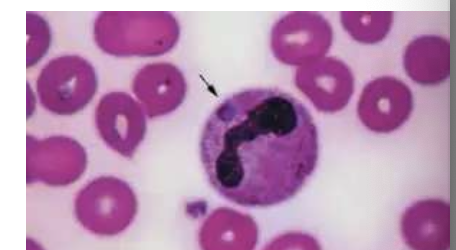
What is your top differential?
Anaplasma phagocytophilum: Granulocytic Ehrlichiosis
What are the top 3 causative agents for monocytic ehrlichiosis?
E. canis, E. chaffeensis, E. ewingii (IMHA and ITP)
Big 3, all cross-react
What is another causative agent of monocytic ehrlichiosis that is similar to E.canis?
Neorickettsia risticii var. atypicalis: Bats, swallows natural reservoirs. snails and insect trematodes vectors

What is your top differential?
Monocytic ehrlichiosis
What is the most common causative agent of monocytic ehrlichiosis?
E. canis
World-wide, mild to severe clinical disease, acute, subclinical, and chronic
How does E. canis migrate?
Infected monocytes
Marginate and migrate into endothelial tissues
Vasculitis
Liver, spleen, bone marrow, LNs, lung, kidney, and CNS
How does the acute form of E. canis present?
1-3 weeks after infection
2-4 week duration
Most immunocompetent animals survive
How does the subclinical form of E. canis present?
Months to years
Can be cleared by some animals
How does the chronic form of E. canis present?
Often immune mediated diseases
What are acute clinical signs of E. canis?
***Anemia
***Thrombocytopenia
***Fever
Oculo-nasal discharge
Anorexia
Dyspnea
± evidence of ticks
Lymphadenopathy
Epistaxis/petechia
Weight loss
What are the subclinical signs of E. canis?
None!!
± ticks found on the body
What are the chronic clinical signs of E. canis?
LOTS!!
Azotemia/AKI/CKD, Proteinuria
Splenomegaly
Neurological signs etc

How does ehrlichia affect the kidneys?
Monitor renal values early and frequently
112% MORE likely to have CKD: SDMA, CBC/CHEM/UA
What will we see on bloodwork for ehrlichia?
Variable
Regen or non regen anemia
Thrombocytopenia
Leukopenia followed by a leukocytosis
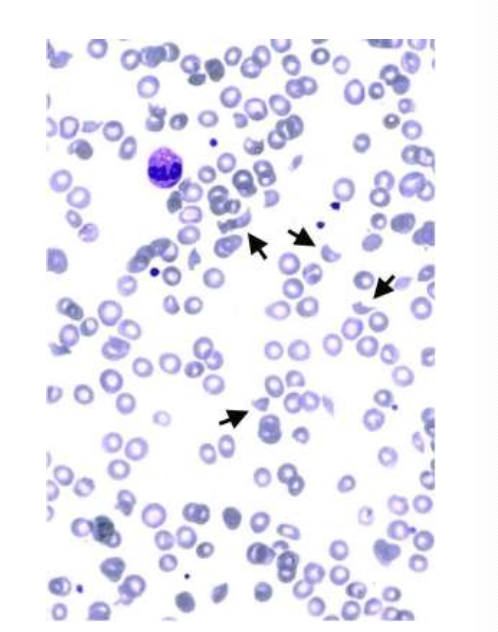
What are some neurologic manifestations of ehrlichia?
Depression
Pain
Ataxia
Vestibular
cerebellar
Paresis
Nystagmus
Seizures
What are some opthalmologic manifestations of ehrlichia?
**Tortuous retinal vessels
Perivascular retinal infiltrates
**Retinal hemorrhage
Anterior uveitis
Exudative retinal detachment
What are the challenges to the diagnosis of ehrlichia?
False negatives
Need time to seroconvert
How to diagnose ehrlichia?
C/S, CBC, blood smear
AB tests: Snap 4DX, IFA, Serology, western immunoblot
PCR
What are the dilemmas of diagnosis ehrlichia?
Antibody tests are not diagnostic due to cross reactivity, false positives, and false negatives
When can you make a presumptive diagnosis of ehrlichia?
Clinical animal with a positive serology —> start therapy!
What is treatment for ehrlichia?
Supportive care (fluids, possible transfusion)
Antimicrobial therapy
What is the antimicrobial therapy for ehrlichia?
Doxycycline 10 mg/kg PO q 24 hrs for 28 days
Minocycline
Oxytetracycline
Monitoring after treatment ehrlichia
Antibody titers (± negative)
PCR ( 2 weeks after tx cessation, if + —> continue tx for 4 more weeks, if - —> recehck PCR in 8 weeks)
Resolution of clinical signs (thrombocytopenia, hypergamaglobulinemia)
What is the prognosis for ehrlichia?
Acute disease —> good with treatment
Chronic disease —> variable to guarded
What are additional considerations of ehrlichia?
Co-infections with bartonella, anaplasma, borrelia, and babesia
How to prevent ehrlichia?
Tick control!! especially in endemic areas
What is the causative agent of Salmon Poisoning Disease?
Neorickettsia helminthoeca, intracellular bacteria of a trematode (N. salmincola)
What is the essential intermediate host for Nanophyetus salmincola transmission cycle?
Snail
What are the clinical signs of Salmon Poisoning disease?
~7 days after ingestion of fish can be variable
Enteritis and lymphadenopathy (monocyte infiltration)
Fever
Vomiting
Diarrhea
Thrombocytopenia 90% of cases
>90% fatal (6-10 days) if not treated
What 2 things do we have to treat in Salmon disease poisoning?
Bacteria and trematode
What is the treatment and prevention of salmon disease poisoning?
Hospitalization, fluids, transfusions
Doxycycline and Fenbendazole
What is Babesiosis?
Intracellular protozoan parasite of RBC’s
Babesia canis, B. gibsoni, B. felis, B. leo most common
What are the vectors for Babesiosis?
Ixodid ticks- Haemophysalis spp.
Rhipicephalus sanguineus
Dermacentor reticulatus
Transfusion (dog bites) or transplacental
How can babesia be presented?
Variable
Peracute
Acute
Subclinical infection
Chronic
What are clinical signs of babesiosis?
Fever (uncommon in cats)
Anorexia
Lethargy
**Anemia
**Icterus (uncommon in cats)
** ± agglutination
Hemoglobinuria
Hepatosplenomegaly
Rough haircoat
What other disease do the clinical signs of babesiosis resemble?
IMHA
What are some complications of babesia infection?
Severe hemolytic anemia/hemolytic crisis
Hypotensive shock
Secondary IMHA can develop
DIC can develop
Metabolic acidosis
Renal disease
Which babesia species affects greyhounds more severely?
B. canis
Which babesia species affects pitbulls more severely?
B. gibsoni
How do you diagnose babesia?
Intraerythrocytic trophozoites on a blood smear
Giemsa, Romanowsky, Field’s, and modified Wright’s stains
IFA and serology available
PCR
How do we treat B. canis?
Imidicarb diproprionate 12% at 5-6.6 mg/kg SC once, repeated in 2-3 weeks
Pretreat with atropine or glycopyrollate to prevent SLUD
Together with clindamycin, metronidazole, and doxy triple therapy for 90 days
How do we treat B. gibsoni?
Atovaquone 13.5 mg/kg PO q8 (with a fatty meal) and azithromycin 10 mg/kg PO q24 in combination for 10 days
What is the prognosis for babesia infection?
Remain subclincially infected and can suffer relapses and act as a disease reservoir
Because of the subclincal prognosis for babesia infections what do we have to be careful of?
Splenectomy —> spleen is protecting from relapse
Dog fighting —> (blood transfusion)
Blood donation
What is the causative agent of Cytauxzoonosis?
Cytauxzoon felis, a protozoal organism
How is cytauxzoon felis transmitted?
Via the tick vector dermacentor variabilis and possibly amblyomma americanum
What is the intermediate host of cytauxzoon felis?
Bobcats
70% prevalence
When are most cases of cytauxzoonosis diagnosed?
More than 90% of cases are diagnosed between april and september
indoor and outdoor cats
What are the clinical signs of cytauxzoonosis?
Fever, lethargy, anorexia, pancytopenia, regenerative anemia
Obstruction of small vessels with schizont-laden macrophages, results in ischemia and thrombosis
How do cats typically present at end stages of cytauxzoonosis?
Dyspneic, moribund, hypothermic, neurologic
Commonly die within 5-7 days after clinical signs begin —> poor/grave prognosis, most die without treatment
How can we diagnose cytauxzoonosis?
Blood smear, FNA of spleen, LN cytology —> perform all 3 increases likelihood of finding bug
Histopath
PCR
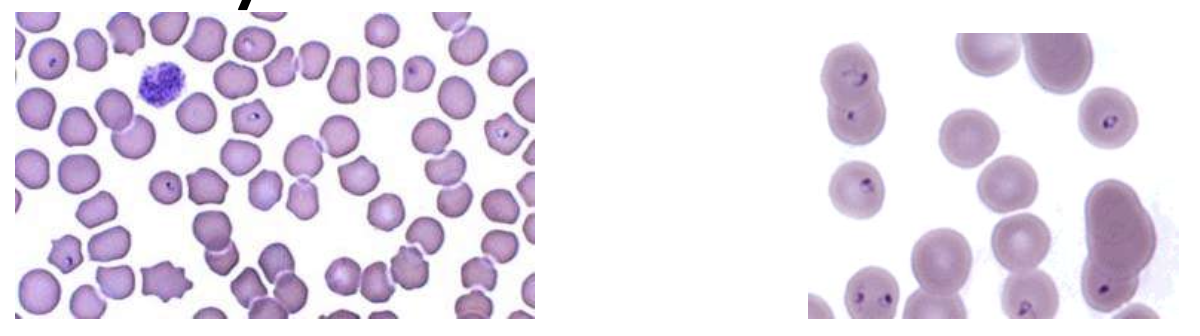
What is your top differential?
Cytauxzoonosis
What is the treatment for cytauxzoonosis?
Heparin (minimize blood clots) at 100-300 U/kg SQ q8 hours
Imidocarb dipropionate at 2 mg/kg IM q every 2 weeks
Atovaquone and azithromycin combo therapy for 10 days with aggressive supportive care
Minimize stress
Strict tick control if survive
What type of organism is borrelia burgdorferi? (lyme dz)
Gram negative spirochetes
How is borrelia burgdorferi transmitted?
Ixodes ticks
What are uncommon clinical signs of lyme disease?
arthritis and nephritis
Do all lyme infected animals develop clinical disease?
Most don’t!
What are common clinical signs of lyme disease that get better with antimicrobial therapy?
Acute polyarthritis
Lameness
Fever
Anorexia
Regional lymphadenopathy
What is the most serious complication and least common clinical manifestation of lyme disease?
Lyme nephritis
How can we diagnose lyme disease?
Normal radiographs, CBC, CHEM
Commonly abnormal synovial fluid when acute
Non-degenerate neutrophils in multiple joints

Top differential?
Lyme disease —> non-degenerate neutrophils
What can be a difficulty with diagnosing lyme disease?
Vaccinated dogs remain seropositive for years (IFA or ELISA not good)
Western immunoblot good for differentiating infected from vaccinating but not widely available
What is a good test for diagnosing lyme disease?
C6 Peptide Assay - in Idexx 3DX and 4DX snap test
Recommended to screen all healthy dogs in endemic areas for AB and if positive to screen for proteinuria
What is the most common treatment for lyme disease?
Doxycycline 10 mg/kg PO q12 for 30 days —> good for co-infections too
What are some other treatments for lyme disease besides doxy?
Amoxicillin, Azithromycin, Cefovecin, ± pain control
In acute cases clinical improvement should be seen within 24-48 hrs
What is the treatment for a lyme disease patient with lyme nephritis/glomerulonephropathy?
Worsening polyarthritis, glomerulonephritis, and cardiac abnormalities
Immunosuppressive drugs (Mycophenolate ± others)
Check IRIS for updates
What is the best prevention for lyme disease?
Tick control!!
Should you vaccinate for lyme disease?
In endemic areas, booster vaccine
Don’t vaccinate if proteinuric or very sick
Worsens lyme nephritis
What type of organism is Rickettsia rickettsii?
Gram negative obligate intracellular parasite
What ticks are correlated with rocky mountain spotted fever?
Dermacentor and Rhipicephalus
Where does rickettsia rickettsii replicate?
Endothelial cells of capillaries after 2-14 day incubation
Causes extravasation of fluid and blood into extravascular space
What is the subclinical presentation of RMSF in dogs?
May not show signs of disease and recover quickly
What is the acute presentation of RMSF in dogs?
Loss of appetite, fever, depression, edema
Neurological signs
Anemia, drop of platelets and rise of liver enzymes
What is the prognosis for RMSF?
Subclinical or acute
Get it and get better or die
What are the clinical signs of RMSF?
Fever
Petechia and ecchymosis
Testicular inflammation
Scleral injection
Retinal hemorrhage
Anterior uveitis
Mucopurulent oculo-nasal discharge
Neurological signs
Polyarthritis
Lymphadenopathy
What tick species is mainly responsible for transmission of RMSF in the eastern USA?
American dog tick (Dermacentor variabilis)
What tick species is mainly responsible for transmission of RMSF in the western USA?
The wood tick (Dermacentor andersoni) and Rhipicephalus
What is a concern for RMSF transmission?
Climate change causes ticks to move locations and prevalence increasing
What would we see on the bloodwork of a patient with RMSF?
Leukopenia followed by leukocytosis
Thrombocytopenia
Can be anemic
can progress to DIC
How to diagnose RMSF?
Presumptive —> History, C/S, CBC, response to therapy
Paired serum samples —> high IgG titer suggestive of exposure within the last tick season, positive IgM titer indicates a more recent exposure
PCR
Goal to do both PCR and serology!
What is the treatment for RMSF?
**Doxycycline 5-10 mg/kg q12 for 21 days
Enrofloxacin, tetracycline, chloramphenicol if < 6 mo old
Can be fatal if untreated
Prognosis good with treatment < 5 % die
What is the causative agent of Bartonella?
Bartonella vinsonii subsp berkhoffii and B. henselae
Over 20 sp and subsp
What are involved in the transmission of Bartonella?
Fleas and ticks
Rhipicephalus
Sand flys and lice
How does bartonella invade the body?
Invades erythrocytes and endothelial cells
0% dogs
7.4% cats
What is cat scratch disease?
Bartonella
B. henselae via bite/scratch
Where does cat scratch disease come from?
B. henselae in flea dirt —> bartonella can live for 9 days in flea dirt
What is the common species causative agent of canine bartonellosis?
Bartonella vinsonii subsp berkhoffii
What are the common clinical signs of canine bartonellosis?
Splenomegaly common
Endocarditis
Granulomatous lymphadenitis, rhinitis, panniculitis
Hepatitis
Fever
Intermittent lameness
CNS signs
Hypoglycemia in young dogs
What happens with chronic bartonells infections?
Can be well tolerated for years
Manifest when stressed, at parturition, or if co-infected
What is the diagnosis for bartonellosis?
Blood or tissue culture (difficult)
**PCR —> BAPGM at NCSU
Serology > 1:64 titer
What is the treatment for bartonella?
Doxycycline/fluoroquinolone combo tx 4-6 weeks
Can gain resistance really fast!!! new reports all resistant
Rifampin if unresponsive
Aminoglycoside if unresponsive —> in house ICU w frequent renal monitoring (aminoglycoside can be nephrotoxic)
What are the clinical signs of hepatozoonosis?
Fever
Weight loss
Muscle atrophy
Mucopurulent ocular dc
Generalized stiff gait and hindlimb paresis
Extensive periosteal bone proliferation

Top differential?
Hepatozoonosis
How is hepatozoon canis transmitted?
Transmission by INGESTING brown dog tick (rhipicephalus sanguineus)