TERM 1 FORENSICS NOTES
 Call Kai
 Learn
Learn Practice Test
 Spaced Repetition
 Match
Match Flashcards
 Knowt Play
1/290

There's no tags or description
Looks like no tags are added yet.
Name | Mastery | Learn | Test | Matching | Spaced | Call with Kai | Chat |
|---|
No analytics yet
Send a link to your students to track their progress
291 Terms
Eye piece
Aka the ocular lense
A place to view the specimen

Body Tube
Connects the Ocular Lens to the Objective Lenses and provides alignment to direct the light from the specimen into the viewer's eye.

Arm
allows user to hold the microscope securely

Coarse Adjustment Knob
Moves the stage up and down. Should never be used in high power.

Fine Adjustment
fine tunes the focus
used with all objective lens
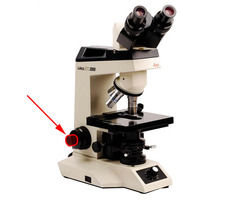
Revolving Nosepiece
rotates to change between different objective lenses

Objective Lenses
3 or 4 different lenses with varying magnification ranging from 4X to 40X
High (40X)- longest, lens closet to the specimen

Low Power
This objective lens provides the lowest magnification, 4 x

Medium Power
This objective lens provides a medium magnification, or power, 10x

High Power
This objective lens provides the highest magnification, 40x

Stage
holds the slide and has a window that allows light to pass through the specimen

Stage Clips
these clips hold a slide in place on the stage for viewing

Diaphragm
turns to adjust the amount of light that passes through the specimen

Base
Supports the microscope

Light Source
shines through the specimen and to the lenses

Total Magnification
Eye piece: 10X times the eye piece 4X, 10X, 40X

Glassware safety:
never use broken glass
always wear safety goggles
never heat wet glassware
use heat resistant gloves

Fire Safety
safety goggles
never heat anything with closed container
never heat anything unless instructed to
know location of fire extinguisher

Heat Safety
Always use clamps, tongs, or heat resistant gloves to handle hot objects
Have a clean work area

Chemical Safety
Never smell directly- WAFT
Never mix chemicals unless instructed to do so
Never touch or taste chemicals unless instructed to do so
Keep all lids closed when chemicals are not in use
Dispose of chemicals as instructed by teacher
know location of eye wash and shower
Immediately rinse with water if any chemicals get on your skin or clothes

Eye and Face Safety
Must wear safety goggles
When heating a test tube or bottle, always point away from you and others

Sharp Instrument Safety
Handle sharp objects with care
Always cut materials away from you
Notify your teacher if your skin is cut

Electrical Safety
Do not plug more than two appliances in any one outlet
Never touch an electrical appliance/outlet with wet hands
Keep liquids away from appliances and outlets

Animal safety
do not cause pain or injury to an animal
do not perform inhumane stunts/actions with an animal specimen
Wash you hands thoroughly after handing animals or their cages

Beaker:
holds substances
can be used to measure
can be used to heat

Test Tube:
holds substances
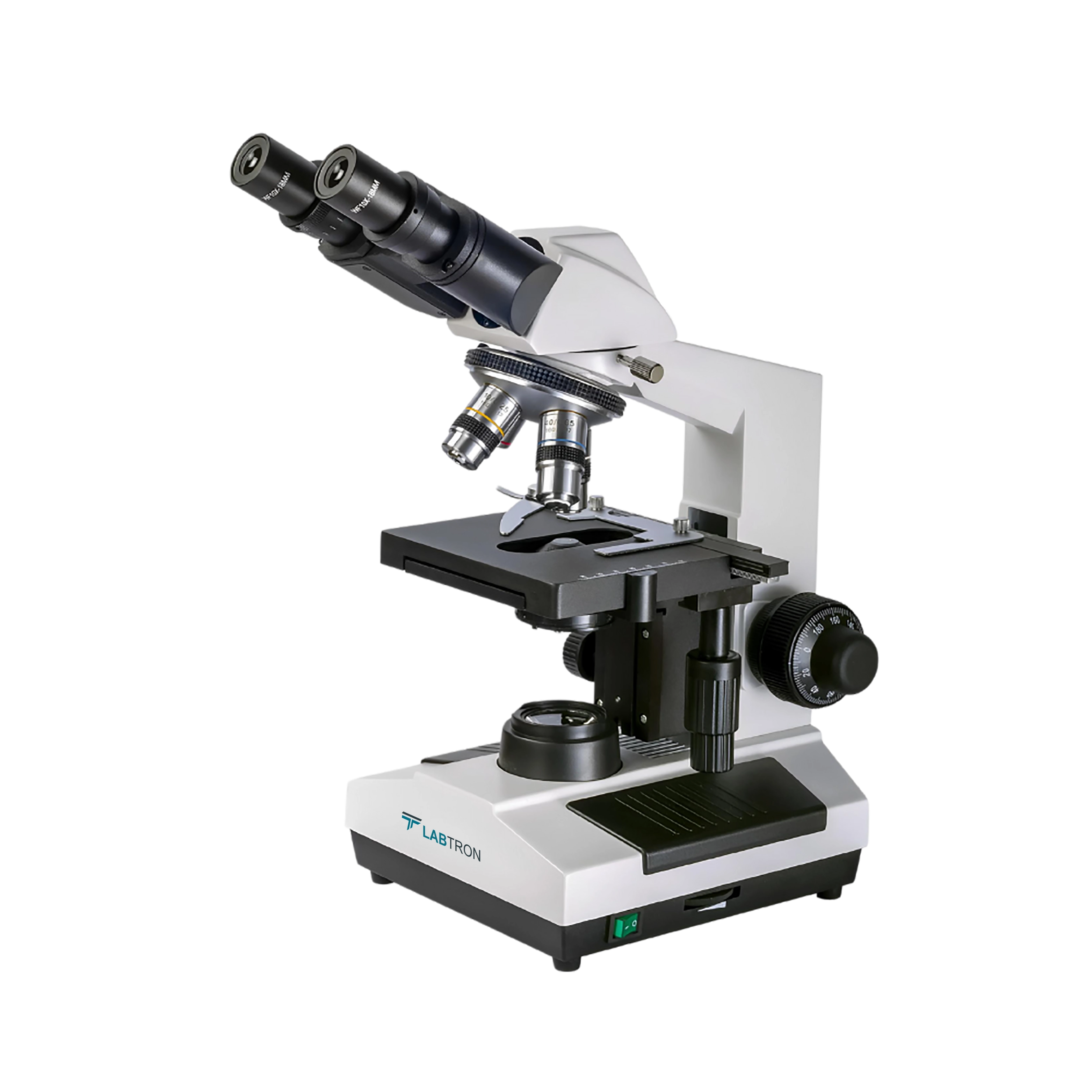
Microscope:
magnifies objects too small to see with the naked eye

Latex gloves:
protect gloves
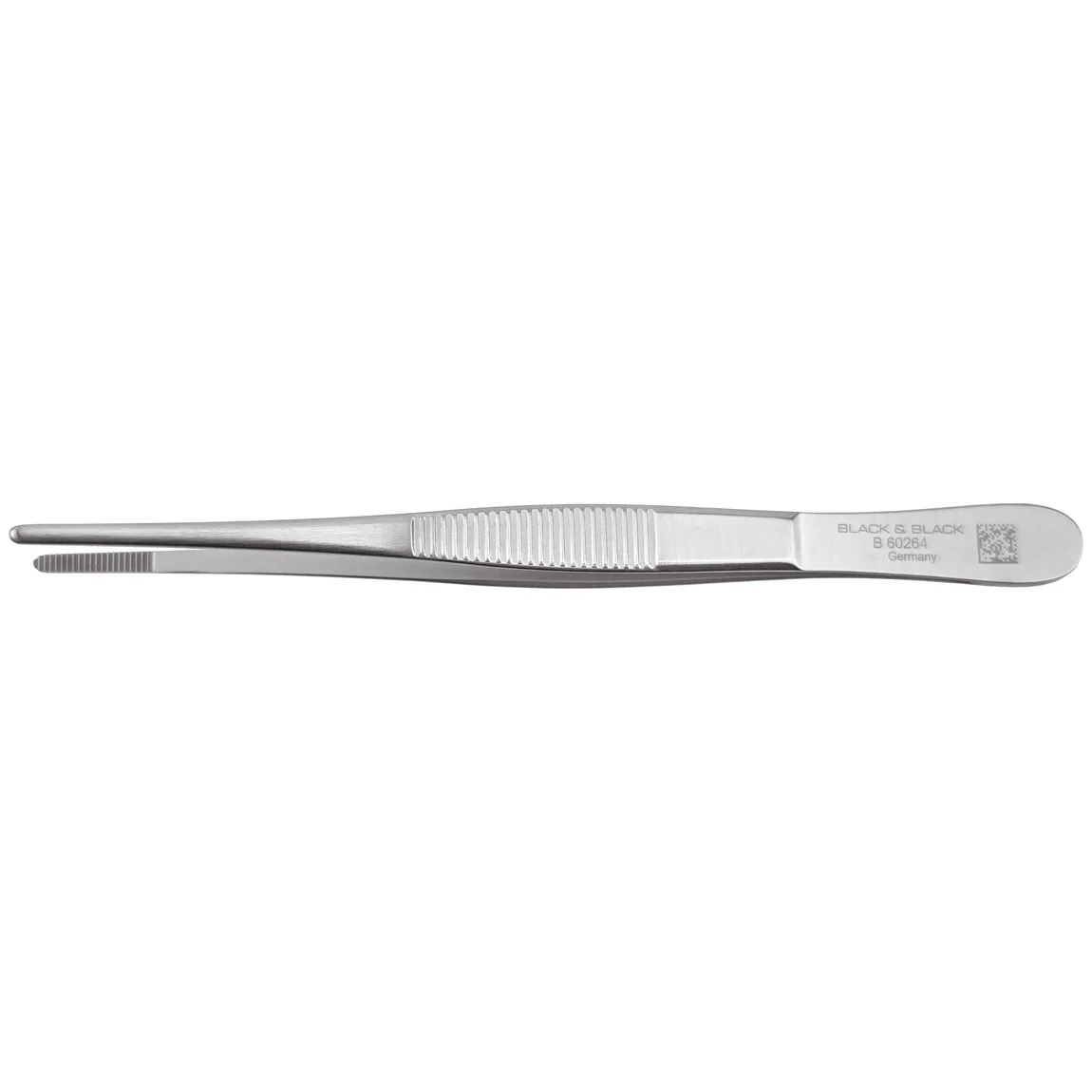
Forceps:
helps grab small objects

Thermometer:
measures temperature; mercury

Pipette:
transfers small amounts of liquid

Test Tube Rack:
holds test tubes

Safety goggles:
protects eyes

Magnifying glass:
magnifies objects

Petri Dish:
used to culture micro-organisms and cells

Microscope slide:
holds specimen while viewing under microscope
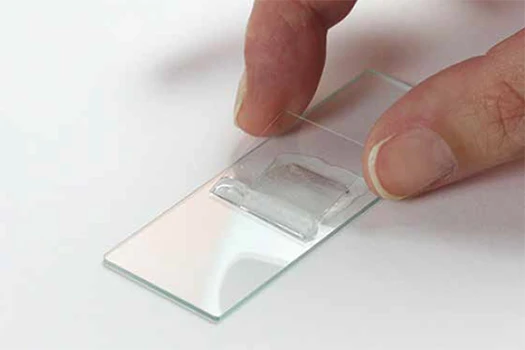
Cover slip:
protects specimen while viewing under the microscope

Probe:
used to move, seperate and pin specimens during dissection
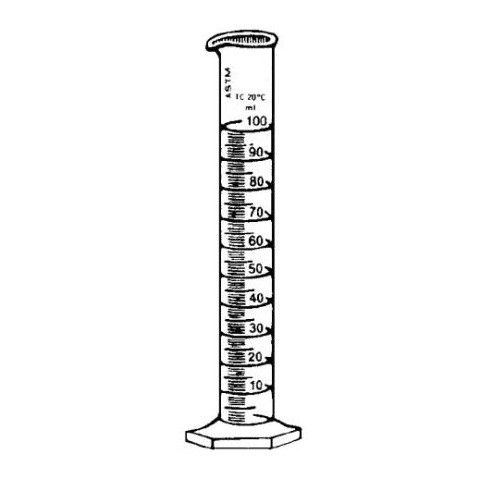
Graduated cylinder:
measures liquids
Forensic investigators must rely on their ability to ______, ______, and ______ observations clearly.
observe, interpret, report
Examiners must be able to identify the evidence, record it, and determine its ___________.
significance
This is difficult, as human ____ is always a possibility
error
We are constantly gathering information about our __________
surrounding
5 senses
Touch, Taste, Smell, Hearing, and Sight
Our brain _____ this information from our senses
filters
Our brain can’t hold all of the information that is observed on a daily basis. Paying attention to detail takes _____ ______
conscious effort
Observations cannot be confused with _______
perceptions
Perceptions are made as a result of an _______ and can be ______
observation; faulty
Ex. If you get cold every time you go in the bank, then you may believe that all banks are cold
How does our brain take observations and process them
Information from our senses
What we pay attention to
Perception
Short-term memory
Long-term memory
Memory fades with ____ (long term memory.) If you don’t use it you'‘ll lose it
time
The brain contains 4 ______ (regions)
lobes
Frontal Lobe
associated with reasoning, planning, parts of speech, emotions, and problem solving- fully developed at 25

Parietal Lobe
associated with movement, orientation, recognition, perception of stimuli

Occipital Lobe
associated with visual processing; back of skull

Temporal Lobe
(auditory section) associated with perception, memory, and speech: either side of head

Forensic investigators are not the only people that rely on good observation skills to solve crimes. Many times, investigators must rely on the observation skills of the ___ ______ at a crime scene
eye witness
Testimonial evidence includes ____ or ______ statements given to police as well as testimony in court by people who witnessed an event
oral, written
Eyewitness accounts can be a useful tool in helping investigators with analyzing crime scenes, but are not viewed to be highly ______. In addition, eyewitness identifications (right or wrong) can have a big influence on the outcome of an investigation or trial
reliable
Though this topic is highly debatable, most states have accepted eyewitnesses accounts as ______ ______ and DO NOT allow a person(s) to be convicted based solely on eyewitness accounts
flawed science
However, police and investigators still use eyewitness accounts to produce ____ that then help to gain additional evidence that CAN be used to convict a suspect
leads
____ may play a role in the accuracy of an eyewitness’ statement or identification of a suspect
Age
a phenomenon in which people are better at recognizing faces of their own eace rather than those of other races
The Cross Race Effect (CRE)
The use of ____ can alter a person’s ability to recall the events of a crime even after they are no longer under the influence
drugs
A person’s ______ of an event can be influenced by other witnesses, investigators, and/or the media. Investigators use open-ended questioning and procedures to limit their influence on witness’ memory of an event or identification of a suspect.
memory
Investigators work with sketch artists and eyewitnesses to create _____ ________ or sketches of a person’s face. Today many police departments are using facial reconstruction software to help them with this task. The composite may be used internally to assist officers in identifying the suspect or used externally through local media (radio, TV, and newspaper) to solicit leads from citizens
facial composite
______ is a software program that offers many options to recreate a person’s facial features
Faces
A crime that is extremely ______ may affect a witness’ recall of the event. For example, a witness confronted with a weapon tends to focus on the weapon rather than the perpetrator’s face.
traumatic
Someone who is able to ____ on a perpetrator’s face for a minute or longer will tend to have a more accurate memory than someone who saw the person for a few second
focus
_____ that are either highly attractive/unattractive or distinctive are more likely to be accurately recognized. Simple disguises can interfere with accurate eyewitnesses identification, but piercings and tattoos increases the likelihood of an accurate identification
Faces
The ____ of day in which the crime occurred and a person’s ___ of the scene may affect what a he/she is able to see and remember
time, view
Founders of the Innocence Project
Barry Scheck and Peter Neufeld
Purpose of the Innocence Project
to re-examine post-conviction cases and exonerate those that are wrongfully convicted
-uses DNA evidence to provide conclusive proof of guilt/innocence.
-eyewitness accounts are not considered scientific evidence
Percentage of cases that have led to exonerations
87%
They have reviewed over ___ cases
360
Dr. Edmond Locard
-known as the father of forensics
-established the first forensics laboratory in Lyon France in 1910
- known for Locard’s Exchange principal
Locard’s Exchange Principal
states when a person comes into contact with an object (or another person), a cross-transfer (exchange) of physical evidence can occur
the exchanged materials indicate that the two entities were in contact
The intensity, duration, and nature of the entities in contact determine the extent of transfer
Forensics is built upon this principle
Evidence solves crimes
This evidence bears a silent witness to the criminal act
Direct Evidence
includes firsthand observations
eyewitness accounts
police dashboard
video surveilance
Voice recordings
SIGNED ransom notes
Reports (toxicology, lab, etc.)
Circumstanitial Evidence
Indirect evidence that can be used to IMPLY a fact but not directly prove it
Prints
DNA
Ballistic evidence
Fibers
Hair
-Physical or Biological
Circumstanitial Physical
All prints
Bullets
Weapons
Synthetic fibers-plastics
Circumstanitial Biological
comes from living things
DNA
Hair
Natural Fibers-cotton
Class
narrows to a group of people/items
shoe prints
blood type
hair(w/o follicle)
Individual
narrows to one individual
DNA
Hair (w follicle)
Fingerprints
Just as car needs fuel to run, criminal laboratories also need ______ to run
evidence
Evidence can be what _____ or _____ a criminal case
makes, breaks
Evidence can be used to convict, exonerate or prove a defendant to be ___ guilty of an accused crime
not
Before evidence can be used, its presence must be _______ at the crime scene
recognized
Forensic Science begins at the _____ _____
crime scene
If the investigator cannot ______ evidence or cannot properly ______ it for laboratory examination, it is of no use
recognize, preserve
With proper training, police agencies and investigators can _____ competent performance at crime scenes
ensure
Who is at the crime scene?
Police or District Attorney (DA may be present to issue warrant)
Crime scene investigators (document scene in detail and collect evidence
Medical examiners (coroners, determine COD)
Detectives (look for leads, interview)
Specialists (toxicology, psycologists)
Chain of Custody
The chronological documentation or paper trail that records the sequence of custody, control, transfer, analysis, and disposition of physical evidence or electronic evidence is known as the…….
What are the steps that crime scene investigators follow
Securing the Scene
Separating witnesses
Scanning the Scene
Seeing the Scene
Sketching the Scene
Searching the Scene
Securing and Collecting Evidence
Securing the Scene (Who? What? When? Why? How?)
Who: The First Responder
What: Setting clear boundaries around a crime scene to protect evidence. secure if someone is injured or suspect is on site. Log who’s in & out
When: immediately as the responder arrives on the scene
Why: protect evidence from destruction/ contamination and to protect the public from danger
How: using physical barriers and controlling all accessible angles as well as using yellow caution tape
Separating Witnesses (Who? What? When? Why? How?)
Who: first responding officers & detectives or crime investigators handle separation. All individuals who witness the event, potential suspects, or bystanders are subject to separation
What: keeping witnesses physically apart so they cannot change stories. Conduct individual questioning
When: Immediately after securing the scene and prioritizing medical safety. Before any discussion can happen between witnesses
Why: avoid memory contamination, prevent conspiracy, and ensure accurate individual testimonies.
How: officers escort individuals to separate locations immediately. Investigators ask baseline questions
Scanning the Scene
Who: Crime scene investigators, forensic technicians, lead investigators officers.
What: 3D photos. Photos. Conducting a preliminary survey of the scene to identify evidence and potential paths of investigation.
When: right after securing the scene and separating witnesses.
Why: To develop an initial understanding of the crime and determine a strategy for evidence collection.
How: By carefully observing the scene, noting key locations, and taking initial photographs. Do a walkthrough.
Seeing the Scene (Who? What? When? Why? How?)
Who: Forensic investigators and photographers.
What: Take photos of the overall scene and close ups with items using evidence markers for size reference. Observing the crime scene for additional evidence and context.
When: After initial scanning and securing the scene.
Why: courts can have photo evidence and measurements of objects at the scene and overall area. To gather comprehensive information and identify overlooked evidence.
How: By conducting systematic searches and using appropriate forensic techniques. Use of camera and baseline observations of the scene.
Sketching the Scene (Who? What? When? Why? How?)
Who: Forensic artists and crime scene investigators.
What: Creating a visual representation of the crime scene, including the location of evidence, bodies, and other relevant details.
When: After photographing the scene and before evidence is processed.
Why: To provide a clear and accurate depiction of the scene for investigative purposes and court presentations.
How: By measuring distances, using scales, and incorporating photographic evidence to create detailed sketches.
Searching the Scene (Who? What? When? Why? How?)
Who: Crime scene investigators and forensic teams.
What: Systematic examination of the area to locate hidden or overlooked evidence.
When: After sketching the scene and once initial evidence is collected.
Why: To uncover additional information that may be pivotal to the investigation.
How: By employing various search methods, including grid, spiral, or quadrant techniques, and using tools like metal detectors or hand-held lights.
Securing and Collecting evidence (Who? What? When? Why? How?)
Who: Crime scene investigators and evidence technicians.
What: The process of gathering physical evidence from the crime scene, ensuring it is properly documented and preserved.
When: Following the search of the scene and before leaving the site.
Why: To maintain the integrity of the evidence for analysis and presentation in court.
How: By using appropriate collection techniques, labeling, and packaging methods to prevent contamination.
What is the Chain of custody?
the chronological documentation or paper trail that records the sequence of custody, control, transfer, analysis, and disposition of physical or electronic evidence