Appendicular Skeleton (Pec. Girdle, Upper limb, Hand)
 Call Kai
 Learn
 Practice Test
 Spaced Repetition
 Match
 Flashcards
 Knowt Play
1/35

Earn XP
Description and Tags
Bones in the appendicular skeleton. Focus on pectoral girdle, radius, ul
36 Terms
What bones build the pectoral girdle?
Clavicle (2 bones) and Scapula (2 bones).
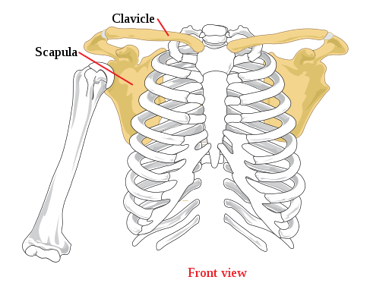
Clavicle
*Pectoral Girdle
two bones
S-Shaped collar bones connects to scapulae and hold scapulae into position
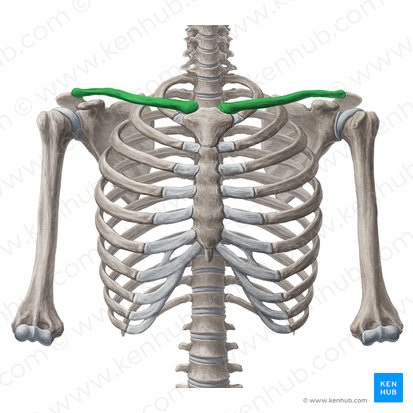
Scapula
*Pectoral Girdle
two bones
triangle shaped shoulder blades, located posterior of the rib cage
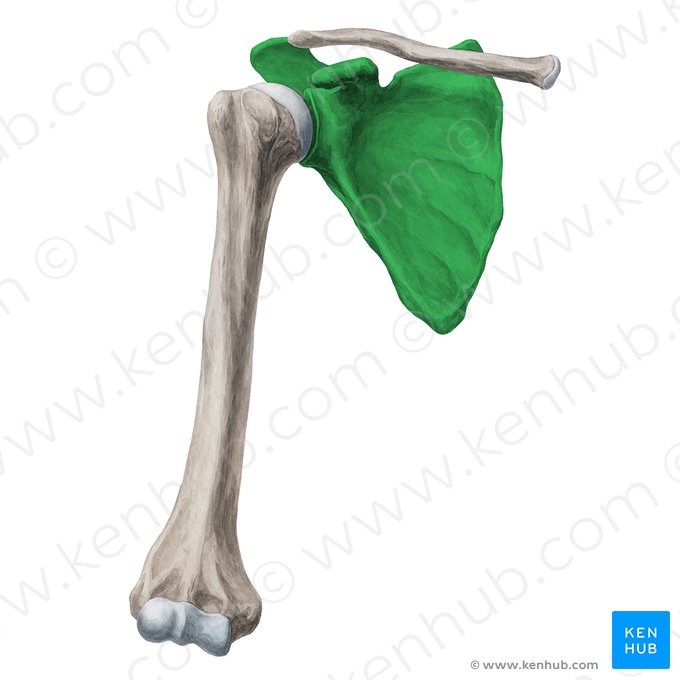
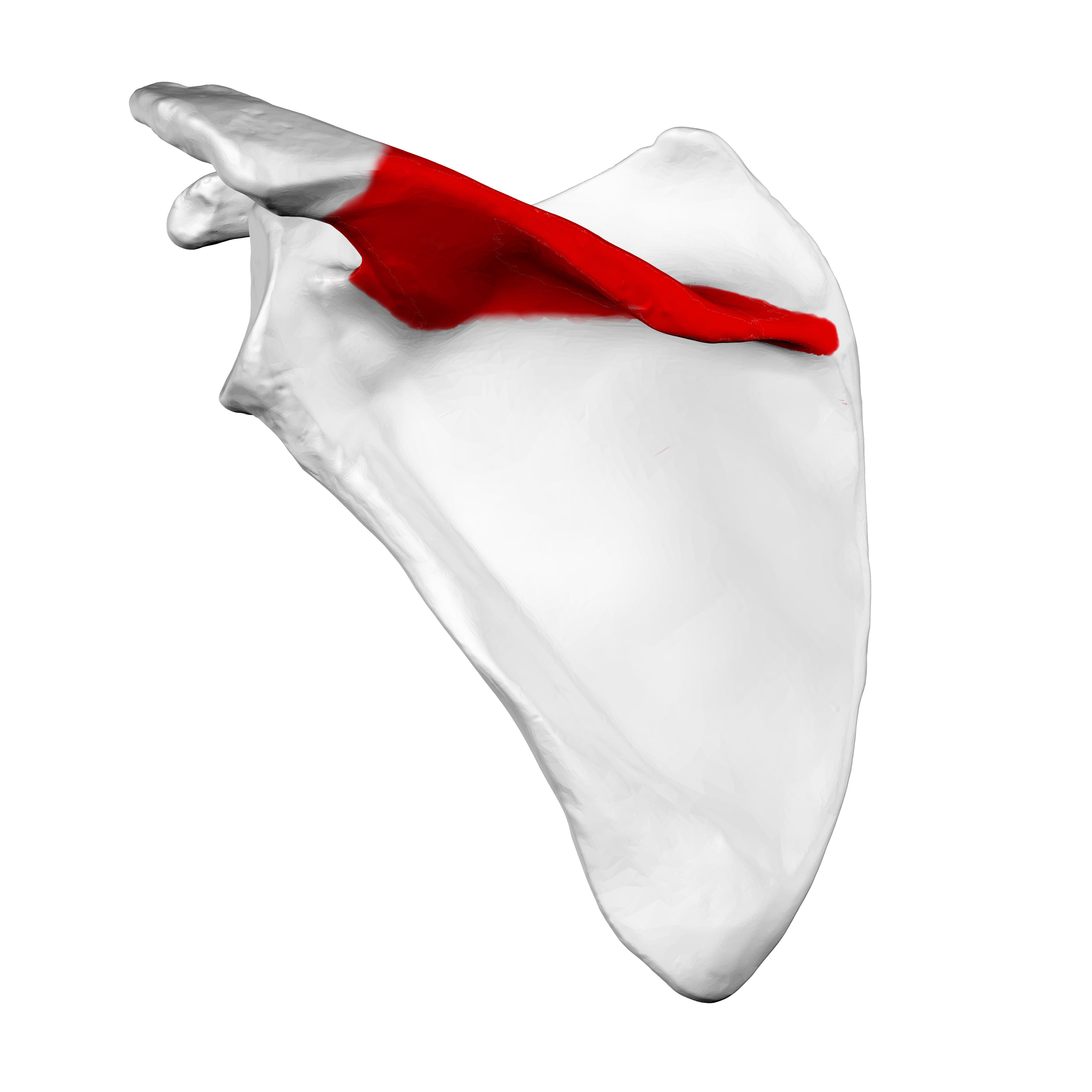
Scapula Spine
raised ridge on posterior surface of the scapula
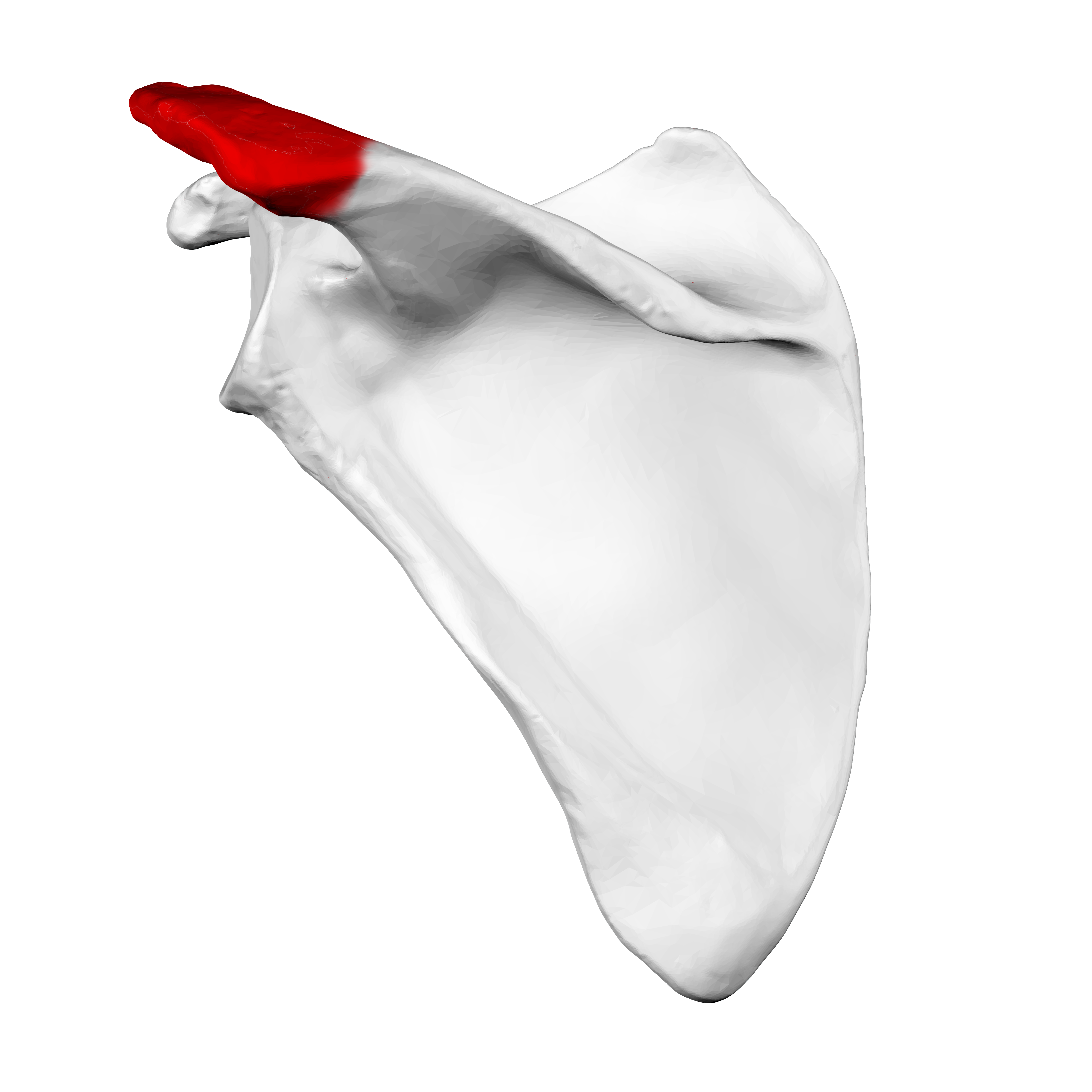
Acromion Process
projection on the scapula, articulates with the clavicle
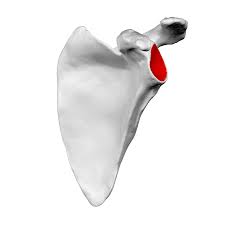
Glenoid Cavity / Fossa
depression on scapula where the head of the humerus articulates to form ball and socket joint allowing for shoulder mobility.
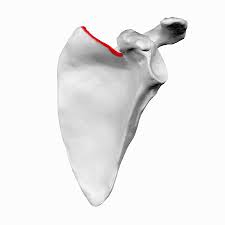
Scapula Superior border
upper border of scapula
Scapula Lateral Border
border on the same side as the glenoid cavity
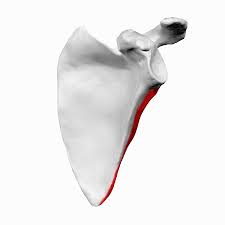
Scapula Medial Border
border on the side opposite the glenoid cavity
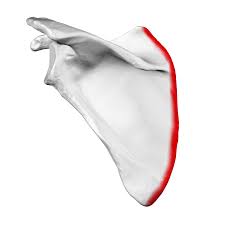
Infraspinous Fossa
fossa located below the scapula spine on the posterior side of the scapula
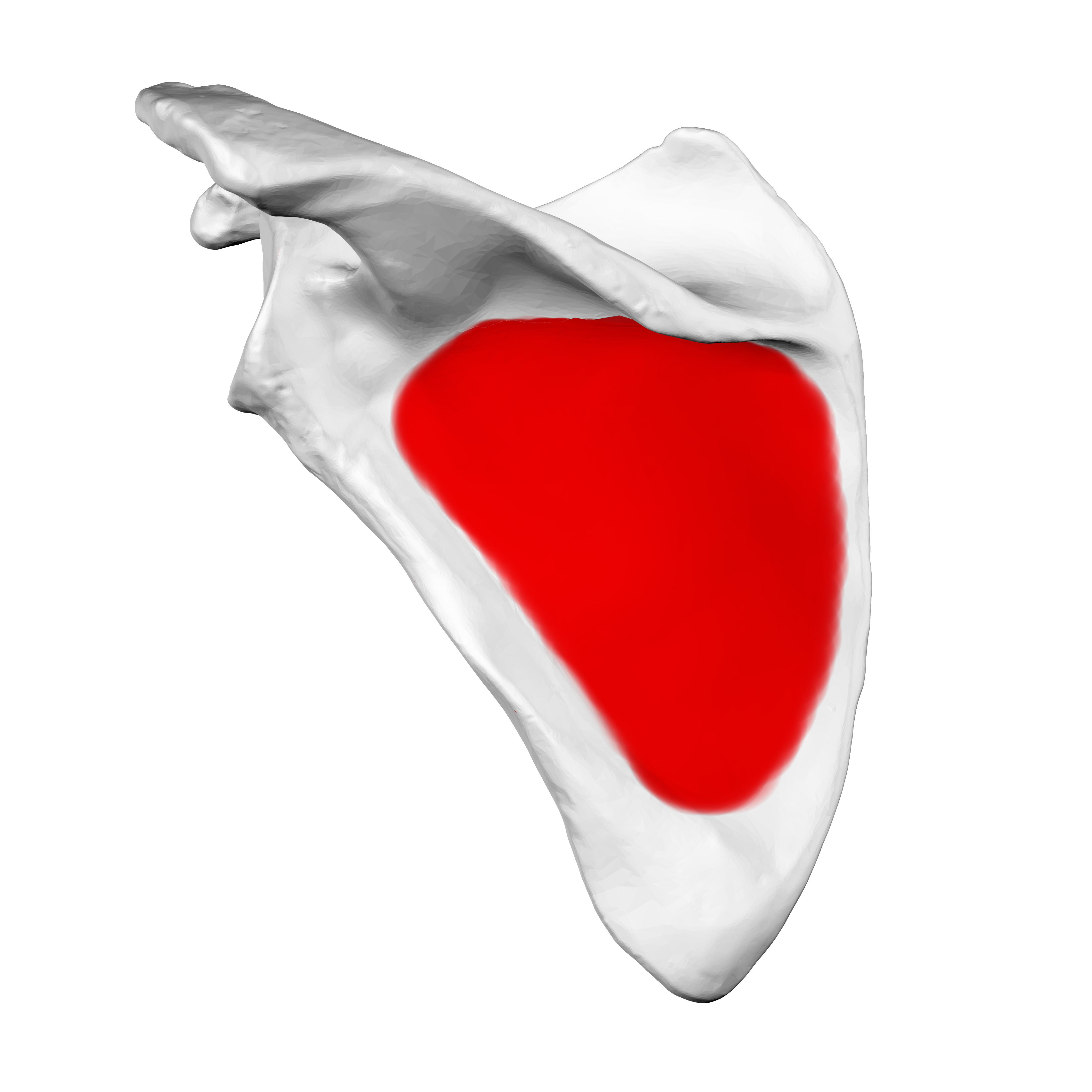
Supraspinous Fossa
fossa located above the scapula spine on the posterior side of the scapula
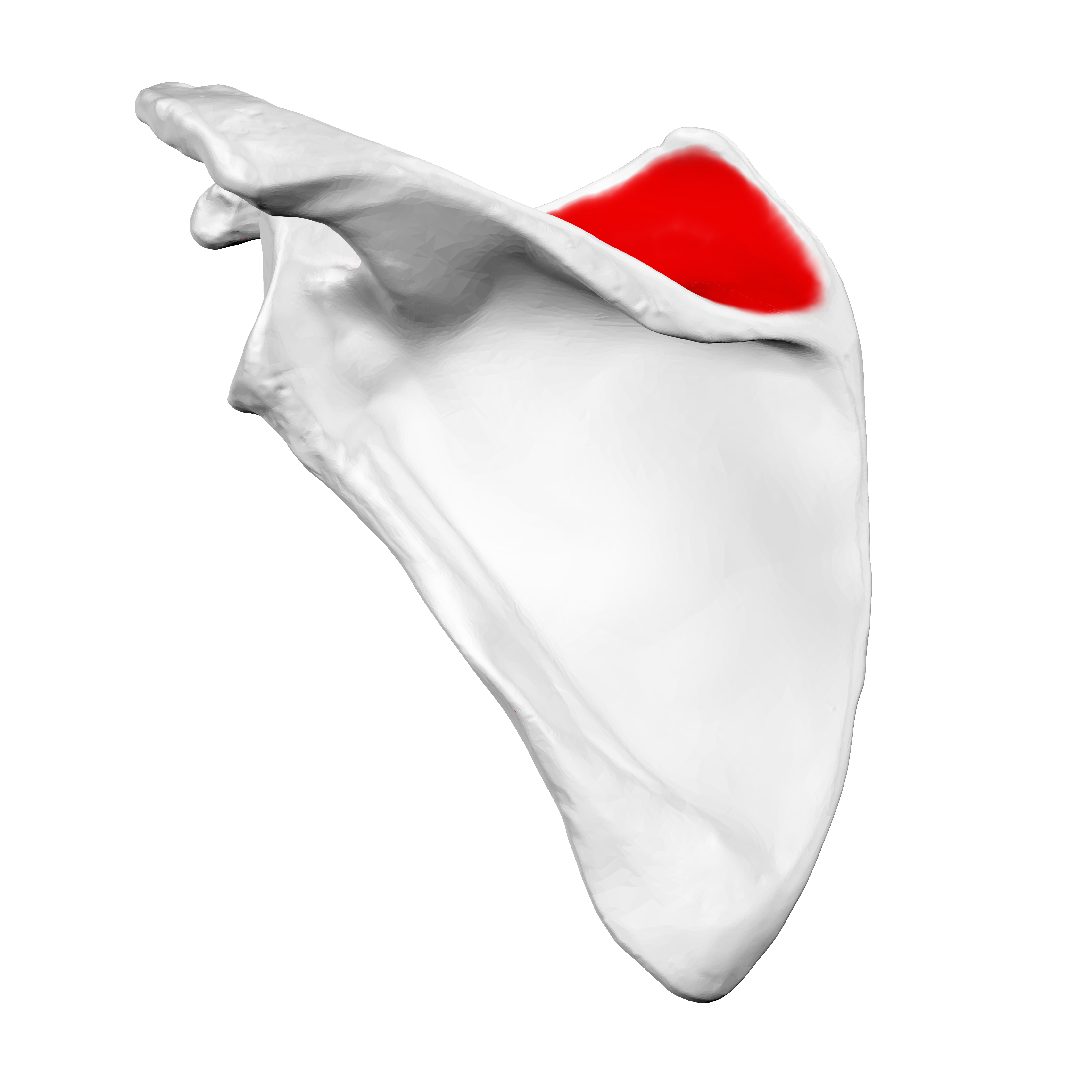
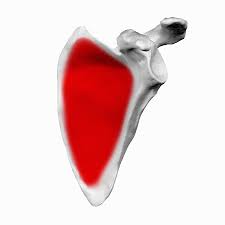
Subscapular Fossa
fossa located on the anterior side of the scapula
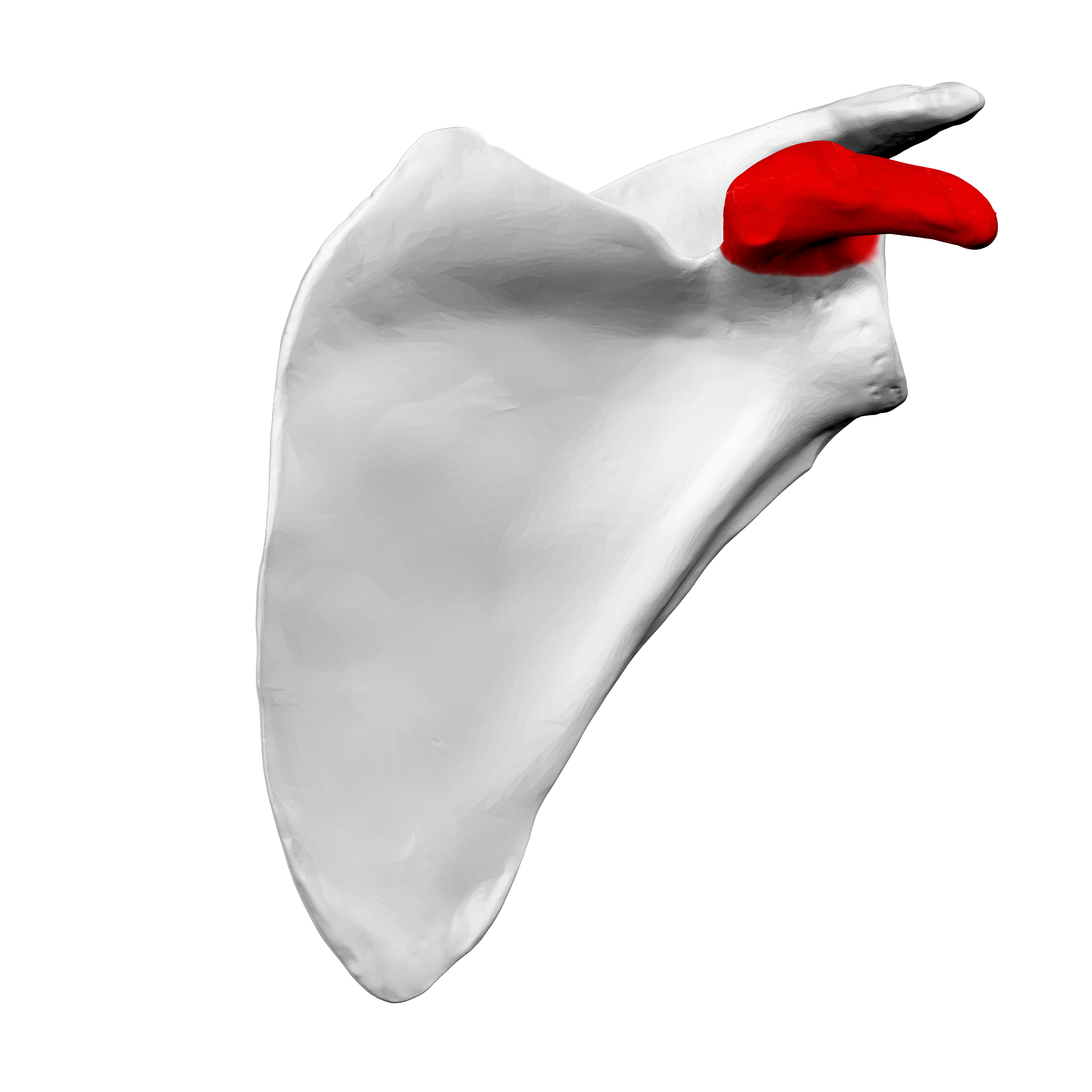
Caracoid Process
anterior projection of the scapula that serves as a muscle attachment site
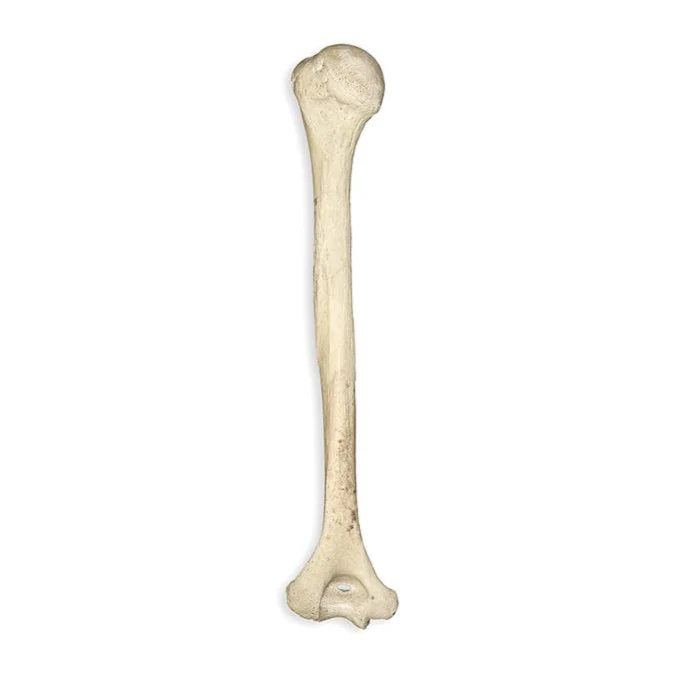
Humerus Bone
Upper Limb
only bone of the arm, articulates with scapula at the shoulder and the radius and ulna at the elbow
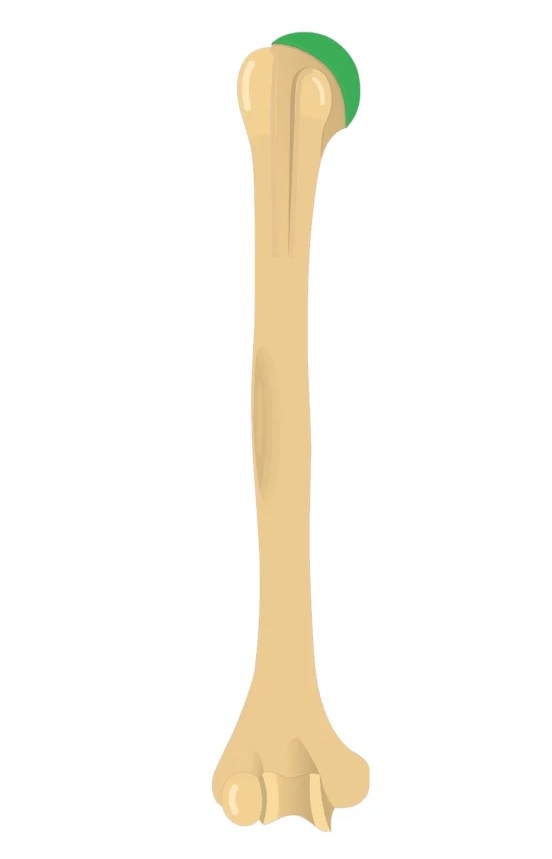
Head of Humerus
the ball-like proximal end of the humerus that articulates with the glenoid fossa of the scapula to form the shoulder joint.
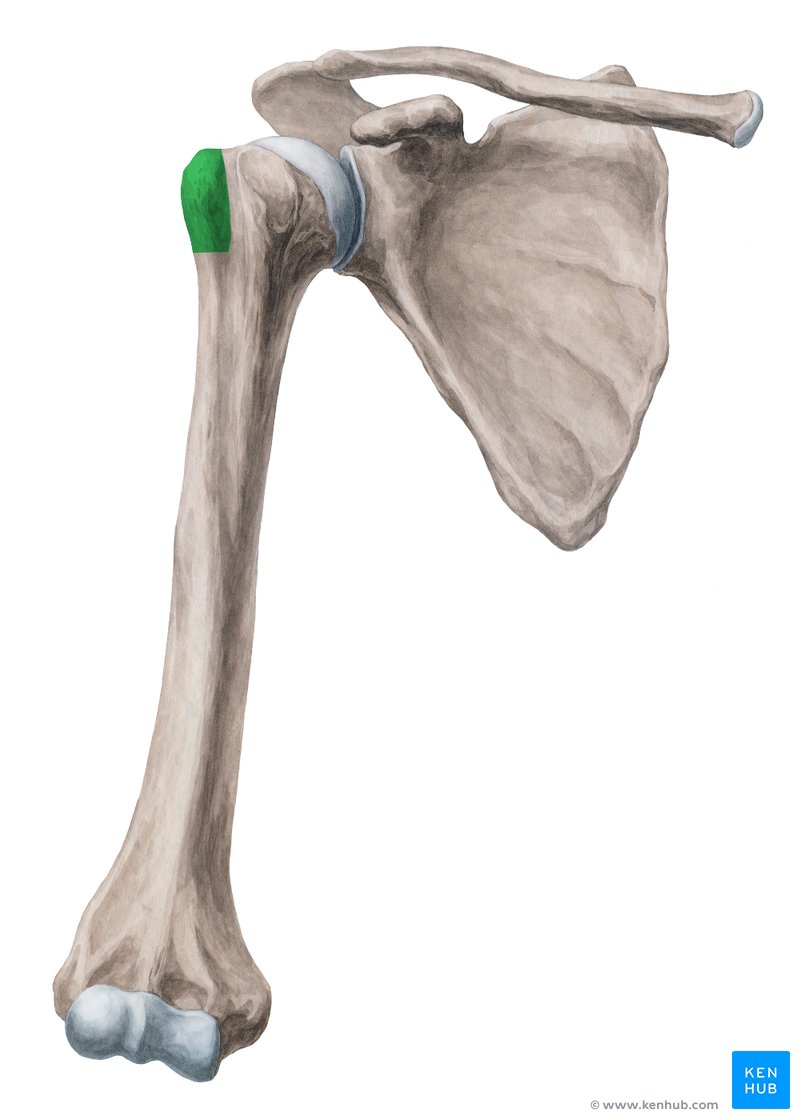
Greater Tuberncle
lateral bumb on proximal end of the humerus
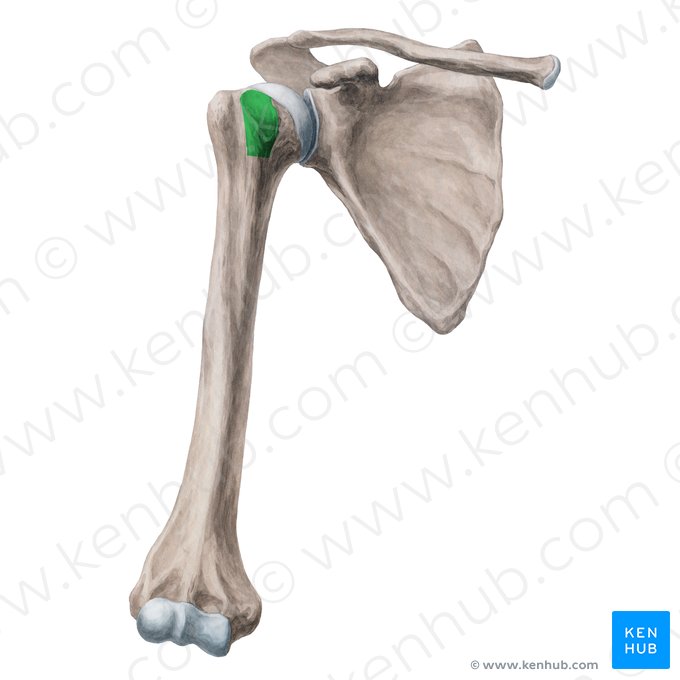
Lesser Tubercle
A small bump on the anterior side of the proximal end of the humerus
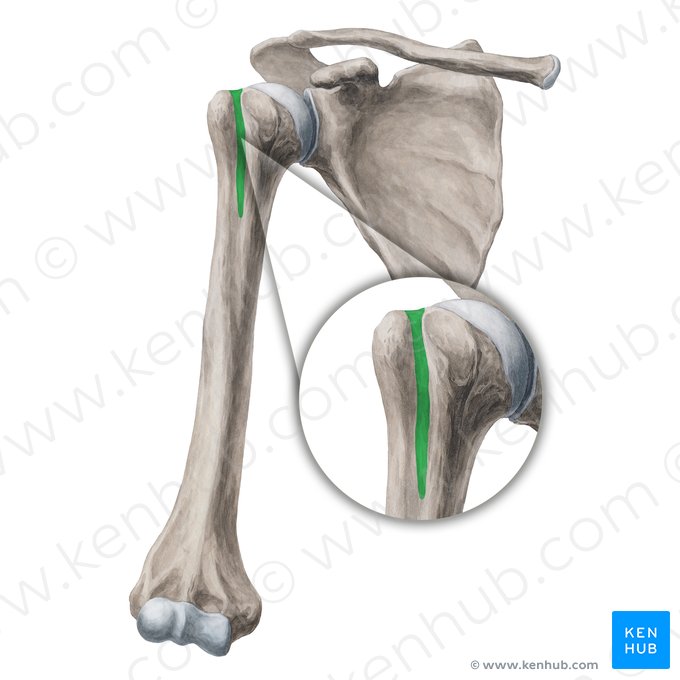
Intertubercular Groove
*Humerus
A furrow between the greater and lesser tubercles that contains a tendon of the biceps brachii muscle
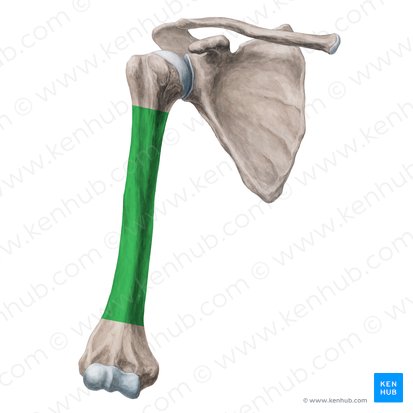
Shaft of humerus
diaphysis or the body. the weight bearing part of the bone
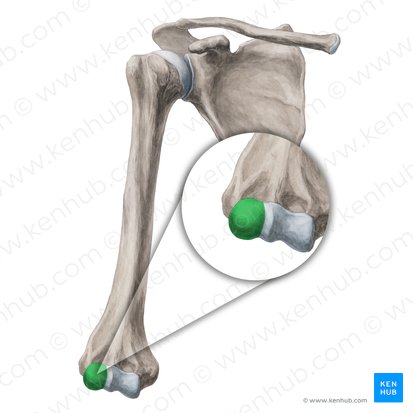
Capitulum
*Acorn
Lateral condyle on the distal end of the humerus. Articulates with the head of the radius
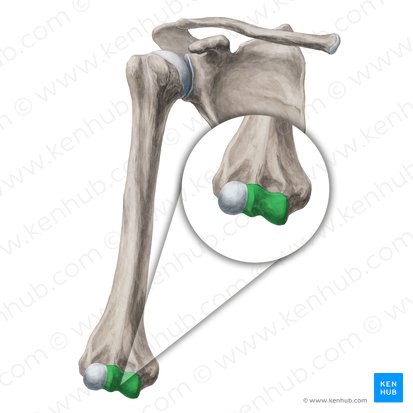
Trochlea
*Hourglass
medial condyle on the distal end of the humerus. Articulates with the notch on the ulna.
allows for flexion and extension of the elbow
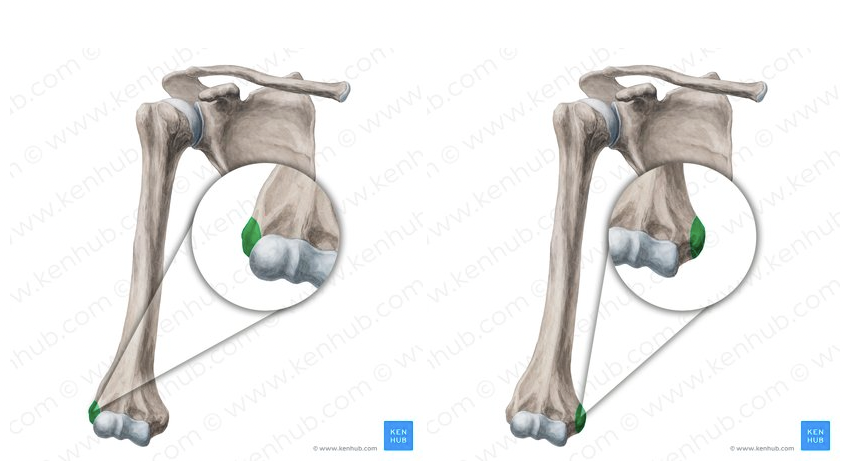
Epicondyles
bumps on lateral and medial sides of the disal end of the humerus
attachment site for muscles that move the wrist and fingers
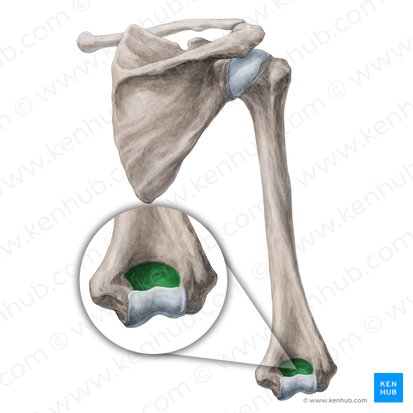
Olecranon Fossa
depression on distal end of the humerus
receives procces of the ulna when arm is full extended
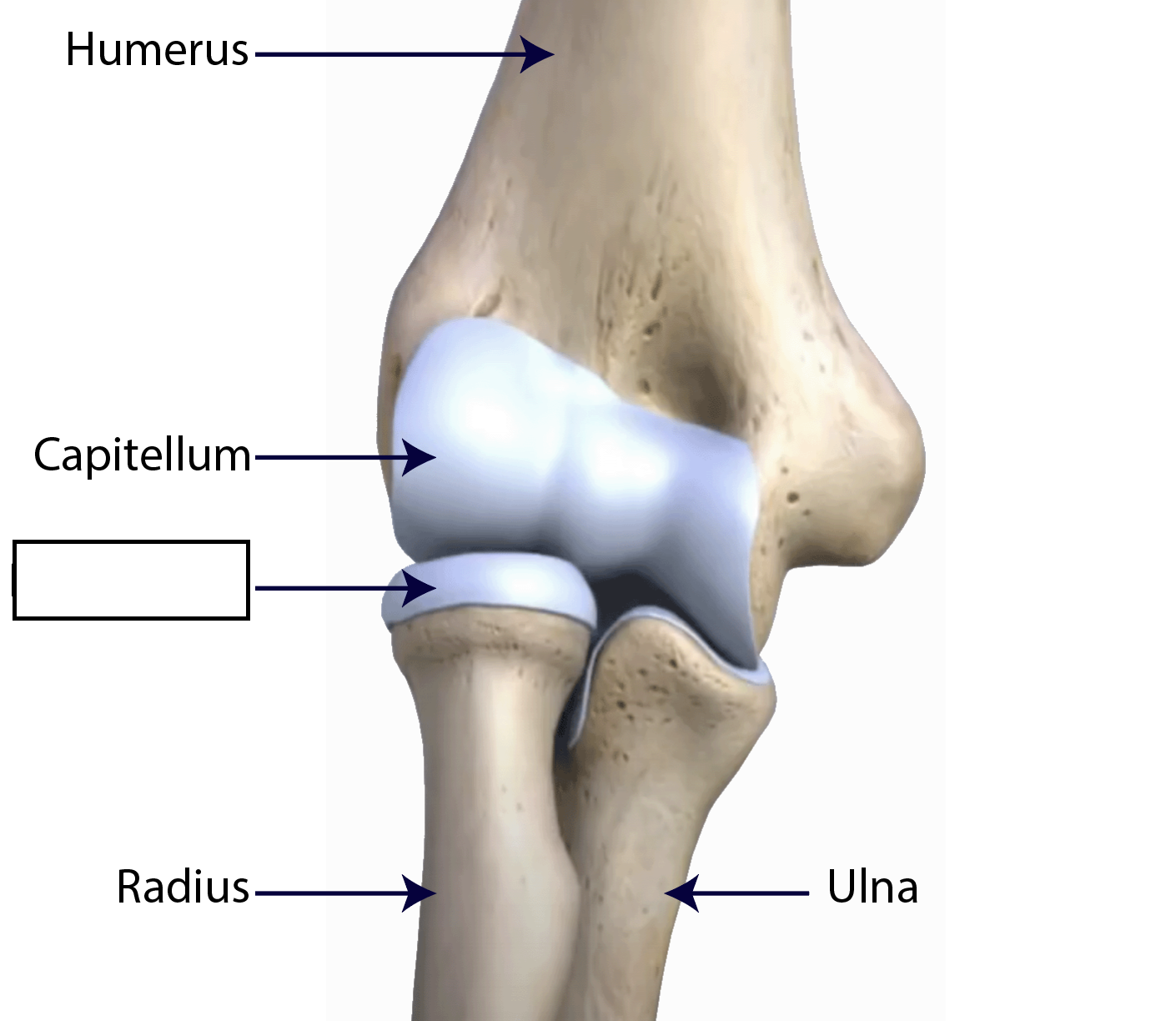
Radius Head
Attaches to capitulum of humerus, joint allows for rotation of forearm. (Elbow)
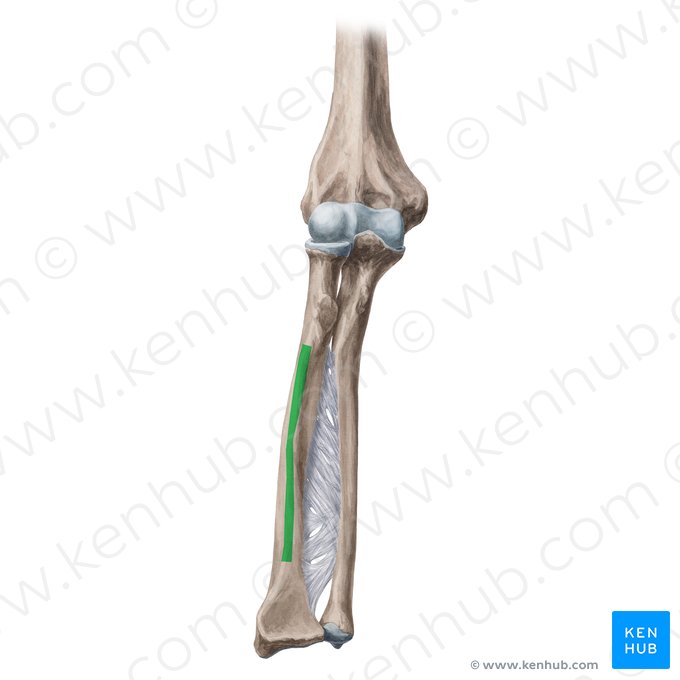
Radius Shaft
also known as diaphysis or body, weight bearing part of radius
Olecranon Process
Ulna*
proximal end of ulna that forms the bony prominence of the elbow and articulates with the olecranon fossa of the humerus. The tip top of the bone, above the C curve
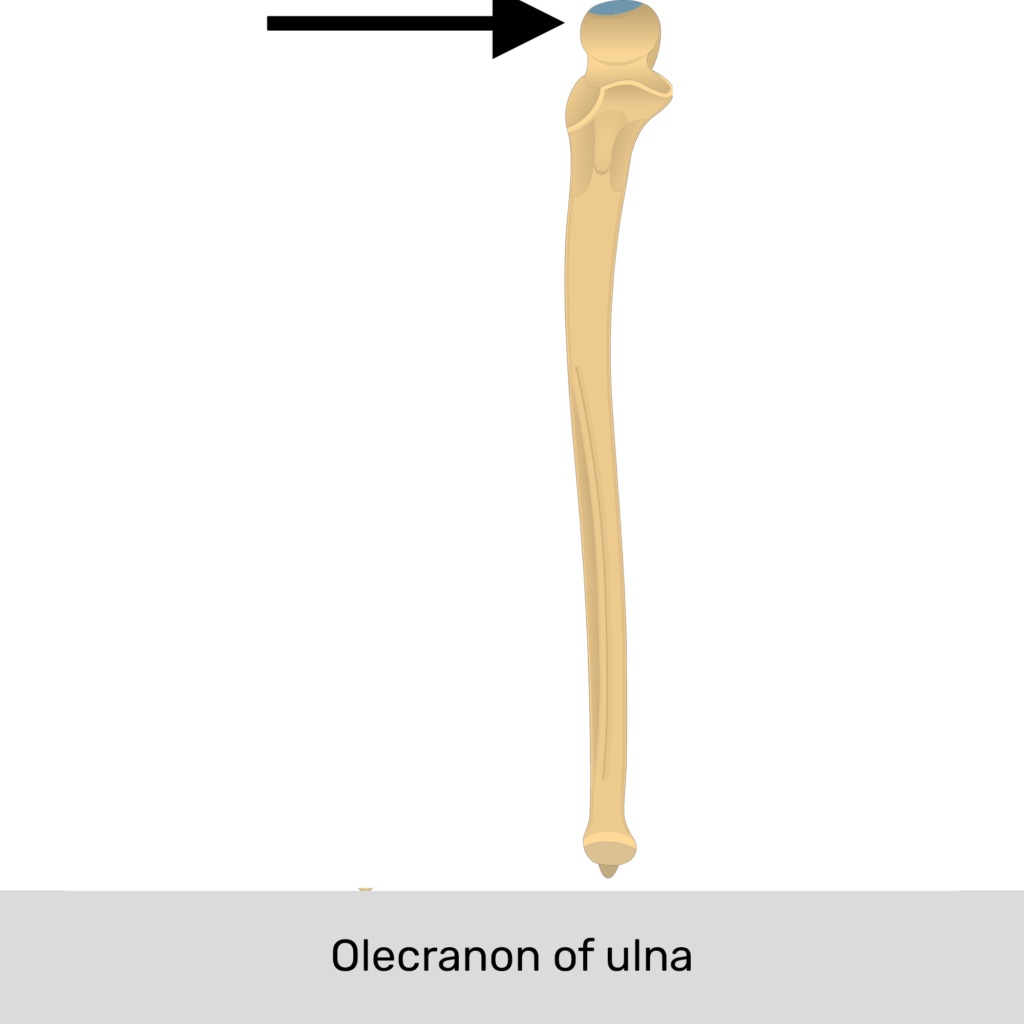
Where does the olecranon process connect to?
Olecranon fossa on the humerus
Trochlear Notch
*Ulna
C shape, tow hitch. Articulates with the trochlea of the humerus to form joint allowing for flexion and extension of the elbow. (Bend and straighten)
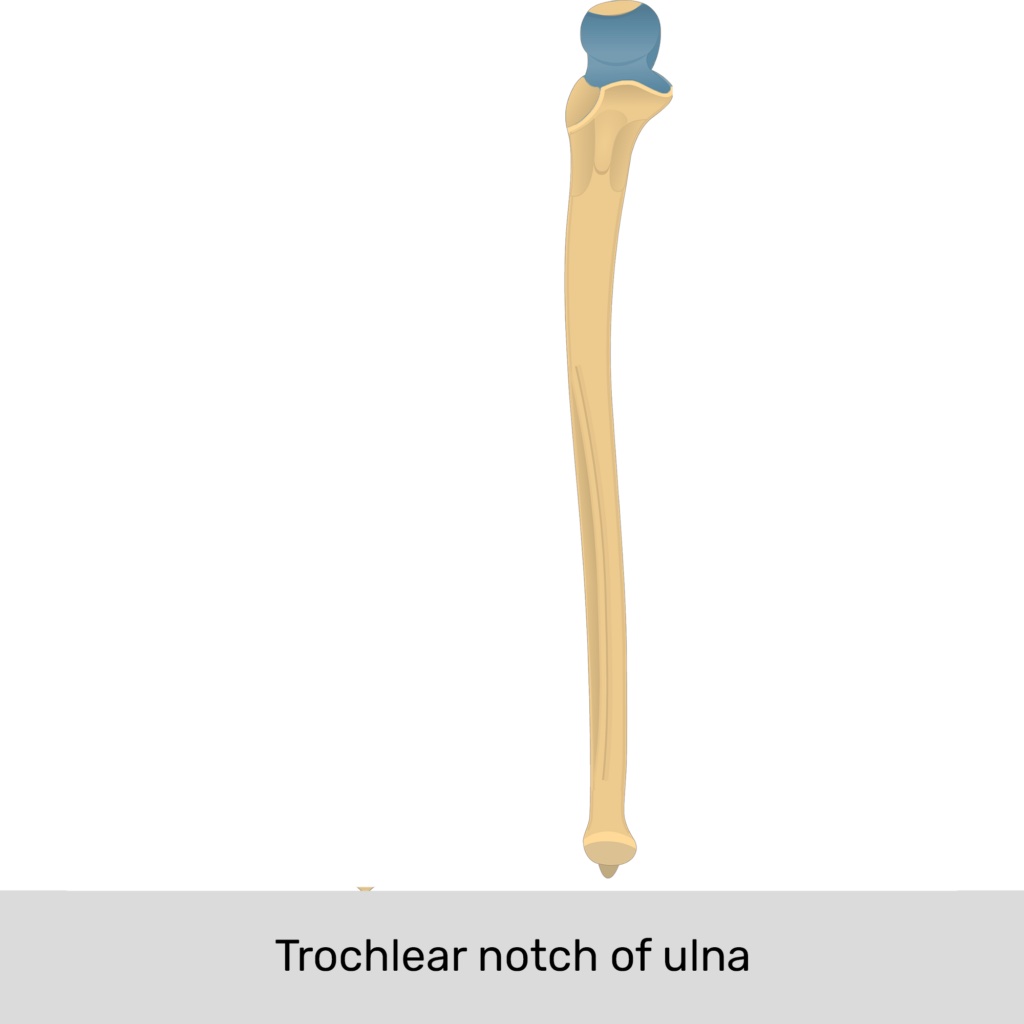
What does the trochlear notch connect to?
Trochlea on humerus
Shaft of Ulna
also called diaphysis or body. the weight bearing part of the bone
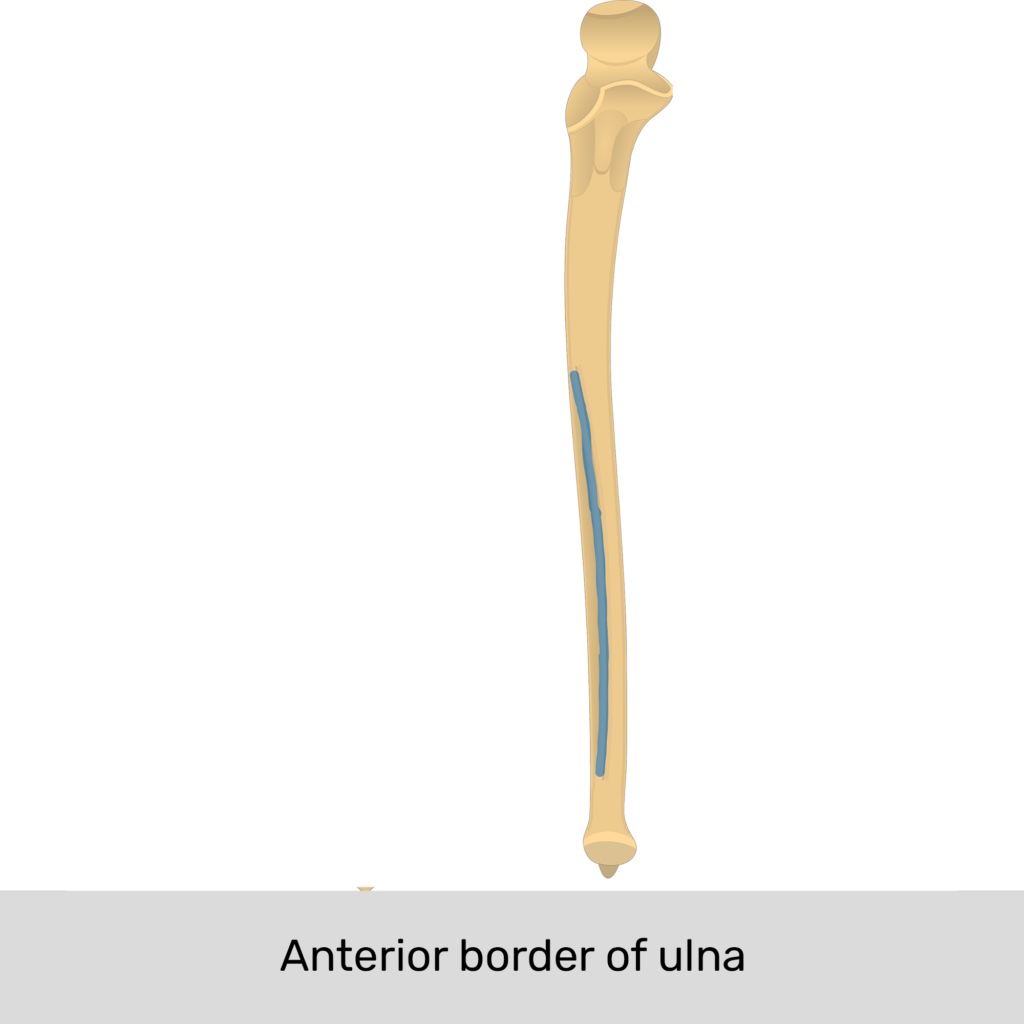
Head of Ulna
bump on distal end of ulna where it connects to the carpels of the wrist
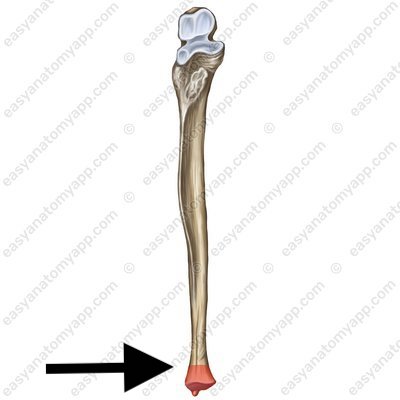
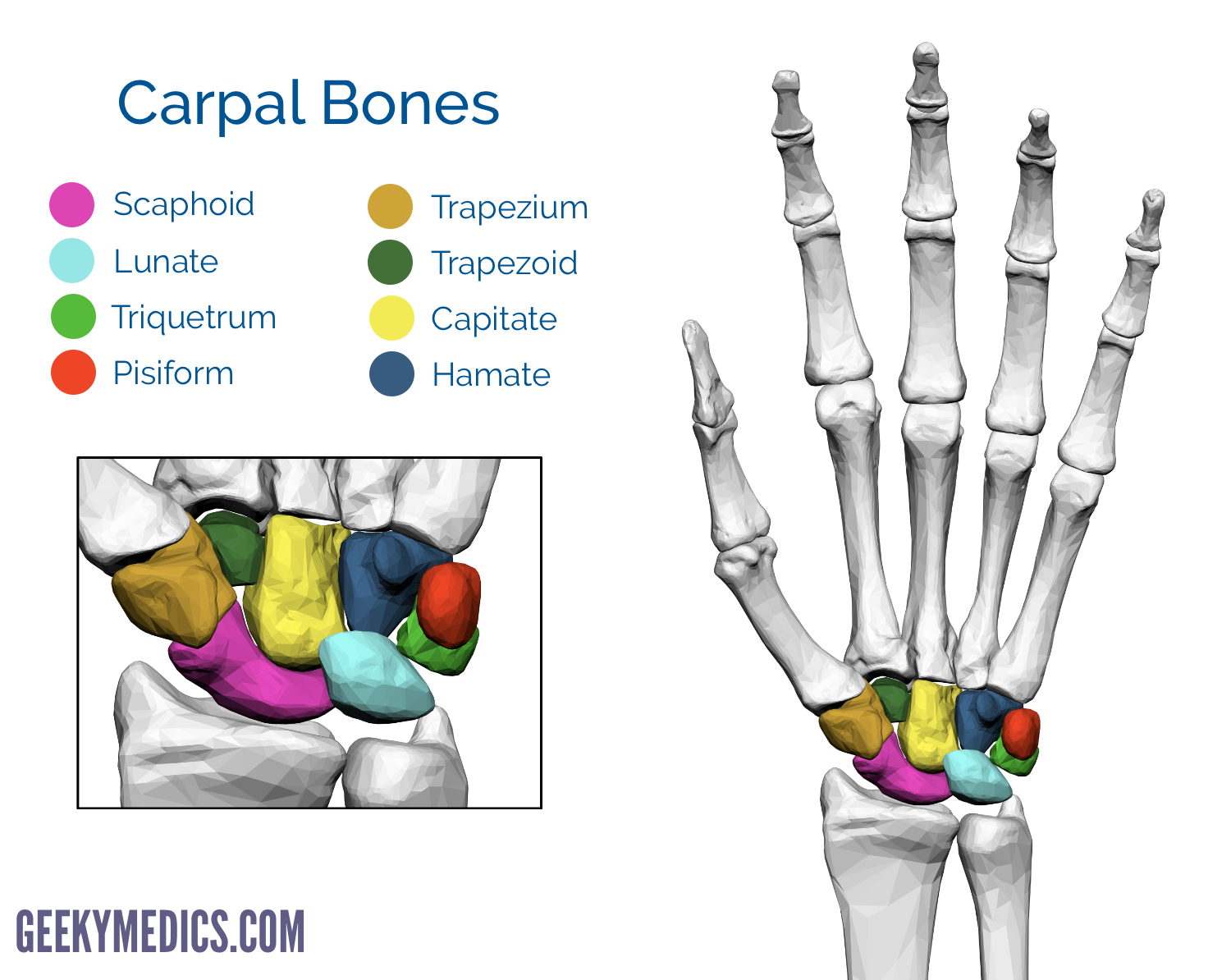
Carpals
marble sized short bones in wrist
two rows of four that form the wrist joint.
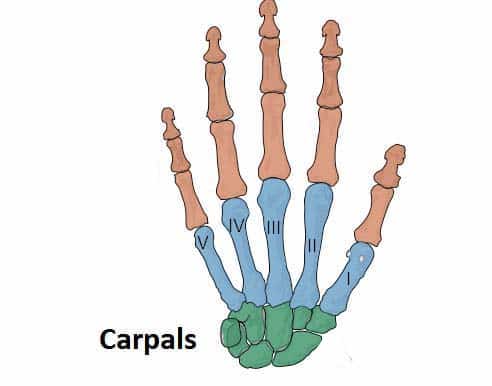
Proximal Carpel Bones
Lateral to Medial
scaphoid
lunate
triquetrum
pisiform
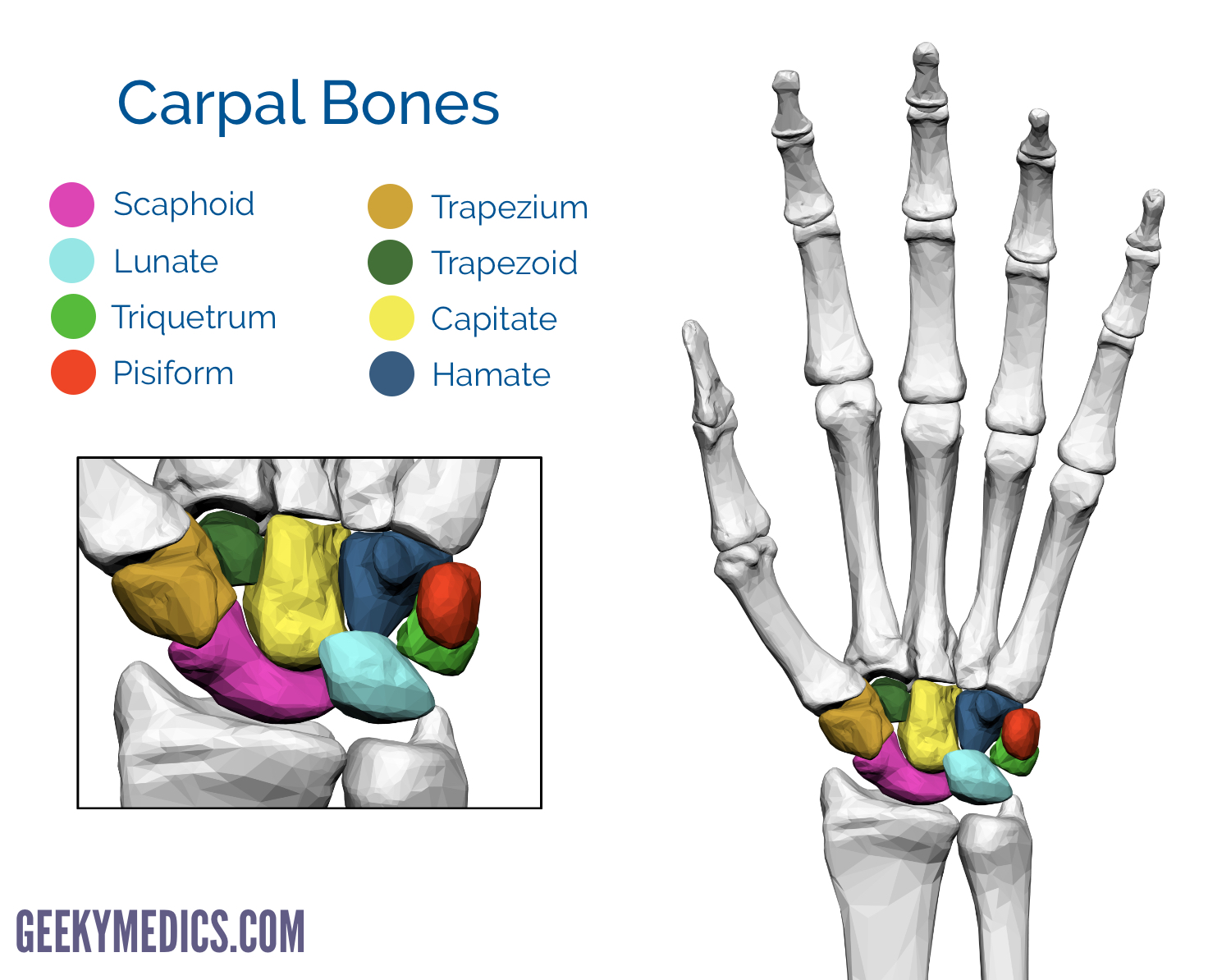
Distal Carpal Bones
Lateral to Medial
trapezium
trapezoid
capitate
hamate
Metacarpals
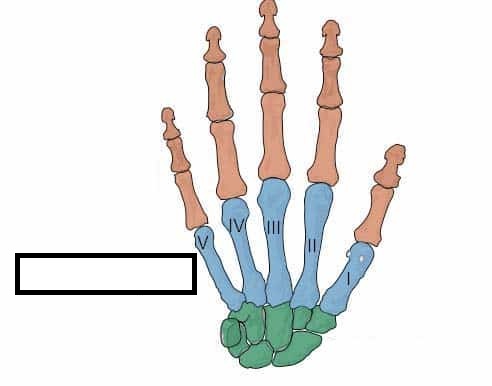
bones of the palm
Named ______1 starting at thumb and _____ 5 at pinkie
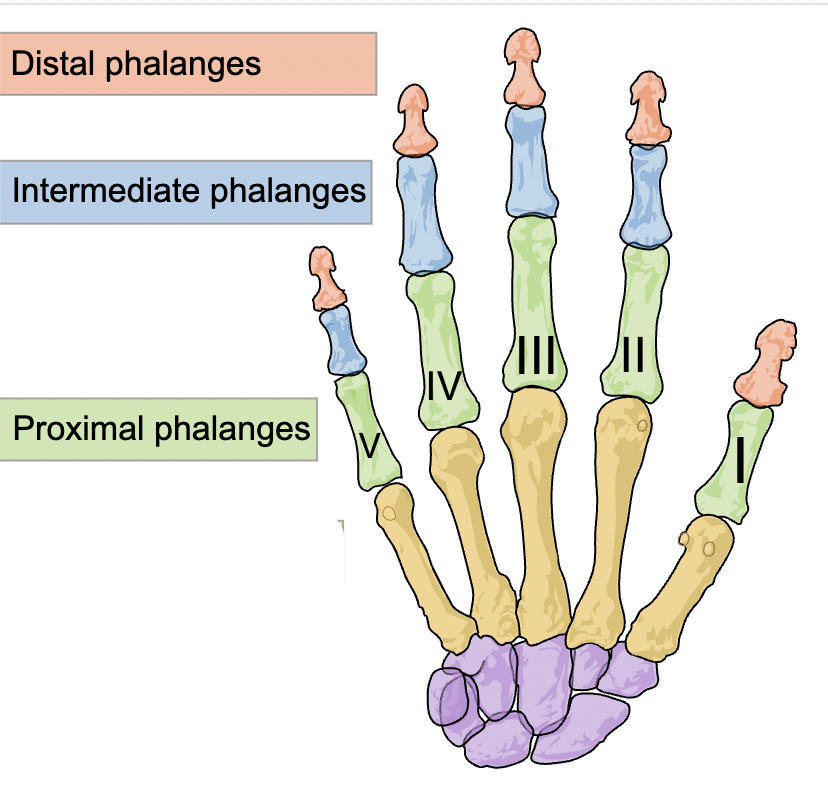
Phalanges
14 in each hand
movement of thumb and fingers
3 in each finger, 2 in thumb
named proximal, middle, distal
named 1 through 5 starting with thumb as 1 and pinkie as 5
example: third proximal phalanx