AH3 Hemodynamics
 Call Kai
 Learn
Learn Practice Test
 Spaced Repetition
 Match
Match Flashcards
 Knowt Play
1/21

There's no tags or description
Looks like no tags are added yet.
Name | Mastery | Learn | Test | Matching | Spaced | Call with Kai | Chat |
|---|
No analytics yet
Send a link to your students to track their progress
22 Terms
preload measured on the Right vs Left side (and normals)
→ Right: RAP (right atrial pressure)
CVP
normal 2-6 mmHg (nickel)
→ Left: PAOP
PAWP
normal: 8-12 mmHg (dime)
What is normal CO and PaO2?
CO: 4-6L/min
PaO2: 85-100 mmHg
whats SVO2 (3)
hows it drawn?
relationship b/w O2 delivery and O2 extraction at the tissue level
tells u how pt Utilizes O2
% of O2 bound to hgb in blood left over, returning to right side of heart
→ drawn from central line or Swan-Ganz
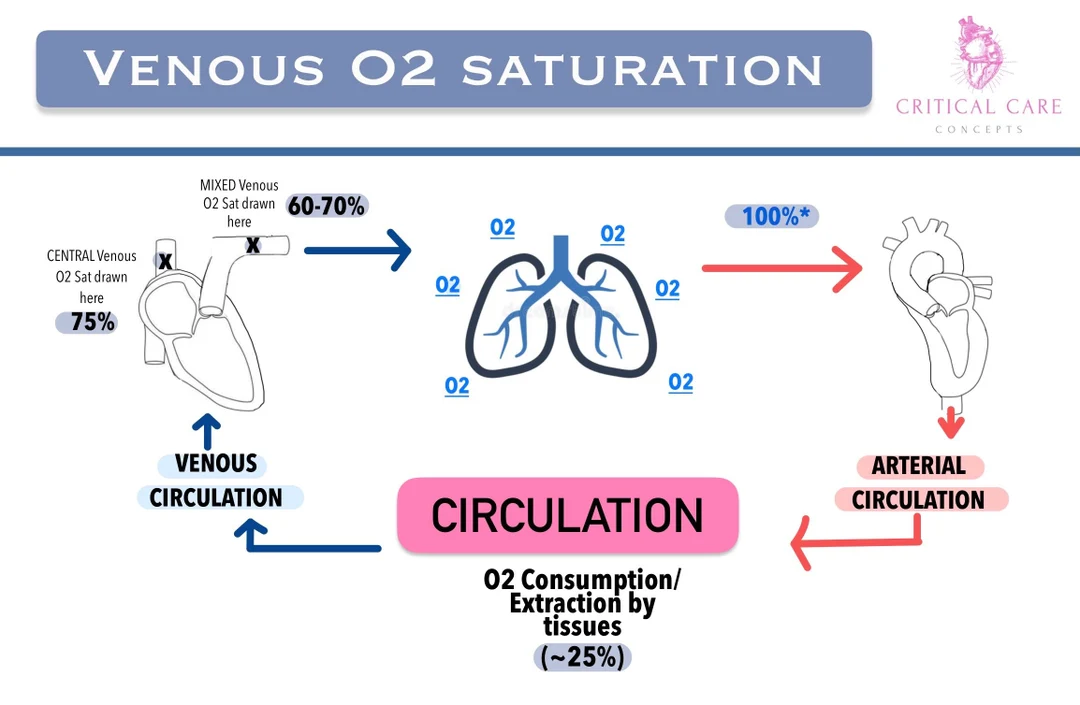
SVO2 normal value?
High vs low:
normal: > 70% (3 quarters)
High: 70-100 % (aka normal)
Low:
tissues extracting MORE O2 than normal
⬇O2 delivery
SVO2 < 70% means?
tissue extracting more O2 than normal
septic
Cause of ⬇DO2 delivery? (3) and Increased O2 consumption? (6)
DO2:
⬇hemoglobin
⬇CO
⬇SpO2/SaO2
VO2:
shiver
increased work of breathing
fever
infection
agitation
nursing care
giving a full bed bath tires pt out
A- Line measures what? (2)
MAP
< 65 bad = Shock
> 65 good perfusion
BP
How is pressure bag and transducer for A-line set up?
inflate pressure bag to 300mmHg to prevent arterial blood from escaping!!
0.9 NS
transducer at Phlebostatic axis!!
Phlebostatic axis location?
Left atrium @ 4th ICS, MCL

What to NEVER do with an A-Line?
Infuse/flush anything through it!!
- its arterial, not venous
What is Pulses Paradoxus?
causes (3)
exaggerated BP variation w/ respiratory cycle
large drop (> 10 mmHg) in systolic BP when the patient breathes IN.
causes:
cardiac tamponade
COPD
asthma
what 3 meds need A-Lines?
whats their MOA?
NE
Vasopressin
Phenylephrine
all cause ⬆BP, CO
shunts blood back to heart
What meds need/ doesnt need to be tritiated?
Needs:
NE
Phenylephrine
Doesnt:
Vasopressin
NE (6)
monitor
first line med to raise BP
monitor for extravasation
go into tissue instead of blood stream → necrosis
digit/gut ischemia
bradycardia
HTN
renal artery vasoconstriction
⬇urine output < 30mL/hr x 2 hrs
titrate!!!
Vasopressin (3)
2nd line—additive
also for GI bleeding and Diabetes Insipidus
no need to titrate—its a set amount
Phenylephrine
monitor for: (5)
extravasation
reflex bradycardia d/t vasoconstriction and ⬆BP
arrythmias
HTN
CP
titrate!!
Central venous pressure shows what?
placement?
normal pressure?
measures RIGHT side of heart preload
jugular, subclavian, femoral vein
normal CVP: 2-6 mmHg (nickel)
Low vs High CVP number:
Low: “dry
fluid volume deficit
High: fluid volume overload
Pulmonary Artery Catheter (Swan-Ganz) measures what?
right side of heart pressure (PAP)
high vs low
normal BP in pulmonary artery: 25/10 mmHg
high: pulmonary HTN
low: impaired right side HF
Left side: PAOP/PAWP measures what?
Left Atrial pressure
8-12 mmHg (dime)
PA catheter key balloon rule?
balloon inflated only when moving FORWARD!! never backwards!!
PAWP/PAOP if high means? (6)
fluid volume overload
LV failure
cardiac tamponade
constrictive pericarditis
high PEEP
mitral stenosis