Module 6: Nutrition, Dermatology, and Miscellaneous Wounds
 Call Kai
 Learn
 Practice Test
 Spaced Repetition
 Match
 Flashcards
 Knowt Play
1/83

There's no tags or description
Looks like no tags are added yet.
84 Terms
why is nutrition important for wound care?
malnutrition is a common denominator for wound chronicity, sufficient amounts of nutrients are required for homeostasis, repair, and regeneration (water, protein, carbohydrates, fats, minerals, and vitamins)
what is the significance of water in wound healing?
transport medium for glucose, nutrients, and waste removal
vital for wound healing
how much water should be consumed per day?
30-35 mL of water/kg body weight daily, patients with open wounds should consume roughly 2.7-3.7 L/day though! those with heavily draining wounds or large surface area wounds may need significantly more
which patients need to be assessed for dehydration?
any patient with diarrhea, vomiting, excessive wound drainage, fistulae, or fever should be assessed, dietician referral should be made with swallowing difficulties, fluid restrictions, NPO more than a few days
what is protein required for?
for tissue repair and regeneration, deficiency impairs all three phases of wound healing, affecting collagen synthesis, granulation tissue formation, angiogenesis, and remodeling. also supports normal immune function (phagocytosis and antibody response time) and osmotic pressure
what is the current protein recommendation for patients with wounds, since patients may lose significant protein through draining wounds?
20-25% of daily caloric intake should come from protein
consuming 1.25-1.5 g/kg body weight per day. up to 2g/kg for patients with large surface area burns
NOT TOO much though! oversupplementation can result in dehydration
what is the importance of carbohdyrates in wound healing?
provide energy for tissue repair and regeneration, stimulate insulin production that boosts proliferative phase of wound healing, protein sparing effect
what is the recommendation for carbs for patients?
55-65% daily caloric intake
30-35 kcal/kg BW (up to 40 for underweight patients)
what is the importance of fats in wound healing?
essential to the healing process
provide a needed energy source when carbs are depleted
carry fat soluable vitamins
assist in thermoregulation
free fatty acids are vital components of the cell membranes, required for synthesis of new cells
what is the recommendation for fats?
10-25% of daily caloric intake
what are some of the other crucial dietary compounds?
vitamins (A,C,E,K,B complex vitamins)
Minerals (Zinc, iron, copper, magnesium, calcium, phosphorus, selenium)
clinical manifestation of water deficiency
dry skin, hair, mucous membrane
poor skin turgor
increase HR and respirations
orthostatic hypotension
confusion
sunken eyeballs
clinical manifestation of protein deficiency
dull, dry hair
pallor
peripheral edema
pressure ulcers, esp multiple or repeated ulcerations
clinical manifestation of carbohydrate deficiency
decline in BW
pallor
extremely poor dentition
clinical manifestation of fat deficiency
emaciated
epidermal flaking
fissuring of the skin
large flakes of dandruff
what are nutritional interventions used with patients with wounds?
clinician education in proper nutritional guidelines
registered dietician referral
total parenteral nutrition (TPN) for pts whose GI is not functioning normally
why is an interdisciplinary approach important in wound care?
results in
lower rates of wound related complications
shorter wound healing time
fewer amputations
what are the keys to interdisciplinary success?
see image

what are abrasions?
caused by friction to the skin’s surface (raspberry, road rash, carpet burn)
what are lacerations?
caused by cutting/tearing skin surface
what are skin tears?
caused by shear or friction forces that separate the epidermis from the dermis- extremely common in vulnerable populations and mostly avoidable- may be due to improper turning and lifting procedures, removing dressings and adhesives, healthcare provider fingernails or jewelry
what are interventions for abrasions?
irrigate thoroughly with water or saline
debridement
clean wounds: apply moisture retentive dressing
contaminated wounds: broad spectrum antimicrobial and gauze dressing
watch for signs of infection
pt may shower but not bathe/swim without occlusive dressing until skin barrier is restored

what type of wound is shown in the image?
superficial and partial thickness abrasion contaminated with cinders
what are interventions for lacerations?
lacerations with tissue loss or significant contamination should be treated following abrasion instructions
can manage uncomplicated lacerations with tissue adhesives or adhesive strips
pts with lacerations can showed but not bathe or swim without an occlusive dressing
what are interventions for skin tears?
irrigate with saline or water and pat dry
approx wound edges and treat with skin sealant
debride if necessary
moisture retentive dressing
generally heal without complications
watch for infection, esp in elderly

what is shown in the image?
skin tear
what are the general instructions for surgical wounds treated with primary closure?
sutures, stapes, or tissue adhesives
keep clean and dry for 25-48 hours
expect minimal bleeding/drainage for first day or so
observe for infection
note precautions
what are the precautions for surgical wounds treated with primary closure?
sutures more likely to cause inflammation than staples
erythema and slight inflammation may be misdiagnosed as infection
some patients have delayed sensitivity or allergic reaction to chemical agents on tissue adhesives

what is the swelling in the photo consistent with?
mild edema and ecchymosis is consistent with expected inflammation from surgical trauma rather than infection
why might a dehisced surgical wound occur?
may result from too much tension on wound edges
underlying infection and abscess
also patient factors such as malnutrition, DM, anemia, steroids, COPD, smoking

what is occuring with this elbow wound following excision of the olecranon bursa?
this is INFECTED- note the epibole and the excessive inflammation, also the purulent drainage
what is the role of the PT in basic dermatology?
ID and recognize threats to skin integrity, common diseases of the skin, and integ changes associated with aging
facilitate communication with other health care providers to provide optimal care for patients
when in doubt, refer out
when do PTs need to refer?
when the dx is not within the scope of practice
when in doubt, refer out
document findings and follow up
what is contusion?
injury where the skin is not broke, a bruise. pain, swelling, and discoloration
what is ecchymosis?
bluish discoloration of skin caused by blood in the subcutaneous tissue, result of trauma to underlying blood vessels

what kinds of injuries are shown in the image?
from left to right: rash, lesion, contusion, ecchymosis
compare ecchymosis and contusion
see image

compare ecchymosis and hematoma
see image

what are causes of skin aging?
natural passage of time
sun exposure
what are the most common skin problems for patients in nursing homes?
xerosis (dry skin)
pruritis
what is eczema?
an inflammatory skin response to an injurious agent- endogenous
what is dermatitis?
inflammatory skin response to an injurious agent- exogenous
how do patients with ezcema and dermatitis present?
xerosis
vicious cycle of itch → scratch → rash → itch
poorly defined patches, papules, and plaques without or without scales
skin appear edematous
excoriations due to pruritis/constant scratching
what do chronic cases of ezcema look like?
may have thickened skin (lichenification)
neck, flexor surfaces, eyelids, forehead, face, and dorsal of hands and feet

what is shown in the image?
contact dermatitis from ECG electrode- note the reactive lymph node (swollen lymph node due to immune response)
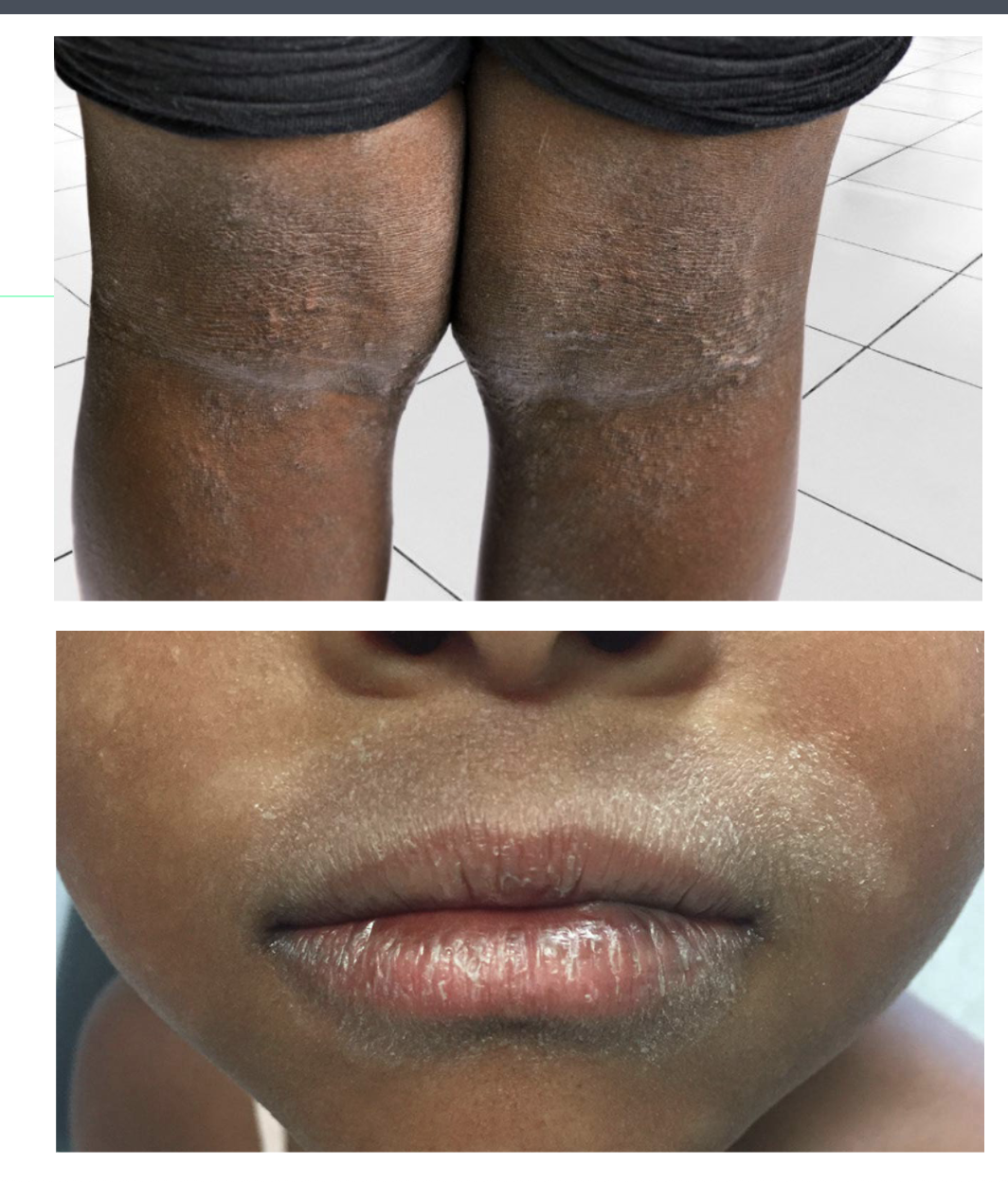
what is shown in the image?
ezcema
what is psoriasis?
a chronic, recurrent autoimmune disease that affects 2% of the population of western countries- tends to be inherited. common on the extensor surfaces and presents are round, erythematous, dry, scaling plaques covered by silvery white scales

what are precipitating factors of psoriasis?
trauma, infection, pregnancy, endocrine changes, cold weather, smoking, anxiety, and stress
what are common locations for psoriasis to present?
scalp, nails, extensor surfaces of extremities, elbows, knees, umbilical, and sacral regions
what is treatment like for psoriasis?
systemic and topical steroids, immunosuppressives, UV therapy, coal tar products
what is urticaria?
pruritic edematous pink or red wheals
common mediator is histamine
can be acute from foods, meds, exposure to allergens, or chemicals
or chronic


what is shown in the image?
urticaria, usually spontaneously resolves but if severe the MD may prescribe antihistamine
what is lupus erythematosus?
a progressive autoimmune inflammatory disease mainly involving the internal organs and connective tissue- primarily affects young women. see cutaneous involvement in 80% of cases- butterfly facial rash, nail changes, macular eruptions on the trunk, oral mucosa lesions

what is discoid lupus erythematosus?
chronic dermatological disease without organ involvement- no cure, most commonly affects the neck and face, need to protect from the sun, MD can prescribe topical corticosteroids
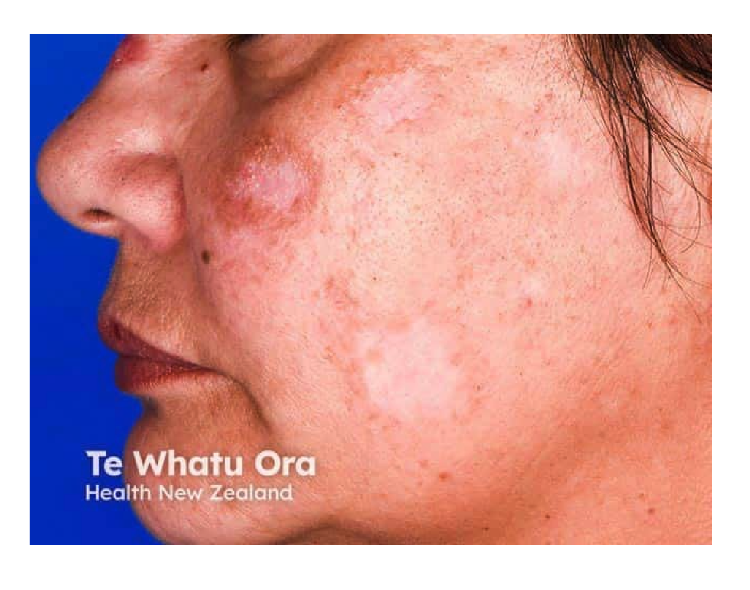
what is scleraderma ?
a slow, progressive, inflammatory, incurable disorder
involves the skin and internal organs
skin becomes hard, smooth, hypopigmented, and stiff
what PT interventions are useful for scleroderma?
daily ROM, manual therapy and warming modalities
contracture prevention
what is the ABCDE method to help detect melanoma?
Asymmetrical
Border: most are uneven
Color: shades of brown, tan, black
Diameter >= 6 mm
elevation or evolving: changing in shape, size, color, bleeding, crusting
what are types of benign neoplasms and hyperplasias?
melanocytic nevi (moles)
mongolian spots
port wine stains
cherry angiomas
seborrheic keratosis
skin tags
characteristics of melanocytic nevi (moles)?
moles
are concerning if develop rapidly, change in size/color, weep, bleed, or are pruritic
in this case refer
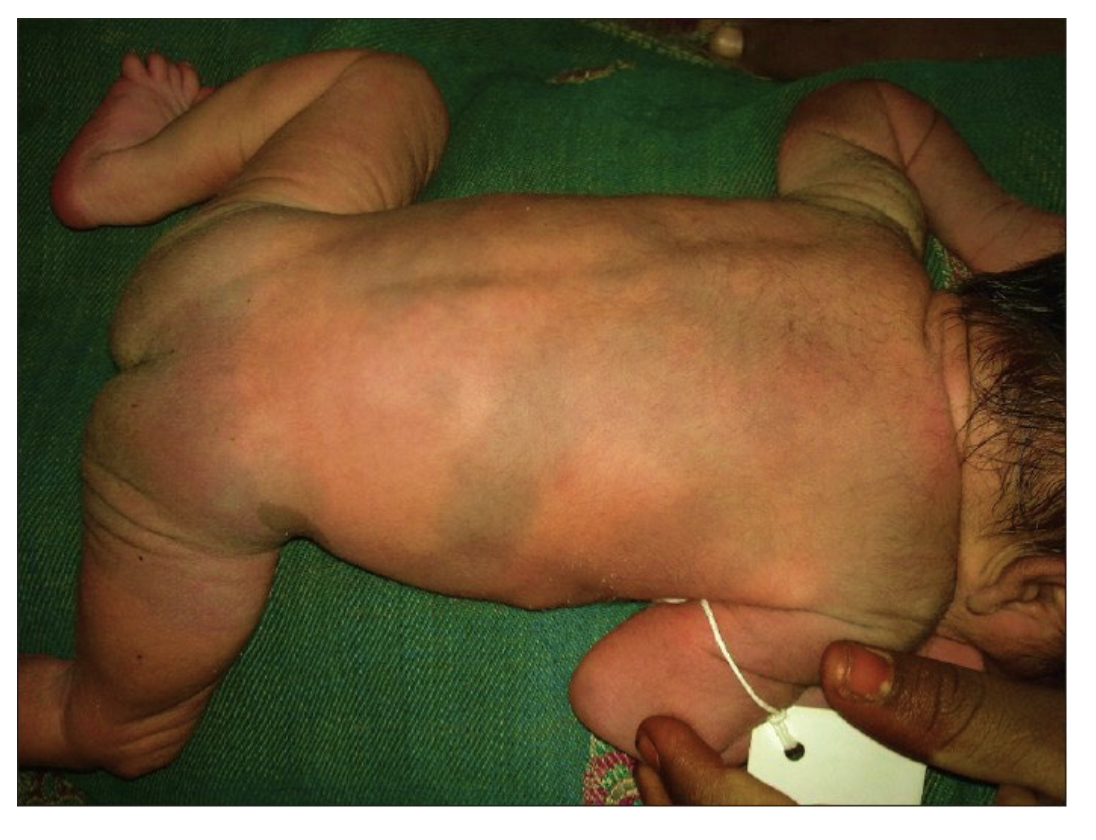
characteristics of mongolian spots?
congenital blue-gray macular lesions typically on the lumbosacral area
common in infants of Native american or asian heritage
disappear in early childhood
important to not confuse these with bruising or concern for potential child abuse!
characteristics of port wine stains (nevus flammeus)?
irregularly shaped, red, macular vascular malformation present at birth
do not spontaneously resolves for median nevus flammeus (stork bite)
commonly see on neck, forehead, glabella, eyelids
treatment usually not necessary

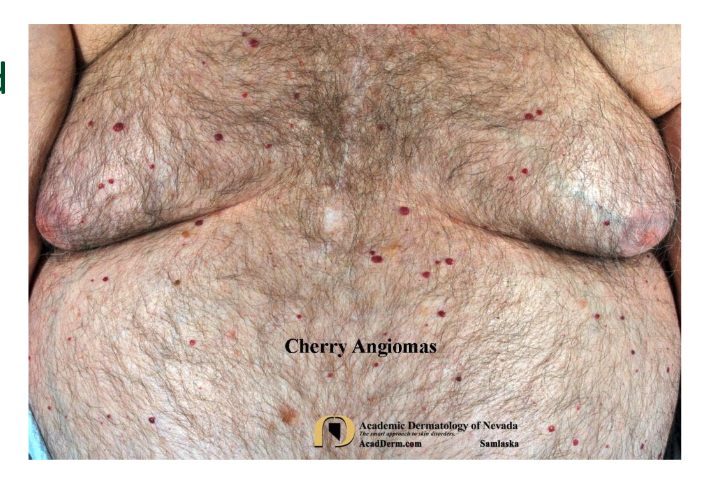
characteristics of cherry angiomas?
asymptomatic, bright red, domed lesions
benign
typically on the trunk
seen in older patients
not clinically significant
characteristics of seborrheic keratosis
initially flat, well demarcated, small, brown pigmented areas, becoming raised, darker, with a soft crumbly surface over time. common in elderly

characteristics of skin tags
soft, round, skin color or tan or brown benign tumors ranging from 1-10 mm
common in elderly and/or obese
avoid torsion with manual therapy/modalities

what are the main types of skin cancer?
basal cell carcinoma
squamous cell carcinoma
malignant melanoma
kaposi’s sarcoma
what is the criteria for suspicious lesions?
see image
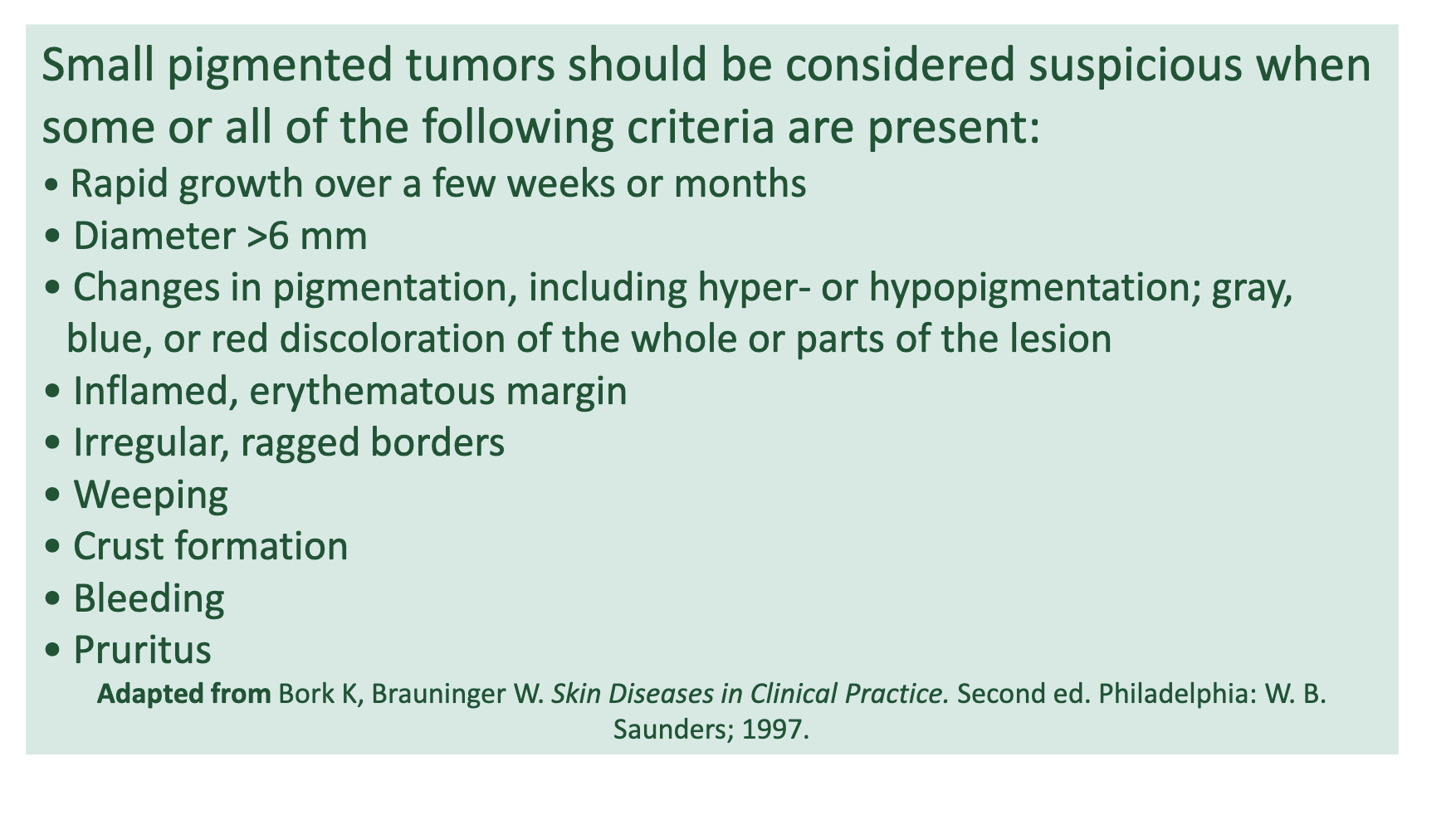
characteristics of basal cell carcinoma?
small, pink or flesh colored nodules that enlarge over time
mainly on the face
characteristics of squamous cell carcinoma?
scaly, elevated lesions with irregular borders and shallow central ulcers
characteristics of malignant melanoma?
irregular borders, uneven surfaces, black or brown; red, inflamed, tender surrounding area
occur anywhere on the body
characteristics of kaposi’s sarcoma?
malignancy of endothelial cells lining blood vessels
linked with herpes virus 8 and AIDS associated immuno-deficiency
evolves into papules, plaques, nodules, tumors or varying colors
lesions can be local or widespread
may involve lymph nodes
noncontagious even if open
what are the pigmentary disorders?
albinism, vitiligo
what is albinism?
congenital disorder affecting the eyes, skin, hair, and eyes. lack tyroskinase, the enzyme to synthesize melanin. presentation: pale or pink skin, yellow or white hair, variety of ocular problems, extremely sensitive to light, highly susceptible to sun
what is vitiligo?
macular depigmentation (loss of melanocytes), distinct borders on the face, neck, axillae, extremities. inherited and found in people with thyroid disease, pernicous anemia, DM. some patients have spontaneous repigmentation, cosmetic interventions available
what are integumentary infections?
impetigo, cellulitis, herpes, varicella-zoster, fungal infections
what is impetigo?
bacteria enters through portals in the skin, caused by S aureas and S pyogenes, highly contagious, common skin infection in children and the elderly
what is cellulitis?
inflammatory reaction of loose connective tissue layer: inv deeper subcutaneous layer of skin
localized tenderness and induration, fever, malaise, chills, and regional adenopathy
can be severe and require hospitalization
surgical debridement, topical medications, and bandages
whirlpool discourages due to dependency
what are common viral infections?
herpes 1 and 2, varciella-zoster (chicken pox)
characteristics of herpes 1?
itching and soreness, followed by vesicular eruption of the skin and face or mouth, a cold sore or fever blister. spread by contact, treatment is antiviral therapy and no close contact until there are no new lesions (lesions are dry)
characteristics of herpes 2?
common cause of vesicular genital eruption
spread by sexual contact
in newborns, may cause meningoencephalitis (fatal)
characteristics of varicella-zoster?
human herpes virus responsible for chickenpox and shingles
chickenpox
most common in children under 10
pruritis macules or papules that become vesicles on an erythematous base (FOLLOWS DERMATOMAL PATTERN)
spread by airborne particles or by contact
after infection, virus lies dormant in the dorsal root ganglia
can be reactivated, resulting in zoster (shingles)
what are common fungal infections?
see image, can occur anywhere in the body

what is tinea pedis?
athletes foot, contracted by walking barefoot or wearing occlusive footwear- arthospores can live up to 1 year in skin scales, treatment with antifungals, prevention through proper foot hygiene and footwear
what is candiadiasis?
yeast infection, caused by c.albicans uncontrolled proliferation which results in local infection especially in skin folds or under occlusive dressings. may see red, pustular, well defined scaling eruptions on skin, white cheesy adherent masses on mucosa. highest risk: decreased immunity, DM, infection, chronic steroid use, those who work with frequent exposure to water, long course of antibiotics
what are normal and abnormal variations in individuals with darker pigmented skin?
pigmentary factors often mask cutaneous reaction
cyanosis, erythema, and pallor more difficult to detect
pulse ox can be inaccurate
look and feel for skin changes (temp, pigmentation, palpation, etc)