Comprehensive Nursing and Medical Concepts for Patient Care
 Call Kai
 Learn
Learn Practice Test
 Spaced Repetition
 Match
Match Flashcards
 Knowt Play
1/102

There's no tags or description
Looks like no tags are added yet.
Name | Mastery | Learn | Test | Matching | Spaced | Call with Kai | Chat |
|---|
No analytics yet
Send a link to your students to track their progress
103 Terms
Purpose of delegation
Improve efficiency and ensure safe patient care
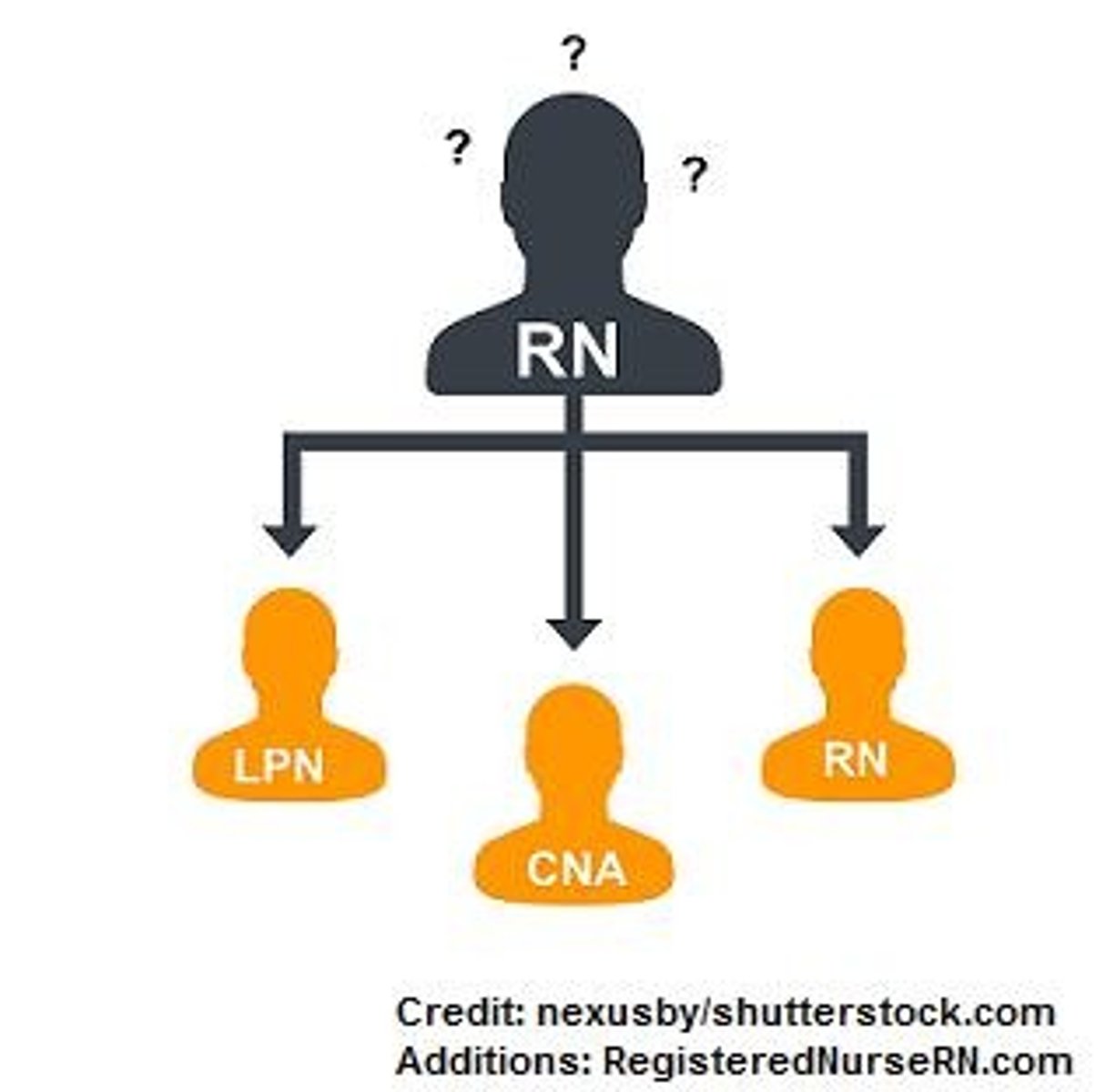
Delegation for LPNs
Stable assessments (not initial assessment), NO IVs, hanging antibiotics, or giving blood

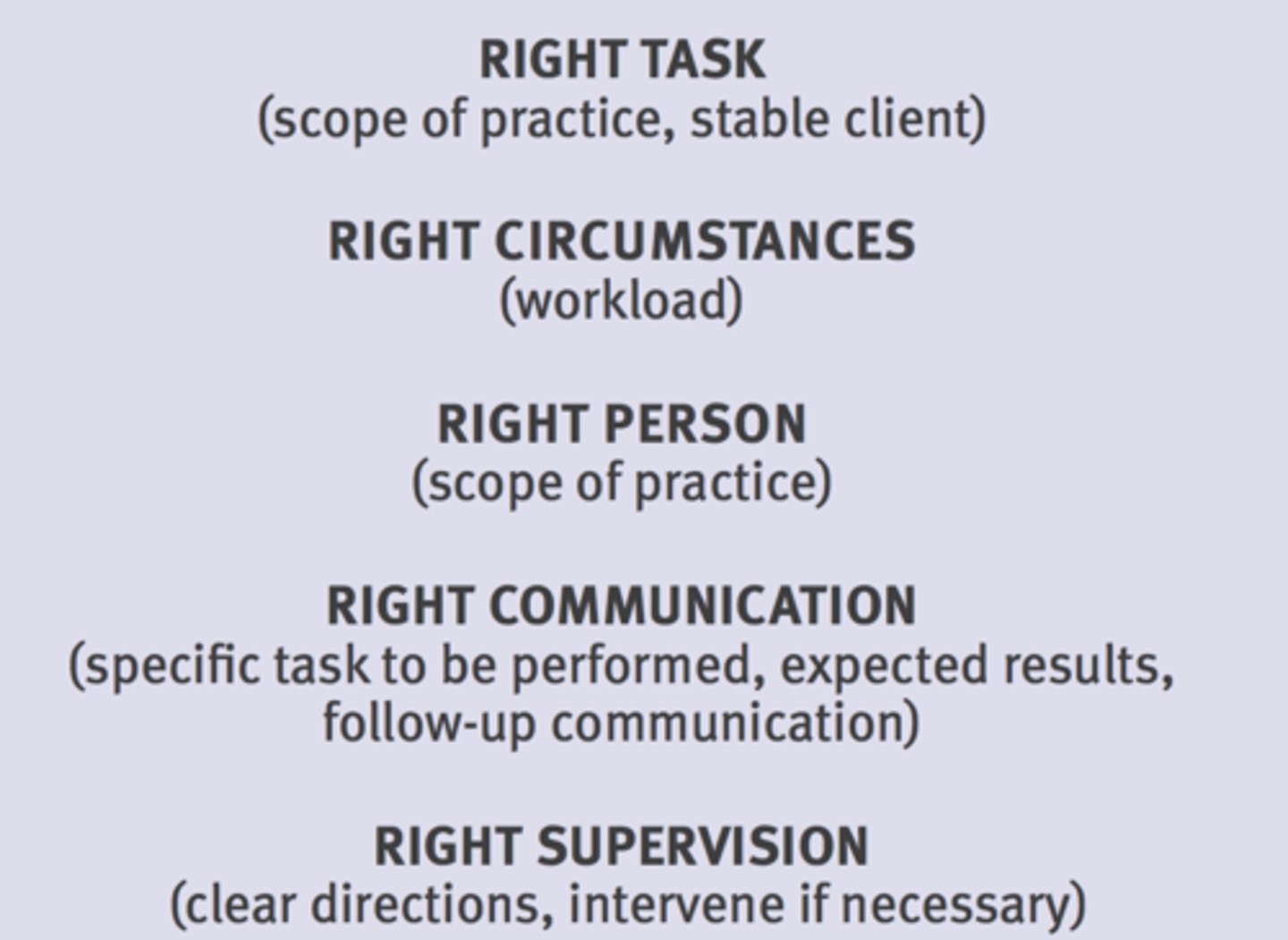
5 Rights of deligation
Right task, right circumstance, right person, right communication, right supervision
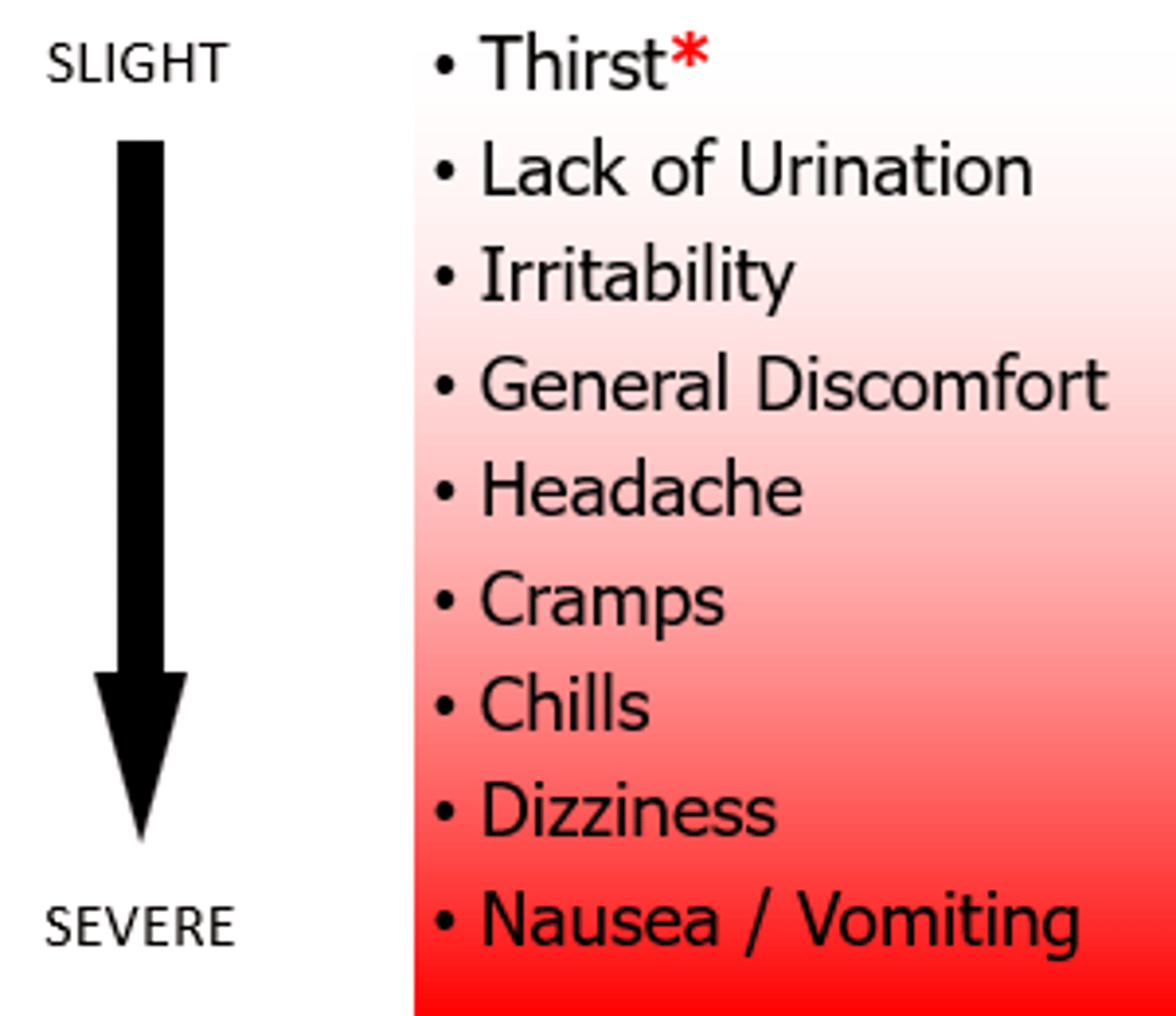
Manifestation of dehydration
Dry Mucus Membranes,decreased urine, tachycardia, hypotension
Leads to Hypovolima
Interpreting Lab Values- Dehydration
Urine Specific Gravity (USG): under 1.020, BUN-to-Creatinine exceeding 20:1, Hematocrit/Hemoglobin: Elevated Serum Potassium: Can be variable; often high
Hypotonic IV Solutions- Uses
Lower osmolarity than the blood
Causes water to move from the extracellular space → intracellular space
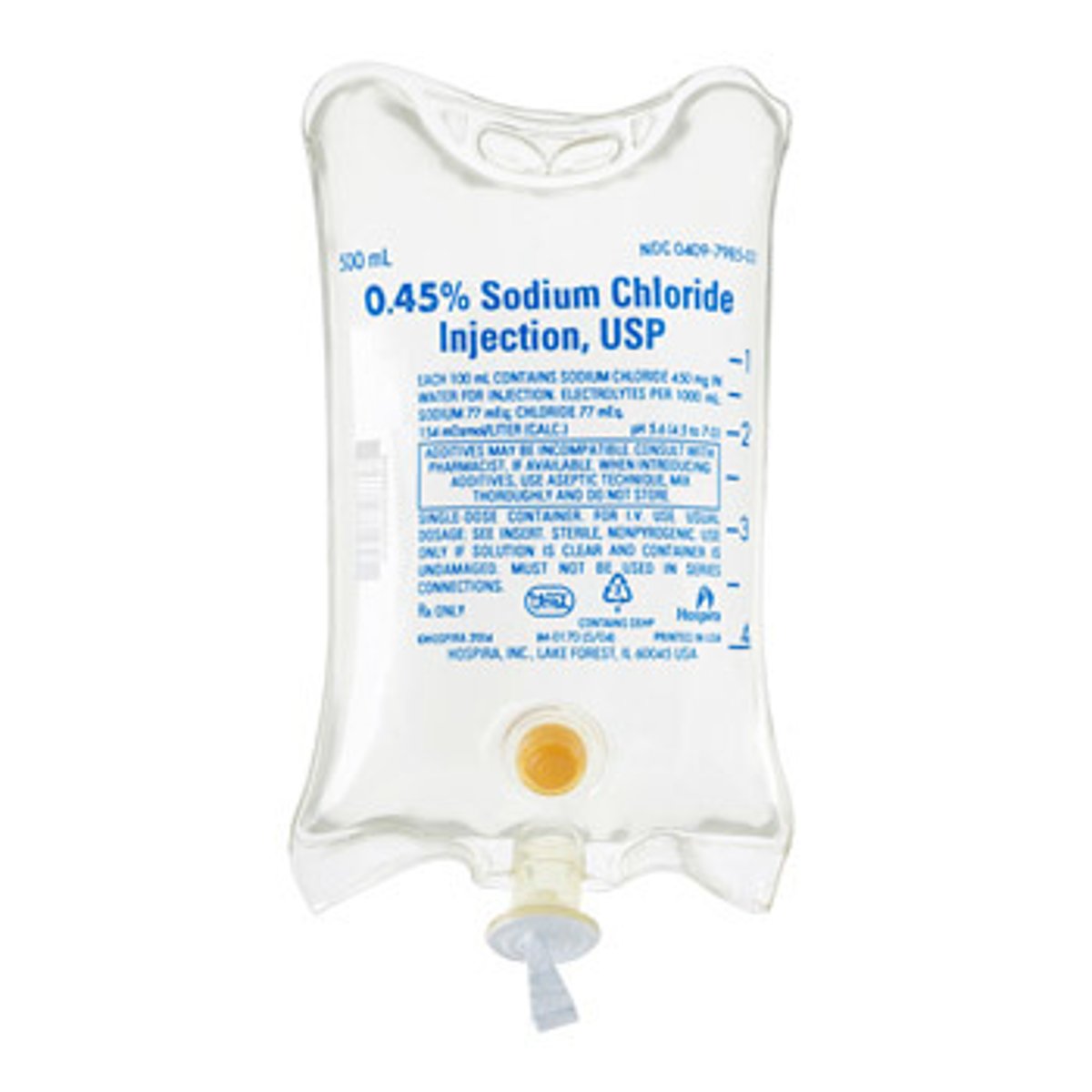
Hypotonic IV Solutions- Types
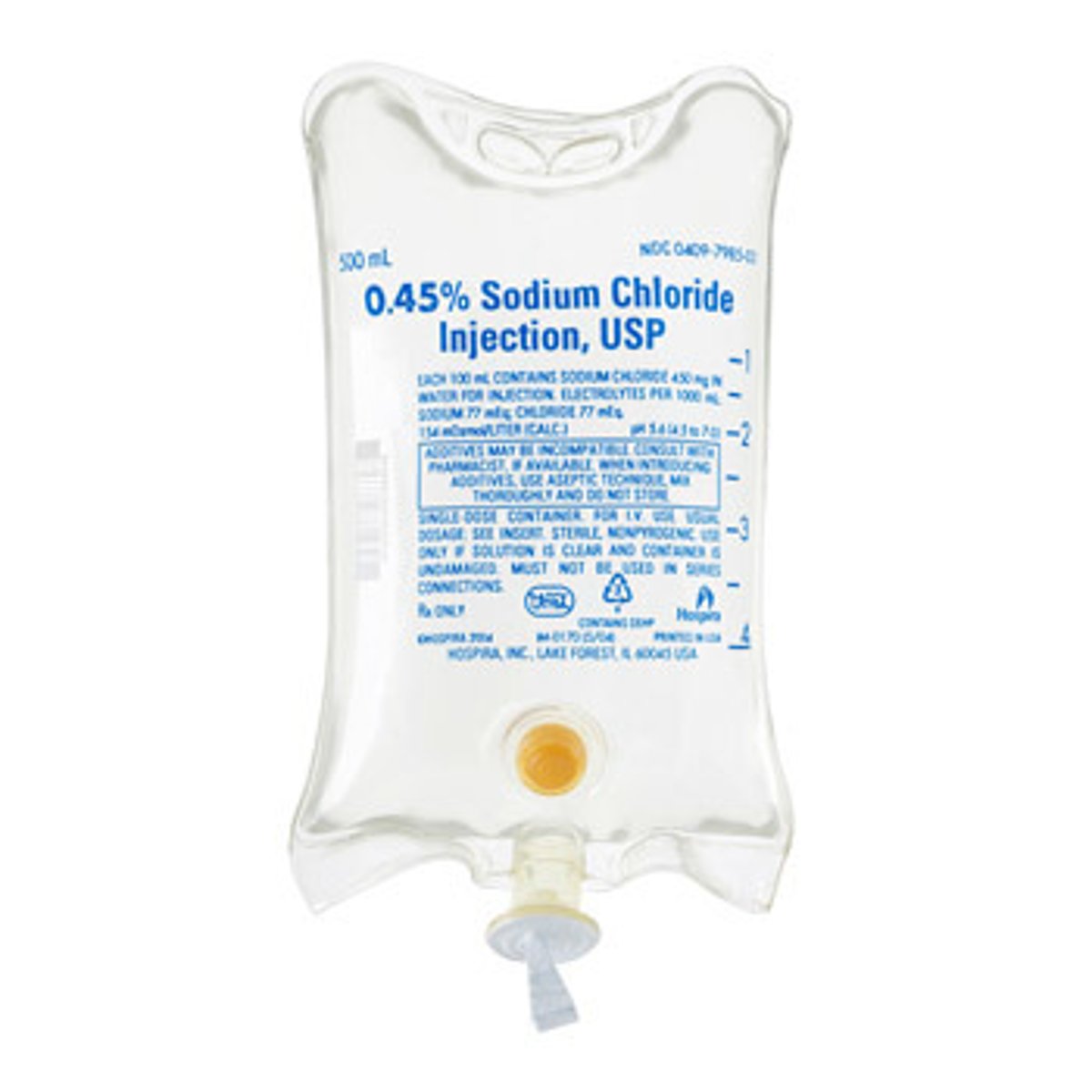
45% NS
Hypotonic IV Solutions- Risk
Cell swelling + rupture
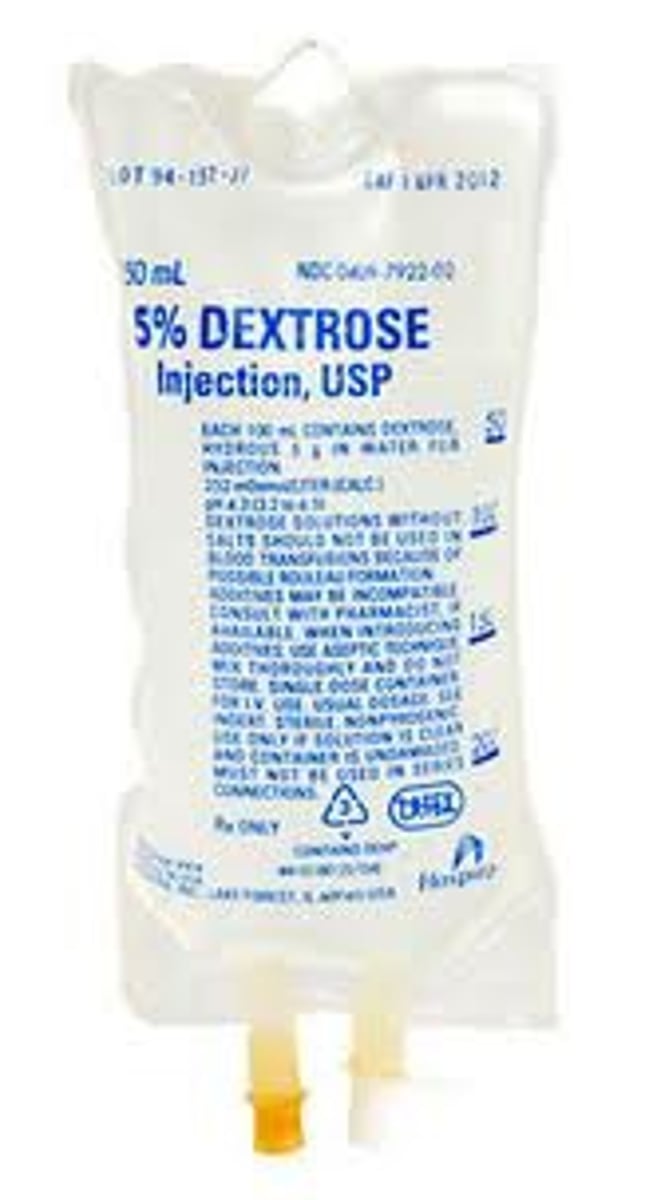
Measuring Fluid Balances
Calculating the difference between total fluid intake and total output over 24 hours + Daily Checks
MC- IV Intake
24-hour fluid balance and maintaining proper hydration or fluid restriction. Intake includes all fluids put into the body: IV fluids, IV medications, IV flushes, and blood products.
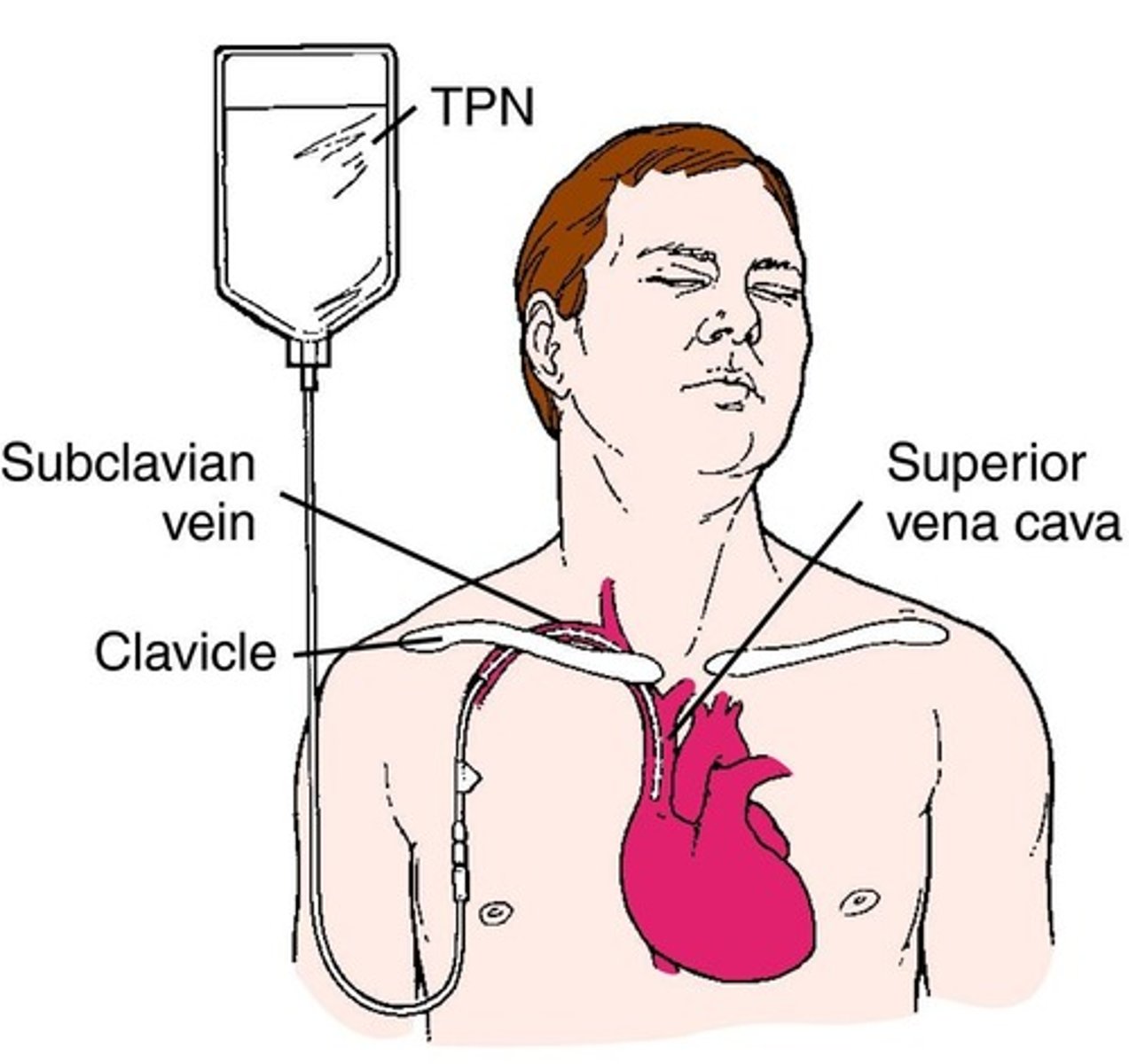
TPN-Complications
There is a high risk of infection so strict aseptic technique should be used
Phlebitis- Signs
Inflammation of a vein
Presents as redness above IV site and flushing is painful
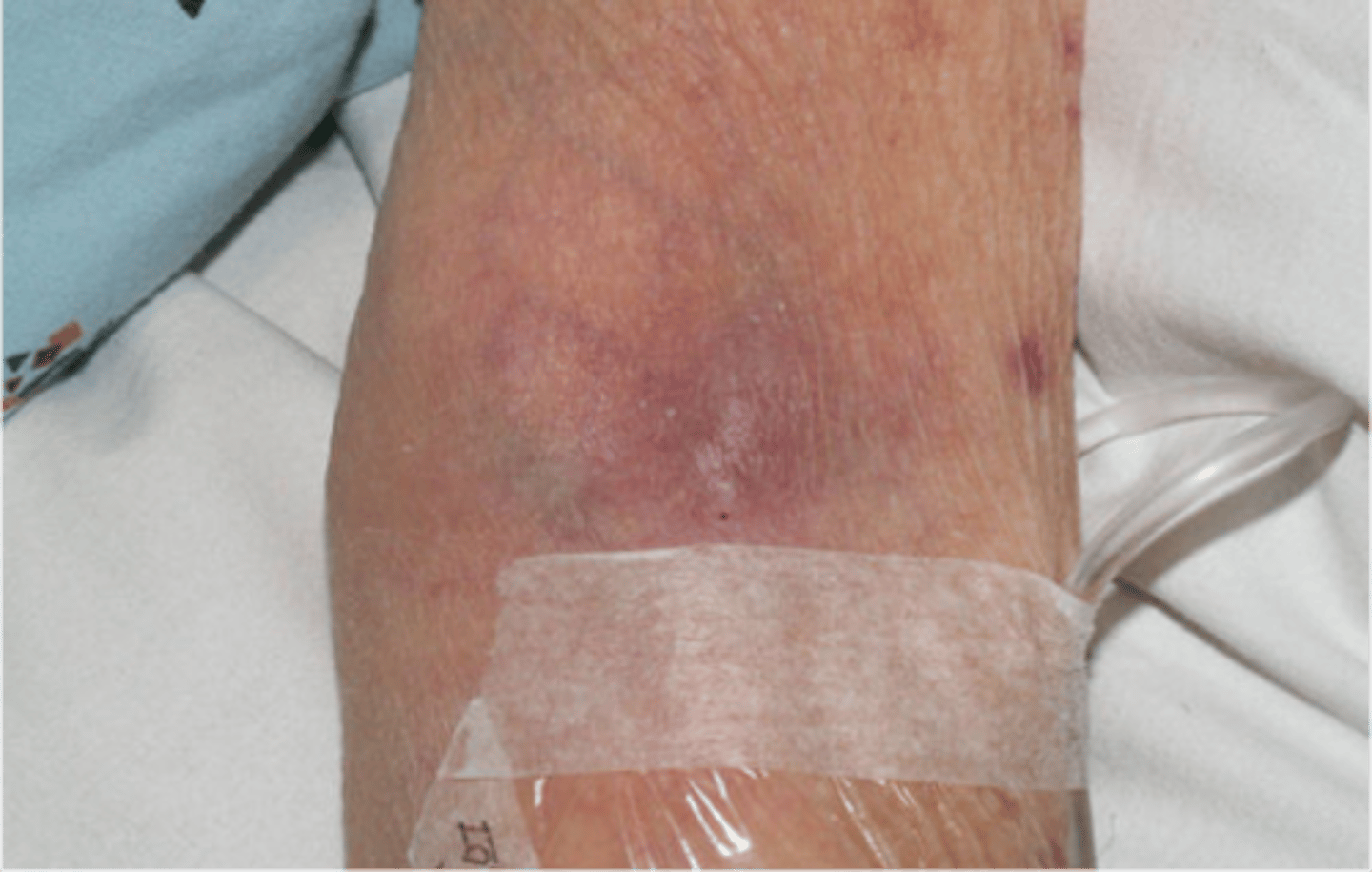
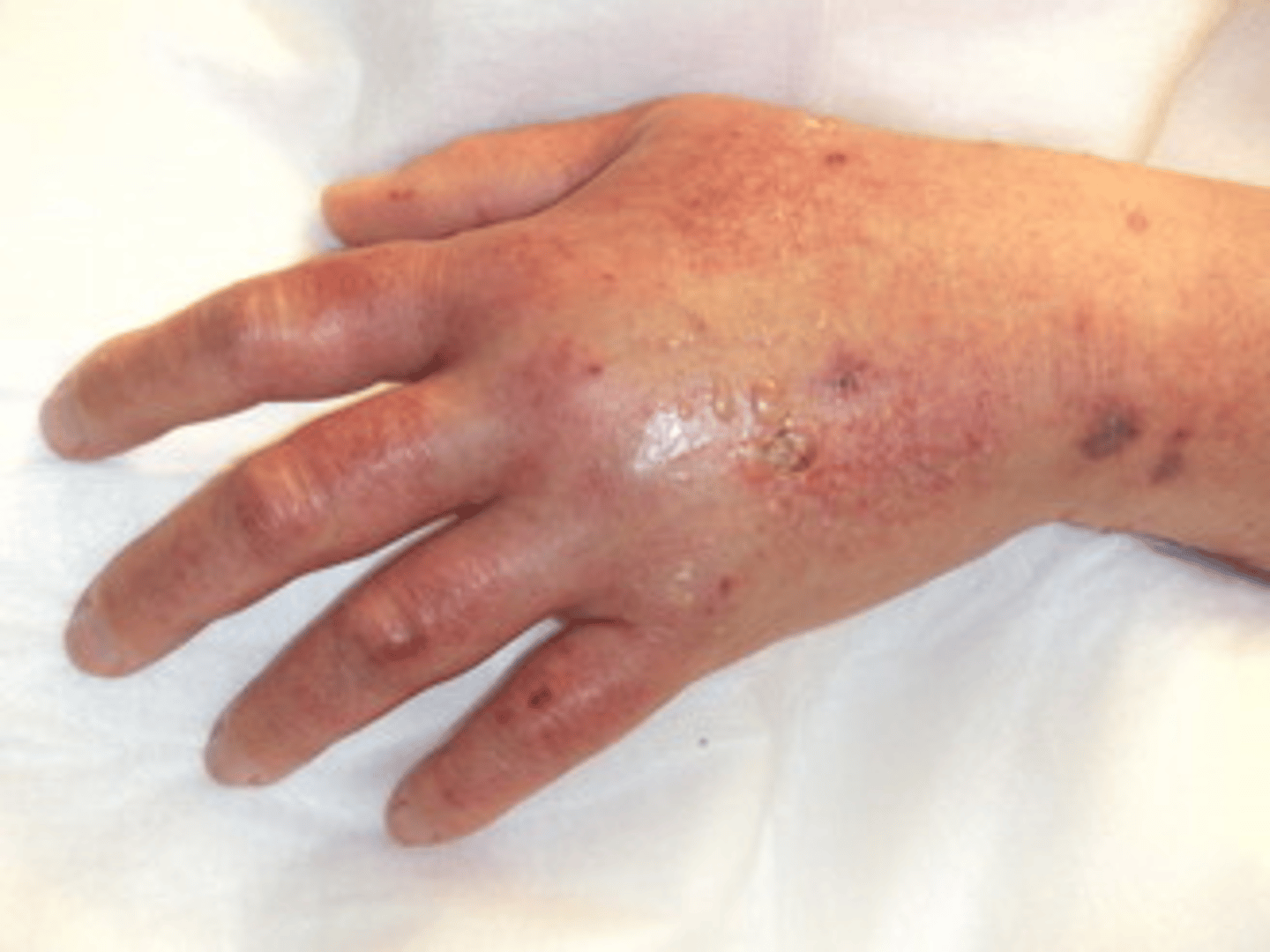
Infiltration- Signs
Definition:When IV fluid flows into surrounding tissues
Presents as edema in affected extremity, very painful
Stop the infusion, remove the IV, elevate the extremity
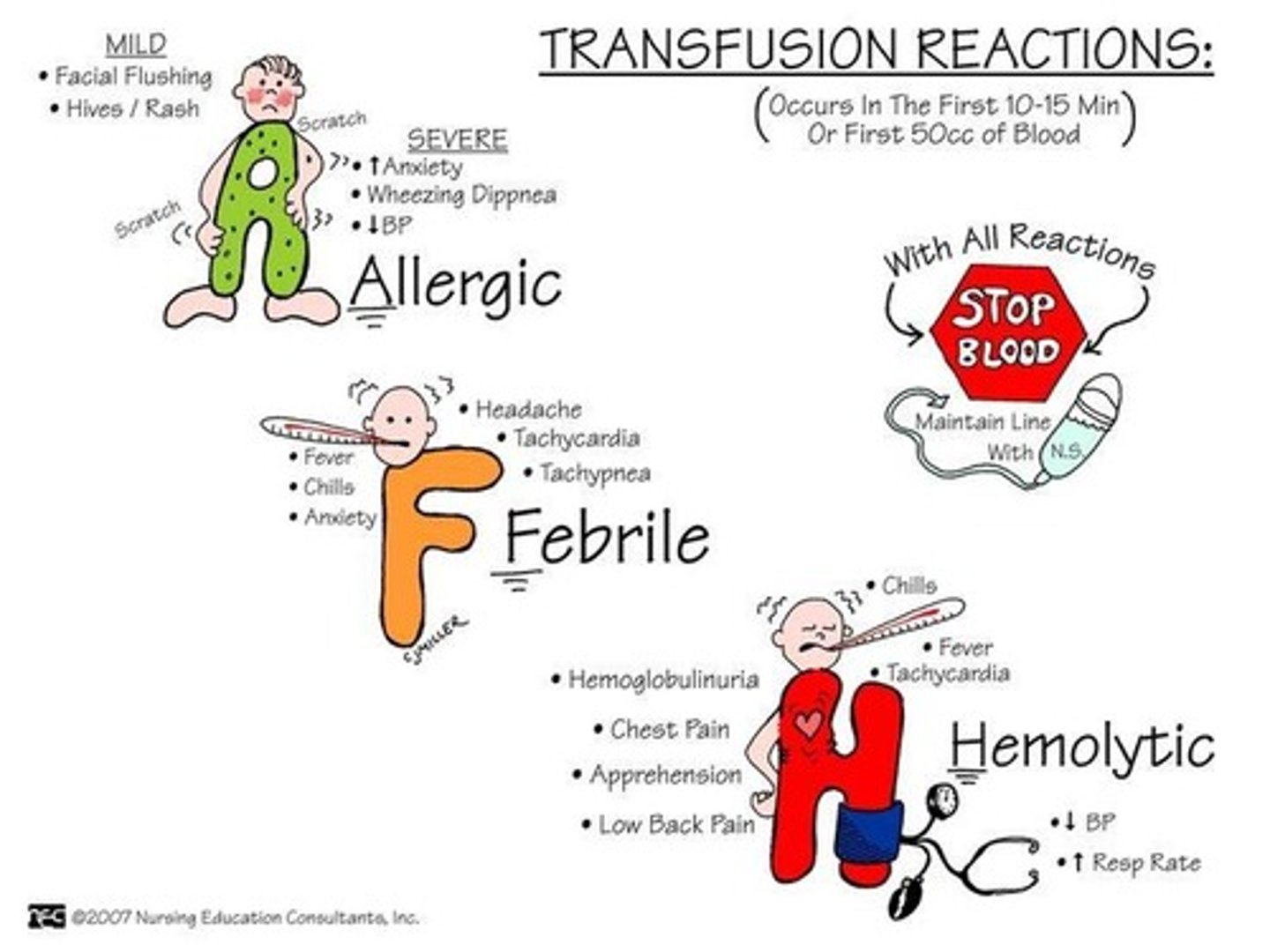
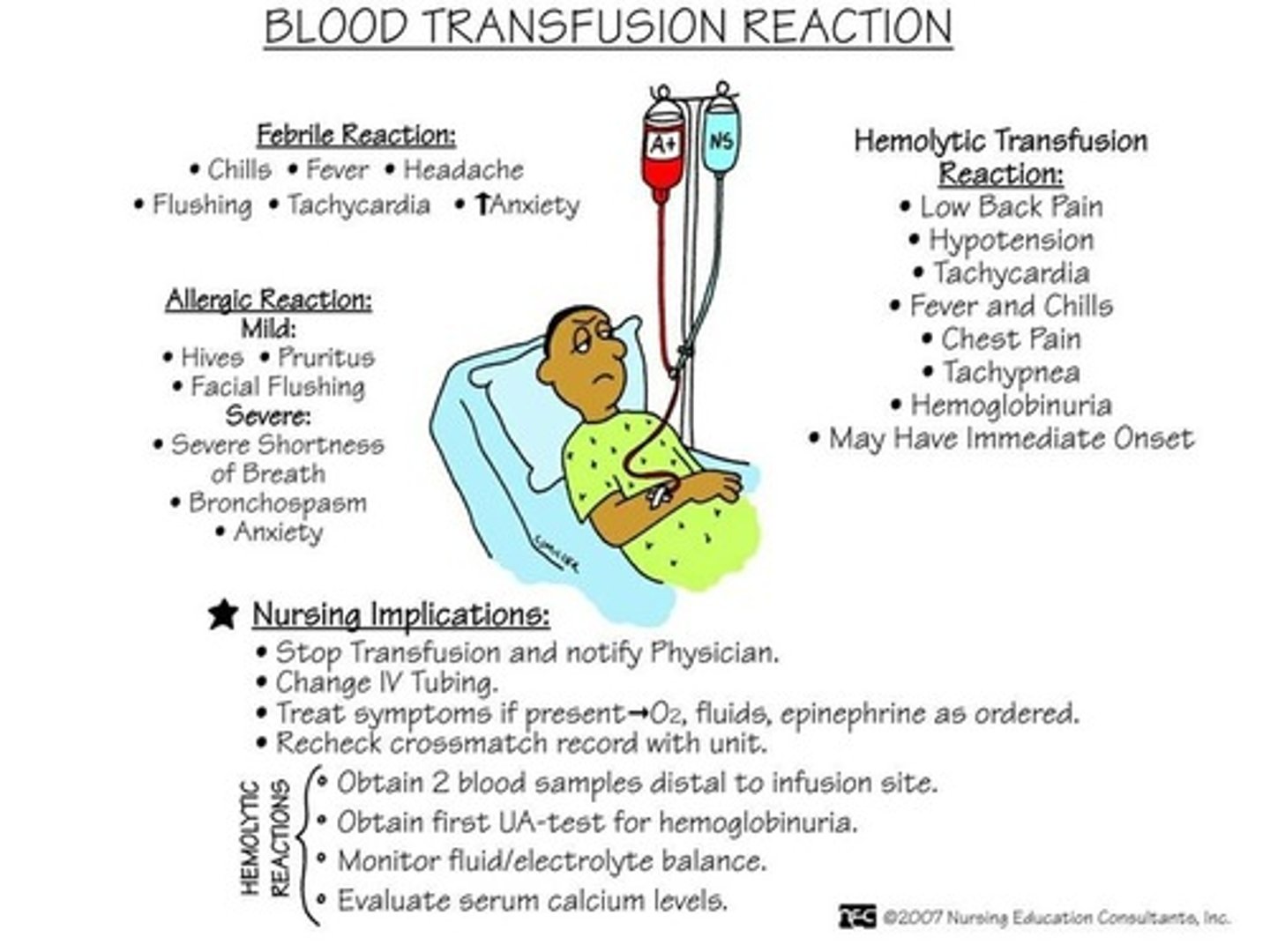
Hemolytic Transfusion Reaction- Signs & Symptoms
Lower back pain
Hypotension
Tachycardia
Tachypnea
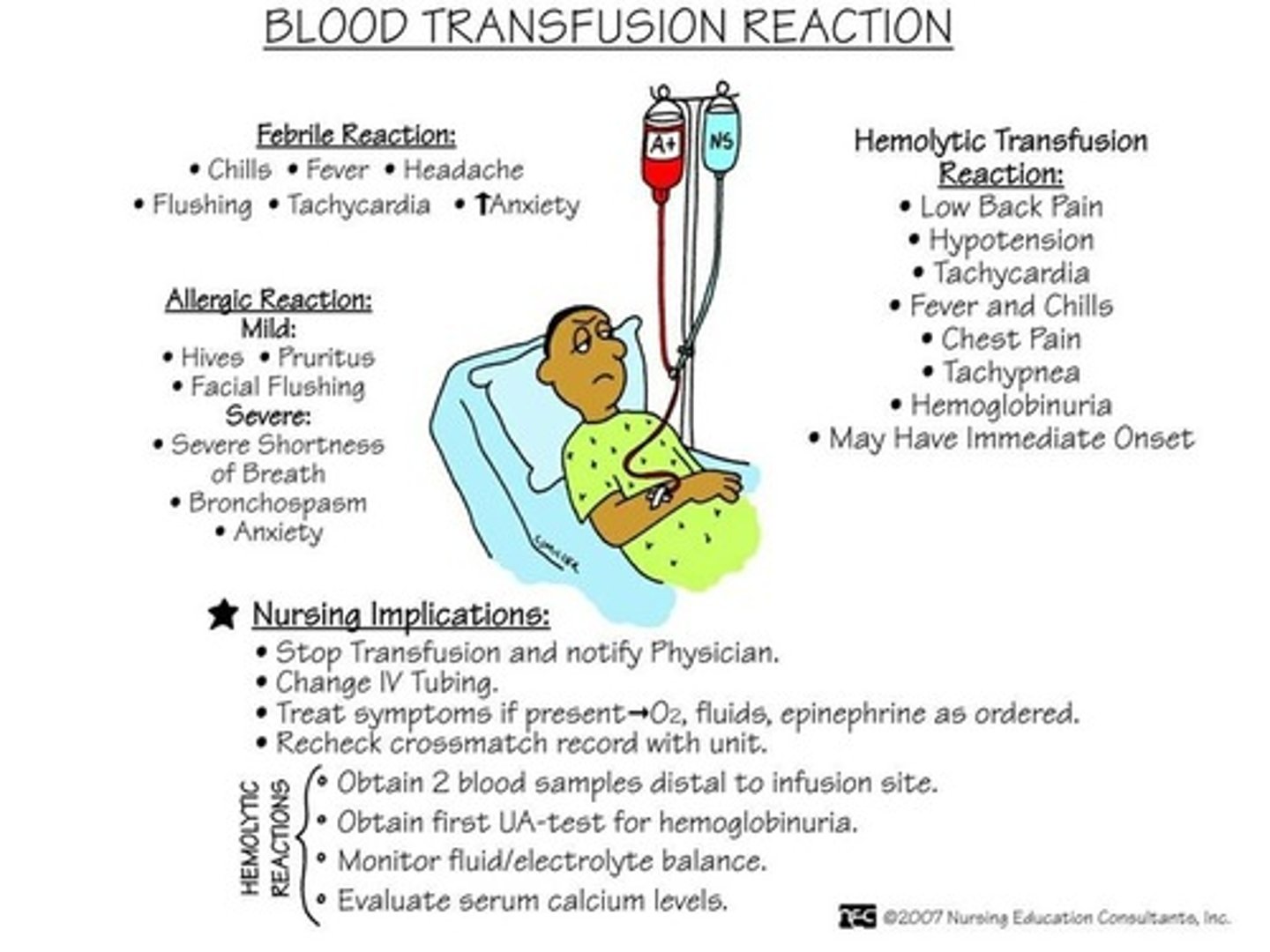
Febrile RXN
Fever and chills
Tachycardia
Anxiety (feeling of impending doom)
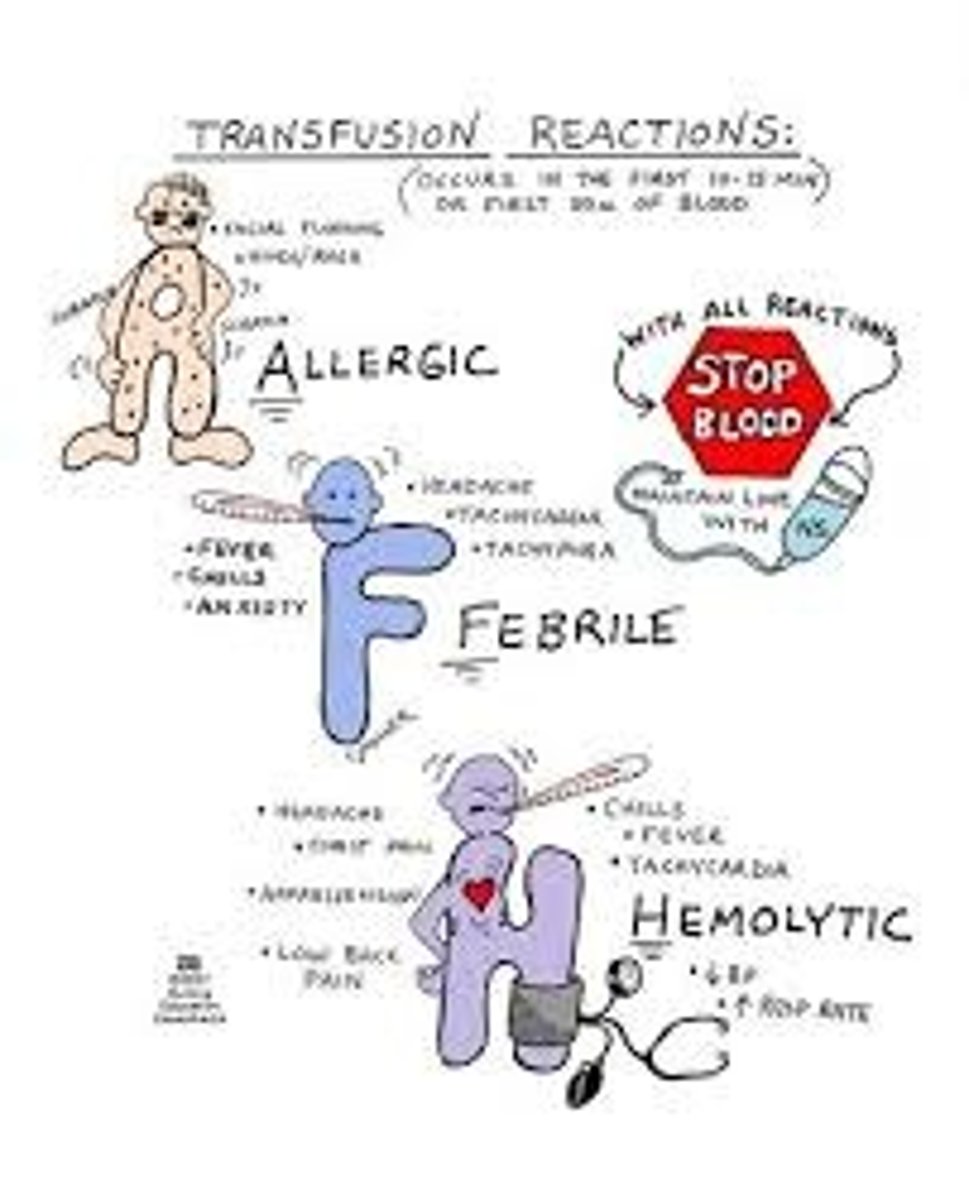
Allergic RXN
SOB
Hives
Flushing
Bronchospasm
Blood Transfusion- Nursing Action
Verify patient ID
Check doctor's order,
Verify info on blood bag and verify with another nurses (2 nurses should verify)
Get baseline VS before administration
Administer with NS and microaggregate filter within 30 minutes, transfuse over 1-4 hours
Never add meds to a blood product
VS Before
Transfusion Reaction-Monitoring
RN interventions for transfusion reactions: Most reactions occur within 15 mins
Stop transfusion and notify doctor
Treat symptoms (O2, fluids, epinephrine (EPI))
VS q15min
Transfusion Reaction
Stop infusion
Infuse saline
Call provider
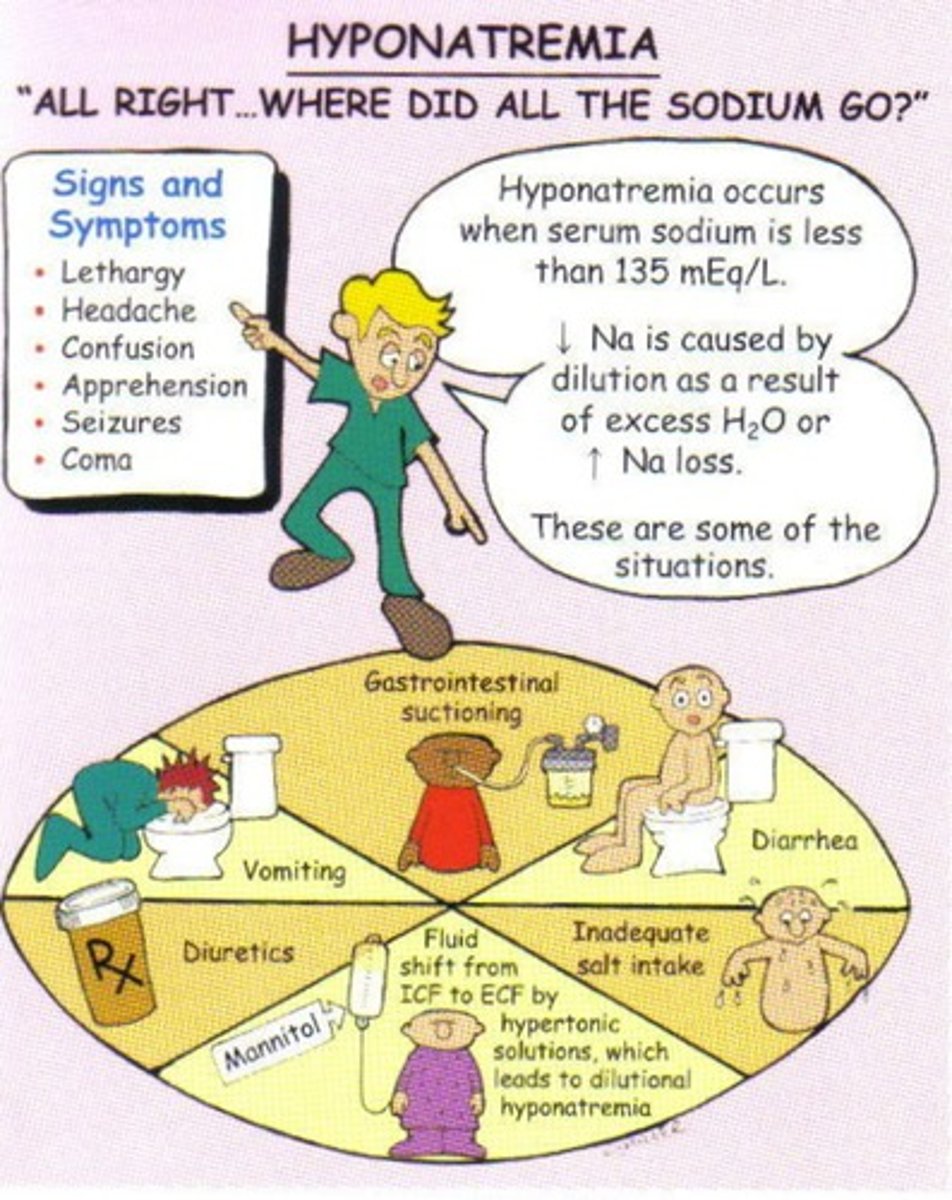
Severe Hyponatremia- Manifestations "SALT LOSS"
Seizures & Stupor (decrease in consciousness → confusion)
Abdominal cramping
Lethargic
Tendon reflexes diminished, trouble concentrating
Loss of urine & appetite
Orthostatic hypotension, overactive bowel sounds
Shallow respirations (happens late due to skeletal muscle weakness)
Spasms of muscles
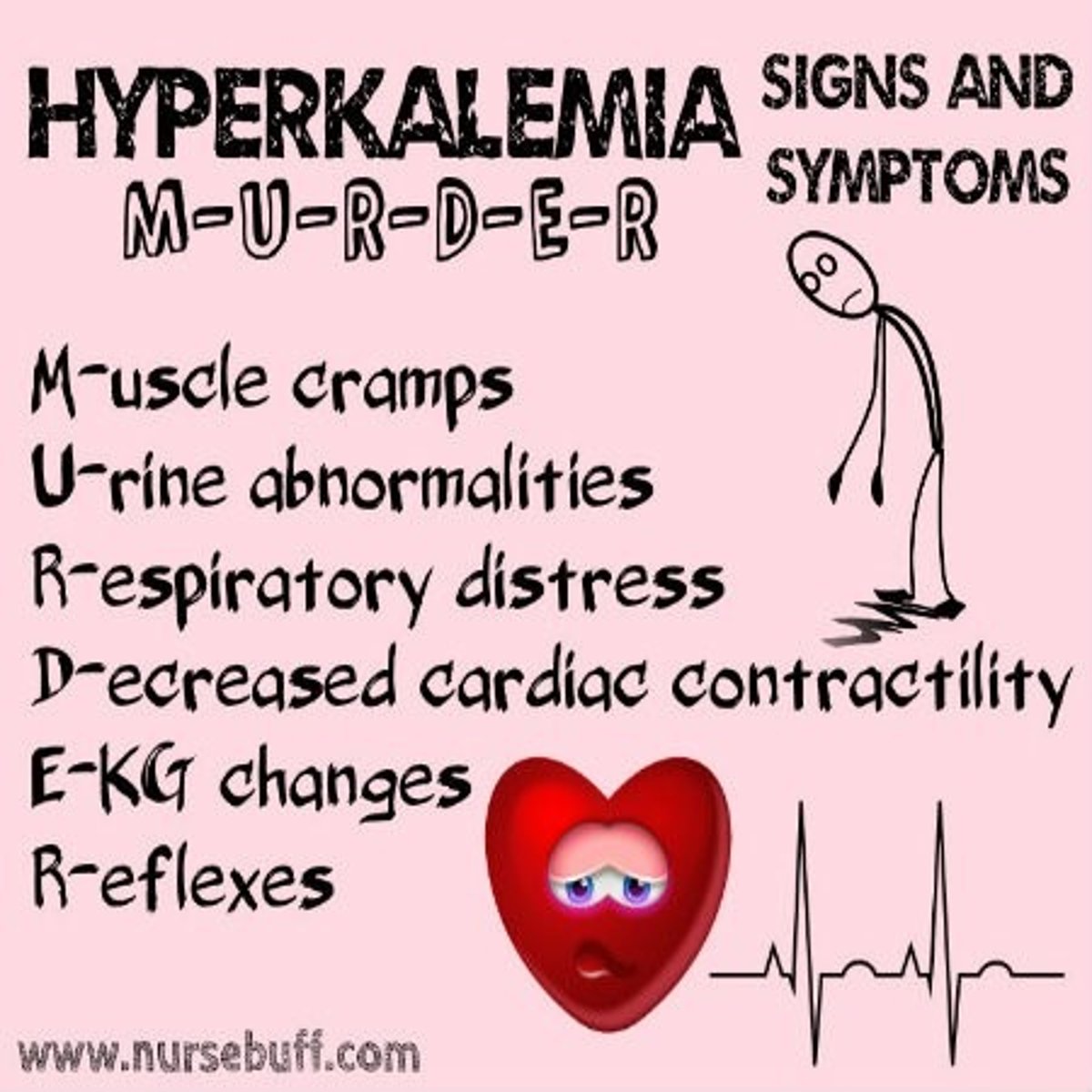
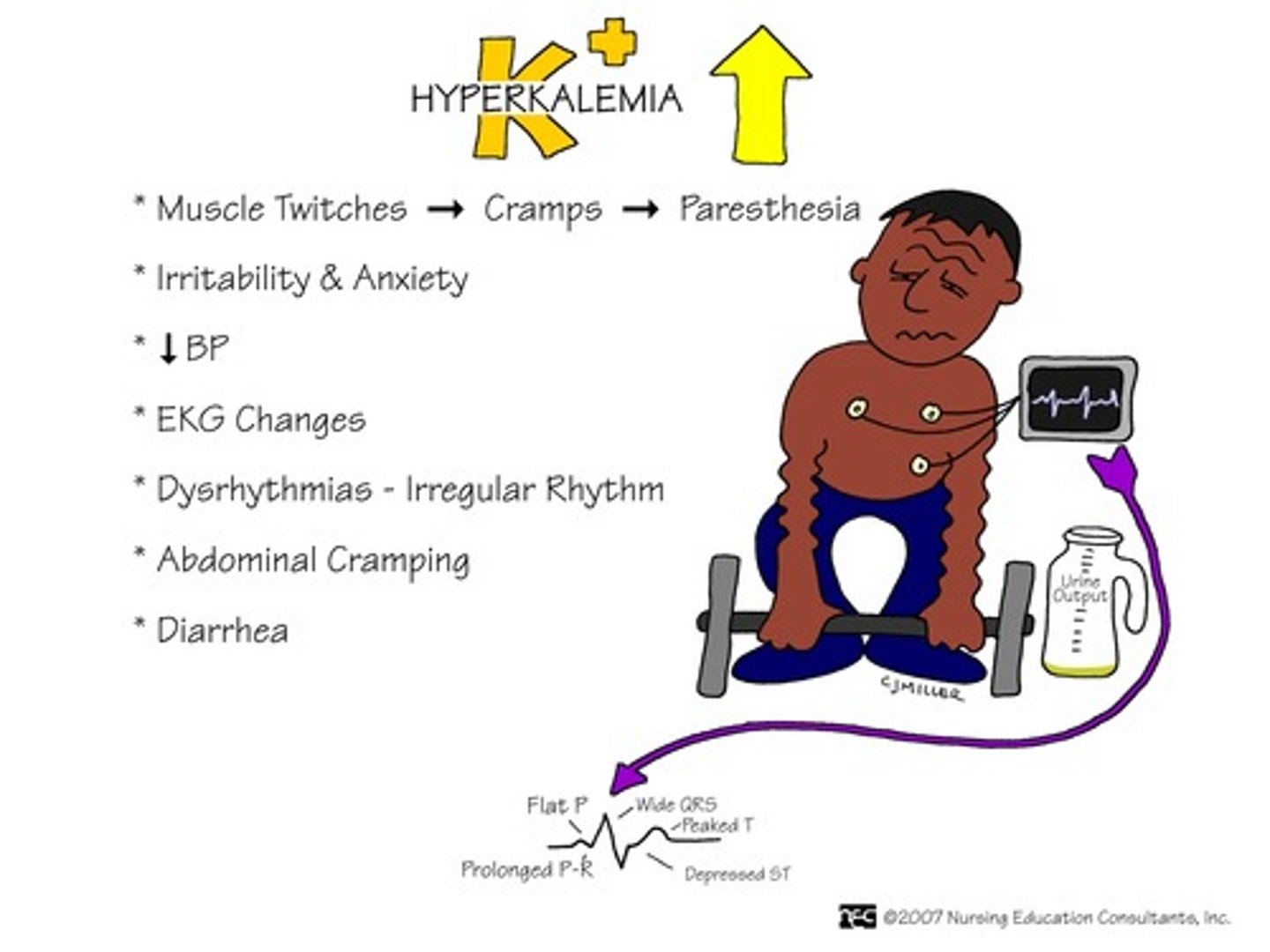
Hyperkalemia- MURDER
Muscle weakness
Urine output little or none (renal failure)
Respiratory failure (due to muscle weakness)
Decreased cardiac contractility (weak pulse/low HR)
Early: muscle twitches/cramps
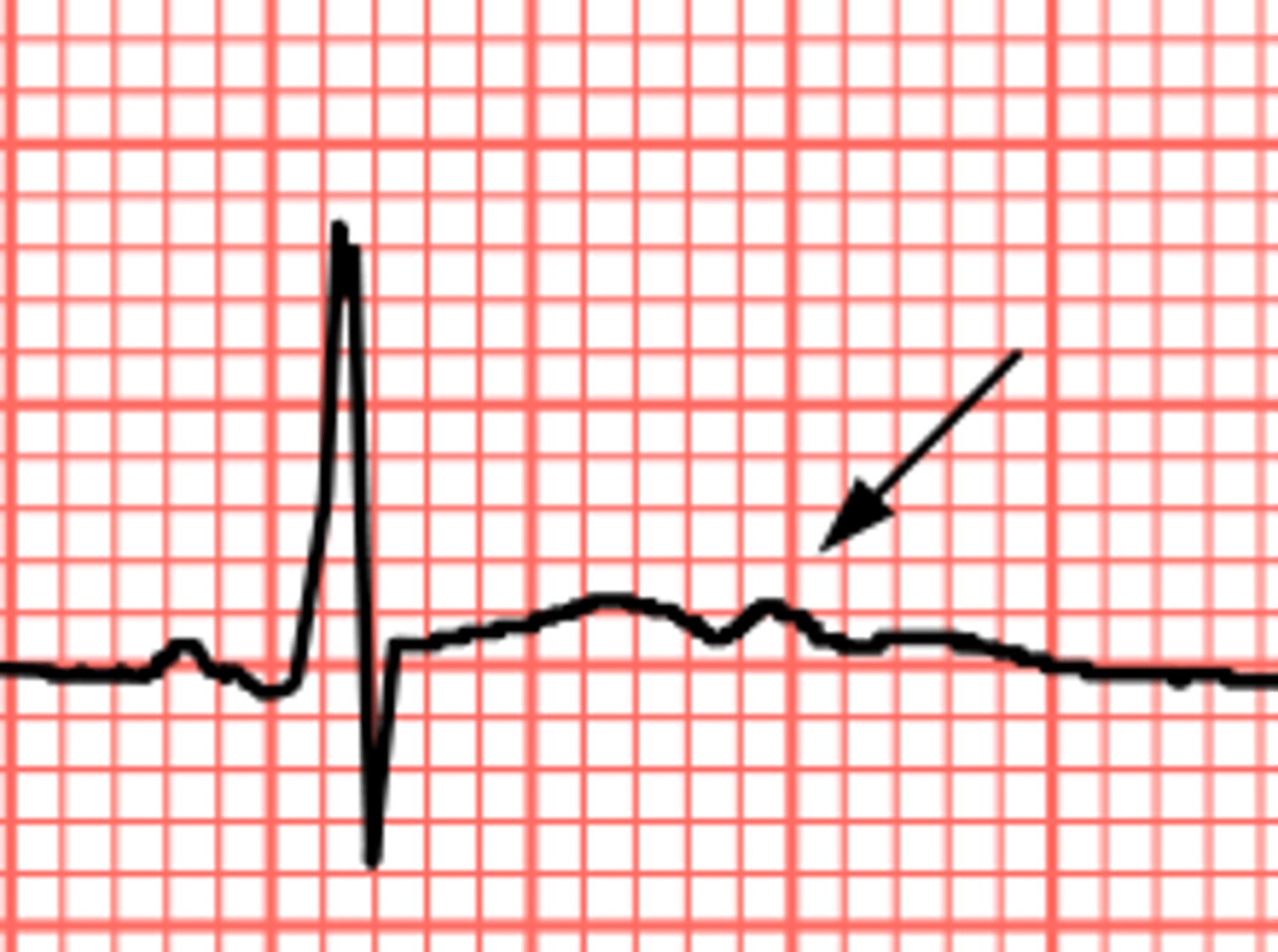
Rhythm changes: Tall peaked T waves
Hyperkalemia- Nursing Action
Administer insulin or calcium gluconate, monitor cardiac rhythm
Hypokalemia- Treatment
Administer potassium supplements, Dietary Changes: Increasing consumption of potassium-rich foods
Hypokalemia-"7 Lows"
Lethargic
Low, shallow respirations
Lethal cardiac dysrhythmias
Lots of urine (polyuria)
Leg cramps
Limp muscles
Low BP & heart rate
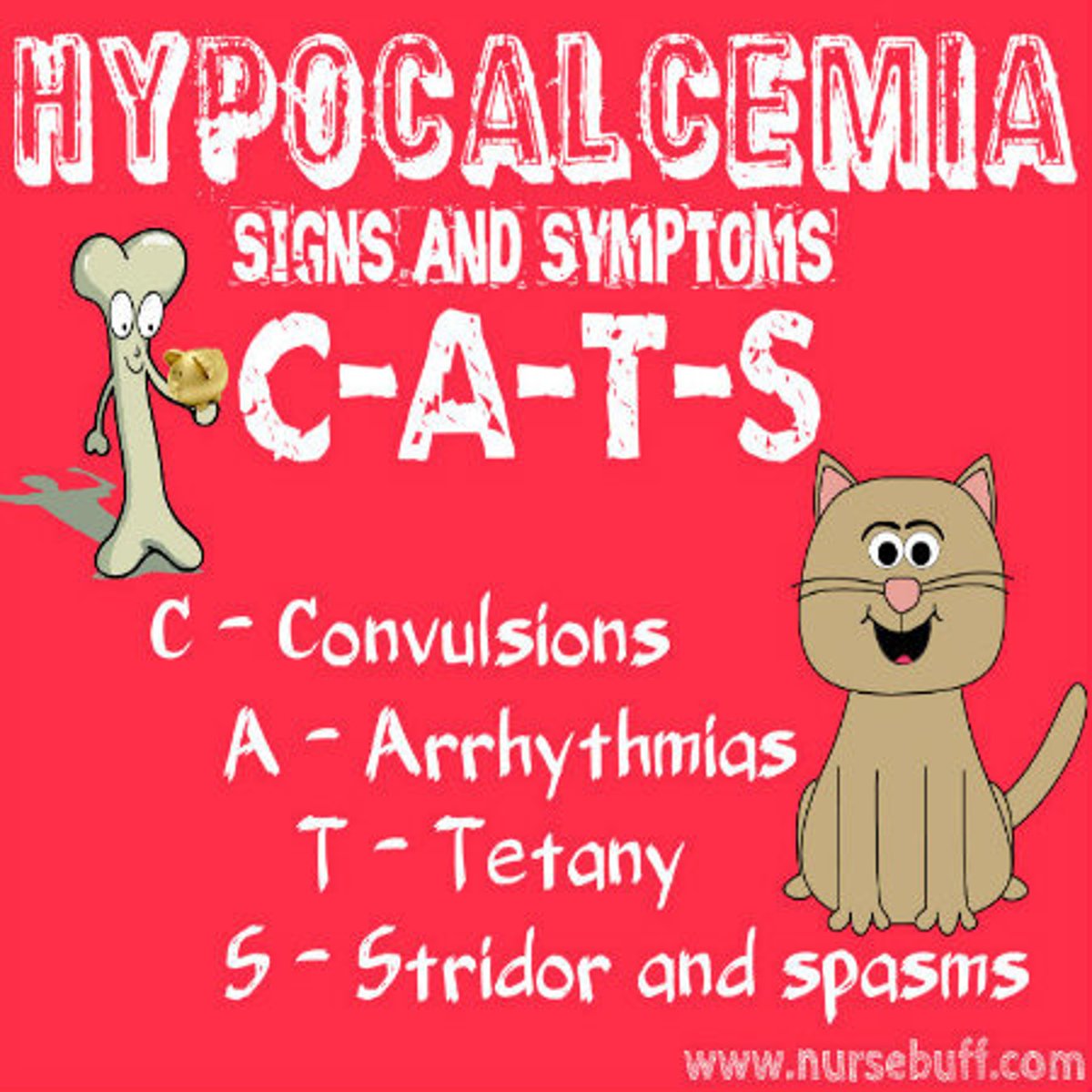
Hypocalcemia- "CRAMPS"
Convulsions
Reflexes hyperactive
Arrhythmias (prolonged QT interval)
Muscles spasms in calves or feet (tetany)
Positive signs
Trousseau
Chvostek's
Sensation of tingling and numbness (paresthesia)
Fingers/toes
Mechanical Restraints- Uses
Only used when someone is at risk for hurting themselves or someone else
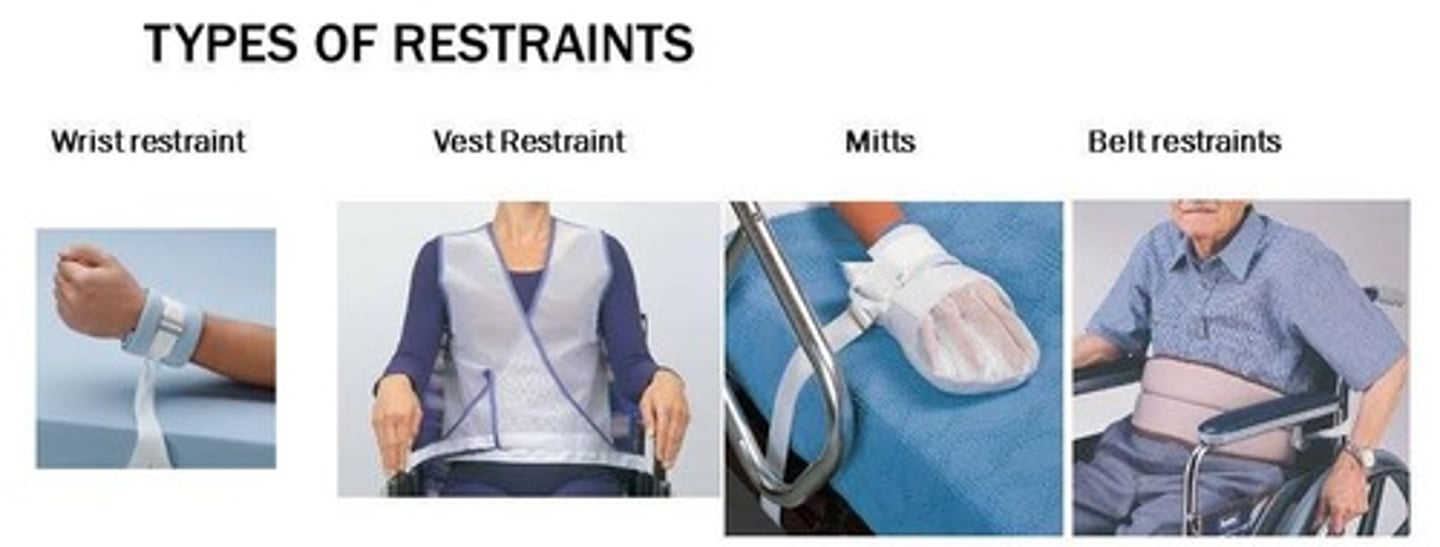
Use the least-restrictive method first
Check the restraint on affected appendage(s) every 15 minutes
Check for adequate circulation
Make sure two fingers can fit through
Make sure it is quick release knot!
PHYSICIAN ORDER ONLY
Managing Confusion- Patient Safety
Provide reorientation, ensure safety, reduce stimuli
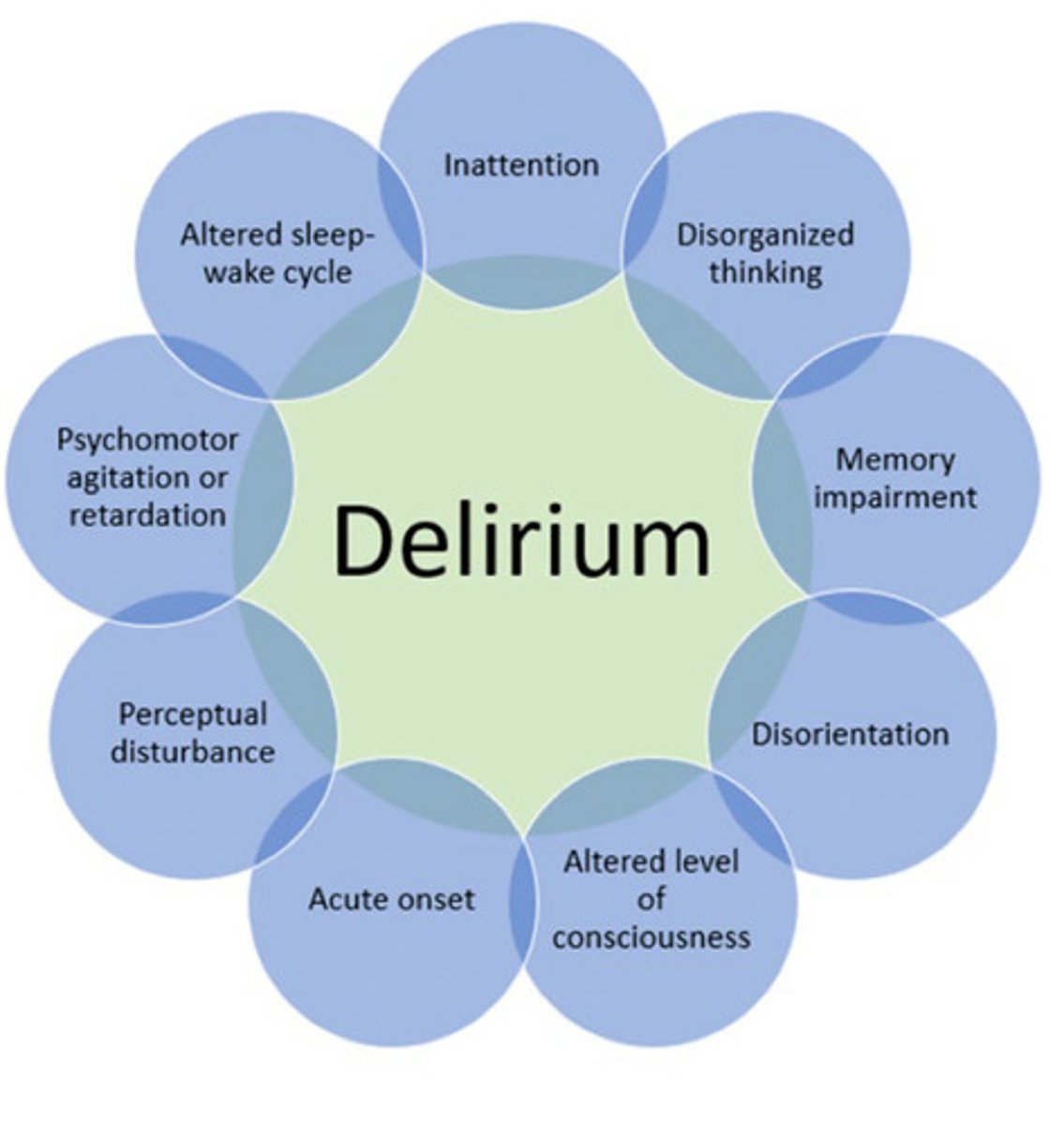
Delirium- Manifestations
Acute onset comes and goes (medical emergency)
Dementia-Nursing Care
Prevent falls
Provide a safe environment
Balance stimulation w/rest
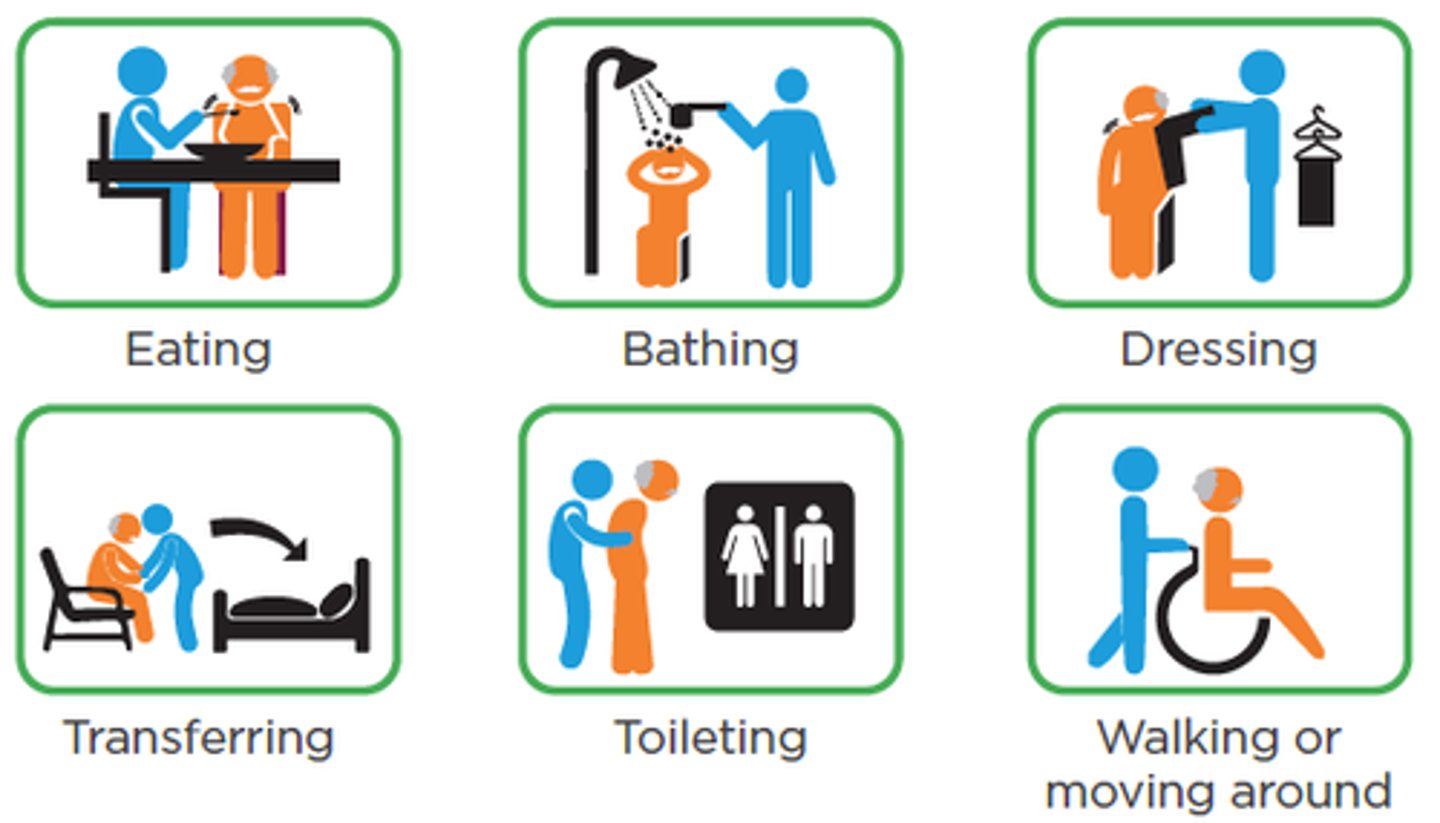
Assisting with daily routine
Reducing stress
Reassuring and redirecting
Infection-Manifestiations in the older adults
Confusion, weakness, may lack fever
Delirium- Precipitating Factors (Causes)
UTI,Infection, medications, dehydration
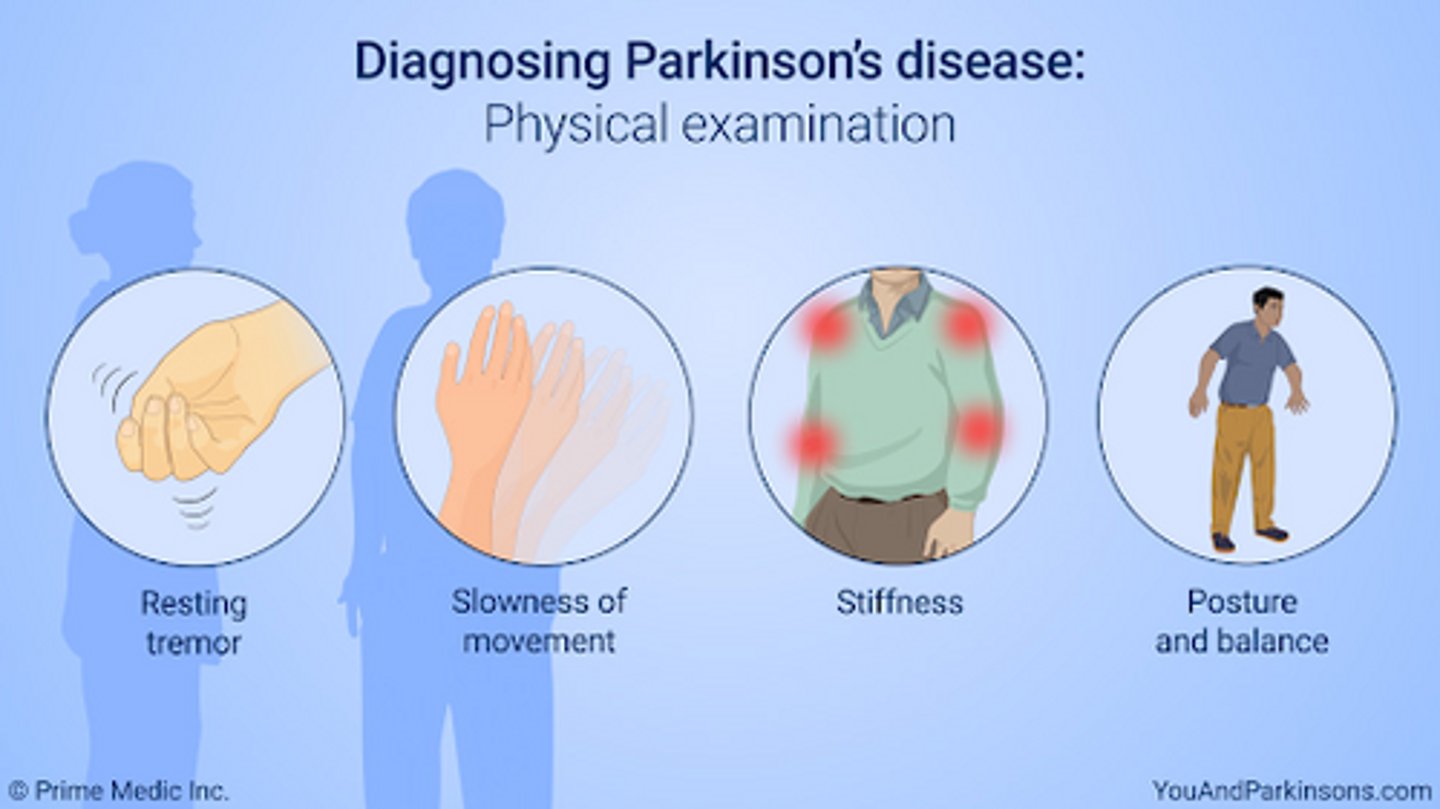
Parkinson's Disease- Manifestations
blank face, postural hypotension, classic triad → tremor, rigidity, bradykinesia
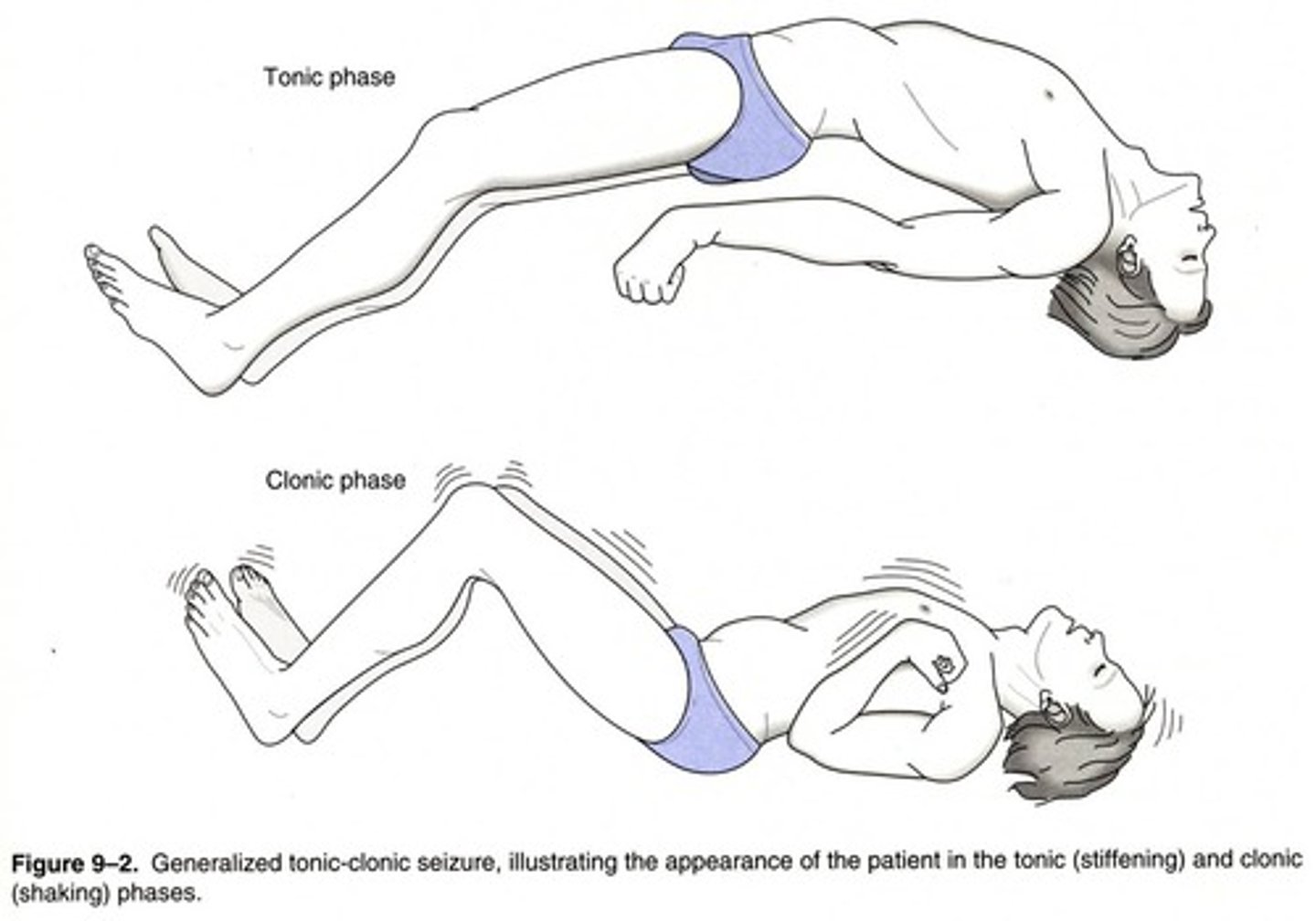
Seizures- Nursing Action
1.Lower the client to the floor and protect the head by padding something soft 2.Remain with the client and call for help 3.Put them on side-lying position (lateral) 4.OXYGENATE and SUCTION TO PREVENT ASPIRATION 5.Clear the area 6.Loosen tight clothing 7.Document the seizure
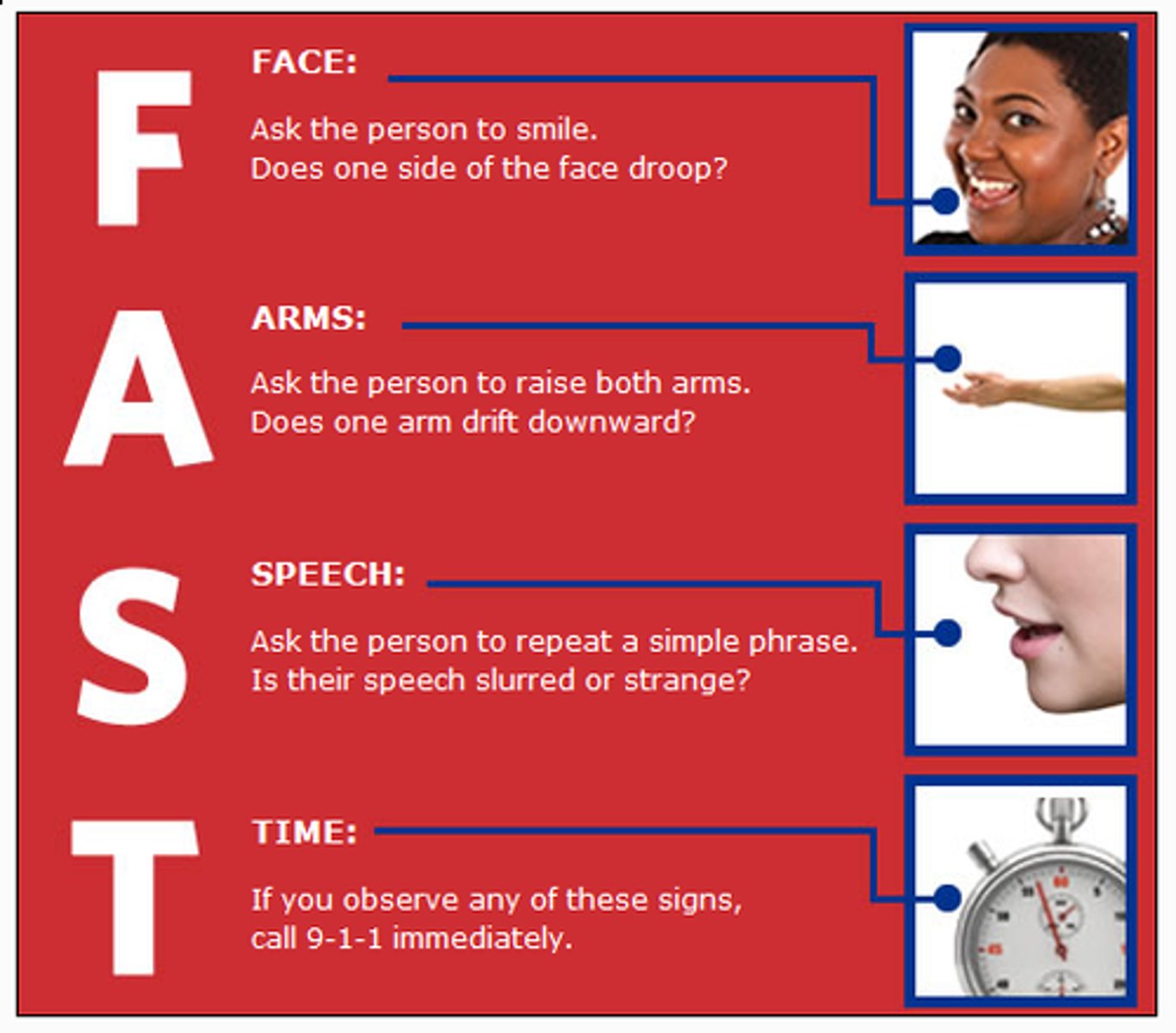
Hemorrhagic Stroke-FAST
Face: droopy
Arms: one arm drifts downwards
Speech: slurred/strange
Time: call 911 immediately
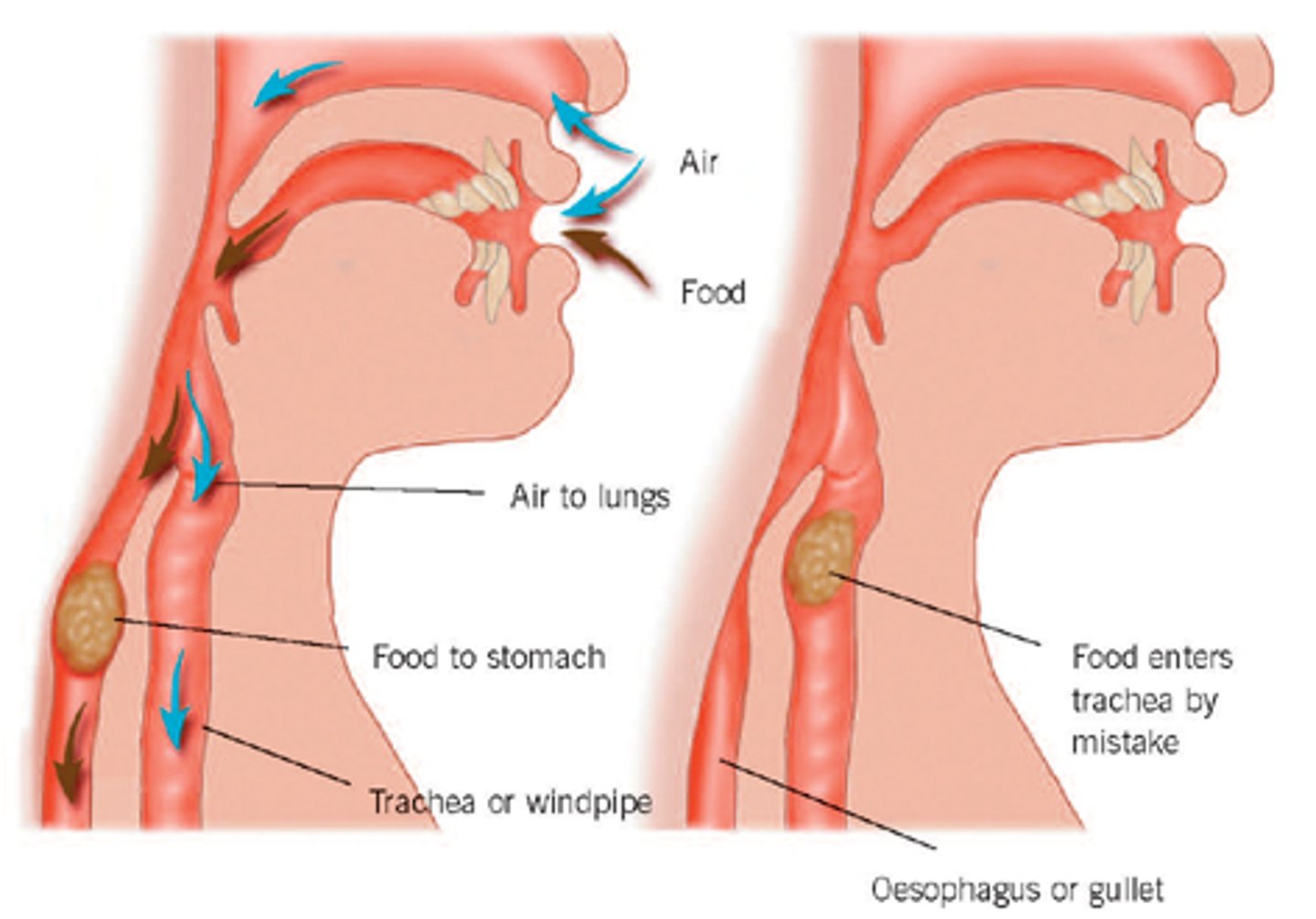
Stroke/Dysphagia- Aspiration Precaution
Monitoring swallowing and food intake, Thicken their liquids, Have the patient in high fowlers, Advise them to tuck their chin when swallowing, Have suction equipment nearby
Stroke- Priority Intervention
ABCS, rapid neuro assessment, IV access, prepare for CT scan
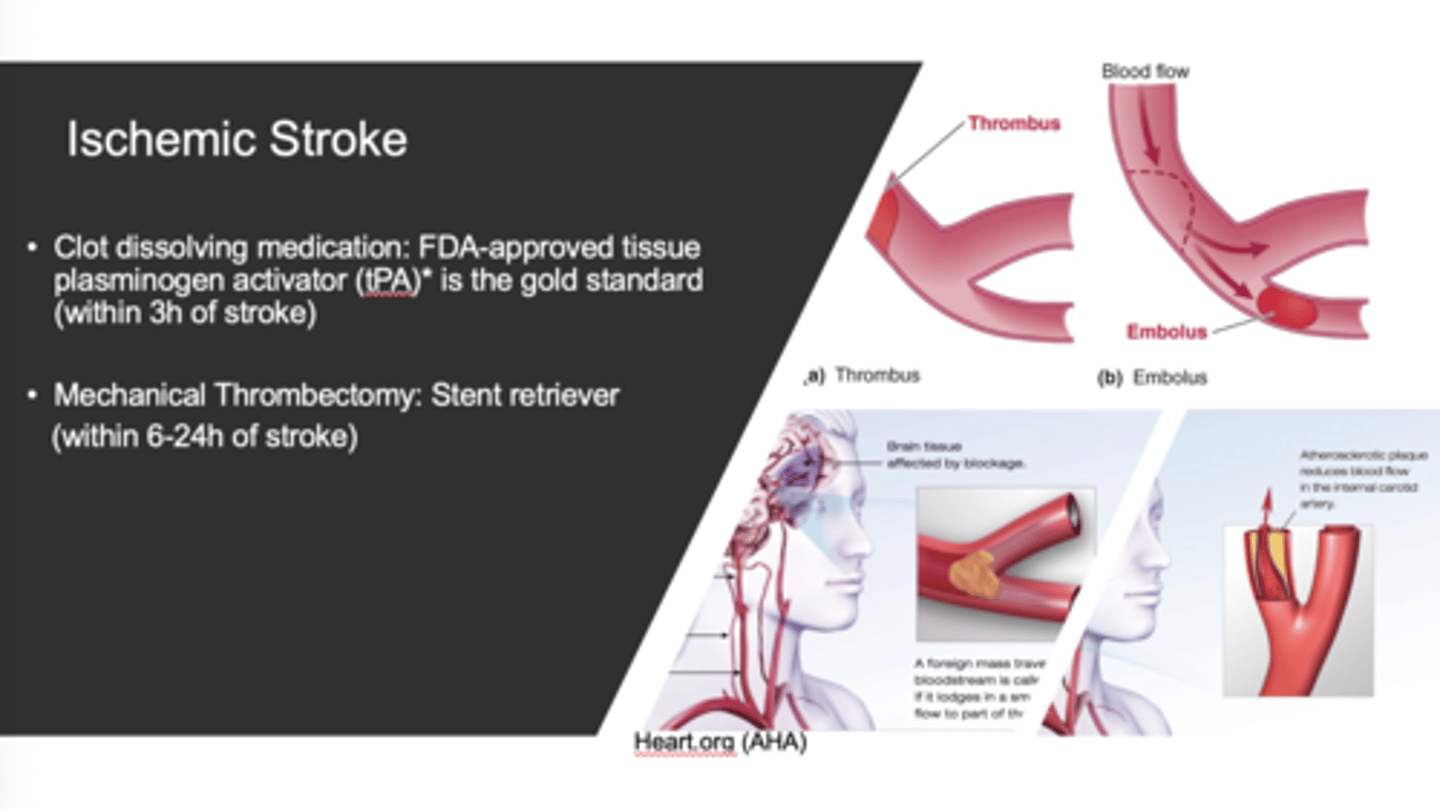
Ischemic Stroke- Treatment
TPA with plavix within a certain time frame
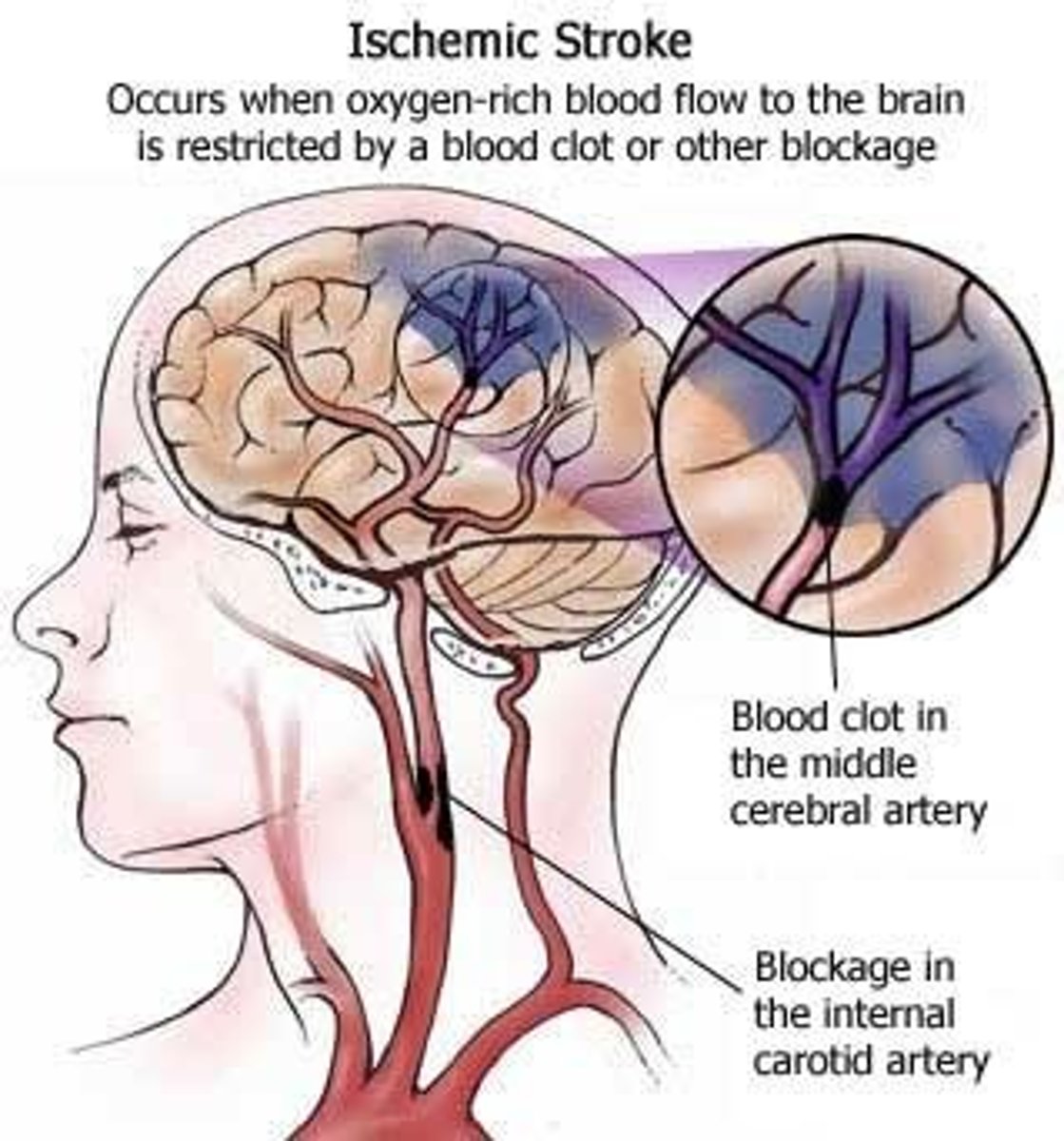
Transient Ischemic Attack
temporary blockage of blood flow to the brain causing sudden, temporary stroke-like symptoms (weakness, confusion, vision loss) Causes: Atherosclerosis, heart attack, abnormal heart rhythms, sharp drop in blood pressure
Nutropenic Precautions
Avoid infection exposure, no fresh flowers, good hygiene

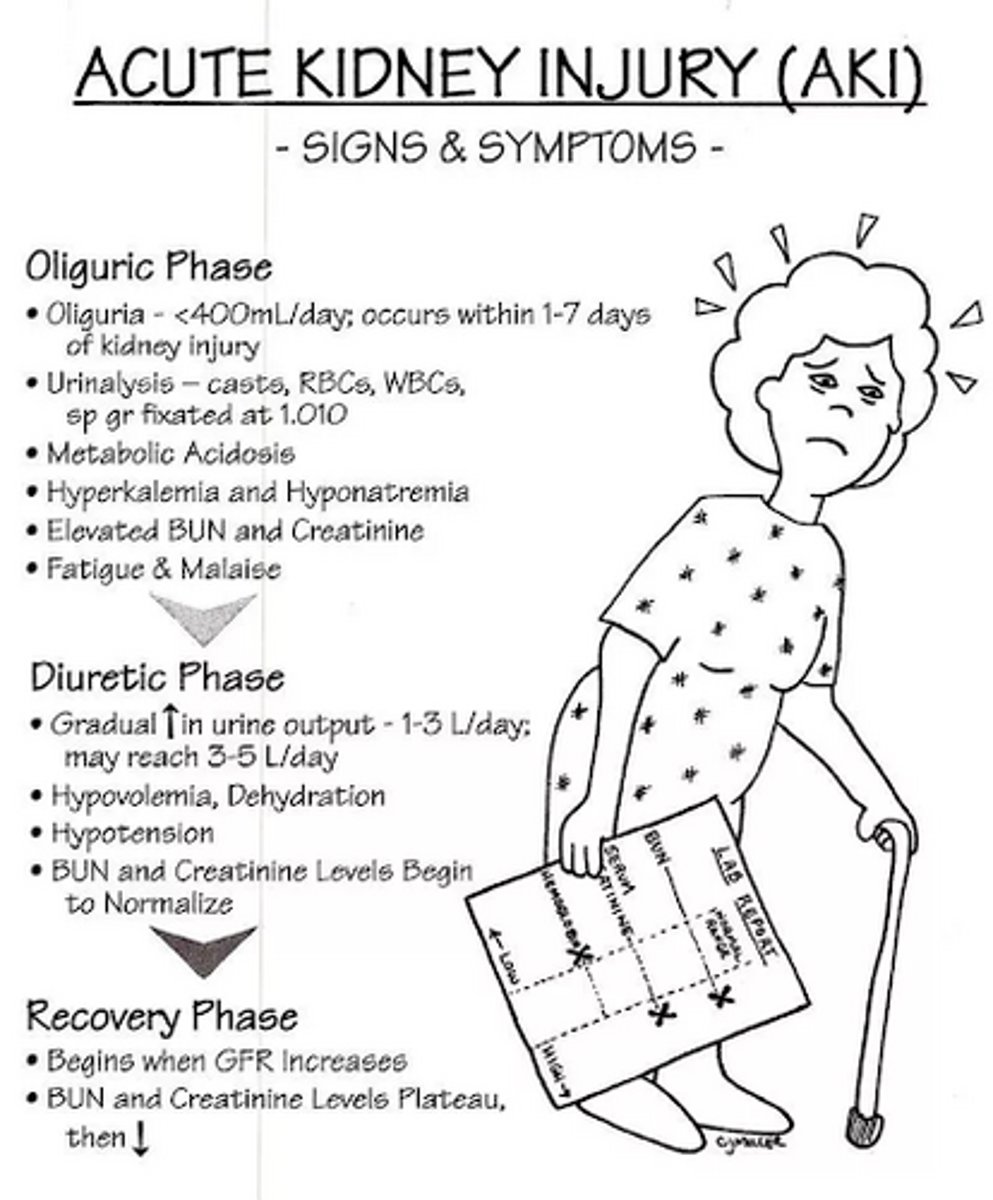
Acute Kidney Injury- Lab Values
Increased creatinine
Elevated BUN
Reduced GFR
Electrolyte imbalances for AKI:
Hyperkalemia
Hyperphosphatemia
Hypocalcemia
Often see metabolic acidosis (slide 41 for more details)
Concerning Serum Creatinine Levels
Over 1.3 mg/dL
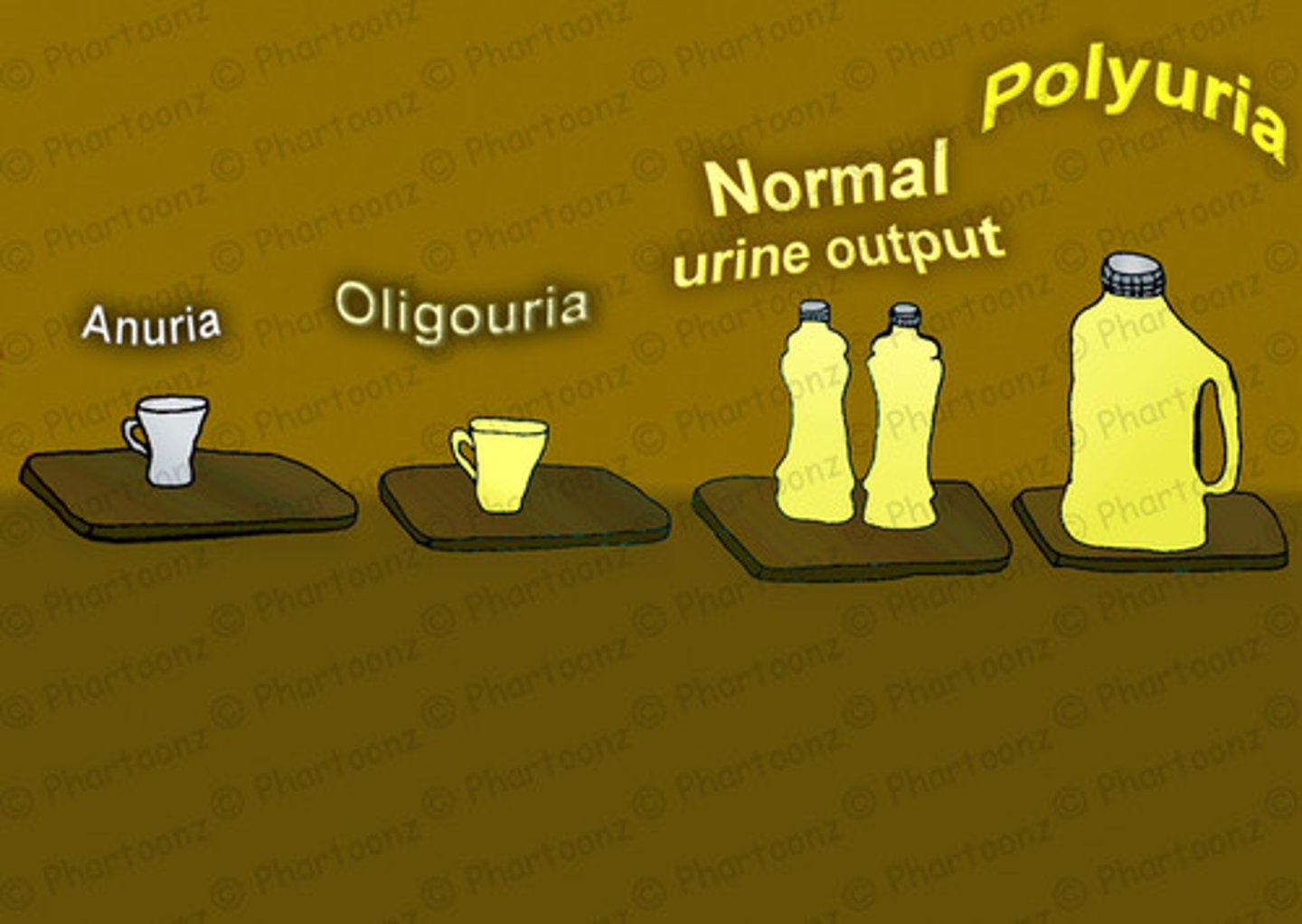
Concerning Urine output
less than 30 ml/hr urine output REPORT
End Stage Renal Disease (ESRD)- Diet
strict management of protein, sodium, potassium, phosphorus, and fluid intake
Chronic Kidney Disease (CKD)- Arterial Blood Gas
Metabolic Acidosis Low PH + Low HCO3, Compensation: Respiratory compensation lowers 𝑝𝐶𝑂2 (typically <35mmHg).
Anemia
Related to lack of erythropoietin (EPO)

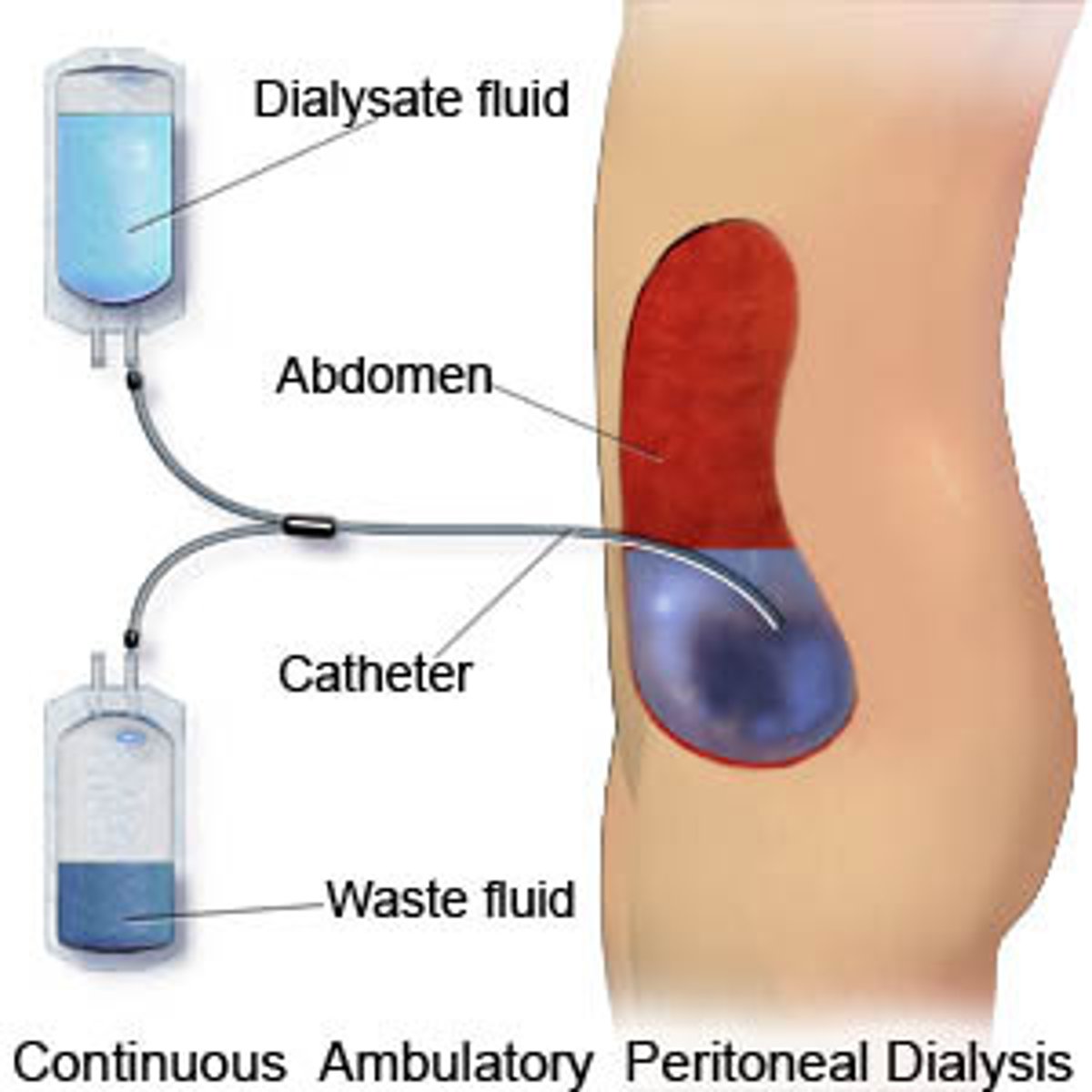
Continuous Ambulatory Peritoneal Dialysis (CAPD)- Benefits
greater independence, flexibility, and improved quality of life compared to hemodialysis.
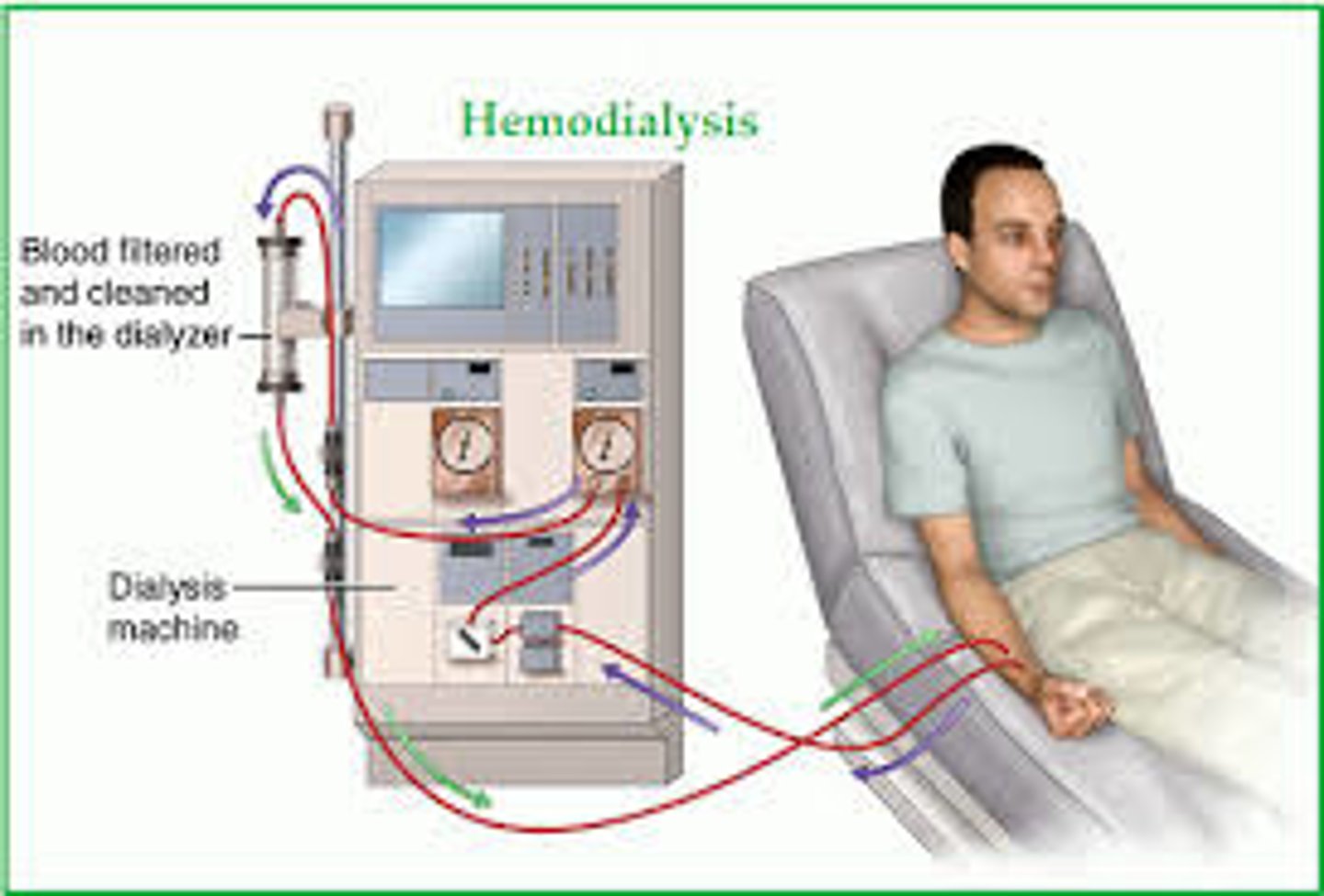
Hemodialysis- Common Complications
low blood pressure (hypotension), muscle cramps, nausea, vomiting, itching, and fatigue
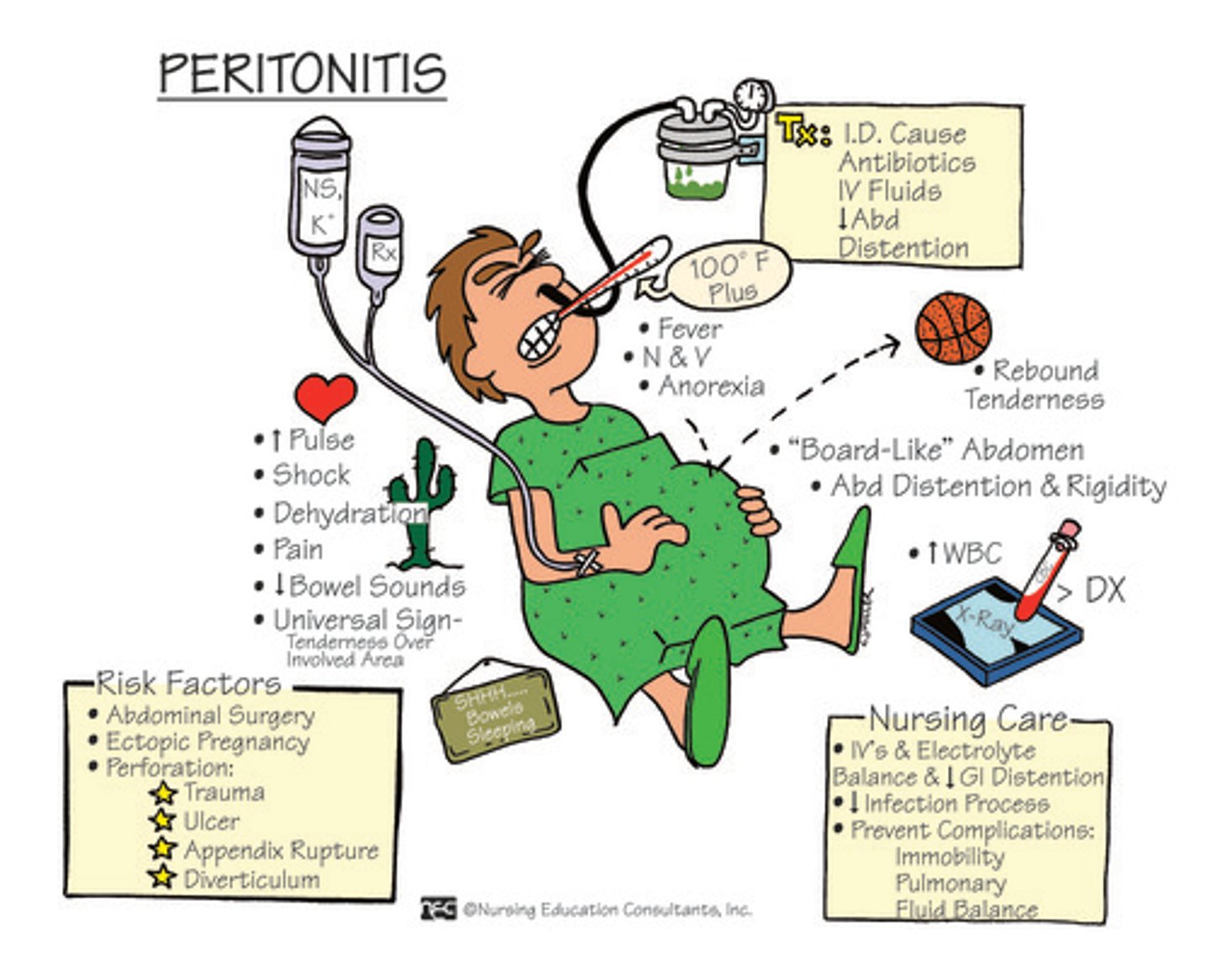
Peritonitis- Signs & Symptoms
sudden, severe abdominal pain, high fever, rigid/tender bloating, and nausea/vomiting
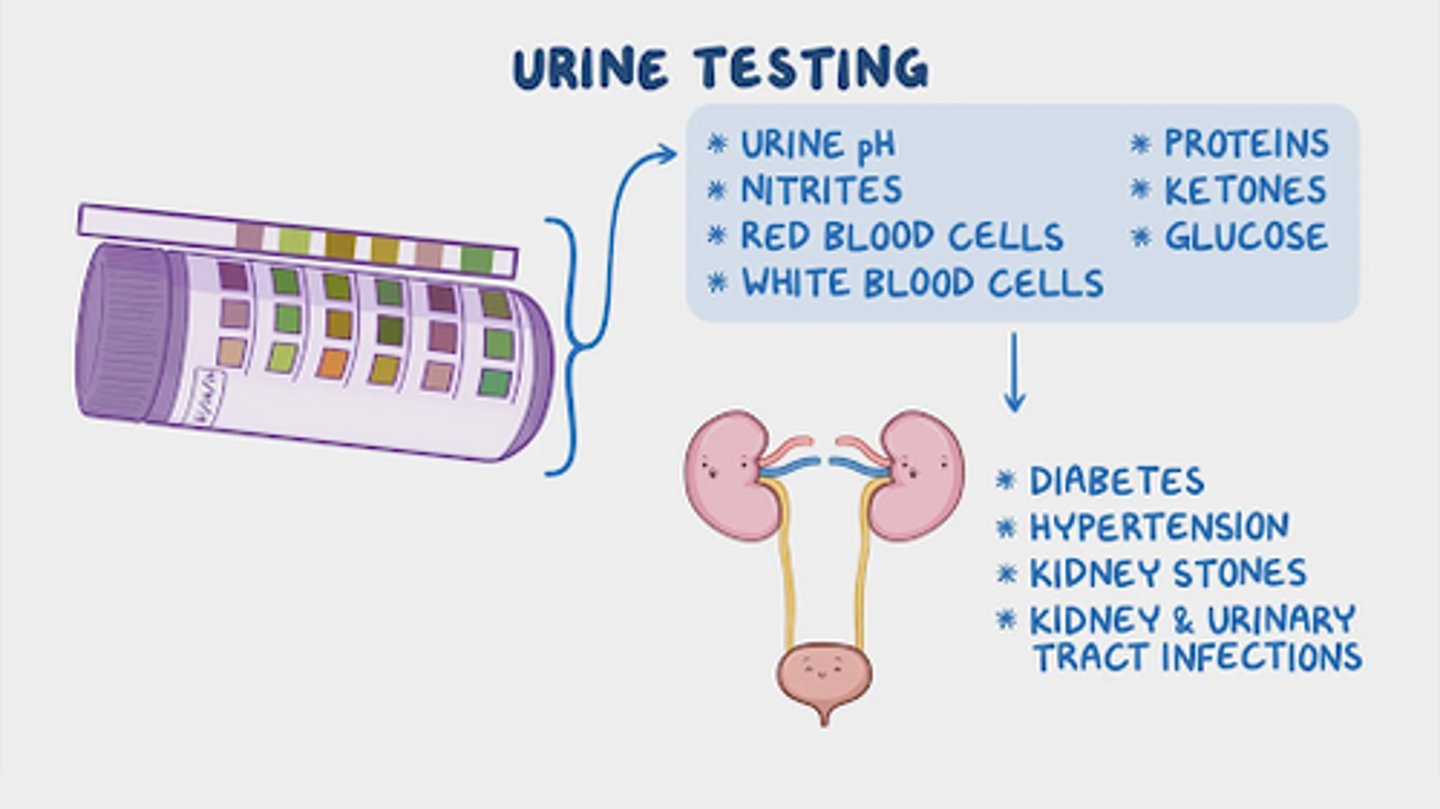
Urinary Tract Infection
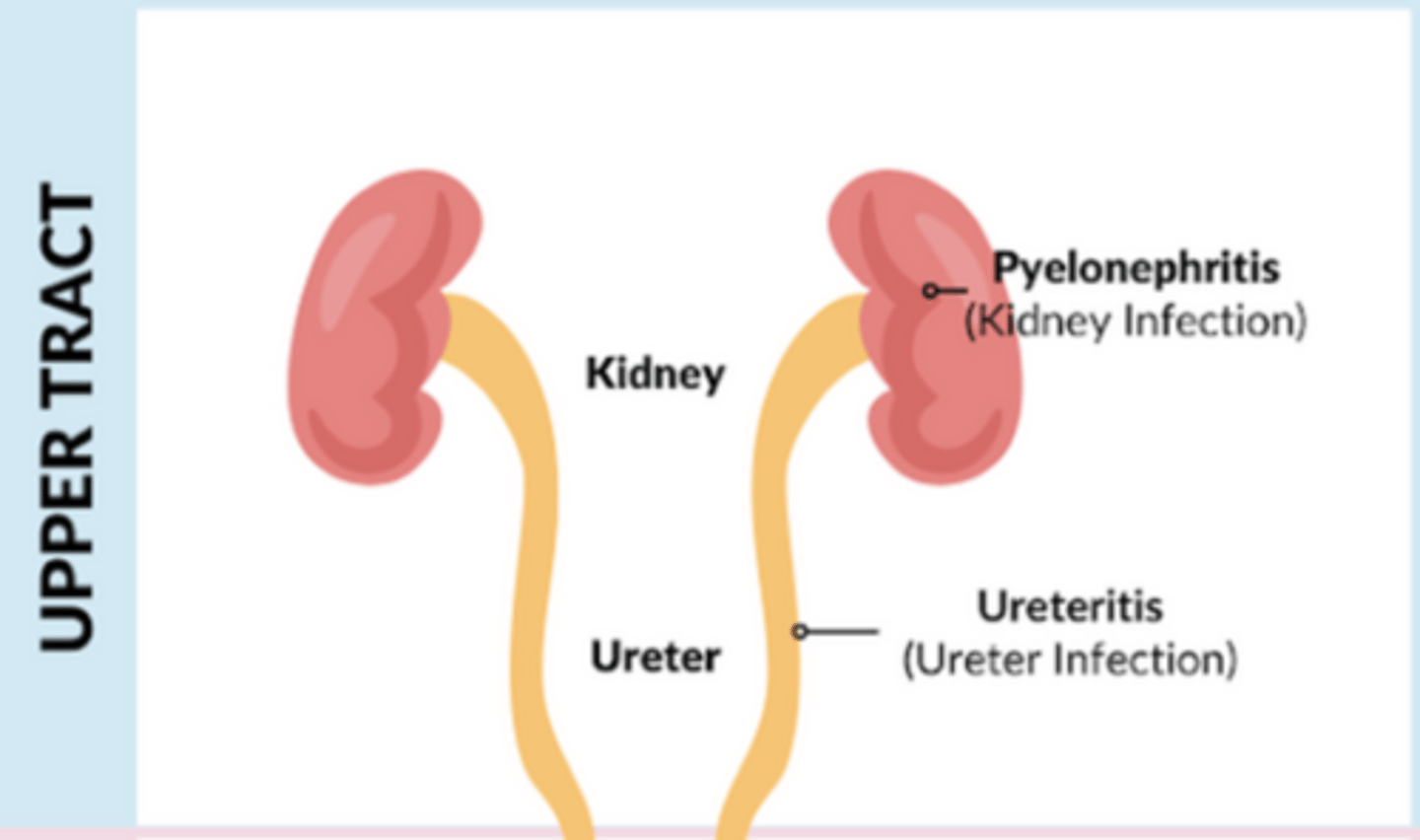
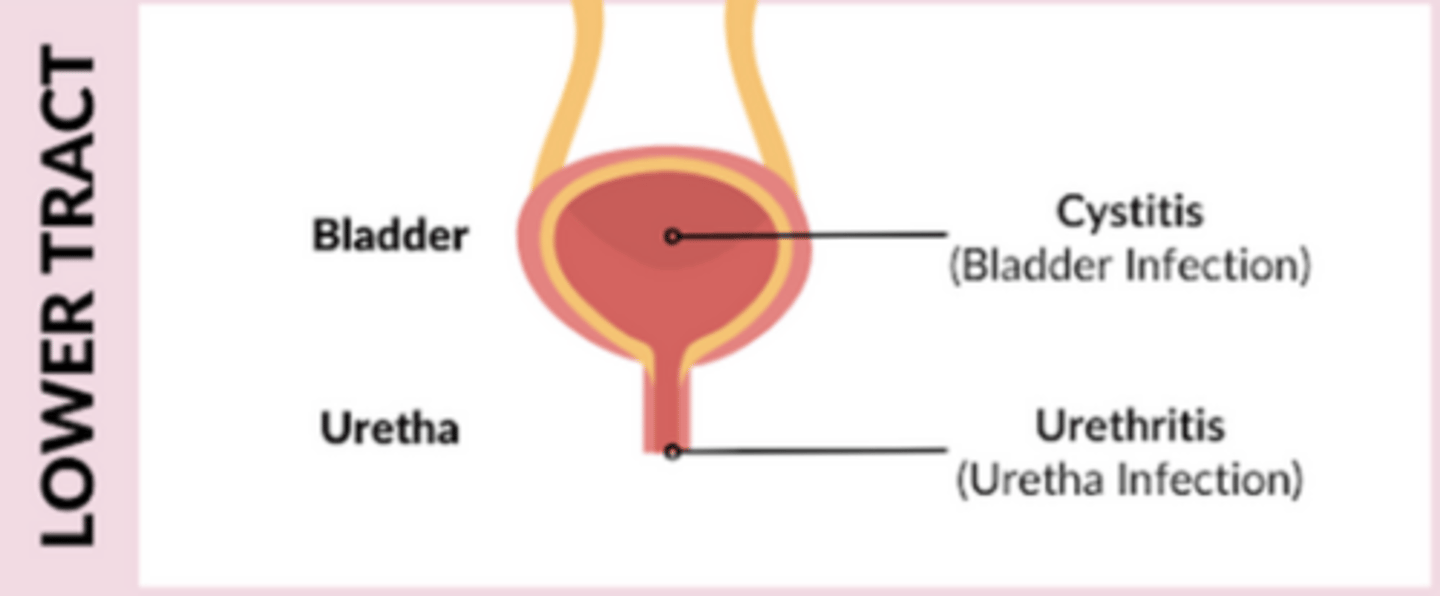
Infection anywhere in the urinary tract, usually caused by e.coli,There can be UPPER (ex. pyelonephritis) and LOWER UTIs
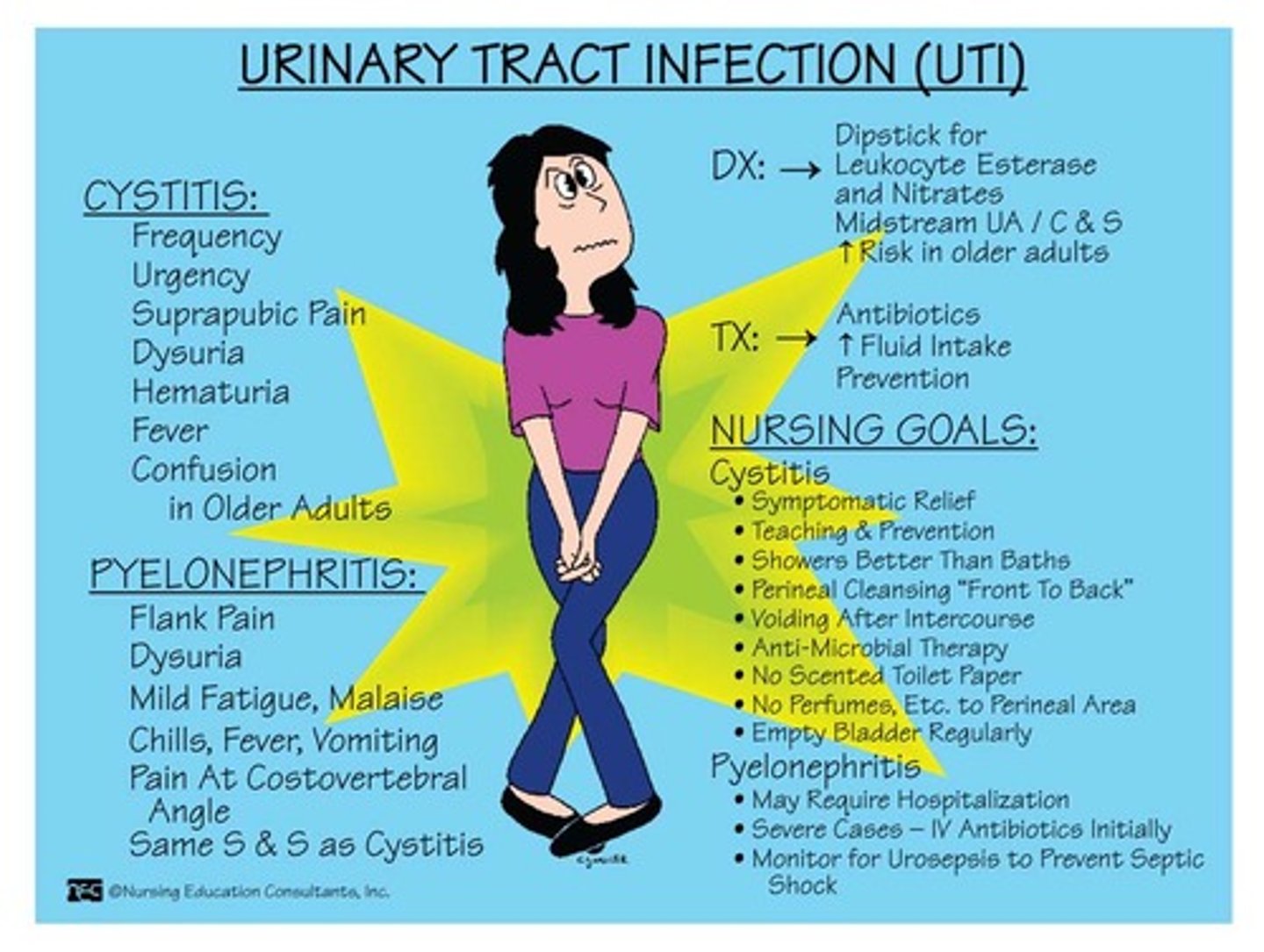
UTI S/sx
Dysuria, Cloudy colored urine, Foul odor, In older pts → CONFUSION, Flank pain, Hematuria, Abdominal pain
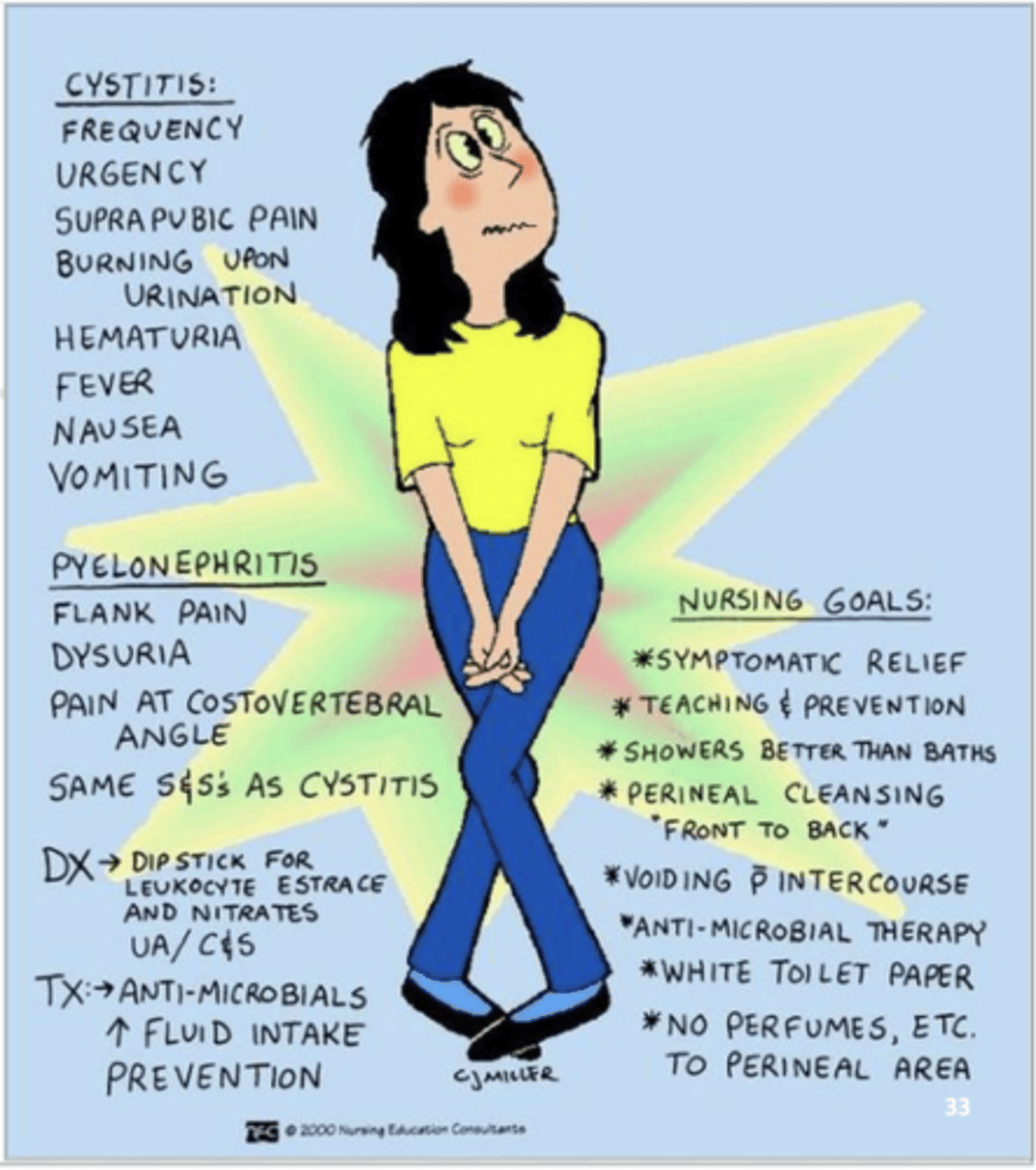
S/S of upper UTIs
fever, chills, flank pain, systemic manifestations
S/S of lower UTI
urinary frequency, urgency, dysuria, nocturia, confusion in older patients, can lead to upper UTI,no systemic manifestations
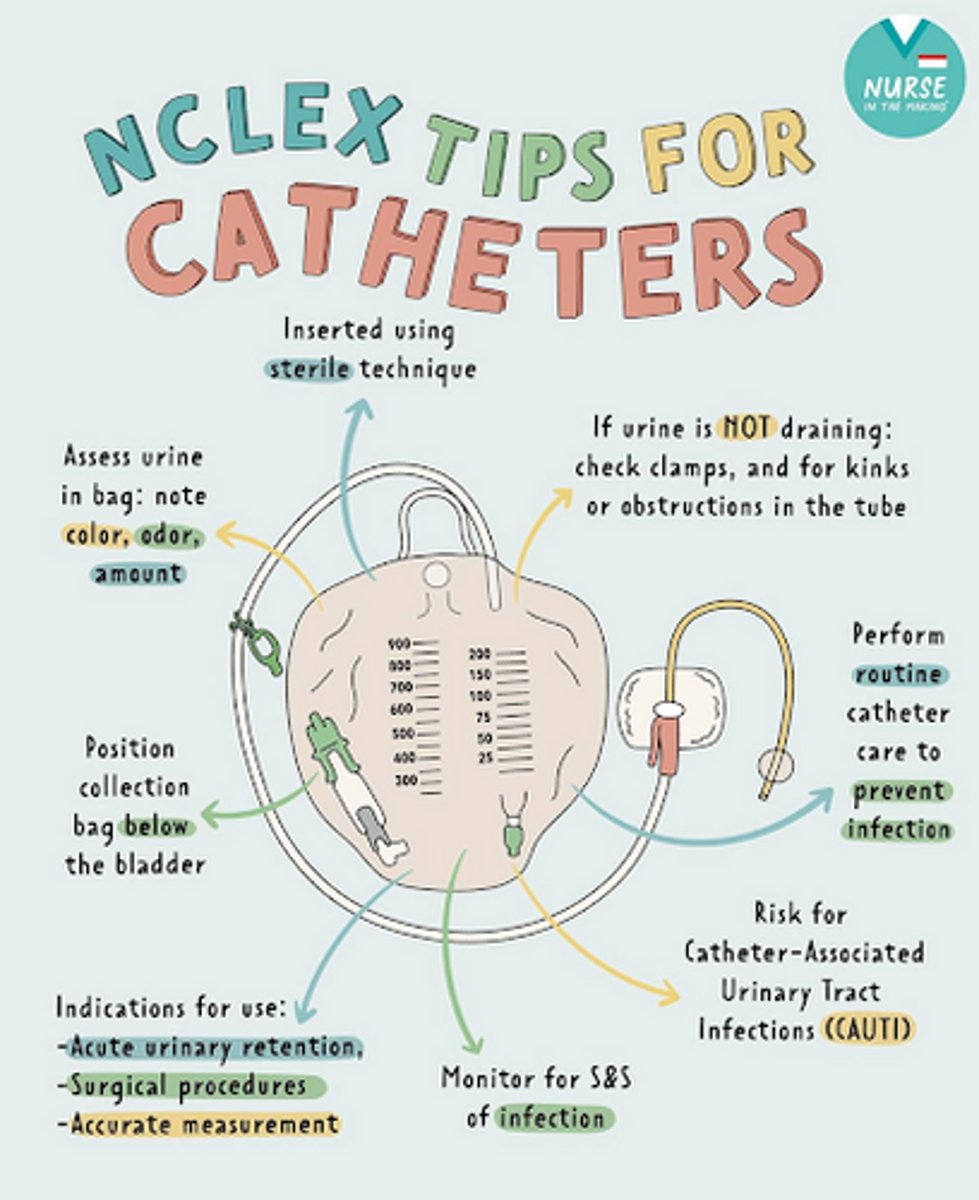
Indwelling Urinary Catheter Care
Encourage fluids, Maintain proper hygiene, Prevent fecal contamination, Maintain sterility, clean every shift, Make sure there is no tension, obstruction, or clogs in the catheter, Keep collection container BELOW level of bladder
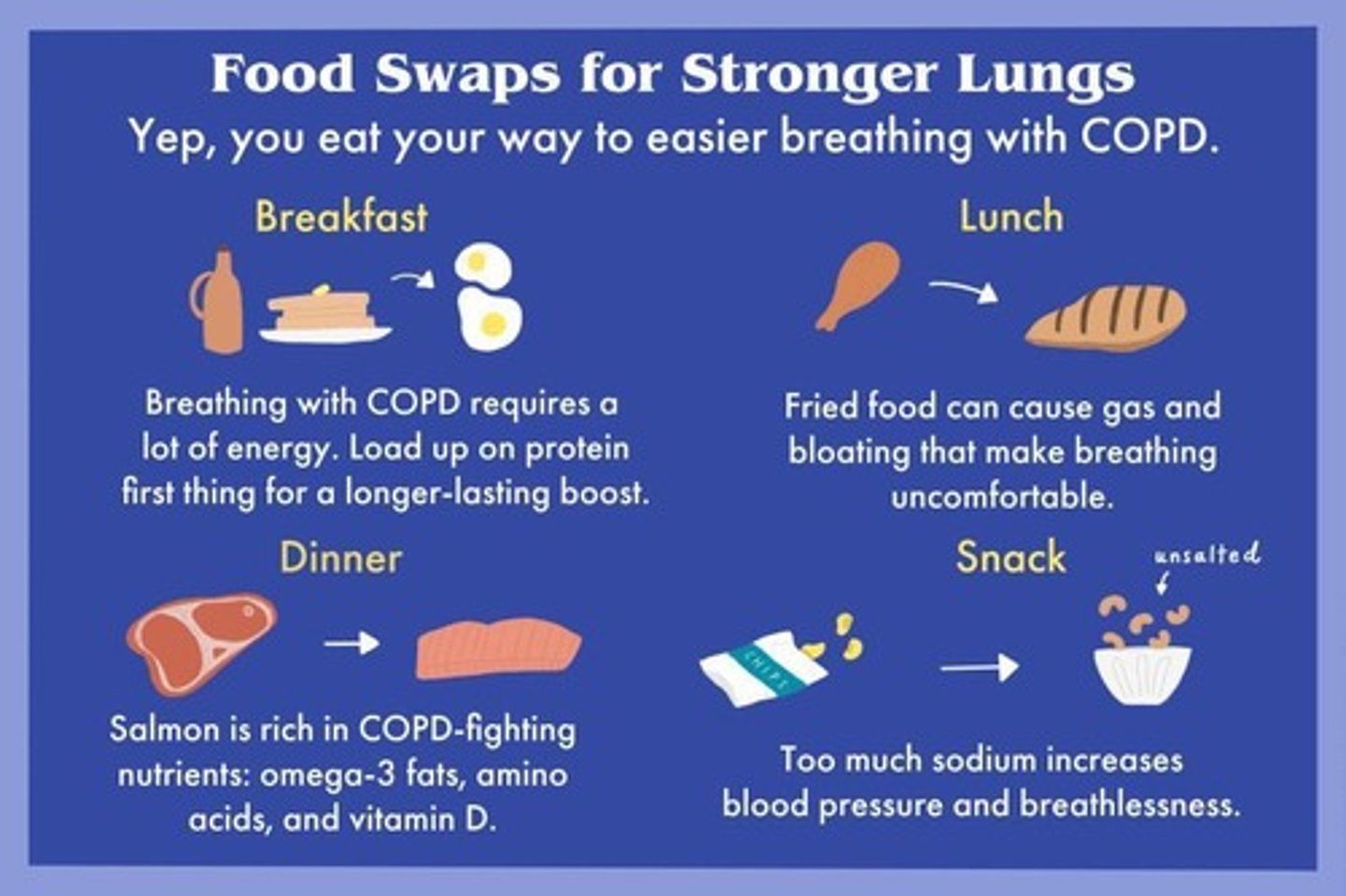
COPD Diet
Key strategies include eating 4-6 smaller, high-protein meals daily to prevent fatigue, prioritizing complex carbohydrates for sustained energy, and maintaining hydration to thin mucus
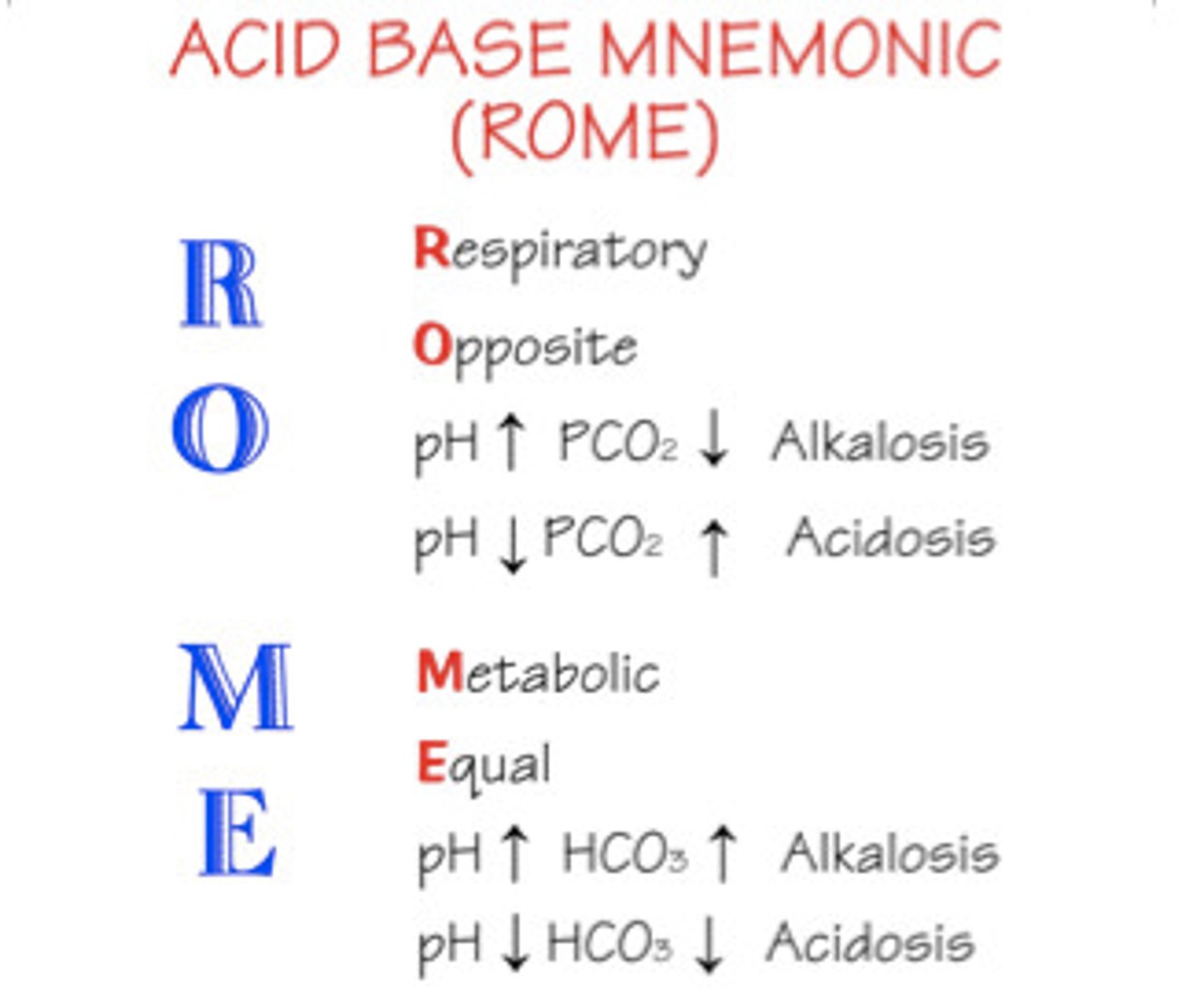
Respiratory -Opposite: Opposite PH and PCO2
Metabolic-Equal
Increased PH and decreased HCo3 vice versa
pH =(7.35-7.45)
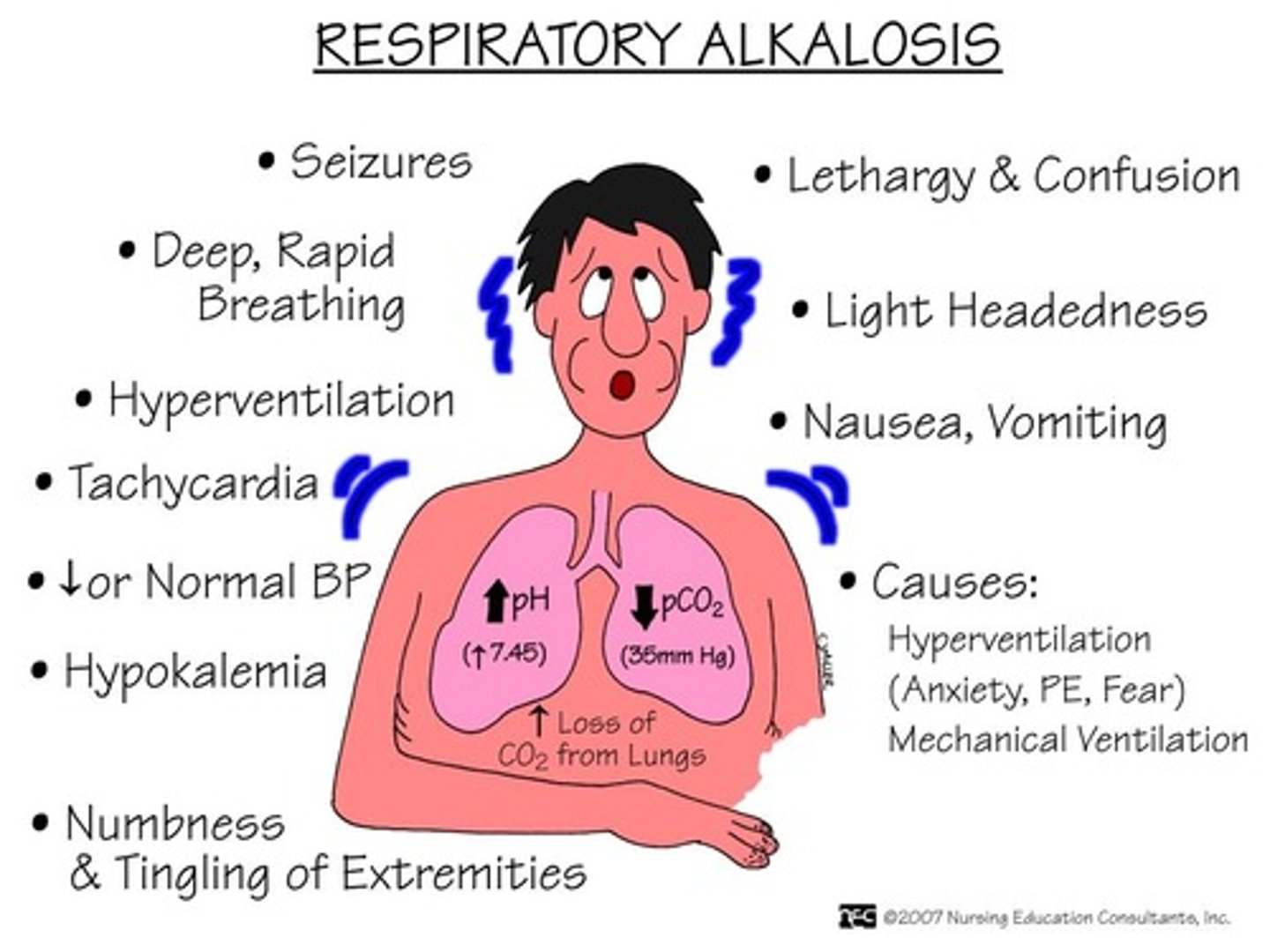
PCO2
(35 - 45 mmHg )
HCO3
(22 - 26 mEq/L)
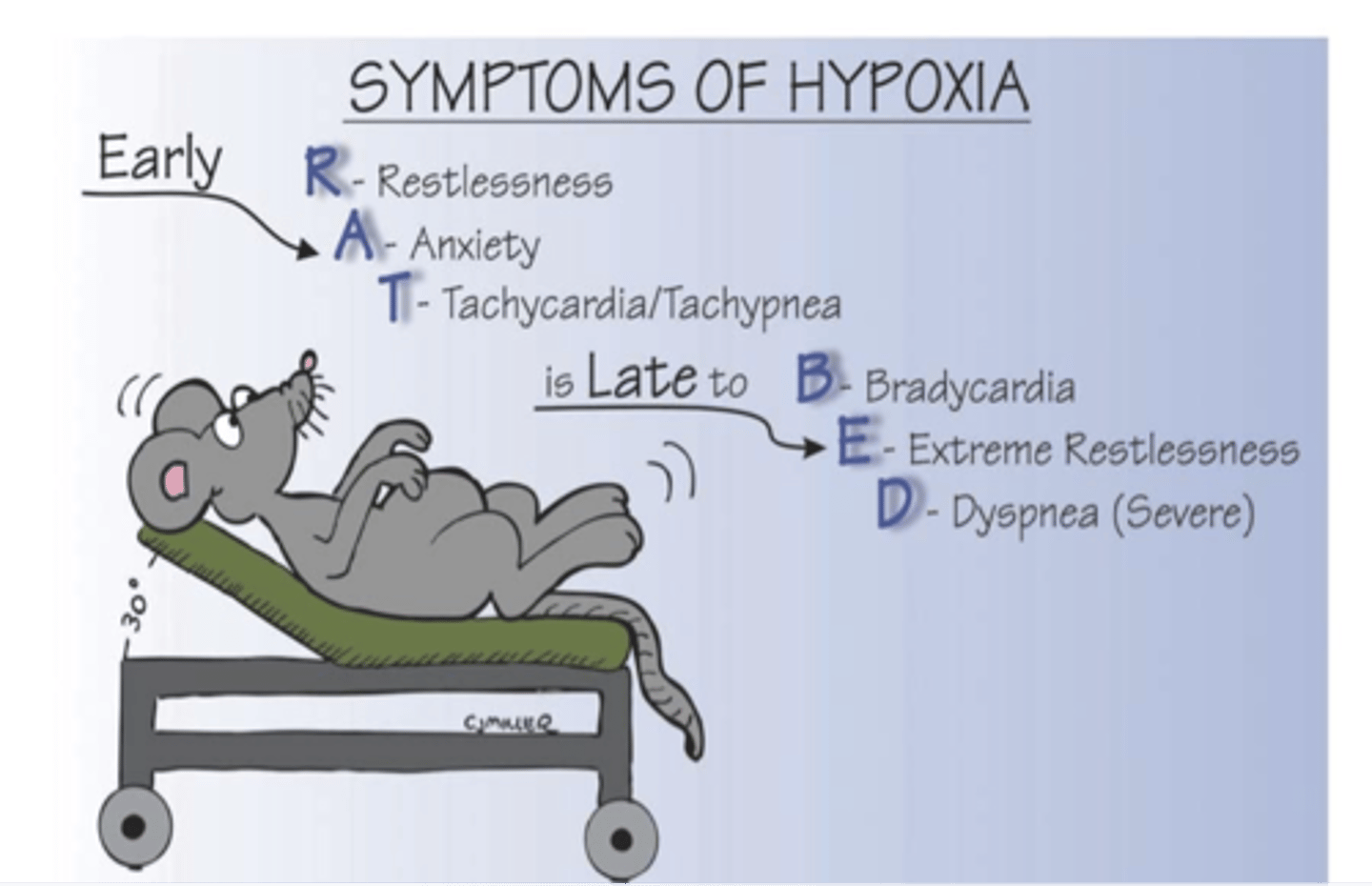
Hypoxia- Manifestations
Decreased oxygen in the tissues, Early signs: Restlessness, Irritability and anxiousness. Late signs: Change in LOC, Cyanosis
Hypoxemia
Decreased oxygenation in the blood, ABGs are used to diagnose this Early signs: Mental status changes, Restlessness, Agitation, Confusion
COPD- Manifestations
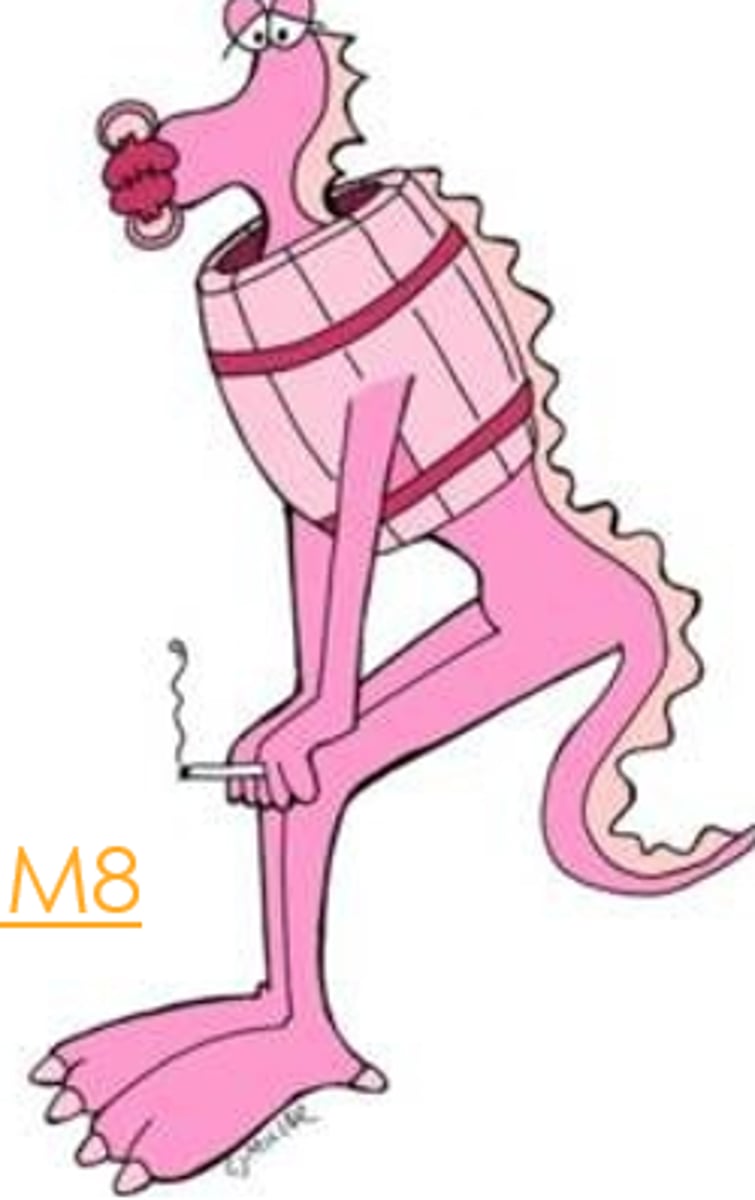
Coughing, Wheezing, SOB, Clubbing of fingers, Low o2 sat, Barrel chest, Tripod breathing
Chronic Bronchitis- Prevention
quitting smoking, avoiding lung irritants, and using medications like bronchodilators to manage symptoms
Secretion Management
involves techniques to clear excessive or thick mucus from the airways,
Respiratory Patterns
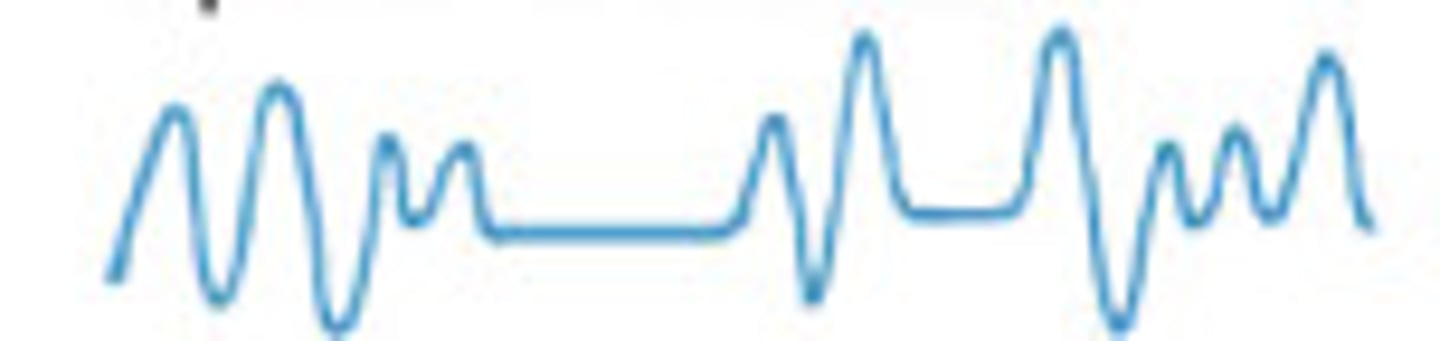
Kusmal's Breathing=deep, rapid, and labored breathing pattern
Cheyne-Stokes Breathing
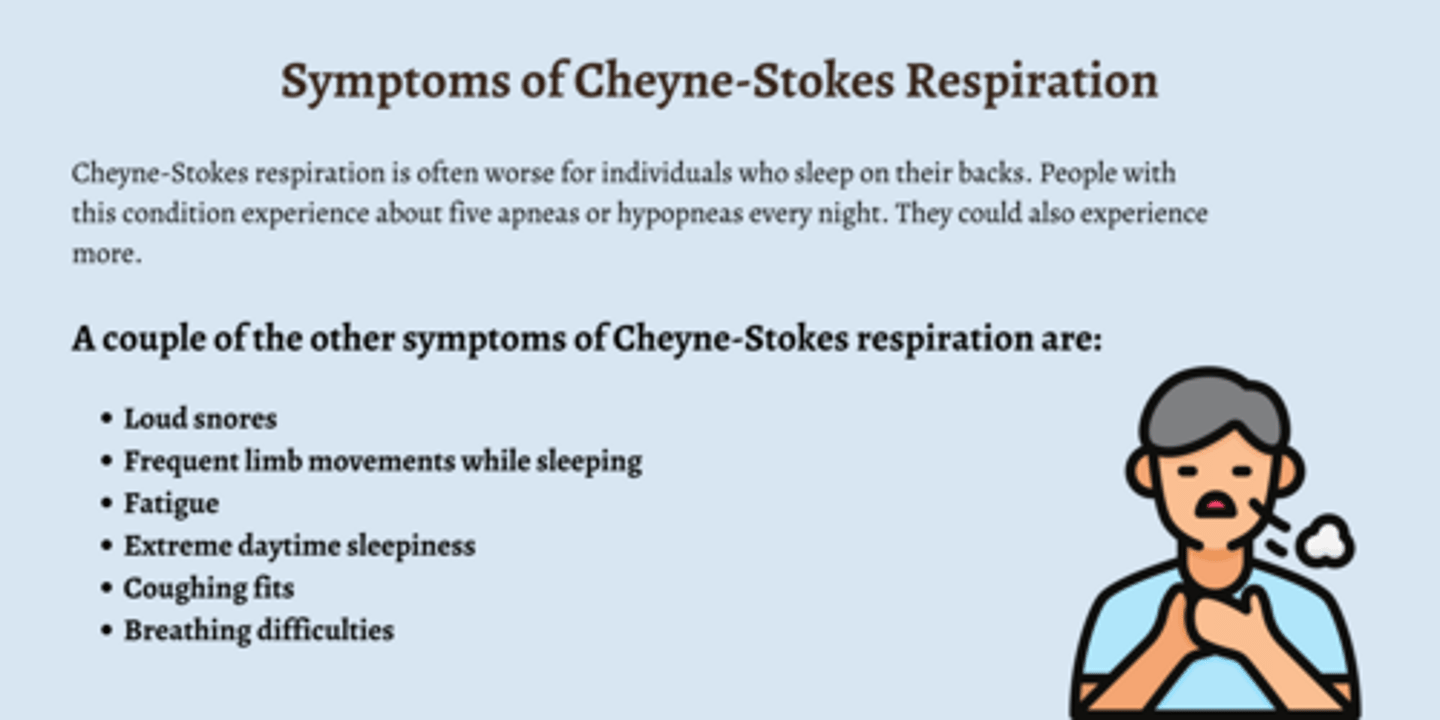
a severe, abnormal breathing pattern characterized by a cyclical crescendo-decrescendo (waxing and waning) in tidal
Biot's
a dangerous, highly irregular breathing pattern characterized by groups of rapid, shallow breaths followed by irregular periods of apnea (pauses)
Stomatitis- Diet
Avoid acidic, spicy, dry or hot beverages,Bland foods
GERD- Management
Elevate head of bed, avoid trigger foods (Avoid fatty, fried, and spicy foods, citrus and caffeine) , 5 smaller meals, Avoid eating right before bedtime, Quit smoking and reduce alcohol intake
Peptic Ulcer Disease- Risk Factors
NSAIDs, H. pylori infection
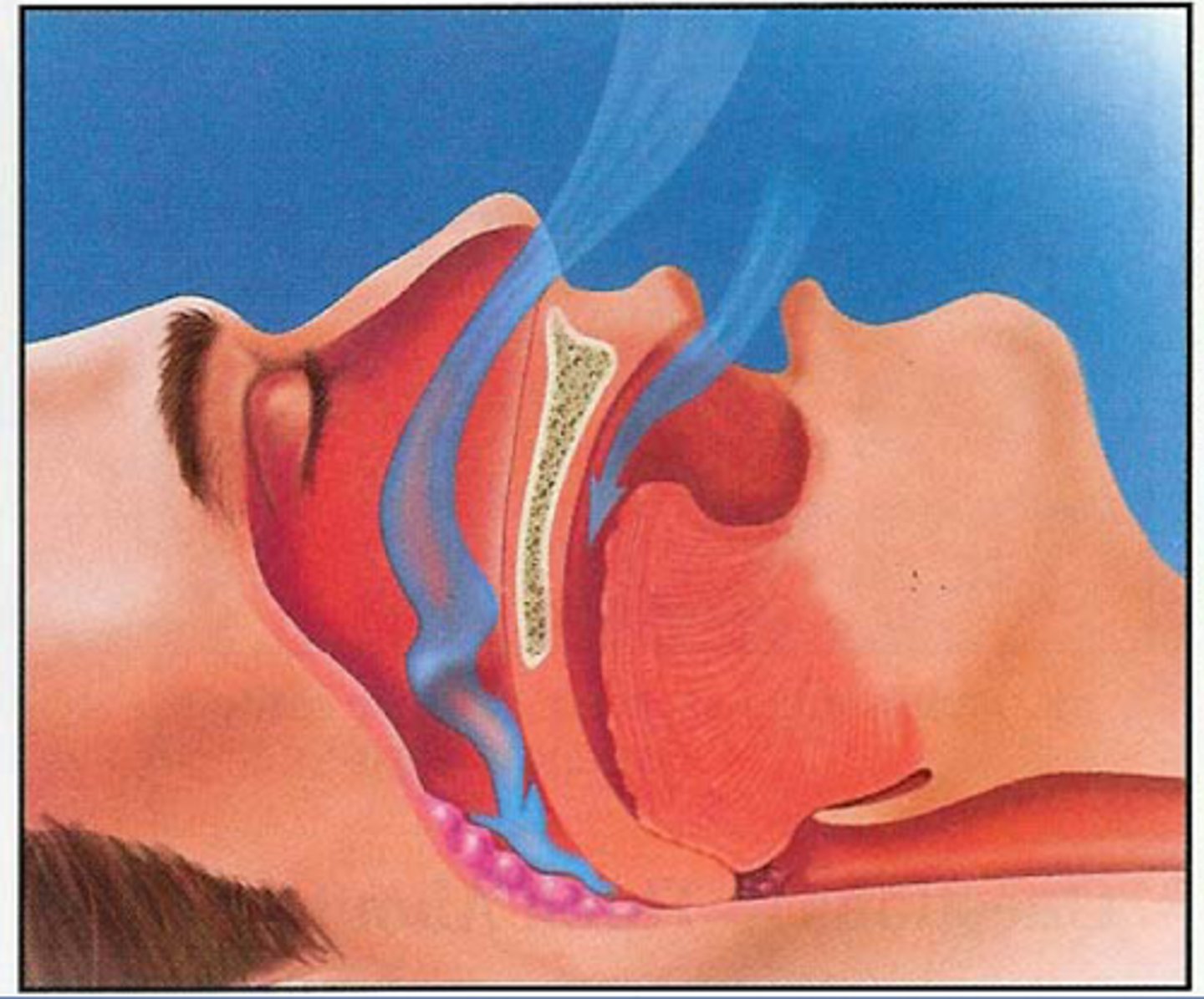
Obstructive Sleep Apnea
Weight loss improves symptoms
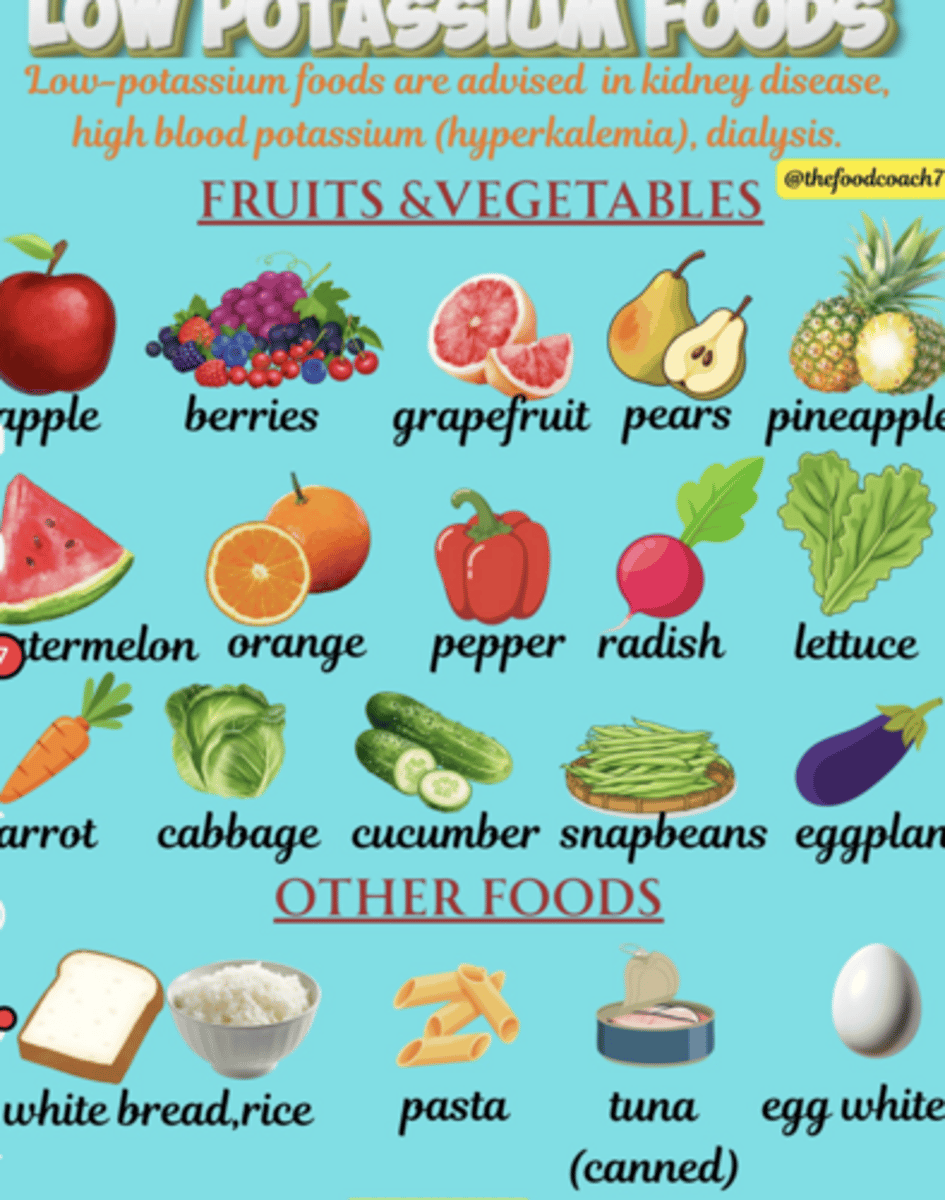
Low-Potassium Diet
(apples, berries, white rice, green beans).
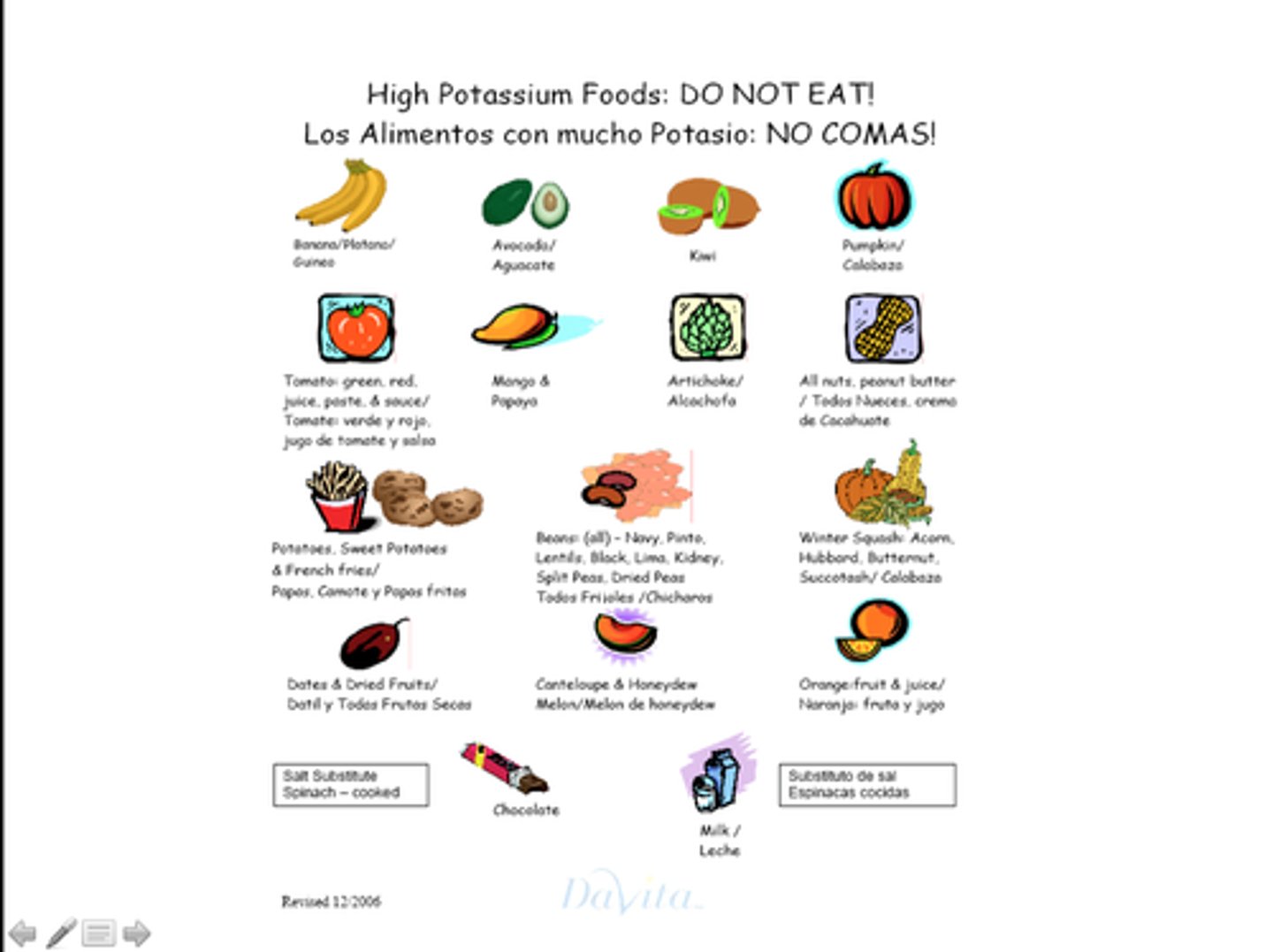
High-Potassium Foods
fruits (bananas, oranges, cantaloupe), vegetables (potatoes, spinach, tomatoes), legumes, nuts, and dairy products.
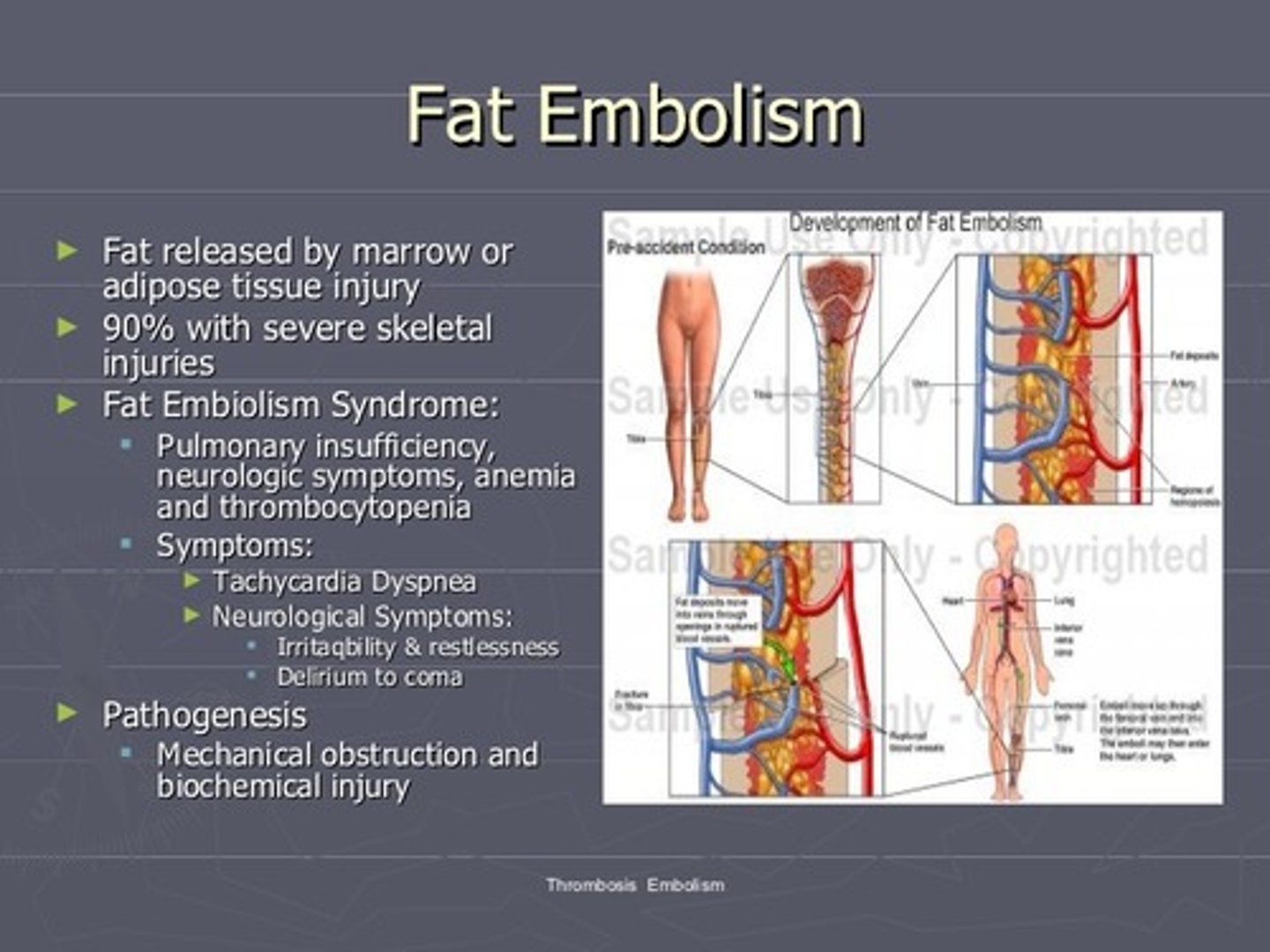
Fat Emboli Syndrome- Manifestations
Respiratory issues (dyspnea, tachypnea and hypoxemia) often first signs- Neurological changes, Petechiae (Tachycardia + Fever )
Osteomyelitis- Treatment
Long term IV antibiotics, Surgical intervention i.e. debridement,Sterile dressing changes

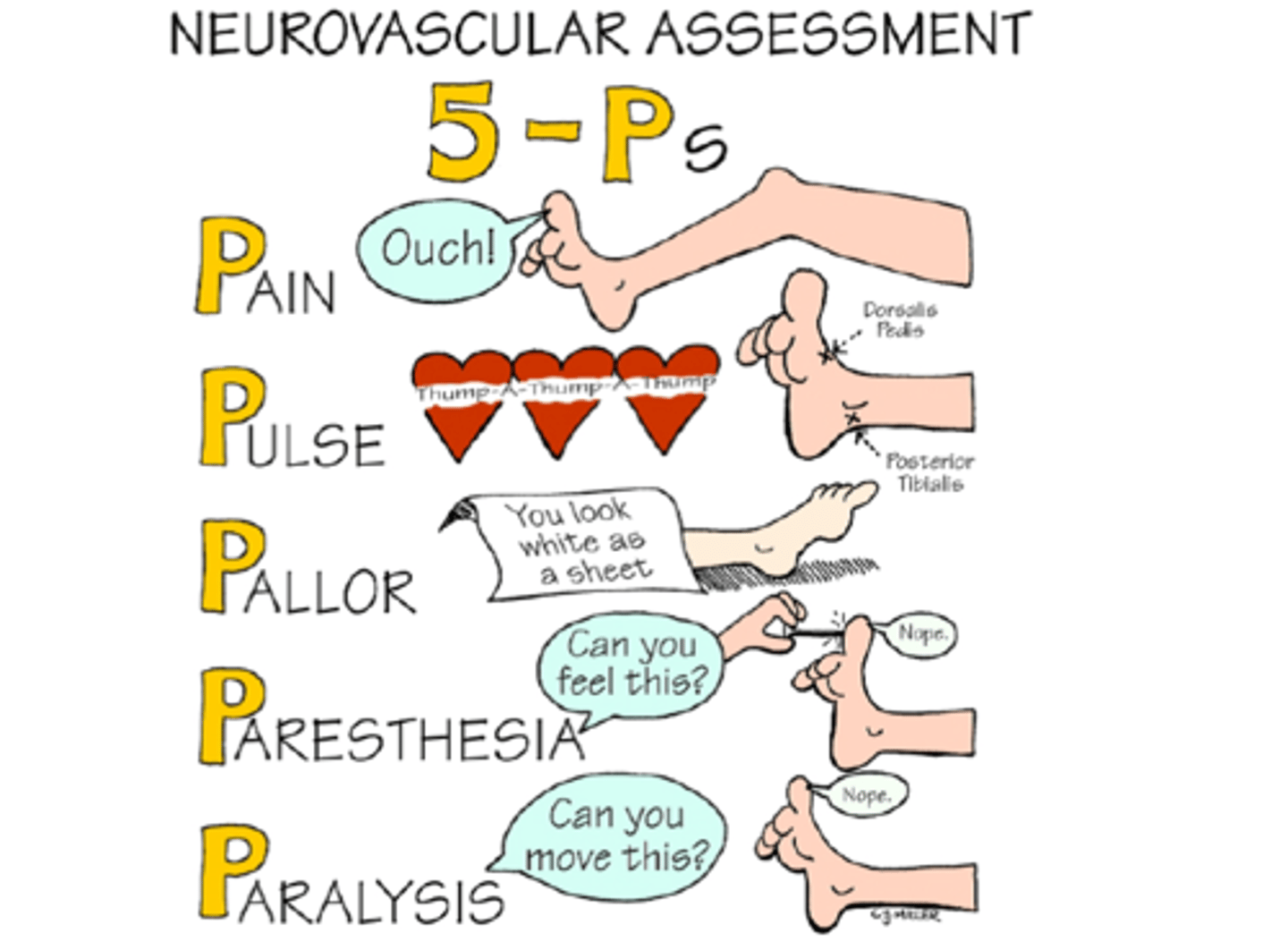
Neurovascular Assessment
6P's-Pain,Pallor,Pulselessness,Paralysis,Pressure,Paresthesia + poikilothermia, Mobility Assessment to detect early signs of compartment syndrome or vascular damage, Q1 after surgery.
Acute Compartment Syndrome- Manifestations
6P-Pain,Pallor,Pulselessness,Paralysis,Pressure,Paresthesia + poikilothermia
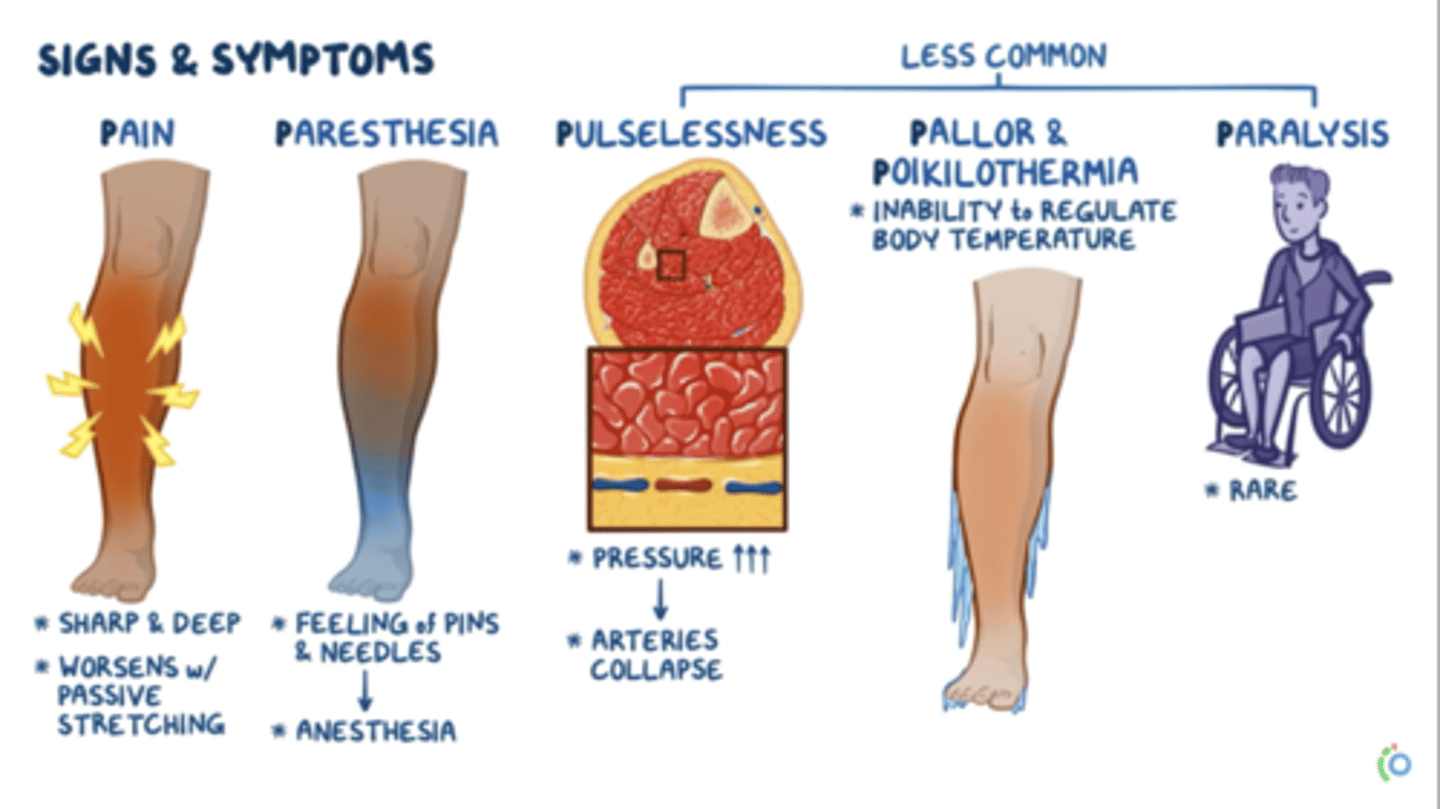
Osteoarthritis -Signs
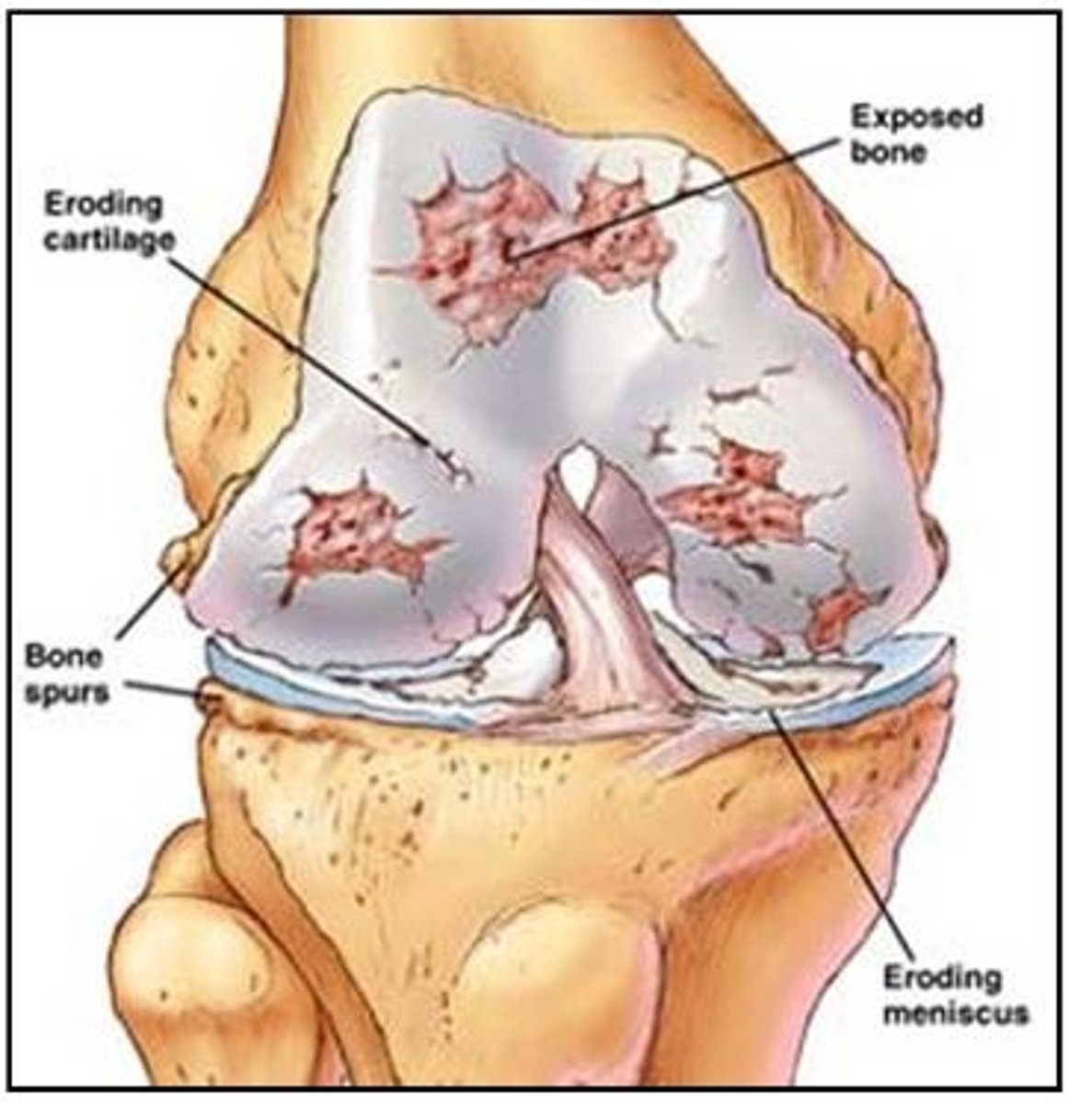
Heberden's + Burchards nodes, Joint Pain
Fracture- Warning Signs (Patient Education)
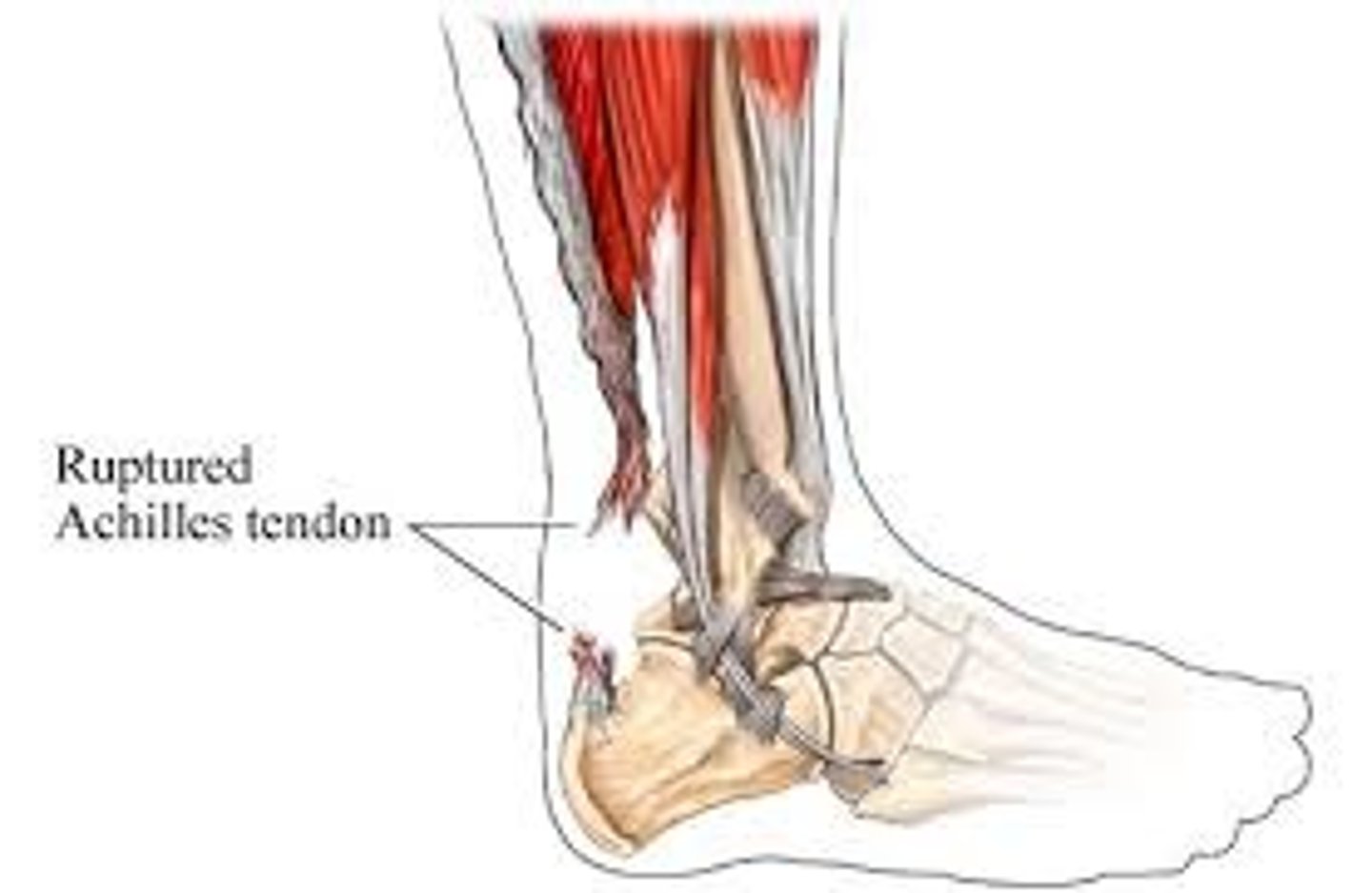
severe pain that worsens with movement or pressure, immediate swelling, bruising, and tenderness around the injury
Hypoglycemia- Signs
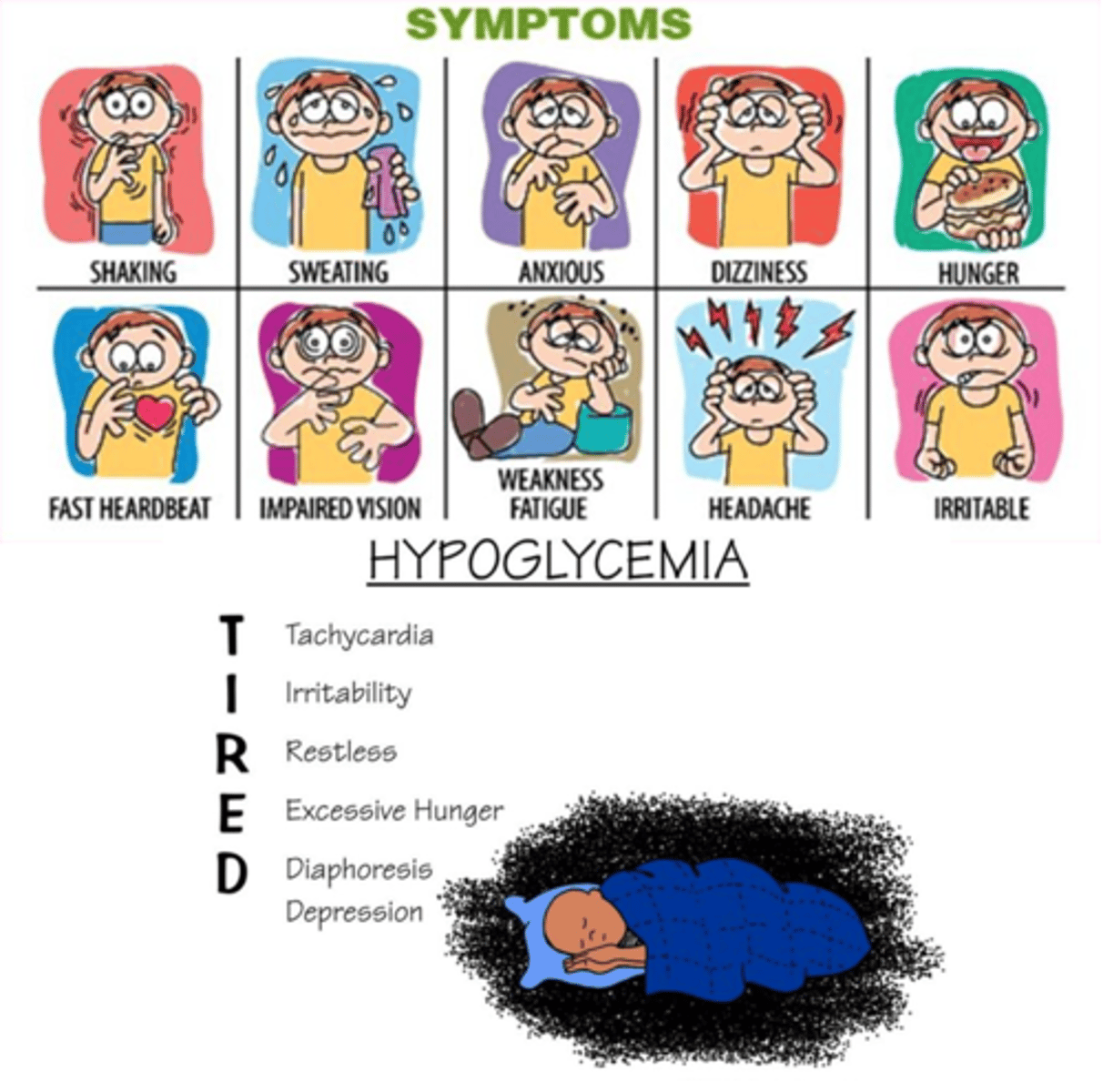
Loss of Loc~Coma,Cold, clammy, pallor, Diaphoresis, Irritability, Confusion, Shakiness, Blurred vision
Diabetes Ketoacidosis (DKA)- Patient Teaching
Autoimmune disease 3 PS,Polydipsia: thirsty, Polyphagia: hungry, Polyuria: lots of urine output, Fatigue, Weight loss, DKA
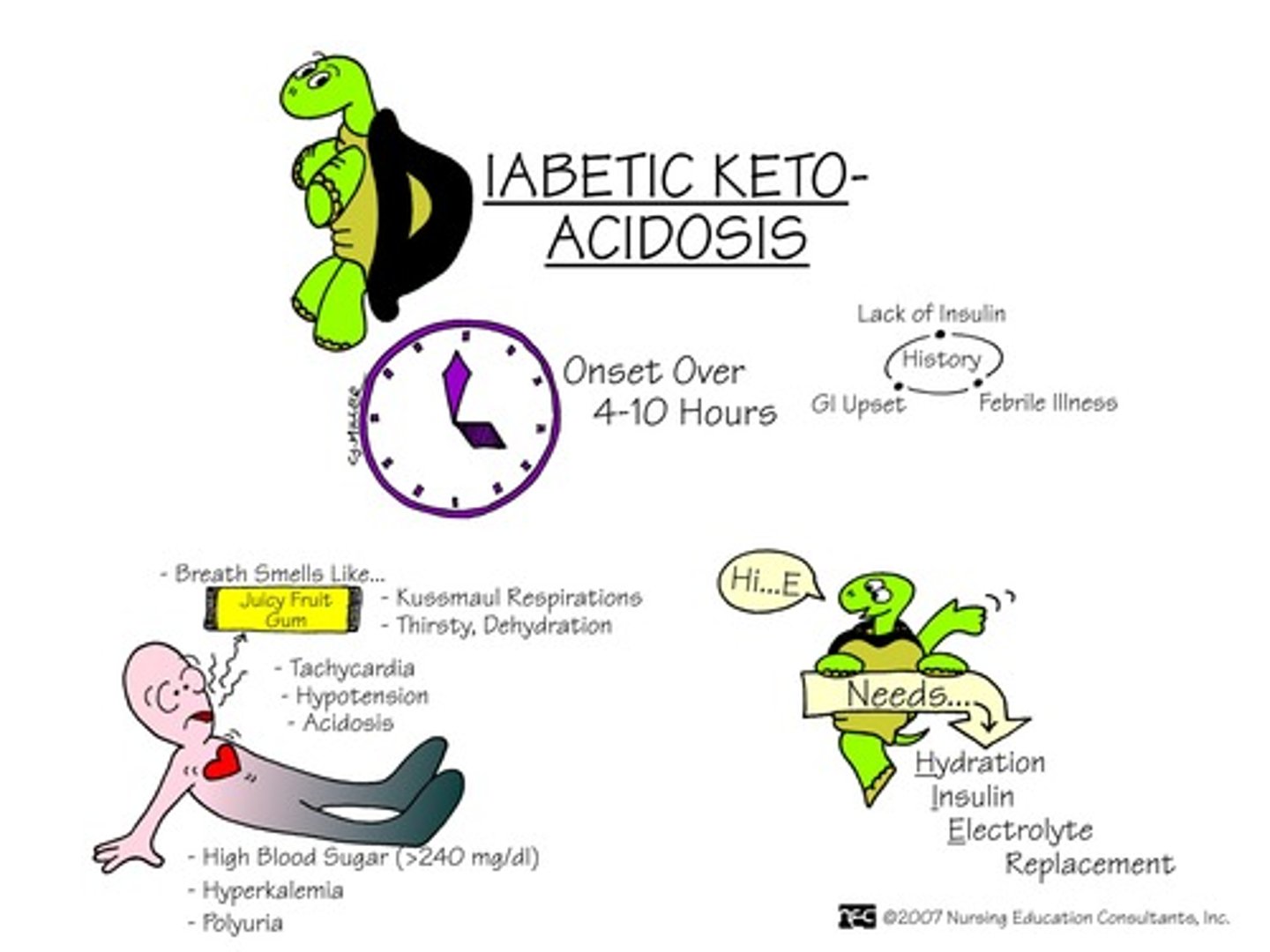
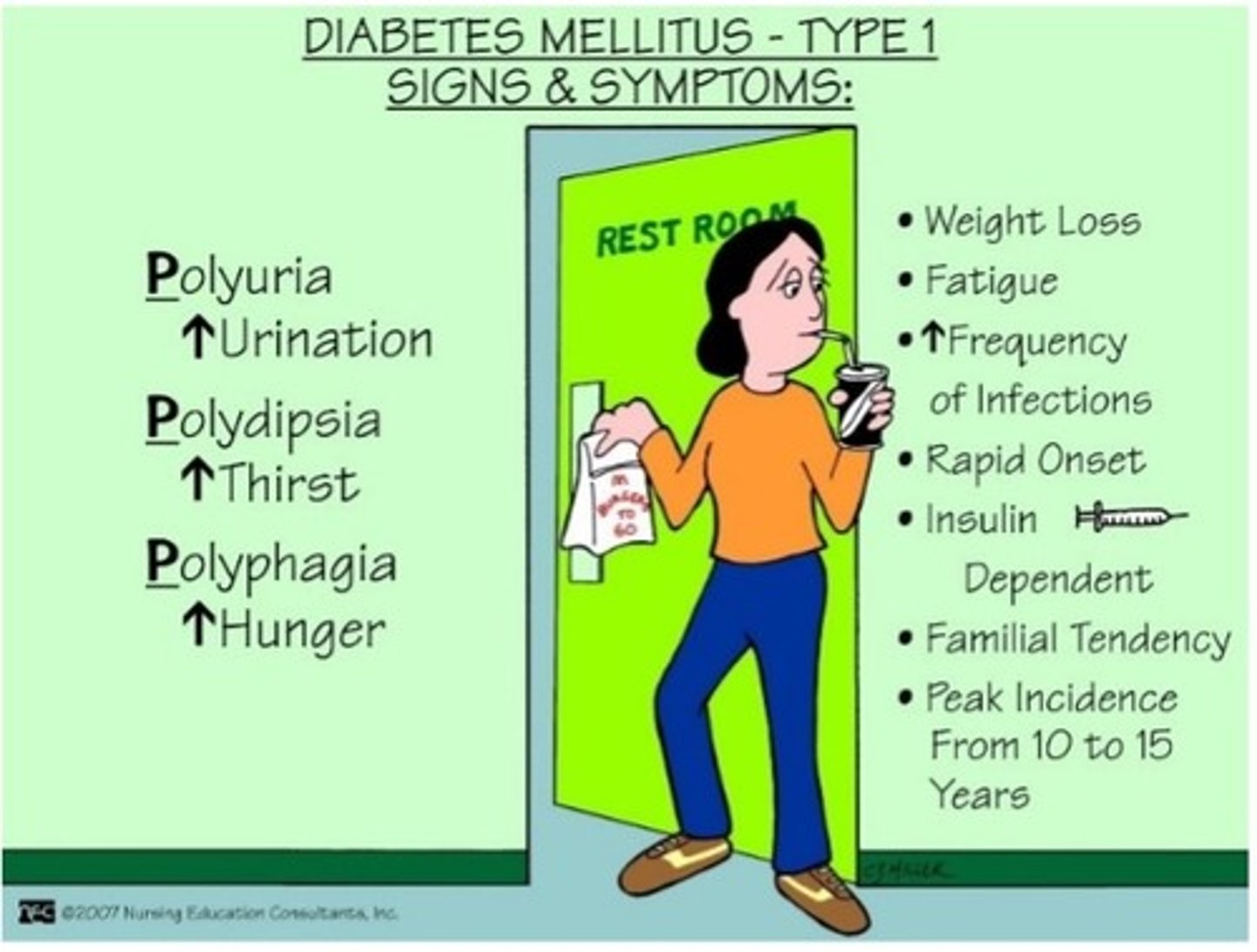
Type 1 Diabetes- Manifestations
Hyperglycemia
Polydipsia
Polyuria
Polyphagia
Weight loss
Fatigue
DKA
Diabetes- Preventing Complications
Keep glucose levels within range
Diabetic Foot Care
Inspect Feet, Warm water, Lotion, Noting in between toes, buy shoes later in the day
Heart Failure- Manifestations
shortness of breath (especially with activity or lying down), fatigue, rapid/irregular heartbeat, and swelling (edema) in the legs, ankles, or abdomen
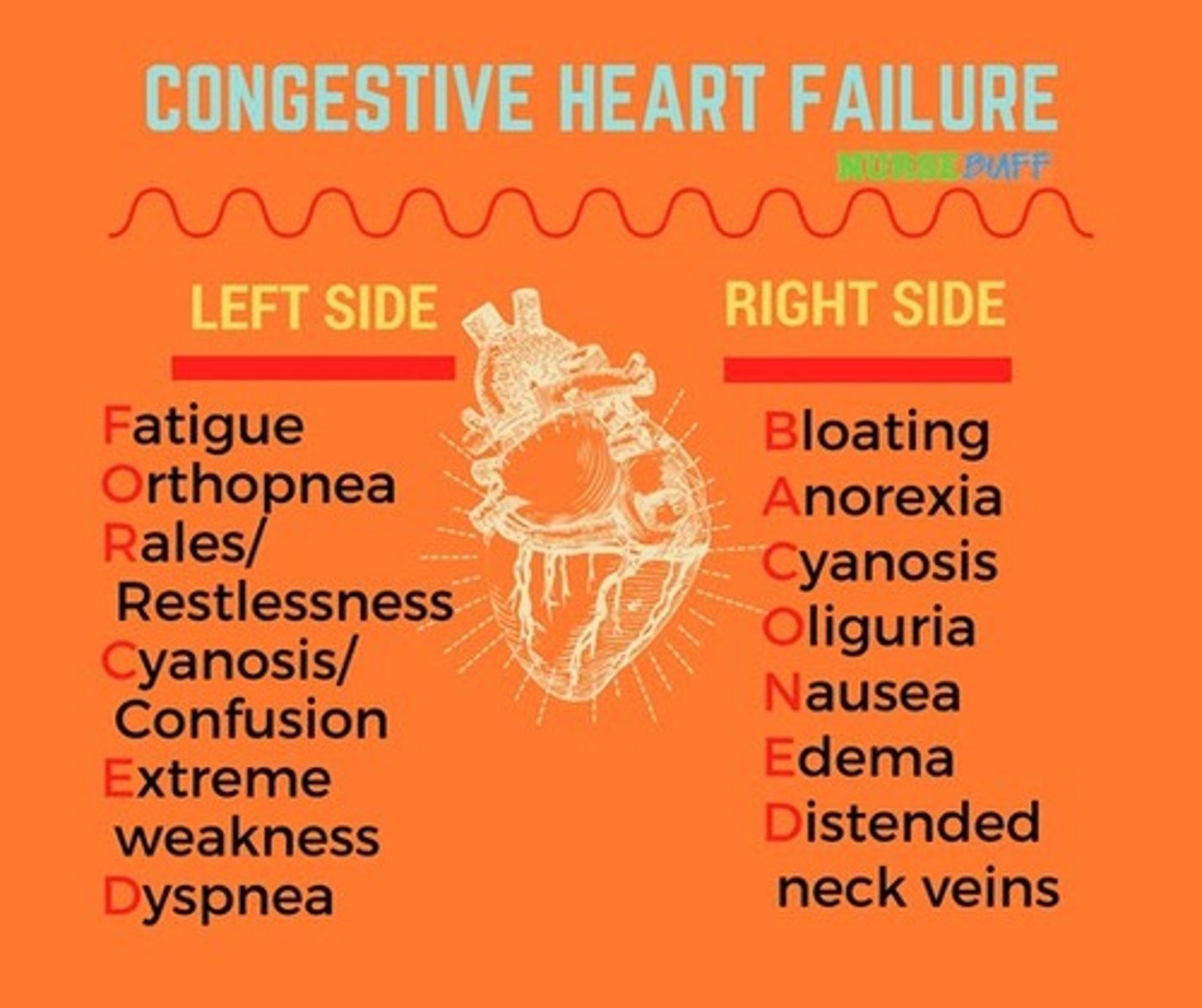
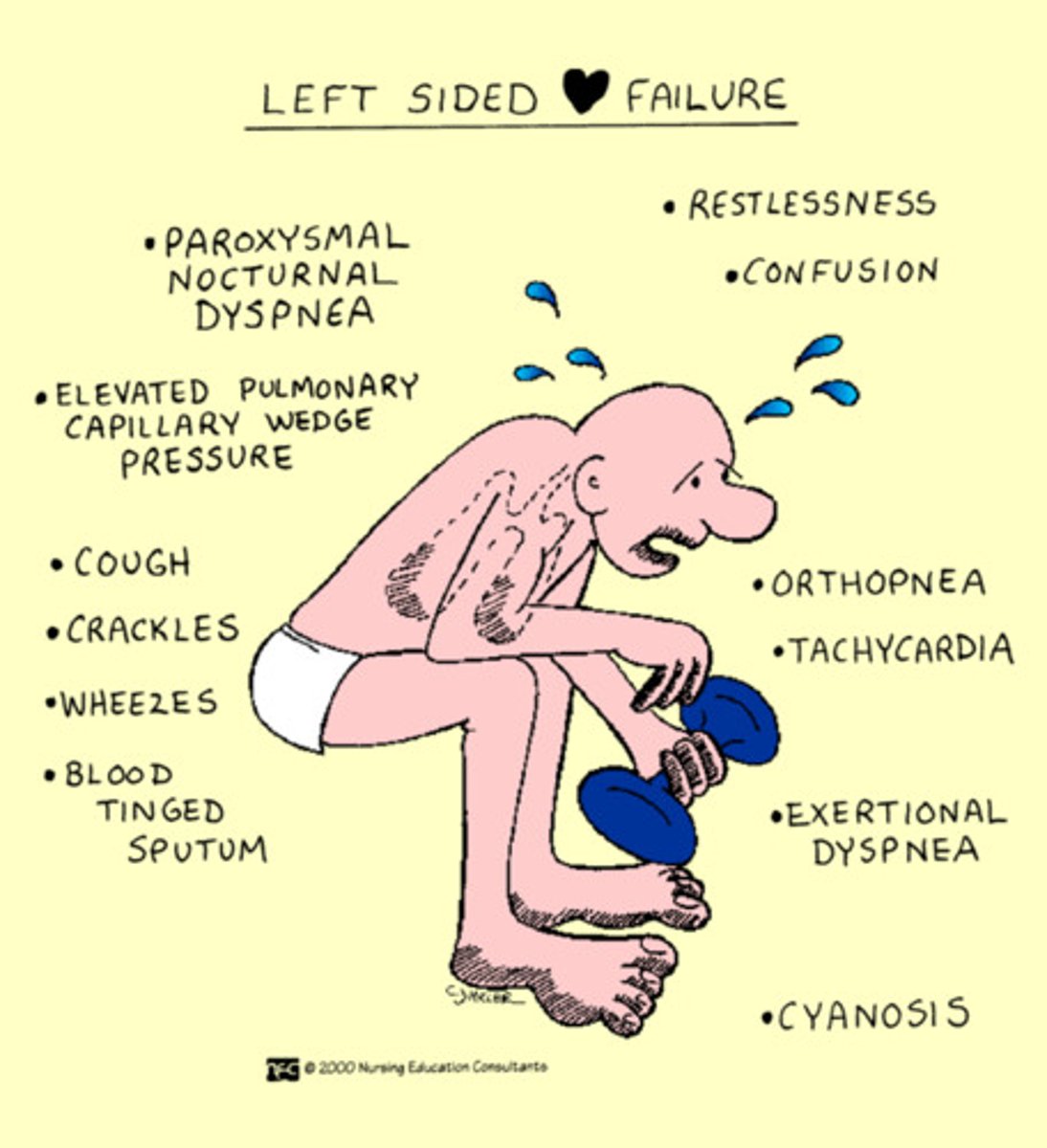
Left Sided Heart Failure: More pulmonary symptoms
Fatigue, Confusion, Dizziness, Sob, Oliguria, Crackles, Pulmonary congestion, Pink frothy sputum
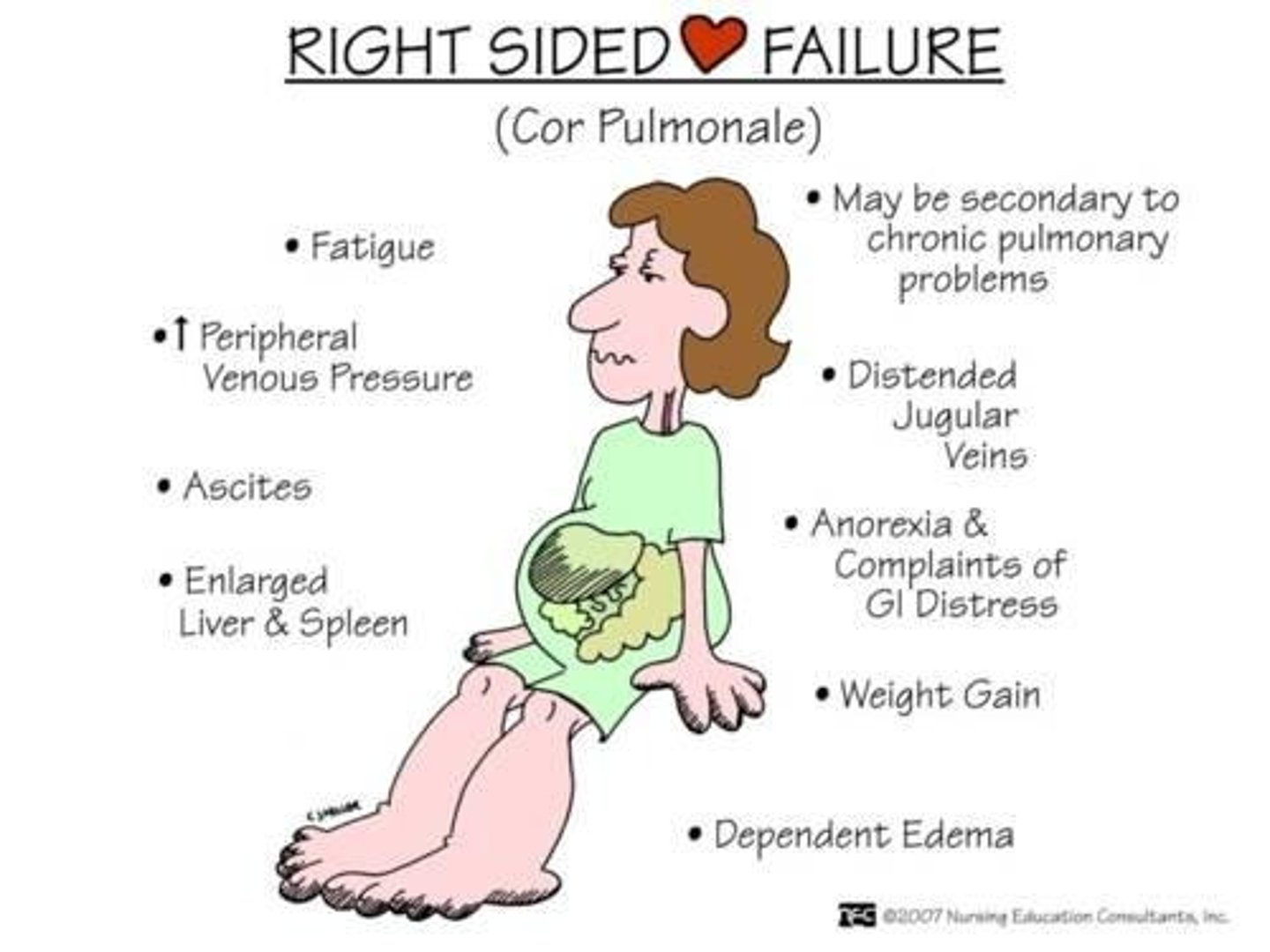
Right Sided Heart Failure
More fluid overload symptoms , Jugular venous distention (JVD), Hepatomegaly, Ascites, Edema , Weight gain, Polyuria
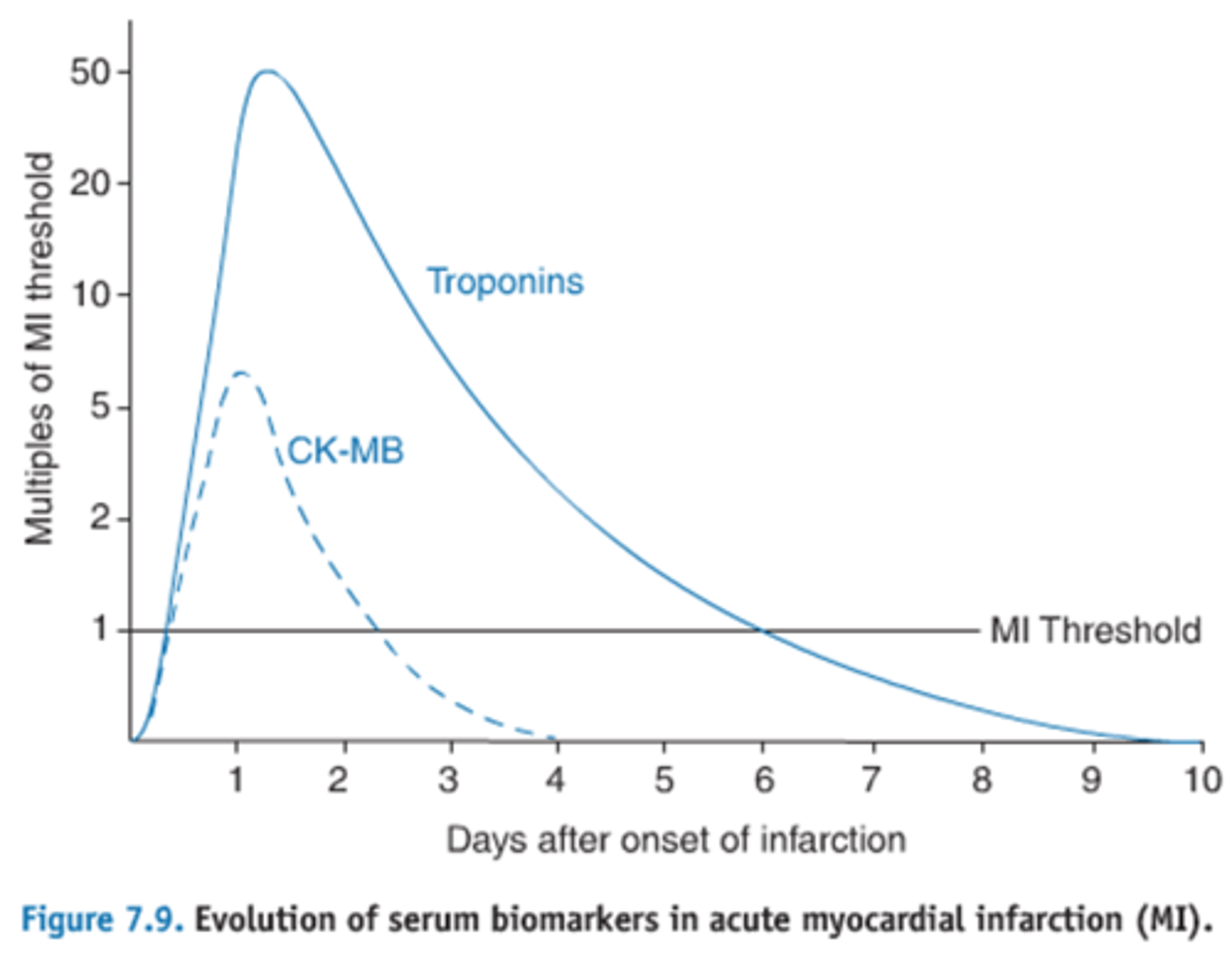
Troponin
found in myocardium, gold standard, Protein released into the bloodstream when the heart muscle is damaged, Trustworthy for detecting an MI and can stay elevated for 2 weeks, can be detected within hours
MCAS-mcg->mg
divide by 1000
Myocardial Infarction- Intervention
MONA (morphine, o2, nitrates and aspirin), Clopidogrel, Thrombolytics, Antihypertensive agents, Statins
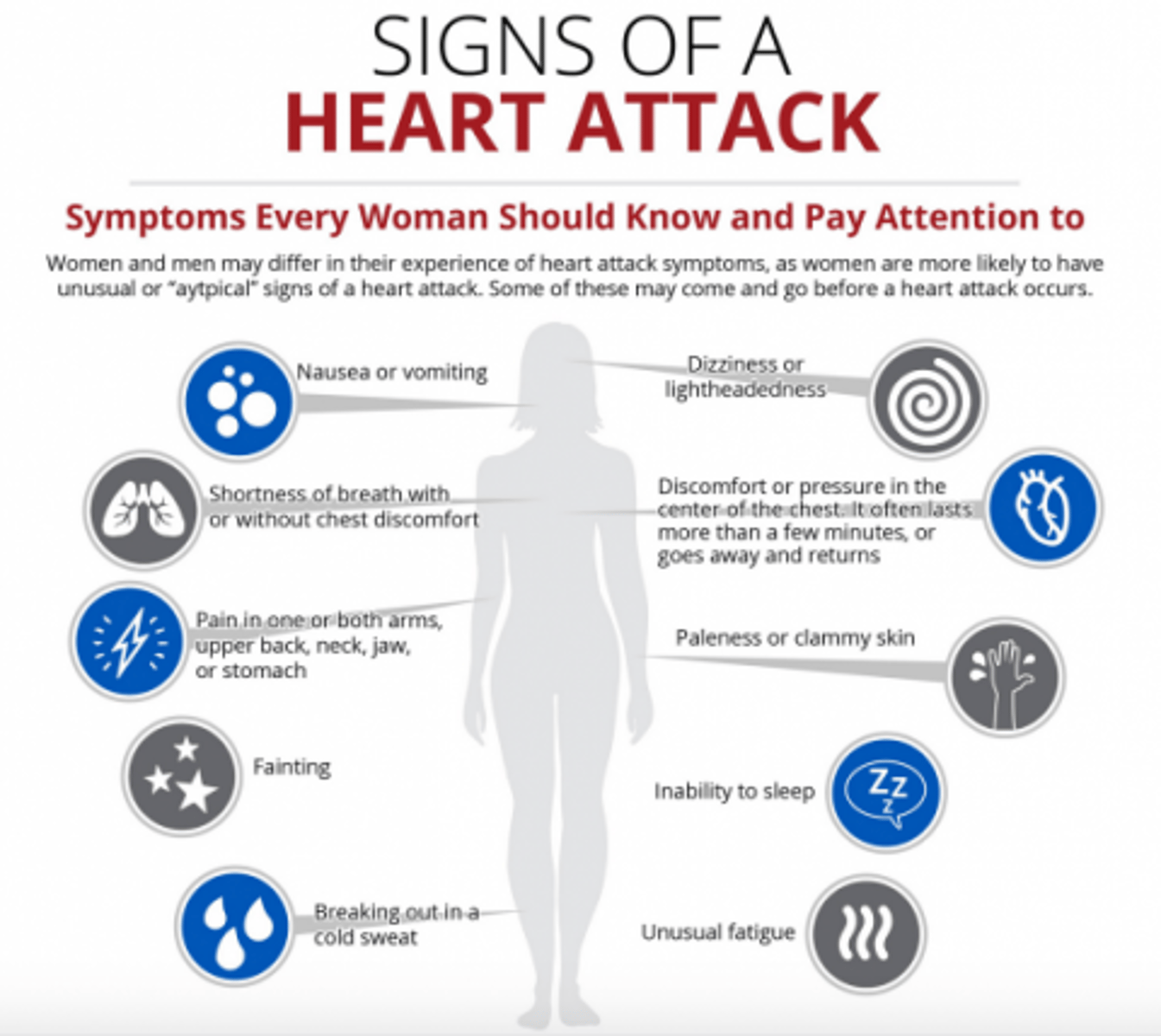
Myocardial Infarction- Manifestations
-SOB
Tightness in chest
Diaphoresis
Dizziness
N/V
Fatigue
Pain radiating from jaw, shoulder, and back
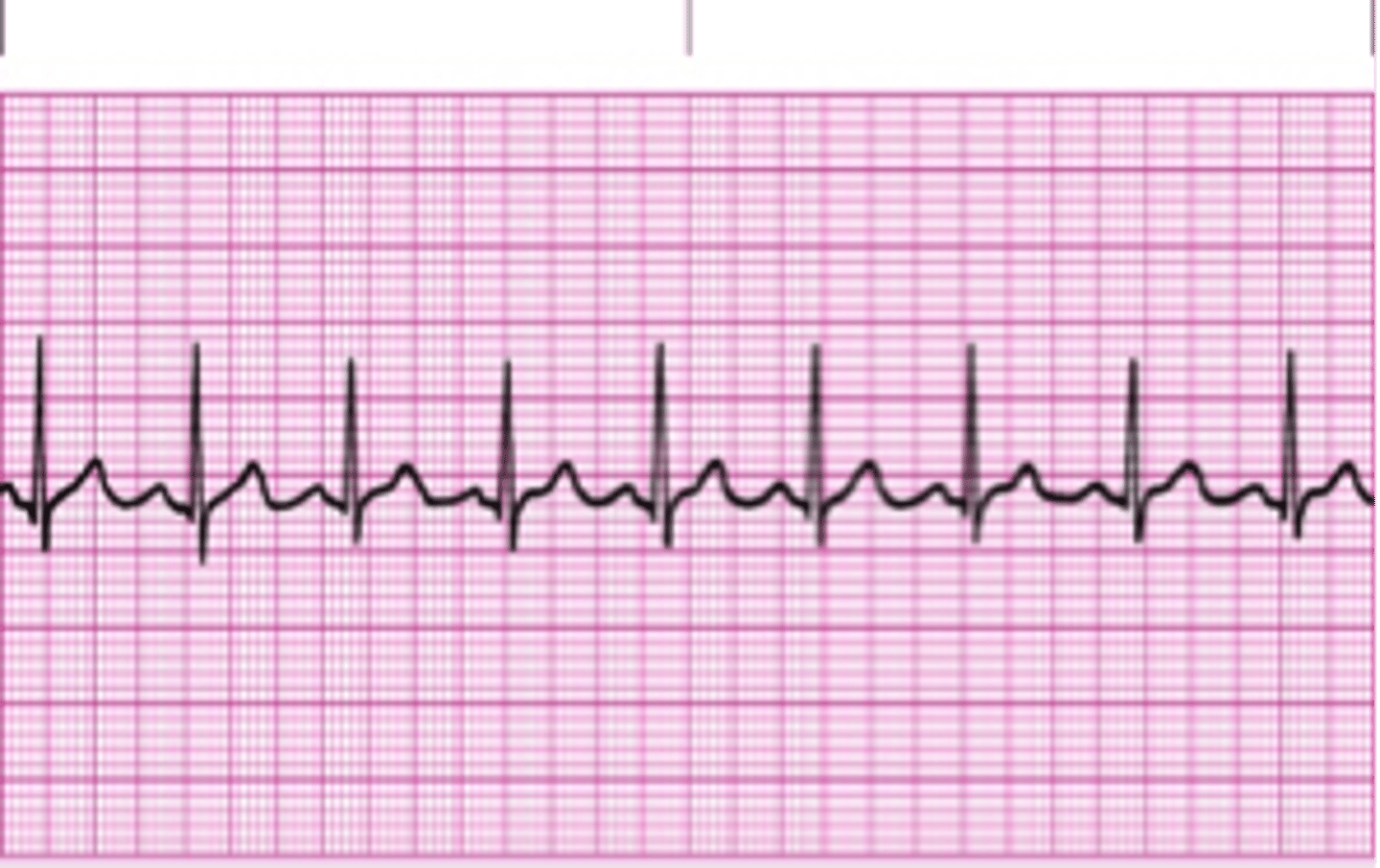
Normal Sinus Rhythm
What we want normal heart beat
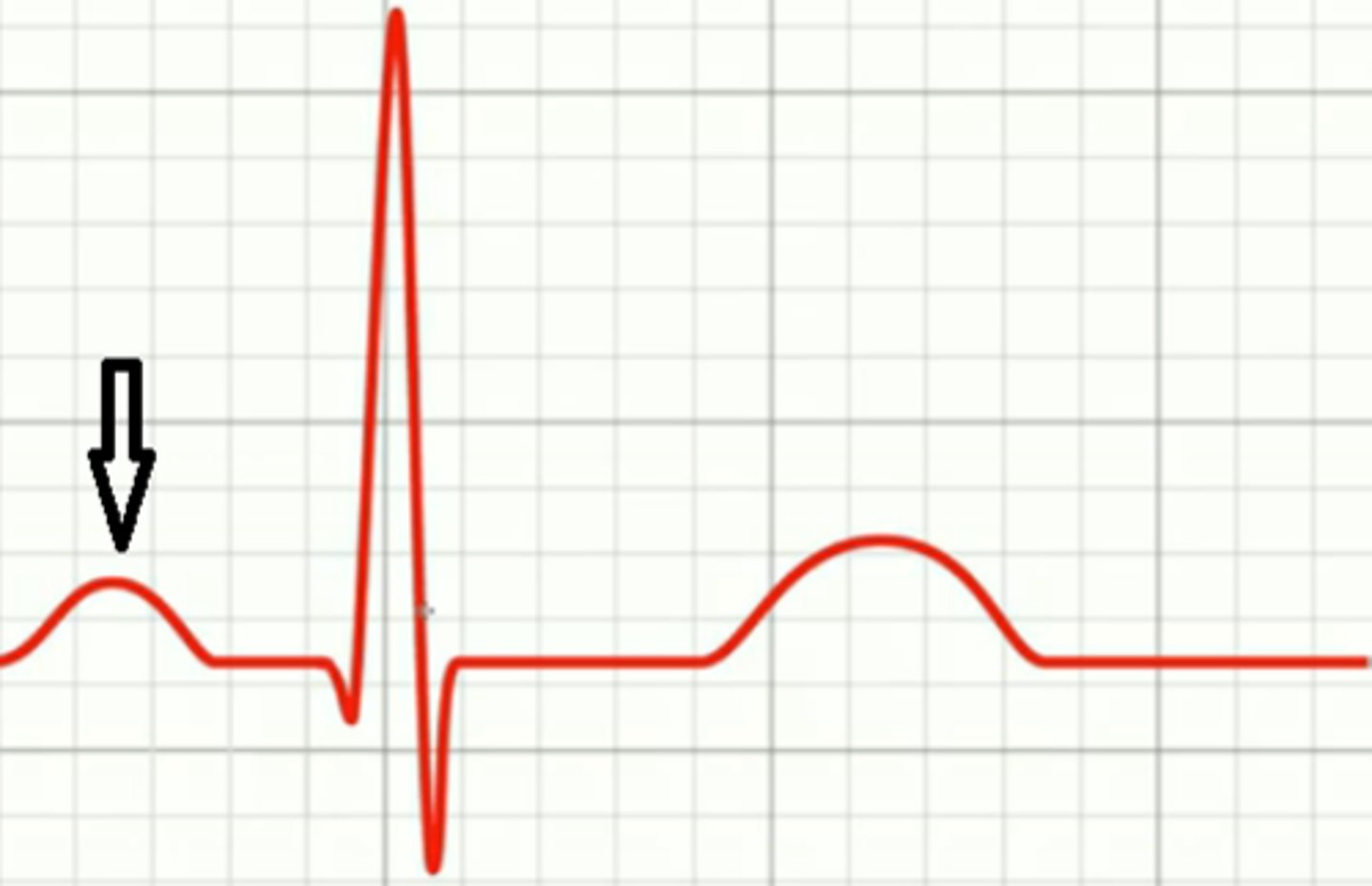
P wave
Atrial Depolarization/ Contraction
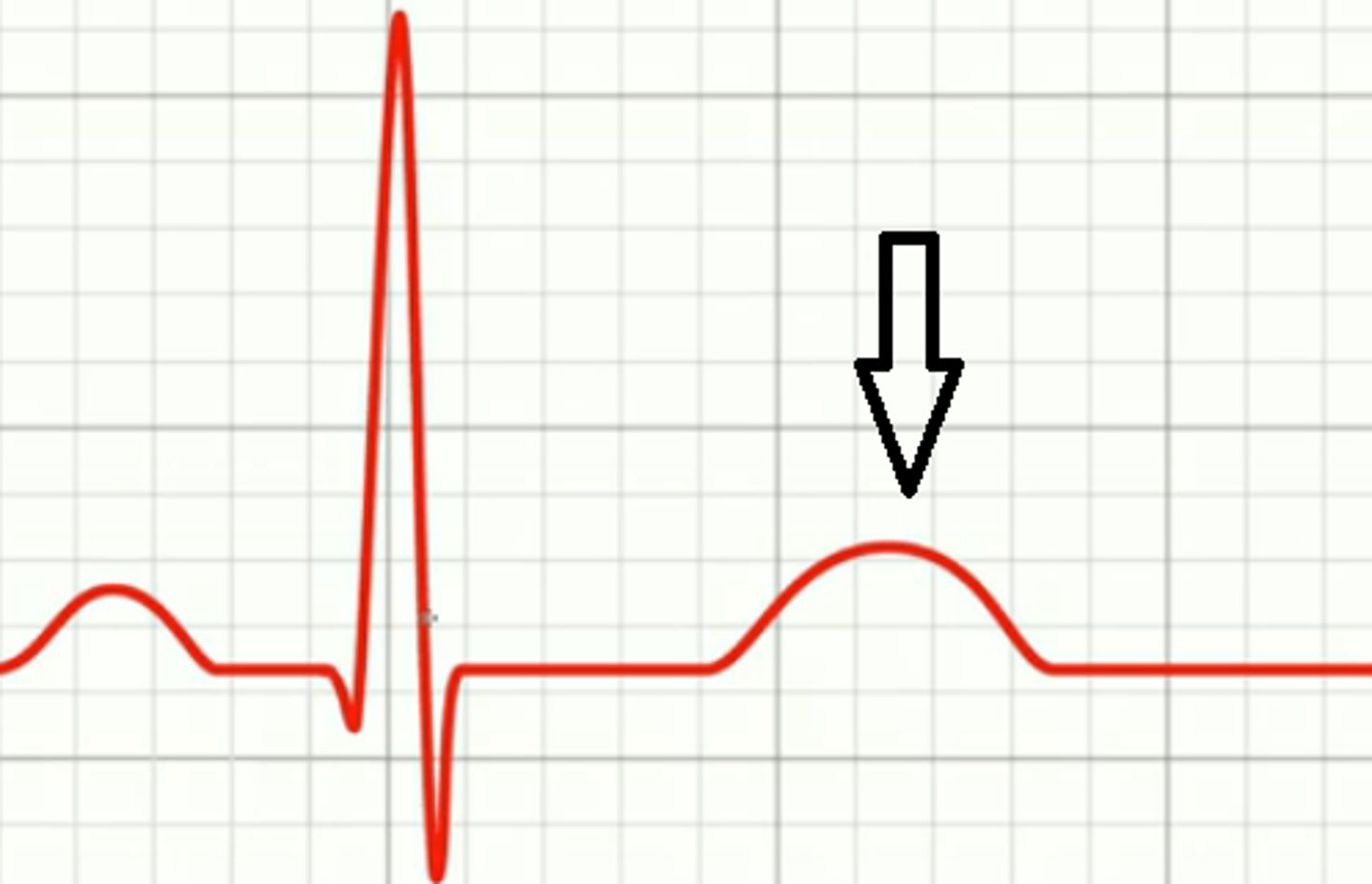
T wave
Ventricular Repolarization/ Relaxing
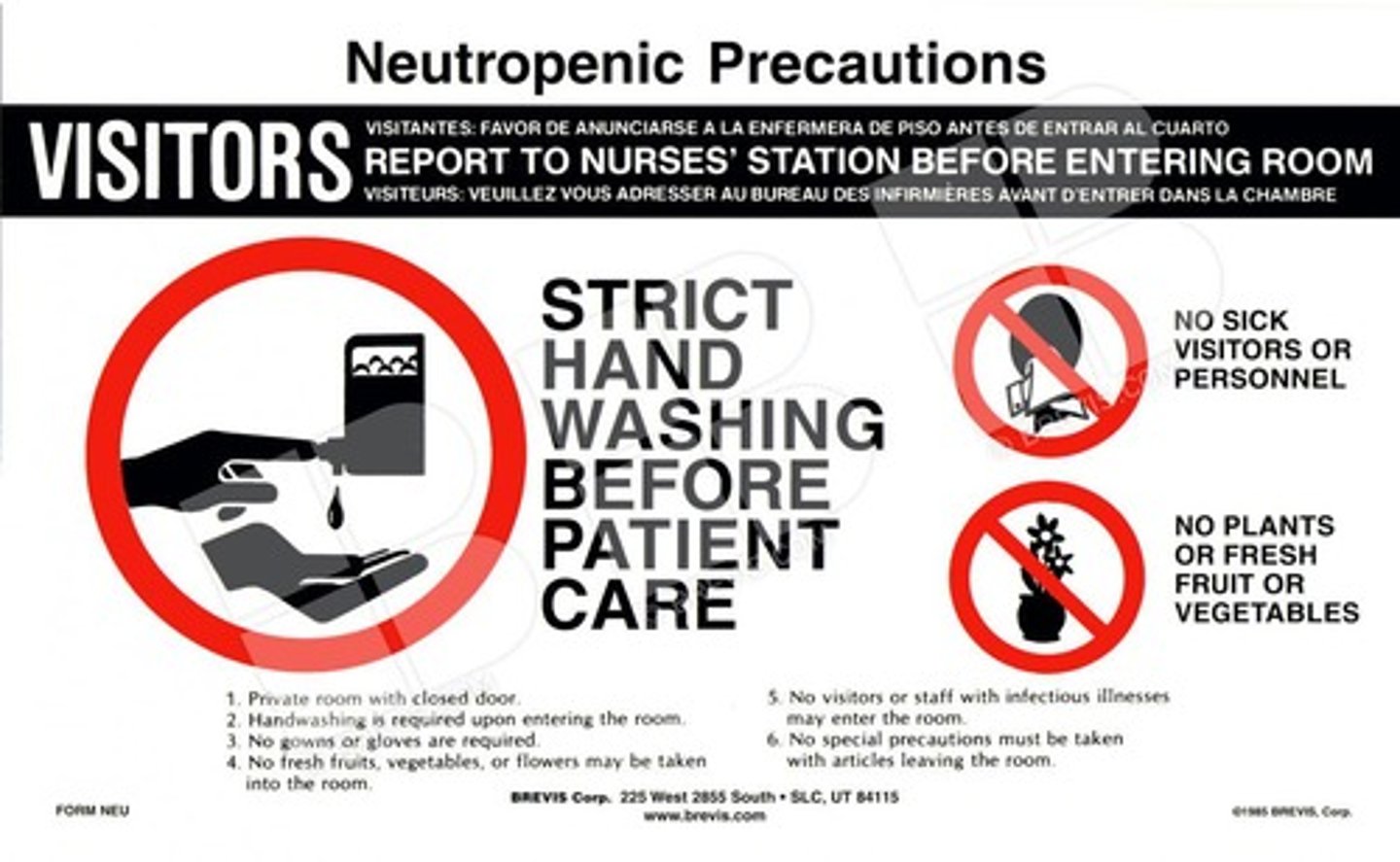
Neutropenic Precaution
Indication: ANC < 1,000
Precautions: hand hygiene, private room (limit visitors), no fresh flowers or plants, daily hygiene and oral care, no raw/undercooked foods, patient wears a mask outside of room
Report S/S of infection → this patient is severely immunocompromised
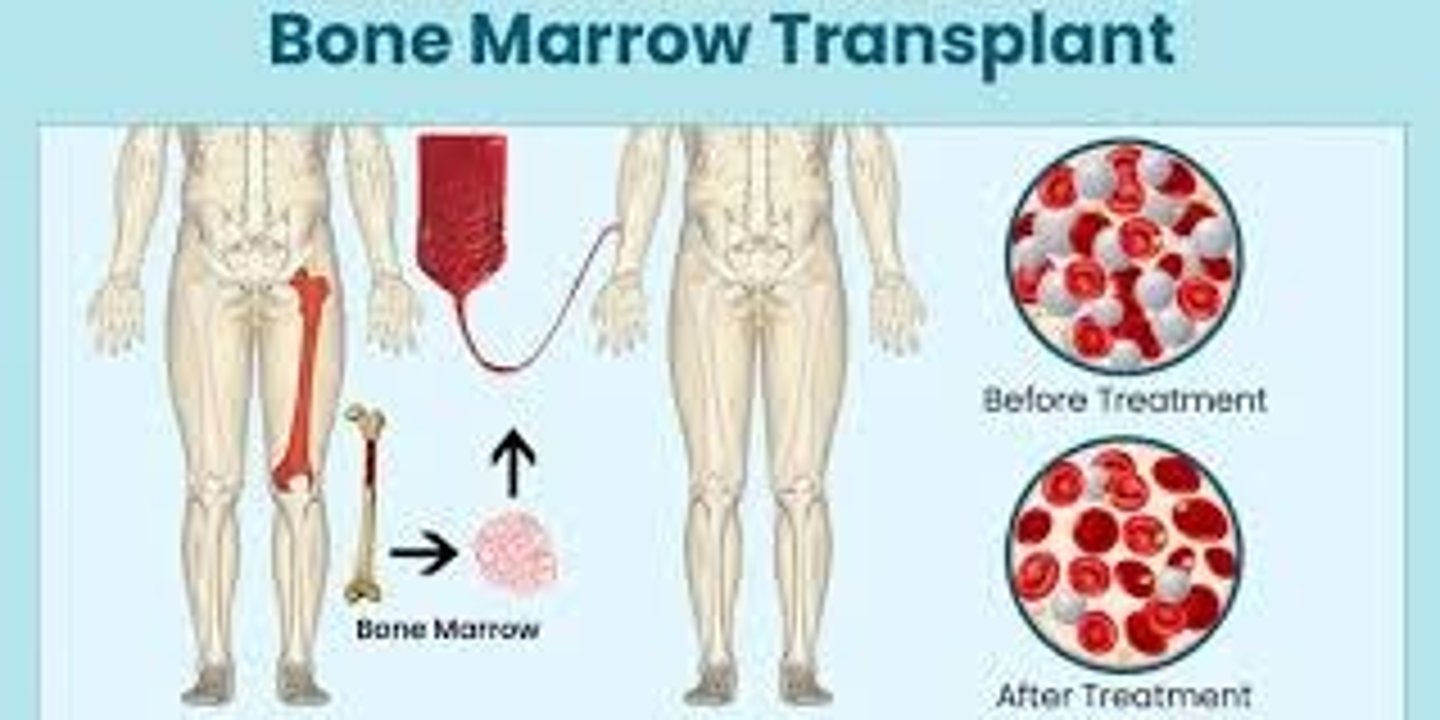
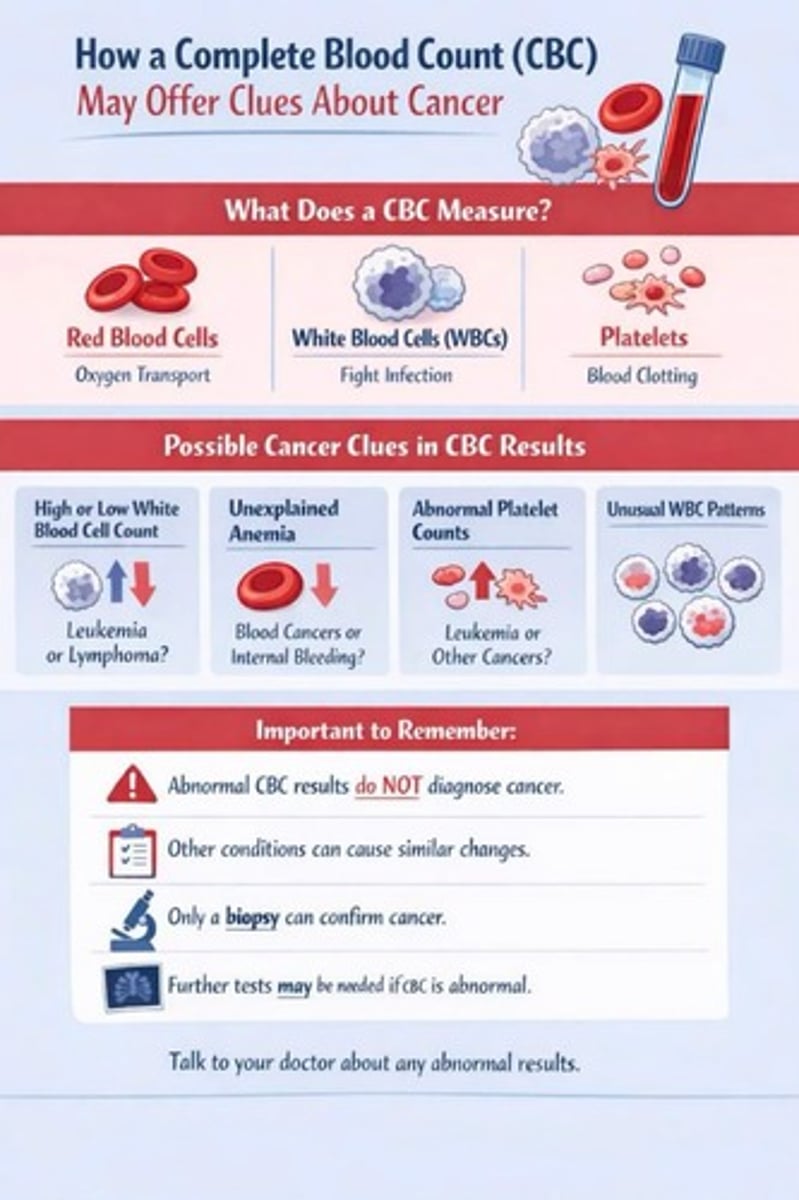
Cancer-CBC (Bone Marrow Suppression)
see this effect on a CBC 7 - 10 days after treatment
Cancer-CBC (RBC)
overall production is decreased causing anemia (usually 3 to 4 months after therapy starts) → monitor HCT and HGB → EPO may be prescribed, patient will be fatigued
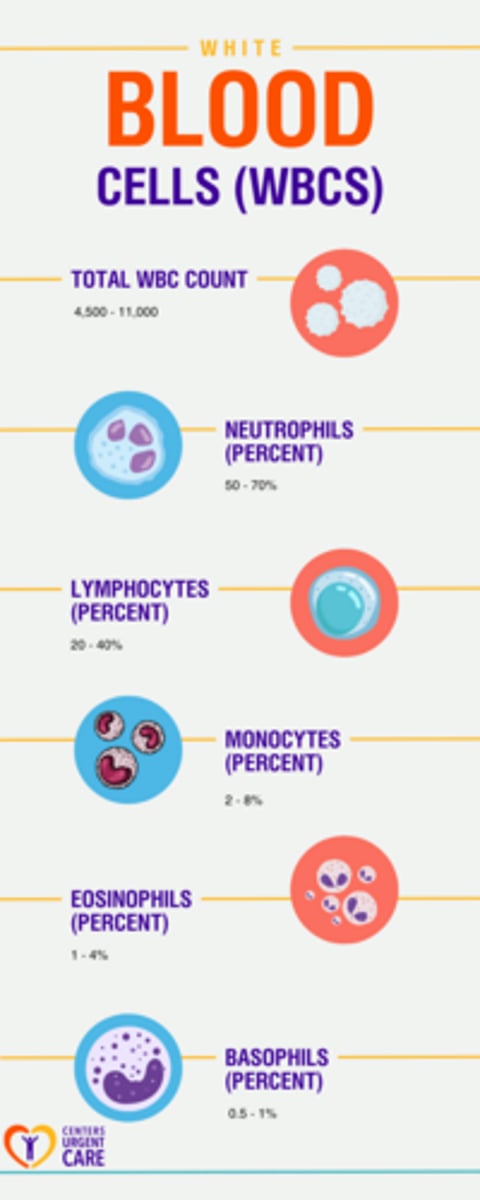
Cancer-CBC (WBC)
decreased, specifically neutrophils causing neutropenia → ANC < 1,000, severe is <500
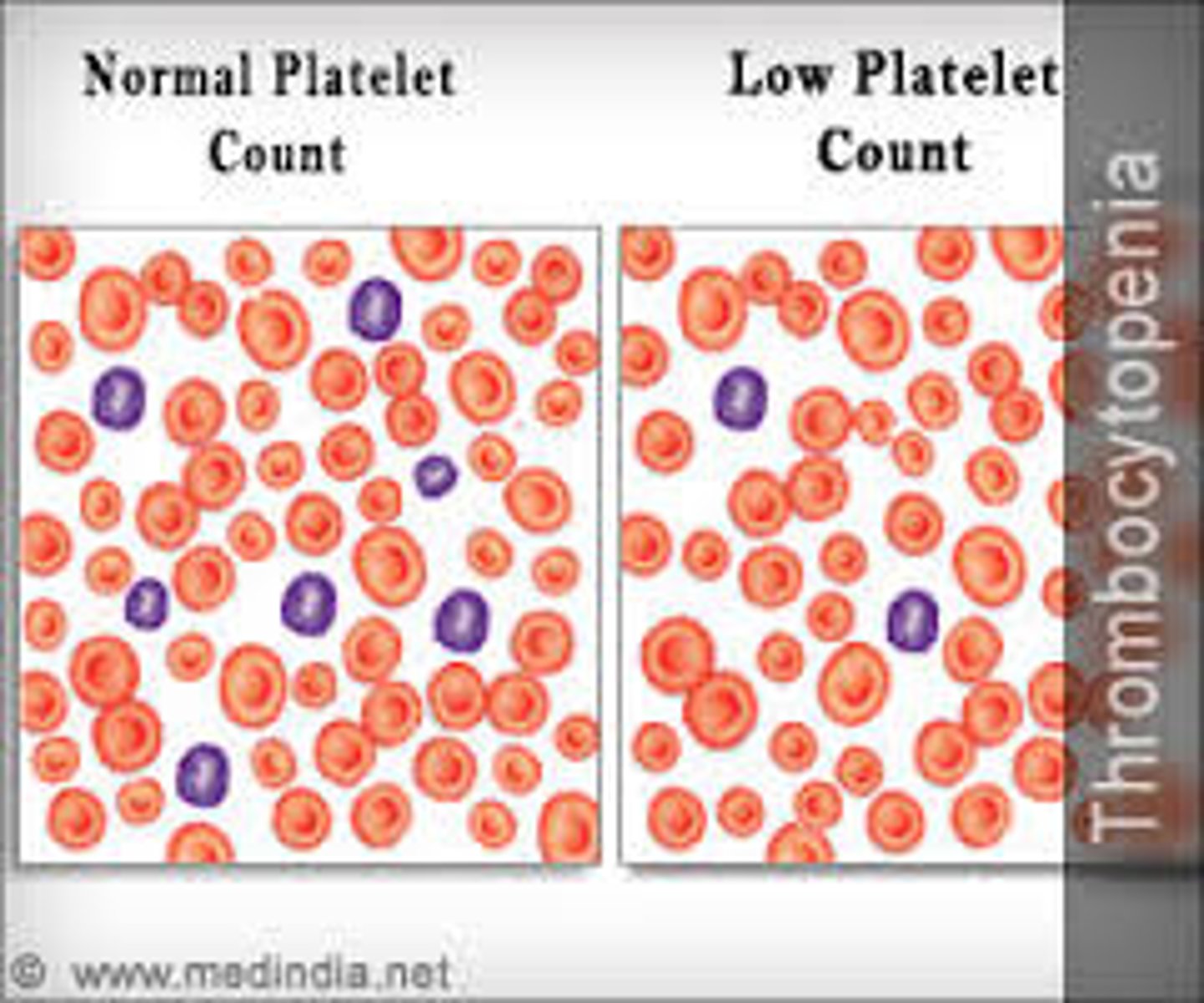
Cancer-CBC (Platelets)
less than 20,000 (normal is 150,000 - 450,000) is very severe, risk for bleeding due to thrombocytopenia
→ Expected due to bone marrow suppression
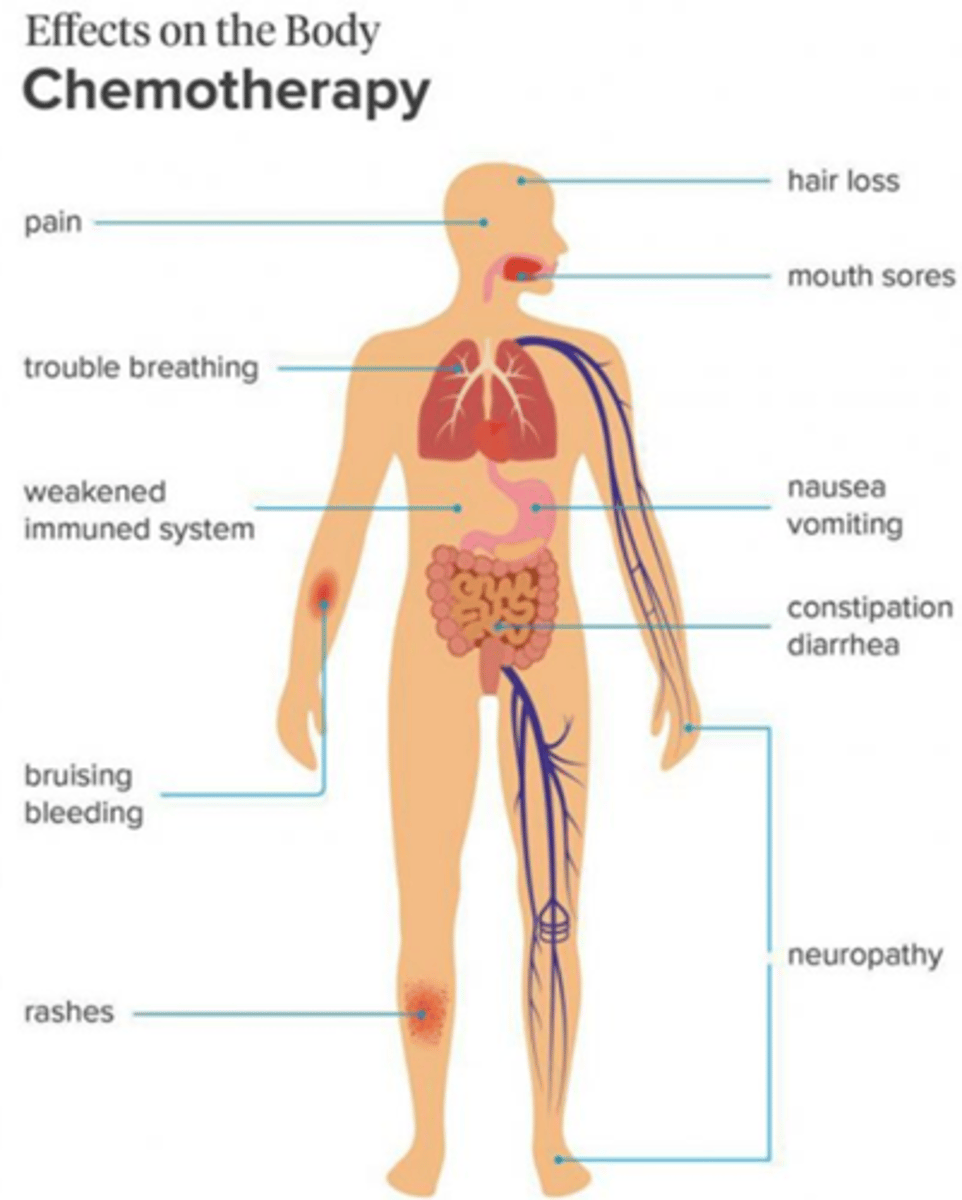
Chemotherapy- Adverse Effects
Myelosuppression (bone marrow suppression)
Gastrointestinal effects
Nausea, vomiting
Mouth sores
Diarrhea or constipation, ↓ appetite
Alopecia & skin changes
Hair loss, dry skin, nail changes
Infection risk
Fever ≥100.4°F is an emergency
Fatigue
Very common, often related to anemia
Organ toxicities (drug-specific)
Neurologic effects
Peripheral neuropathy (tingling, numbness)
Brain fog/ "chemo brain"
Reproductive effects
Infertility, menstrual changes
Palliative Care-Purpose
relieving symptoms of a disease with treatments not intended to cure the disease itself
-intended to make the patient feel better
-Purpose: relief and increase quality of life
NOT to cure
3Ps
,Polydipsia: thirsty, Polyphagia: hungry, Polyuria: lots of urine output