AP art history unit 1
 Call Kai
 Learn
 Practice Test
 Spaced Repetition
 Match
 Flashcards
 Knowt Play
1/38

Earn XP
Description and Tags
Dates not included
39 Terms
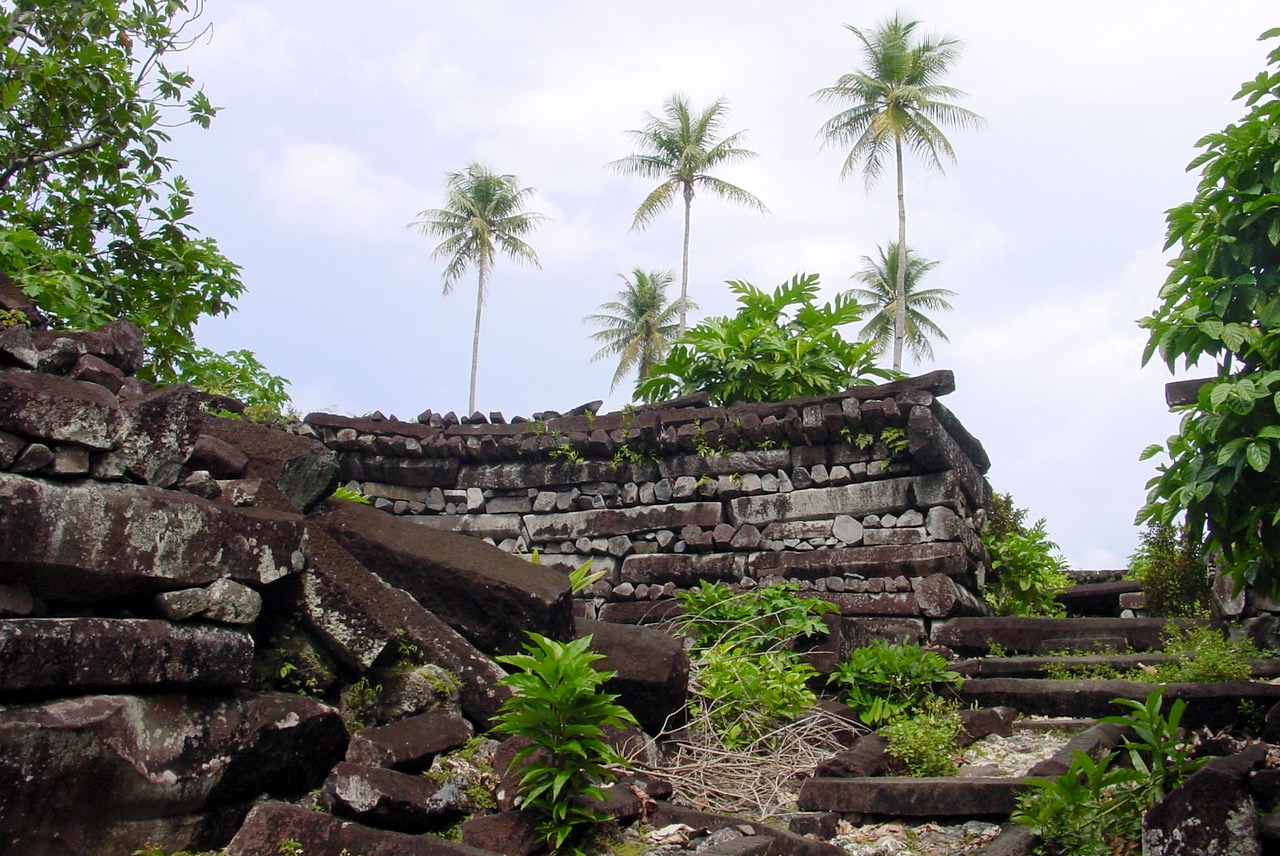
Nan Madol, Pohnpei, Basalt, political and religious center.

Moai on platform, Rapa Nui (Easter Island), volcanic tuff, representing the ancestors who first came to the island - they look over the island.

Ahu ‘ula, Hawaii, feather & fibers, ceremonial cape worn by chiefs and nobility - Yellow was more rare.

Staff God, Rarotonga, wood - tapa - fiber, supposed to fertilize the soil
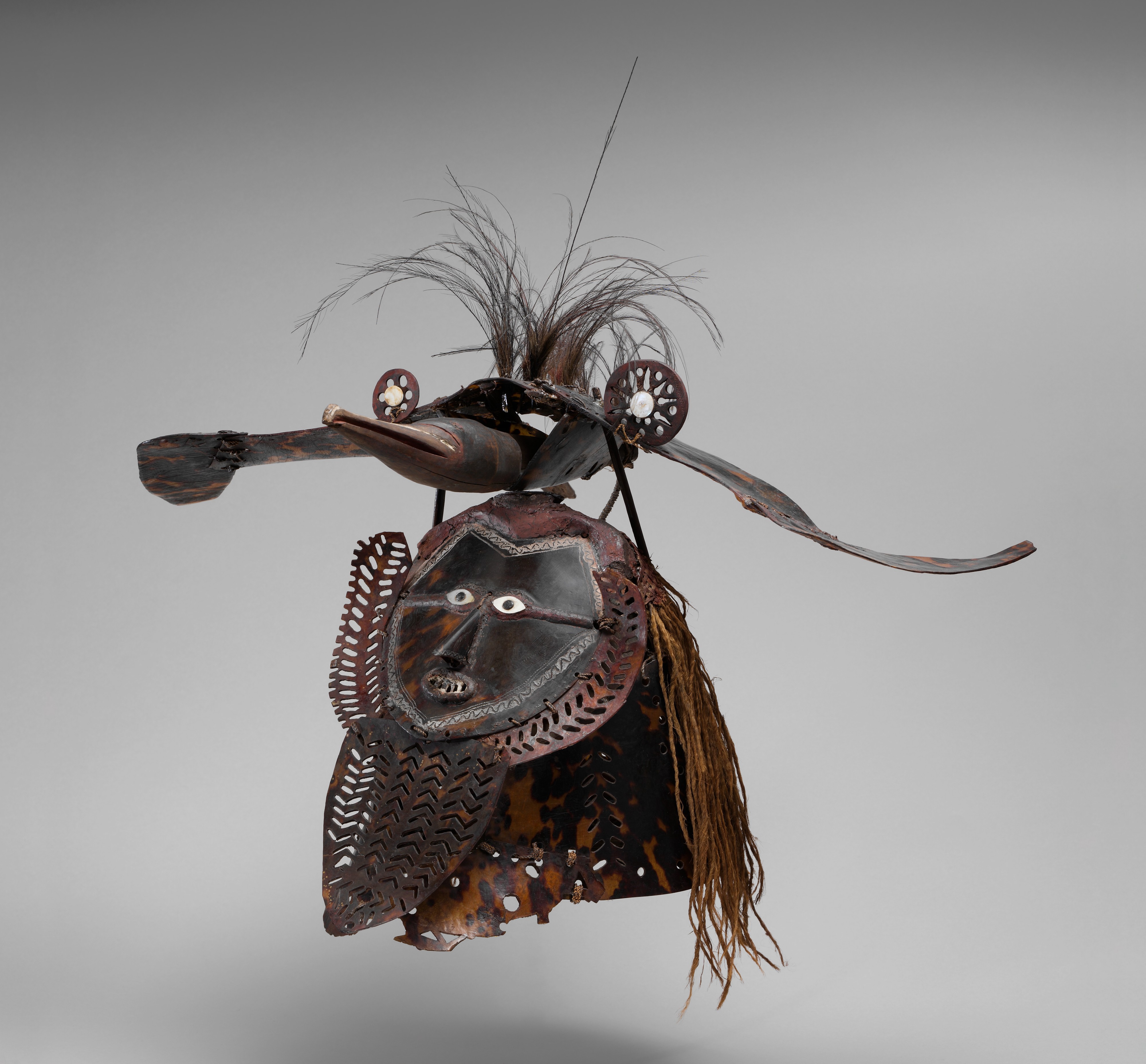
Buk Mask, Torres Straight, turtle shell & wood, supposed to represent mythical heroes at ceremonies

Hiapo, Niue, Bark Cloth, Wedding presents used to decorate houses.

Malagan Mask, New Ireland, wood & pigment, used at funerals to honor the dead - left to decay in woods after

Navigation Chart, Marshal Islands, wood & fiber, used to mimic the wave currents because of low islands

Mesa Verde cliffs, Anastasi , Sandstone, used as housing to protect from weather

Chavin de Huantar, Chavin, stone & granite, used as a religious + ceremonial site.

Yaxchilan, Maya, limestone, served as a ceremonial center, lintel above was for elites to see why Jaguar was king (his divine right through his wife)


Bandolier Bag, Delaware, beads & leather, used for chiefs to show their power and status - made by women, worn by men

Transformation Mask, Wakwaka’wak, wood + string, imitation ceremony - performed at potlatches - cannibal → human

Painted elk hide, Shoshone, elk hide, originally used to record things but then were made for European tourists even though incredibly outdated.

Black on Black Vessel, Puebloan, Blackware, take on traditional Puebloan art, minimalistic and tourists really liked that - Maria Martinez.

White temple ziggurat, Summerian, Mudbrick, used as a religious center.

Votive figures, Sumerian, Gypsum & limestone, used to model people so they could constantly pray to appease the Gods.

Standard of Ur, Sumerian, Lapis Lazuli, peace and war side- maybe a music box but was originally thought to be a standard.
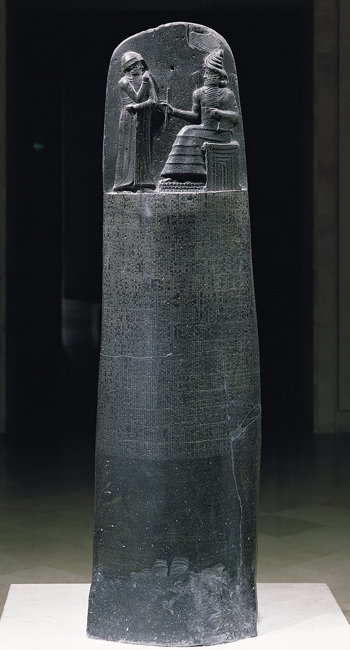
Stele code of Hammurabi, Babylonian, basalt, used to show that the laws were God given, not random.

Lamassu, Assyrian, Alabaster, used to guard palaces from evil.

Apadana of Persepolis, Persian, limestone, used as an audience hall - showed unification of the different cultures.

Palette of King Narmer, Greywacke, used to show the unification of Upper and Lower Egypt - also palette for actual ceremonial makeup.

Giza Pyramid Complex, limestone, was a royal tomb to protect the deceased as they passed on to the next life.

Menkaure and Queen, greywacke, Ka statue - found in Mastaba tombs
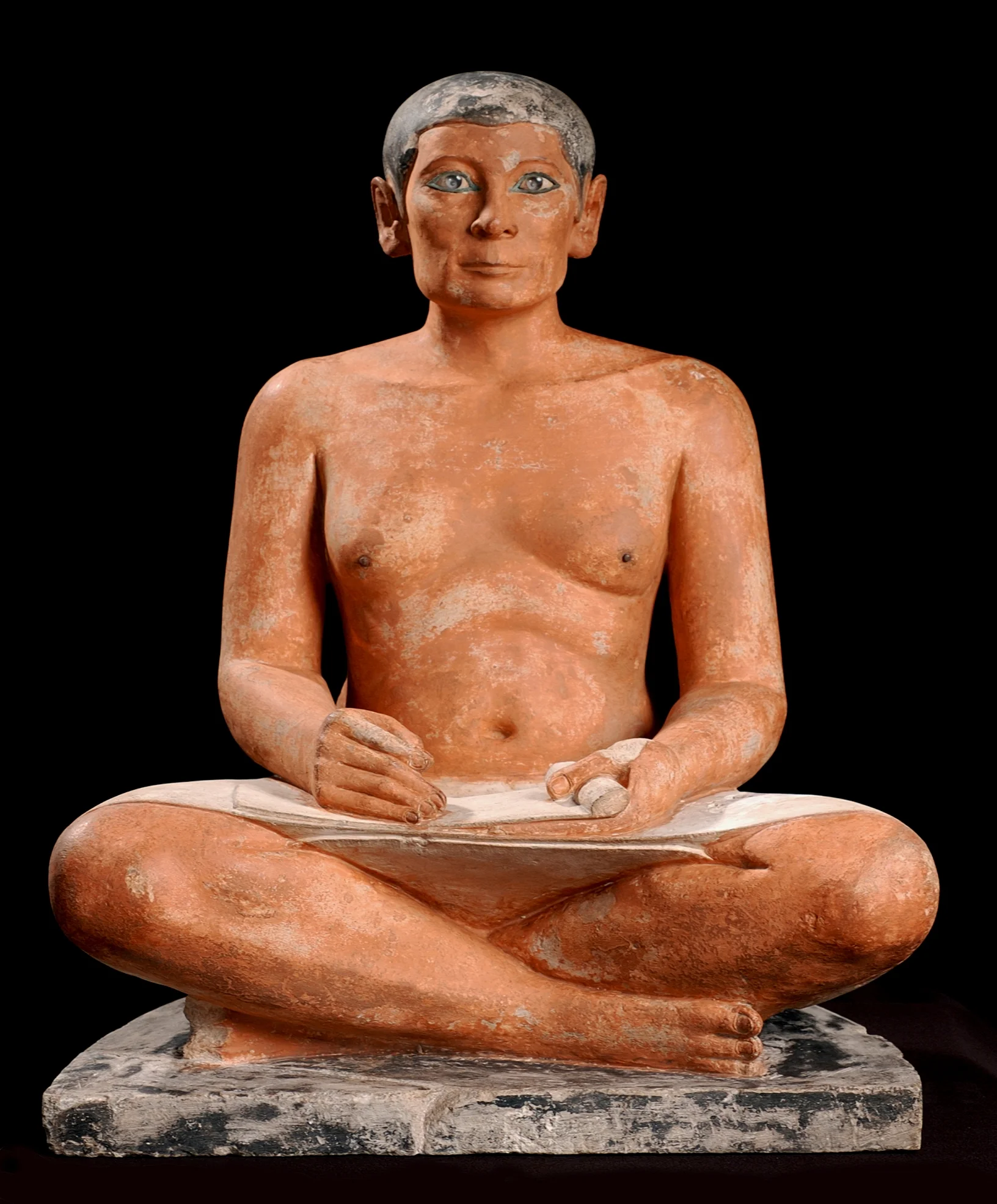
Seated Scribe, limestone, served as a Ka statue.

Temple of Hatshepsut, sandstone + granite, Mortuary temple - showing her divine right to be on the throne

Temple of Amen-Re, sandstone & mud brick, religious center of big dog God (both Gods of Sun from upper and lower Egypt)

Akhenaton and Family, limestone, was to promote the god Aheton

Coffin of Tutankhamen, gold & semi-precious stone, showed how important he was

Last Judgment of Hu-Nefer, papyrus, acted as a safeguard for navigating the afterlife.

Great Zimbabwe, Shona people, granite, was a capital building

Nkisi n’kondi, Kongo, wood & metal, used to house spiritual medicine - priests had to bless it and was an oath holder.

Reliquary Statue (Byeri), Fang people, wood, used to ward off physical and spiritual evil.

Pwo mask, Chokwe, wood + fiber, used to honor ancestors - masks of women but danced by men.
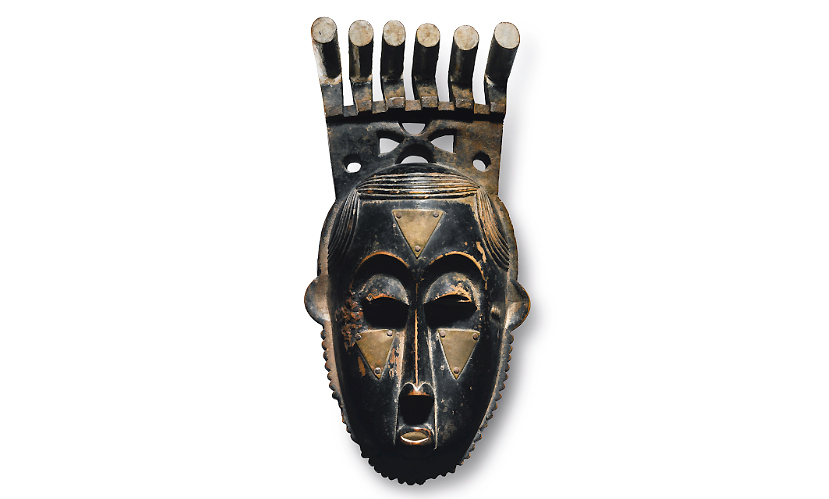
Mlbo mask, Baule, wood + pigment, used for entertainment purposes - supposed to represent specific people in the community.

Sowei Helmet mask (Bundu mask), Sowei - Sierra leone, wood + fiber, used as an initiation mask for boys and girls - destroyed after.

Ikenga Figure, Igbo, wood, helps harness power - you make offerings if you want something - if it doesn’t work chop it up.

Aka elephant mask, Bamileke, wood + cloth + beads, shows political power + worn by elites part of a secret society - shows was of trade and import