Glucogenesis/lysis, gluconeogenesis, cori cycle
 Call Kai
 Learn
 Practice Test
 Spaced Repetition
 Match
 Flashcards
 Knowt Play
1/31

There's no tags or description
Looks like no tags are added yet.
32 Terms
What is glycogenesis?
a process that converts excess glucose into glycogen in the liver and muscles
What is glycogen synthase stimulated by?
insulin
what is phosphorylase stimulated by?
glucagon (liver) and epinephrine (muscle)
What happens during glycogenesis?
After a meal, the pancreas releases insulin, which converts excess glucose to glycogen. Glucose molecules are added to the glycogenin chain by an a-1,4 bond, making the chain grow. When a growing chain reaches at least 11 glucose molecules, an enzyme transfers part of the chain to an a-1,6 bond
Key enzyme in glycogenesis
Glycogen synthase. Regulated by covalent modification (insulin)
Major storage sites of glycogen
Liver (100g)
Muscle (500g)
Galactose-1-phosphate uridyltransferase (GALT)
an enzyme catalyzing the second step of converting galactose to glucose. Deficiency of GALT causes galactosemia
Branching in glycogenesis
After a long chain of glucose molecules is produced (with a-1,4 bonds), branching enzymes add a glucose chain, about 7 units, to the growing chain, creating a-1,6 glycosidic bonds
What is glycogenolysis
A process to break down glycogen into individual glucose molecules in liver and muscle
What happens in glycogenolysis?
Either in fasting or exercising, glucagon or epinephrine is released and the terminal glucose from glycogen is hydrolyzed as glucose-1-phosphate by phosphorylase. G1P is rearranged to G6P by PG mutase.
How does glycogenolysis continue in the liver?
G6P converts to glucose by G6 phosphatase
How does glycogenolysis continue in the muslces?
G6P enters glycolysis due to lack of G6 phosphatase. Debranching enzyme hydrolyzes a-1,6 bond in the process.
Describe liver glycogen
stimulated in fasting when BG decreases
glucagon is secreted and glycogen breaks down to glucose
glucose enters blood to raise BG to feed brain and RBC
Describe muscle glycogen
stimulated when exercising
Epinephrine is secreted
glycogen breaks down to glucose
glucose is used to fuel exercising muscle
muscle does not have enzyme to turn G6P to glucose, so it flows to glycolysis
Gluconeogenesis
synthesis of glucose from non-CHO precursors to maintain blood glucose level in prolonged fasting or exercise

Non-CHO precursors used in gluconeogenesis
lactate from muscle (cori cycle)
amino acids from muscle protein (except leucine and lycine)
glycerol from lypolysis
Lactate in gluconeogenesis
Produced with vigorous muscle exercise when oxygen is limited. It goes out to the blood and converts to pyruvate, entering gluconeogenesis in the liver. Regenerated glucose enters into blood and then to muscle (cori cycle)
Amino acids in gluconeogenesis
After deamination, carbon skeletons form pyruvate or TCA cycle intermediates, entering gluconeogenesis
Glycerol in gluconeogenesis
Released in adipocytes as a result of fat hydrolysis. Glycerokinase phosphorylates glycerol to glycerol-3-P which then converts to DHAP, entering gluconeogenesis
Gluconeogenesis is a unique pathway to the _______
liver. it does not happen in the muscle because of the lack of G6 phosphatase
Pyruvate carboxylase
reduces pyruvate to oxaloacetate and oxidizes ATP to ADP. requires biotin as a coenzyme
enzymes in step 1 of glycolysis
glycolytic: glucokinasen
gluconeogenic: G6 phosphatase
enzymes in step 3 of glycolysis
glycolytic: phosphorylase
gluconeogenic: fructose-1,6-biphosphotase
Enzymes in step 10 of glycolysis
glycolytic: pyruvate kinase
gluconeogenic: pyruvate carboxylase and PEP carboxylase
Importance of gluconeogenesis
after several hours of starvation, gluconeogenesis and glycogenolysis contribute equally to blood glucose
after 22 hours, 64% of glucose comes from gluconeogenesis
after 42 hours, up to 80% of glucose from gluconeogenesis
How much of the glucose produced by the liver is used by the brain?
70%
Hexose monophosphate shunt
Pathway produces NADPH and Ribose 5-P that will be used in other biological reactions

Location of hexose monophosphate shunt
cytosol
Where is NADPH used?
Used for FA synthesis and other biosynthetic pathways
What is ribose-5-phosphate used for?
serves as foundation for DNA and RNA synthesis
Key enzyme in hexose monophosphate shunt
transketolase
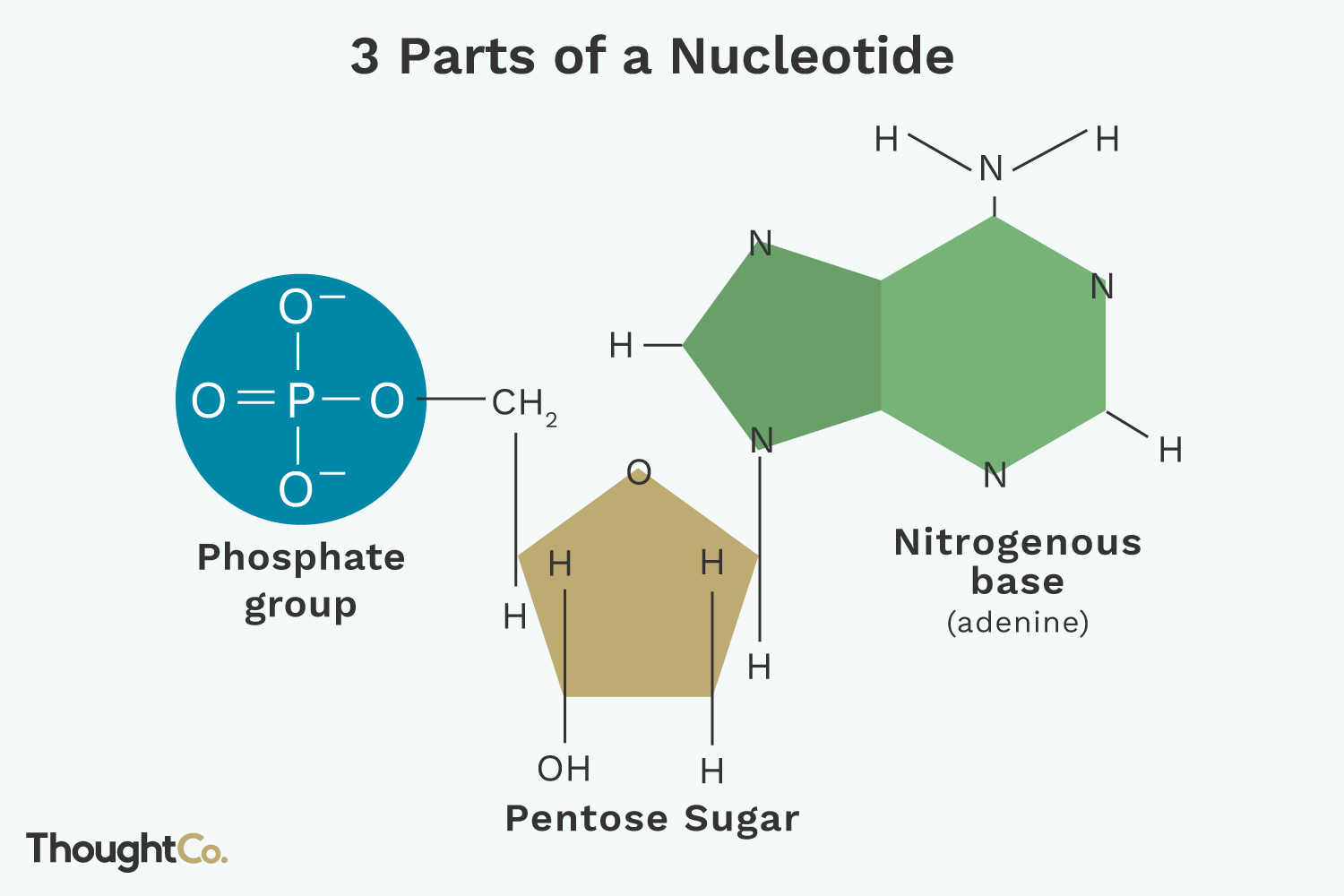
3 parts of a nucleotide
phosphate group, pentose sugar, nitrogenous base