Exam 1 - Urine
 Call Kai
 Learn
 Practice Test
 Spaced Repetition
 Match
 Flashcards
 Knowt Play
1/127

There's no tags or description
Looks like no tags are added yet.
128 Terms
DDx for modic changes
infection
Pathological fx
decreased anterior AND posterior body height + likely multiple levels
3 DDx for an ivory vertebra
blastic mets, pagets, lymphoma
Modic types
1 (low, high) - inflammation/bone marrow edema
2 (high, high) - fatty infiltrate
3 (low, low) - sclerosis

Is this a modic type 1?
NO! there is still fluid in the disc, it is spondylodiscitis

75 yo with no known trauma, you could call this a
insufficiency fx

What is the most significant dx
OPLL
What does the pt need relative to a DISH dx
fasting blood glucose or Hg A1c
What does a pt need if they have NRC compared to NRI
NRC = need MRI
NRI = can start chiro care (doesn’t need MRI yet)

End plate sclerosis (hemi-spherical sclerosis) associated with
DDD
Shiny corner sign is associated with what dx
AS
What does the pt need if they present with - S/S of pneumonia
chest film or CBC for infection
What does the pt need if they present with - burning urination and flank pain
UA/kidney analysis
What does the pt need if they present with - pain in RUQ of abdomen
liver function tests
What does the pt need if they present with - S/S anemia
CBC
What does the pt need if they present with - mid back pain w/polyuria + polydipsia
UA + FBS
All labs are governed by what
CLIA (clinical labratory improvement amendments)
Pt with a UTI may have subluxations in the
lumbar region
Pt with liver disease may have subluxations at
T5-9
S/S to order a UA
low back pain
painful urination (dysuria)
hematuria
suprapubic pain
urethral/vaginal discharge
frequent urination or inability to urinate
polydipsia (drink lots)
polyphagia (eat lots)
Urinalysis is the ______ clinical lab procedure (pisse-prophets/urine gazers)
oldest
Routine UA consists of what 3 parts
physical properties
chemical properties
microscopic properties
Functional unit of the kidney
nephron
Urine formation
95% water, 5% dissolved solids
avg daily volume = 1200-1500mL
normal range = 600-2000mL/day
The glomerular filatrate becomes urine after it leaves the
distal convoluted tubule
Polyuria
>2000mL in 24hrs
DM or DI
large fluid intake
dieuretics
Oliguria
<500mL in 24hrs
renal tubule dysfunction
end stage renal disease
edema
dehydration/diarrhea/vomiting
Anuria
absence of urine
renal failure, obstruction, MI
Polydipsia
excessive water intake
Best time to collect specimens for UA
early morning, midstream “clean catch” (when its most concentrated)
______ is the MC and most convenient sample (but not the best sample)
random sample
Normal urine color
straw to amber (light to dark yellow)
early morning is darker
Orange urine
dehydration from fever
vomiting
foods - rhubarb, vit C, carrots
Bright yellow urine
excessive B vitamins
Black urine
alkaptonuria or melanin problems
ochronosis (lack of homogenetic oxidase)
Colorless urine
DI
overhydration with low SpG
decreased pituitary ADH
Brownish yellow/green urine
liver problems (may see jaundice)
Milky urine
hyperlipidemia
Pink/red urine
blood in urine - hematuria
______ when held up to light is considered a normal character of urine
clear/transparent
Cloudy urine
pus, bacteria, RBCs, spermatozoa
Hazy urine
infection
Frothy urine
protein (white) or bilirubin (yellow)
Milky could be described as such within what two characteristics of urine
color + turbidity
What evaluates the kidneys ability to concentrate the urine
specific gravity
Normal range of SpG
1.015-1.035
Hypersthenuria (concentrated urine)
high SpG
dehydration, HF, proteinuria
Isothenuria (several readings at this #)
fixed SpG at 1.010
Hypostheuria (dilute urine)
low SpG
overhydration, glomerulonephritis, pyleonephritis
Urinometer/refractometer
physical characteristic
Dipstick
chemical characteristic
Normal range of pH of urine
4.5-7.5
Acidic pH of urine
<7
Neutral pH
7
Alkaline pH
>7
Respiratory acidosis (emphysema) shows what type of urine pH
acidic pH
Respiratory alkalosis (hyperventilation) shows what type of urine pH
alkaline
Dipsticks are sensitive to
albumin
Normal amount of protein/albumin in urine
negative
UA shows pH of 4, +2 sugar, small ketones
diabetic ketoacidosis + acidic urine (not managing DM well)

pH 4, everything else normal, but pt has emphysema
respiratory acidosis
Strenuous exercise
physiological proteinuria
Exposure to cold
physiological proteinuria
pH 8, 20-30 WBC, 2+ bacteria
UTI → cranberry juice to adjust
pH 5, 20-30 WBC, +2 bacteria
UTI → NO cranberry juice
Positive dipstick needs to be confirmed with
SSA (sulfasalicyclic acid test)
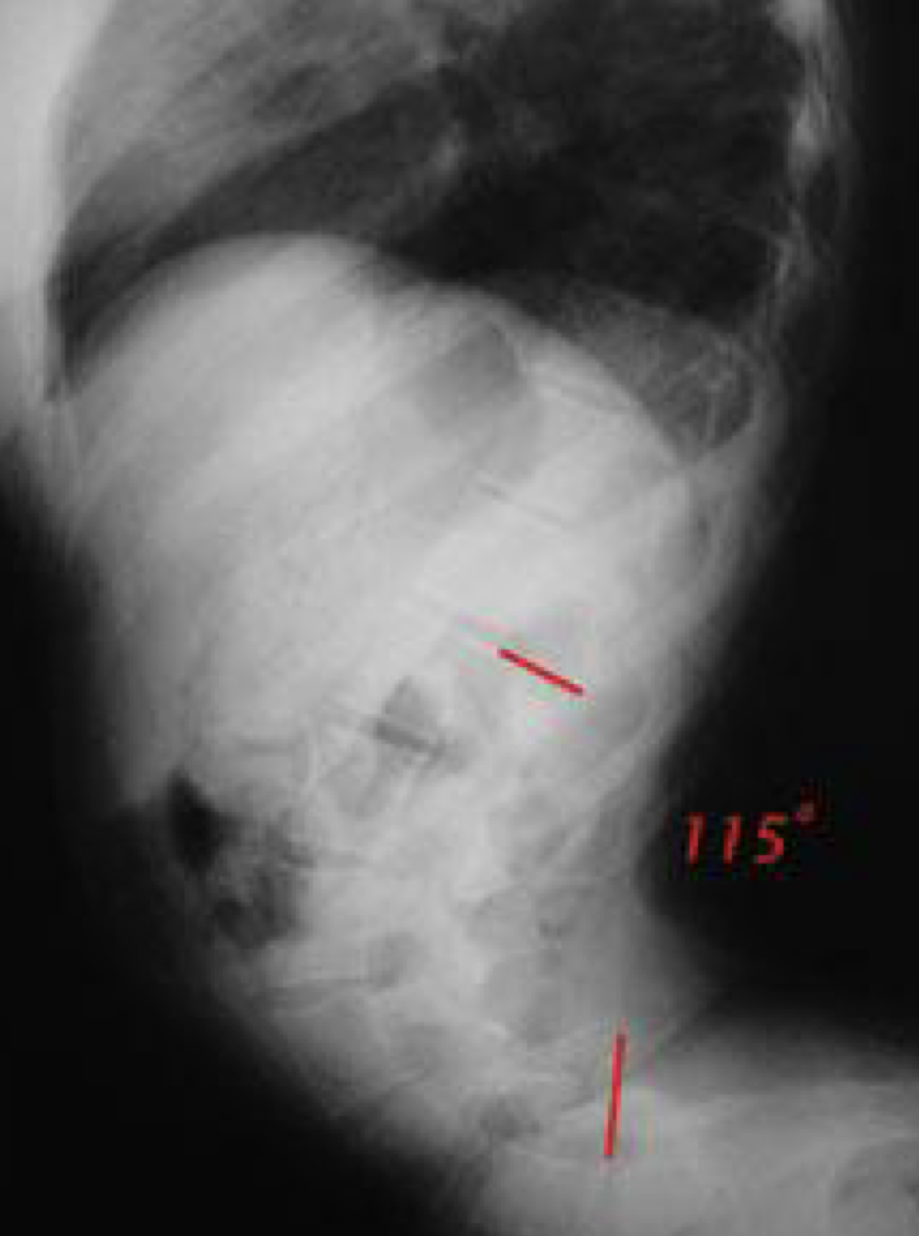
Orthostatic proteinuria
normal urine when supine but proteinuria when standing
associated with exaggerated lumbar lordosis
Myocardial infarction UA charateristics
+2 protein, chest pain, cardiac enzymes
Proteinuria because of kidney disease usually indicates an
upper UTI
Always investigate proteinuria since it maybe a primary indicator of
renal disease
Nephrotic syndrome (toxins, bee stings, severe infections, polycystic kidney)
4+ protein (massive proteinuria)
white frothy
severe edema around eyes
28 yo mountain climber and was injured, UA reveals +1 protein likely due to
exposure to cold = physiological proteinuria
Bence Jones test (PEP) should be run on all patient’s with a
4+ protein
Bence jones (globulin) protein test should be considered when what is suspected
multiple myeloma (shows up in 50-80% of pts)
Multiple myeloma
malignant proliferation of plasma cell → B cell (lymphocyte)
in UA looking for an M-spike
Can a routine UA detect Bence Jones proteins
NO! - must boil, chemicals, electrophoresis, or immunoelectrophoresis
CRAB - mneumonic for Multiple myeloma
calcium high (hypercalcemia)
renal failure/dysfunction
anemic
bone lesions
Patients with multiple myeloma typically die from
renal failure or infection (pneumonia)
The definitive tests for immunoglobulins in urine are
electrophoresis + immunoelectrophoresis
T/F: Bone scan is indicated for multiple myeloma
false - will be cold on bone scan b/c lytic activity
Flow chart for Lytic mets
bone scan → MRI → biopsy
Flow chart for Multiple myeloma
PEP of blood + urine (M-Spike) → skeletal survey → MRI → biopsy (>10% plasma cells)
Both MM + lytic mets will both sometime within their flow chart get a
PET scan
DDx for M-spike
MGUS, Smoldering MM, Multiple Myeloma
MGUS
serum M protein <3g/dL
bone marrow plasma cells <10%
no CRAB
Smoldering MM
serum M protein <3g/dL
bone marrow plasma cells >10%
no CRAB
Multiple myeloma
serum M protein >3g/dL
bone marrow plasma cells >10%
CRAB
Normal level of sugar/glucose in urine
negative
Glocosuria
diabetes raises RTV/BTV (renal/blood threshold value)
Glycosuria
kidney disease lowers RTV/BTV
Ketones normal level in urine
negative
Ketones in the urine means
body is using FAT as the major energy source
Ketonuria in diabetic vs non-diabetic patients
diabetic = inadequately controlled disease
non-diabetic = reduced carb metabolism, increased fat
Bilirubin normal levels in urine
negative
If bilirubin is in the urine, what type is it
conjugated
T/F: Unconjugated or indirect bilirubin is not water soluble (stays in blood)
True!
Bilirubinuria
jaundice + PALE colored feces
Dark yellow/brown/green colored urine
positive bilirubin + urobilinogen
If there is conjugated bilirubin in the urine, what may be indicated
obstruction to flow of bile from the liver (gallstones, tumor, pancreatic cancer)
______ bilirubin cannot pass the glomerular filter (NOT water soluble)
unconjugated
why it is stuck in blood