Biodiversity Exam #2 - Diversity of Life
 Call Kai
 Learn
Learn Practice Test
 Spaced Repetition
 Match
Match Flashcards
 Knowt Play
1/130

There's no tags or description
Looks like no tags are added yet.
Name | Mastery | Learn | Test | Matching | Spaced | Call with Kai | Chat |
|---|
No analytics yet
Send a link to your students to track their progress
131 Terms
list the domains of life (3)
bacteria, archaea, eukarya
under what domain falls plants
eukarya
define eukaryotes
a cell or organism that features a membrane bound nucleus and organelles
what eukaryotic supergroup is the focus of the plants file
archaeplastisida
explain the origins of archaeplastida
ancestral endosymbiosis of cyanobacterium —> second endosymbiotic event with photosynthetic organisms
ancestral group within achaeplastida (2)
1) algae
2) aquatic organisms
most derived group within the archaeplastida
land plants —> terrestrial plants
list the groups within archaeplastida (4)
1) red algae / nori
2) green algae - chlorophytes
3) green algae - charophytes
4) land plants
green algae and land plants increased the dominance of what plant characteristics (3)
1) chlorophyll
2) cellulose synthesis
3) flagellated sperm
what characteristic distinguishes land plants from algae
embryo retention
characteristics of a plant (8)
1) multicellular eukaryotes
2) photosynthetic (unless a secondarily lost trait —> ex. carnivorous plants)
3) cell walls of cellulose, a rigid starch material
4) apical meristems
5) indeterminant growth
6) roots
7) shoots
8) vascular tissue
define and describe the significance of apical maristems
tips of plants that rapidly grow and divide; only found in plants and allow for the starting and slowing of growth depending on environmental conditions (indeterminant growth)
aquatic plants motivations for moving to land (3)
1) abundance of sunlight
2) carbon dioxide
3) initial lack of predation
challenges faced by evolving land plants when adapting to terrestrial conditions (4)
1) desiccation —> drying out
2) support —> staying upright and facing the sun
3) nutrient acquisitions
4) sexual reproduction
adaptations to the challenges faced by evolving land plants (5)
challenges —> adaptations
1) dessication 1) tolerance, waxy cuticle
2) support 2) cellulose and lignin
3) nutrient acquisition 3) roots and vascular tissue
4) sexual reproduction 4) pollen, seeds, embryo retention
5) herbivory 5) secondary metabolites
draw groupings of land plants chart

evolutionary advantages and costs of growing tall?
advantage of height is priority access to sunlight
cost of height is lots of required resources, time, energy cost, instability, increased predation
define bryophytes
non-vascular seedless plants
list bryophytes (3)
liverworts, hornworts, true mosses
characteristics of bryophytes
1) limited to moist environments
2) lack lignin
3) anchored with rhizoids
4) for reproduction sperm swim through water drops to egg
draw and explain the life cycle of moss

evolution of the vascular plants characteristics
1) sunlight competition favored growth (height)
2) vascular tissue required for growth
3) xylem for mineral and water transport —> root to shoot
4) phloem for sugar and organic molecules —> source to sink
5) true roots and leaves
6) symbiosis with soil fungi mycorrhizae
define lycophytes and pterophytes
seedless vascular plants
list the lycophytes and pterophytes
clubmosses
horsetails
ferns
during what period were the lycophytes and pterophytes dominant (name + period)
carboniferous period (359-299 million years ago)
impact of the carboniferous period
coal mining and deposits in the modern day due to decomposition of pterophytes and lycophytes
characteristics of lycophytes and pterophytes
1) seedless
2) vascular — xylem and phloem, leaves and root systems
3) water still needed for fertilization
draw and explain the life cycle of a fern

explain the differences in the life cycle between the fern and mosses
check notes page 43-44
—> emphasis must be on sporophyte and gametophyte generations / haploid and diploid
evolution of seeded plants
1) pollen and seeds allow for independence from water, not allowed for mosses, ferns (bryophytes, lycophytes and pterophytes)
2) pollen allows for dispersal and fertilization without water
3) seeds allow for dormancy and early development of the embryo
pollen contains (2)
1) two sperm cells
2) one pollen tube cellss
seeds contain (2)
1) embryo
2) protective seed coat
gymnosperm definition
naked seed plants
characteristics of gymnosperms (4)
1) nonflowering
2) conebearing
3) needle-like leaves
4) wind dispersed pollen
list and describe the cones of the gymnosperms
1) staminate cone —> microsporophyte = pollen, bottom
2) ovulate cone —> megasporophyte = egg, top
explain why gymnosperms have cone design they do for male and female cones
check notes, page 44-45
define pollination in regards to gymnosperms
pollen transfer from a staminate cone to an ovulate cone
define fertilization
sperm (pollen) and egg cell combining and fusing to form a zygote
examples of gymnosperm (7)
1) spruce
2) sequoia
3) juniper
4) larch
5) cycad
6) ginkophyte
7) gnetophyte
after what does a seed form?
after pollination and fertilization
define angiosperms
flowering vascular plants
explain the use of flowers, seeds, and fruits for angiosperms
1) flowers as leaves modified for reproductive purposes to advertise plant to pollinators and insects
2) seeds as dormancy and germination packages
3) fruit as food reward for organisms dispersing seeds, protection
draw and label a flower

explain the major characteristics of the sepal, petal, tamen, and carpel
sepal —> encloses bud of the flower during development, photosynthesis
petal —> modified leaf that attracts pollinators
stamen —> male reproductive organ, produces pollen
carpel —> female reproductive organ, produces egg cells
describe a pollen
sperm cells x2
pollen tube cell x1
describe the pathway of the ovules and ovary in angiosperms
egg cells in ovules —> seeds post fertilization
ovules within ovary —> fruit post fertilization
describe angiosperm reproduction
1) pollination when pollen is transferred from a stamen (male) to the stigma
2) the style gives a route to the ovules in the ovary
3) pollen tube cell creates an extension in pollen, stretching down into the ovary and an ovule within the ovary
draw angiosperm fertilization steps

explain the significance of double fertilization
one sperm cell fertilizes the egg in the ovule in the ovary to form the zygote and the second sperm fuses with two polar nuclei to form the endosperm
list the four types of fruits
1) simple fruit
2) aggregate fruit
3) multiple fruit
4) accessory fruit
describe a simple fruit
-one flower
-single carpel
-multiple stamens
-petals
example of simple fruit
pea fruit
describe an aggregate fruit
-one flower
-multiple carpels
-multiple stamens
-petals
examples of aggregate fruits
blackberry, raspberry
describe multiple fruits
-multiple simple fruit flowers on one area, inflorescence
-flowers have multiple stamens and one carpel
examples of multiple fruit
pineapple, dragonfruit, cacti, yukus
accessory fruit characteristics
-dense fruit surrounding the seeds
-recepticle ovary expands largely
-ovary of the flower is decended into the recepticle
examples of accessory fruits
apple, peach, plumb, handfruit/treefruit
methods of dispersal (4)
1) abiotic dispersal
2) wind dispersed
3) water dispersed
4) mechanical dispersal
examples of wind dispersal
1) giant asian climbing gourd seeds
2) winged maple leaves
3) tumbleweeds
4) dandelion seeds
example of water dispersal
1) coconut with buoyant embryo, endosperm, endocarp
methods of mechanical dispersal (3)
1) animal dispersal
2) animal hoarding
3) attachment dispersal
examples of mechanical dispersal
puncture vines
animal hoarding with squirrels and seeds/nuts/fruits
seeds dispersed in feces
insects carrying and moving seeds
define monoecious plants
male and female in one flower or plant
define dioecious plant
separate male and female plants
domains of life (3)
1) bacteria
2) archaea
3) eukarya
explain the relationship between bacteria and archaea (2)
1) both are considered prokaryotes
2) not sister taxa
conditions of early earth (4)
1) volcanically active
2) thinner atmosphere, anoxic / less oxygen
3) oceans and landmasses
4) high UV radiation from lack of ozone layer
define extremophiles
organisms that thrive in extreme environments
locations where extremophiles thrived (5)
1) deep ocean vents
2) caves
3) hydrothermal vents
4) hot springs
5) volcanic environments
6) microbial mats
where are microbial mats located?
around hydrothermal vents
define stromatolites
living microbial mats form stromatolites, a biofilm secretion from microbes that creates a harden surface that microbes live upon
evidence of early stromatolites come from
fossilized stromatolites
modern day example of cyanobacteria can be found in
hot springs
define anoxic atmosphere
the atmosphere with no or reduced free oxygen
organisms supported by anoxic atmosphere
anaerobic organisms - organisms that do not consume oxygen to metabolize
map the impacts of phototrophic cyanobacteria on early life on earth (
1) anoxic atmosphere only supported anaerobic organisms
2) phototropic cyanobacteria (extremophile) gradually increased amount of oxygen (free) in atmosphere
3) oxygen accumulated, overtime generating O3, or ozone
4) cools biosphere, allowing for more hospitable environment for life
5) ozone accumulation in the atmosphere absorbs UV radiation
6) aerobic organisms accumulate who cellularly respirate with oxygen and have more efficient ATP production
how long was the atmosphere anoxic for early earth
first 2 billion years
major impacts of cyanobacteria increasing atmospheric oxygen (2)
1) oxygen accumulating into ozone, absorbing UV radiation
2) allowed for aerobic organisms (organisms that use oxygen for metabolism), eventually allowing for more efficient ATP production.
characteristics of prokaryotes (3)
1) lack membrane bound organelles
2) circular chromosomes and plasmids
3) cell walls and capsules
purpose of prokaryote cell walls and capsules (2)
1) protection
2) attachment

identify the bacterial shape
cocci

identify the bacteria shape
baccili

identify the bacteria shape
spirilla
draw and label a prokaryote (8)
*fimbrae = pili

do achaeal organisms have peptidoglycan cell walls
no, only bacterial organisms have peptidoglycan in their cell walls
draw and label gram positive bacteria walls (3)
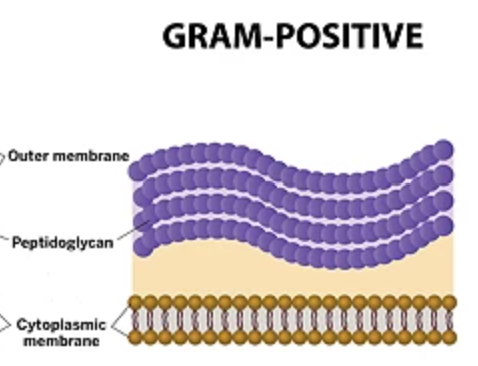
draw and label gram negative bacteria (4)

distinguish between bacteria and archaea (2)
1) archaeal cell walls lack peptidoglycan whereas bacterial cell walls contain peptidoglycan
2) not sister taxa on domain phylogenetic tree
examples of biofilms (2)
1) plaque on teeth
2) metal rusts
define biofilms
biofilms are a mixture of multiple bacteria, archaea, or even fungi that secrete organic molecules that form protective crusts for said organisms to live on and be protected by
methods of prokaryote reproduction and genetic recombination (4)
1) binary fission
2) transformation
3) transduction
4) conjugation
define binary fission
the duplication of a prokaryotes circular chromosomes into two daughter cells; cloning/miosis
define transformation
the intake of enviornmental bacterial or archaeal cells’ genetic information (DNA) for increased diversity and variation genetically
define transduction
the uptake of DNA by a virus of a host and the translocation horizontally of the DNA from prokaryote to prokaryote as the virus moves from host to host
define conjugation
plasmid DNA transfers through interactions with another prokaryote
explain the need for various methods of prokaryote reproduction and genetic recombination
no sexual reproduction; without various methods of variation prokaryotes would be less resilient to environmental changes
true or false: pathogenic bacteria are common
false; pathogenic bacteria are the exception, not the rule
define zoonoses
a zoonotic disease, a disease transmitted from non-human animals to humans