fish
 Call Kai
 Learn
 Practice Test
 Spaced Repetition
 Match
 Flashcards
 Knowt Play
1/78

There's no tags or description
Looks like no tags are added yet.
79 Terms
The study of fish
Icthyology
working definition of a fish
A poikiothermic, aquatic, non-tetrapod chordate with appendages, with gills throughout life and whose body is covered in scales.
poikiothermic
Body temperature changes with temperature around the organism
characteristics of a chordate
Notochord,
hollow dorsal nerve chord,
post-anal tail,
pharyngeal gill slits,
endostyle
Monophyletic clade/group
Group of organisms sharing a recent common ancestor and all its descendant
Paraphyletic clade/group
Group of organisms sharing a recent common ancestor but not including all its descendants.
The % of fish that are freshwater
41%
The % of fish that are marine
58%
% of diadromous fish (both fresh and marine)
1%
characteristics of vertebrates
notochord
specialised sense organs in the head (eyes)
enlarged anterior end of nerve chord (brain)
muscles arranged in blocks (myomeres)
What does saprophagous mean?
scavenger
What does lepidophagy mean?
scale-eating
What does the superclass Agnatha inlude?
Jawless fishes
What two classes does Agnatha include?
Class Myxini (hagfishes) and Class Cephalaspiromorphi (lampreys)
True or false - halgfishes are completely marine?
True

What are the external features of a hagfish (6)?
barbels
eyespot (photosensitive)
gill openings (1-16 pairs)
slime glands
cloaca
fin fold
Describe the hearts of hagfishes
4 rudimentary hearts:
one 3-chambered systematic heart posterior to the gills
three auxilliary single-chambered hearts: cardinal (behind the mouth), portal (midbody) and caudal (end of the tail)
Isosmotic blood in hagfishes
Blood is as salty as seawater, very restricted range
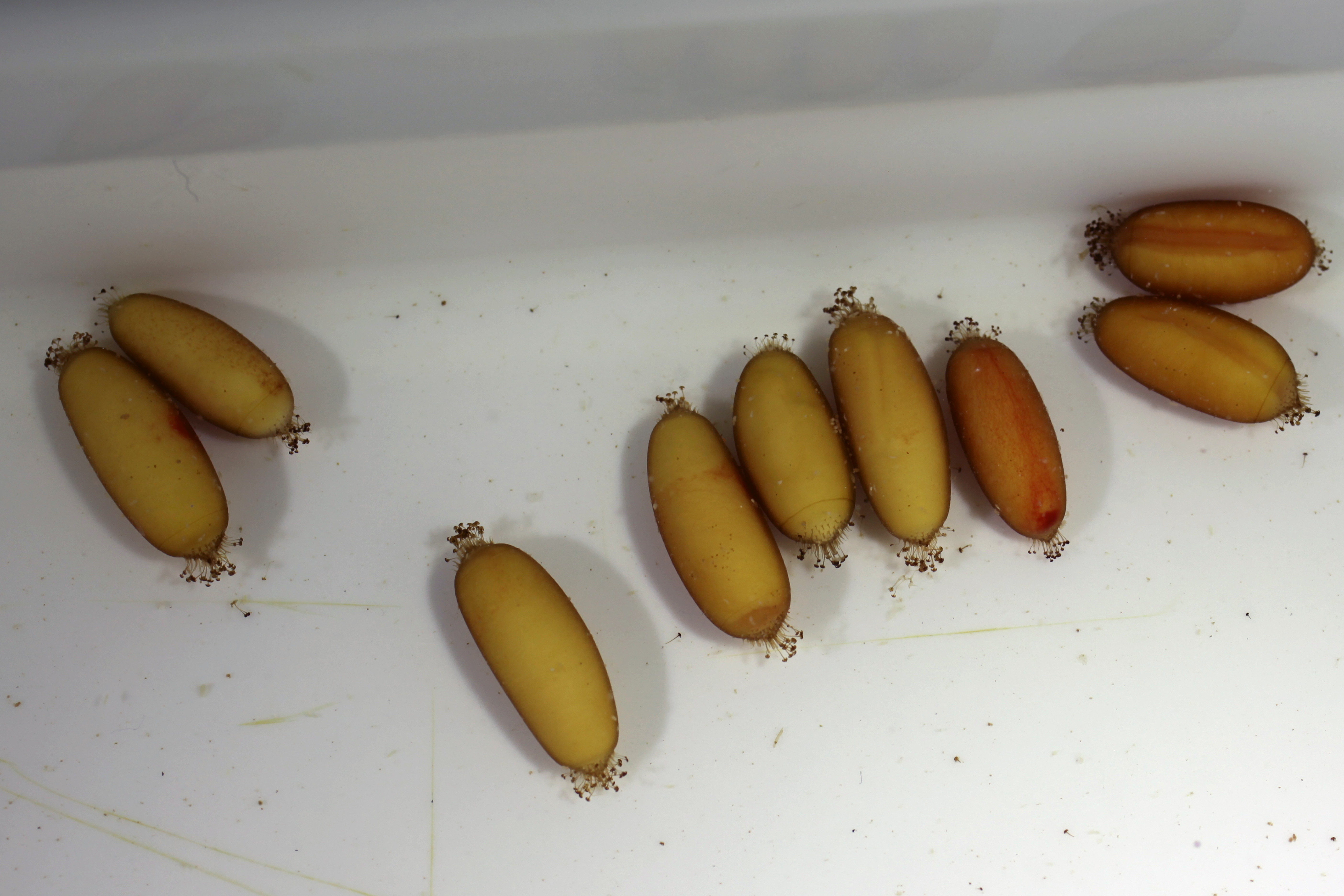
What is the mode of reproduction for hagfishes?
External fertilisation due to lack of male intermittent organ, sausage-shaped eggs, 2-month incubation
Iteroparous
Reproduction multiple times during lifetime (hagfishes)
What class do the lampreys belong to?
Class Cephalospidomorphi or Hyperoartia
What does anadromous mean and give an example of an anadromous organism
Meaning: born in freshwater, migrates to the sea
Example: lamprey
What are the features of a lamprey?
Eyes instead of eyespots
Buccal tunnel with sharp teeth (they are ectoparasites)
7 lateral gill slits
Dorsal fins
Caudal fin
Cloaca
One single heart
Primitive cartilage
How many hearts does a lamprey have?
One
What does semelparity mean?
Die after spawning
What mode of reproduction do lampreys have?
Semelparity

Which species of lamprey is parasitic?
River and Sea lamprey - Lampetra fluviatilis and Petromyzon marinus
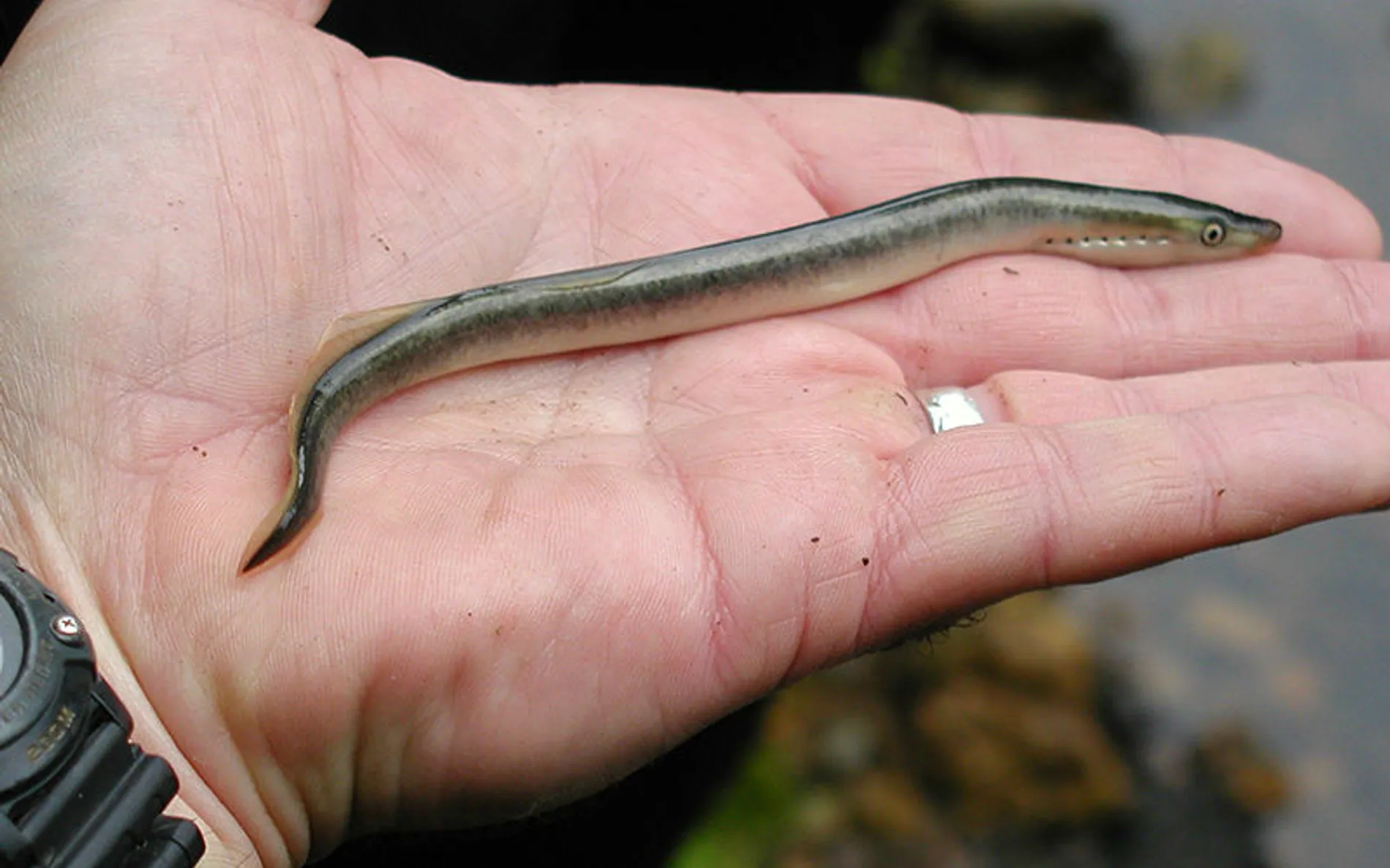
Which species of lamprey is non-parasitic?
Brook lamprey and dwarf lamprey
How does parasitism work in lampreys?
They feed on body fluids of the host and their saliva contains anti-coagulants - hosts often die from blood loss
Which (3) lampreys occur in Ireland?
Sea lamprey - Petromyzon marinus
River lamprey - Lampetra fluviatilis
Brook lamprey - Lampetra planeri
How long are the life stages of non-parasitic lampreys?
larval stage up to 6 years, adult stage 6 months - spawn and die
What class do cartilaginous fishes belong to?
Class Chondrichthyes
Gnathostomes are…
Vertebrates with:
jaws and dentition
paired appendages
horizontal and semicircular inner ear canal
myelin sheath

What organisms belong to the sub-class Holocephali?
Chimaeras - 50 species
Features of chimaeras
Gill cover over 4 openings
Autostylic jaw suspension - upper jaw fused to cranium
No spirable (hole at the top of the head)
Naked skin
Dentition - slowly replaced grinding plates
NO cloaca
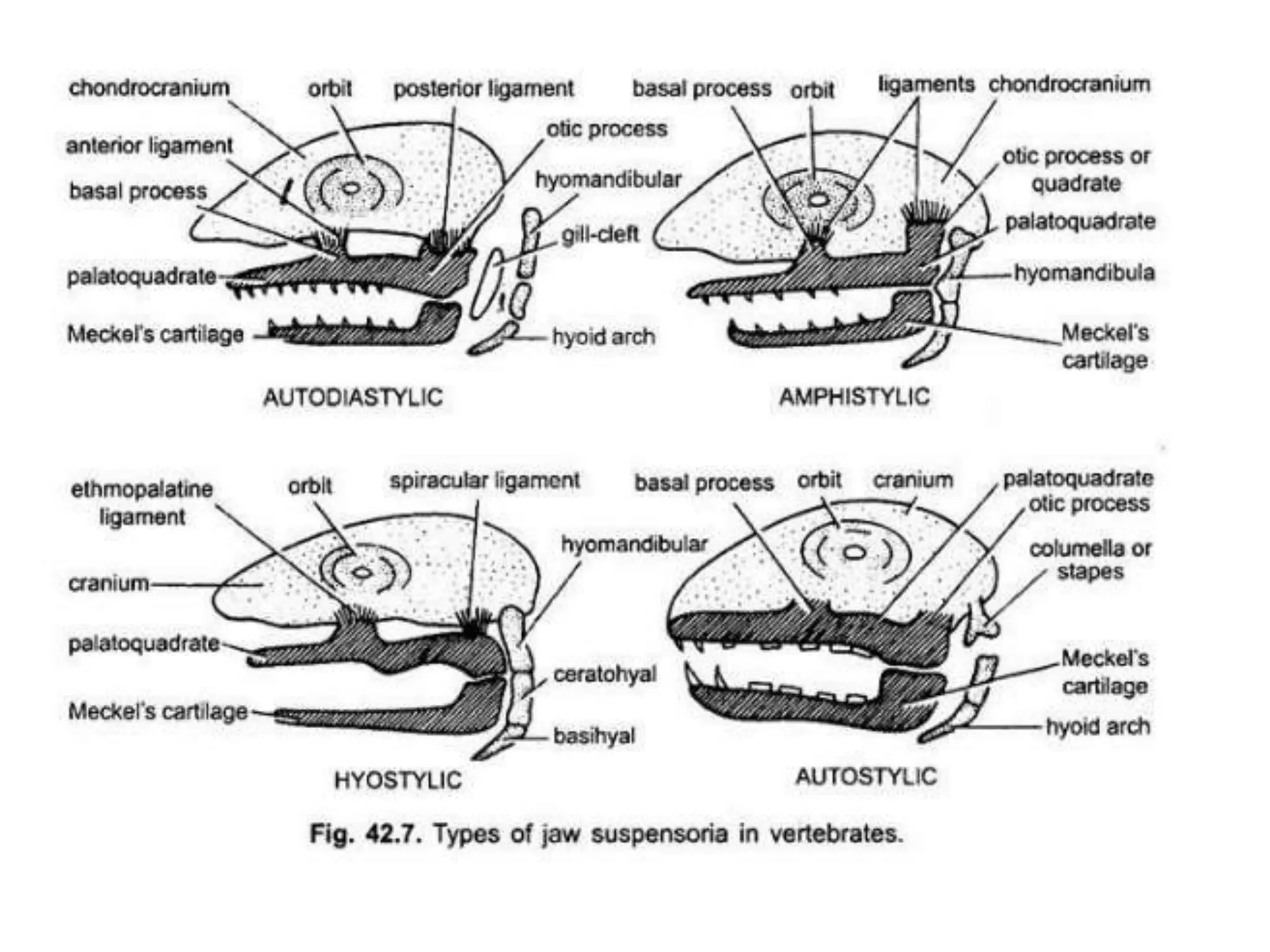
Autostylic jaw suspension
Upper jaw connected directly to cranium

What organisms belong to the sub-class Elasmobranchii?
Sharks, skates and rays
Characteristics of Elasmobranchs
no gill covers
hyostelic jaw suspension (not fused to cranium)
continuously replaced teeth
heterocercal tail (asymmetric)
placoid scales
spiracle
squalene
Elasmobranchs are
long-living
highly specialised
not found in other extreme environments except the deep sea
late to mature

A heterocercal tail is …
Asymmetric

Placoid scale
also called dermal denticle; gives protection and reduces water drag
What percentage of Elasmobranchs live in freshwater?
5%
Elasmobranchs have …
low reproduction rate
low metabolism
high survival
True or False - Elasmobranchs have a swim bladder (and lungs)
False - they have squalene (oil in liver) instead, which keeps them buoyant
True or False - Elasmobranchs (sharks) have cartilage instead of hard bone
True (Chondrichthyes = cartilaginous fish)
True or False - sharks have ribs
False - they need flexibility in movement
What causes the dark and silver colour of sharks?
Chromatophores under the placoid scales
What causes bioluminescence in sharks?
Photophores - present in some deep-sea sharks
What features in sharks aid hydrodynamics and buoyancy?
streamlined body
cartilaginous skeleton (light)
paired fins
large liver and squalene
placoid scales
What is ram ventilation?
A breathing method in sharks where they swim against a current with their mouth open to push oxygenated water across the gills and out through the gill slits (no gill covers!)
What sort of hearing do sharks have?
10 hz to 1000 hz (20 hz - 20000 hz in humans)
How far can sharks smell?
500m
What are Ampullae of Lorenzini?
Electroreceptor organs in Elasmobranchs that detect weak electric fields in water; visible as pores on the organism’s skin
What features make up mechanoreception in Elasmobranchs?
Lateral line - pores all the way from snout to tail that have neuromast hair cells
Pit organs - surface neuromasts all over body
Inner ear - detects low frequency sound waves
How is the eyesight in sharks?
Good - low-light vision, lots of rod cells for contrast vision, no colours
They have a nictating membrane to protect the eye from injury; it’s translucent and tough
How can you tell the age of a shark/Elasmobranch?
Vertebral growth bands and layering of fin spines
What is ovoviparity in Elasmobranchs?
Egg capsule develops as an embryo inside the uterus of the mother
What superclass do bony fishes belong to?
Osteichthyes
What are gnathostomata?
Jawed vertebrates
What are the main characteristics of Osteichthyes?
internal bony skeleton
swim bladder or lung
Jaws and gills have a unique muscle pattern
What two classes belong to the superclass Osteichthyes?
Sarcopterygii (lobe-finned fishes) and Actinopterygii (ray-finned fishes)
What is the largest subgroup of Actinopterygii (ray-finned fishes)?
Teleosts

What are examples of teleost fish?
Salmon, tuna, perch, eels, seahorses

What are examples of Chondrostei (a subgroup of Actinpterygii)?
sturgeons and paddlefish
What are examples of Neopterygii (a subgroup of Actinopterygii)?
Teleosts and Holostei (primitive)
After what period did the diversity and complexity of Teleosts increase?
the Cretaceous
External characteristics of teleosts
streamlined shape
lightweight scales covered in mucus
a homocercal tail (symmetrical)
Internal characteristics of teleosts
an ossified skeleton
swim bladder
gills and gill cover
muscles arranged in myomeres
otoliths (ear bones for balance and hearing)
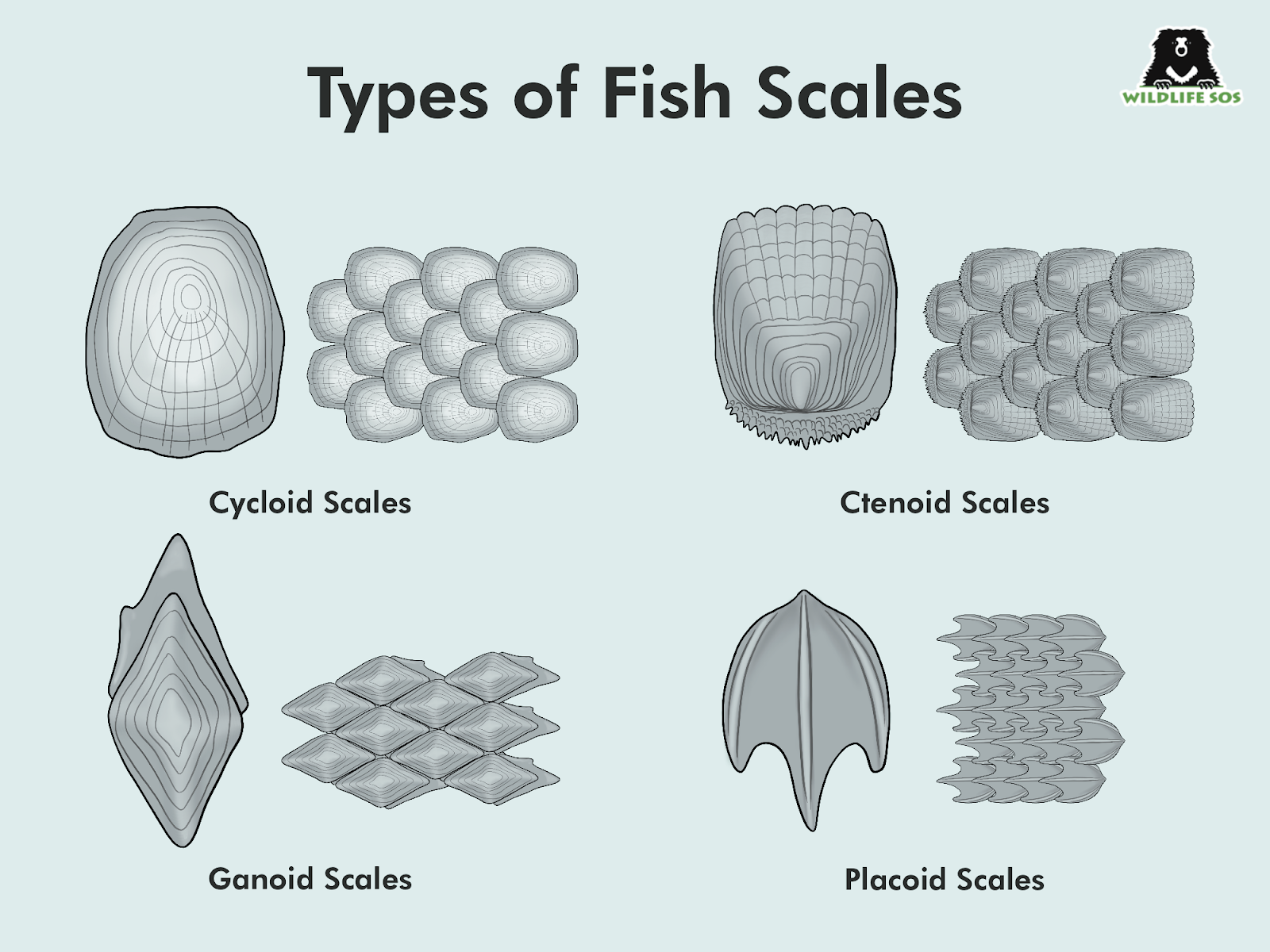
What types of scales do teleosts have?
Cycloid scales - thin, flexible, overlapping
Ctenoid scales - thin, flexible, overlapping, comb-like spines
What fish have cycloid scales?
smooth fish like salmon and trout
what fish have ctenoid scales?
spiny-rayed teleosts like perch, sunfish and bass
What is a physostomous swim bladder?
It’s an open swim bladder connected to the gut through a pneumatic duct - they can quickly gulp or release air to control buoyancy
What is a physoclistous swim bladder?
A closed swim bladder with no connection to the gut - they regulate gas through bloodstream (rete mirabile) so they’re not dependent on the surface, but rapid depth changes are difficult
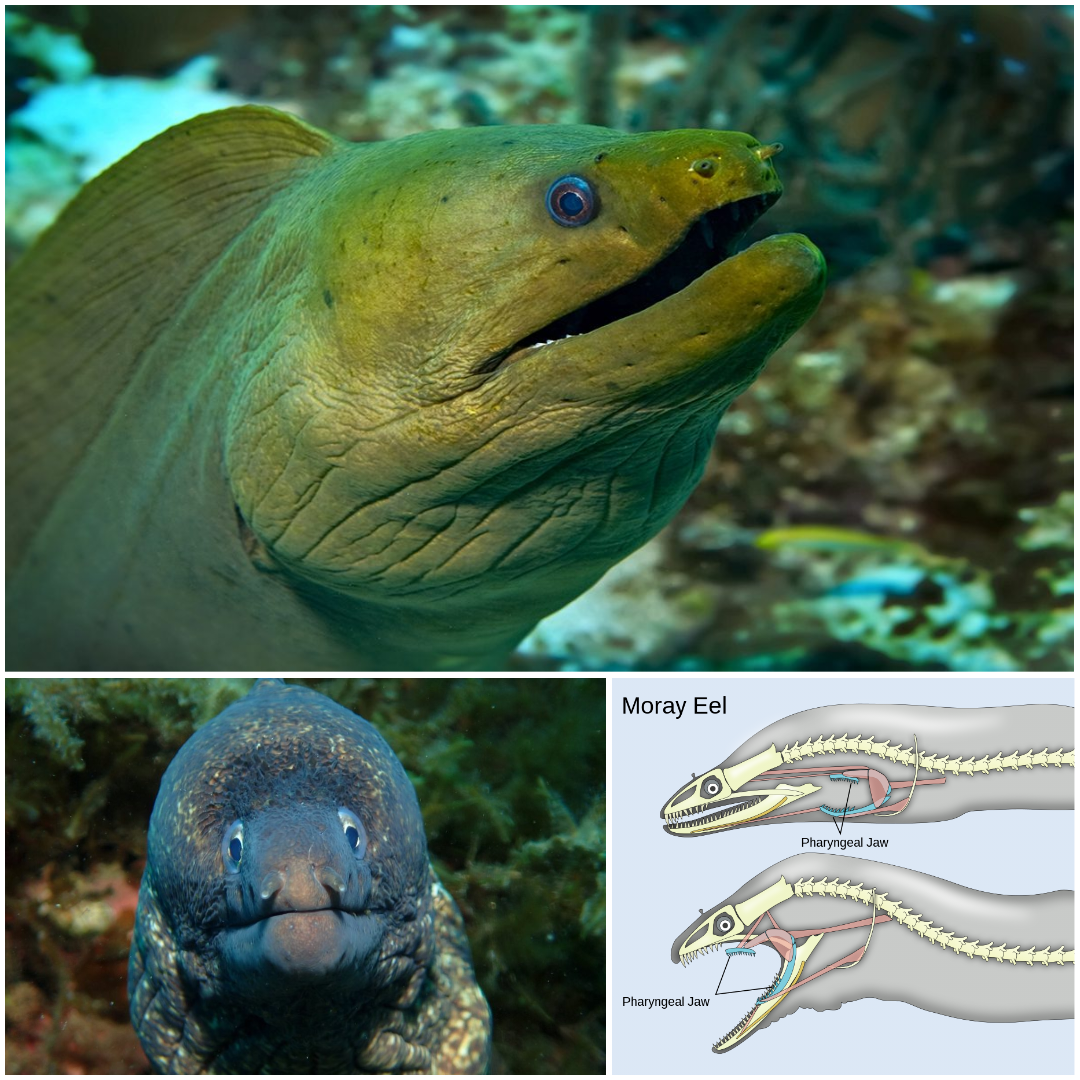
What are pharyngeal jaws in teleosts?
Two sets of jaws, the second being in the throat - for grasping and transporting food down the oesophagus

What is a protrusible jaw in teleosts?
a jaw that shoots forward from the head to catch prey
Teleost teeth
variation: molars, canines, incisors, villiform teeth, absent in some
continuously replaced
Reproduction in teleosts
oviparity
high fecundity (many eggs)
no parental care
short incubation period, high mortality
high biological productivity
ovoviparity
some fish carry their eggs in their mouth, find, gill cavities or pouches
Examples of oviparous teleosts
Salmon, trout, herring
Examples of ovoviparous teleosts