APES Geology chp 14
What makes the Earth dynamic? (geology and earth's resources)
A constantly changing layered sphere
Solid Part:

Core
2 layers of dense, intensely hot metal, mostly iron. Generates magnetic fields around the earth.
Inner Core: extremely hot, solid sphere of mostly iron and nickel
Outer Core: only liquid layer of the earth – a sea of mostly iron and nickel.
Mantle
Hot, pliable layer surrounding the core. Less dense than core.
2 layers, outer layer (Lithosphere) and Asthenosphere
Crust
Cool, lightweight, thin hard and rigid outermost layer. Floats on top of the mantle.
Tectonic Mosaic
Tectonic Plates: huge blocks of earth crust sliding slowly around, pulling apart to open new ocean basins or crashing into each other to create new larger landmasses.
Subducted: process of which one tectonic plate is pushed down below another as a plate crashes into each other
Crust is a patchwork of sliding tectonic plates floating on the magma convection currents of the mantle below it.
Constant circulation of molecules (cool and warm molecules) moving by the heat from the core.
Being heated through the core and rising causing the plates to move. Plates colliding works by the more dense one are pushed below.
Magma: molten rock forced up through the cracks forms new oceanic crust
Mid-ocean ridges: Mountain ranges on the ocean floor created molten magma is forced up through cracks in the planet's crust
Alfred Wedgner: German Scientist,
Pangea: supercontinent, Wedgner believed all earth's continents were once one large mass. It broke off 200 million years ago.
Plates Tectonic Theory: earth's outer layer (lithosphere) is broken into several large slabs (plates). These plates, which hold the continents and oceans, are slowly but constantly moving
around the planet.
Continental Crust: crust that underlies the continents, 20-40 miles thick
Oceanic Crust: crust found under the oceans, 4-6 miles thick
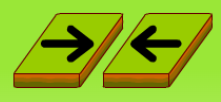
Convergent Boundaries:
two plates are pushing toward each other.
Ex. mountains

Divergent Boundaries:
two plates that are moving apart from each other.
Ex. lakes

Transform Boundaries:
two plates slide past each other.
Ex. earthquakes
Earth's constructive and destructive processes
Mineral
Naturally occurring, inorganic, solid element or compound with a definite chemical composition and regular i
Rocks
Solid, cohesive, aggregate of one or more minerals
Anything can be a rock but not everything can be a mineral.
The Rock Cycle
Cycle of creation, destruction, and metamorphosis (change) of earth's crust.
Types of Rocks

Igneous rock: Most common type of rock
Solidified from magma.
Fine grained + quick cooled, most common
Metamorphic Rock
Preexisting rocks are modified by heat, pressure, and chemical agents.
Sedimentary Rock
Formed by erosion/weathering. (mechanical or chemical). Compacted into stone
Deposited materials that remain in the same place
Many rocks/minerals have economic importance
Precious metals have economic value to us (gold, gems, coal, sand, limestone), therefore changing the landscape.
Metals are important to human affairs as in technology and a heavy impact on broad implications for both our culture and environment
Metals are useful due to their light, strong, easily shaped, and can conduct electricity
Environmental Impacts of Extraction And Processing
Mining
Disturbed habitat/mining
Ex. Placer, underground (coal mining), open pit/strip, mt. top removal
Processing methods/purifying (smelting, heap-leaching)
Can affect water quality
Mining tunnels can collapse
Geologic Hazards
Earthquakes: Sudden movements of earth's crust that occur along faults where one rock mass slides past another
Tsunami: As series of waves causes by an earthquakes, or some other abrupt disturbance
Volcanoes: Undersea magma vents.
Mudslides
Monsoons
Floods
Meteorite strikes
Conservation can help extend earth supplies, can help reduce the effects of mining and processing, which includes water use and contamination, air pollution, and energy use.
ON THE TEST!
Understand dynamic of tectonic plates, colliding and dividing,
Back page of volcano lab
Some math