Module 17: Influences on Perception
Perceptual Set
17−1:Howdoourexpectations,contexts,emotions,andmotivationinfluenceourperceptions?
- ^^Perceptual set^^: set of mental tendencies and assumptions that greatly affects (top-down) what we perceive
- Caninfluencewhatwehear,taster,feel,andsee
- Ex: a paper stating they have pictures of bigfoot and showing them, you’re going to be more likely to see bigfoot, but in reality it’s just a tree
- Ex: the infamous black and blue dress
- Ex: a pilot looked at his depressed co-pilot and said “Cheer up”. The depressed pilot expecting to hear the usually “Gear up”, the co-pilot promptly raised the wheels–before they left the ground
- Throughexperienceweformconcepts,orschemas,thatorganizeandallowustointerpretunfamiliarinformation
- Ourphysicalandemotionalcontext,aswellasourmotivation,cancreateexpectationandcolorourinterpretationofeventsandbehaviors
Context Effects
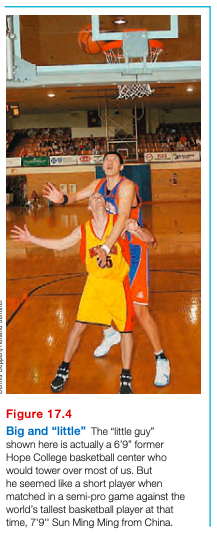
- Agivenstimulusmaytriggerradicallydifferentperception,partlybecauseofourdifferentperceptualset,partlybecauseofthecontextgiven
Emotion and Motivation
- Perceptionsareinfluenced,top−down,notonlybyourexpectationsandbythecontext,butalsoouremotionsandmotivation
- Ex: walking destinations look farther away to those who have been fatigued by prior exercise
- Ourmotivesalsodirectourperceptionofambiguousimages
- Desired objects seem closer
- Ex: Water bottle when thirsty
ESP–Perception Without Sensation?
17−2:WhataretheclaimsofESP,andwhathavemostresearchpsychologistsconcludedafterputtingtheseclaimstothetest?
- ^^Extrasensory perception (ESP):^^ controversial claim that perception can occur apart from sensory input; includes telepathy, clairvoyance, and precognition
- Three most testable forms of ESP:
- Telepathy: mind to mind communication
- Clairvoyance: perceiving remote events, like house fire in another state
- Precognition: perceiving future events
- ^^Parapsychology:^^ the study of paranormal phenomena, including ESP and Psychokinesis
- Skepticsarguethat(1)tobelieveinESP,youmustbelievethatbrainiscapableofperceivingwithoutsensoryinput,and(2)researchershavebeenunabletoreplicateESPphenomenaundercontrolledconditions
\n $$