Unit 5: Indigenous Americas, 1000 BCE–1980 CE
Contextualization of Indigenous Americas Art
- Chavin: Their art created intricate stone carvings and pottery, often depicting their gods and animals.
- Mayan: They were known for their elaborate architecture, intricate carvings, and colorful murals.
- Anasazi: They created beautiful pottery and rock art, often depicting their daily lives and spiritual beliefs.
- Mississippian: They produced intricate copper and shell ornaments, as well as impressive earthen mounds.
- Aztec: They were skilled in metalworking, creating intricate gold and silver jewelry, as well as colorful featherwork.
- Incan: They were known for their impressive stonework, including the famous Machu Picchu.
- Native North American: Their art varied greatly depending on the tribe, but often included intricate beadwork, basketry, and carvings.
Materials, Processes and Techniques in Indigenous American Art
Mesoamerica
- They used stone, clay, wood, feathers, shells, and precious metals such as gold and silver.
- Stones were used to create sculptures, buildings, and other structures.
- Their processes include carving, casting, weaving, and painting.
- Carving: Used create sculptures and other objects out of stone, while casting was used to create metal objects.
- Weaving: Used to create textiles, which were often decorated with intricate designs.
- Painting: Used to decorate buildings, sculptures, and other objects, and often used bright colors and bold designs.
- Techniques used in Mesoamerican art include relief sculpture, mosaic, and inlay.
- Relief sculpture: Involves carving a design into a flat surface, while mosaic involves creating a design out of small pieces of stone or other materials.
- Inlay: Involves setting small pieces of one material into another material to create a design.
Central Andes
- Pre-Columbian art used gold, silver, and copper to create intricate jewelry and ceremonial objects, and textiles were also important.
- During colonial times, European materials were introduced, leading to new painting techniques like the Cuzco School.
- Today, artists use a variety of materials and techniques, blending traditional and contemporary styles, experimenting with new materials, and exploring different art forms.
Native North America
- Natural materials like wood, stone, bone, and animal hides, as well as trade materials like glass beads, metals, and textiles are used.
- Art is created through carving, weaving, painting, and quilling.
- Basketry, pottery, and jewelry making are common techniques.
- These methods reflect cultural and spiritual beliefs and can tell stories, record history, or celebrate events.
- Traditional methods have adapted to modern materials and technologies.
Indigenous Americas Artworks
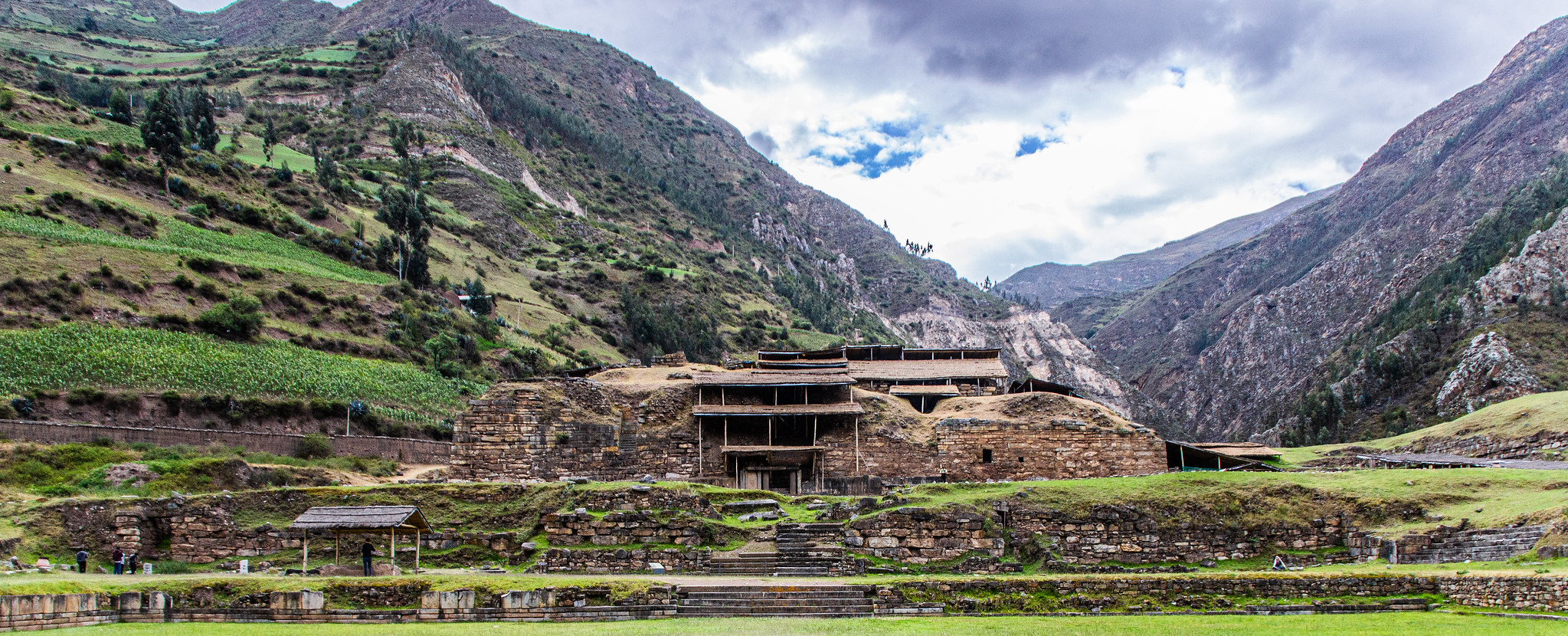
➼ Chavín de Huántar
- Details
- 900–200 B.C.E.
- Stone
- Found in Northern Highlands, Peru
- Function
- A religious capital.
- Temple, 60 meters tall, was adorned with a jaguar sculpture, a symbol of power.
- Hidden entrance to the temple led to stone corridors.
- Relief sculpture
- Shows jaguars in shallow relief.
- Located on the ruins of a stairway at Chavín.
➼ Lanzón Stone
- Details
- 900–200 B.C.E.
- Granite
- Found in Peru
- Form
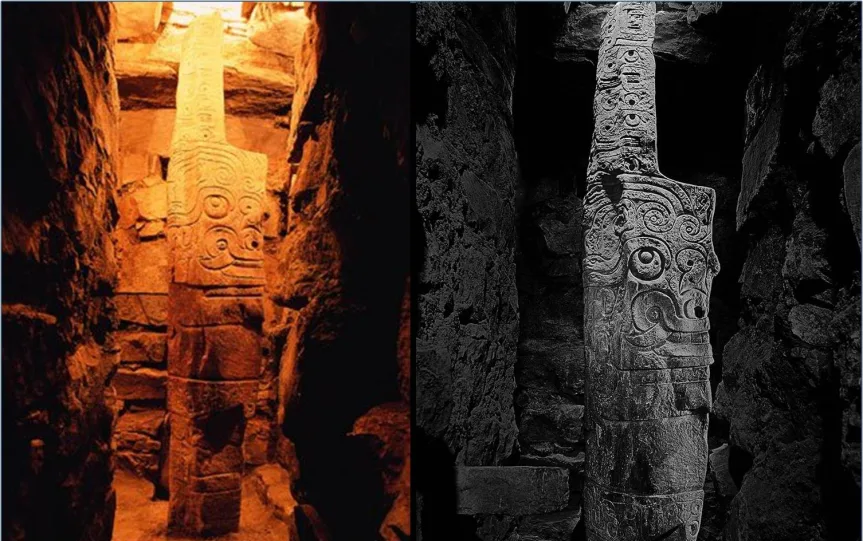
- Inside the old temple of Chavín is a mazelike system of hallways.
- Passageways have no natural light source; they are lit by candles and lamps.
- At the center, underground, is the Lanzón (Spanish for “blade”) Stone; blade shaped; may also represent a primitive plough; hence, the role of the god in ensuring a successful crop.
- Depicts a powerful figure that is part human (body) and part animal (claws, fangs); the god of the temple complex.
- Head of snakes and a face of a jaguar.
- Eyebrows terminate in snakes.
- Flat relief; designs in a curvilinear pattern.
- 15 feet tall.
- Function
- Served as a cult figure.
- Center of pilgrimage; however, few had access to the Lanzón Stone.
- Modern scholars hypothesize that the stone acted as an oracle; hence a point of pilgrimage.
- New studies show the importance of acoustics in the underground chamber.
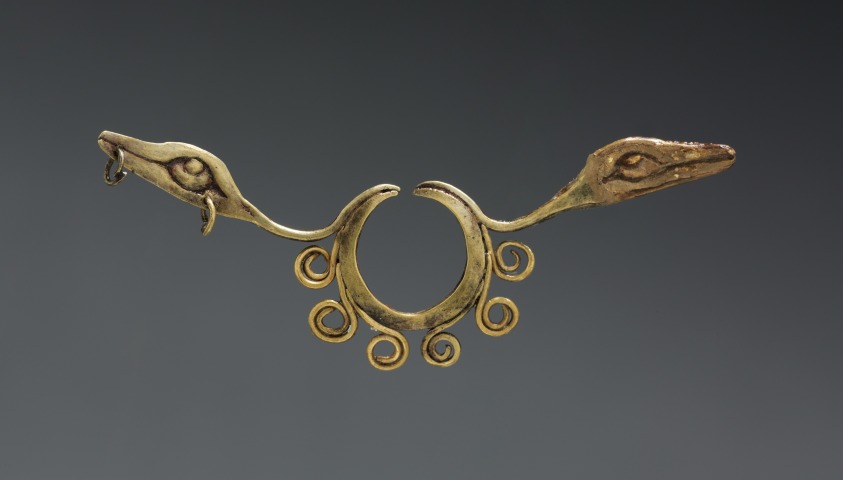
➼ Nose Ornament
- Details
- hammered gold alloy
- Found in Cleveland Museum of Art
- Form
- Worn by males and females under the nose.
- Held in place by the semicircular section at the top.
- Two snake heads on either end.
- Function: Transforms the wearer into a supernatural being during ceremonies.
- Context
- Elite men and women wore the ornaments as emblems of their ties to the religion and eventually were buried with them.
- The Chavín religion is related to the appearance of the first large-scale precious metal objects; revolutionary new metallurgical process.
- Technical innovations express the “wholly other” nature of the religion.
➼ Yaxchilán
- Details
- 725 CE
- limestone
- Found in Chiapas, Mexico
- Function
- City set on a high terrace; plaza surrounded by important buildings.
- Flourished c. 300–800 C.E.
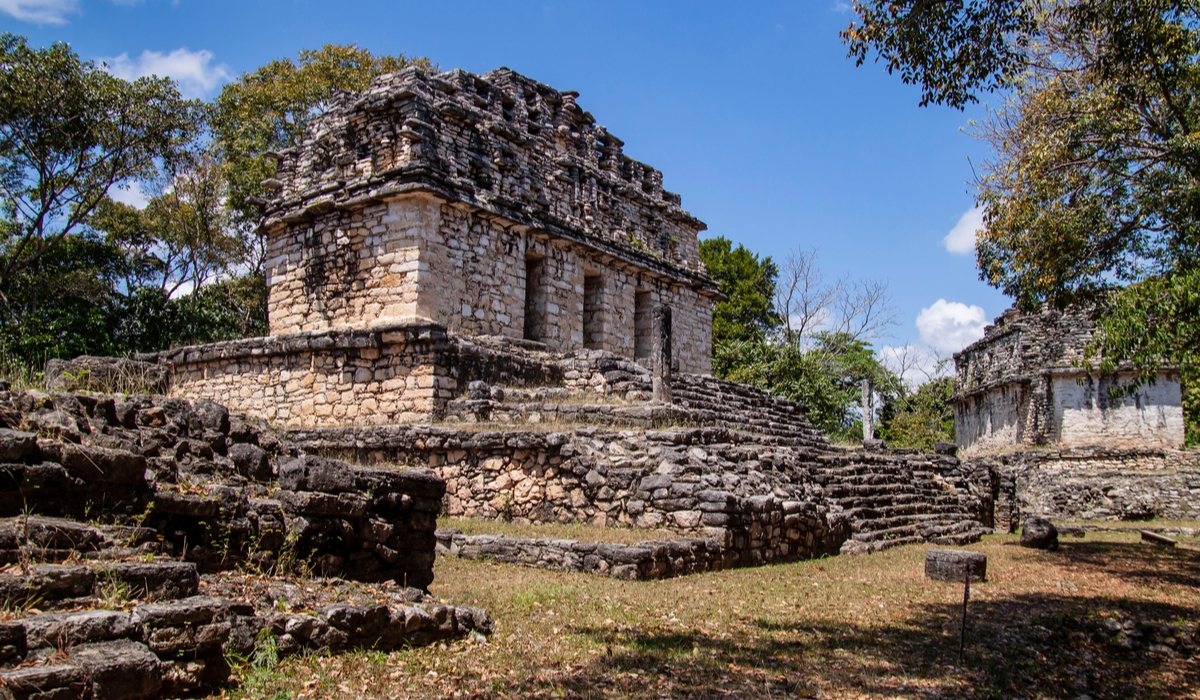
➼ Structure 40
- Details
- Overlooks the main plaza.
- Three doors lead to a central room decorated with stucco.
- Roof remains nearly intact, with a large roof comb (ornamented stone tops on roofs).
- Corbel arch interior.
- Patronage: Built by ruler Bird Jaguar IV for his son, who dedicated it to him.
➼ Lintel 25, Structure 23
- Details
- Overlooks the main plaza.
- Three doors lead to a central room decorated with stucco.
- Roof remains nearly intact, with a large roof comb (ornamented stone tops on roofs).
- Corbel arch interior.
- Form and Content
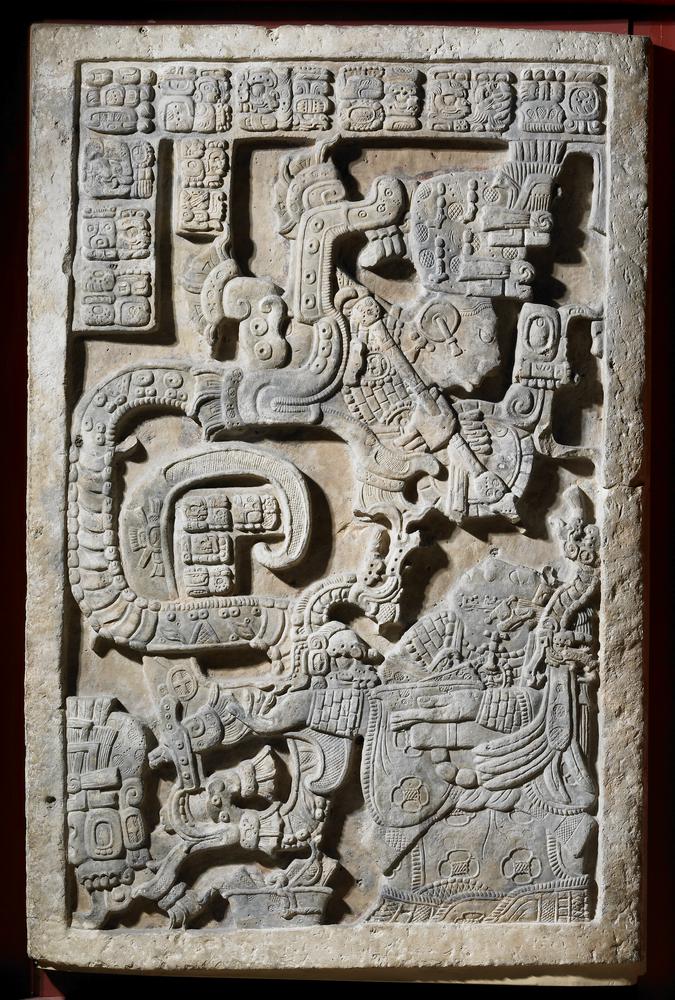
- The lintel was originally set above the central doorway of Structure 23 as a part of a series of three lintels.
- Lady Xook (bottom right) invokes the Vision Serpent to commemorate her husband’s rise to the throne.
- The Vision Serpent has two heads: one has a warrior emerging from its mouth, and the other has Tlaloc, a war god.
- She holds a bowl with bloodletting ceremonial items: stinging spine and bloodstained paper; she runs a rope with thorns through her tongue.
- She burns paper on a dish as a gift to the netherworld.
- The depicted ritual was conducted to commemorate the accession of Shield Jaguar II to the throne.
- Function
- Lintels intended to relay a message of the refoundation of the site—there was a long pause in the building’s history.
- Shield Jaguar’s building program throughout the city may have been an attempt to reinforce his lineage and his right to rule.
- Context
- The building is dedicated to Lady Xook, Shield Jaguar II’s wife.
- The inscription is written as a mirror image—extremely unusual among Mayan glyphs; uncertain meaning, perhaps indicating she had a vision from the other side of existence and she was acting as an intercessor or shaman.
- The inscription names the protagonist as Shield Jaguar II.
- Bloodletting is central to the Mayan life. When a member of the royal family sheds his or her blood, a portal to the netherworld is opened and gods and spirits enter the world.
- Theory: Some scholars suggest that the serpent on this lintel and elsewhere depicts an ancestral spirit or founder of the kingdom.
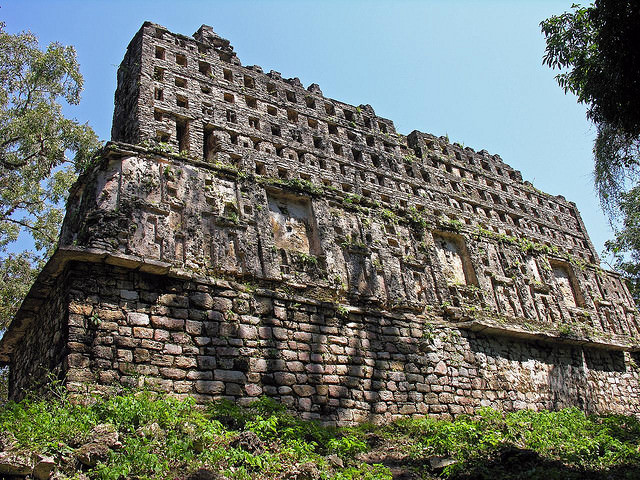
➼ Structure 33
- Details
- Overlooks the main plaza.
- Three doors lead to a central room decorated with stucco.
- Roof remains nearly intact, with a large roof comb (ornamented stone tops on roofs).
- Corbel arch interior.
- Form
- Restored temple structure.
- Remains of roof comb with perforations.
- Three central doorways lead to a large single room.
- Corbel arch interior.
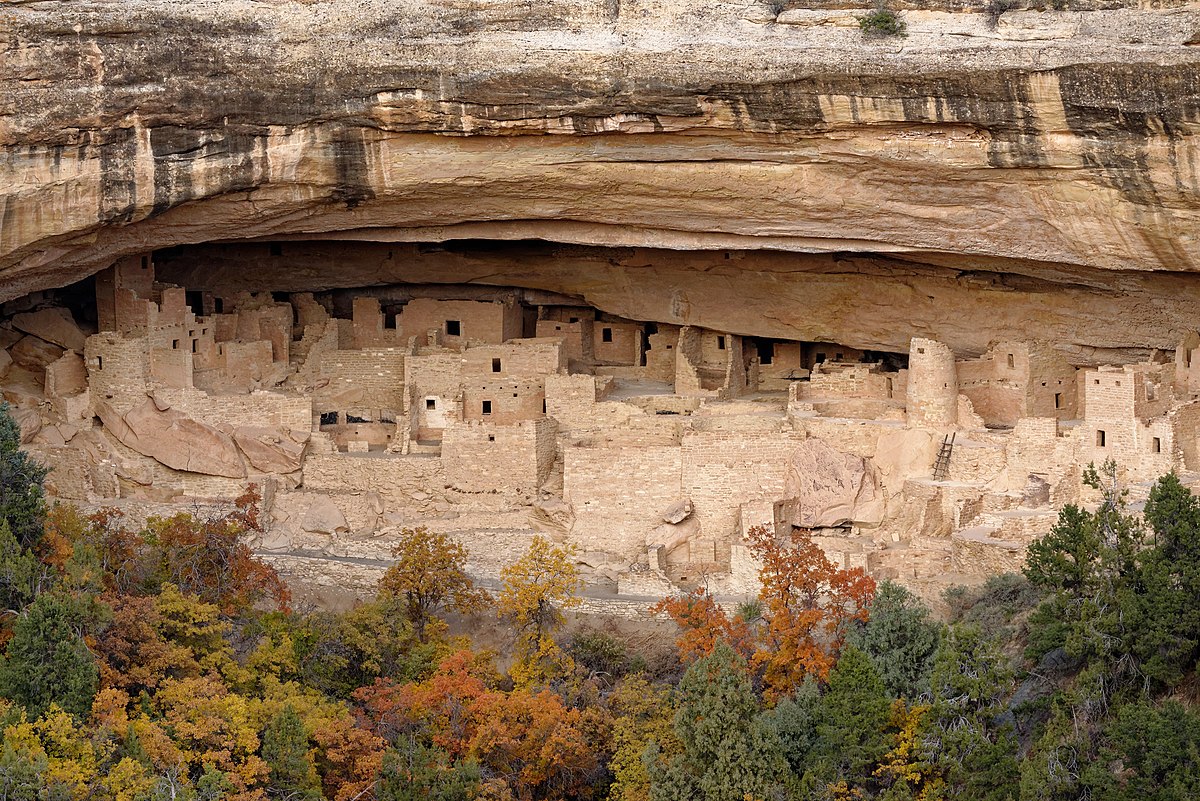
➼ Mesa Verde Cliff Dwellings
- Details
- Ancestral Puebloan (Anasazi)
- 450–1300 C.E.
- Sandstone
- Found in Montezuma County, Colorado
- Form
- The top ledge houses supplies in a storage area; cool and dry area out of the way; accessible only by ladder.
- Each family received one room in the dwelling.
- Plaza placed in front of the abode structure; kivas face the plaza.
- Function
- The pueblo was built into the sides of a cliff, housed about one hundred people.
- Clans moved together for mutual support and defense.
- Context
- Farming done on the plateau above the pueblo; everything had to be imported into the structure; water seeped through the sandstone and collected in trenches near the rear of the structure.
- Low winter sun penetrated the pueblo; high summer sun did not enter the interior and therefore it stayed relatively cool.
- Inhabited for two hundred years; probably abandoned when the water source dried up.
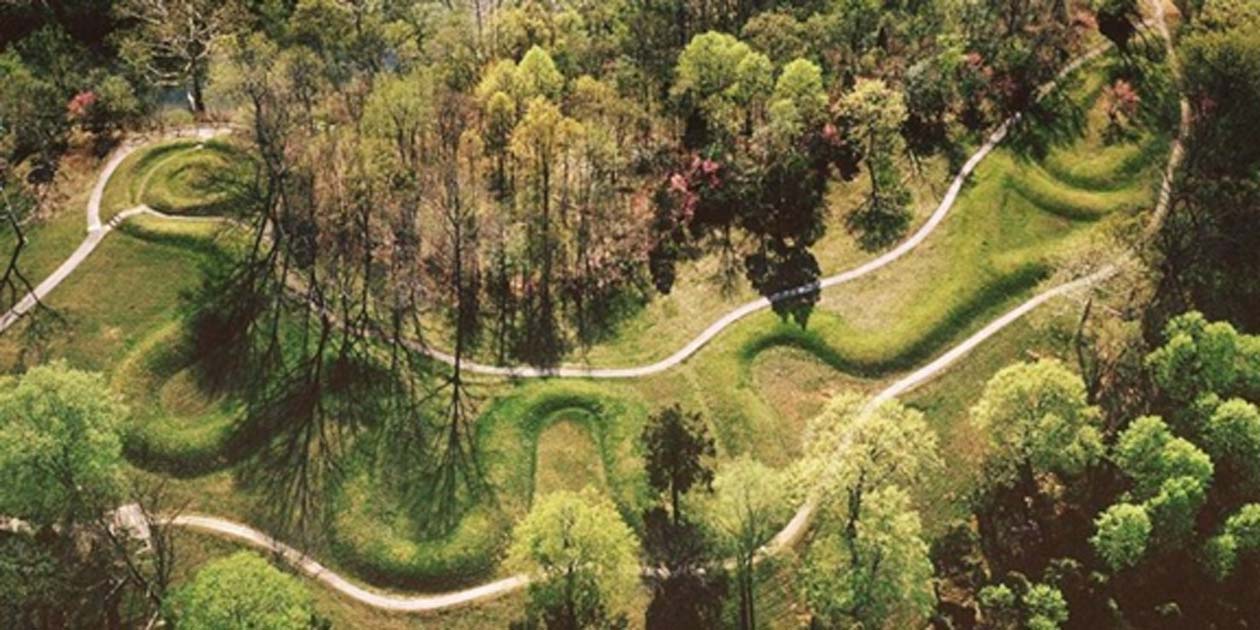
➼ Great Serpent Mound
- Details
- Mississippian (Eastern Woodlands)
- c. 1070 C.E.
- earthwork/effigy mound
- Found in Adams County, southern Ohio
- Context
- Many mounds were enlarged and changed over the years, not built in one campaign.
- Effigy mounds popular in Mississippian culture.
- Associated with snakes and crop fertility.
- There are no burials associated with this mound, though there are burial sites nearby.
- Theories
- Influenced by comets? Astrological phenomenon? Head pointed to summer solstice sunset?
- Theory that it could be a representation of Halley’s Comet in 1066.
- Rattlesnake as a symbol in Mississippian iconography; could this play a role in interpreting this mound?
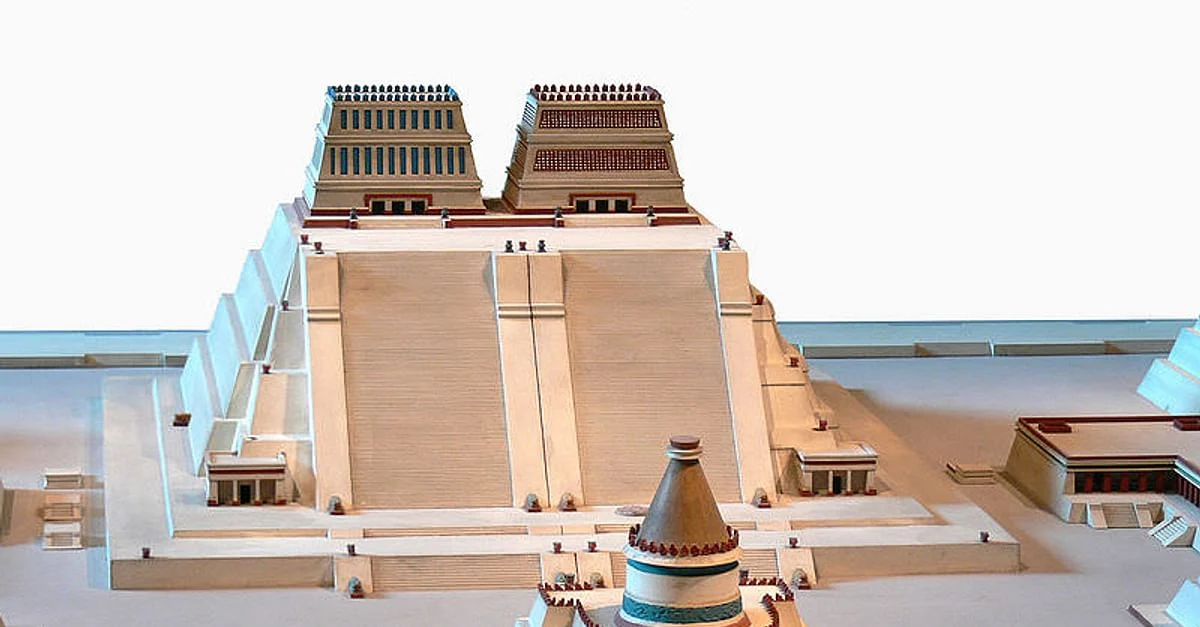
➼ Templo Mayor (Main Temple)
- Details
- 1375–1520
- Stone
- Found in Tenochtitlán, Mexico City, Mexico
- Form
- Pyramids built one atop the other so that the final form encases all previous pyramids; seven building campaigns.
- Pyramids have a step-like series of setbacks; not the smooth-surfaced pyramids seen in Egypt.
- Characterized by four huge flights of very vertical steps leading to temples placed on top.
- Function
- Tenochtitlán was laid out on a grid; city seen as the center of the world.
- The temple structures on top of each pyramid were dedicated to and housed the images of the two important deities.
- Context
- Two temples atop a pyramid, each with a separate staircase:
- North: dedicated to Tlaloc, god of rain, agriculture.
- South: dedicated to Huitzilopochtli, god of sun and war.
- At the spring and autumn equinoxes, the sun rises between the two.
- Large braziers put on top where the sacred fires burned.
- Temple structures housed images of the deities.
- Temples begun in 1375; rebuilt six times; destroyed by the Spanish in 1520.
- The destruction of this temple and reuse of its stones by the Spanish asserted a political and spiritual dominance over the conquered civilization.
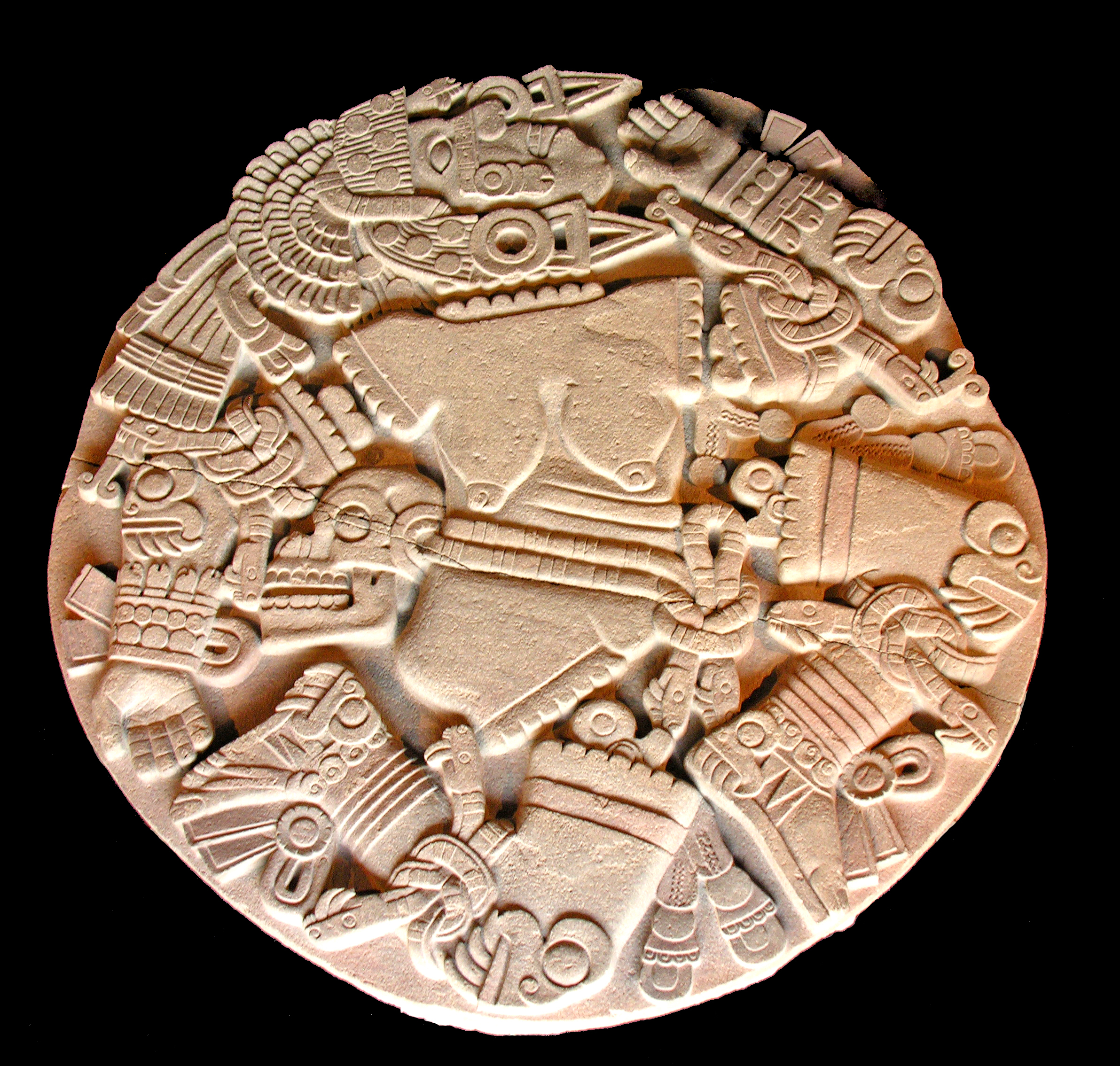
➼ Coyolxauhqui “She of the Golden Bells”
- Details
- 1469
- volcanic stone
- Found in Museum of the Templo Mayor, Mexico City
- Form
- Circular relief sculpture.
- Once brilliantly painted.
- So called because of the bells she wears as earrings.
- Context
- Coyolxauhqui and her many brothers plotted the death of her mother, Coatlicue, who became pregnant after tucking a ball of feathers down her bosom.
- When Coyolxauhqui chopped off Coatlicue’s head, a child, Huitzilopochtli, popped out of the severed body fully grown and dismembered Coyolxauhqui, who fell dead at the base of the shrine.
- This stone represents the dismembered moon goddess, Coyolxauhqui, who is placed at the base of the twin pyramids of Tenochtitlán.
- Aztecs sacrificed people and then threw their dismembered remains down the steps of the temple as Huitzilopochtli did to Coyolxauhqui.
- Aztecs similarly dismembered enemies and threw them down the stairs of the great pyramid to land on the sculpture of Coyolxauhqui.
- A relationship was established between the death and decapitation of Coyolxauhqui with the sacrifice of enemies at the top of Aztec pyramids.
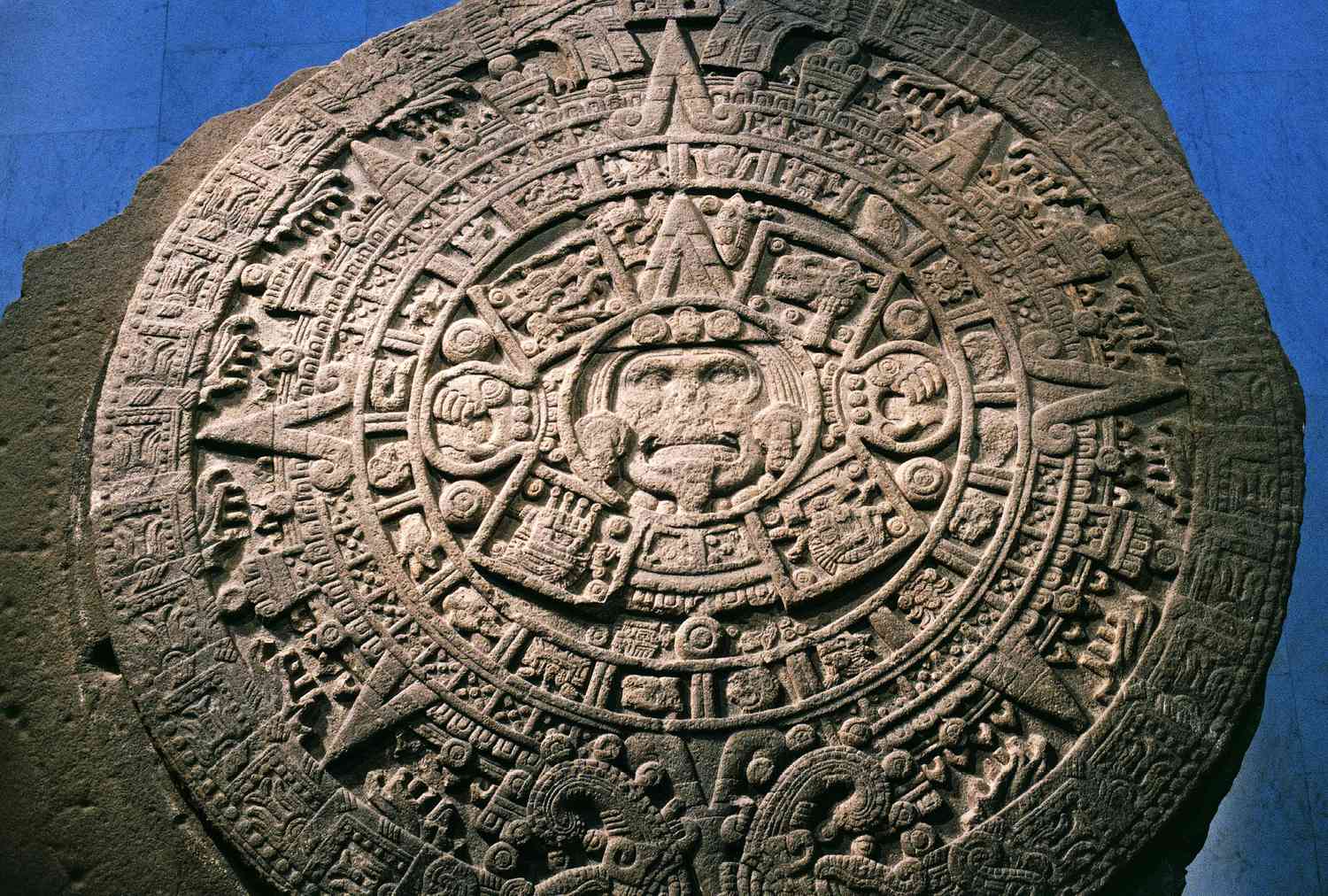
➼ Calendar Stone
- Form: Made of basalt.
- Context
- Aztecs felt they needed to feed the sun god human hearts and blood.
- A tongue in the center of the stone coming from the god’s mouth is a representation of a sacrificial flint knife used to slash open the victims.
- Circular shape reflects the cyclic nature of time.
- Two calendar systems, separate but intertwined.
- Calendars synced every fifty-two years in a time of danger, when the Aztecs felt a human sacrifice could ensure survival.
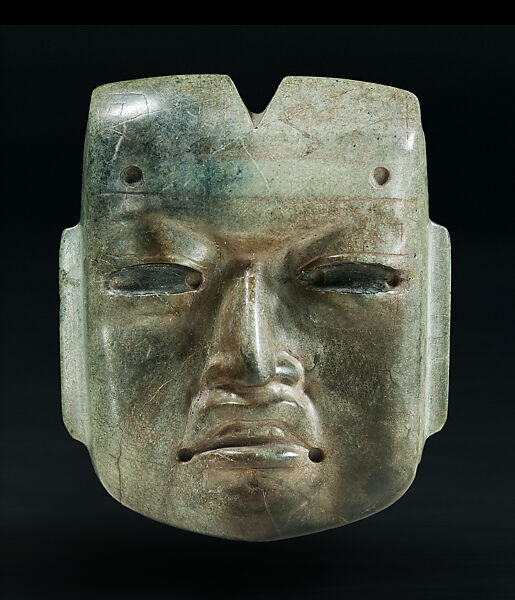
➼ Olmec-style Mask
- Form: Made of jadeite.
- Context
- Found on the site; actually a much older work executed by the Olmecs.
- Olmec works have a characteristic frown on the face; pugnacious visage; baby face; a cleft in the center of the head carved from greenstone.
- Shows that the Aztecs collected and embraced artwork from other cultures, including early Mexican cultures such as the Olmec and Teotihuacán.
- Shows that the Aztecs had a wide-ranging merchant network that traded historical items.
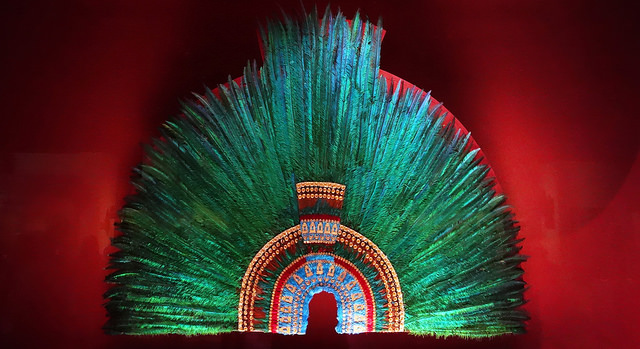
➼ Ruler’s Feather Headdress
- Details:
- 1428–1520
- feathers (quetzal and blue cotinga) and gold
- Found in Museum of Ethnology, Vienna
- Form
- Made from 400 long green feathers, the tails of the sacred quetzal birds; male birds produce only two such feathers each.
- The number 400 symbolizes eternity.
- Function
- Ceremonial headdress of a ruler.
- Part of an elaborate costume.
- Context
- Only known Aztec feather headdress in the world.
- Feathers indicate trading across the Aztec Empire.
- Headdress possibly part of a collection of artifacts given by Motechuzoma (Montezuma) to Cortez for Charles V of the Holy Roman Empire.
- Current dispute over ownership of the headdress; today it is housed in the Museum of Ethnology in Vienna, Austria.
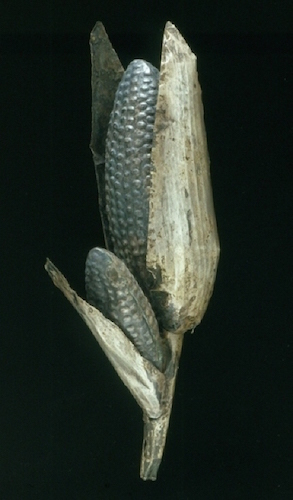
➼ Maize cobs
- Details
- c. 1440–1533
- sheet metal/repoussé, metal alloys
- Found in Staatliche Museen zu Berlin
- Technique and Form
- Repoussé technique.
- Hollow metal object.
- Life-size.
- Function
- May have been part of a garden in which full-sized metal sculptures of maize plants and other items were put in place alongside actual plants in the Qorinkancha garden.
- May have been used to ensure a successful harvest.
- Context
- Maize was the principal food source in the Andes.
- Maize was celebrated by having sculptures fashioned out of sheet metal.
- Black maize was common in Peru; oxidized silver reflects that.
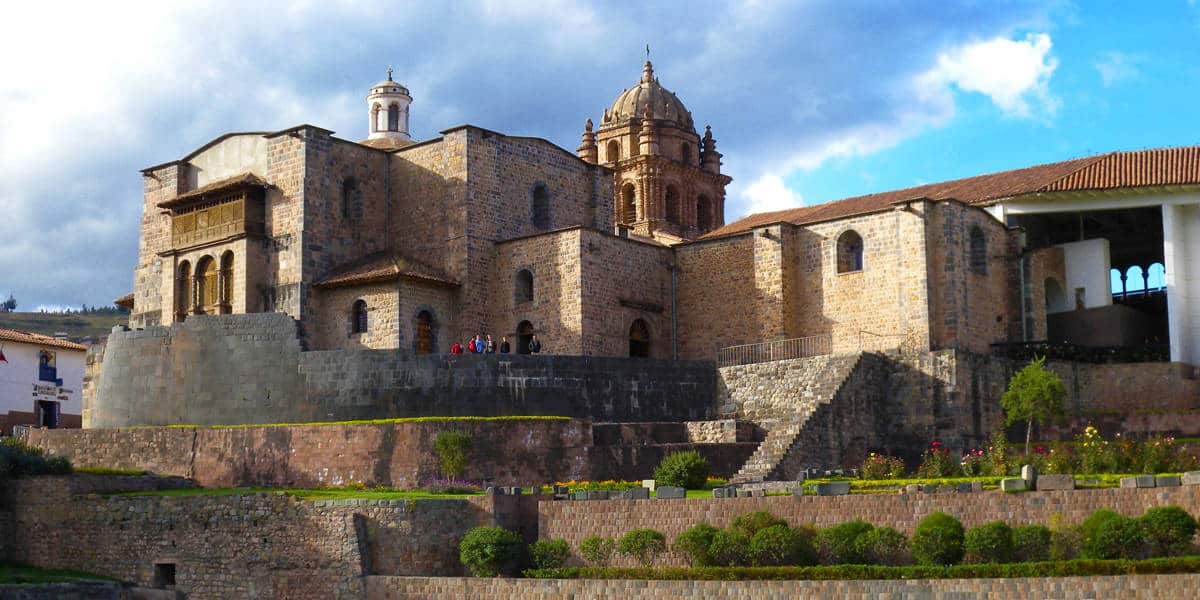
➼ Qorikancha
- Details
- main temple, church, and convent of Santo Domingo
- c. 1440, convent added 1550–1650
- Andesite
- Found in Cusco, Peru
- Form
- Ashlar masonry; carefully grooved and beveled edges of the stone fit together in a puzzle-like formation.
- Slight spacing among stones allows movement during earthquakes.
- Walls taper upward; examples of Inkan trapezoidal architecture.
- Temple displays Inkan use of interlocking stonework of great precision.
- Original exterior walls of the temple were decorated in gold to symbolize sunshine.
- Spanish chroniclers insist that the walls and floors of the temple were covered in gold.
- Function
- Qorikancha: golden enclosure; once was the most important temple in the Inkan world.
- Once was an observatory for priests to chart the skies.
- Context
- The location is important; placed at the convergence of the four main highways and connected to the four districts of the empire; the temple cemented the symbolic importance of religion, uniting the divergent cultural practices that were observed in the vast territory controlled by the Inkas.
- Remains of the Inkan Temple of the Sun form the base of the Santo Domingo convent built on top.
➼ Walls at Saqsa Waman (Sacsayhuaman)
- Details
- c. 1440
- Sandstone
- Found in Peru
- Form
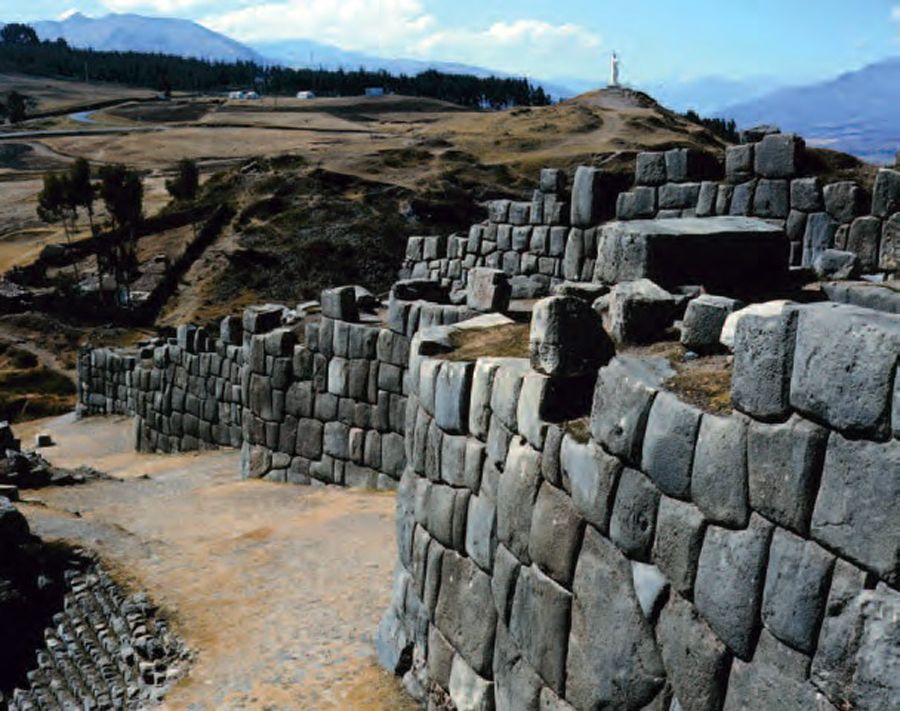
- Ashlar masonry.
- Ramparts contain stones weighing up to seventy tons, brought from a quarry two miles away.
- Context: Complex outside the city of Cusco, Peru, at the head of the puma-shaped plan of the city.
➼ Machu Picchu
- Details
- 1450–1540
- Granite
- Found in Central Highlands, Peru
- Form
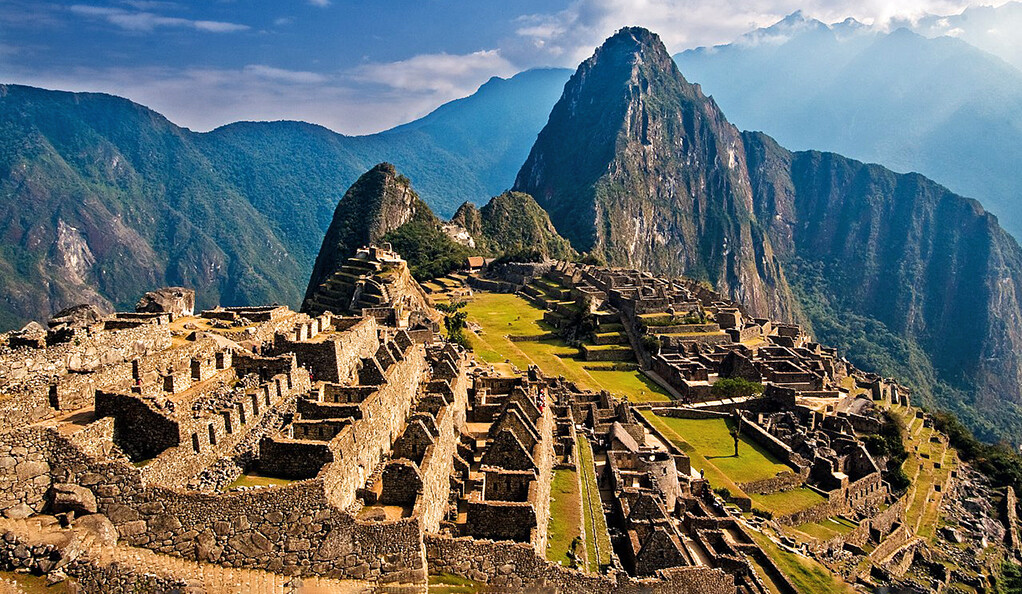
- Buildings built of stone with perfectly carved rock rendered in precise shapes and grooved together; thatched roofs.
- Outward faces of the stones were smoothed and grooved.
- Two hundred buildings, mostly houses; some temples, palaces, and baths, and even an astronomical observatory; most in a basic trapezoidal shape.
- Entryways and windows are trapezoidal.
- People farmed on terraces.
- Function
- Originally functioned as a royal retreat.
- The estate of fifteenth-century Inkan rulers.
- So remote that it was probably not used for administrative purposes in the Inkan world.
- Peaceful center: many bones were uncovered, but none of them indicate war-like behavior.
➼ Observatory in Machu Picchu
- Details
- 1450–1540
- Granite
- Found in Peru
- Form
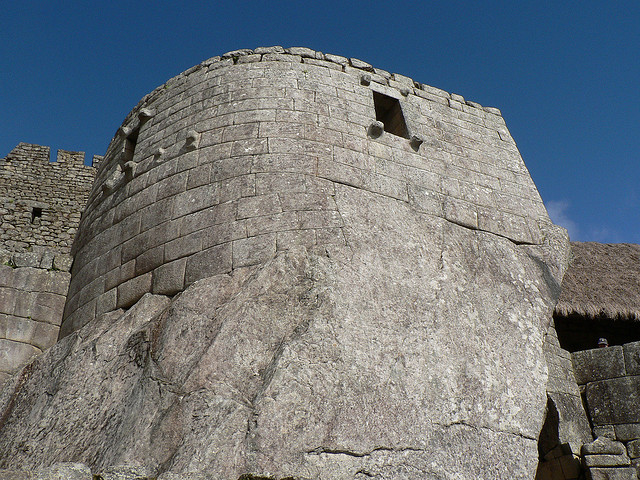
- Ashlar masonry.
- Highest point at Machu Picchu.
- Function
- Used to chart the sun’s movements; also known as the Temple of the Sun.
- Left window: sun shines through on the morning of the winter solstice.
- Right window: sun shines through on the morning of the summer solstice.
- Devoted to the sun god.
➼ Intihuatana Stone in Machu Picchu
- Context
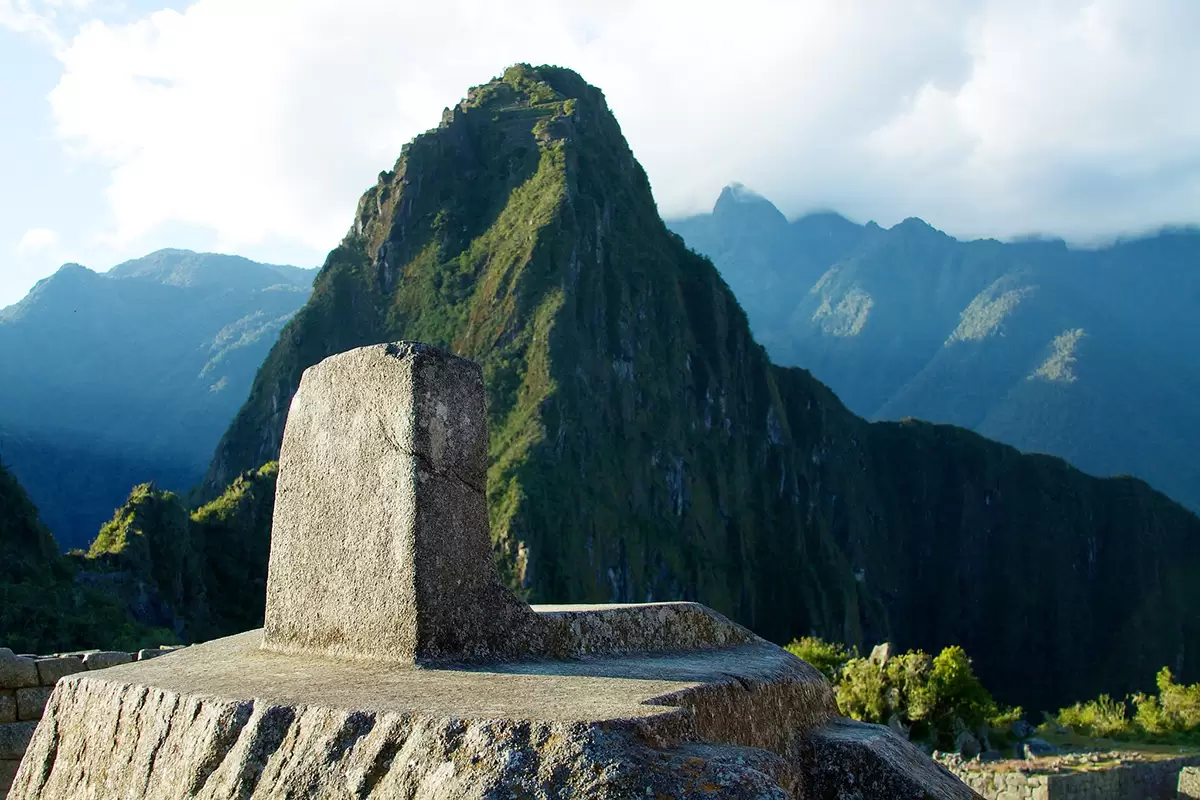
- Intihuatana means “hitching post of the sun”; aligns with the sun at the spring and the autumn equinoxes, when the sun stands directly over the pillar and thus creates no shadow.
- Inkan ceremonies held in concert with this event.
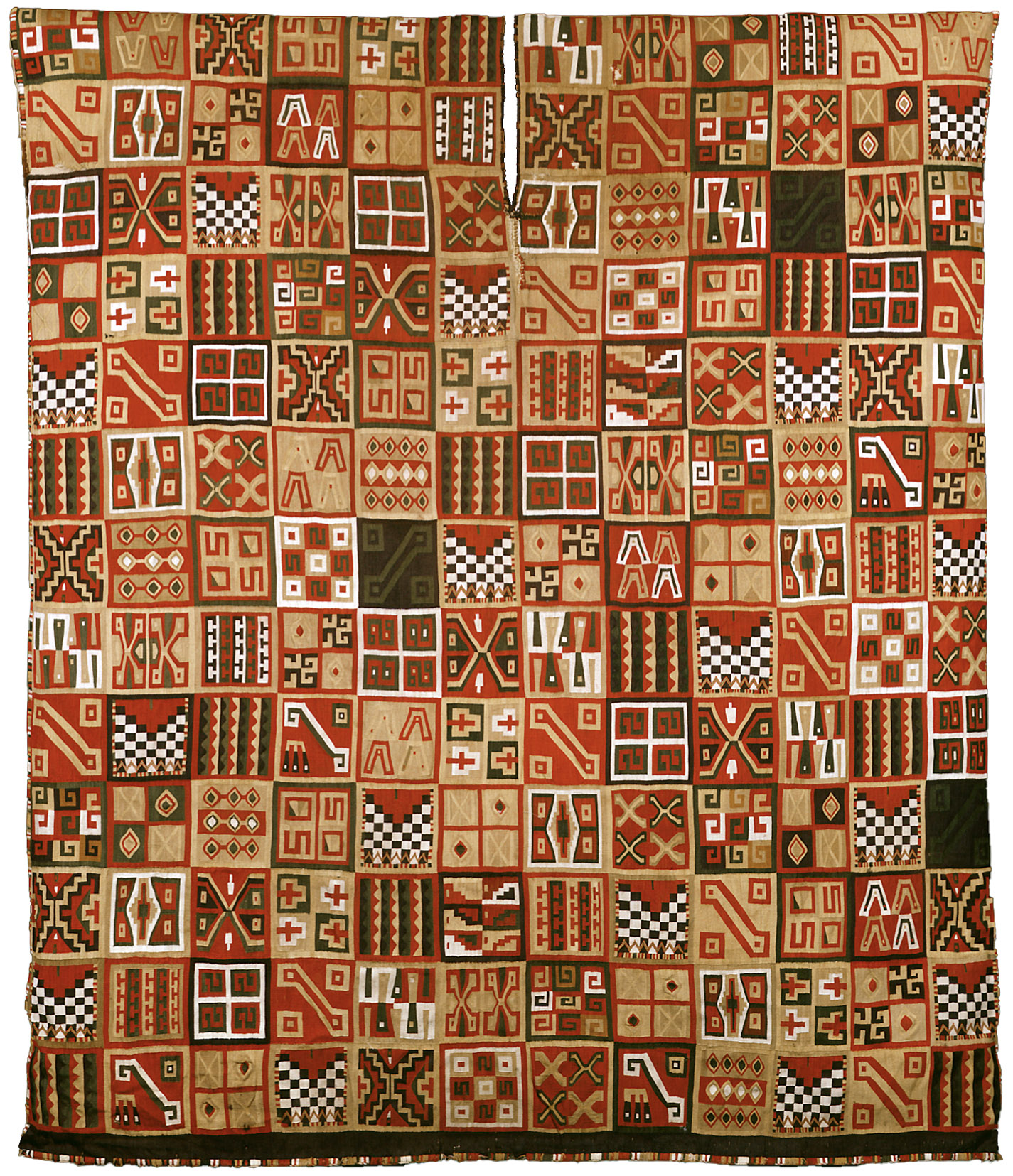
➼ All-T’oqapu Tunic
- Details
- 1450–1540
- camelid fiber and cotton
- Found in Dumbarton Oaks, Washington, D.C.
- Form
- Rectangular shape; a slit in the center is for the head; then the tunic is folded in half and the sides are sewn for the arms.
- The composition is composed of small rectangular shapes called t’oqapu.
- Individual t’oqapu may be symbolic of individuals, events, or places.
- This tunic contains a large number of t’oqapu.
- Function
- Wearing such an elaborate garment indicates the status of the individual.
- May have been worn by an Inkan ruler.
- Technique
- Woven on a backstrap loom.
- One end of the loom is tied to a tree or a post and the other end around the back of the weaver.
- The movement of the weaver can create alternating tensions in the fabric and achieve different results.
- Context
- Exhibits Inkan preference for abstract designs, standardization of designs, and an expression of unity and order.
- Finest textiles made by women, a highly distinguished art form; this tunic has a hundred threads per square centimeter.
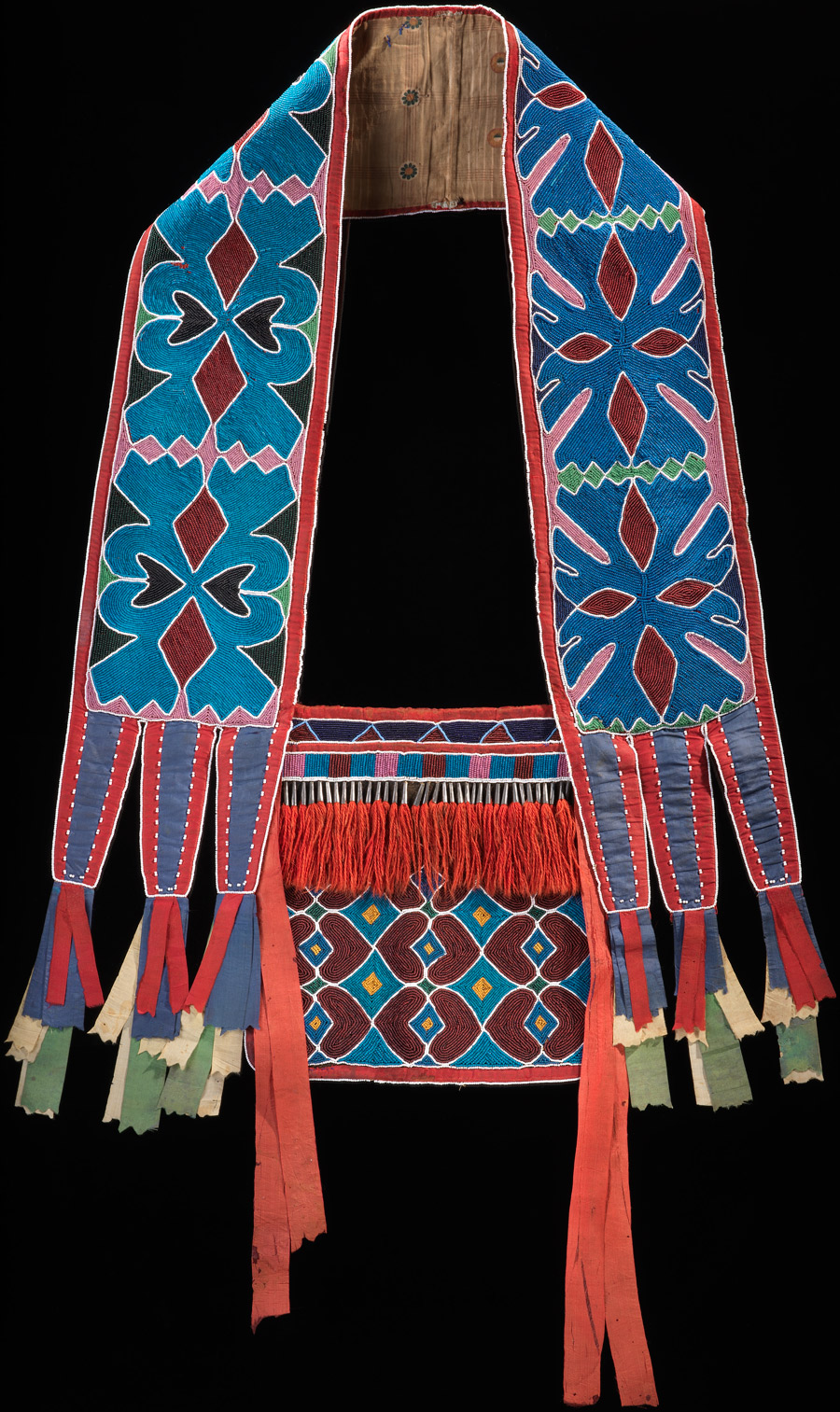
➼ Bandolier Bag
- Details
- From Lenape (Delaware tribe, Eastern Woodlands)
- c. 1850
- beadwork on leather
- Found in Museum of the American Indian
- Form
- The bandolier bag has a large, heavily beaded pouch with a slit on top.
- The bag was held at hip level with strap across the chest.
- The bag was constructed of trade cloth: cotton, wool, velvet, or leather.
- Function
- It was made for men and women; objects of prestige.
- They were made by women.
- Functional and beautiful; acted also as a status symbol as part of an elaborate garb.
- Bandolier bags are still made and worn today.
- Context
- Beadwork not done in the Americas before European contact.
- Beads and silk ribbons were imported from Europe.
- The bags contain both Native American and European motifs.
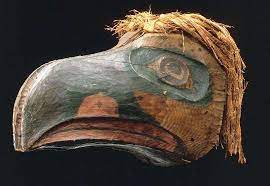
➼ Transformation Mask
- Details
- From Kwakwaha’wakw, Northwest Coast of Canada
- late 19th century
- wood, paint, and string
- Found in Musée du Quai Branly-Jacques Chirac, Paris, France
- Form: The mask has a birdlike exterior face; when opened, it reveals a second human face on the interior.
- Function
- The masks were worn by native people of the Pacific. Northwest, centered on Vancouver Island.
- They were worn over the head as part of a complete body costume.
- Context
- During a ritual performance, the wearer opens and closes the transformation mask using strings.
- At the moment of transformation, the performer turns his back to the audience to conceal the action and heighten the mystery.
- Opening the mask reveals the face of an ancestor; there is an ancestral element to the ceremony.
- Although these masks could be used at a potlatch, most often they were used in winter initiation rites ceremonies.
- The ceremony is accompanied by drumming and takes place in a “big house.”
- Masks are highly prized and often inherited.
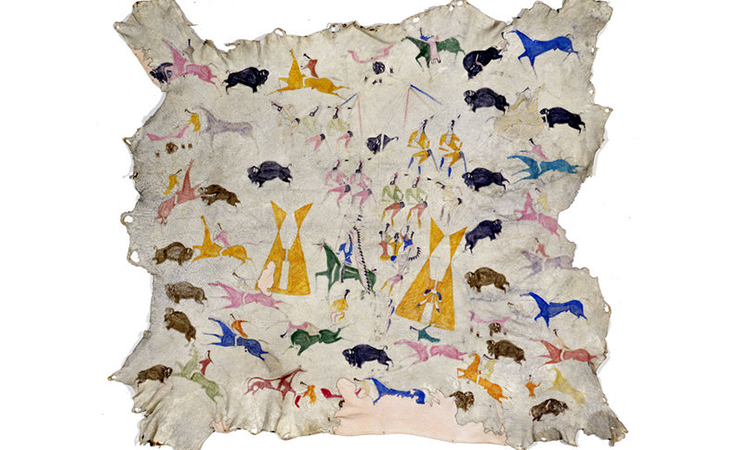
➼ Hide Painting of the Sun Dance
- Details
- Attributed to Cotsiogo (Cadzi Cody)
- Painted elk hide, Eastern Shoshone, Wind River Reservation, Wyoming,
- c. 1890–1900,
- Found in Brooklyn Museum, Brooklyn, New York
- Content
- Depicts traditional aspects of the Plains people’s culture that were nostalgic rather than practical: bison hunted with bow and arrow—nomadic hunting gone; bison nearly extinct.
- Hide paintings mark past events.
- Bison considered to be gifts from the Creator.
- Horses, in common use around 1750, liberated the Plains people.
- Teepee: made of hide stretched over poles:
- Exterior poles reach the spirit world or sky.
- Fire represents the heart.
- The doorway faces east to greet the new day.
- The sun dance was conducted around a bison head, and was outlawed by the U.S. government; viewed as a threat to order.
- The sun dance involved men dancing, singing, preparing for the feast, drumming, and constructing a lodge. They honored the Creator deity for the bounty of the land.
- The warrior’s deeds were celebrated on the hide.
- Function
- Worn as a robe over the shoulders of the warrior.
- Perhaps a wall hanging.
- Context
- Depicts biographical details; personal accomplishments; heroism; battles.
- Men painted hides to narrate an event.
- Eventually, painted hides were made for European and American markets; tourist trade.
- Used paint and dyes obtained through trade.
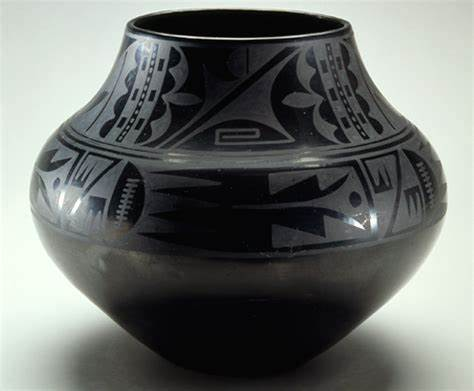
➼ Black-on-black Ceramic Vessel
- Details
- By Maria Martínez and Julian Martínez
- From Tewa, Puebloan, San Ildefonso Pueblo, New Mexico, mid-20th century
- blackware ceramic
- Found in Smithsonian Museum of American Art, Washington, D.C..
- Form
- Black-on-black vessel.
- Highly polished surface.
- Contrasting shiny black and matte black finishes.
- Exceptional symmetry; walls of even thickness; surfaces free of imperfections.
- Function
- Comes from the thousand-year-old tradition of pottery making in the Southwest.
- Maria Martínez preferred making pots using a new technique that rendered a vessel lightweight, less hard, and not watertight, as traditional pots were; this kind of vessel reflected the market shift away from utilitarian vessels to decorative objects.
- Technique
- Used a mixture of clay and volcanic ash.
- The surface was scraped to a smooth finish with a gourd tool and then polished with a stone.
- Julian Martínez painted designs with a liquid clay that yielded a matte finish in contrast with the high shine of the pot itself.
- Context
- At the time of production, pueblos were in decline; modern life was replacing traditional life.
- Artists’ work sparked a revival of pueblo techniques.
- Maria Martínez, the potter, developed and invented new shapes beyond the traditional pueblo forms.
- Julian Martínez, the painter of the pots, revived the use of ancient mythic figures and designs on the pots.
- Reflects an influence of Art Deco designs popular at the time.