AP Psych shower curtain (FULL REVIEW)
For the shower curtain project, can be used for full review of AP Psych
Unit 0 (Scientific Practices)
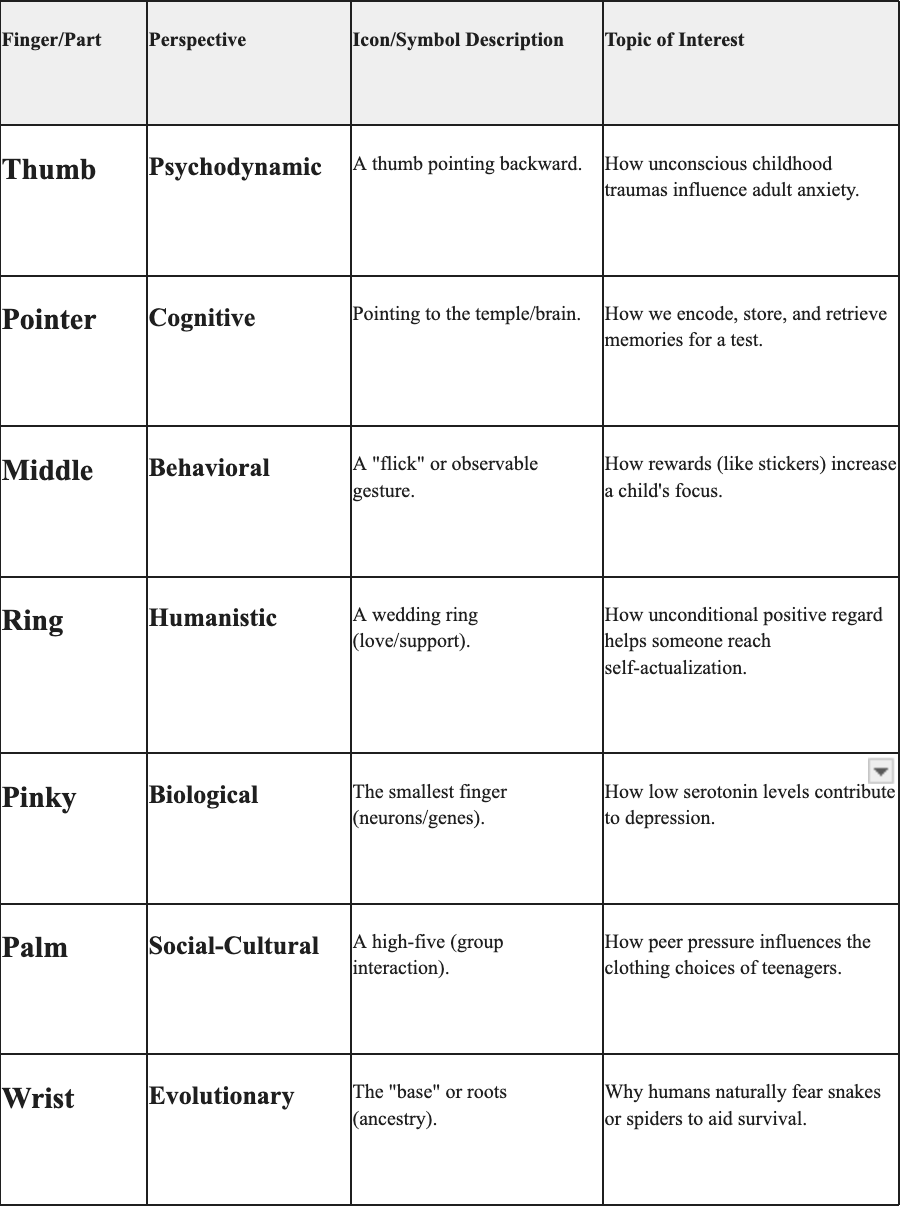
Hand mnemonic for 7 perspectives of psychology
Experiment: Bandura’s Bobo Doll Study (1961)
Independent Variable (IV): The type of model the child observes (aggressive vs. non-aggressive behavior toward the doll).
Dependent Variable (DV): The level of aggressive behavior the child exhibits toward the doll.
Experimental Method: Laboratory Experiment.
Sampling/Assignment:
Random Sampling: No (Bandura used children from the Stanford University Nursery).
Random Assignment: Yes (children were randomly assigned to different groups to ensure existing aggression levels didn't bias the results).
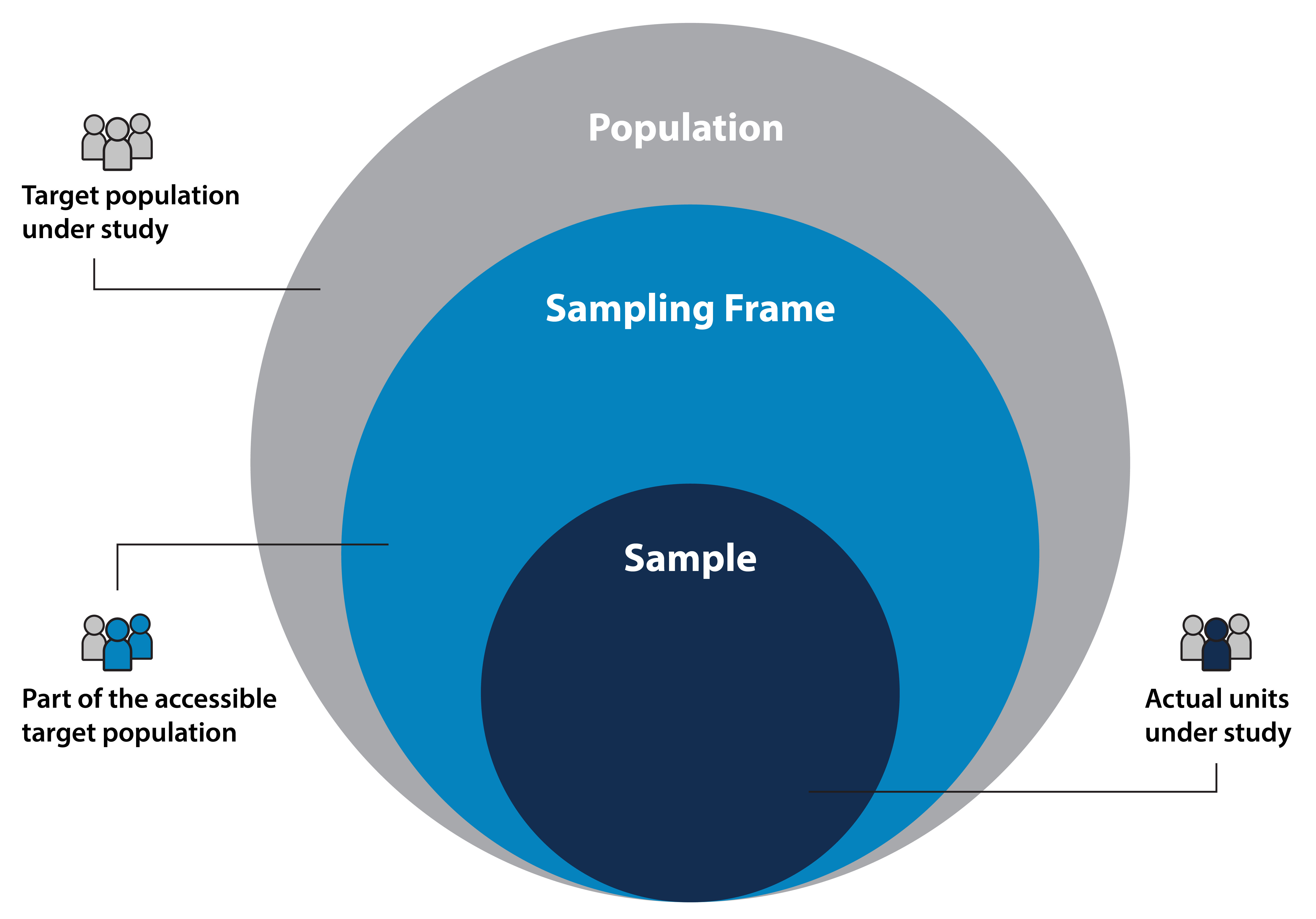
Breakdown of population, sample, and groups in study
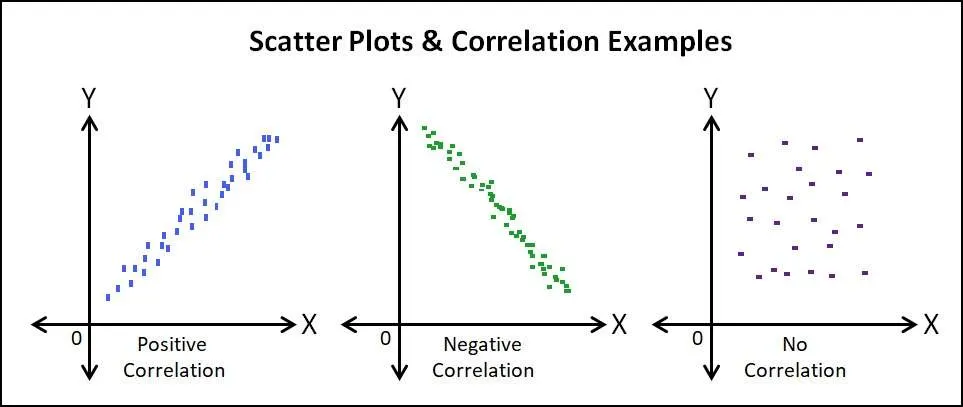
Types of scatter plots
Data collection
Quantitative Data: Deals with numbers and things that can be measured objectively.
Collection Example: Using a survey to rate happiness on a scale of 1–10.
Qualitative Data: Deals with descriptions and meanings that cannot be measured by numbers.
Collection Example: Conducting an in-depth interview to understand a person's experience with grief.
Ethical codes:
Informed Consent: Participants must be told enough about the study to choose if they want to join.
Protection from Harm: Researchers must ensure participants are not put at significant physical or psychological risk.
Confidentiality: Individual data must be kept private and anonymous.
Debriefing: After the study, researchers must explain the true purpose and any deception used.
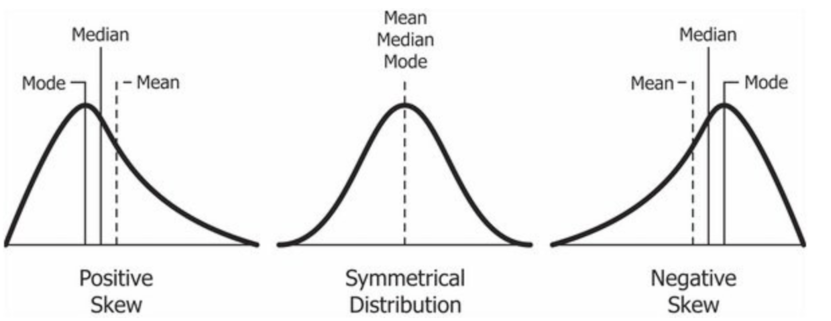
Bell curve
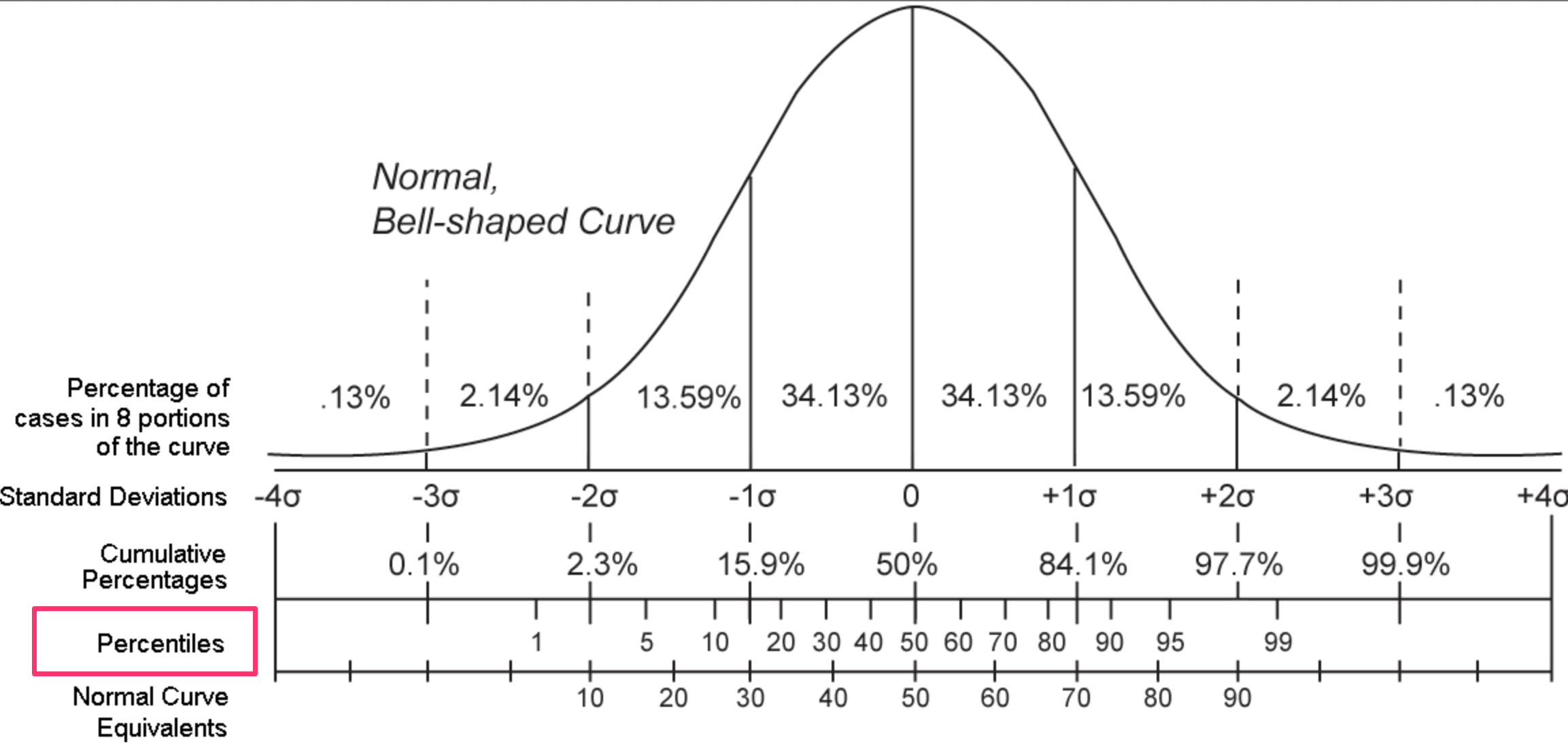
Skewed distribution
Unit 1 (Biological Bases of Behavior)
Nature vs. Nurture debate
Ex: Consider intelligence. Nature theorists argue that IQ is largely inherited (supported by twin studies), while nurture theorists argue that access to quality education, nutrition, and a stimulating environment determines a person’s intellectual capacity.
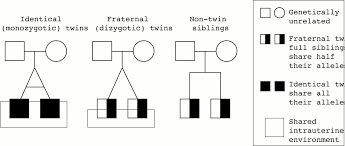
Identical & fraternal twins
Evolutionary perspective’s view of psych
Behaviors like phobias (snakes), food preferences (fats/sugars), and mating rituals are seen as "adaptive" traits that helped humans survive long enough to pass on their genes.
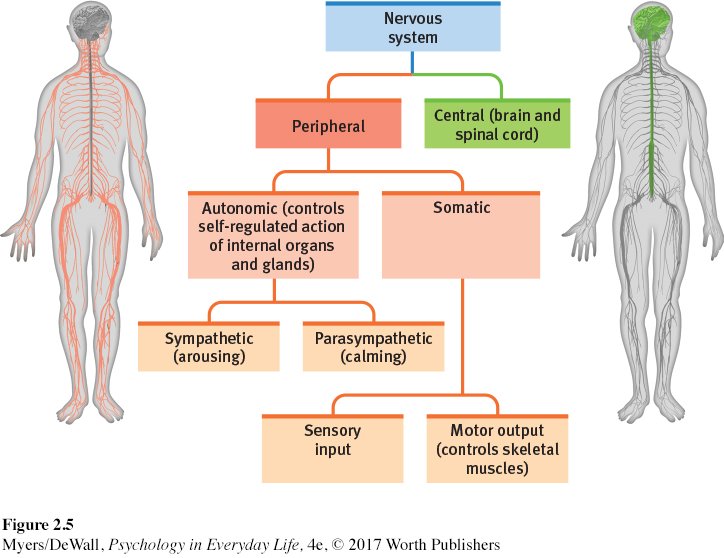
Divisions of Nervous System
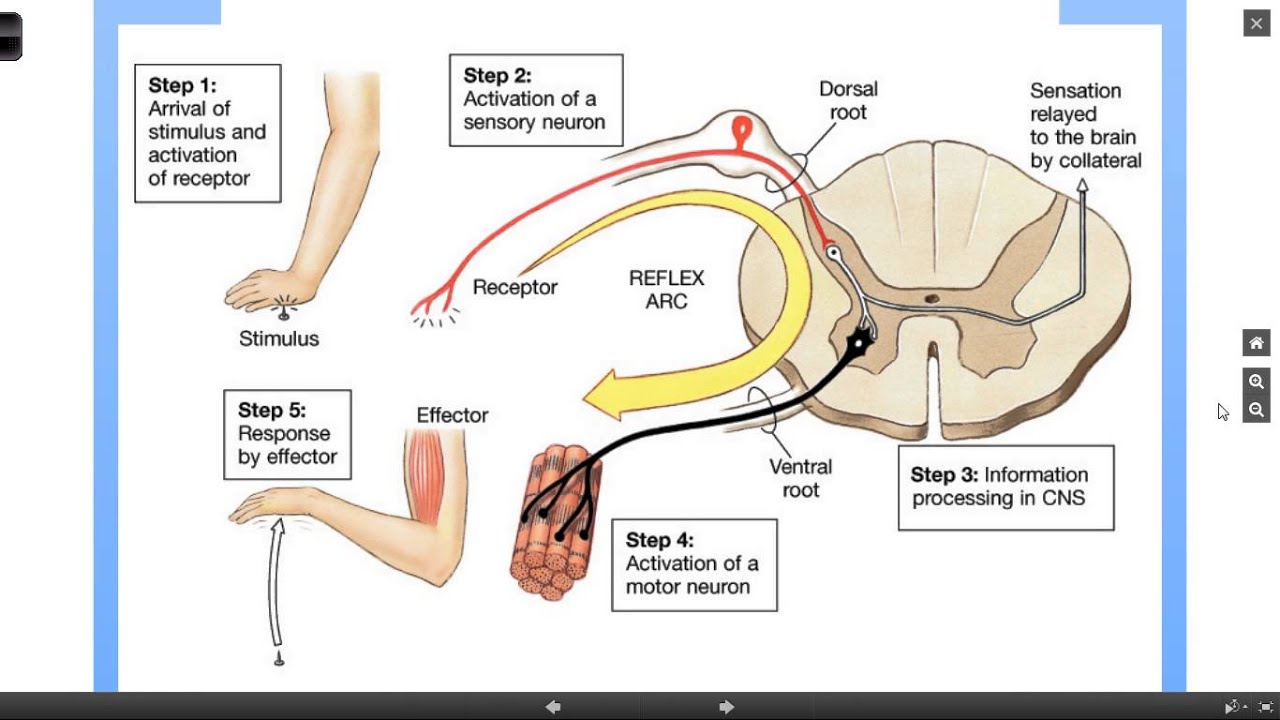
Reflex Arc
Process of Neural Transmission
Resting Potential:
The neuron is "charged", with more sodium outside and potassium inside.
Threshold:
The minimum level of stimulation required to trigger a neural impulse.
All-or-Nothing Response:
A neuron either fires completely or not at all; there is no "weak" or "strong" firing.
Depolarization:
Sodium channels open, making the inside of the cell positive. This is the Action Potential.
Refractory Period:
The "recharging" phase where the neuron cannot fire again until it resets its ion balance.
Reuptake
The process where the sending neuron reabsorbs excess neurotransmitters from the synapse.
Neurotransmitters
Dopamine
Reward, pleasure, motor movement.
Serotonin
Mood regulation, hunger, sleep.
Norepinephrine
Alertness and arousal.
Glutamate
Major excitatory; memory.
GABA
Major inhibitory; calms down.
Endorphins
Pain control and euphoria.
Substance P
Sends pain msgs to the brain.
Actylcholine
Muscle action, learning, memory.
Hormones
Adrenaline
Increases heart rate/blood pressure.
Triggers the "Fight or Flight" response during stress
Leptin
Signals satiety (fullness)
Tells the brain to stop eating; regulates long-term energy.
Ghrelin
Signals hunger.
"Growling Ghrelin"—triggers the urge to eat.
Melatonin
Regulates sleep-wake cycles.
Released by the pineal gland in response to darkness.
Oxytocin
Bonding, trust, and social connection.
The "Cuddle Hormone"—released during touch and childbirth.
Drugs
Depressants
Ex. Alcohol, Barbiturates, Opiates
Slows CNS activity, reduces inhibitions, slows reaction time
Stimulants
Ex. Caffeine, Nicotine, Cocaine, Meth
Speeds up CNS, increases heart rate, boosts confidence/energy.
Hallucinogens
Ex. LSD, Marijuana (mild), Psilocybin
Distorts perceptions, evokes sensory images without input.
Brain
Hindbrain:
Medulla: Life-sustaining functions (breathing, heart rate).
Pons: Sleep and facial expressions.
Cerebellum: Balance and fine motor coordination.
Midbrain:
Reticular Formation: Controls arousal and consciousness.
Forebrain/Lobes:
Frontal Lobe: Executive function, planning, personality (contains Motor Cortex).
Parietal Lobe: Spatial sense and touch (contains Somatosensory Cortex).
Occipital Lobe: Visual processing.
Temporal Lobe: Auditory processing.
Circadian Rhythm
Definition: Our internal 24-hour biological clock.
Disruptions: Jet Lag occurs when external time cues don't match our internal clock. Shift Work forces people to be active when their body is signaling sleep, leading to fatigue and cognitive decline.
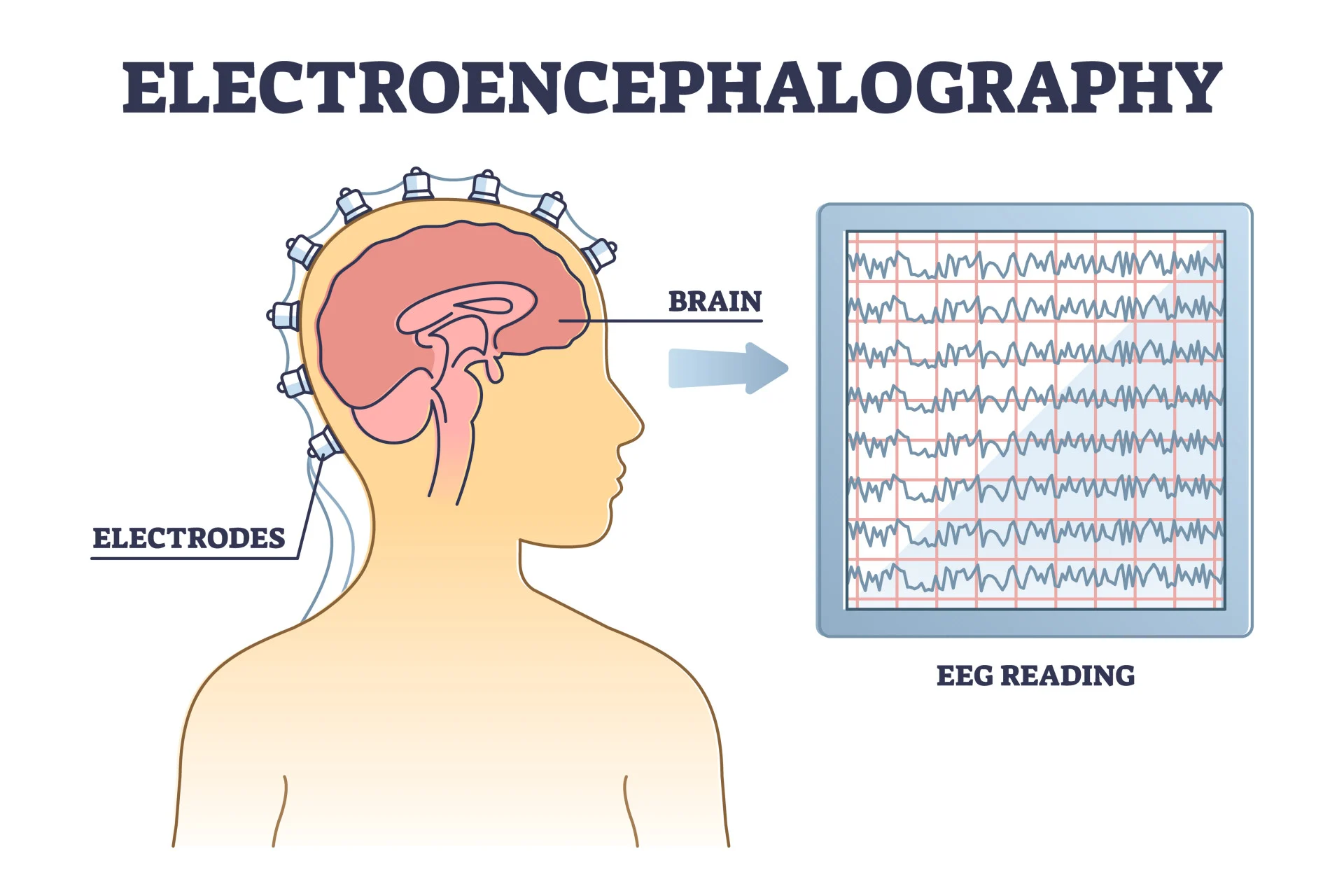
EEG
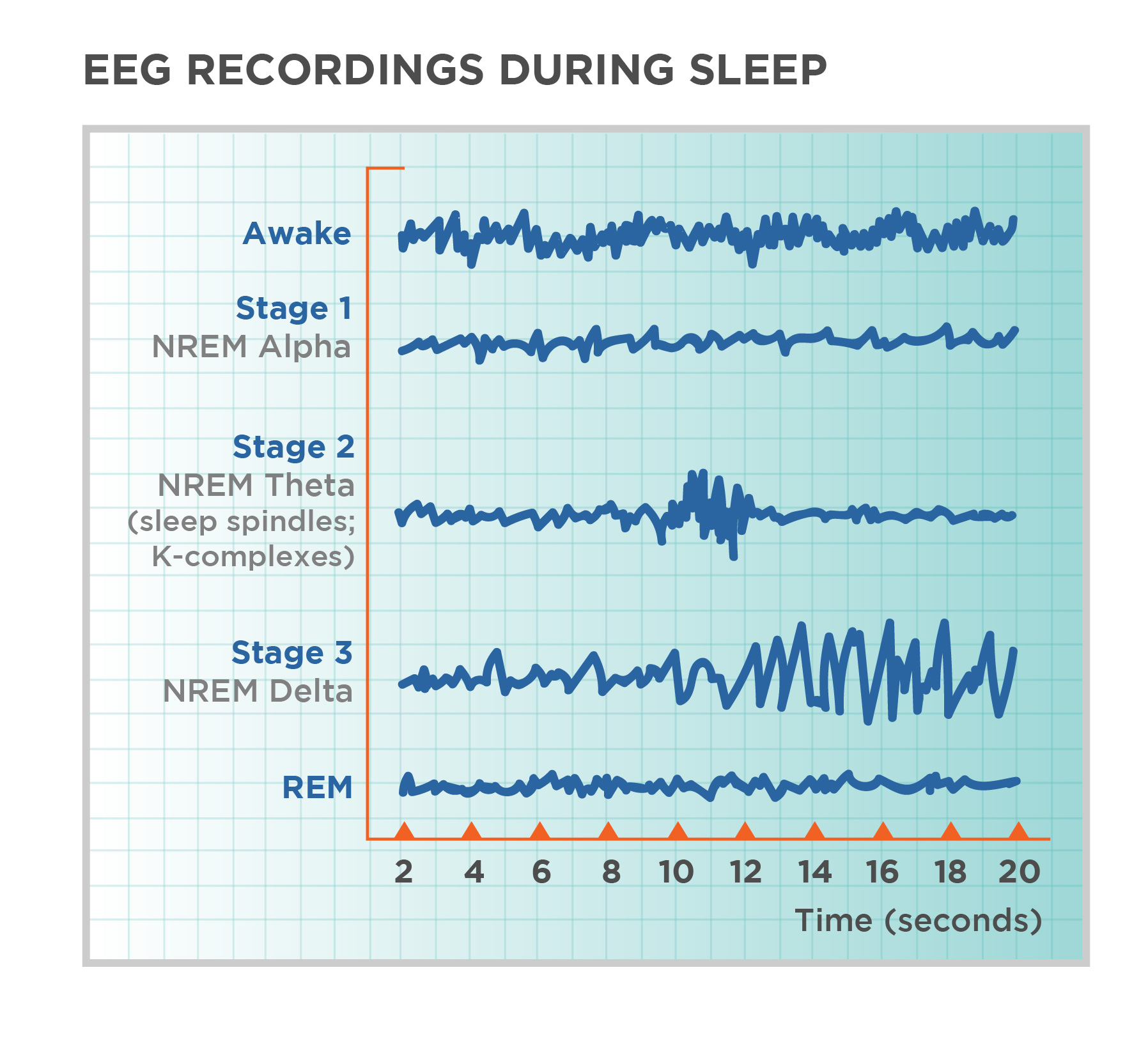
Dream Theories
Activation-Synthesis Theory:
Dreams are the brain's attempt to make sense of random neural firing in the brainstem.
Consolidation Theory:
Dreams/Sleep help process the day's experiences and "move" memories into long-term storage.
Sleep Theories
Restoration Theory:
Sleep allows the body and brain to repair tissue and clear out toxins.
Memory Consolidation:
Neural process of stabilizing a memory trace after initial acquisition, transforming short-term memories into stable, long-term storage.
Sleep Disorders
Insomnia
Persistent problems falling or staying asleep (leads to exhaustion).
Narcolepsy
Sudden, uncontrollable "sleep attacks" directly into REM sleep.
REM Sleep Behavior Disorder
Mechanism that paralyzes muscles fails; person "acts out" dreams.
Sleep Apnea
Temporary cessations of breathing during sleep; person wakes up gasping (often snoring).
Somnabulism
Sleepwalking (usually occurs during NREM-3 deep sleep).
Absolute vs Difference thresholds
Absolute Threshold:
The minimum stimulation needed to detect a stimulus 50% of the time
Ex. Seeing a candle flame 30 miles away
Difference Threshold (JND):
The minimum difference between two stimuli required for detection
Ex. How much quieter must a radio get before you notice it.
Sensory Interaction
Definition: The principle that one sense may influence another.
Ex. The McGurk Effect (where what we see changes what we hear) or the fact that food tastes bland when your nose is stuffed (smell influences taste).
Eye
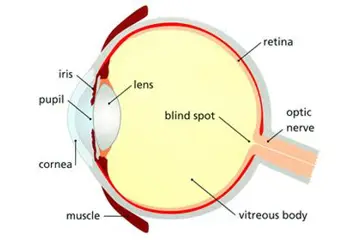
Lens
Focuses light onto the retina (Accommodation).
Pupil
The opening.
Iris
The muscle that controls pupil's size.
Cornea
Protects the eye and bends light.
Blind Spot
Where the optic nerve leaves the eye (no receptors).
Retina
Back of the eye containing Rods (light) and Cones (color/detail).
Fovea
Center of the retina; highest concentration of cones (sharpest vision).
Optic Nerve
Bundle of over one million nerve fibers that connects the retina at the back of the eye to the brain, transmitting visual information.
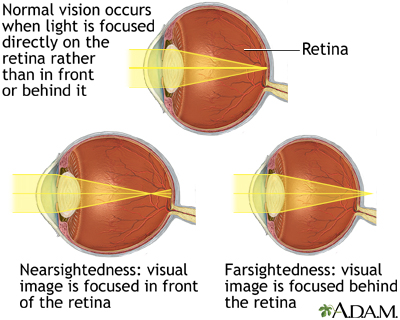
Color Theories
Opponent-process theory
The visual system processes colors in pairs (Red-Green, Yellow-Blue, Black-White). Explains afterimages.
Young-helmholtz trichromatic theory
Retina has 3 types of color receptors (Red, Green, Blue).
Pitch Theories
Place Theory
We hear pitch because different sound waves trigger activity at different spots along the cochlea's membrane (High pitches).
Frequency Theory
The brain reads pitch by the frequency of neural impulses traveling up the auditory nerve (Low pitches).
Volley Principle
Neurons fire in rapid succession (alternating) to achieve higher frequencies.
Hearing Loss
Sensorineural:
Damage to the hair cells or auditory nerve (often caused by loud noise/age). Requires a cochlear implant.
Conduction:
Damage to the mechanical system (eardrum or tiny bones) that conducts sound to the cochlea. Requires a hearing aid.
Other senses
Olfaction (smell)
Perception: Odors/Chemicals
Location: Olfactory bulbs (receptors in nasal cavity).
Gustation (taste)
Perception: Sweet, Sour, Salty, Bitter, Umami
Location: Taste buds on the tongue.
Touch
Perception: Pressure, Pain, Temperature
Location: Receptors in the skin (mechanoreceptors).
Vestibular
Perception: Balance/Body orientation
Location: Semicircular canals (inner ear).
Kinesthetic
Perception: Position of body parts
Location: Proprioceptors in muscles/joints.
Unit 2 (Cognition)
Processing Types
Bottom-up:
Definition: builds from sensory input (small → whole).
Ex. A child touching snow for the first time experiences raw cold, learning that it is cold without prior knowledge.
Top-down:
Definition: uses prior knowledge/expectations.
Ex. You understand a word even if letters are illegible because you use the context of the sentence.
Gestalt Principle:
Closure:
Definition: The tendency to fill in gaps to create a complete, whole object.
Ex. Seeing a circle even if a small segment is missing.
Figure-Ground:
Definition: Organizing the visual field into objects (the figures) that stand out from their surroundings (the ground).
Ex. The famous "vases or faces" illusion.
Proximity:
Definition: We group nearby figures together.
Ex. Seeing three sets of two lines rather than six separate lines).
Similarity:
Definition: We group similar figures together.
Ex. In a crowd of people wearing red and blue shirts, you perceive the "red team" and "blue team" as distinct groups).
Depth cues
Monocular
Relative clarity
Relative size
Texture gradient
Linear perspective
Interposition
Binocular
Retinal disparity
Convergence
Apparent motion
Stroboscopic: images appear moving
Phi phenomenon: blinking lights seem moving
Autokinetic: still light appears moving
Attention
Change Blindness:
Definition: Failing to notice changes in the environment
Ex. not noticing a person you are talking to has swapped places with someone else during a brief interruption.
Inattentive Blindness:
Definition: Failing to see visible objects when our attention is directed elsewhere
Ex. the famous "Gorilla" video.
Cocktail Party effect:
Definition: Ability to focus auditory attention on a single stimulus while filtering out other stimuli
Selective attention:
Definition: Process of focusing on specific, relevant stimuli while filtering out others
Thinking
Perceptual set: Expectation influences perception.
Schema: A mental framework that helps organize and interpret information.
Assimilation:
Definition: Interpreting new experiences in terms of our existing schemas.
Ex. A child sees a zebra and calls it a "horse".
Accommodation:
Definition: Adapting our current understandings (schemas) to incorporate new information.
Ex. The child learns that zebras have stripes and creates a new "zebra" schema
Divergent thinking:
How many unique uses can you think of for an empty plastic water bottle?
Convergent thinking:
Based on your budget of $50 and a team of 4, which is the most cost-effective method to transport the materials to the event location?
Decision-making
Heuristics
Representativeness Heuristic:
Judging the likelihood of things in terms of how well they seem to represent, or match, particular prototypes.
Availability Heuristic:
Estimating the likelihood of events based on their availability in memory. If instances come readily to mind (perhaps because of vividness), we presume such events are common.
Decision-Making Obstacles
Mental Set:
A tendency to approach a problem in one particular way, often a way that has been successful in the past.
Priming:
The activation, often unconsciously, of certain associations, thus predisposing one’s perception, memory, or response.
Framing:
The way an issue is posed; how an issue is framed can significantly affect decisions and judgments.
Gambler’s Fallacy:
The belief that if something happens more frequently than normal during a given period, it will happen less frequently in the future
Sunk-Cost Fallacy:
Continuing a behavior or endeavor as a result of previously invested resources (time, money, or effort), even if the current cost outweighs the benefit.
Multi-Store Model of Memory
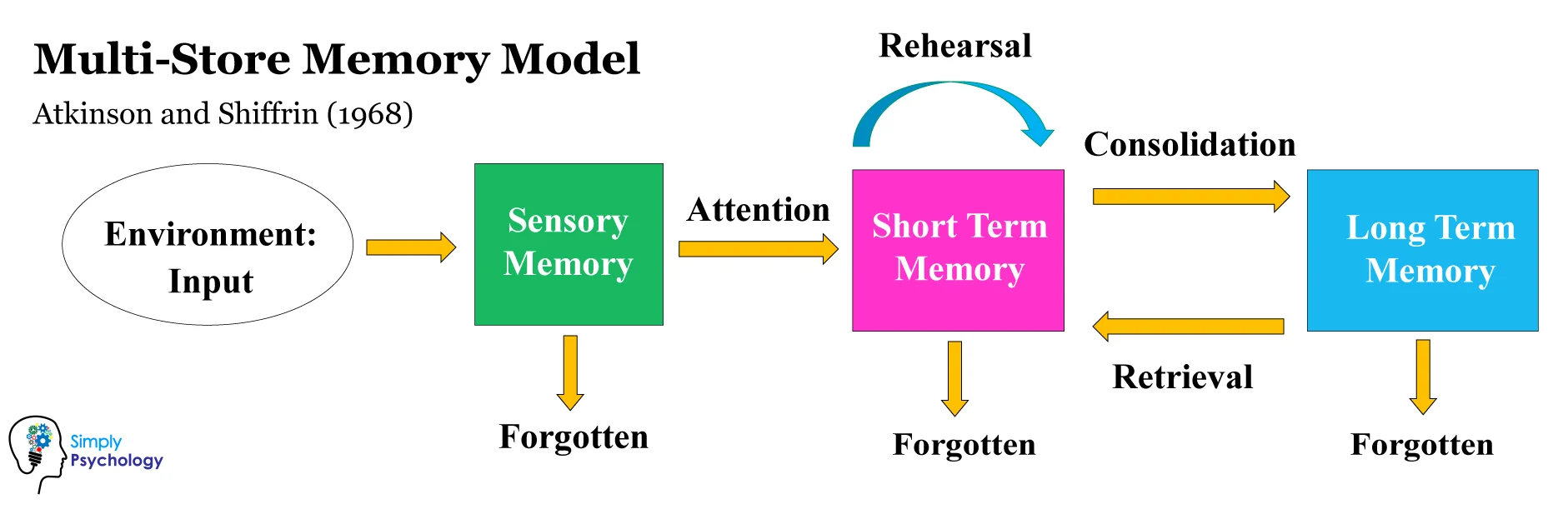
Memory
Explicit (Declarative):
Memories of facts and experiences that one can consciously know and "declare."
E.x. Episodic memory of your birthday; Semantic memory of state capitals.
Implicit (Non-declarative):
Retention independent of conscious recollection.
Ex. Procedural memory like riding a bike; Conditioning.
Prospective Memory:
Remembering to do things in the future
Ex. "I need to take my medicine at 4 PM"
Long-term potentiation (LTP):
An increase in a cell’s firing potential after brief, rapid stimulation. It is believed to be the neural basis for learning and memory.
Working Memory Model
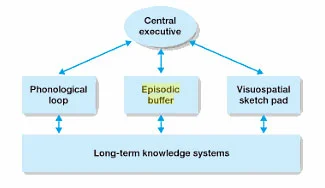
Processing
Effortful: requires attention (studying)
Automatic: happens without conscious effort
Memory aids
Menomics
Ex. Creating a word from the first letters of items to be remembered (e.g., HOMES for the Great Lakes: Huron, Ontario, Michigan, Erie, Superior).
Chunking
Ex. Organizing a grocery list by categories (e.g., produce, dairy, frozen) rather than a random list.
Spacing effect
Ex. Reviewing study material over hours, days, or weeks rather than cramming in one session.
Serial Position Effect
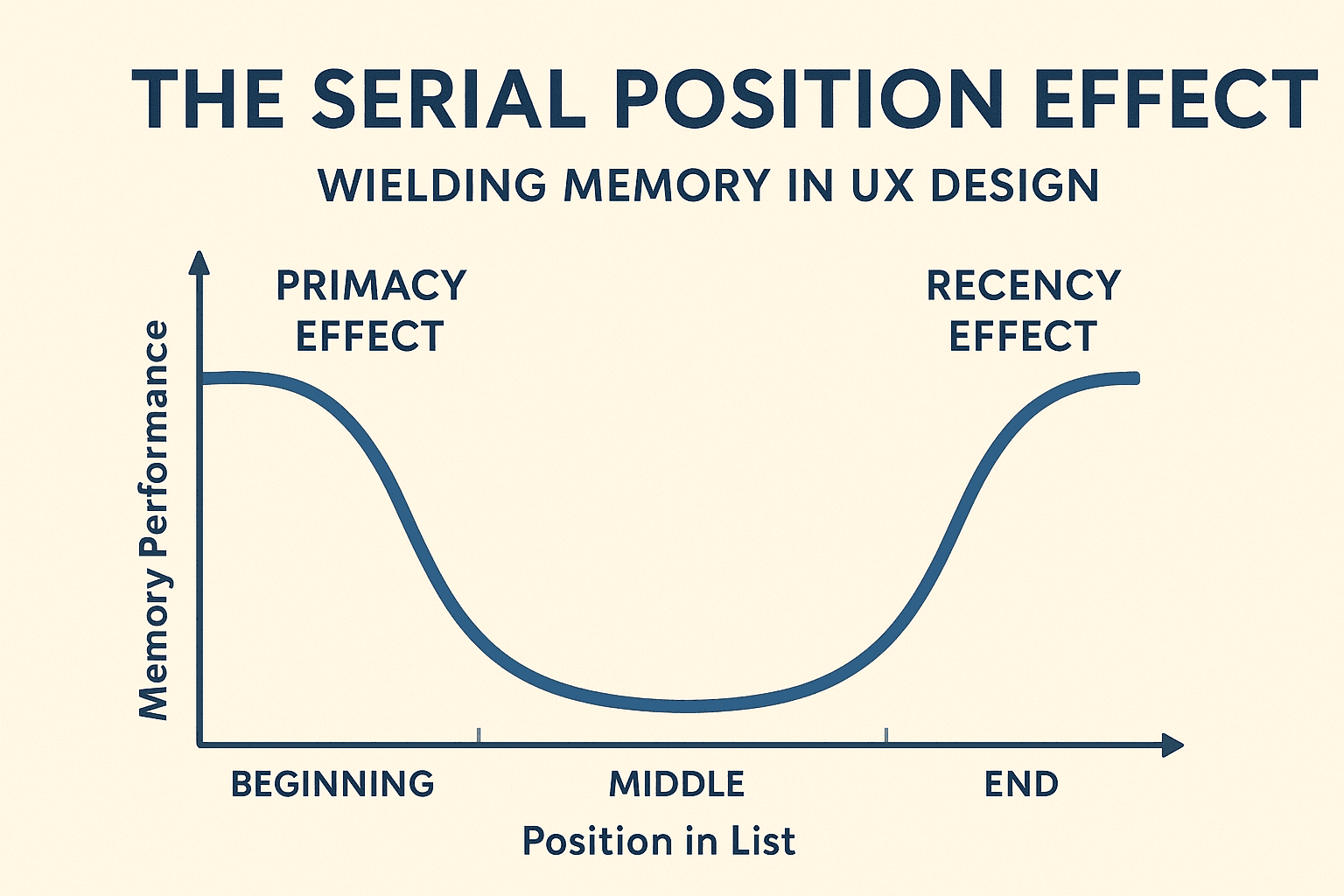
Types of Memory
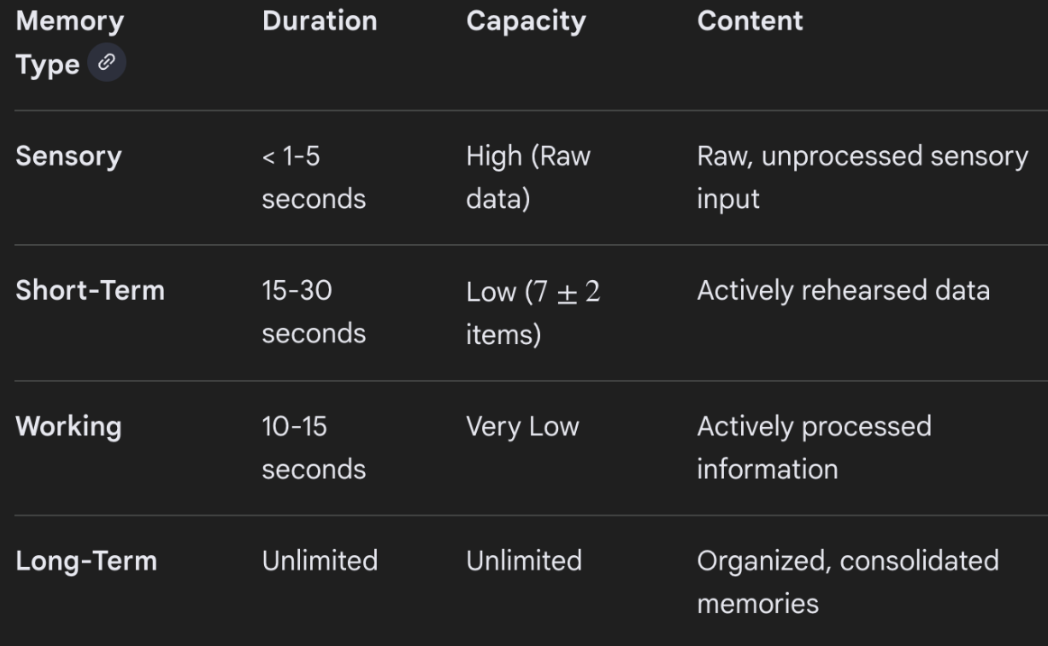
Rehearsal
Maintenance rehearsal:
simple repetition
Elaborative rehearsal:
thinking about the meaning and connecting it to existing knowledge
Memory Recalls
Rehearsal
Maintenance rehearsal: simple repetition
Elaborative rehearsal: thinking about the meaning and connecting it to existing knowledge
Memory retrieval
Recall:
The ability to retrieve information without any external cues.
Ex. Answering an essay question.
Recognition:
Identifying information that you have previously learned when you see it again.
Ex. Answering multiple-choice questions.
Context-Dependent Memory:
Improved recall when you are in the same environment or physical setting where the memory was originally formed.
Ex. Remembering more information for an exam if you take it in the same room where you studied.
State-Dependent Memory:
The phenomenon where information is better recalled when your internal physiological or biological state matches the state you were in during learning.
Ex. Drinking coffee while studying and during the test.
Mood-Congruent Memory:
The tendency to recall experiences that are consistent with your current emotional state.
Ex. Crying and remembering another time you were sad.
Testing Effect:
The finding that actively retrieving information strengthens memory far more than passively rereading the material.
Ex. Remembering the material more if it was on a test.
Metacognition:
Thinking about thinking.
Ex. Planning how to approach building a house.
Errors:
Misinformation effect
Ex. An eyewitness hears a news report stating a criminal had a tattoo; later, they testify that they saw the tattoo, even if it was not present.
Source amnesia
Ex. A person remembers a story from a dream but believes it actually happened in real life.
Constructive memory
Ex. A person thinks they left their keys on the kitchen counter because that is where they always leave them, not because they actually remember setting them down there.
Brain areas
Broca’s Area (Production/Articulation)
Located in the Left Frontal Lobe.
Mnemonic: Broca is Broken
Function: If Broca’s area is damaged, speech is broken, slow, and effortful (non-fluent). It is responsible for the physical production of speech.
Wernicke’s Area (Understanding/Comprehension)
Located in the Left Temporal Lobe.
Mnemonic: Wernicke = Word Salad.
Function: If Wernicke’s area is damaged, you cannot understand language (receptive). Speech is fluent (fast) but produces "word salad"—a bunch of words that make no sense.
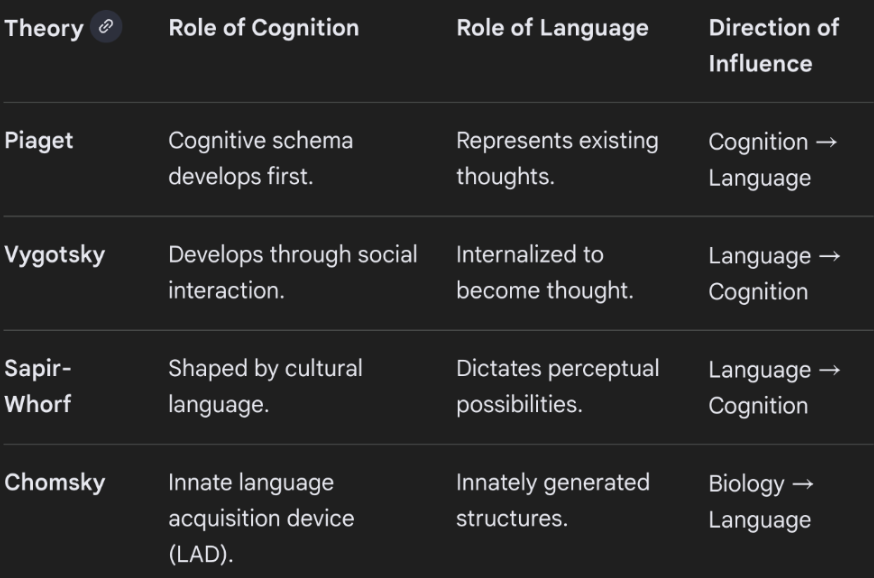
Influence of Cognition on Language
Intelligence
Theories:
Gardner’s Multiple Intelligences
Eight (or nine) independent intelligences
Spearmean’s General Intelligence
General intelligence that underlies all mental abilities.
Thurstone’s primary mental abilities
Intelligence is broken into seven factors
Sternberg’s Triarchic Theory
Balancing three areas: Analytical, Creative, and Practical
Tests:
Stanford-Binet test
Designed to measure cognitive abilities like verbal reasoning, quantitative reasoning, and memory.
Wechsler Adult Intelligence Scale (WAIS)
Structure tests around specific cognitive domains (verbal and performance scales) rather than strict age-leveling
Achievement tests
Measure mastery of specific content or skills acquired.
Aptitude tests
Predict future ability or aptitude to learn
Reliability: The consistency of scores.
Test-Retest Reliability: Consistent scores over time (taking the same test twice).
Inter-Rater Reliability: Multiple observers/graders agree on the results.
Split-Half Reliability: Consistent scores when comparing one half of the test to the other half.
Parallel/Equivalent Forms Reliability: Consistent results between two different versions of the same test.
Validity: Whether the test actually measures what it’s supposed to.
Content Validity: The test covers the entire range of material it should.
Criterion Validity: The test results correlate with another measure of the same construct.
Predictive Validity: A type of criterion validity; the test accurately forecasts future performance.
Construct Validity: The test truly measures the theoretical construct it intends to measure.
Face Validity: A superficial measure; whether the test looks like it measures what it is supposed to.
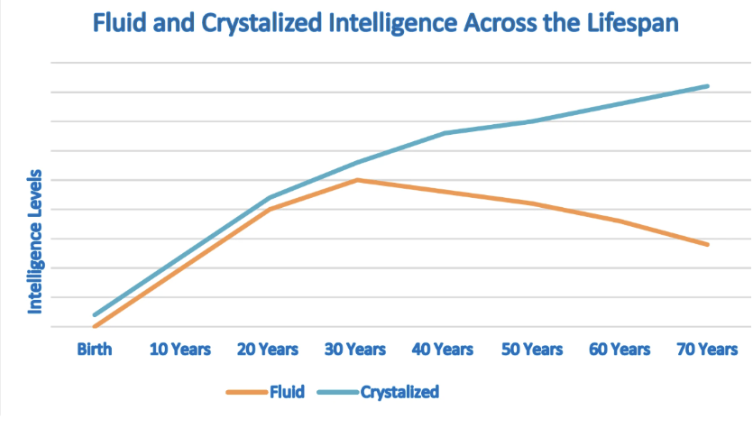
Crystal and Fluid intelligences OT
Controversy with intelligence testing and biases
Intelligence testing in AP Psychology is controversial due to concerns regarding cultural bias, socioeconomic disparities, and the potential to reinforce negative stereotypes. While many tests are not considered scientifically biased (predictive validity), they often reflect cultural knowledge favoring dominant groups.
Stereotype threat: psychological anxiety a person feels when they are in a situation where they might confirm a negative stereotype about their social group
Can significantly skew results for minority groups and women, affecting test accuracy
Unit 3 (Development & Learning)
Themes of Developmental Psych
Nature and nurture:
How does our genetic inheritance interact with our experiences to influence our development?
Continuity and stages:
Which parts of development are gradual and continuous, like riding an escalator? Which parts change abruptly in separate stages, like climbing rungs on a ladder?
Stability and change:
Which of our traits persist through life? How do we change as we age?
Methods for studying developmental psychology
Cross sectional design
To study different age groups at one time
Ex. How stable is mental ability in regard to age.
Longitudinal design
To study and restudy the same group at different times.
Ex. How stable intelligence is throughout one’s lifespan.
Maturation
Prenatal development
Prenatal development is a complex process shaped by a mix of factors where genetic mutations provide the foundational blueprint, while teratogens, maternal illnesses, hormonal fluctuations, and environmental factors can cross the placenta to disrupt critical periods of development, causing physical defects or long-lasting cognitive and behavioral abnormalities.
Physical maturation steps and ages
Prenatal development (conception-birth)
Germinal Stage (0-2 weeks): Zygote undergoes rapid cell division and implants.
Embryonic Stage (2-8 weeks): Major organs and systems develop; high vulnerability to teratogens.
Fetal Stage (8 weeks-birth): Significant growth; fetus begins to move.
Infancy (birth-2 years)
Reflexes: Rooting, sucking, and grasping.
Motor Skills: Follows a sequence: Roll over (4 mo)->Sit without support (6 mo)->Crawl (7-10 mo)->Walk (9-15 mo)
Childhood (2-11 years)
Early Childhood (3-6 years): Refinement of motor skills.
Middle Childhood (6-11 years): Slow, steady physical growth; improved coordination and strength.
Adolescence/puberty (10-18+ years)
Onset: Average 10-11 for females, 11-12 for males.
Growth Spurt: Rapid increase in height and weight (approx. 10-11 inches and 50-75 lbs).
Primary Seks Characteristics: Reproductive organs develop (menarche in females; spermarche in males).
Secondary Seks Characteristics: Non-reproductive traits (voice deepens, body hair, breast development)
Adulthood (18+ years)
Early Adulthood (20s-30s): Physical peak (strength, reaction time).
Middle Adulthood (40s-60s): Gradual decline in fertility (menopause) and physical abilities.
Late Adulthood (65+): Decline in sensory acuity, immune system strength, and speed of neural processing.
Visual Cliff
The visual cliff is a model of a cliff with a “drop-off” area that was actually covered by sturdy glass. They placed 6- to 14-month-old infants on the edge of the “cliff” and had one of the parents coax the infants to lean over the glass or crawl out onto it. Most infants refused to do so, indicating that they could perceive depth.
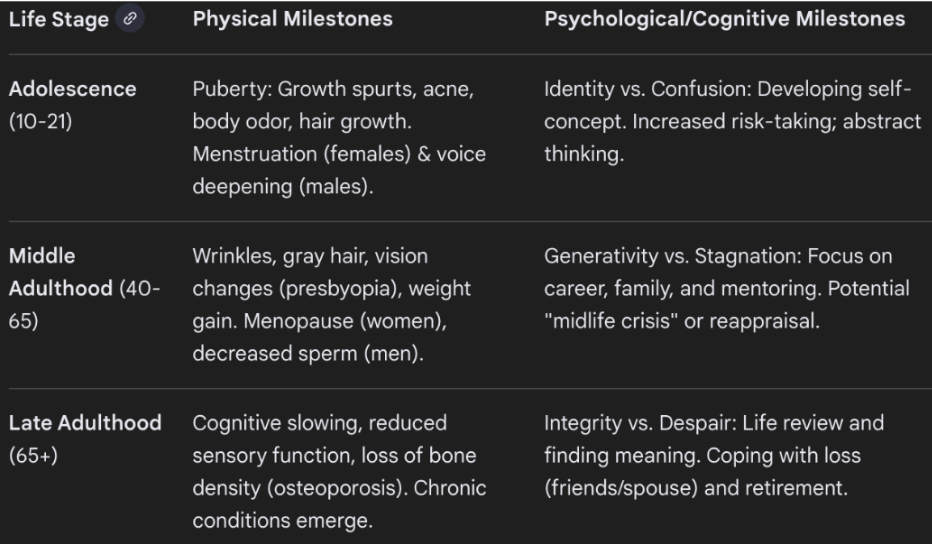
Physical & psychological milestones
Effects on gender identity
Gender typing:
The psychological process of acquiring the roles that society deems appropriate for a given gender.
Gender roles:
The shared expectations of how males and females should behave.
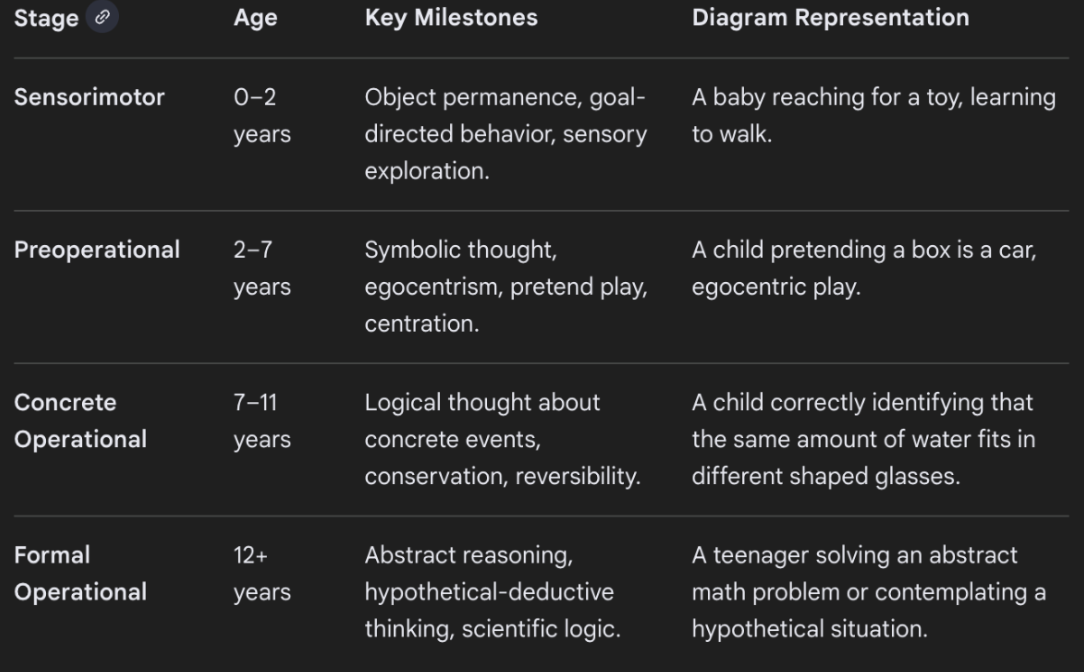
Piaget’s stages of cognitive development
Vygotsky’s theory of proximal development
The gap between what a learner can do independently and what they can achieve with guidance from a "More Knowledgeable Other" (MKO).
Contrast w/ piaget: Vygotsky saw learning as a collaborative, social process, whereas Piaget saw it as an individual, stage-based, maturational process.
Sentence analysis
Sentence: "The cats chased mice."
Syntax: Subject-Verb-Object
Semantics: Past action of felines pursuing rodents.
Morphemes: cat + s (plural), chase + ed (past tense)
Phonemes: /k/, /æ/, /t/, /s/ (cats)
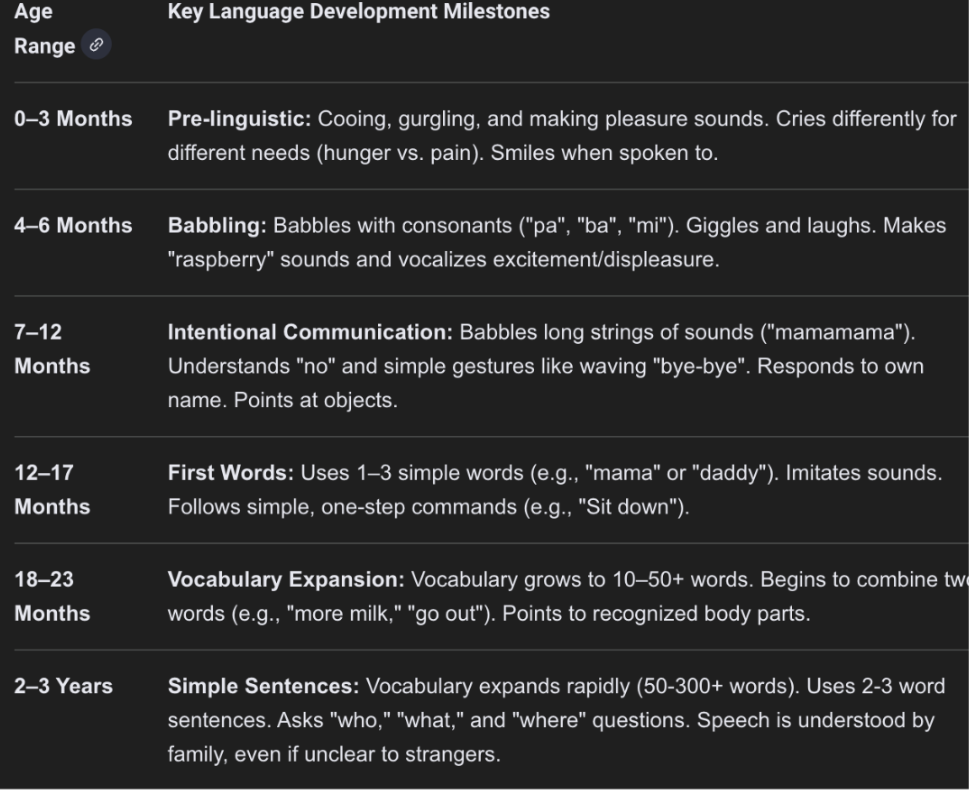
Progression of language development in babies & toddlers
Attachment styles
Secure attachment:
Individuals feel safe and confident in relationships, stemming from consistent, responsive caregiving in childhood.
Exhibition: They seek support when needed, offer support to partners, communicate feelings openly, and maintain healthy boundaries.
Measurement: Measured in children via the "Strange Situation" experiment and in adults through questionnaires measuring low anxiety and low avoidance.
Anxious attachment:
Individuals often fear abandonment and have a strong desire for intense closeness, frequently arising from inconsistent caregiving.
Exhibition: "Clingy" or "needy" behavior, high sensitivity to partner moods, jealousy, and difficulty being alone.
Measurement: Self-report surveys that measure high anxiety and low avoidance regarding intimacy.
Avoidant attachment:
Individuals with this style value independence over intimacy, often because their needs were unmet in childhood, leading to self-reliance.
Exhibition: Distant or cold demeanor, shutting down during conflict, prioritizing autonomy above all else, and avoiding emotional vulnerability.
Measurement: Questionnaires measuring low anxiety (low fear of abandonment) and high avoidance (high discomfort with closeness).
Disorganized attachment:
This style is a combination of anxious and avoidant, often linked to past trauma, abuse, or fear.
Exhibition: Volatile "hot-and-cold" behavior, pushing partners away and pulling them back, high reactivity, and a desire for closeness coupled with an inability to trust.
Measurement: Tools that identify high anxiety and high avoidance (the "fearful" quadrant)
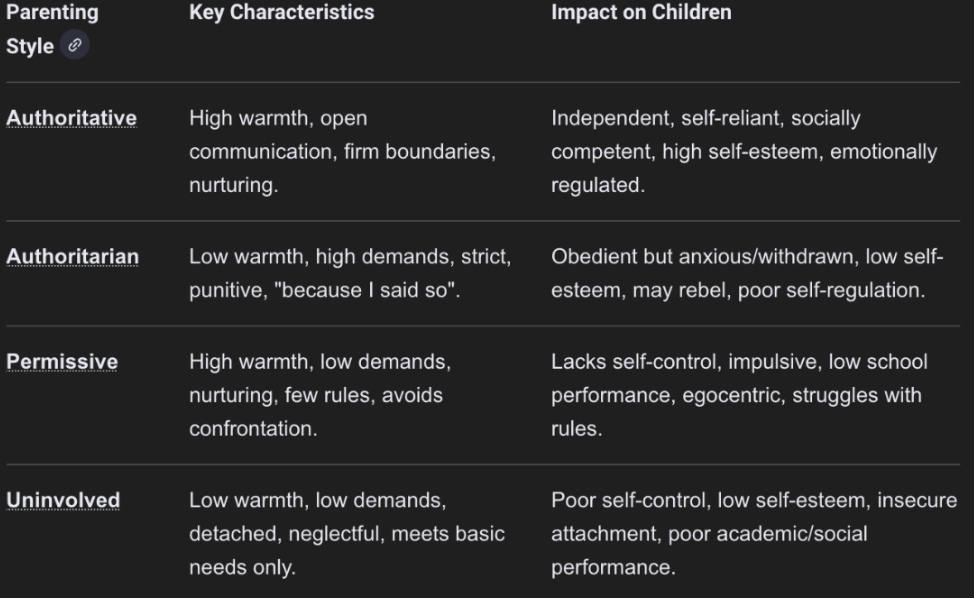
Parenting styles
Ecological systems model
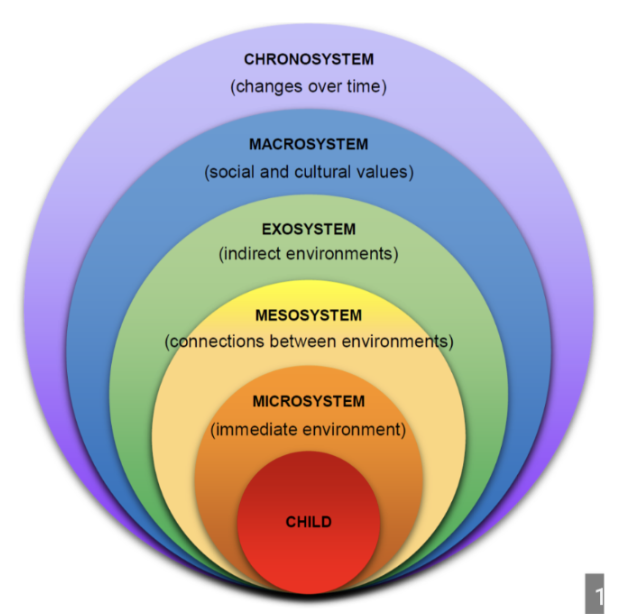
Microsystem:
Direct interactions with family, school, peers, neighbors, and childcare settings.
Ex: Parents' parenting style.
Mesosystem:
Connections between a person's microsystems that influence each other.
Ex: Communication between pediatrician and parents.
Exosystem:
Settings that do not directly involve the person but still affect them.
Ex: Parents' workplace.
Macrosystem:
The overarching cultural values, laws, and ideologies of society.
Ex: Cultural belief systems.
Chronosystem:
Changes over time, including historical events or developmental transitions.
Ex: Moving to a new neighborhood.
Changing roles of peers
Childhood
Primarily focused on play, shared activities, and developing social skills
Adolescence
Transition to a primary source of emotional support, validation, and identity exploration.
Adulthood
Peers become crucial for emotional support, social networking, and sometimes romantic companionship.
Erikson’s stages of psychosocial development
Trust vs mistrust
Conflict: Developing a sense of safety and trust in caregivers.
Resolution: Consistent, reliable, and affectionate care from parents leads to a sense of trust.
Autonomy vs shame and doubt
Conflict: Establishing personal control and independence.
Resolution: Allowing children to make choices (e.g., dressing themselves) and fostering autonomy within a safe environment.
Initiative vs guilt
Conflict: Asserting power and control over the environment through play.
Resolution: Encouraging exploration and decision-making, which builds purpose, rather than punishing them for asserting themselves.
Industry vs inferiority
Conflict: Coping with new social and academic demands to feel competent.
Resolution: Encouraging efforts and providing positive reinforcement for accomplishments to develop a sense of competence.
Identity vs role confusion
Conflict: Developing a strong sense of self and personal identity.
Resolution: Exploring roles, beliefs, and goals to build a solid, authentic sense of self.
Intimacy vs isolation
Conflict: Forming intimate, loving relationships with other people.
Resolution: Establishing close, secure relationships and intimacy, which requires a strong sense of personal identity.
Generativity vs stagnation
Conflict: Creating or nurturing things that will outlast the self (contributing to society).
Resolution: Engaging in meaningful work, volunteering, mentoring, and raising a family.
Ego integrity vs despair
Conflict: Reflecting on life and feeling a sense of fulfillment.
Resolution: Accepting the life one has lived, including successes and failures, to develop wisdom
4 stages of identity development
Identity Diffusion (Low Exploration, Low Commitment):
Ex. A high school student who spends all their time playing video games and has not thought about their future, college, or political beliefs.
Identity Foreclosure (Low Exploration, High Commitment):
Ex. An 18-year-old who decides to become a doctor solely because of their parents, without considering other career paths.
Identity Moratorium (High Exploration, Low Commitment):
Ex. A college freshman who enters as "undecided," takes art classes one semester, switches to sociology the next, and is actively testing new hobbies to figure out who they are.
Identity Achievement (High Exploration, High Commitment):
Ex. An individual who spent years exploring different religions, travelled abroad, and questioned their childhood beliefs, but ultimately decided to join a specific community with a strong sense of purpose.
Conditioning
classical conditioning
Unconditioned Stimulus (UCS): Food (naturally produces a reaction).
Unconditioned Response (UCR): Salivation (natural, automatic reaction to food).
Neutral Stimulus (NS): Bell (before conditioning, does not produce salivation).
Conditioned Stimulus (CS): Bell (after being repeatedly paired with food, the bell alone triggers the response).
Conditioned Response (CR): Salivation (the learned response to the bell)
Ex. Pavlov’s dog.
Before: Food (UCS) -> Salivation (UCR).
Bell (NS) -> No response
During: Bell (NS) + Food (UCS) -> Salivation (UCR).
After: Bell (CS) -> Salivation (CR)
higher-order conditioning
When a well-established conditioned stimulus is paired with a new neutral stimulus, causing the new stimulus to become a second-order CS that elicits the same conditioned response, even without the original unconditioned stimulus.
Ex. Fear of a dentist's office because it is paired with the sound of a drill, which was previously paired with pain
reinforcement schedules: determine how quickly behaviors are learned (acquisition) and how long they last without rewards (extinction)
Continuous Reinforcement (CRF)
Reinforcement is provided every time the behavior occurs.
Acquisition: Rapid.
Extinction: Rapid.
Ex: A dog gets a treat every time it sits.
Fixed-Ratio Schedule (FR)
Reinforcement occurs after a set number of responses.
Acquisition: Fast.
Extinction: Moderate.
Ex: A factory worker receives a bonus after assembling 10 products.
Variable-Ratio Schedule (VR)
Reinforcement is given after an unpredictable number of responses.
Acquisition: Fast.
Extinction: Very slow.
Ex: Slot machines.
Fixed-Interval Schedule (FI)
Reinforcement is delivered for the first response after a specific amount of time has passed.
Acquisition: Moderate.
Extinction: Moderate.
Ex: A weekly quiz; students study only right before the test.
Variable-Interval Schedule (VI)
Reinforcement is given for the first response after varying, unpredictable amounts of time.
Acquisition: Slow.
Extinction: Slow.
Ex: Checking your phone for a text message, as messages come at random times.
Unit 4 (Social Psych & Personality)
Fundamental Attribution Error (FAE)
Our tendency, when analyzing others' behavior, to overestimate the influence of internal traits (dispositions) and underestimate the power of the situation.
Ad for persuasion
Central Route (The "Logic" Ad):
An ad for a car that lists fuel efficiency, safety ratings, and engine specs. It targets the analytical mind and creates lasting change.
Peripheral Route (The "Vibe" Ad):
An ad for the same car showing a celebrity driving it through a beautiful sunset with cool music. It uses "snap judgments" and emotional cues.
conformity vs obedience
Conformity
Adjusting behavior or thinking to coincide with a group standard. It is often voluntary to "fit in."
Obedience
Changing behavior in response to a direct command from an authority figure. It is fueled by the perception of power.
Psychological experiments
Zimbardo prison
Randomly assigned students as "guards" or "prisoners" in a fake jail.
The power of roles: People will conform to expected social roles, even if it leads to abusive behavior.
Asch conformity
Participants were asked to match line lengths. Confederates gave the wrong answer.
Peer pressure: People will often go along with a group even when they know the group is wrong.
Milgram obedience
Participants were told to give (fake) electric shocks to a learner for wrong answers.
Authority rules: Most people will obey an authority figure even if it means harming someone else.
Festinger cognitive dissonance theory
Participants did a boring task and were paid either $1$ or $20$ to lie and say it was fun.
Internal consistency: Those paid $1$ actually convinced themselves it was fun to justify the lie (reducing dissonance).
Behaviors
Social facilitation
Performing better on simple/well-learned tasks when others are watching.
Ex. A sprinter running faster in a stadium.
Social loafing
The tendency for people in a group to exert less effort when pooling efforts toward a common goal
Ex. That one person in your group project who does nothing.
Deindividuation
The loss of self-awareness and restraint in group situations that foster arousal and anonymity.
Ex. Rioters in face-covering masks feel less hesitation.
Mere-exposure effect
The repeated exposure to a novel stimulus (person, object, or idea) increases an individual's liking for it.
Ex. Developing a crush on a coworker.
Self-fulfilling prophecy
A belief or expectation that causes its own fulfillment, where initial, often incorrect, expectations lead to behaviors that confirm those beliefs.
Ex. Believing your partner will leave you so you act distant.
Group polarization
The enhancement of a group’s prevailing inclinations through discussion within the group.
Ex. Social media echo chambers.
Groupthink
The mode of thinking that occurs when the desire for harmony in a decision-making group overrides a realistic appraisal of alternatives.
Ex. NASA team members, eager to launch and avoid negative press, ignored engineering warnings about faulty parts.
Self-serving bias
A readiness to perceive oneself favorably.
Ex. When a student says "I aced the test because I'm smart" (internal) but "I failed because the teacher is bad."
Social comparison
Individuals evaluate their own abilities, opinions, and self-worth by comparing themselves to others
Ex. A student checking their test grade and comparing it to their friends' grades.
Prejudice
Stereotypes (Cognitive): Generalized beliefs (e.g., "All athletes are bad at math").
Emotions (Affective): Feelings like hostility or fear (e.g., "I feel nervous around athletes").
Discrimination (Behavioral): Unjustifiable negative behavior (e.g., "I won't let athletes join my study group").
Psychology studies the roots of prejudice by examining cognitive categorization, social identity, emotional threats, and learned behaviors.
I/O Psychologist
Hypothesis: Employees who receive "flexible Friday" hours will report higher job satisfaction than those on a standard 40-hour fixed schedule.
Operational Definition: "Job satisfaction" measured by a 1-100 scale on a standardized workplace survey; "Flexible hours" defined as leaving at 1:00 PM on Fridays.
Method: An experiment comparing two departments within the same company over six months.
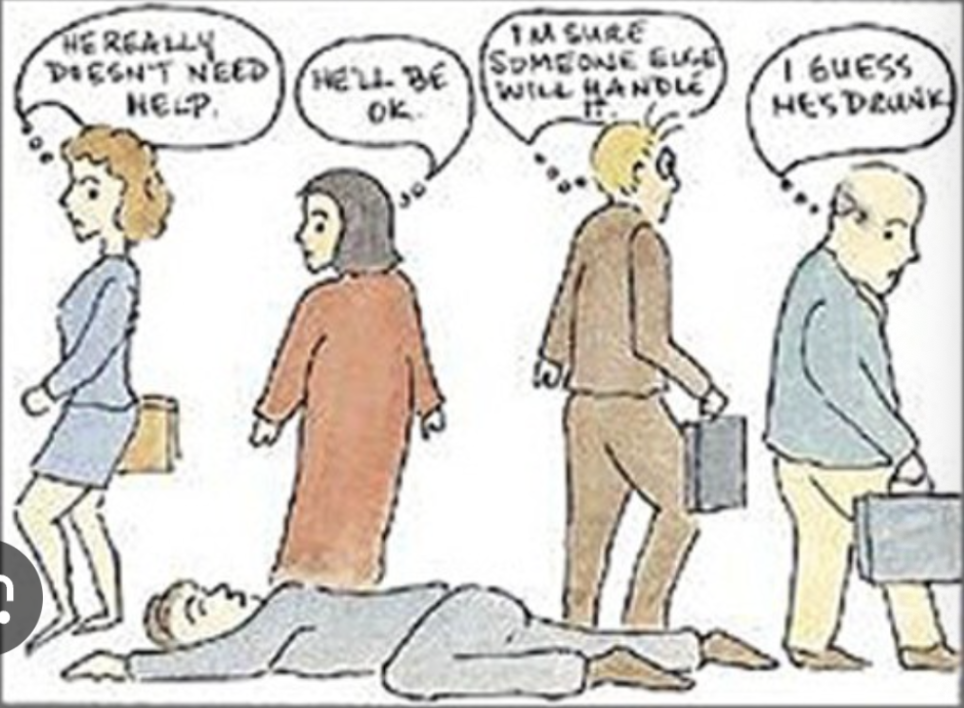
Bystander Effect
Social Trap
A situation where individuals or groups, acting in their own immediate self-interest, engage in behaviors that lead to long-term negative consequences for the entire group
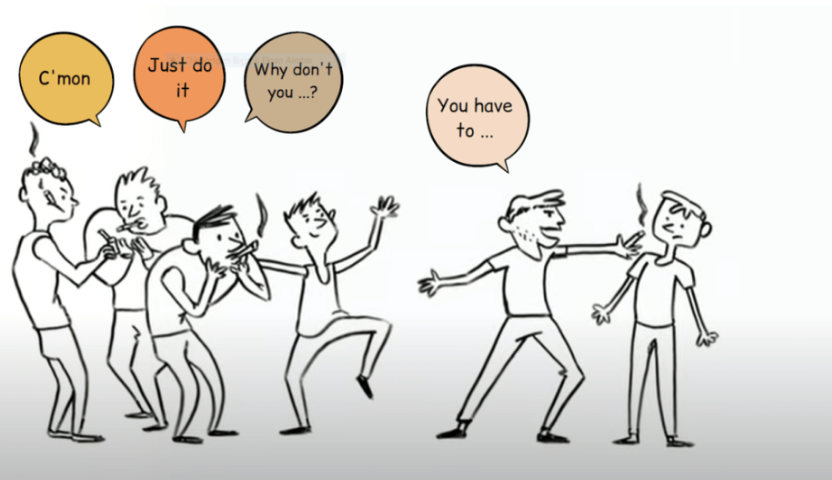
Motivation
Intrinsic:
Engaging in an activity for its own sake, because it is inherently enjoyable or satisfying.
Extrinsic:
Engaging in an activity to attain a separable outcome, such as a reward or to avoid punishment.
Drive-Reduction theory
A physiological need (hunger) creates an aroused tension state (a drive) that motivates an organism to satisfy the need (eating) to return to homeostasis.
Ex. You haven't had water in 6 hours (Need) → You feel thirsty/irritable (Drive) → You drink water (Behavior) → Tension is reduced.
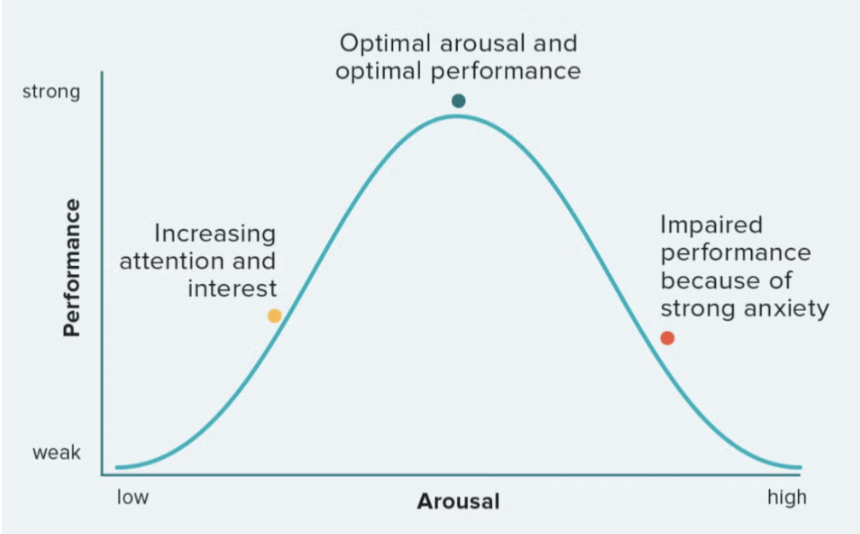
Yerkes-dodson law
This law suggests that performance increases with physiological or mental arousal, but only up to a point.
Conflicts
Approach-Approach:
Choosing between two desirable things
Ex. Pizza or Tacos
Approach-Avoidance:
One goal has both good and bad qualities
Ex. A promotion that pays more but requires more travel.
Avoidance-Avoidance:
Choosing between two bad things
Ex. Cleaning the bathroom or doing taxes.
Multiple Approach-Avoidance:
Choosing between several options, each with pros and cons
Ex. Choosing a college.
Sensations
Experience Seeking:
The desire for new, unconventional, and diverse mental or sensory experiences.
Ex: Trying unusual exotic foods, traveling to unfamiliar countries, or exploring unconventional art.
Thrill Seeking (Thrill/Adventure Seeking):
The pursuit of excitement through physical risks, speed, or danger.
Ex: Skydiving, bungee jumping, fast driving, or downhill skiing.
Disinhibition:
Seeking stimulation by breaking social norms or engaging in unconventional, uninhibited behaviors.
Ex: Attending wild parties, excessive drinking, or acting impulsively without regard for consequences.
Boredom Susceptibility:
An aversion to routine, repetition, and monotony, resulting in restlessness when under-stimulated.
Ex: Quickly losing interest in a repetitive job or feeling restless when staying home instead of going out.
Social media
Pros: community, reduce loneliness, boosting self esteem thru validation
Cons: anxiety, FOMO, increased feelings of isolation
Social media addresses our inherent need for belonging but often provides a temporary "simulation" of belonging rather than deep, meaningful connection. Users constantly compare their lives to the curated highlights of others, often resulting in lower self-esteem (upward comparison)
Main theories of emotions
James-Lange
Physical response comes before the emotion (e.g., "I am trembling, therefore I am afraid").
Cannon-Bard
Physical response and emotion happen at the same time (e.g., "The bear makes my heart race AND makes me feel afraid simultaneously").
Schacter-Singer
Physical arousal + Cognitive label = Emotion (e.g., "My heart is racing... I see a bear... that must be fear!").
Broaden-and-Build theory
Definition: Positive emotions (like joy, interest, and contentment) broaden an individual’s awareness and encourage novel, creative thoughts and actions
Ex. Childhood Play (Joy): A child feeling joy while playing building blocks (emotion) explores new ways to connect them (broaden). This play develops creative problem-solving skills and strengthens bonds with playmates (build), enhancing future resilience.
Defense mechanisms
Regression:
Retreating to an earlier stage of development (e.g., a teenager throwing a temper tantrum).
Reaction Formation:
Switching unacceptable impulses into their opposites (e.g., being overly "fake" nice to someone you hate).
Projection:
Disguising your own threatening impulses by attributing them to others (e.g., a liar constantly accusing others of lying).
Displacement:
Shifting impulses toward a safer/less threatening target (e.g., yelling at your dog because your boss yelled at you).
Sublimation:
Channeling frustration into socially acceptable activities (e.g., a person with aggressive urges becomes a pro boxer).
Denial:
Refusing to believe or even perceive painful realities.
Rationalization:
Individuals unconsciously make false but plausible excuses to justify unacceptable actions.
Personality assessments
Projective tests
Psychodynamic, ambiguous assessments aimed at uncovering unconscious conflicts
Ex. questions:
(RAR) "What might this be?" (Asked while showing a symmetrical inkblot)
(TAT) "What happened before this scene?"
Personality inventories
Structured, self-report questionnaires designed to objectively measure traits
Ex. questions:
"I am open to new experiences".
"If I see someone doing something wrong, I immediately report it".
person-situation controversy
Questions whether human behavior is primarily driven by internal personality traits (person) or external, situational factors.
The person-situation controversy is a debate on whether human behavior is determined by stable, internal personality traits (the person) or by external circumstances (the situation).
Big 5
Conscientiousness
High extreme: Organized, disciplined, careful.
Low extreme: Disorganized, impulsive, careless.
Agreeableness
High extreme: Soft-hearted, trusting, helpful.
Low extreme: Ruthless, suspicious, uncooperative.
Neuroticism
High extreme: Anxious, insecure, self-pitying.
Low extreme: Calm, secure, self-satisfied.
Openness
High extreme: Imaginative, prefers variety.
Low extreme: Practical, prefers routine.
Extraversion
High extreme: Sociable, fun-loving, affectionate.
Low extreme: Retiring, sober, reserved.
self esteem vs efficacy
Self-esteem
Overall evaluation of one’s self-worth.
Self-efficacy
Belief in one’s capability to complete a specific task or behavior.
individualistic vs collectivist societies
Individualistic (e.g., USA): Priority is given to personal goals; the self is defined by individual traits and achievements.
Collectivistic (e.g., Japan): Priority is given to group goals (family/work); the self is defined by social networks and roles.
Unit 5 (Mental & Physical Health)
Health Psychologist
Hypothesis: Daily participation in a 15-minute guided mindfulness meditation session will significantly reduce resting heart rate and reported perceived stress levels in high-school teachers.
Operational Definitions:
Mindfulness: Completing a specific 15-minute audio-guided session via a designated app.
Stress Reduction: A decrease of at least 10 points on the Perceived Stress Scale (PSS) and a 5% reduction in average resting heart rate (BPM) measured upon waking.
Method: A Randomized Controlled Trial (RCT) where 100 teachers are split into an experimental group (meditation) and a control group (15 minutes of quiet sitting).
Stress
Eustress (Positive Stress): Stress that is perceived as a challenge or motivator.
Ex The nervous excitement and pressure of preparing for a wedding or a championship game. It improves performance and provides "vitality."
Distress (Negative Stress): Stress that is perceived as a threat or overwhelming.
Ex: Constant financial instability or the death of a loved one. It can lead to exhaustion and physical illness.
ACEs
Definition: Traumatic event occurring before age 18, such as abuse, neglect, or household dysfunction,
Role in Adulthood: Research shows a "dose-response" relationship. High ACE scores are linked to "biological weathering"—the premature aging of the body. This increases the risk of chronic heart disease, cancer, and substance abuse in adulthood due to prolonged exposure to toxic stress.
Coping
Problem-Focused Coping:
Attempting to alleviate stress directly by changing the stressor or the way we interact with it.
Ex: If you are stressed about a test, you create a study schedule (action-oriented).
Emotion-Focused Coping:
Attempting to alleviate stress by avoiding or ignoring a stressor and attending to emotional needs.
Ex: If you are stressed about a breakup, you talk to a friend for comfort or watch a movie to distract yourself.
Locus of Control
Internal Locus of Control:
The belief that you control your own fate. These individuals tend to be more resilient, achieve more in school, and cope better with stress.
External Locus of Control:
The belief that chance or outside forces (luck, God, "the system") determine what happens to you. This is often linked to learned helplessness and higher rates of depression.
General Adaptation Syndrome (GAS)
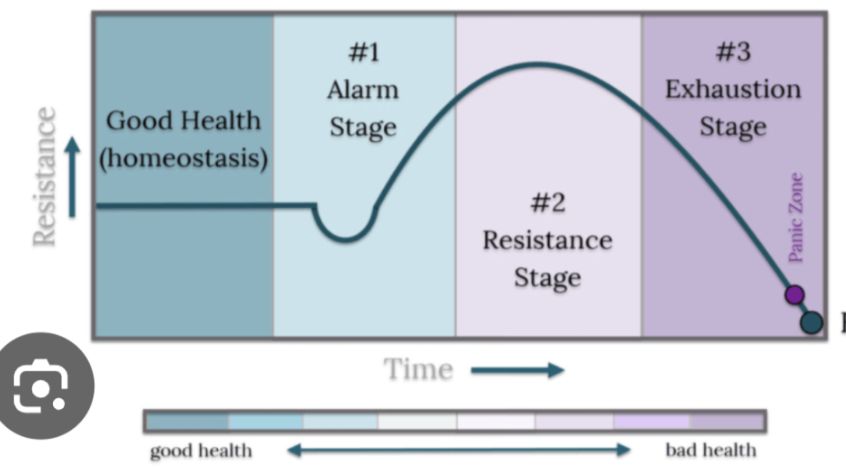
Proposed by Hans Selye, this describes the body’s short-term and long-term reactions to stress.
Personality Types
Type A: Competitive, hard-driving, impatient, verbally aggressive, and anger-prone.
Type B: Easygoing, relaxed, and less likely to experience "urgency" stress.
Positive psychologist
Hypothesis: Individuals who keep a "Gratitude Journal" (listing three things they are thankful for daily) will report higher levels of subjective well-being after 30 days compared to those who journal about daily hassles.
Operational Definitions: Well-being is a score on the Oxford Happiness Questionnaire.
Method: Longitudinal Study tracking participants over one month.
Gratitude
Gratitude acts as a cognitive "reframing" tool. It shifts focus from what is lacking to what is present, lowering cortisol levels and increasing activity in the hypothalamus, which regulates sleep and metabolism.
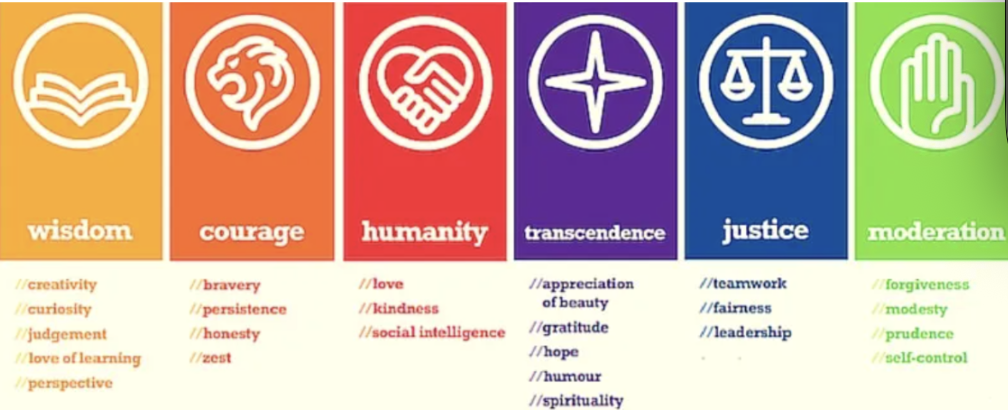
6 qualities of virtues
4 Ds of psychological disorders
To be classified as a disorder, a behavior generally meets these criteria:
Deviance: Thoughts/behaviors that differ from the social "norm."
Distress: The behavior causes the individual or those around them significant pain or upset.
Dysfunction: The behavior interferes with daily life.
Danger: The behavior poses a risk of harm to the self or others.
Diathesis-Stress model
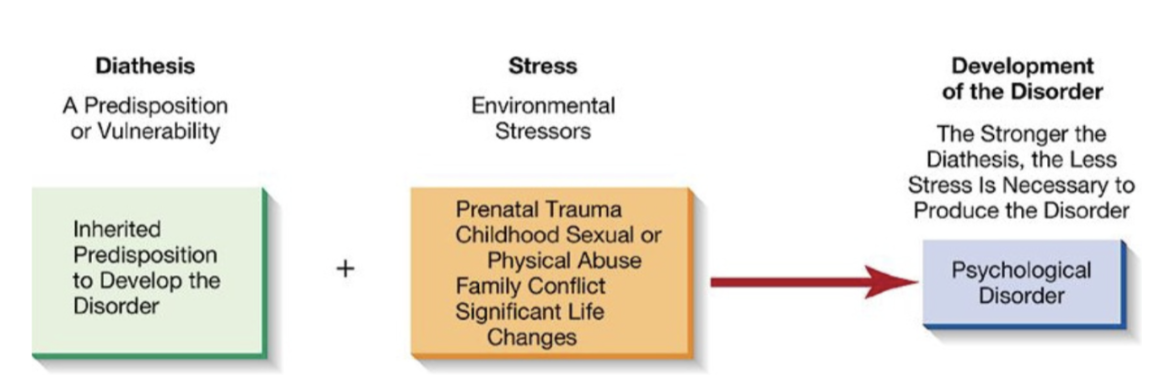
Each perspective’s view on psychological illness
Psychodynamic:
Illness stems from unconscious conflicts or childhood trauma.
Ex. Compulsive hand-washing is viewed as a way to manage anxiety stemming from a childhood fear or a conflict between the id and superego.
Behavioral:
Illness is a set of learned, maladaptive behaviors
Ex. A phobia learned via classical conditioning.
Humanistic:
Illness arises when a person’s natural growth is blocked
Ex. Lack of unconditional positive regard.
Cognitive:
Illness is caused by irrational or "maladaptive" thought patterns
Ex. "I must be perfect".
Biological:
Illness is the result of chemical imbalances, brain structure abnormalities, or genetics.
Ex. Suggesting medication to correct excess dopamine.
Evolutionary:
Behaviors were once adaptive for survival but are now excessive
Ex. Anxiety was good for avoiding predators.
Sociocultural:
Society, culture, and poverty contribute to the development of disorders.
Ex. Western media has an obsession with being thin.
pros and cons of labeing psychological disorders
Pros:
Provides a common language for clinicians.
Helps determine the best treatment/medication.
Cons:
Labels can lead to "Self-Fulfilling Prophecies."
Society may treat the person as "crazy."
Disorders
Neurodevelopmental
Appear early in development; involve impairments in personal, social, or academic functioning..
Schizophrenia spectrum
Defined by "psychosis", hallucinations, and delusions.
Anxiety
Excessive fear and anxiety.
Bipolar
Alternating between the "lows" of depression and the "highs" of mania.
Depressive
Persistent sad, empty, or irritable moods.
Obsessive-compulsive
Persistent thoughts followed by repetitive behaviors to reduce anxiety.
Dissociative
A "split" from identity or memory, often due to trauma.
Trauma-and-stressor related
Disorders following exposure to a traumatic event.
Feeding and eating
Disturbed eating behaviors.
Personality
Enduring, inflexible patterns of behavior that impair social functioning.
APA guidelines for therapy
Nonmaleficence:
Therapists must ensure their methods do not damage the patient.
Fidelity:
Establishing trust and honoring the "therapeutic contract."
Integrity:
Honesty in clinical practice; no fraud or misrepresentation of results.
Respect:
Respecting the autonomy, dignity, and rights of the patient.
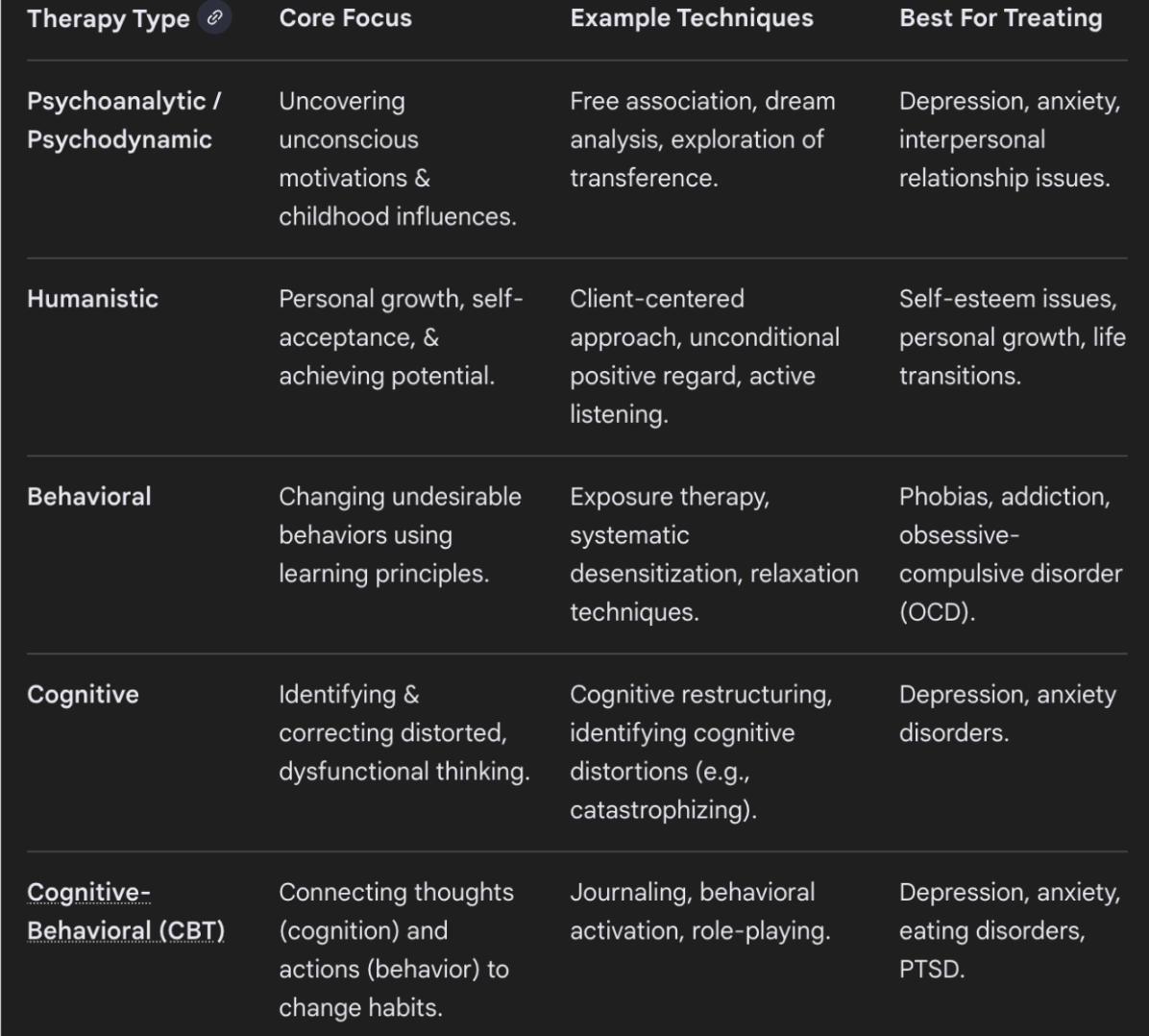
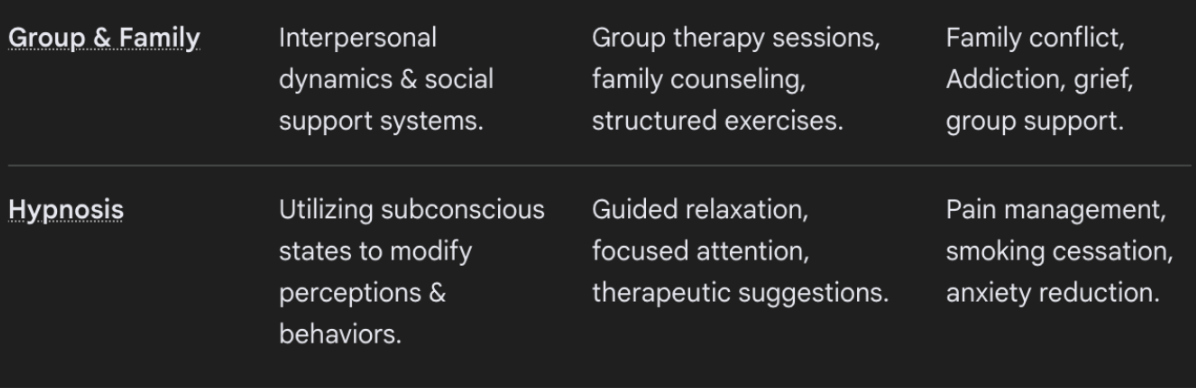
Therapy types
Biomedical therapies
Psychopharmacology:
The use of medications to treat mental illness.
Electroconvulsive Therapy (ECT):
Brief electrical currents sent through the brain; highly effective for treatment-resistant depression.
Transcranial Magnetic Stimulation (TMS):
Using magnetic pulses to stimulate specific brain regions; non-invasive.
Deep Brain Stimulation (DBS):
Surgical implantation of "brain pacemakers.”