Festivals
Rosh Hashanah
Rosh Hashanah marks the New Year. It happens on the 1st day (sometimes and 2nd) of the month of Tishri, and begins a 10 day period of reflection. Which ends in Yom Kippur.
It’s about the individual rather than community and so is more about their behaviour, keeping the commandments, and repenting. So they can be judged and receive mercy from God.
Rosh Hashanah represents the day God created the world. Even with its solemn side it’s still joyous and so the associate colour is white, so white clothes are worn.
Customs/Influences:
shofar (rams horn) - blown every day the month before Rosh Hashanah, it announces the arrival of God, call to repentance
Tashlich - casting sins on water through breadcrumbs to fish
attending Selichot - special midnight synagogue service before Rosh Hashanah, to seek forgiveness
eating sweet food (e.g. fruit) for a sweet new year
Round challah bread - shows eternal life
Importance:
remembers God creating everything
preparation for God’s judgement on your life
it’s a mitzvot and so brings Jewish community together and helps with Jewish identity
“In the 7th month of the 1st day of the month shall be a holy …
Yom Kippur
Yom Kippur is the Day of Atonement during Rosh Hashanah. People think about what they have done and hope they can be redeemed through confessions. Forgiveness only comes if an attempt is made to repair any of the damage. During this festival everyone (excluding children, sick, and pregnant women) has to fast as it says “afflict the soul” - Numbers 29:7. At the synagogue all services have themes of repentance and confession.
Before Yom Kippur starts…
a lavish meal is shared - to strengthen people before the fast
Kol Nidre prayer is chanted 3 times - asks God for freedom from all promises
A shofar blasts to signify the end of Yom Kippur and fasting
Importance:
gives Jews time to reflect over their past actions
allows people to be forgiven by God
allows people to start the new year fresh from sin
Pesach (Passover)
Pesach is on the 14th of Nissan (1st month of Jewish calendar). It’s one of the most important Jewish festivals, in Israel it’s celebrated for 7 days. A lot of the festival is based around home, it helps reinforce their religion and understand their history.
5 key concepts of Pesach
Memory
Optimism
Faith
Family
Responsibility to others
Origins of Pesach
Pesach remembers the freeing of Jews from slavery in Egypt over 3,000 years ago. It brings them into close contact with their history and allows them to celebrate their freedom. It also emphasises that God will come to help his people.
Preparation
Some things that happen before Pesach:
morning before every 1st born son attends the synagogue
give to charity, maot chittim
all chametz must be cleared from the house
Seder meal
The Seder meal is held on the 1st and 2nd night of Pesach.
Here are some customs:
leader of the house wears a kittel - to represent the release from bondage
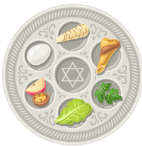
recital of the Haggadah - to explain the components of the seder plate
matzah bread replaces challah bread - to represent the bread the Jews had on their journey away from Egypt
Spilling 10 drops of wine - symbolise the 10 plagues God sent to Egypt
Parts of the Seder Plate
Maror (bitter herbs) - represent enslavement of the Israelites
Karpas (vegetable) - dipped in salt water to represent tears
Charazet (bitter vegetable) - it says in Numbers 9:11 of multiple bitter vegetables
Charoset (mix) - represents mortar made by slaves
Zeroa (shankbone) - symbolise the Paschal Lamb sacrifice
Baytza (egg) - symbolise the regular temple sacrifice
IMPORTANCES
celebrate their freedom
reinforce religion
understand their Jewish history
emphasises that God will save his people in times of need
INFLUENCES
eat parts of the seder plate which symbolise different things
recite the Haggadah
attend services at the Synagogue