Art history
Sept 13 PLS READ COMMENT entire doc is finished and highlighted now !!!!
Aesthetics, style, and responses to modernity
Photography
- truth, objectivity, and the facts of real life
- BUT can be manipulated for idealisation = Propaganda
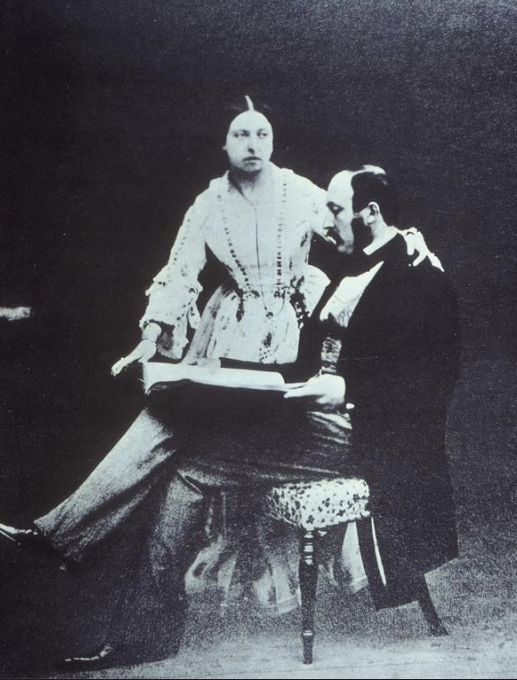
Roger Fenton, Queen Victoria and Prince Albert, 1854
Abstraction
- is a visual cue to look at the art or something differently
- All the representations of heaven and hell are abstract, but forms are exaggerated (ex: demons n devils r scary to show how bad hell is)
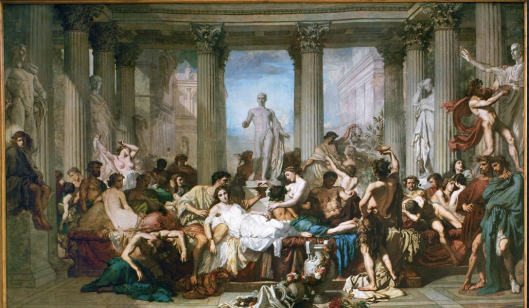
Thomas Couture, Decadence of the Romans, 1847
- linear perspective is the ideal
- paintings functioned to instruct people
- 1850’s, golden age of photography
Nude does not mean naked
- Nude is an intellectual thing
- Naked is crude and weirdchamp
- Zeitgeist: defining a mood or spirit of a period of time
- art captures the human spirit
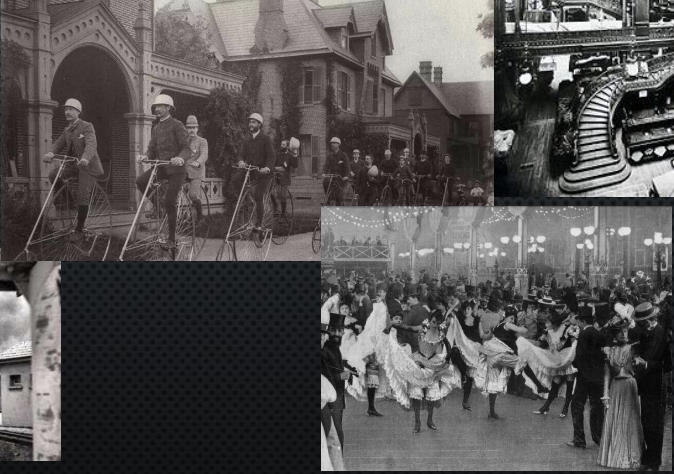
Mid 19th century industrialization
- Modernity begins with industrialization, manufacturing, technology and a new leisure class.
- More people have disposable income but at the same time, the working class struggles.
- Everyone is miserable
- #capitalism
French ppl
- The french revolution 1789 leading to 1848 revolution (King Louis-Philippe)
- Riots caused by unemployment,
- Poor working conditions,
- Censorship,
- Food shortages,
- Heavy industrialization
- Universal male suffrage (right to vote)
Second empire (Louis-Napoléon)
- Revitalization of paris
- Modernization of the city,
- Leisure spaces, parks, wider streets
Realism
- Modern life needs modern visual language
- What we see, rather than what is theorized or mythologized
- gritty and dirty
- monumentalizes figures, but not as heroic
- Shows hard life
- confrontational
- Eliminates chiaroscuro, patchy highlights and shadows rather than smoothe transitions
- Challenges renaissance perspective
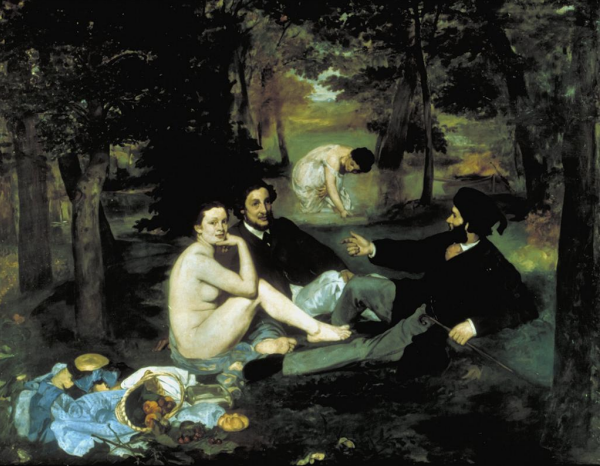
Manet, Dejeuner sur l’Herbe, 1863
Impressionism
- Vision
- What we see and interpret
- Broken down into colour and forms
- Can see the marks of the artists hand
- Escapism, shows people enjoying modern life
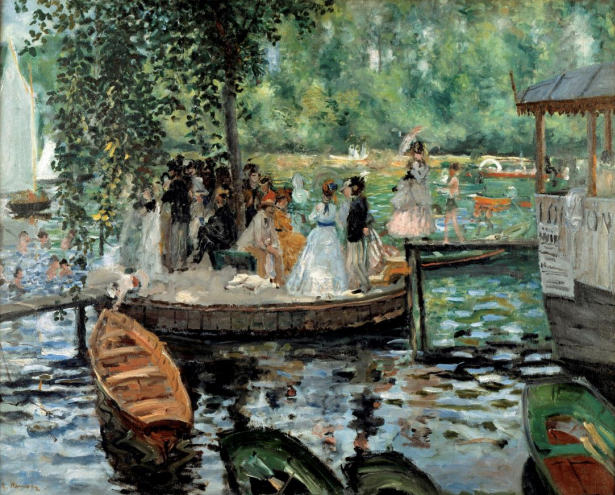
Renoir, La Grenouillère, 1869
Japanese block prints: new vocabulary for the western artist
- No defined fore/mid/background
- pov/angle of vision
- Cropping
- Assymetrical composition
- No central or focal figure
- Strong countour lines
- Flat blocks of colour
- Subject matter
Continuation of last week
Post-impressionism
- Pointilism
- Science and structure
Michel Eugene Chevreul
- Simultaneous contrast of colour
- Juxtaposed colours affect how to the sees the colours, fringe effect
- Adjacent colours are complementary
Hermann von Helmholtz
- The eye can perceive within itself
- Brain can choose what to focus sight on
Cezanne
- The building blocks of nature = natural order
- Looking at the natural world to understand and reveal the underlying harmonies and order
- No lines, outlines are made by the colours and forms
- “Line is a consequence of the correct use of colour”
- eliminates atmospheric perspective devices
Readings
Foster 1958:
Event: On January 20, 1958, Jasper Johns opened his first solo show at the Leo Castelli Gallery in New York.
Exhibition Highlights:
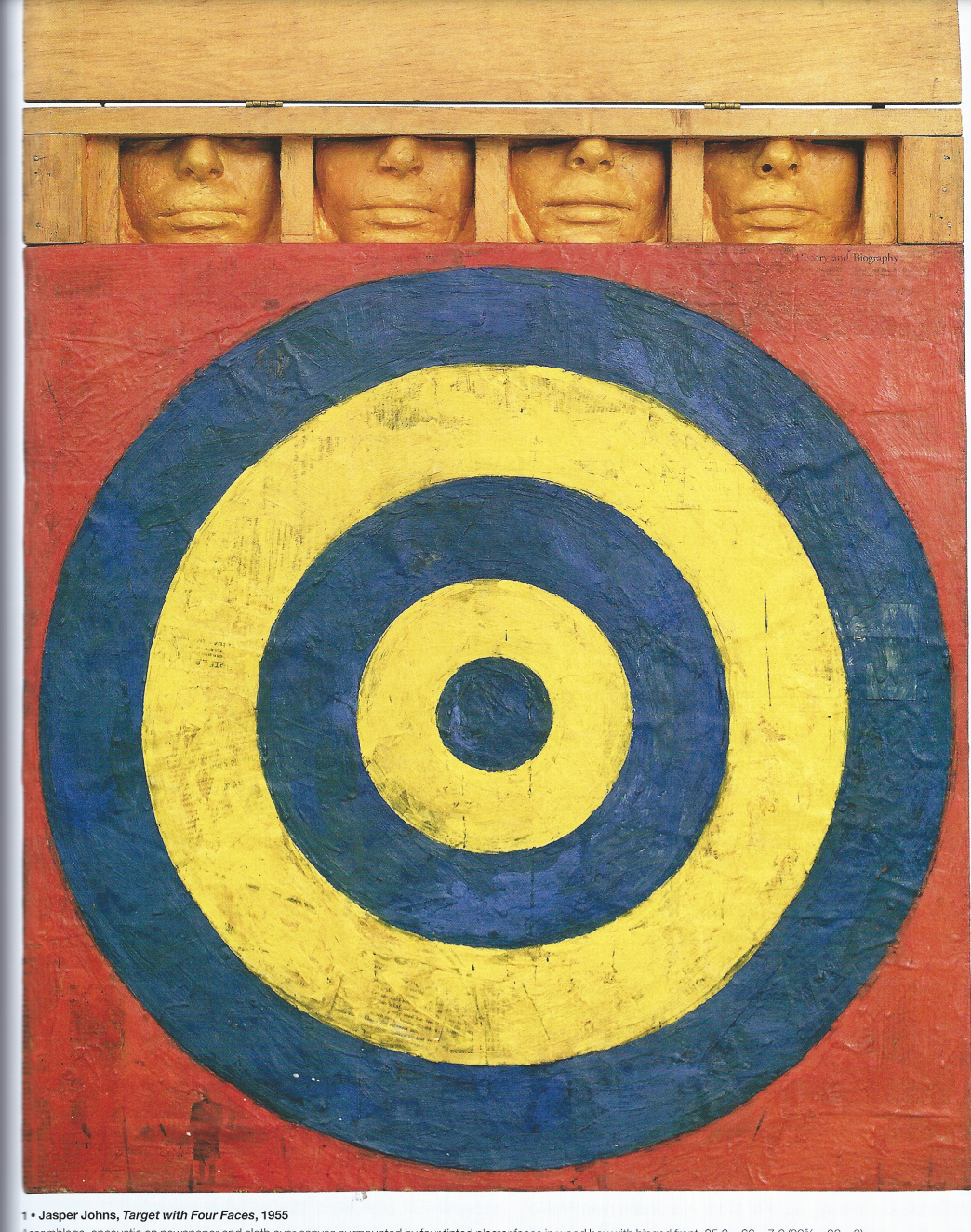
- Featured six paintings of concentric targets.
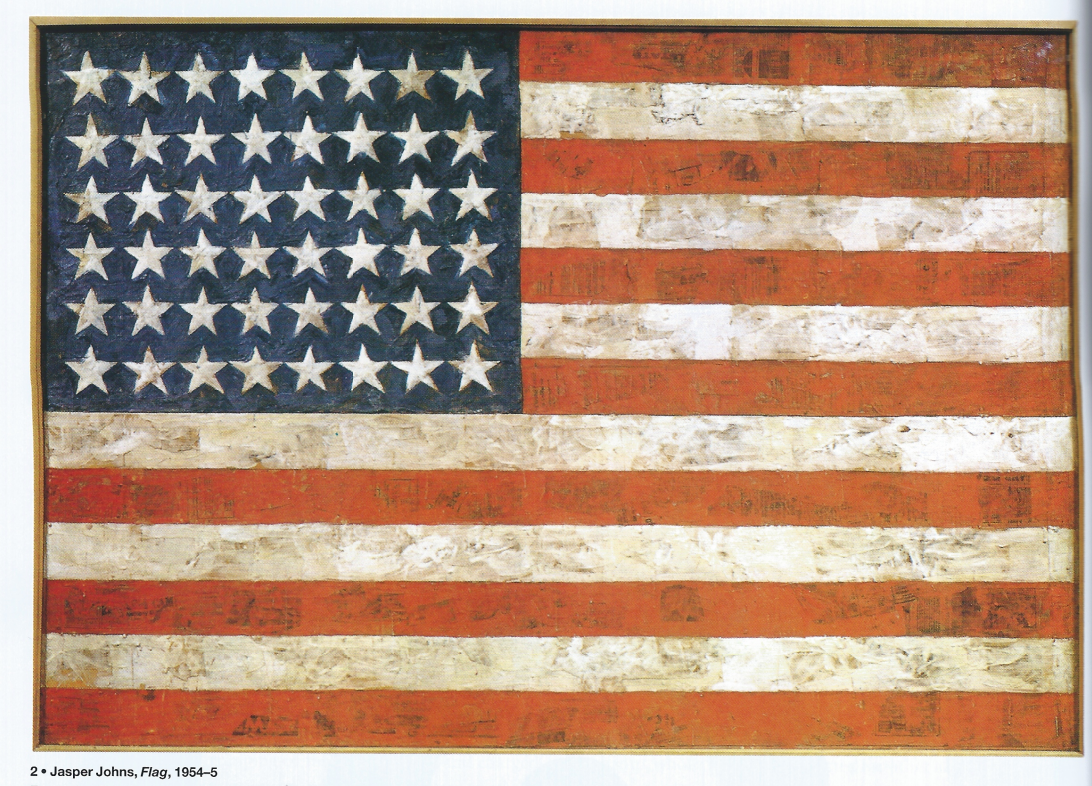
- Included four paintings of the American flag.
- Showcased five paintings with stenciled numbers.
- Some works featured literal objects attached.
- Success: The exhibition was a major success, selling out and drawing attention to Jasper Johns' innovative work.
- Shift in the Art World: This debut marked a significant shift in the art world, emphasizing youth and promotion.
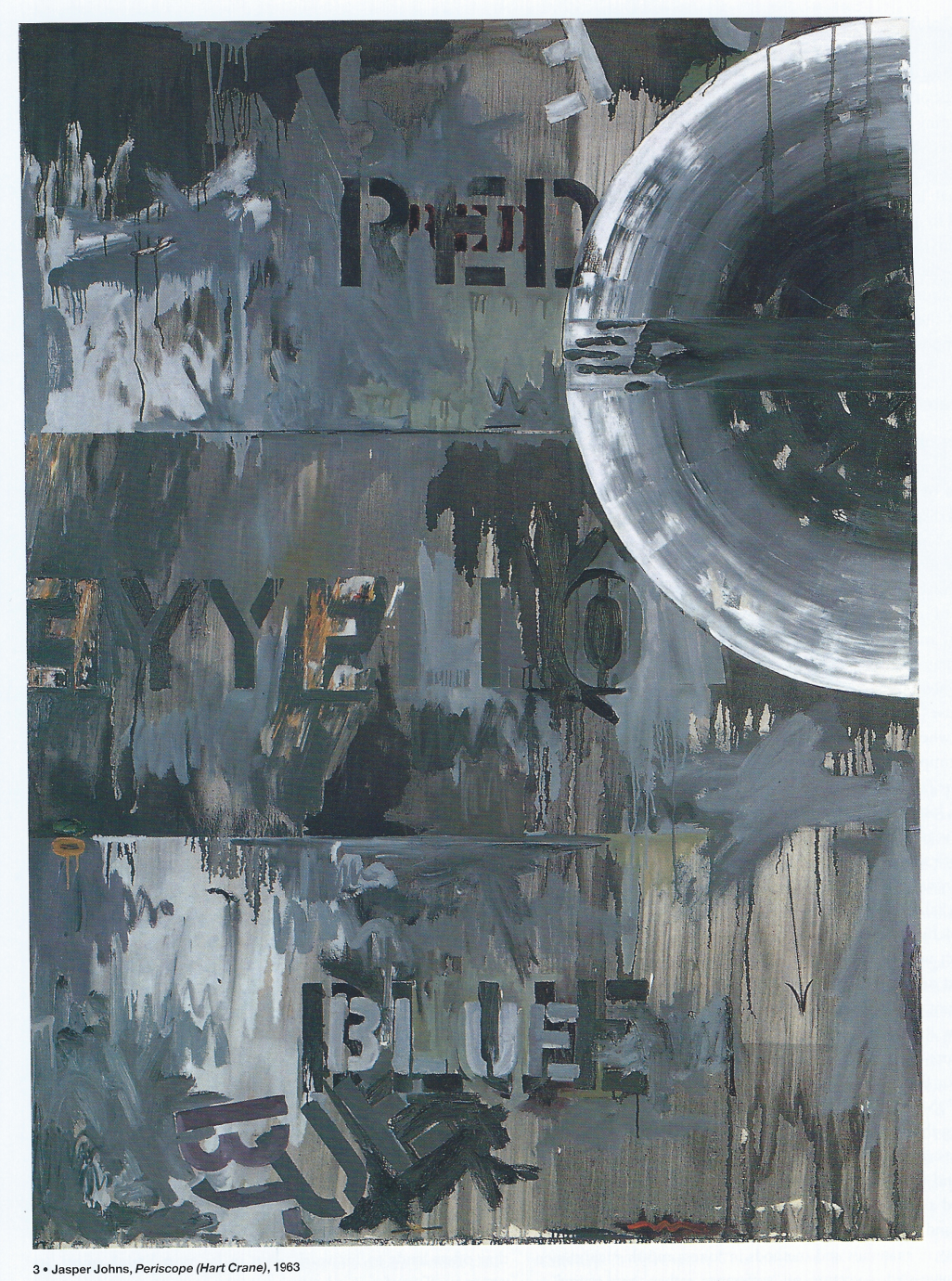
- Challenging Dominant Style: Johns challenged the dominant Abstract Expressionist style with his banal references and impersonal brushstrokes.
- Influential Circle: He was part of a circle of artists that included Robert Rauschenberg, John Cage, and Merce Cunningham.
- Influences: Marcel Duchamp and Ludwig Wittgenstein played a crucial role in Johns' early work, emphasizing pre-formed, depersonalized elements and different orders of signs.
- Signature Strategies: Johns used encaustic, a wax base, which preserved brushwork and turned the painting into an object. This allowed for the suspension of various materials and created a sense of time and multiple meanings in his artworks.
- Contradiction and Paradox: His work often played with contradiction and paradox, challenging the viewer's perception and interpretation.
- Influence on Other Artists: Johns' influence extended to other artists, especially in the realm of Conceptual and Process art. His work involved a constant negation of artistic impulses and split subjectivity that resonated with viewers.
- Exhibition at the Jewish Museum: In 1964, Johns had an exhibition at the Jewish Museum in New York, which demonstrated philosophical puzzles in his work and influenced Conceptual artists like Sol LeWitt and Mel Bochner.
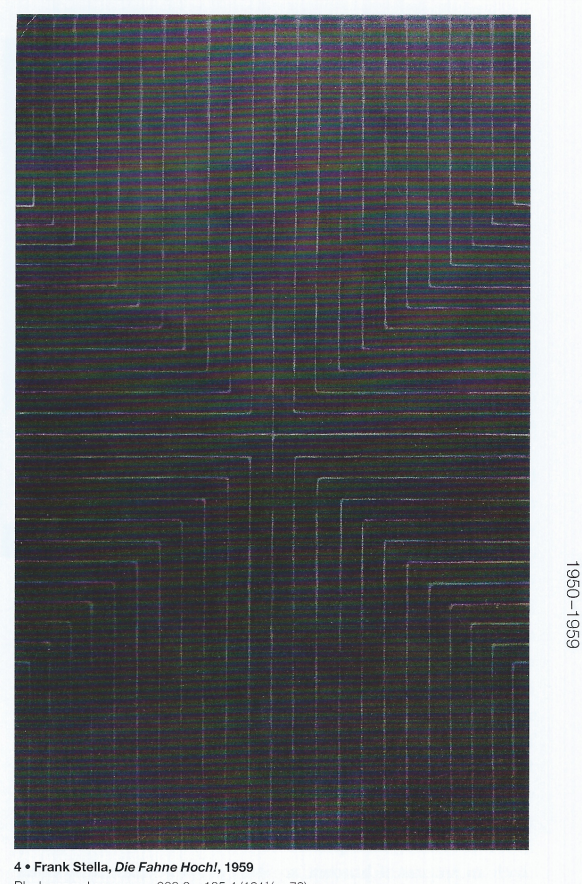
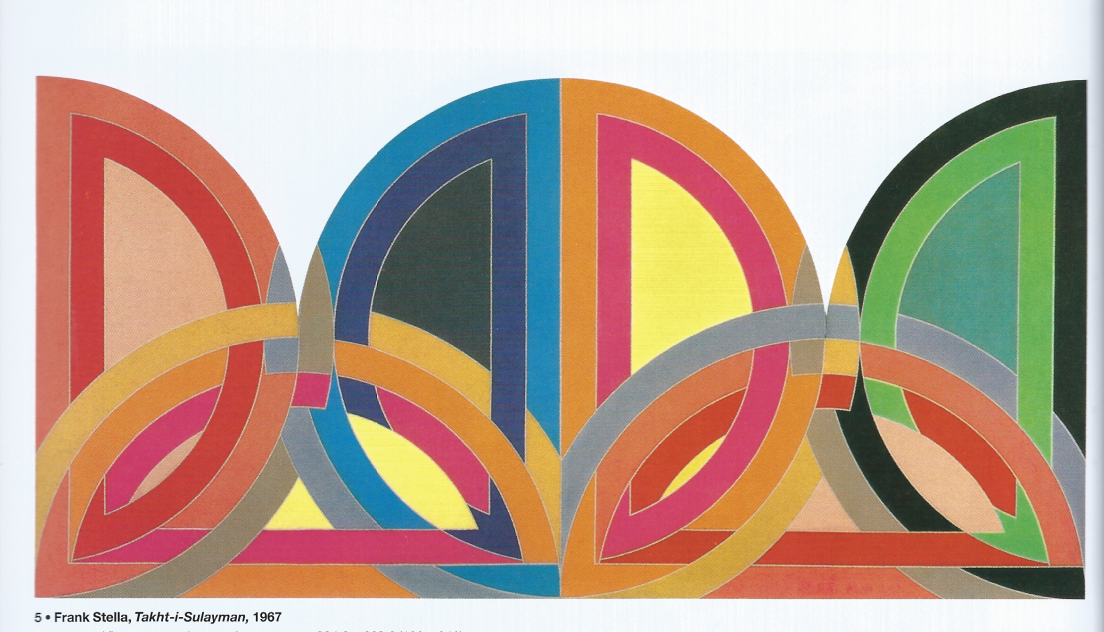
- Introduction of Frank Stella: Frank Stella, another prominent artist, emerged during this period with a different approach to art.
- Stella's Artistic Approach: Stella's work aimed to show "what painting is through a demonstration of its making" using logic and precision.
- Development of Minimalism and Conceptual Art: Stella's work played a role in the development of Minimalism and Conceptual art, shifting from "nature" to "culture" as the primary frame of reference in art.
- Crisis in Modernism Narratives: Stella's evolution highlighted the crisis in the narratives of modernism in the 1970s and 1980s, challenging historicist accounts of influence and succession in the art world.
- Reevaluation of Artists' Place in Art History: This crisis led to a reevaluation of the connection and disconnection between artists and their place in art history.
Johns
Stella
Foster 1960c:
- Roy Lichtenstein and Andy Warhol were known for their pop art and was the leading figure in the pop art movement of the 1960s.
- He threatened the idea of fine art with his commercial design of pop art.
- Lichtenstein would trace but did so in a way that he would grab a comic strip, sketch one or more motifs and then projected his drawing.
- He called is mechanical reproduction, by going through the process of tracing and adding hand drawings, it is hard to tell the part between the original and his own.
- Was frowned upon because he was thought to be unoriginal because he traced.
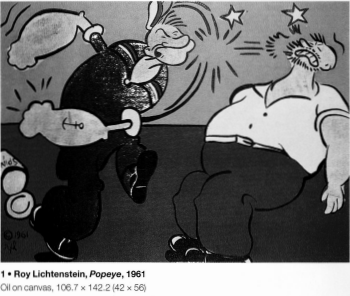
- Lichtenstein “I don’t draw to reproduce it, I do it in order to recompose it.”
- Combined high and low culture, high meaning intellectual value in the painting while low means less sophisticated value in the painting.
- Lichtenstein compared his art to cubism and other artists like picasso, Miro, Matisse, mondrian, and Leger.
Order in Disorder: spirituality, emotion and the search for Utopia
Phases discussed here:
- Belle Epoque
- Symbolists: Redon, Rodin, van Gogh, Gauguin
- Pre-WWI
- Der Blaue Reiter (Kadinsky and Marc), Suprematism (Malevich)
- Post-WWII
- Abstract Expressionism (Neuman, Rothko), Indigenous North America
Important influences on European trends:
- Increasing nationalism, anxiety, mistrust, uncertainty of the direction of a world immersed in materialism and technology
- Searching for remedy in simpler things and “primitive” societies outside metro cities
- Revivals in spiritualism (Theosophy, Anthroposophy, The Order of the Rose + Cross)
- looking for deeper meaning and connections that transcend geographic, social economic division captured in new visual language
- WWI and WWII, the Nuremberg trials, realization of a deep fracture in the human psyche
Arthur Schopenhauer (1788 - 1860)
- Human nature is that we can never be satisfied and will keep seeking satisfaction
- The world is a representation and product of the subjective imagination
- "Truths of the physical order may possess much external
significance, but internal significance they have none. The latter is
the privilege of intellectual and moral truths, which are concerned
with the objectification of the will in its highest stages, whereas
physical truths are concerned with it in its lowest."
Friedrich Nietzsche (1844 - 1900)
- “God is dead”
- Generally thought it meant that modernity, science, and secularization of society resulted in a loss of faith
- Believed the Judeo-Christian god provided moral ground of 100 years
- The foundation of meaning and value it created had been lost in the modern age
- Concerned it would lead to a Nihilistic view that life has no inherent importance and lacked purpose
- Believed society could rebuild, free of conventional (Christian) morality that served no purpose in a modern age
- Society would create a fresh beginning and build a stronger society
“Primitivism” and the Search for Spiritual Truth
Odilon Redon: The Symbolists (Literary Group)
Auguste Rodin: Symbolist Sculpture
- Antonio Canova, Cupid and Psyche, 1793
- Burghers of Calais, commissioned in 1885
- Burghers are a group that sacrificed themselves for the good of the people
- Eustache St Pierre stands by the bughers
- Base contains the work in sculptures
- Without it, it puts in on the same field as the viewer
Vincent Van Gogh: Symbolism
- Vincen’t Chair, 1888
- Gauguin’s Chair, 1888
He painted portraits that have a more expressive and emotional touch to people even centuries later. Using their knowledge and taste of colour as a means of expression.
- Van Gogh, the brothel, 1888
- Van gogh, night cafe, 1888
Paul Gauguin: Symbolism, Synthetism
- Nevermore, 1987
Art is abstraction and a synthesis, a blending of nature as observed, and his objective feelings on the subject represented
- Arearea, 1892
Theosophy, Music and the Avant-Garde
- Rudolph Steiner, General Anthroposophical Society
- Aim of society was to “to nurture the life of the soul, both in the individual and in human society, on the basis of a true knowledge of the spiritual world.”
- Arnold Schoenberg
- Developed the 12-tone composition
- "The principal function of form is to advance our understanding. It is the organization of a piece which helps the listener to keep the idea in mind, to follow its development, its growth, its elaboration, its fate."
- "Lucidity is the first purpose of color in music."
Hilma Af Klint: Theosophy and the Primordial
- Blue Rider (der Blaue Reiter) group, Cannons by Kadinsky
- Not to be conceived as indicating the “contents” of the picture
- The contents are what the viewer lives or feels while under the effect of the composition
- Presence of the cannons could be explained by the constant war talk
- No intention to represent war, it would have required different pictoral means
Additional notes from mosaic
- Document Focus: The document explores various late 19th and early 20th-century art movements and artists, delving into their motivations, philosophies, and artistic styles.
- Artists' reactions to and attempts to transcend materialism and societal changes, seeking deeper spiritual or philosophical meaning in their art, and exploring the connections between humanity, nature, and the cosmos.
- Covered Art Movements: The document covers a range of art movements, including Impressionism, Symbolism, Blue Rider Group, Suprematism, and De Stijl, among others.
Key Artists and Movements:
Gauguin
- Transitioned from finance to painting to escape materialism.
- Emphasized a subjective interpretation of the artist's vision.
Hilma af Klint
- Explored esoteric and mystical knowledge.
- Sought unity with the cosmos and nature.
Blue Rider Group
- German Expressionist movement.
- Inspired by Theosophy and spiritual truths.
- Bold colors and exploration of humanity's connection to nature.
Kasimir Malevich and Suprematism
- Introduced Suprematism.
- Focused on pure feeling and abstract art.
- Transcendence of the material world.
De Stijl (Theo van Doesburg and Piet Mondrian):
- Embraced geometric elements and primary colors.
- Represented eternal laws of the universe.
- Aimed for greater harmony in society through art.
These artists and movements aimed to break free from materialism, seeking deeper meaning and unity through their art in response to the societal changes of their times.
Order in Disorder 2, Alternative paths of knowledge
WW2 (Machine Warfare)
- Big Bertha: massive tank
- Soldiers who return to war often disfigured can’t go out or rehabilitate in the outside world.
- Farms soldiers could go to with other soldiers (presumably after war)
- Prosthetic artists who helps soldiers with this disfigurements
Influential Thinkers
- Henri Bergson
supports the desire to progress/physical matter. To allow people to be free thinkers/imaginative force.
- Sigmund Freud
- Argues that women are there to fulfil sexual triggers for men; sexual urges are an instinct in human nature.
- Approves the theory of human behaviour and responses being understood by emotion and sensation
- When a little boy realises something is off, he will seek for something that will restore balance in the world.
- The unconscious is the place where we store memories
- Friedrich Nietzsche
Giorgio De Chirico
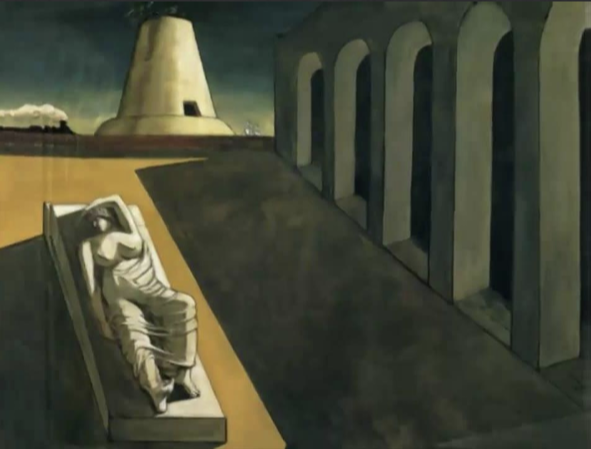
- Ariadne, 1913
- De Chirico does not support surrealism (metaphysical pictures) the great metaphysical, a painting with weird perspective
- Deeper truth, alternate plane of existence
- Minotaur is the irrational in the world, all the negative
Liminal
- relating to, or being an intermediate state, phase, or condition.
- TRANSITIONAL, IN-BETWEEN
Unheimlich
- often referring to something as ugly or uncanny
SURREALISM
- pure psychic automatism by which it is intended to express, either verbally or in writing, the true function of thought.
- Thought dictated in the absence of all control exerted by reason, and outside all aesthetic or moral preoccupations.
- Making direct decision by rational thought.
- Inspired an era that does a pure psychic automatism.
Pure psychic automatism
- dictation of thought, in the absence of any control exercised by reason, and beyond any aesthetic or moral preoccupation.
- Pass a paper after doing something then giving it to the next person. Draw by immediate response. And only see the part immediately before them. Defy’s all rules
- This is a way where unconscious knowledge/truth can come out
Ernst, Europe after the Rain, 1940-42
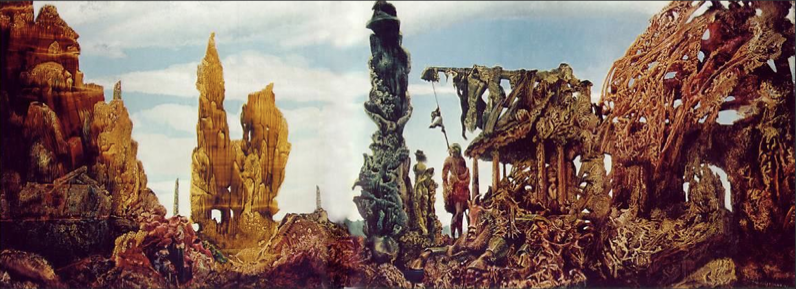
- Woman feel the need to marry and accept the fact that they were a “financial burden” to their partner's life.
Techniques used by Ernst:
- Frottage (texture rubbings)
- Grattage (wet canvas laid over a textured surface and scraped to create textures)
- Decalcomania: (paint applied to the support, paper laid overtop, then removed to reveal textures.
Many of Ernst works were found to be forgery (fakes)
Meret Oppenheim
- Women are seen as a consumable (roasted chicken then move onto the next chicken)
- Termites are used for the soul purpose of reproduction
Les Automatistes (Canada, 1950s-60s)
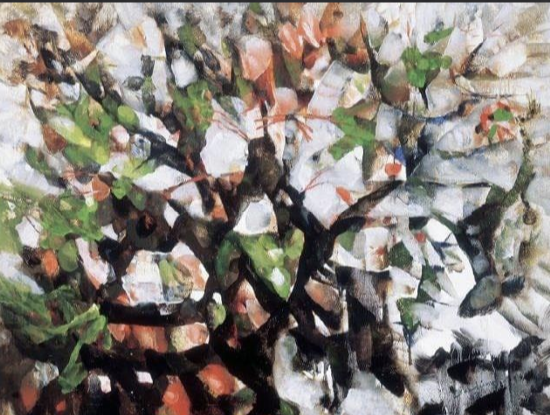
- Paul-Emile Borduas, “Composition” 1951
Readings
Foster 1900a
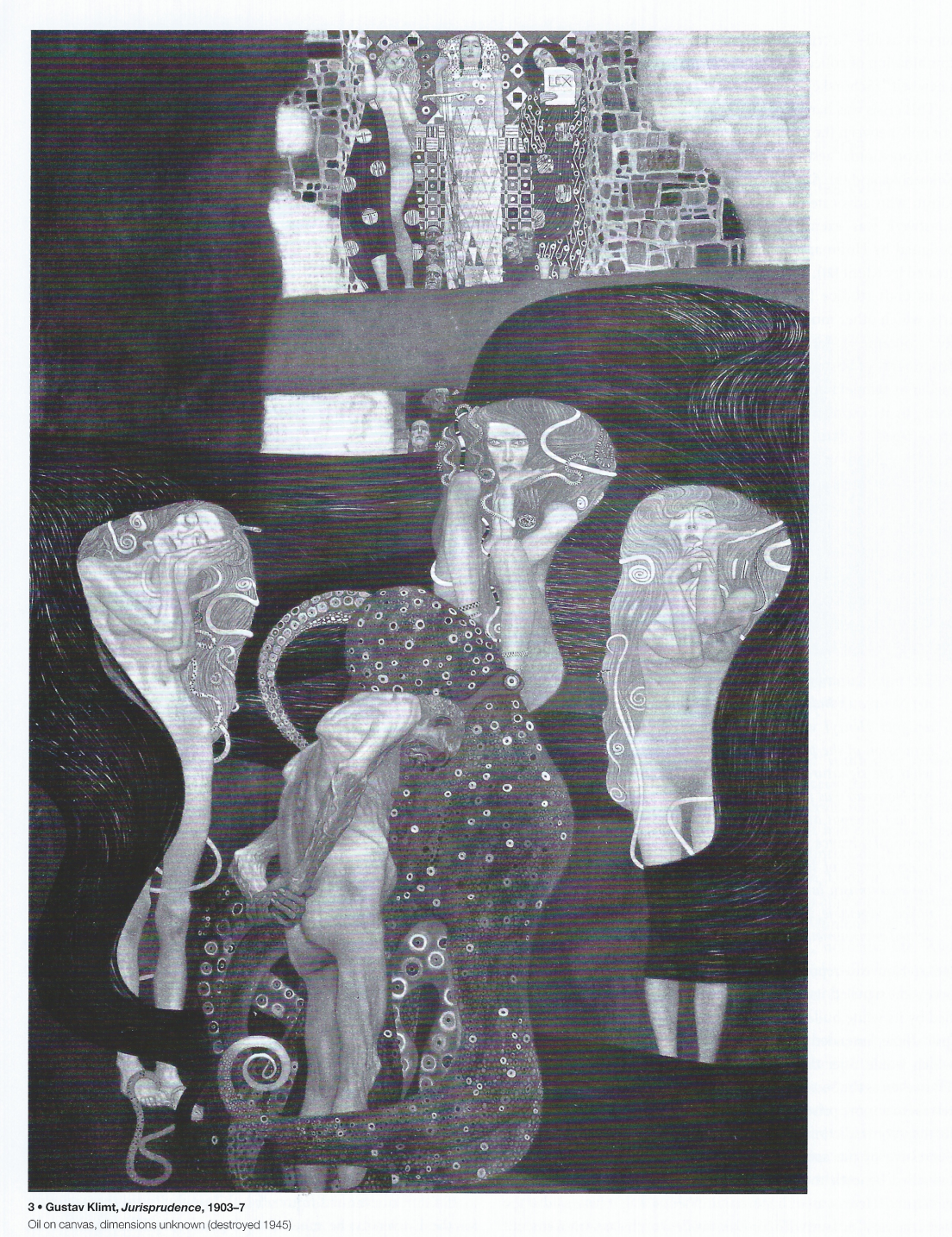
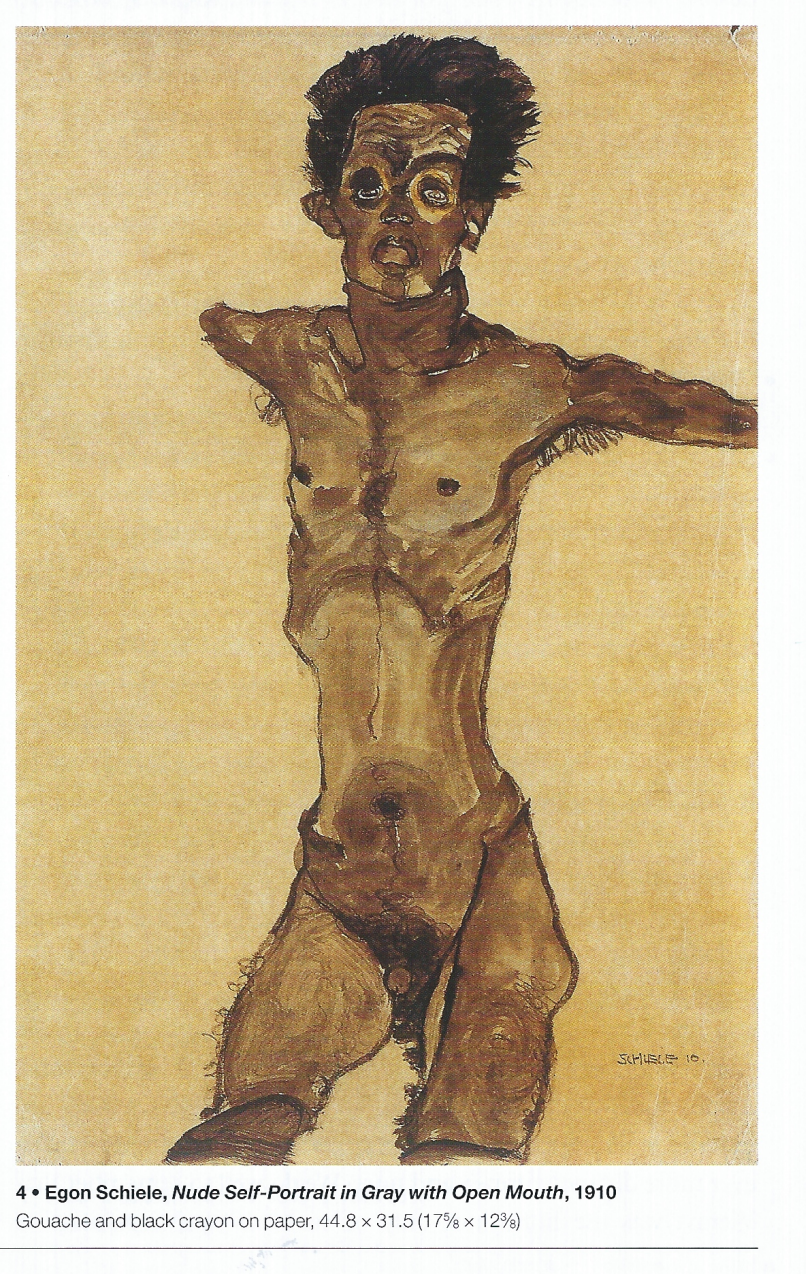
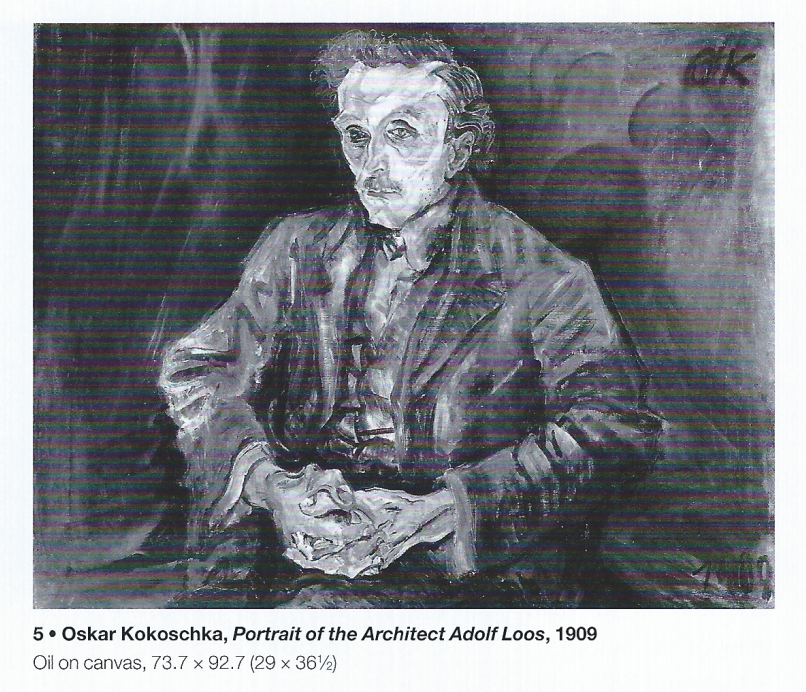
- Exploring Freud and Vienna's Avant-Garde Art: This document examines the interaction between Sigmund Freud's psychoanalytic concepts and the avant-garde art movement in early 20th-century Vienna.
- highlights the link between Freud's "dream-work," which addresses repressed instincts and unconscious desires, and the works of artists such as Gustav Klimt, Egon Schiele, and Oskar Kokoschka.
- Cultural Rebellion and Tensions: delves into the artistic rebellion, societal controversies, and cultural tensions in Vienna, emphasizing the conflict between individual expression and collective constraints.
- Figurative vs. Abstract Art: It explores the clash between traditional academic art and the avant-garde Secession movement, which embraced new artistic styles, symbolizing a broader crisis in the Austro-Hungarian Empire.
- Gustav Klimt's Challenge to Norms: Gustav Klimt's commissioned works, particularly the Philosophy, Medicine, and Jurisprudence series, challenged traditional themes and reflected the disruption of the era.
- Egon Schiele and Oskar Kokoschka: Artists like Egon Schiele and Oskar Kokoschka, influenced by Klimt, depicted repressed instinctual impulses and Freudian concepts through their art, portraying figures stripped of historical and social norms.
- Adolf Loos and Architectural Critique: Architectural critic Adolf Loos rejected ornamentation and the exuberance of Art Nouveau, advocating for purer cultural expression.
- Vienna's Artistic Landscape: The document underscores the opposition between expressive freedom and rigorous constraints in Vienna, embodied by artists and critics, influencing subsequent modernist movements.
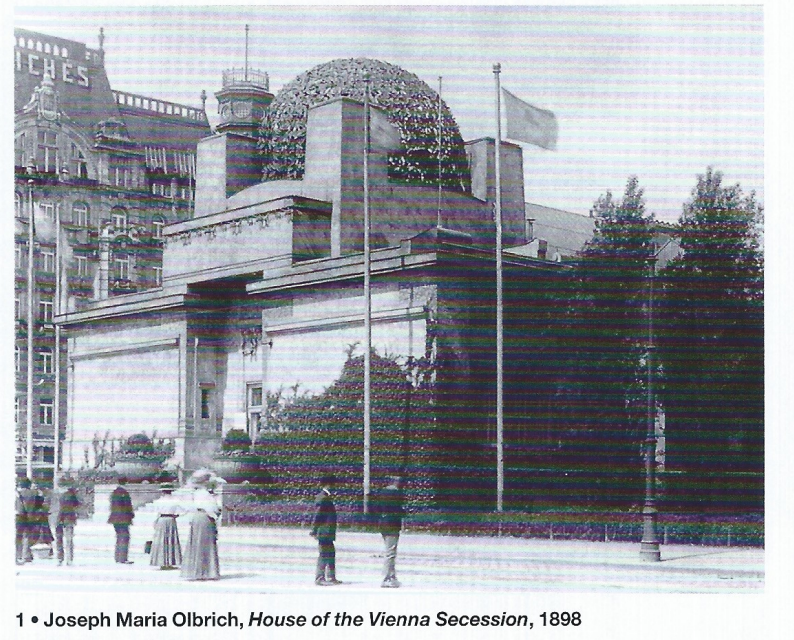
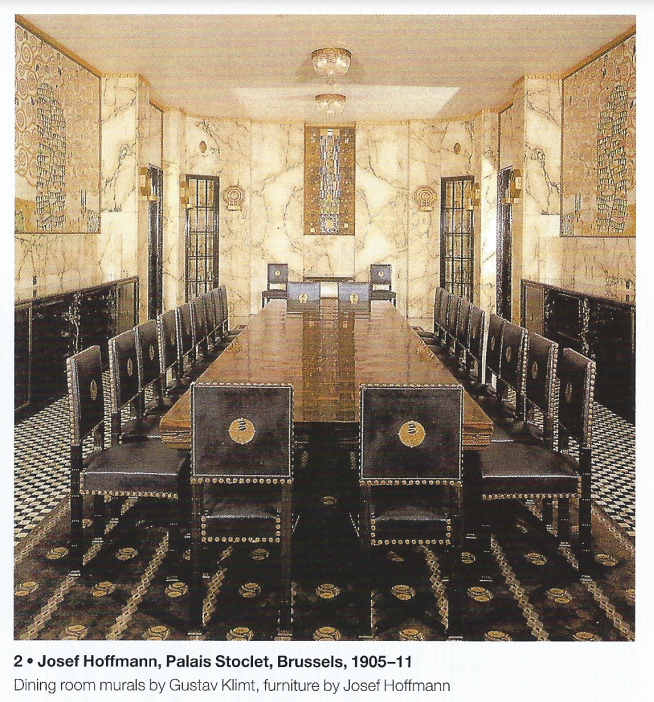
Foster 1959c
- Repetition as a Historical Phenomenon: Historians in the 20th and 21st centuries have increasingly explored the phenomenon of repetition in various contexts. This is based on the idea that historical events tend to repeat themselves, with the famous quote by Karl Marx expanding on Hegel's concept: "the first time as tragedy, the second as farce."
- The Struggle Between Representation and Abstraction: The battle between representation and abstraction characterized the early modernism period in art. It represented the tension between traditional, classical forms of figuration and the avant-garde's pursuit of an unknown artistic vision.
- Political Shift in France: The rise of fascism in France led to a remapping of artistic terrain. The Popular Front government united liberal and Communist forces in an anti-Nazi campaign, promoting "humanism" as its watchword. Artists were encouraged to become politically engaged, which often meant abandoning avant-garde forms in favor of art accessible to the working classes.
- The Connection of Realism and Resistance: Figurative representation in art became a matter of world-historical significance during the late 1930s and war years. This was closely connected with the politics of the Resistance and the Liberation. Jean-Paul Sartre, a philosopher, played a role in establishing the uniqueness of realism during this time.
- Existentialist Aesthetics: Existentialist aesthetics, closely tied to Alberto Giacometti's sculpture, emphasized the individual's existence without the comforting absolutes of an "essence" or universal laws. It was about confronting the uncertainty and anxiety of existence.
- Art and Cold War Politics: Modernist art became linked with American Cold War politics, especially the rebuilding of postwar Europe. American abstract expressionism was promoted as a symbol of individual liberty and autonomy against totalitarianism.
- Marshall Plan and Cultural Freedom: The US government and institutions like the Museum of Modern Art actively promoted modernism in Europe through cultural initiatives. The Congress for Cultural Freedom, with artists like Clement Greenberg, was established to support American art.
- Documenta and East-West Confrontation: Documenta, an international exhibition in Kassel, Germany, became a cultural battlefield of capitalism versus communism. The United States used art as "arms for Europe" to showcase the rewards of West German reconstruction.
- Seriality and Existential Aesthetics: Some postwar artworks, like those of Francis Bacon and Willem de Kooning, projected a sense of seriality and repetition, which was at odds with existential aesthetics. Their focus on repeatable, almost commercialized imagery differed from the uniqueness emphasized by existentialism.
Art and the greater good, Art as Politics
Focuses on DIE BRUCKE, FUTURISM, CONSTRUCTIVISM
Friedrich Nietzsche
- Discussed the Apollonian and Dionysian dichotomy (reason/logic/structure/control is apollonian; emotion, chaos, change, instinct is Dionysian)
- Two needed to be experienced in balance, but civilization had discredited and banished, so to speak, the Dionysian.
- New visual language to restructure which will support this new building (abstraction)
- Provide a cultural awakening, recognizing the shared trauma, desperation, they will rebuild.
- Argues that the dionysian enables man to reestablish a connection to the self and through that to the primordial unity, which brings truth and knowledge.
Die Brucke (1905-1913) (the bridge)
- We call to all youth. As youth, we carry the future, and want to create for ourselves freedom of life and of movement against the long established older forces.
- Everyone who, with dircetness and authenticity, conveyors that which drives him to creation belongs to us
- Man as the Bridge: from Thus Spake Zarathustra: man is a rope between animal and superman. Dangerous crossing, man is a bridge not a goal.
- Him and friends frustrated with the art made. Rejection of communal living in favour of materialism
- In Germany, we must follow our own creative inspirations to be authentic.
- Iconoclasm: periods in which religious images are destroyed (virgin mary, images of chris, a saint)
Kirchener art was skewed and exaggerated (perspective and objects)
- Kirchner creates images that are more bizarre (uncanny)
- Black eyes make it challenging to find a connection to the figure (soulless). Using a juxtaposition of colour to create more disturbance.
Woodblock art was expensive and used to communicate for those who couldnt read.
- Incredibly detailed and took a lot of time to create.
- Not a popular technique, super difficult to carve
- One method of printing which can be stamped
- Mostly used in the Middle ages were for templates (old newspapers).
- Way to communicate since the same language wasn’t communicated through everyone, interpretation of certain events which could be understood.
- Information through fine arts by simplified images that can be understood by the average person.
- Draws into that part of authenticity due to the effort it takes to create a block.
Futurism
- One of the most significant contributions of Futurism was made in the area of typography and graphic design.
- used more in cinematography/photography.
- Dynamism Paris is the centre of the vanguard :pplin at the future of Italy instead of pasts
- Plastic destroy traditional harmony
Constructivism
Vladimir Tatlin
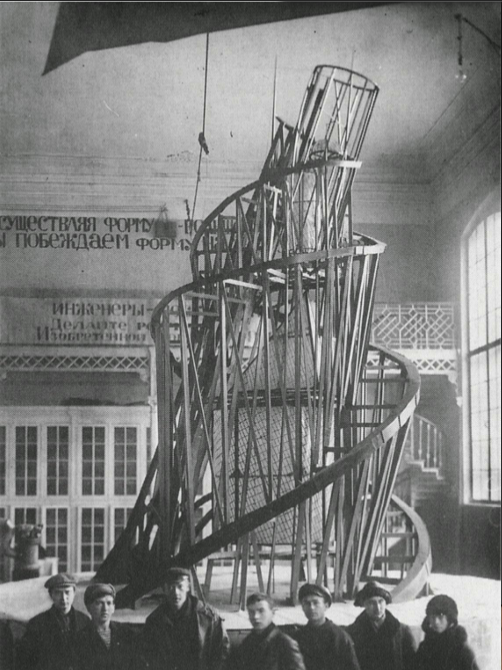
- Monument to the Third International (Tatlin’s Tower), commissioned 1919 by the revolution Department of Fine Art.
- Tatlin is most for the national 3rd, it was a monument to established communist life
- Described Bourgeois is seen as bad.
- The structure is to represent a landmark for the country had it been built (similar to the Eiffel Tower)
- Uses colour to establish concepts that represent bigger things.
- Red represents communists (bulshavists) while the whites opposed the communists
- The regime took over at the expense of the working class
- Socialist Realism
- Aesthetics is a means of transcending materialism
- Finding the emotional response, not sentimental, it’s the core that stems for this
Readings
Foster 1921
- December 1921 marked a turning point for the Constructivist movement in Russia.
- The movement had been closely aligned with the Russian Revolution, but the New Economic Policy (NEP) introduced by Lenin brought a shift away from centralized planning and a return to a free market.
- Constructivists were faced with the challenge of justifying their role as artists in a changing landscape.
- The Marxist critic Boris Arvatov emphasized the importance of educating artists in polytechnic institutes to contribute effectively to industry.
- The movement emerged as a response to Vladimir Tatlin's model for the Monument to the Third International, which showcased a large, modern, and functional structure.
- A debate arose about whether Tatlin's design was a construction based on the "truth to materials" or a composition rooted in individual authorship.
- The Constructivists defined construction as a "scientific" organization with no excess materials, while composition was seen as arbitrary.
- The movement transitioned into Productivism, advocating for active involvement in industrial production.
- Constructivists found their place in propaganda through poster designs, theater sets, agitational stands, exhibitions, and book designs.
- The movement's real impact was in shaping the ideological realm of Production.
- Key figures in the movement included Varvara Stepanova, Wassily Kandinsky, Aleksandr Rodchenko, Vladimir Tatlin, and Boris Arvatov.
- While their ambitions to revolutionize the production of everyday objects were not fully realized, their influence in propaganda and shaping the ideology of Production had a lasting impact.
- This period marked a significant transition within the Constructivist movement, reflecting broader socio-political changes in post-revolutionary Russia
Foster 1923
- The Bauhaus was founded in 1919 with the Weimar Republic and was closed by the Nazis in 1933.
- It was a merger of the Weimar School of Arts and Crafts and the Weimar Academy of Fine Arts.
- Walter Gropius was the first director of the Bauhaus.
- The Bauhaus aimed to unite creative arts and the industrial world.
- The shift towards industrial design at the Bauhaus was solidified with the hiring of Laszlo Moholy-Nagy in 1923.
- The Bauhaus moved to Dessau in 1925, deepening its involvement in industrial design.
- Hannes Meyer and Ludwig Mies van der Rohe took over as directors after Gropius.
- The Bauhaus closed in 1933 when the Nazis came to power.
- The Bauhaus idea persisted after its closure, with teachers and students emigrating and spreading its influence.
- The Bauhaus's pedagogy emphasized the study of materials, tools, construction, and representation.
- The Vorkurs, a probationary course for all students, shifted from Itten's mystical approach to Moholy-Nagy's structural analysis.
- The Bauhaus evolved from an emphasis on craft to industrial design, reflecting economic changes in Germany.
- Interaction with industry was limited, but the Bauhaus had a significant influence on design.
Foster 1937
- Degenerate 'Art' Exhibition: In Munich, the Nazis opened the "Degenerate 'Art'" exhibition in July 1937. This exhibition was intended to condemn modernist art, labeling it as intrinsically Jewish and Bolshevik. It aimed to portray modernist art as degenerate and insulting to German culture, religion, and the military. The exhibition was designed to contrast with the "Great German Art" exhibition, which showcased Nazi-approved art as self-evidently Aryan and National Socialist.
- Nazi Aesthetics: Nazi art was presented as arch-nationalist and arch-traditionalist, exalting "German feeling" and embracing neoclassical styles to depict natural form. Prominent sculptors, like Arno Breker and Josef Thorak, created works that emphasized the Aryan ideal and military symbolism.
- Totalitarian Art Policies: The passage highlights principles governing the art policies of totalitarian regimes, such as Nazi Germany, Stalinist Soviet Union, and Fascist Italy. It mentions that art was treated as an ideological weapon, and the state assumed control over cultural institutions. The regimes typically endorsed conservative art movements and condemned other styles. In the case of Nazi Germany, the exhibition "Degenerate 'Art'" aimed to suppress modernist art.
- National Pavilions at the International Exhibition in Paris: The International Exhibition in Paris featured national pavilions representing different countries, showcasing art and trade. This passage underlines the political context of the exhibition, noting the domination of the event by a cultural war that paralleled the actual military conflict, the Spanish Civil War.
- Pavilions and Figures: The passage discusses the pavilions at the Paris exhibition, particularly highlighting the Soviet, German, and Italian pavilions. These pavilions symbolized different ideologies and used various figures to convey their messages. The Soviet pavilion featured monumental worker and farmer sculptures as symbols of communism, while the German pavilion presented statues emphasizing gender differences. The Italian pavilion connected the Fascist state to ancient Rome.
- Guernica by Pablo Picasso: The passage mentions Pablo Picasso's painting "Guernica," created in response to the bombing of the town of Guernica during the Spanish Civil War. The painting features figures in states of terror, dismembered bodies, and animals. Picasso used modernist techniques to convey the brutality and horror of the bombing. It also discusses the political context and significance of the artwork.
- Modernism and Public Art: The passage touches upon the reconciliation of modernist art with political actuality through Picasso's "Guernica." It suggests that modernism can be both referential and responsible, and modernist art can be used for public and political purposes.
Mid term
Multiple choice and short answer
1hour and 10 mins
Questions:
- ”explain this image”
- Important points from readings
Good luck everyone :3