Green Algae (Phylum Chlorophyta)
Endosymbiosis Background
Primary endosymbiosis: a eukaryotic host cell engulfs cyanobacteria to make chloroplasts (plastids)
Gave rise to Green and Red Algae
Secondary endosymbiosis: a eukaryotic cell engulfs another eukaryotic cell that already contains plastids
Gave rise to Brown Algae, Diatoms, Dinoflagellates, etc.
Class Chlorophyceae
All Chlorophytes: Live in Freshwater, Have Zygotic Life Cycles, and Flagellated Cells
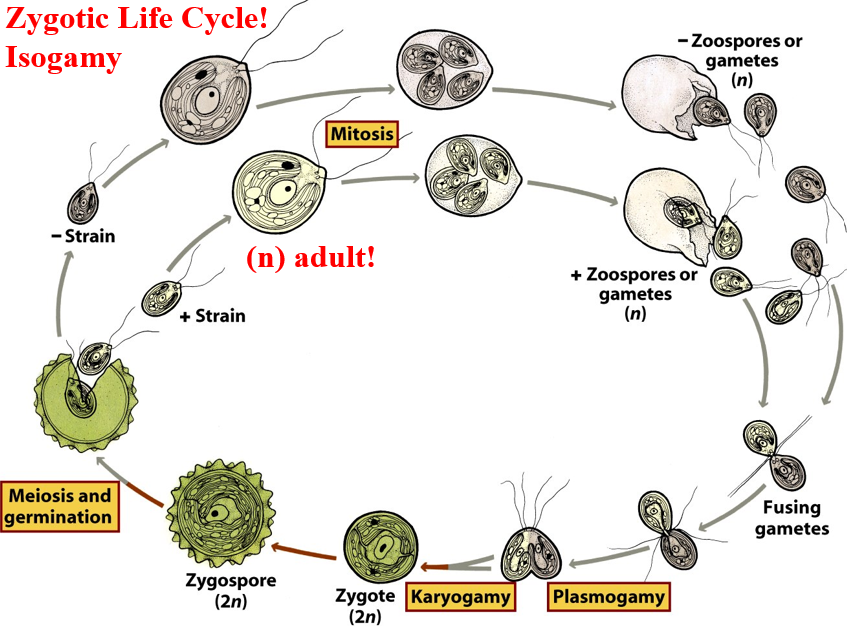
Chlamydomonas - Most primitive green algae
Form: Unicellular
Structures:
2 Flagella
Light-sensing eyespot
Pyrenoid (a derived trait used to store starches)
Life Cycle: Isogamous; Also includes (before the making of the Zygote):
Plasmogamy: fusion of cytoplasm during fertilization.
Karyogamy: fusion of nuclei to form the zygote.
Zygospore = Zygote resting stage, Zoospore = Flagellated Gametes
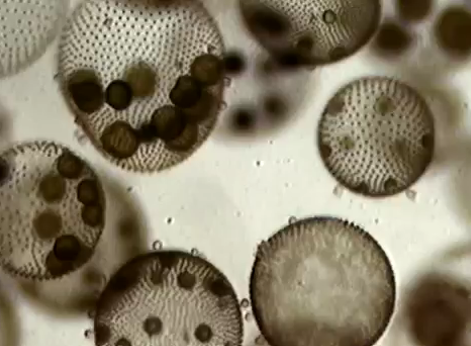
Volvox - Motile, Colonial Green Algae
Form: Colony of individual biflagellate protist
Life Cycle: Oogamous, Have inducer hormones to attract other colonies
Asexual Reproduction: Reproduce by forming daughter colonies inside the parent colony, then breaking off at maturity.
Sexual Reproduction: Inducer chemicals that attract colonies to mate; there are sperm (gametes) and eggs produced within colonies.
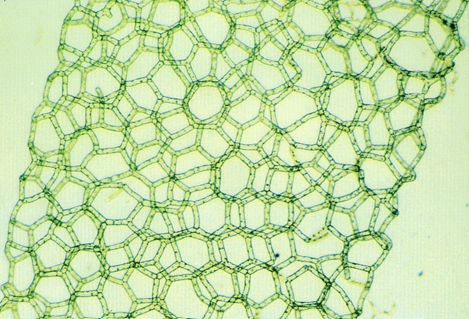
Hydrodictyon - Sessile “Water Net”
Form: Colonial, Tube-like (siphonous), Net-like structure (each link is a cell)
Life Cycle: Isogamous, Asexual & Sexual Reproduction
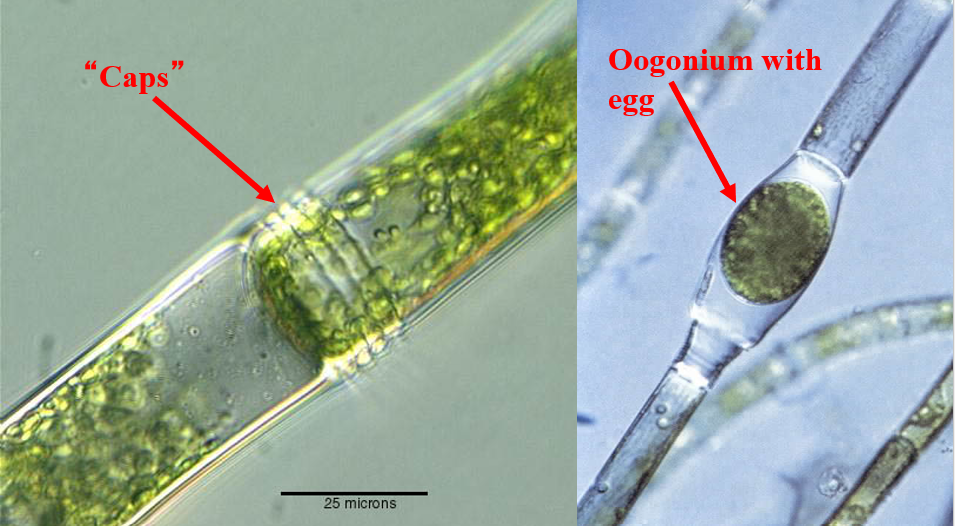
Oedogonium - Filamentous Chlorophyte
Form: Filamentous
Life Cycle: Oogamy.
Has Oogonium Structure: The egg-producing structure
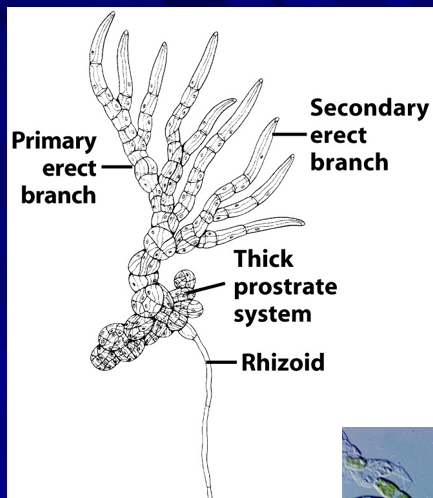
Fristhella - Thallus Green Algae
Form: Branched Parenchymatous
Structures:
Rhizoid - to anchor
Plasmodesmata - a derived trait used for cell to cell communication
Class Ulvophyceae
All Ulvophytes: Marine/Freshwater, Thallus (Flat multicellular body) or Siphonous (One giant tube-like cell)
Acetabularia - “Mermaids Wine Glass”
Form: Siphonous
Life Cycle: Gametic
Structures:
Coenocytic - Multinucleate Cell
three-part morphology (rhizoid, stalk, cap)
Hemmerling Study: Proves the nucleus is at the base, not the stalk.
Order Siphonales
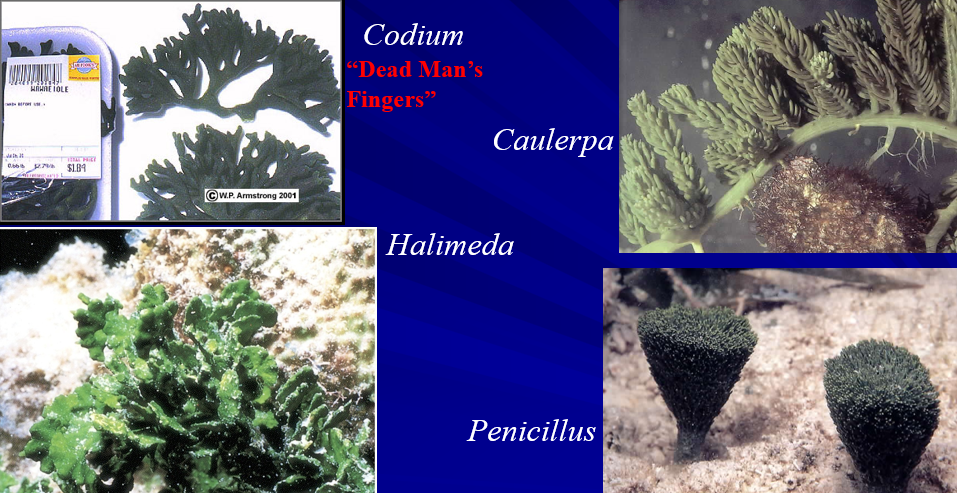
Caulerpa – (Monster of the sea)
Native to the black sea.
Invasive species that’s banned in US
Halimeda - Has calcium carbonate in it which contributes to the white sand beaches, produces toxins
Penicillus - Penicillin
Cladophora
Form: Branched Filamentous
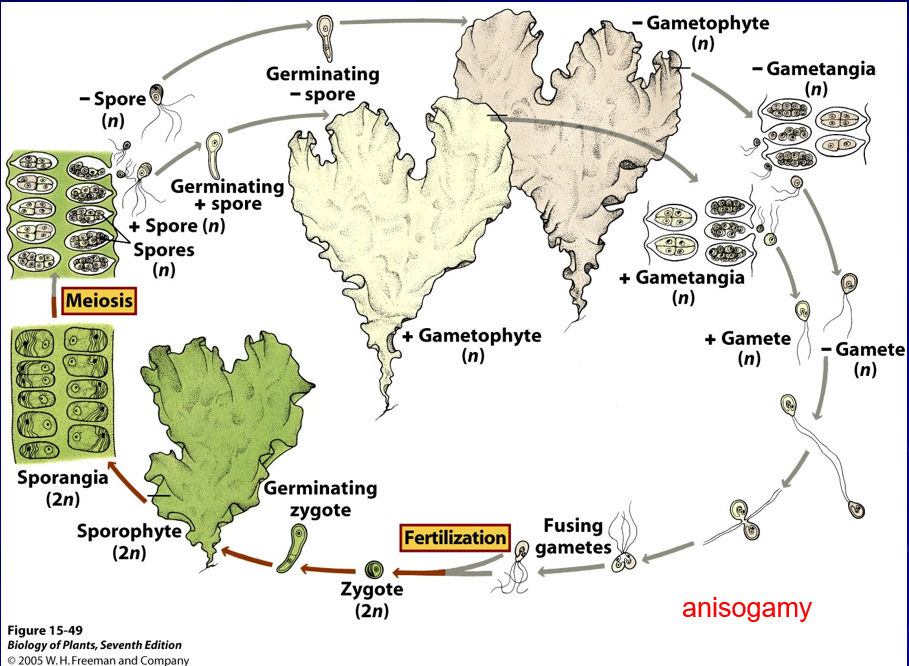
Life Cycle: Anisogamy
Zygotic - Freshwater
Alt. of Generation - Marine
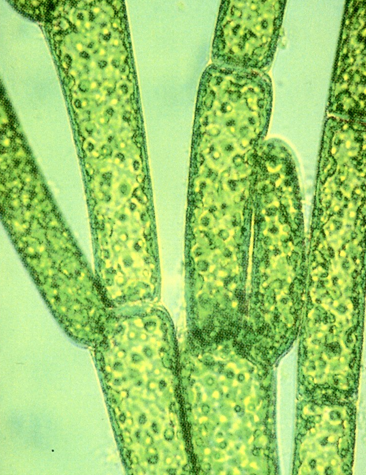
Ulva - “Sea Lettuce”
Form: Thallus
Life Cycle: Anisogamy, Alternation of Generation
Spores in this cycle are called ZOHO spores (flagellated spores)