5.3 Sources of Evidence for Evolution
Fossils
Record
Provides history of life by showing kinds of species that were alive in past
Fossils found in rock closer to surface are from recent geological periods whereas ones in deeper layers (older rocks) are from past periods
Appear in chronological order
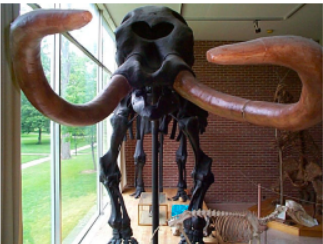
The Fossils Themselves
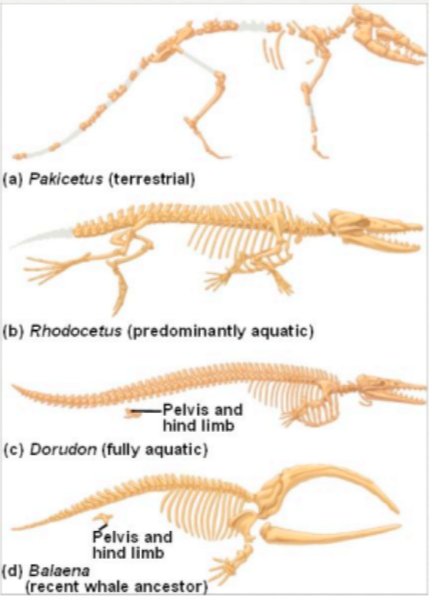
Transitional Fossils - show intermediary links between groups of organisms
Vestigial Structures - structures that are reduced forms of structures that were functional in organism’s ancestors
Biogeography
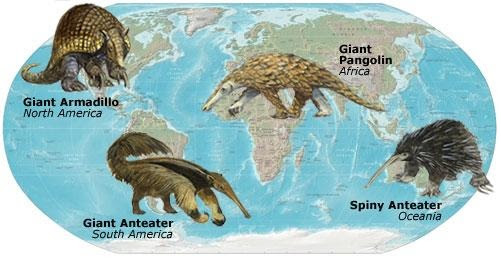
Geographically close environments more likely to be populated by related species than locations far apart even if environmentally similar
Species found on islands closely resemble species found on closest continent
Fossils of same species are found on coastline of neighbouring continents
Closely related species are almost never in exact same location
Anatomy
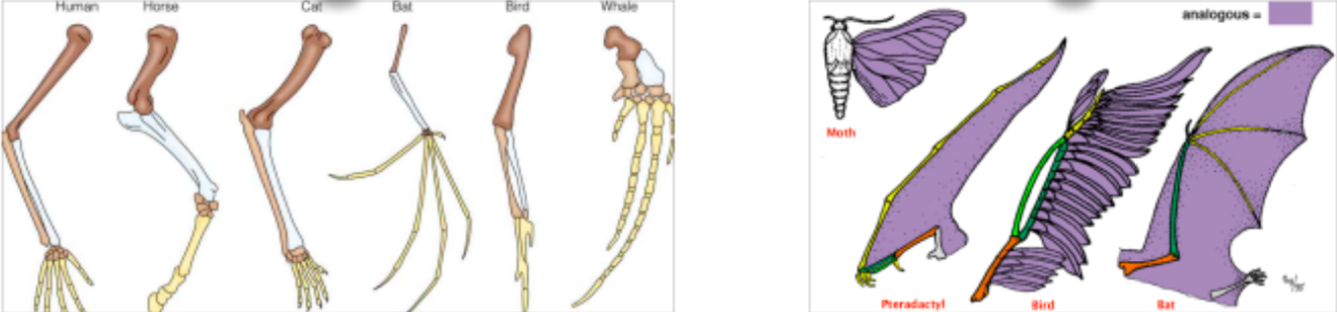
Homologous Structures - structures that have similar structural elements and origin but may have a different function
Analogous Structures - structures that do not have a common origin but perform similar functions
e.g wings on flightless birds, wisdom teeth, the appendix, tailbone, body hair, snakes’ pelvic bone, goosebumps, etc.
Embryology
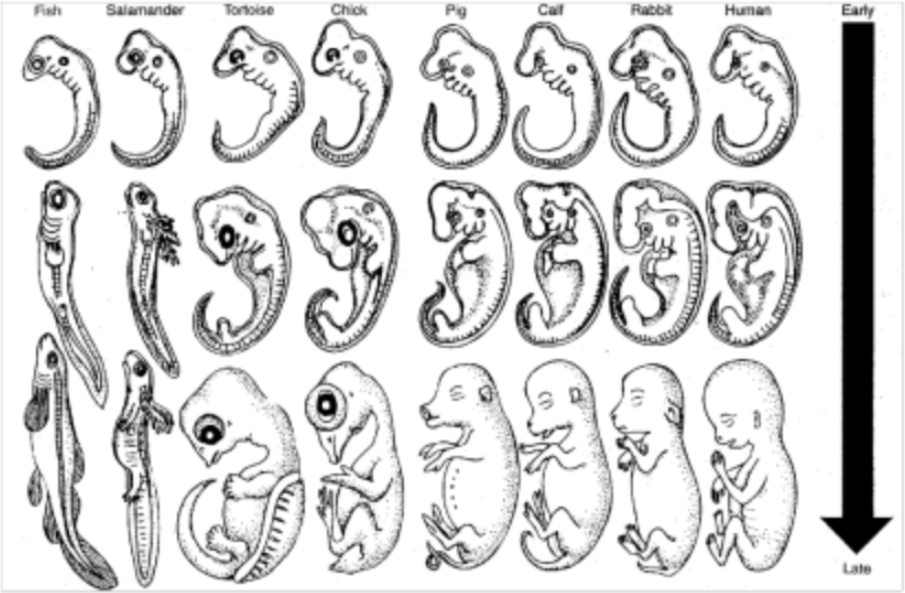
Embryos of different organisms exhibit similar stages of embryonic development
Similarities between embryos in related groups (vertebrates) point to a common ancestral origin
DNA
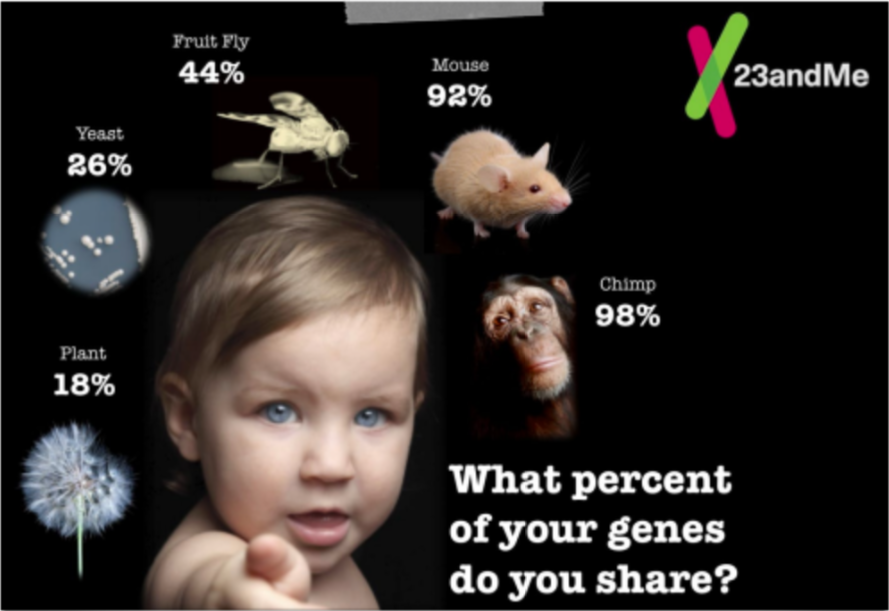
Similar DNA sequences indicates organisms are more closely related and have a shared common ancestor