2- Plant Chemical Composition, Water, and Macromolecules
A. PLANT CHEMICAL COMPOSITION
Consider the following experiment:
A scientists carefully dried and weighed soil and placed it in a large container. In this container was placed a small tree that weighed 20 kg (45 lbs). The container was covered to prevent any material from falling into it except for water applied periodically to keep the soil moist. five years later the tree was removed and found to weigh 51 kg (113 lbs). The soil in the container was again dried and weighed, and found to have only lost 57 grams (2oz) of its previous weight.
Where did the approximately 68-lb increase in weight come from?
Water (absorbed by roots)
CO2 from air → incorporated into organic compounds
What components of the soil were lost?
Mineral elements required in small quantities
What are the essential elements?
C, H, O, P, K, N, Si, S, Ca, Fe, Mg, Na, Cl, Ni, Co, Mn, Cu, Zn, Mo, B
What are the 3 principal structural elements (not nutrients) that account for the majority of plant mass?
CHO → 96% of plant mass
So, what nutrients are in those bags and boxes labeled “plant food”?
MACRONUTRIENTS: (large quantities, not size)
0.5%-3% of mass
P, K, Ni, S, Ca, Mg, Si
MICRONUTRIENTS: (small quantities)
0.5% of mass
Quantity, small, still essential
Can’t take any away or the plant won’t survive
Some points to consider
The principal structural elements account for the majority of overall plant mass. We’ll see this demonstrated in apseicifc cellular components.
Chemically, plants are composed of elements in ratios at the macro level that are similar to other organisms.
e.g. pumpkins
B. WATER (H2O)
The shape of the molecule is asymmetrical but is quite stable.
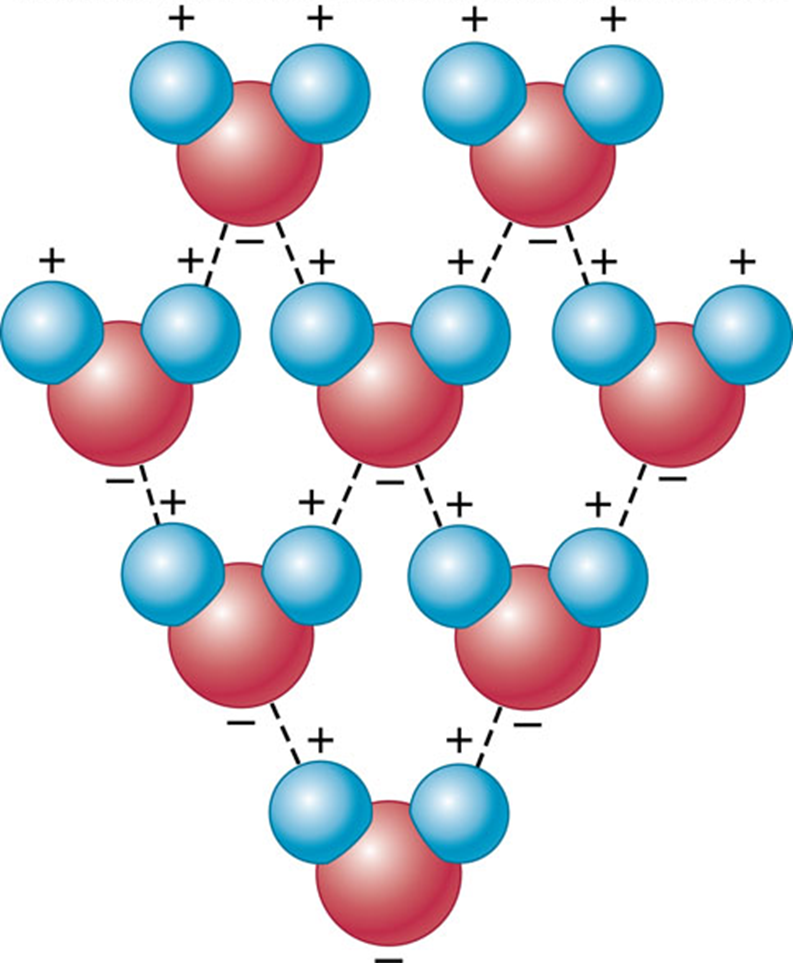
Negative charge from electrons is shared unequally, pulled more closely to the oxygen. This creates slight positive charges on one side of the molecule (hydrogen atoms) and a slight negative charge on the other (oxygen atom). Water is therefore a polar molecule.
The negative charge from one water molecule and the positive charge on another create an attraction between the 2 adjacent molecules. This is called hydrogen bonding. Electrons are not shared between them.
Water Cohesion-Tension
Hydrogen bonds last trillionths of a second, but bonds are created continuously from one molecule to the next. Hydrogen bonds give water its cohesive properties.
C. PLANT MACROMOLECULES
A macromolecule is a large mass organic compound usually composed of multiple chemical elements.
There are four macromolecule groups. each group has a unique chemistry that gives them their distinct structural properties and a variety of functions, depdning on their specialization.
I. Carbohydrates (Principal chemical constituents are C, H, and O)
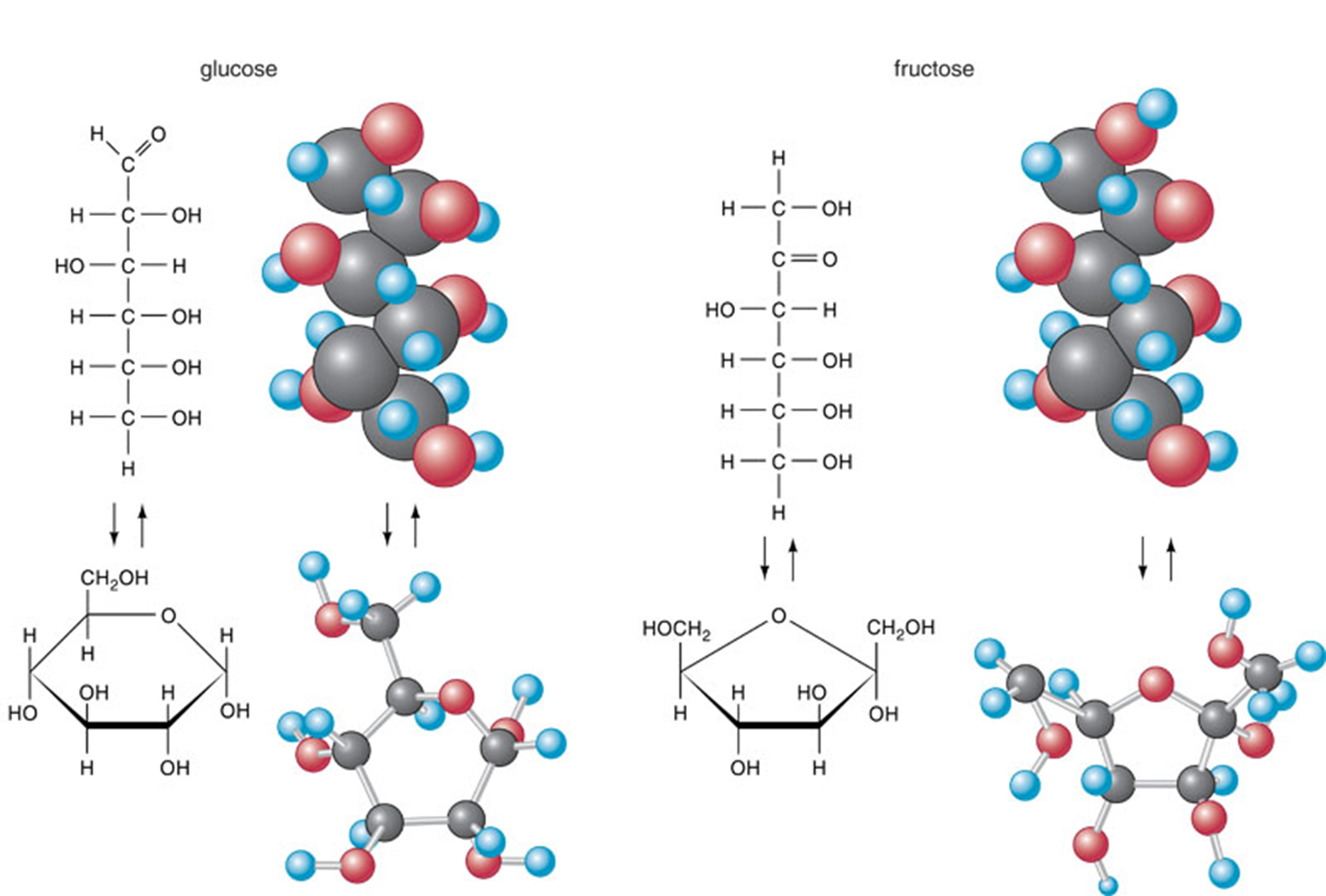
Monosaccharides (basic units)
Fructose
Glucose
Ribose
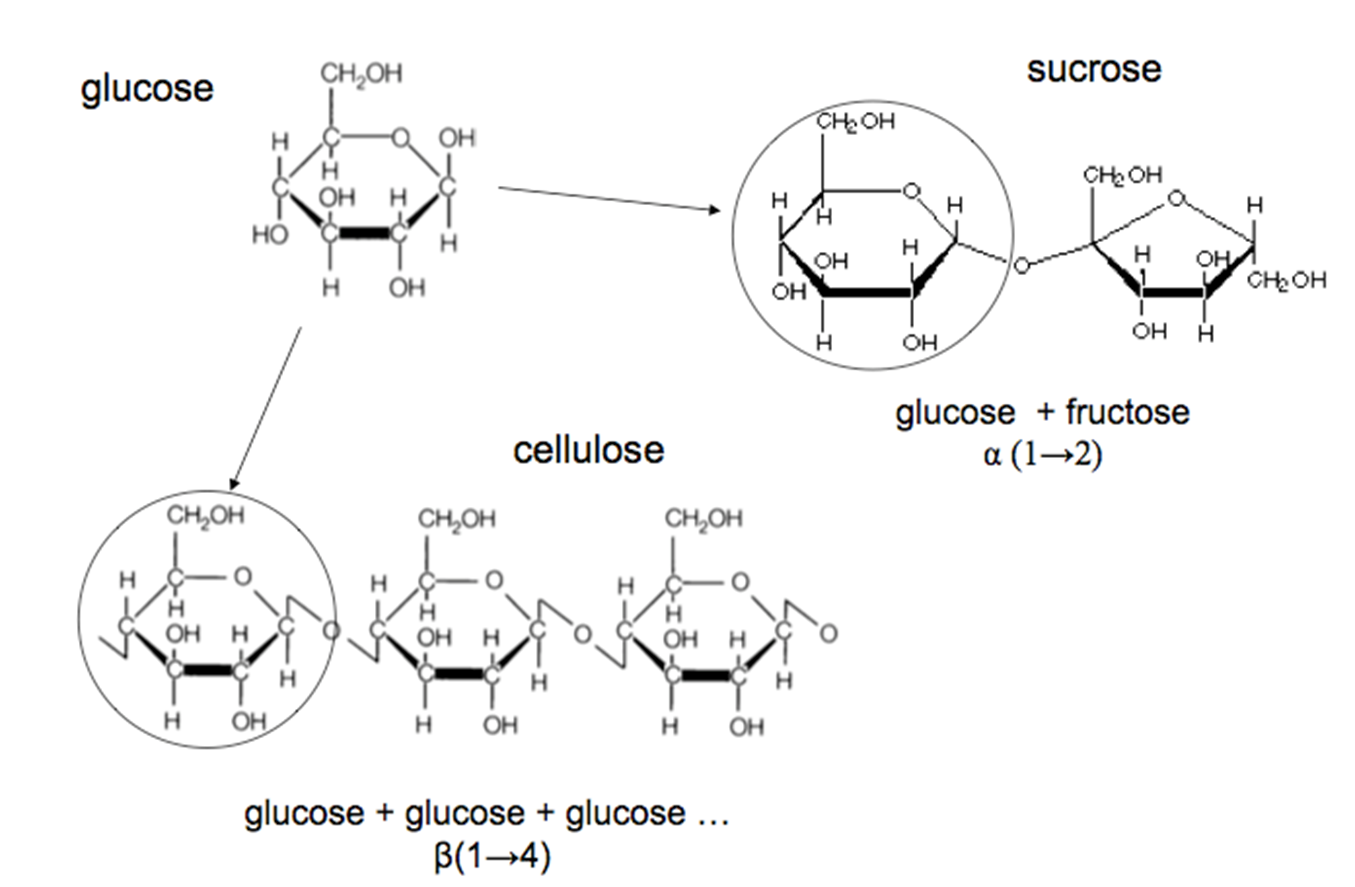
Disaccharides (two sugars)
Built from monosaccharides
Sucrose
Maltose (2 glucose)
Polysaccharides
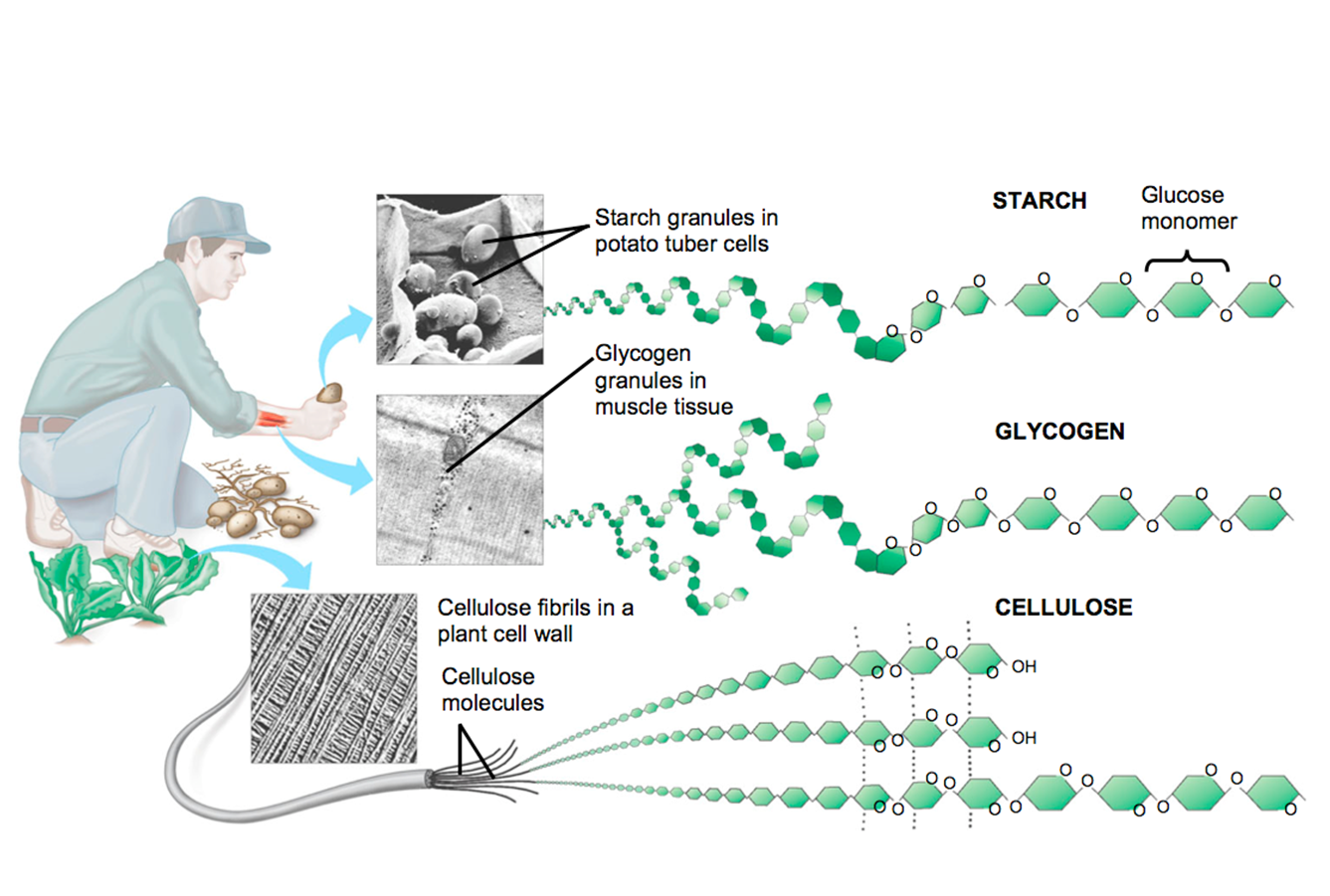
Starch
Primary energy storage molecules in plants
Composed entirely of glucose
Pectin
Glue-like substance between cell walls
Highly-branched
Used in preserves
Apples have a lot
Cellulose
the most abundant, and the most used polysaccharide on Earth
all cell walls have it
long, linear chains of glucose that are bound to each other
II. Lipids (Principal chemical constituents are C, H, and O)
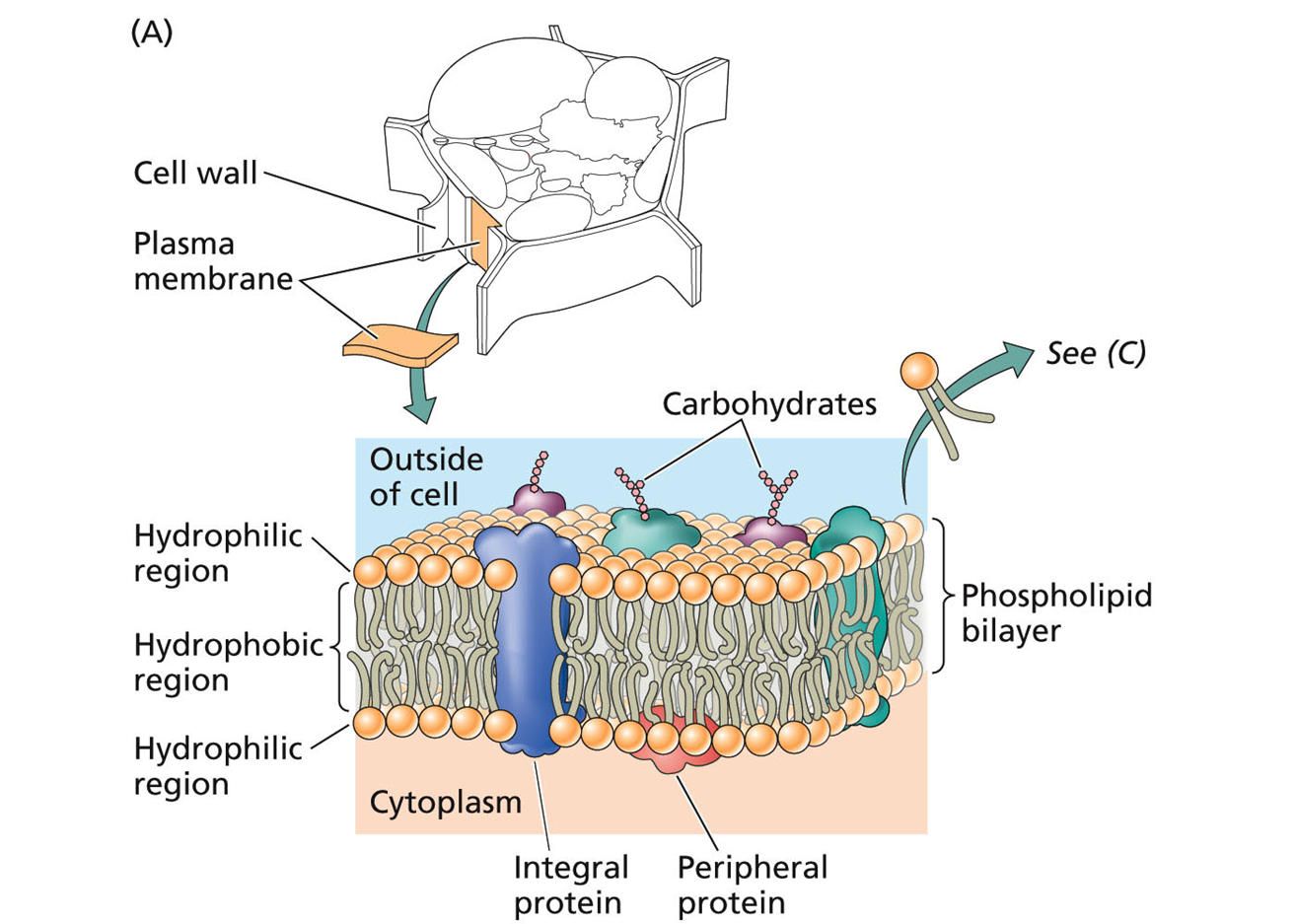
A large, diverse group that includes waves, sterols and stanols, fats, and phospholipids. Phospholipids are major components of cellular membranes.
Phospholipids and fats are two groups that have a hydrophilic “head” region and a hydrophobic “tail” region. The tail is composed of fatty acid chains of different lengths and compositions.
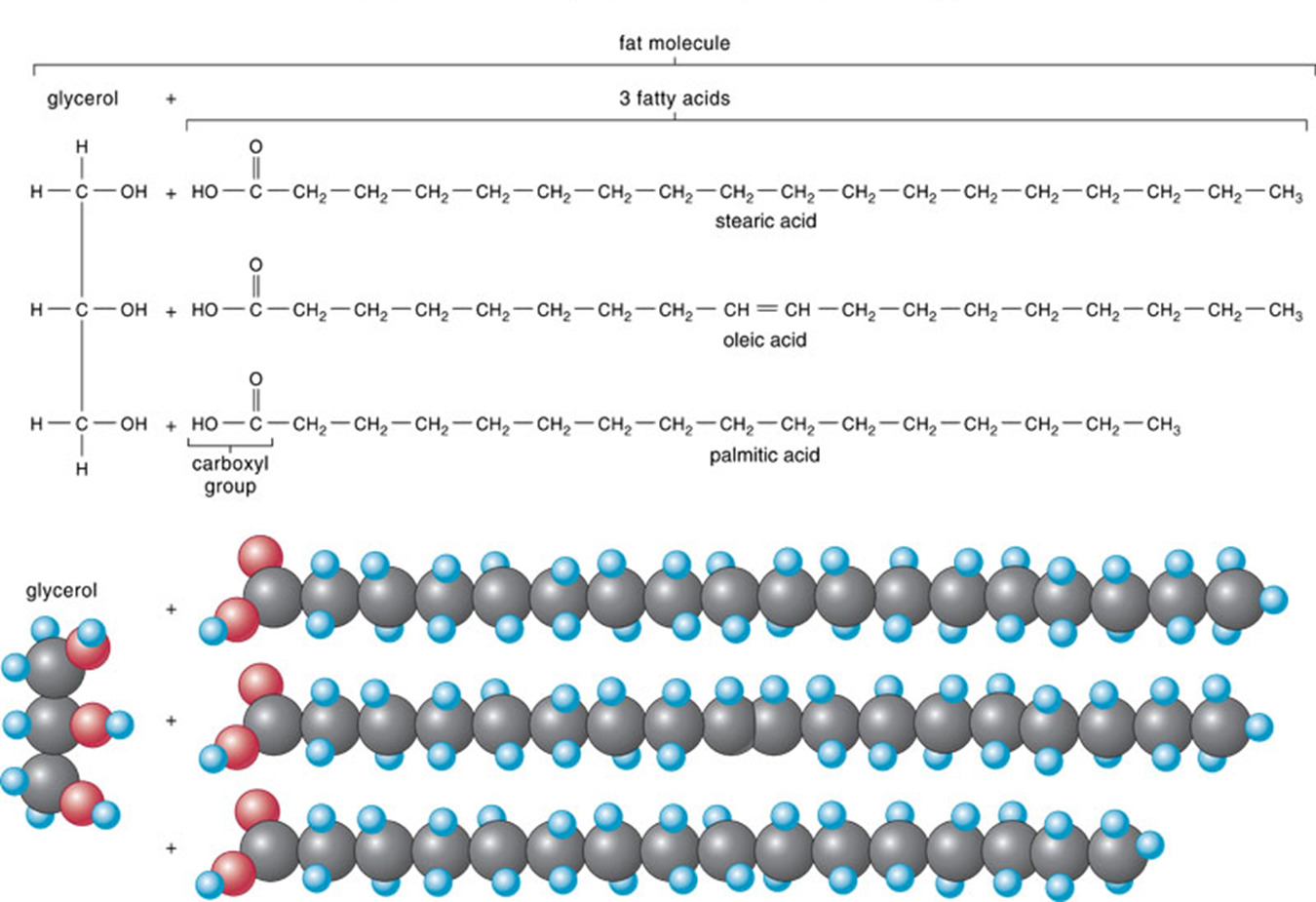
Evening primrose and canola: sources and unsaturated fatty acids from seeds.
Palm oil and coconut oil: sources of saturated fatty acids used in many foods and are probably not as good for us in high quantities. (found in warmer climates)
Most plant fats are in a liquid state at ambient temperatures.
SOME FUNCTIONS OF LIPIDS
Membrane structure/maintain fluidity
Large amoung of energy storage
Defense and attraction → cuticle covering of leaves/green stems or toxins or aroma
III. Proteins (Principal chemical constitutents are C, H, O, N, and S.)
Basic units of proteins are amino acids, of which there are 20 different kinds.
Humans can synthesize 11 of these. Remaining ones → consume from food
Amino acids link together to form polypeptides, which fold and bond together to generate functional proteins.
A. Primary structure
B. Secondary structure
C. Tertiary structure (functional)
D. Quaternary structure (functional)
SOME IMPORTANT PROTEINS/PROTEIN GROUPS AND THEIR FUNCTIONS
enzymes → catalyze reactions
membranes → regulate transport across
energy reserves in seeds for germination
Inhibiting amino acid synthesis in the cell is the mechanism of action of some herbicides.
Roundup
IV. NUCLEIC ACIDS (Principal chemical constituents are C, H, O, N, and P)
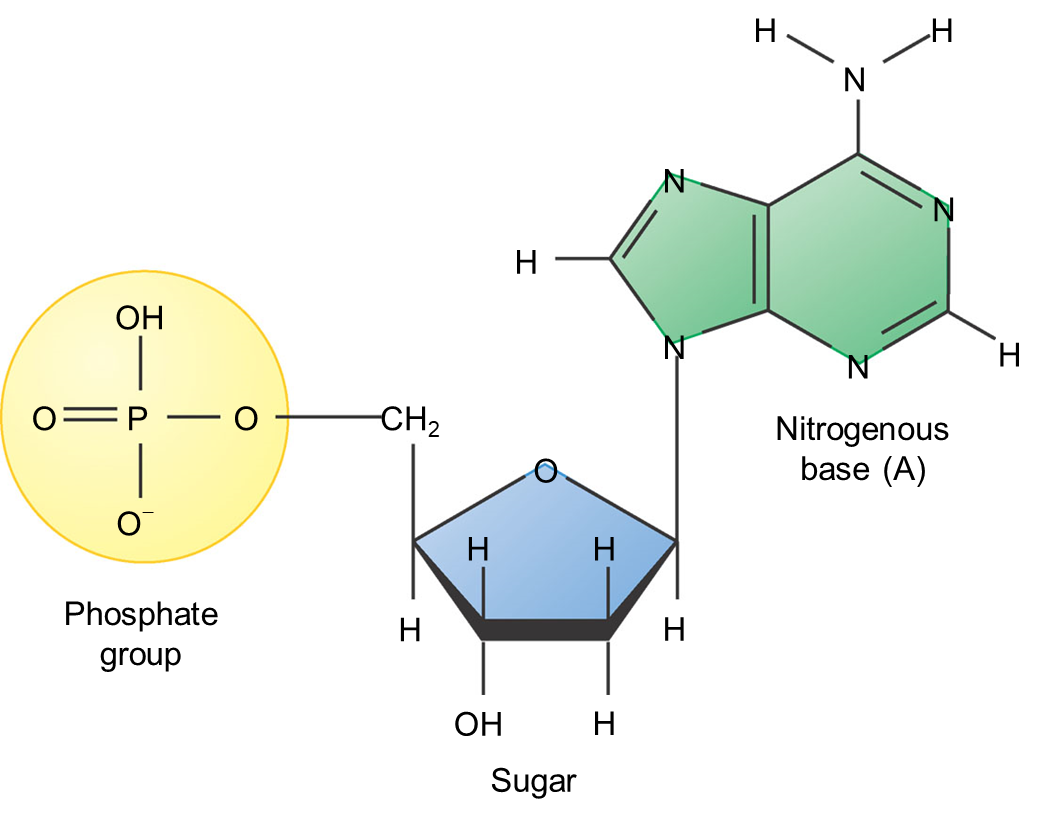
Nucleotides are the basic units and are composed of three parts:
A phosphate group (PO_4)
A sugar backbone (a carbohydrate)
A nitrogenous base (variable portion)
There are five different nucleotides:
Guanine
Cytosine
Adenine
Thymine
Uracil
DNA: GCAT
RNA: GCAU
Individual nucleotides are linked together to form long strands of a particular nucleic acid.
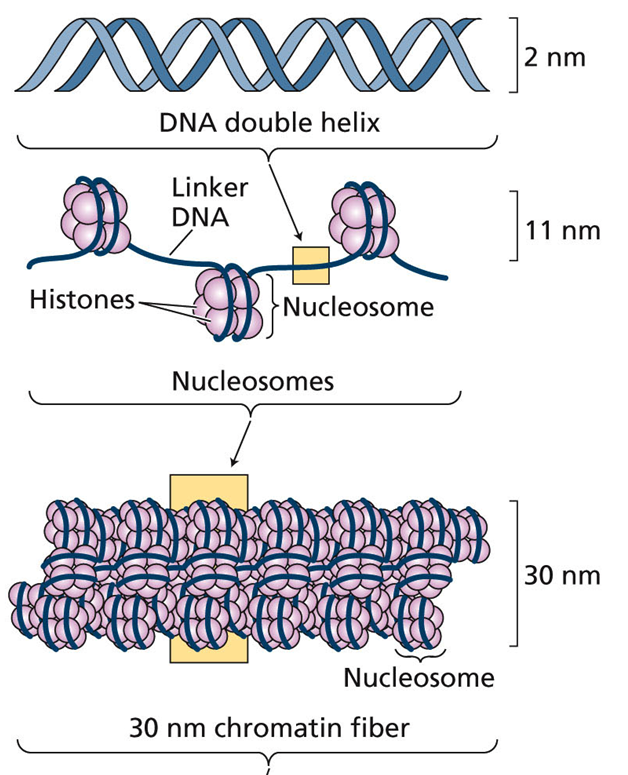
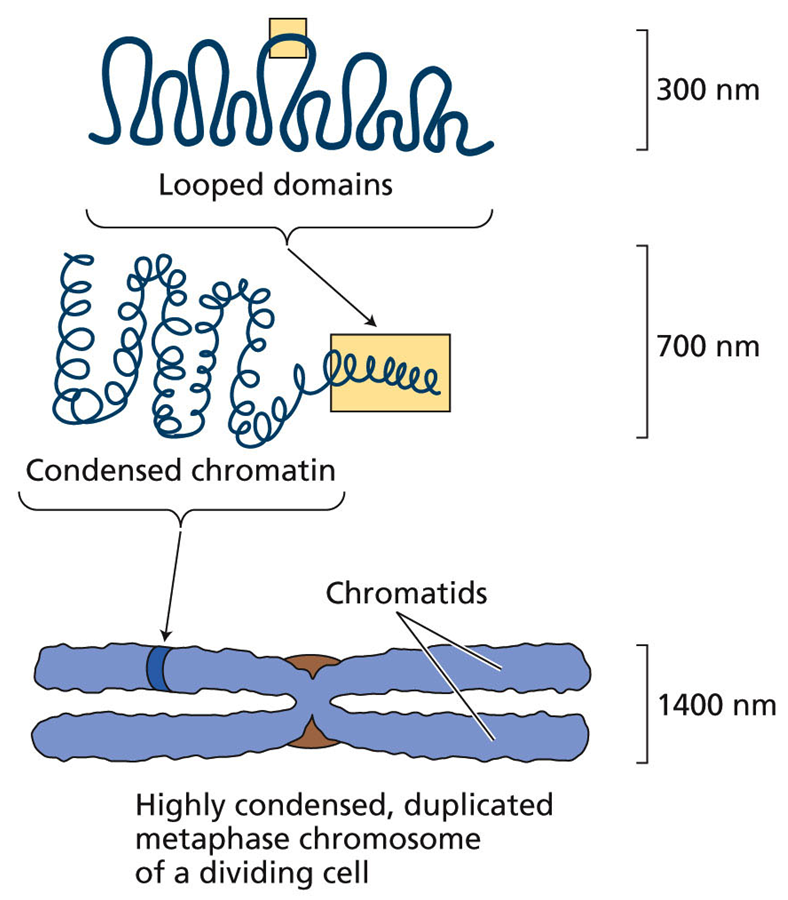
DNA is folded together using protein scaffolding to form chromatin.
Chromatin is packed into longer units: chromosomes
The number of chromosomes that compose a plant’s genome is widely variable among species.