Vegetarian Diet
Vegetarian Diet Essentials
Brief Overview
This note covers Vegetarian Diets and was created from a 13‑page PDF presentation on vegetarian diets. It outlines the main types of vegetarian eating patterns, the key nutrients to watch, practical meal‑planning strategies, and the health benefits linked to plant‑based eating.
Key Points
Different vegetarian styles (vegan, lacto‑ovo, lacto‑vegetarian) and their characteristic foods
Common nutrient gaps—B12, D, calcium, iron, zinc, riboflavin, and protein quality
Practical ways to combine grains, legumes, and fortified foods for a complete diet
Evidence‑based health advantages such as lower risk of obesity, diabetes, hypertension, and certain cancers
📚 What Is a Vegetarian Diet?
An eating pattern that excludes meat, poultry, and seafood while emphasizing a variety of plant‑based foods.
Types of vegetarian diets vary according to which animal‑derived foods are permitted.
🍃 Common Types of Vegetarian Diets
Vegetarian Style | Foods Included | Typical Nutrient Concerns |
|---|---|---|
Vegan | Only plant foods (no dairy, eggs, honey) | Low in vitamin B12, vitamin D, calcium, iron, zinc, riboflavin, and high‑biological‑value protein |
Lacto‑vegetarian | Plant foods + dairy | Generally adequate; may need attention to iron |
Lacto‑ovo‑vegetarian | Plant foods + dairy + eggs | Similar to lacto‑vegetarian; eggs help provide quality protein and B12 |
Pescatarian (sometimes grouped with vegetarian patterns) | Plant foods + fish/seafood | Not covered in detail in this segment |
⚖ Health Implications of Vegetarianism
Vegetarian diets are often lower in fat and energy compared with typical Western diets that include animal foods.
Epidemiological evidence links vegetarian patterns to reduced risk of:
Obesity
Type 2 diabetes
Hypertension
Certain cancers
🥗 Nutrient Composition of Vegetarian Diet Plans
Low‑Quality (Incomplete) Protein
Protein that lacks or has insufficient amounts of one or more essential amino acids.
Most plant foods provide incomplete proteins.
Exceptions (complete protein sources):
Quinoa
Soy protein
Typical Deficiencies in Specific Vegetarian Patterns
Vegans (no animal products) may be low in:
High‑biological‑value protein
Riboflavin
Vitamin D
Vitamin B12
Calcium
Iron
Zinc
Lacto‑vegetarians obtain dairy, reducing some of the above gaps.
Lacto‑ovo‑vegetarians obtain both dairy and eggs, further improving protein quality and B12 status.
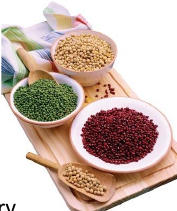
These three bowls of different seeds emphasize the importance of mixing grain and legume sources to achieve a complete amino‑acid profile.
🛒 Meal Planning Principles for Vegetarians
Combine whole grains and legumes to supply all essential amino acids.
Riboflavin (B2) sources:
Green leafy vegetables
Whole‑grain cereals & breads
Legumes
Vitamin D & Calcium sources:
Fortified foods (e.g., soy milk, tofu, orange juice)
Green leafy vegetables (calcium content, though absorption is modest)
Dietary supplements (vitamin D and calcium)
Sun exposure for vitamin D synthesis
Vitamin B12 sources:
Fortified foods
Supplements
Zinc & Iron sources:
Whole‑grain cereals
Nuts
Legumes
Note: Phytic acid present in grains, legumes, and nuts can inhibit zinc absorption. Adding vitamin C‑rich foods (e.g., citrus, bell peppers) enhances iron absorption.
Processing tip: Leavened breads reduce phytic acid impact, making grains more bioavailable.

This colorful plate shows how a well‑planned vegetarian meal can cover protein, iron, vitamin C, and calcium (from fortified tortillas or cheese).
🍽 Food Plan for Vegetarians Based on MyPlate
Food Group | Lacto‑vegetarian (servings) | Vegan (servings) | Key Nutrients Supplied |
|---|---|---|---|
Grains | 5 | 6 | Protein, thiamin, niacin, folate, vitamin E, zinc, magnesium, iron, fiber |
Protein foods (beans, nuts, seeds) | 5 | 5 | Protein, vitamin B6, zinc, magnesium, fiber |
Vegetables | 2 | 2½ (incl. 1 dark‑green daily) | Vitamin A, vitamin C, folate, vitamin K, potassium, magnesium |
Fruit | 1½ | 1½ | Vitamin A, vitamin C, folate |
Milk / fortified soy milk | 3 (milk) | 3 (fortified soy) | Protein, riboflavin, vitamin D, vitamin B12, calcium |
📌 Key Takeaway Points
Popularity & Benefits: Vegetarian diets are gaining traction as research highlights health advantages of plant‑based eating.
Nutrient Adequacy:
Lacto‑vegetarian and lacto‑ovo patterns generally meet nutrient needs, with iron being the most notable concern.
Vegan diets require careful planning to avoid deficiencies in vitamin B12, vitamin D, calcium, iron, zinc, riboflavin, and high‑quality protein.
Strategic Planning: Knowledge of protein quality, fortified foods, and complementary food pairings enables vegetarians to achieve a nutritionally complete diet.