Instruments
It is useful for you to know some basic info abt the instruments of the orchestra. These are the orchestral families to which the main instruments belong.
Strings: violin, viola, cello, double bass
Woodwind: flute, oboe, clarinet, bassoon
Brass: horn, trumpet, trombone, tuba
Percussion: timpani (kettle drums), side drum, bass drum, cymbals (only timpani produce notes of definite pitch)
There are some signs and directions that refer only to particular instruments. You can read about these in the ‘performance directions’ section below.
Clefs
It is important to know abt the clefs that these instruments use:
Treble Clef: violin, flute, oboe, clarinet, horn (sometimes bass clef), trumpet
Alto clef: viola (sometimes treble clef)
Bass clef: cello(sometimes treble or tenor clef), double bass, bassoon, trombone (sometimes tenor clef), tuba, and timpani
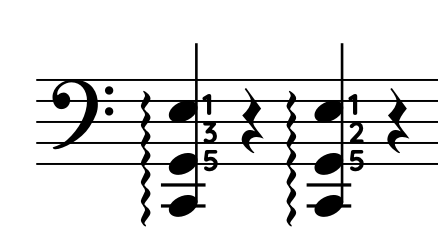
String instruments can sometimes play two notes simultaneously (or even three or four). Wind instruments, however, can play only one at a time
Terms and Signs apply only to certain instruments.
Strings & Bass: con sordini (con sord.) with mutes; senza sordini (without mutes)
Strings: arco - play with the bow (a direction after pizzicato)
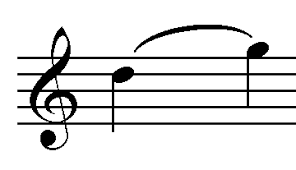
pizzicato - plucked
sul G - play on the G string
sul ponticello - play near the bridge
Piano: una corda (literally ‘one string;) - press the left pedal
tre corde (literally ‘three strings’) - release the left pedal
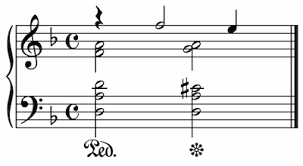
mano - hand: mano sinistra or m.s. (left hand); mano destra or m.d. (right hand)