2.4 Functional Groups & Isomers
Carbon
Organic Compound - contains C and found in living things
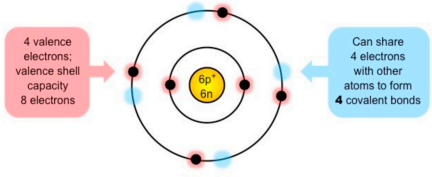
Carbon atoms can form four covalent bonds allowing a diversity of stable compounds to exist
Life is based on carbon compounds including: carbs, lipids, proteins, and nucleic acids
 Functional Groups
Reactive clusters of atoms attached to carbon backbone of organic molecules
Reactivity results from polar nature of cluster or presence of multiple bonds (double or triple)
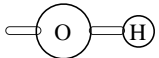
Hydroxyl (OH) - found in alcohol and sugars
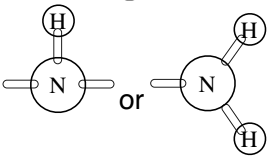
 Amino (NH or NH2) - found in proteins and bases
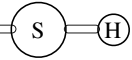
 Sulfhydryl (SH) - found in rubber and protein
Phosphate (PO4)- found in ATP, DNA and RNA
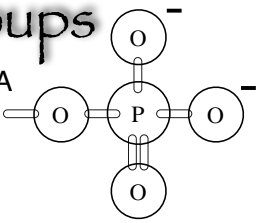
Carboxyl (COOH) - found in acids (e.g. vinegar)
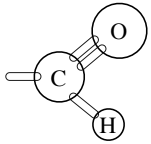
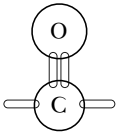
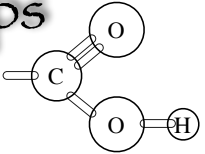 Carbonyl Groups
Aldehyde (COH) - found in sugars & formaldehyde
Ketone (CO) - found in sugars and acetone
Structural Isomers
molecule with same molecular formula but with different arrangement of atoms
Differences in shape of isomers leads to differences in their physical and chemical properties
For example, glucose, galactose and fructose have same molecular formula (C6H12O6) but different structures
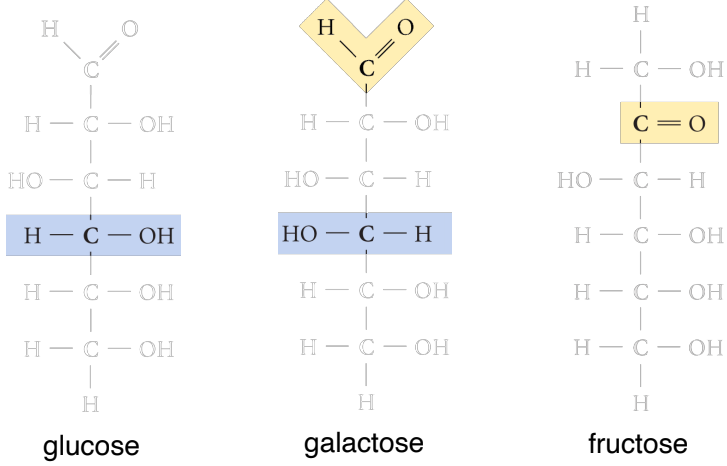 Glucose itself has 3 different structural isomersI
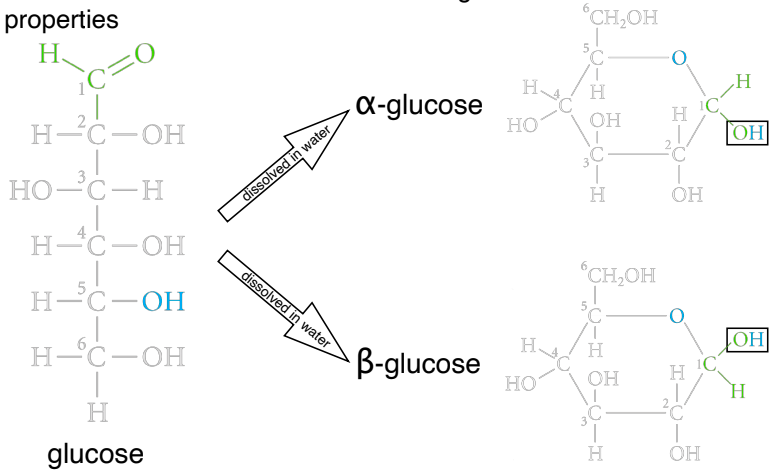
In dry state, glucose has linear structure, but when dissolved in water, molecule folds on itself to form one of two possible ring structures:
Two isomers of glucose differ only in orientation of a single hydroxyl (-OH) group
Small structural difference leads to large difference in chemical properties
Starch found in plants (amylose or amylopectin) is a polymer of α-glucose in 1-4 arrangement or 1-6 arrangement respectively
 digestible
Cellulose found in cell wall of plants is a polymer of β-glucose in 1-4 arrangement - can’t be digested by most animals
 not digestible
✴ Isomers illustrate that structure of a molecule determines function of that molecule