4.2_Notes on the Era of Jefferson and Federal Government Debates
Era of Jefferson and Federal Government Debates
The period marked by Thomas Jefferson's presidency (1800-1809) was characterized by significant political debates regarding the role and scope of the federal government in the United States.
Significance of the Election of 1800
Jefferson's victory in the election of 1800 was impactful as it demonstrated a peaceful transfer of power between two political parties (Federalists and Democratic-Republicans).
Before Jefferson, the Federalists, led by George Washington and later John Adams, dominated early American politics.
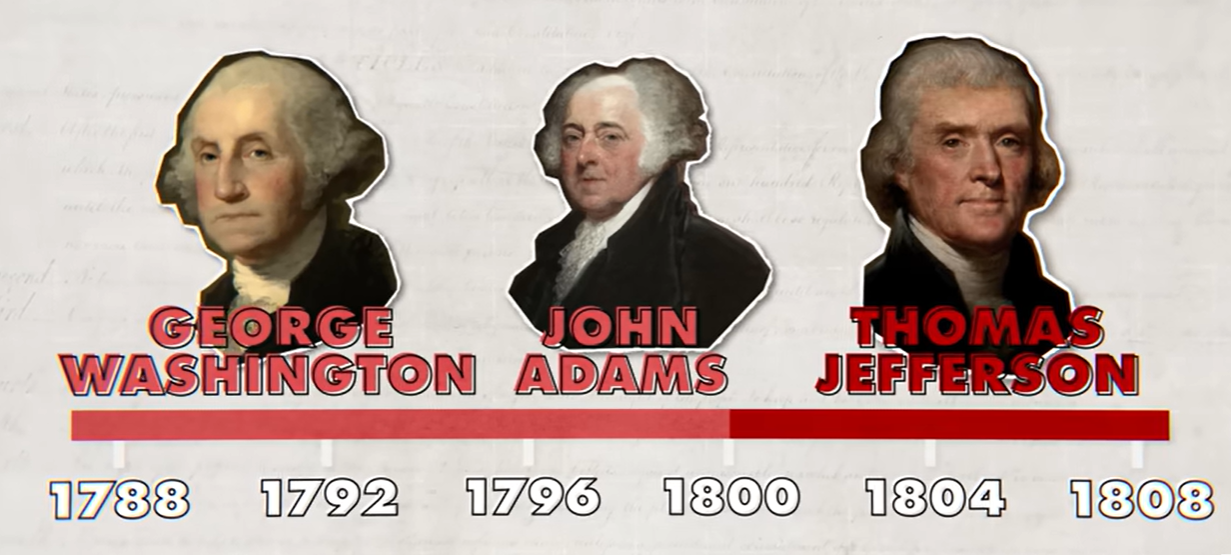
The peaceful transition was unprecedented, contrasting with historical patterns of violent power struggles.
Competition Between Political Parties
The rivalry between the Federalists and Democratic-Republicans involved disputes over different interpretations of the U.S. Constitution.
Federalists adopted a loose constructionist view, advocating for broad federal powers not explicitly mentioned in the Constitution.
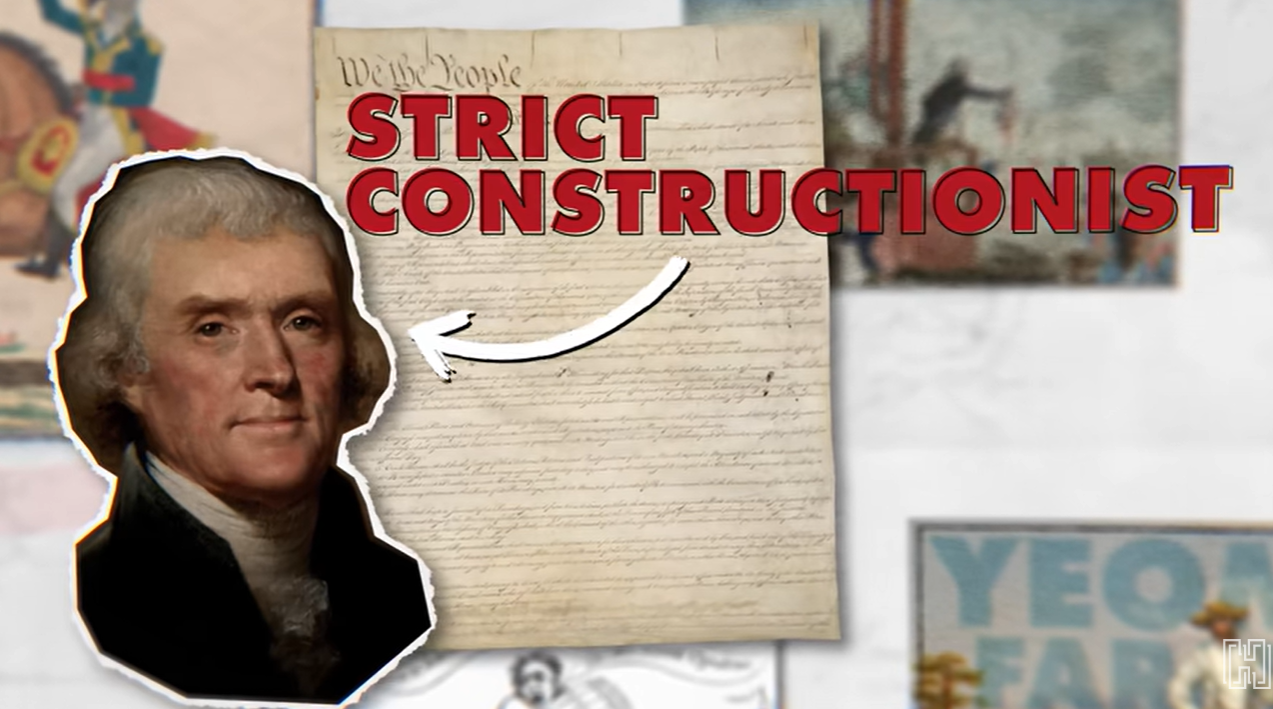
Democratic-Republicans adhered to strict constructionism, limiting federal actions to those expressly authorized by the Constitution.
Abraham Lincoln's A Push Heimler Review Guide
The review guide includes:
Whole unit review videos
Note guides
Practice questions
Full-length practice exams
Answer keys
Federalists vs. Democratic-Republicans: Interpretations of the Constitution
Loose Constructionists (Federalists)
Believed the federal government could take actions not explicitly stated in the Constitution.
Example: Alexander Hamilton's argument for establishing a National Bank based on the Necessary and Proper Clause (Article I, Section 8).
Strict Constructionists (Democratic-Republicans)
Argued the federal government could only exercise powers explicitly granted, limiting federal authority to what was written in the Constitution.
Therefore, they opposed the establishment of a national bank as it was not authorized.
Jefferson's Administration and Expansion of Federal Power
While Jefferson championed strict constructionism, he engaged in actions that expanded federal authority:
The Louisiana Purchase (1803)
Background: Following the upheaval in Haiti, Jefferson sought access to New Orleans for American trade to benefit farmers.
James Monroe was sent with $2 million to negotiate for New Orleans but instead secured the entire Louisiana territory for $15 million.
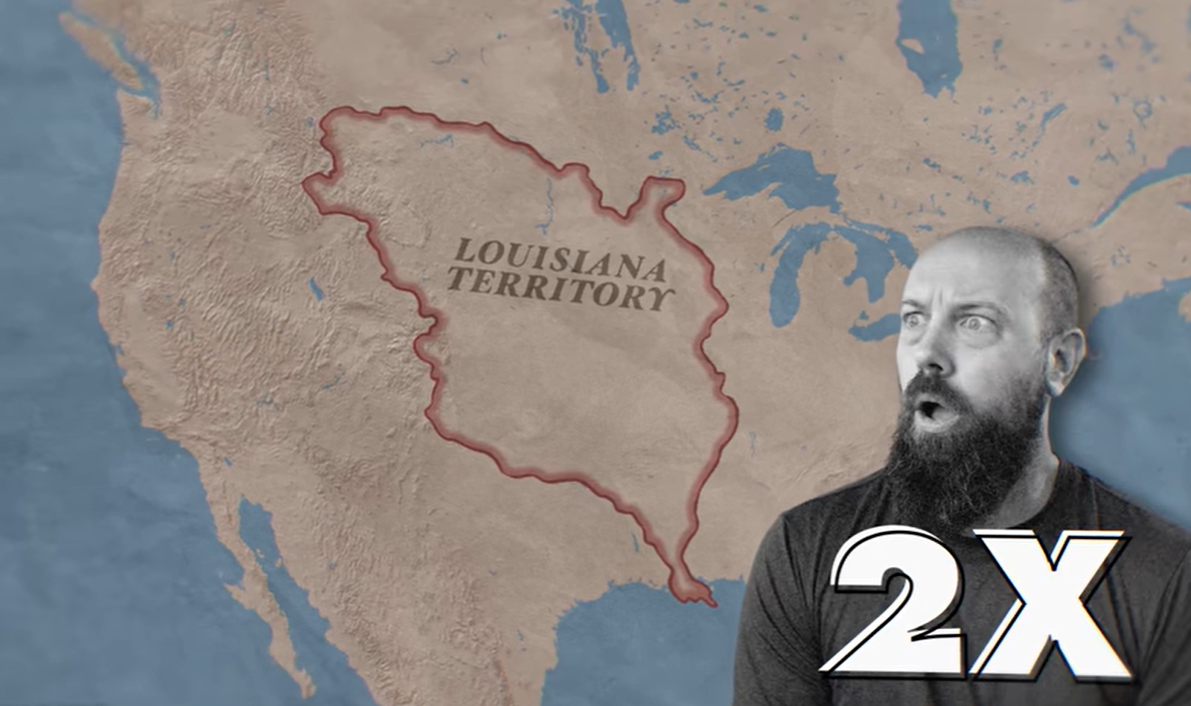
Jefferson was conflicted as the Constitution did not explicitly allow the president to purchase land from foreign nations; however, he embraced it for the potential benefit to agrarian settlers.
Opposition arose over the logistical challenges of governing the acquired territory and concerns over the spread of slavery into new states.
The Corps of Discovery
Commissioned by Jefferson to explore and map the new territory.
Expeditions led by Meriwether Lewis and William Clark documented the Northwest Territory.
Similar explorations by Zebulon Pike focused on the southern territories, providing critical geographic information which bolstered federal control over the developments in these regions.
Embargo Act of 1807
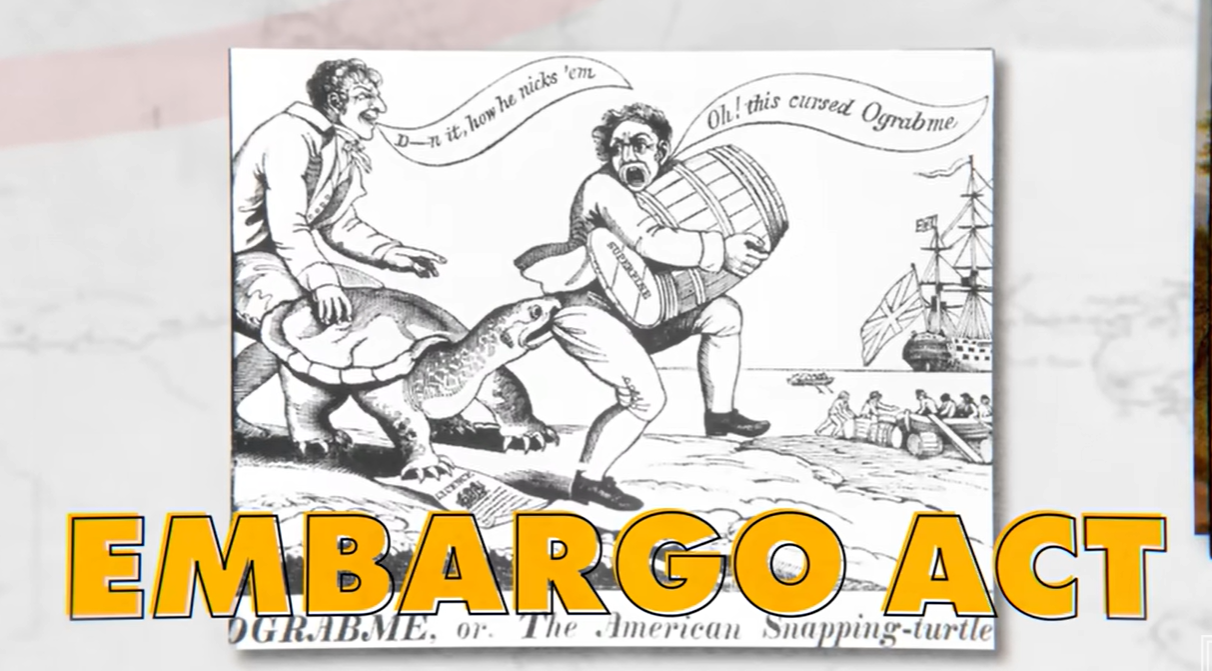
Enacted amid escalating tensions during the Napoleonic Wars, aiming to enforce U.S. neutrality by halting international trade.
Resulted in unintended economic hardships, harming American merchants and the economy whilst limiting trade.
Jefferson's intent was to compel Britain and France to respect U.S. neutrality, yet the act led to widespread distress among various American sectors, showcasing a paradox in restricted federal overreach.
Expansion of Federal Power and the Supreme Court
The period saw a marked expansion in the power and authority of the Supreme Court, driven primarily by Chief Justice John Marshall:

Marbury v. Madison (1803)
Context: Adams' midnight appointments led to a confrontation with the Jefferson administration when Madison refused to deliver commissions to newly appointed judges.
Marshall's decision not only upheld the lack of power to compel Madison but also established the principle of judicial review, asserting the judiciary's role as the final interpreter of the Constitution.
This increased the authority of the Supreme Court and defined its role within the framework of checks and balances.
McCulloch v. Maryland (1819)
Addressed the constitutionality of the Second Bank of the United States amid state objectors.
Marshall upheld the bank's existence based on a loose interpretation of the Necessary and Proper Clause, asserting federal supremacy over state law.
Illustrated the ongoing tension regarding state versus federal power and further expanded federal authority during this period.