W.6.2- Shoulder Muscles and Anatomy
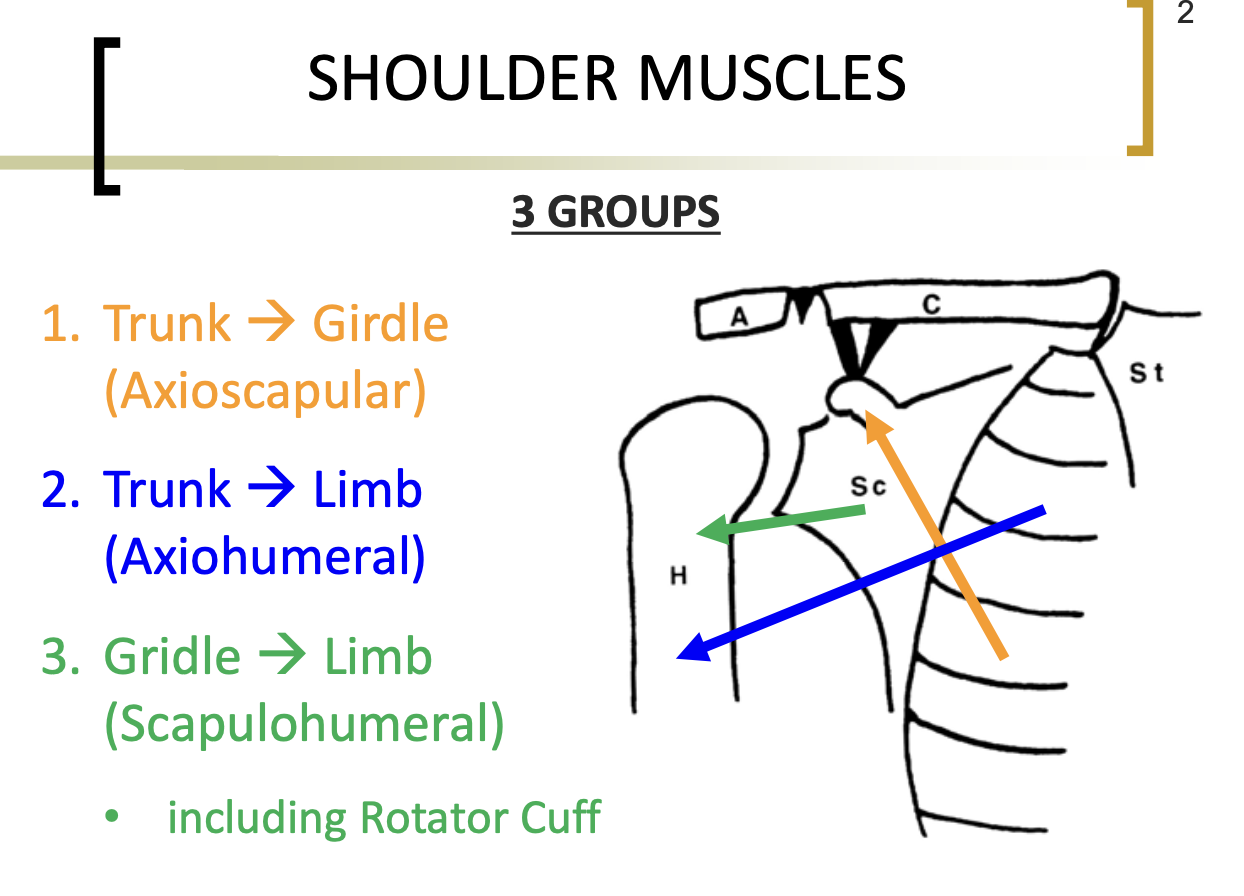
Shoulder muscles categorized into three groups based on their origin and insertion:
Axioscapular (Trunk to Girdle)
Axiohumeral (Trunk to Limb)
Scapulohumeral (Girdle to Limb) including Rotator Cuff
Axioscapular Muscles
Key Muscles:
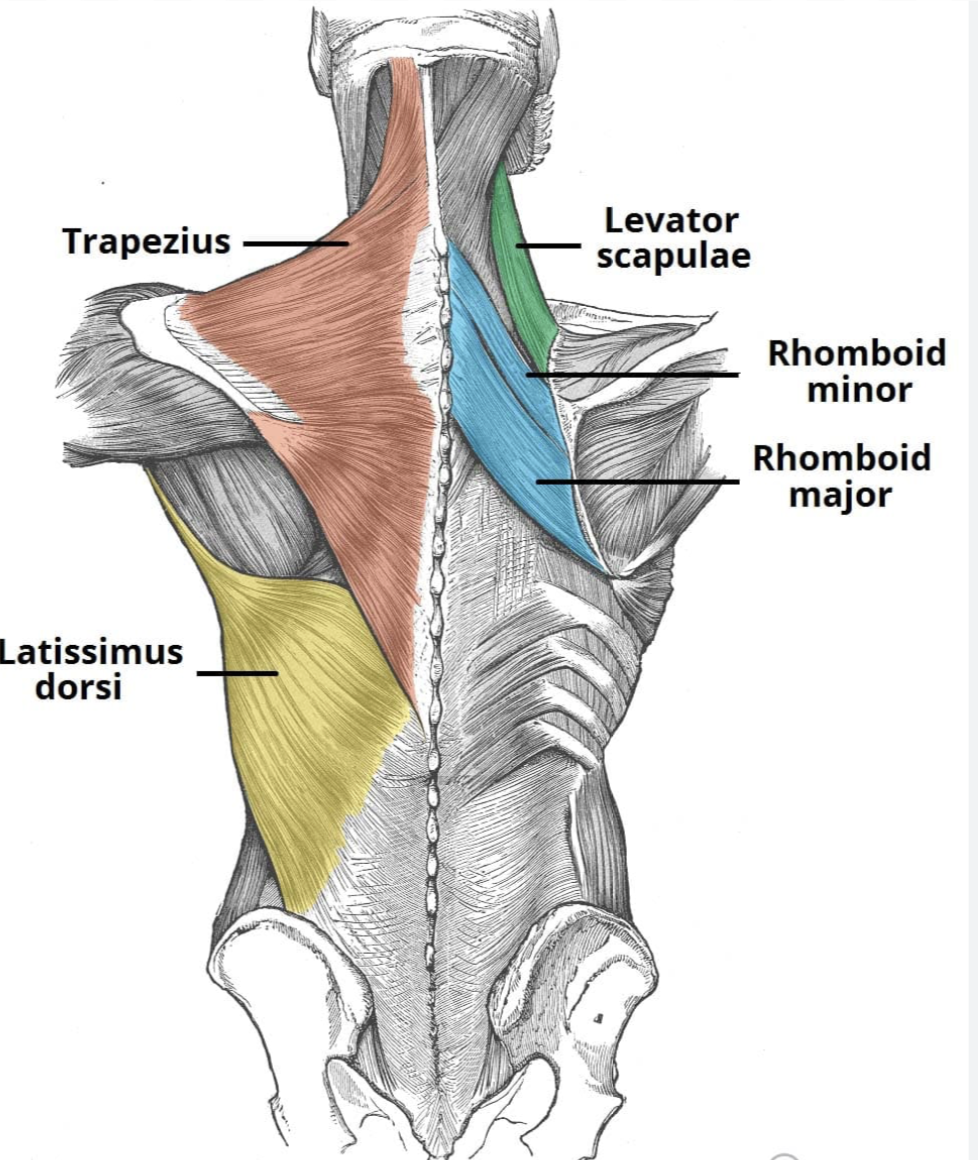
Trapezius
Serratus Anterior
Rhomboids (Major & Minor)
Levator Scapulae
Pectoralis Minor
Subclavius
Axioscapular Muscle Details
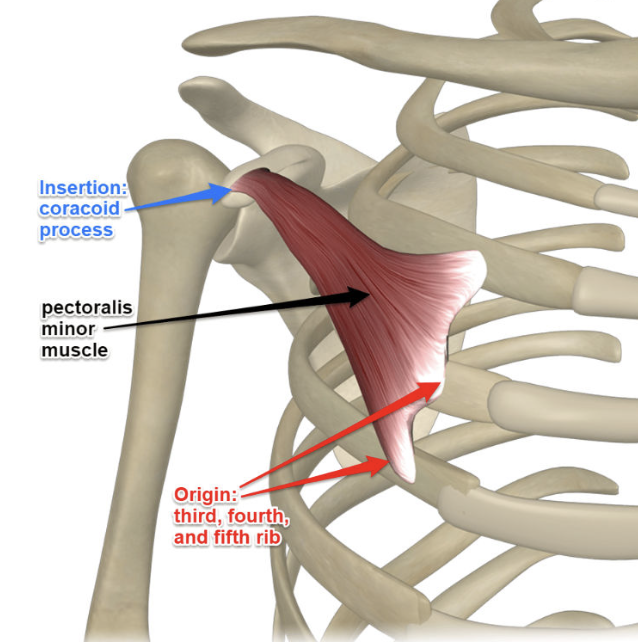
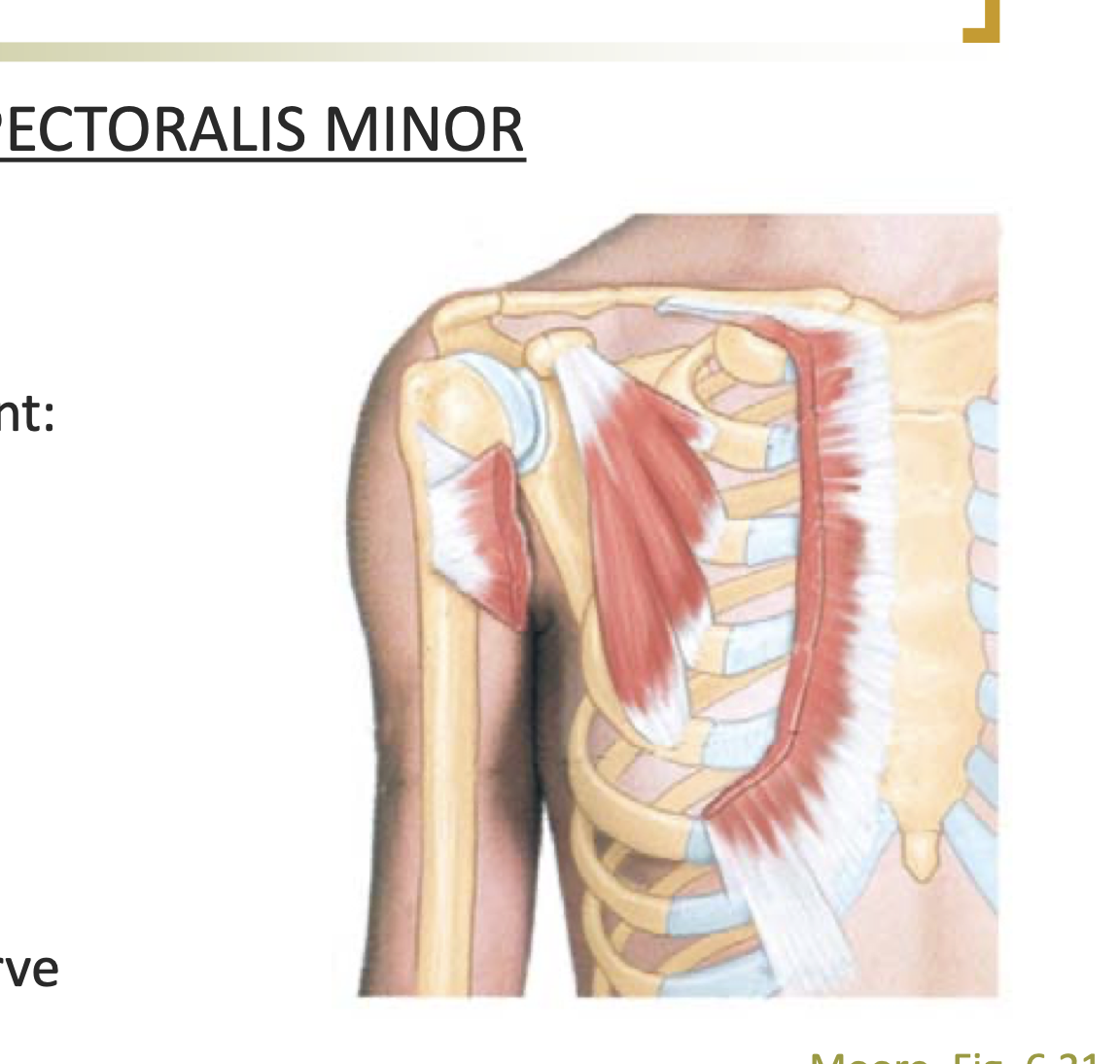
Pectoralis Minor
Joint Crossed: Scapulothoracic
Position Relative to Joint: Anterior & inferior
Actions 3:
Stabilizes the scapula by drawing it anteriorly and inferiorly
Assists in scapular protraction
Aids in raising the ribs during forced inhalation.
Stabilizes scapula
Innervation: Medial pectoral nerve
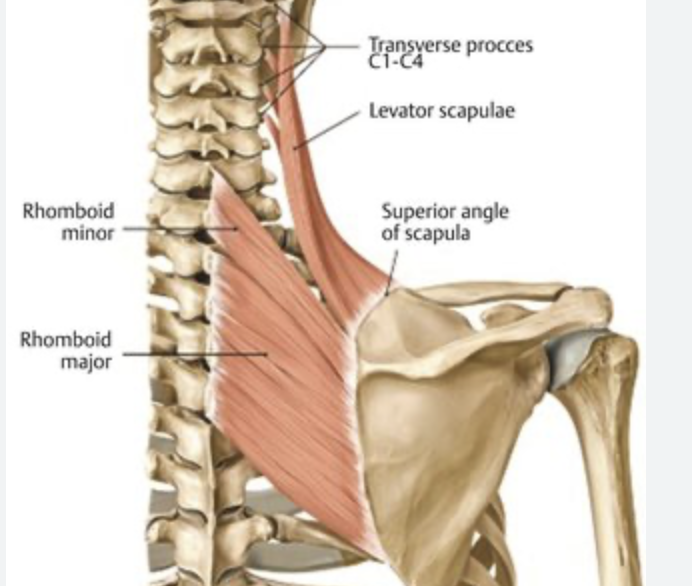
Levator Scapulae
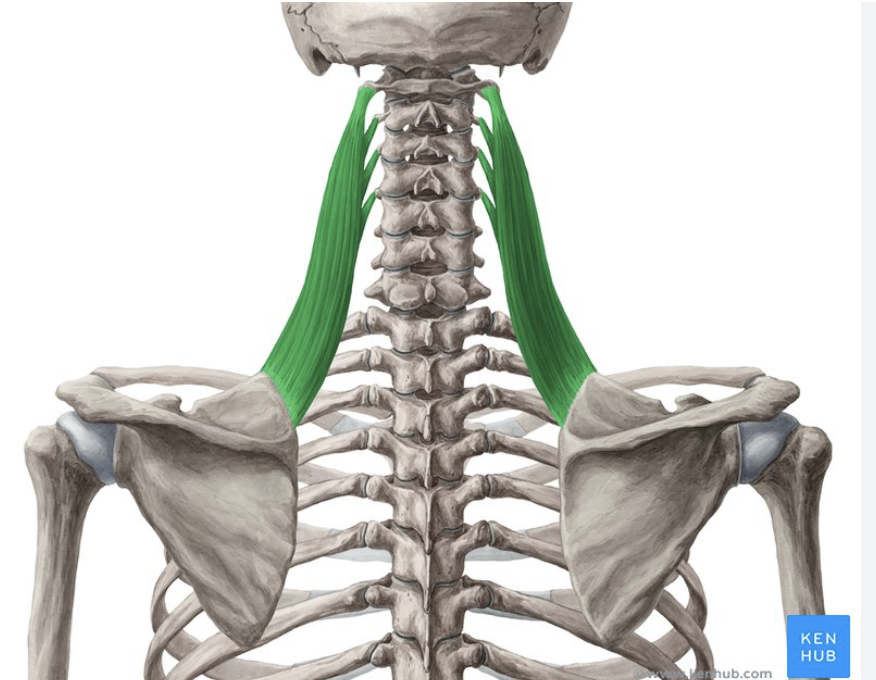
Joint Crossed: Glenohumeral joint, which allows for a wide range of shoulder movements and plays a crucial role in elevation and rotation of the scapula.
Position Relative to Joint: Superior and medial
Actions: Elevation of scapula
Innervation: Dorsal scapular nerve
Rhomboids (Major & Minor)
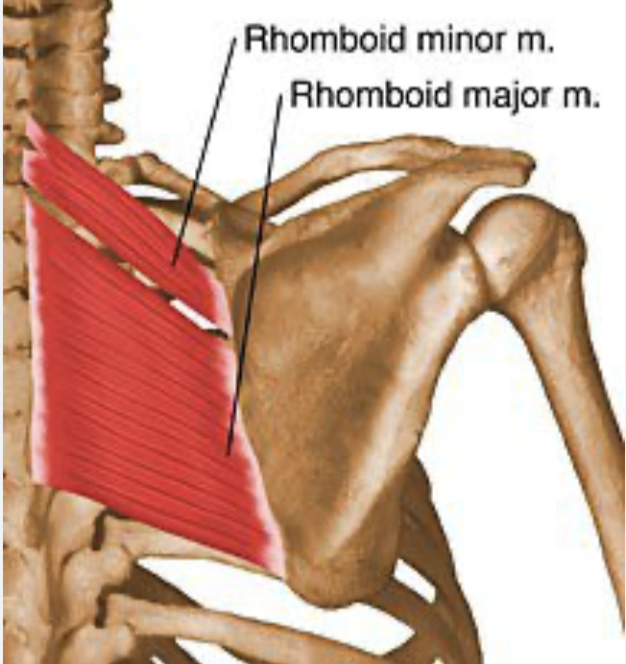
Joint Crossed: Scapulothoracic joint and Glenohumeral joint.
Position Relative to Joint: Lateral
Actions: Retraction of scapula
Innervation: Dorsal scapular nerve
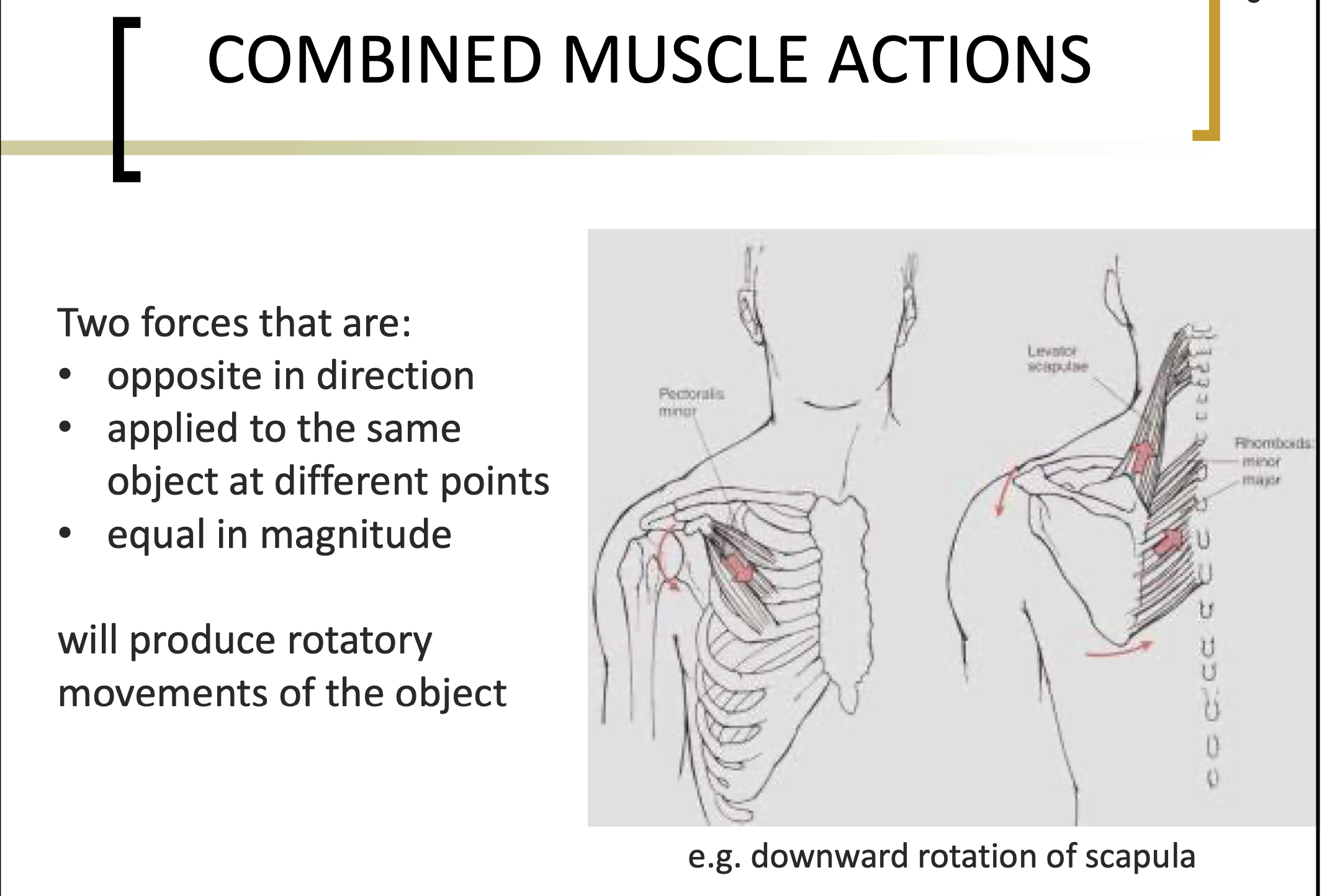
Combined Muscle Actions
Mechanics:
Two forces that are opposite in direction, applied to the same object at different points, and equal in magnitude will produce rotatory movements of the object.
Example: Downward rotation of scapula
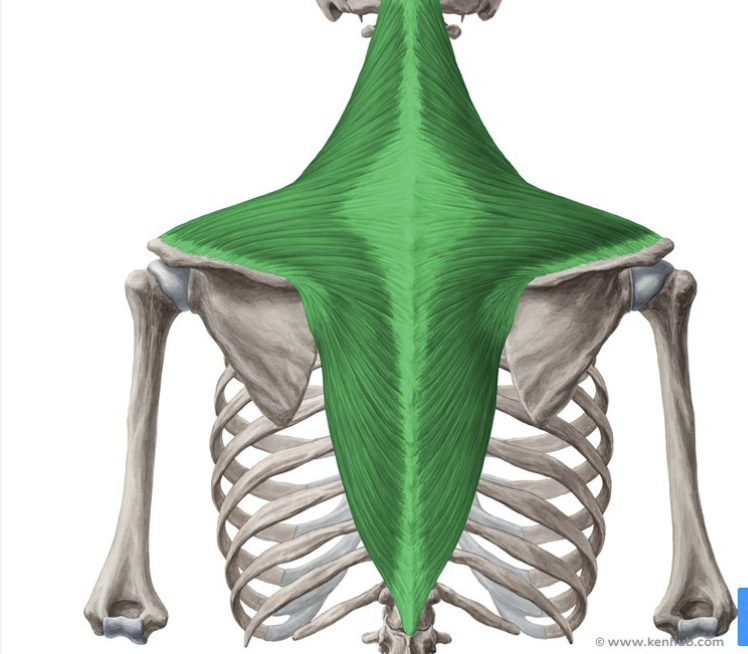
Trapezius
Joint Crossed: Scapulothoracic joint
Position Relative to Joint: Depends on which fibers contract
Actions 4:
Elevation of the scapula (upper fibers)
Retraction of the scapula (middle fibers)
Depression of the scapula (lower fibers)
Rotation of the scapula during arm elevation
Elevates, retracts, and rotates scapula
Innervation: Accessory nerve (CN XI)
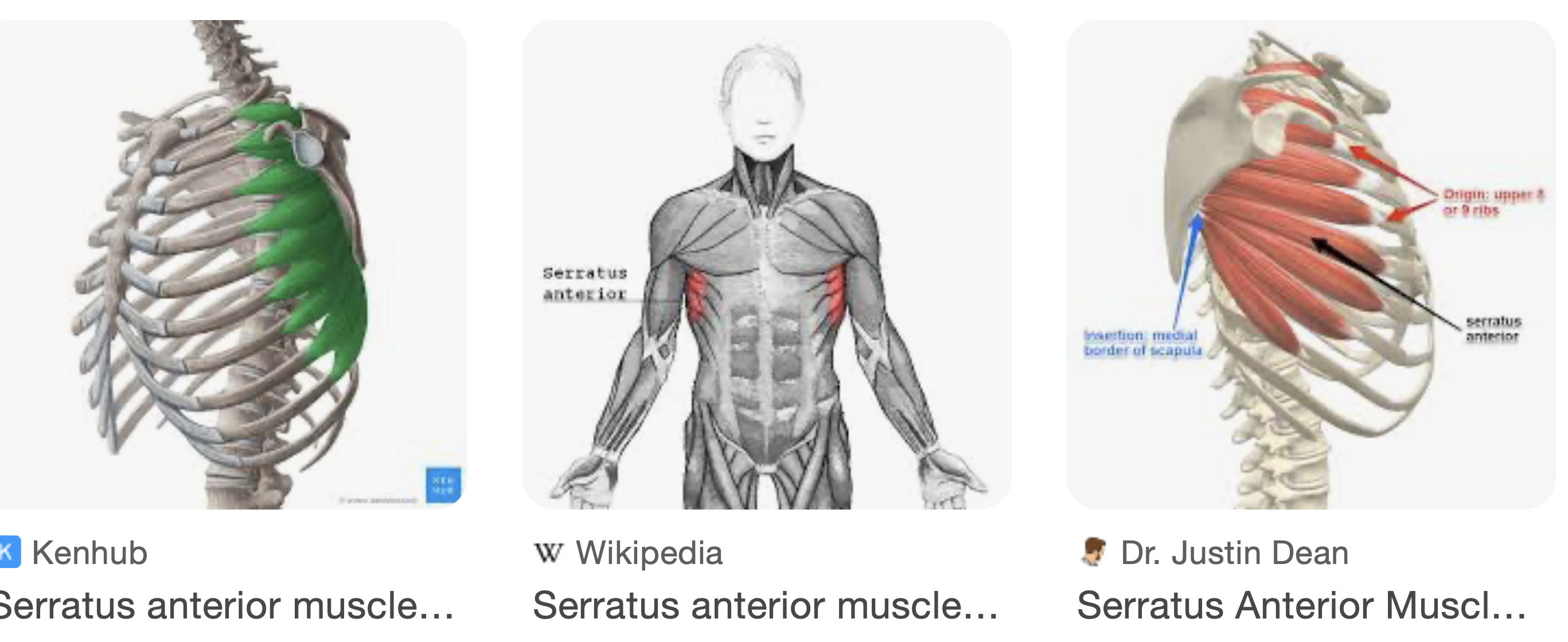
Serratus Anterior
Joint Crossed: Scapulothoracic
Position Relative to Joint: The serratus anterior is located anteriorly to the scapula, allowing it to play a crucial role in shoulder movement and stability.
Actions: Protraction and stabilization of scapula
Innervation: Long thoracic nerve
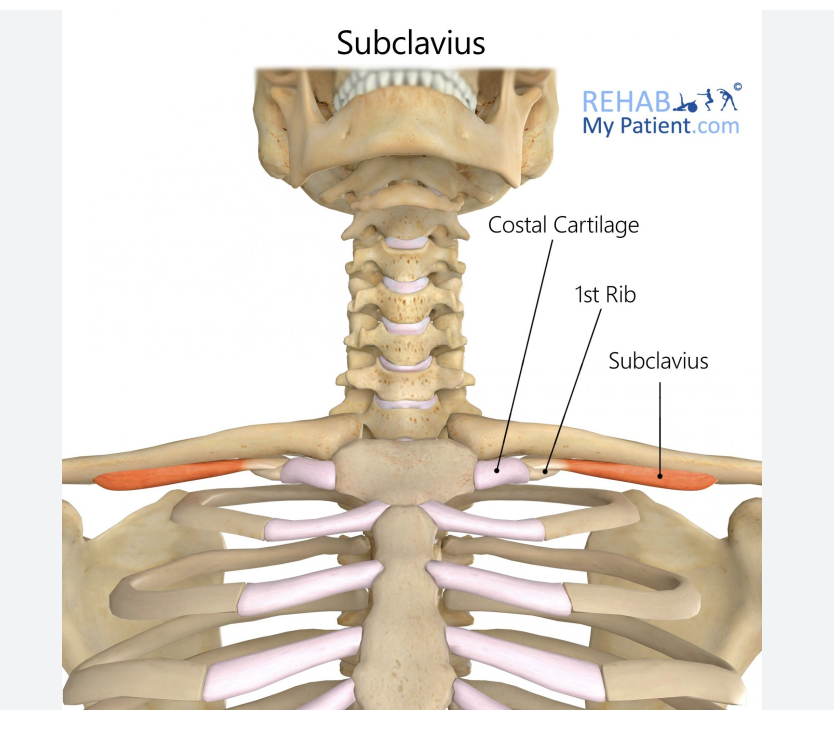
Subclavius Muscle:
Position Relative to Joint: The subclavius is situated beneath the clavicle, providing support and stability to the shoulder girdle.
Actions: Depresses and stabilizes the clavicle.
Innervation: Nerve to subclavius.
Origin: Costal cartilage of the first rib
Insertion: Inferior surface of the clavicle and first rib, allowing for effective movement during shoulder stabilization.
Function: Plays a crucial role in maintaining shoulder girdle stability and supporting upper limb movement.
Joints crossed: Sternoclavicular joint and acromioclavicular joint, which facilitate a wide range of shoulder motions.
Innervation: Primarily innervated by the medial and lateral pectoral nerves, which provide the necessary motor control for muscle contractions.
Axiohumeral Muscles
Key Muscles:
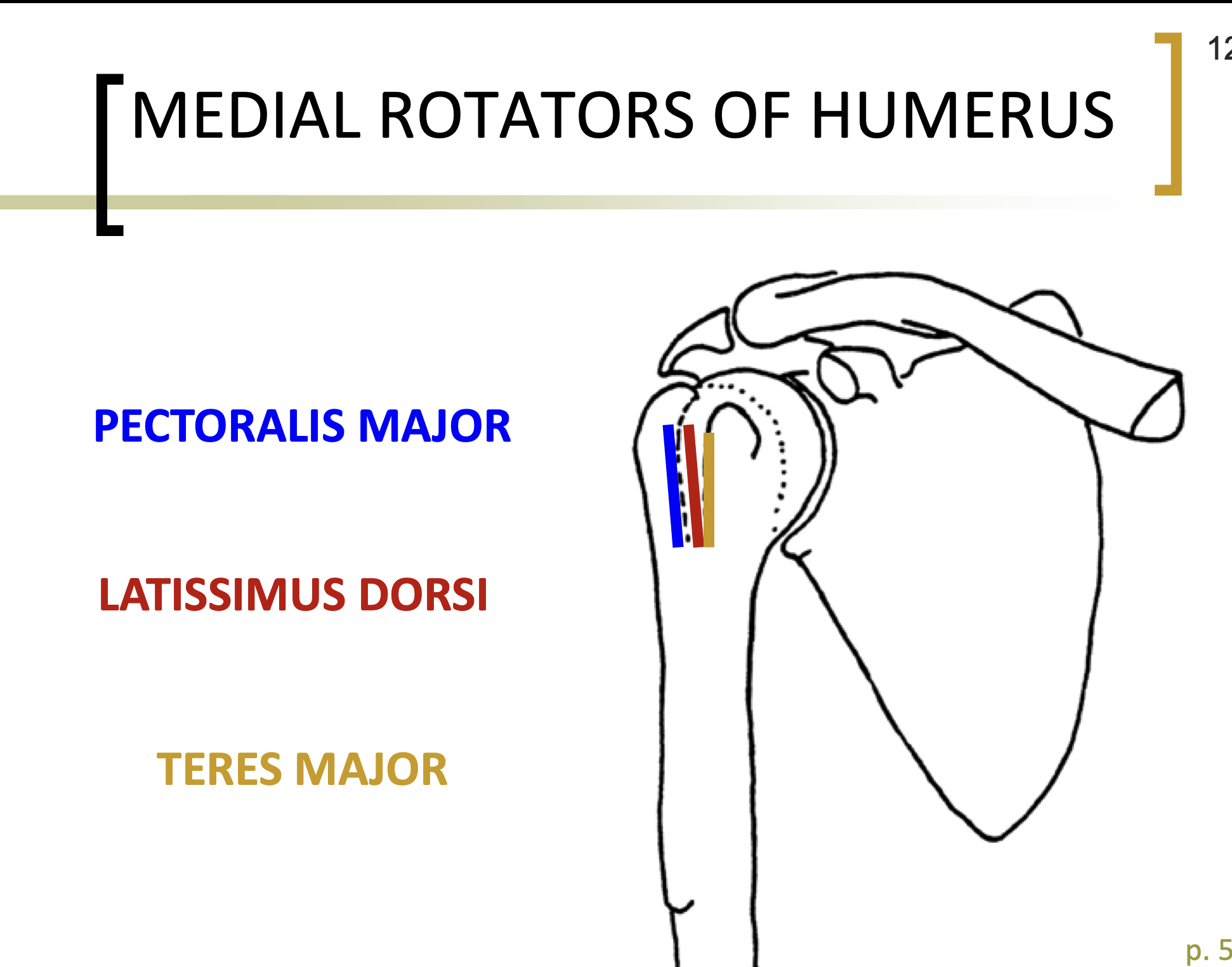
Pectoralis Major
Latissimus Dorsi
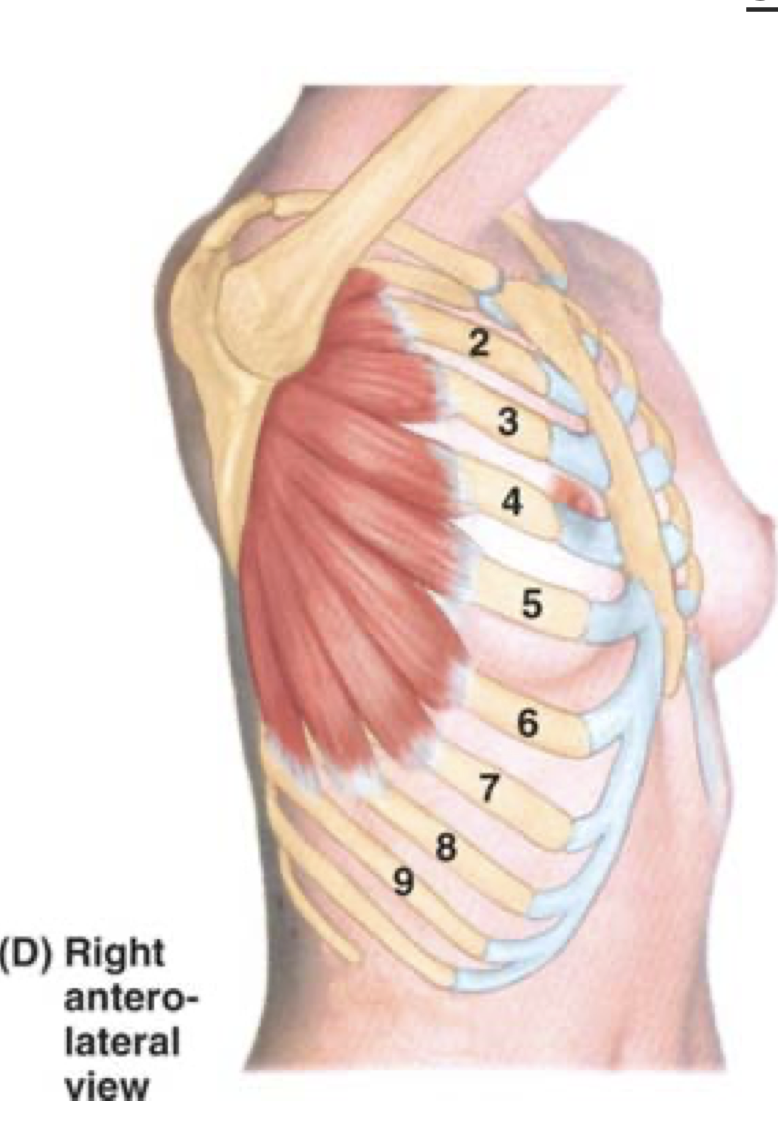
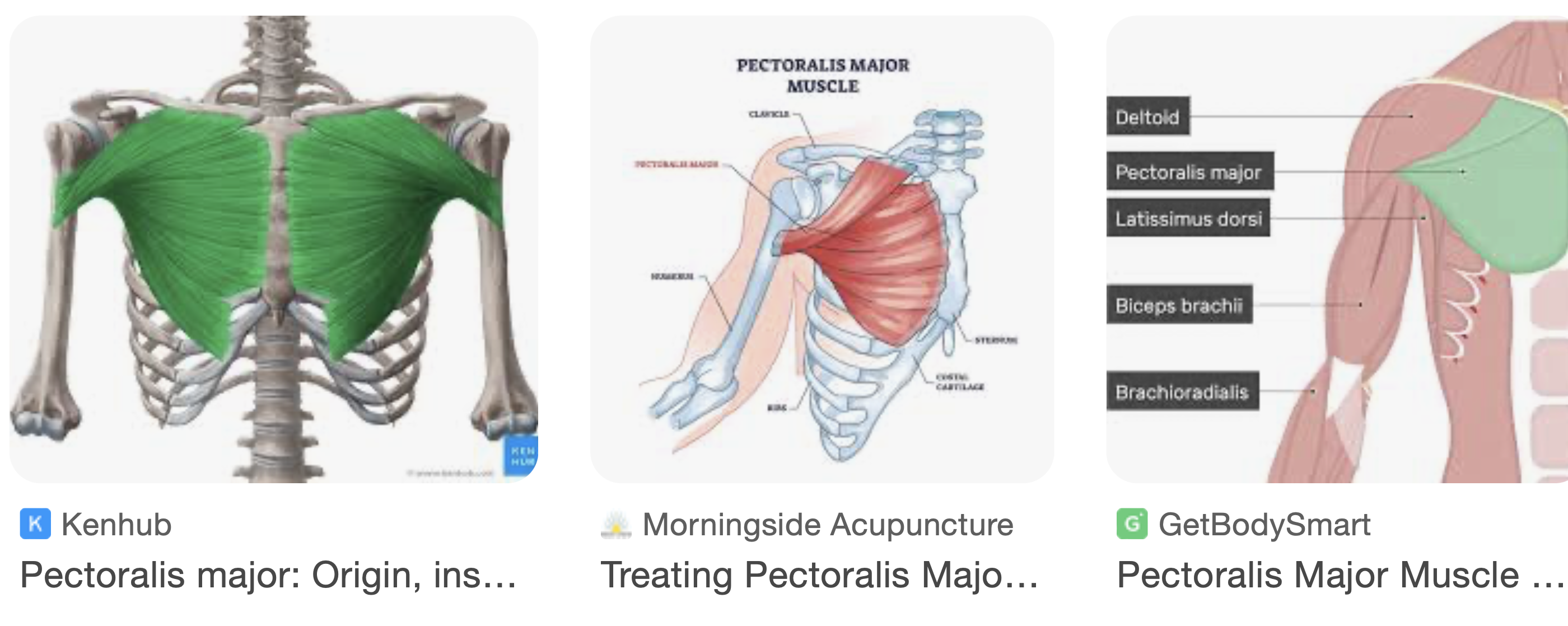
Pectoralis Major
Joint Crossed: Shoulder joint; responsible for flexion, adduction, and medial rotation of the arm. Trapezius
The pectoralis major muscle crosses three key joints: the sternoclavicular, acromioclavicular, and glenohumeral joints.Specifically, it acts on the shoulder joint (glenohumeral joint)
Position Relative to Joint: Anterior & inferior
Actions 4:
Flexion of the arm at the shoulder joint
Adduction of the arm towards the body's midline
Medial rotation of the arm
Assist in extension from a flexed position.
Flexion (clavicular head)
Extension from flexed position (sternal head)
Inervation: The shoulder muscles are primarily innervated by the brachial plexus, specifically including the suprascapular nerve and the axillary nerve for optimal function.
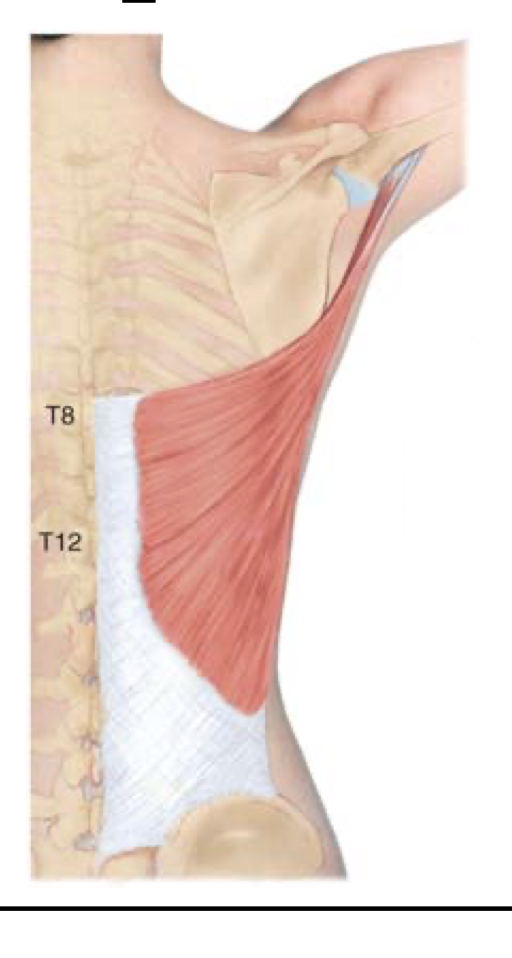
Latissimus Dorsi
Joint Crossed: Glenohumeral
Position Relative to Joint: The latissimus dorsi is positioned posteriorly and inferiorly to the glenohumeral joint, playing a crucial role in adduction, extension, and internal rotation of the arm.
Actions 4:
Adduction: Draws the arm towards the body.
Extension: Moves the arm backward, increasing the angle at the shoulder.
Internal Rotation: Rotates the arm inward towards the body.
Depression of the scapula: Aids in lowering the shoulder blade.
Medial rotation (attaches to anterior of proximal humerus)
Raises body towards arms when climbing
Innervation: Thoracodorsal nerve
Scapulohumeral Muscles
Key Muscles:
Deltoid
Teres Major
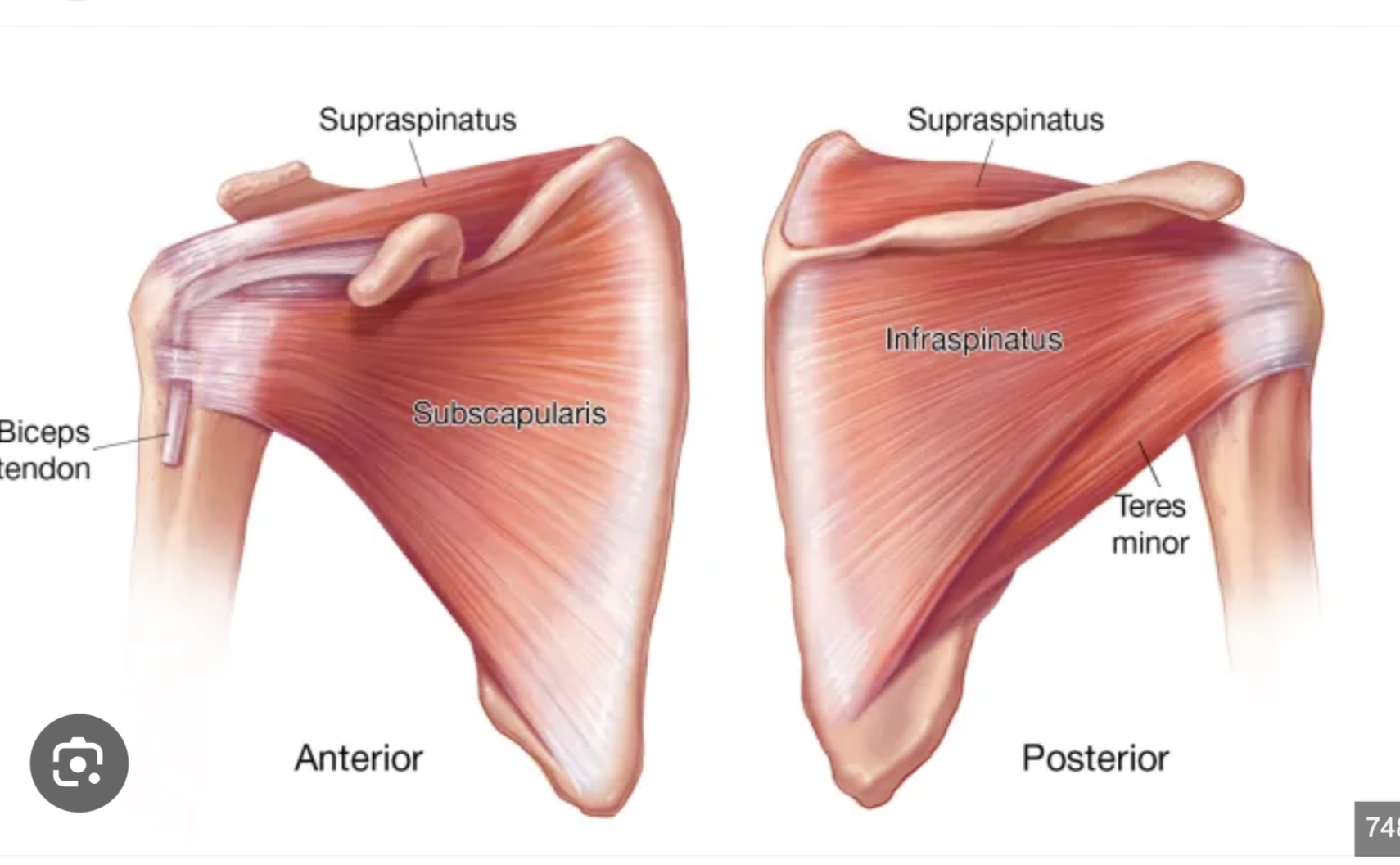
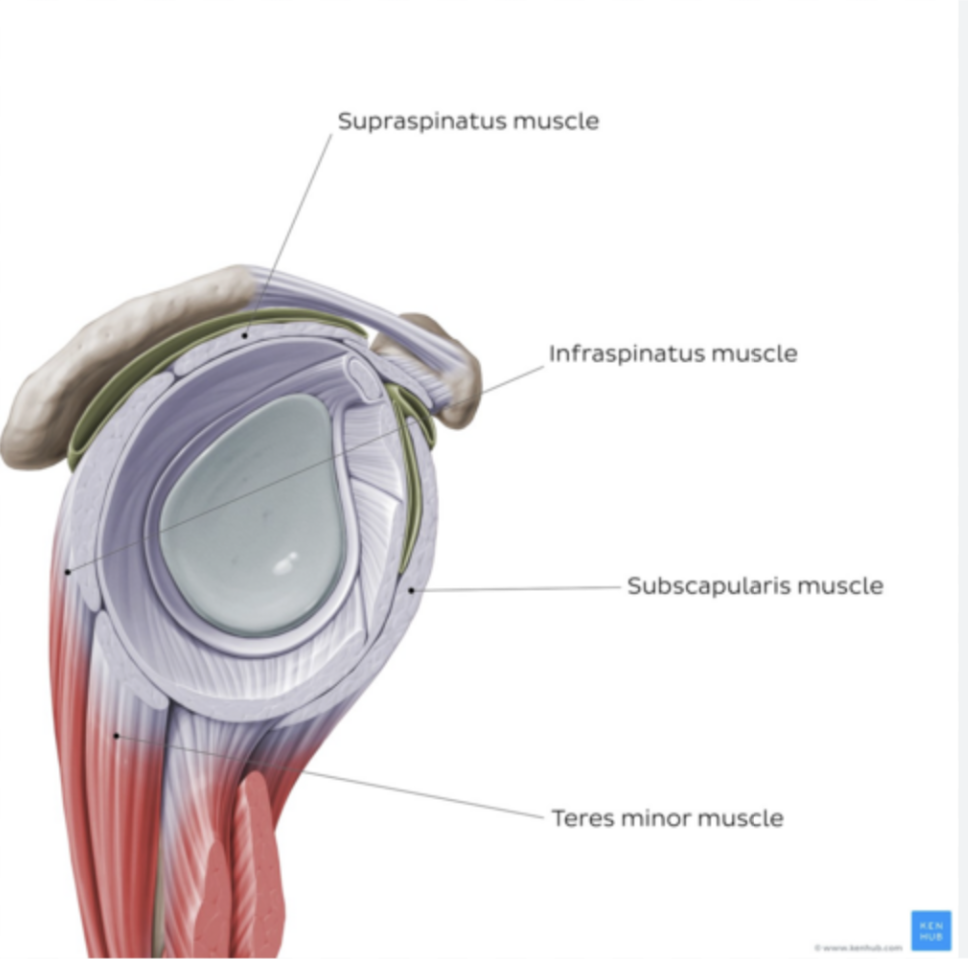
Rotator Cuff Muscles (Supraspinatus, Infraspinatus, Teres Minor, Subscapularis)
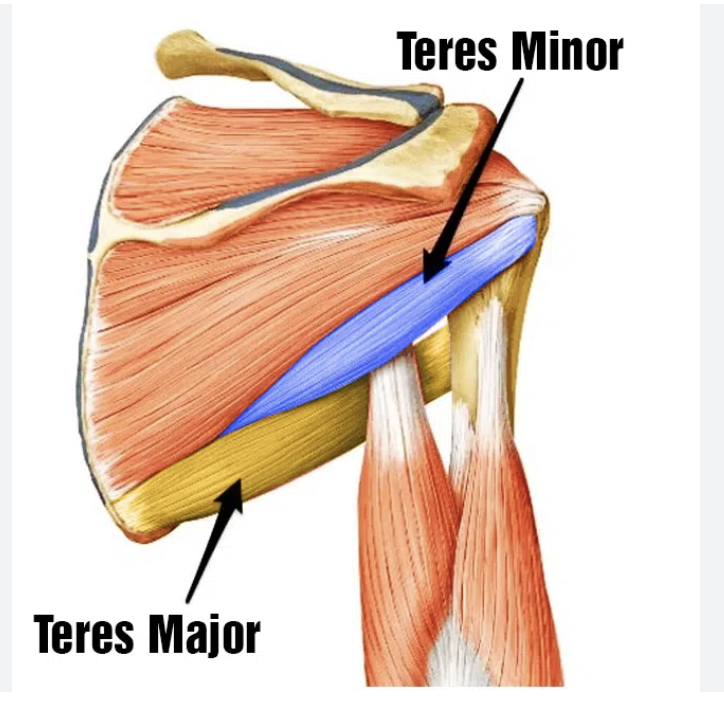
Teres Major,
Joint Crossed: Glenohumeral joint
• Position Relative to Joint: medial and inferiorly to the shoulder joint
• Actions: Adduction and medial rotation of the arm
• Innervation: Lower subscapular nerve (C5, C6)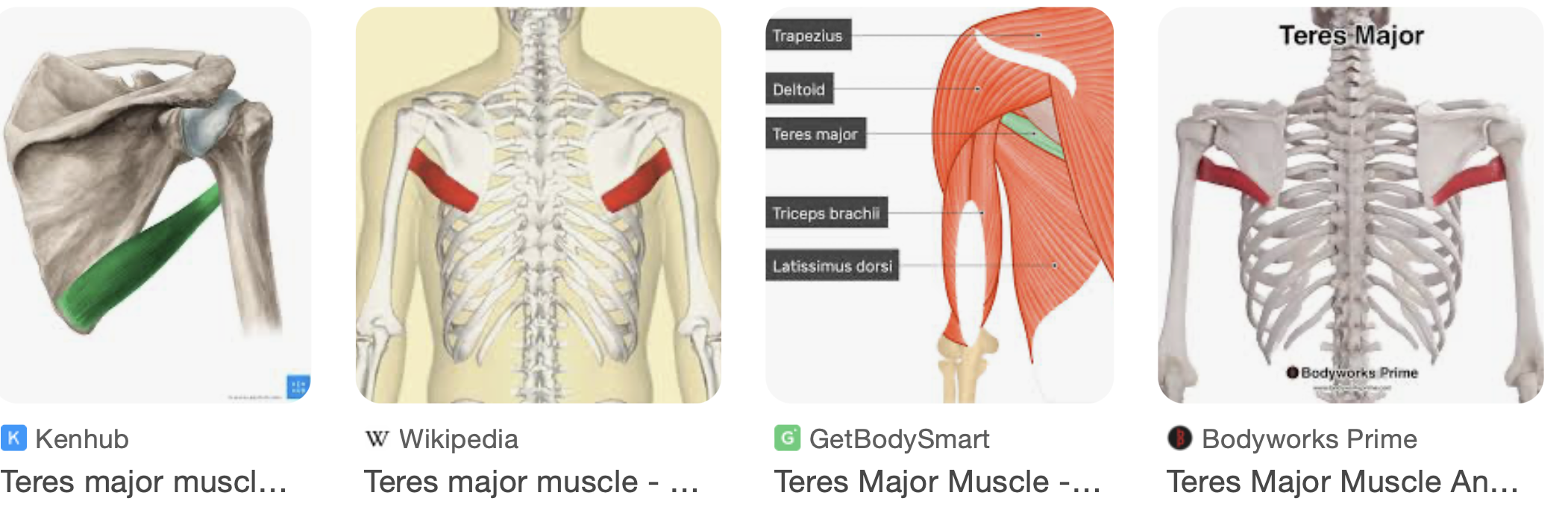
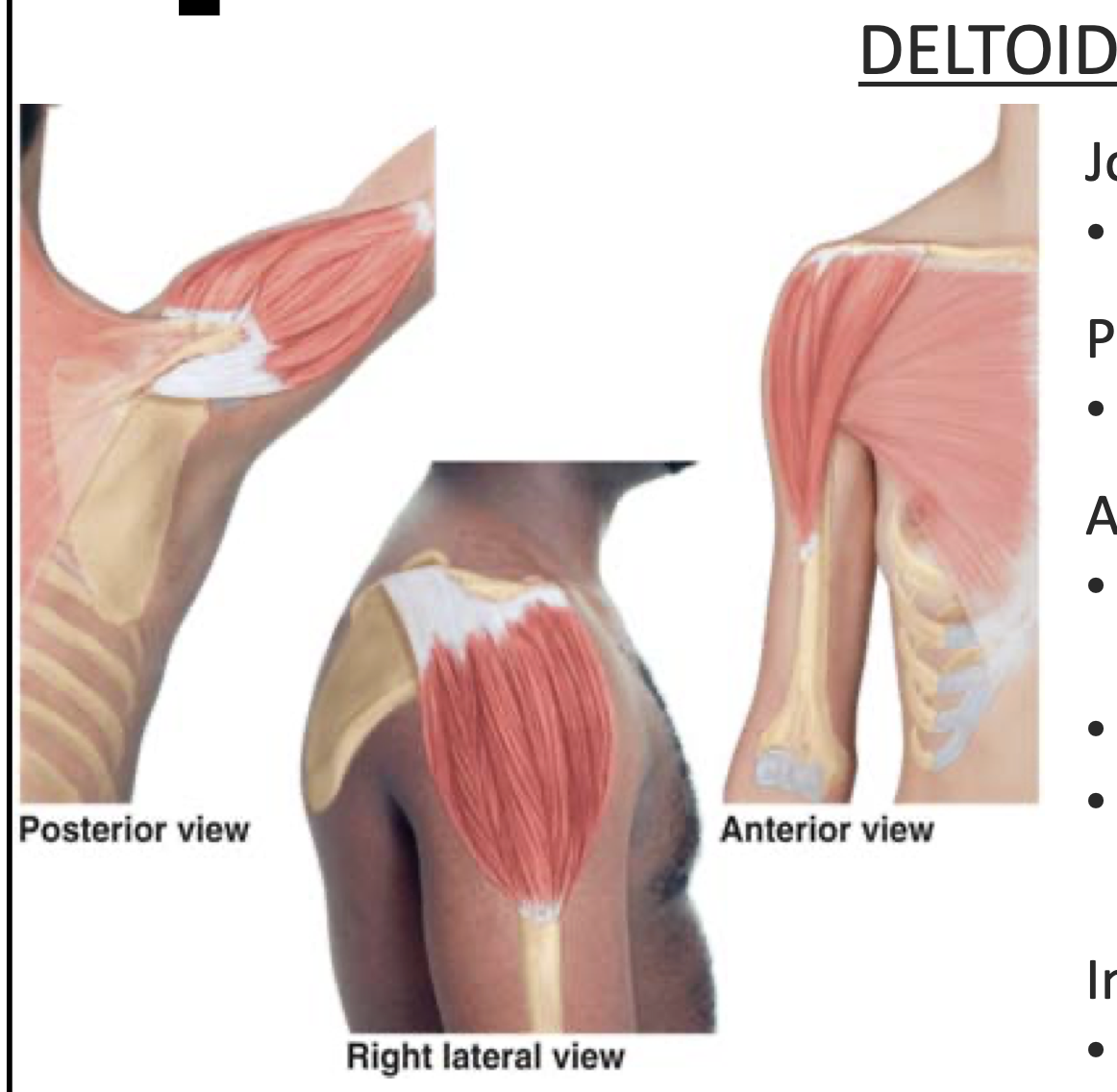
Deltoid
Joint Crossed: Glenohumeral
Position Relative to Joint: Originates on the lateral third of the clavicle, acromion, and spine of the scapula, inserting on the deltoid tuberosity of the humerus.
Actions:
Clavicular part: Flexion and medial rotation
Acromial part: Abduction
Spinal part: Extension and lateral rotation
Innervation: Axillary nerve
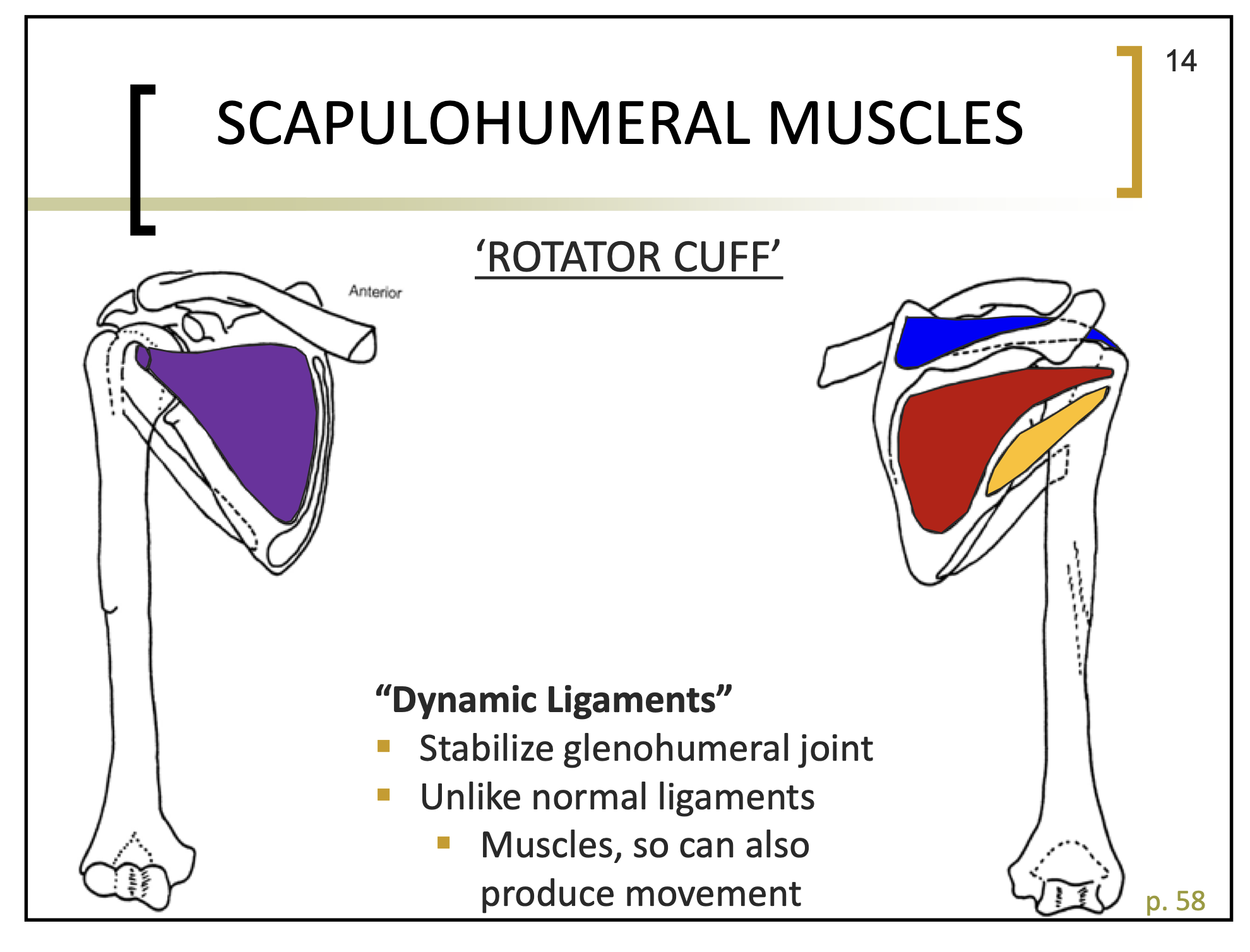
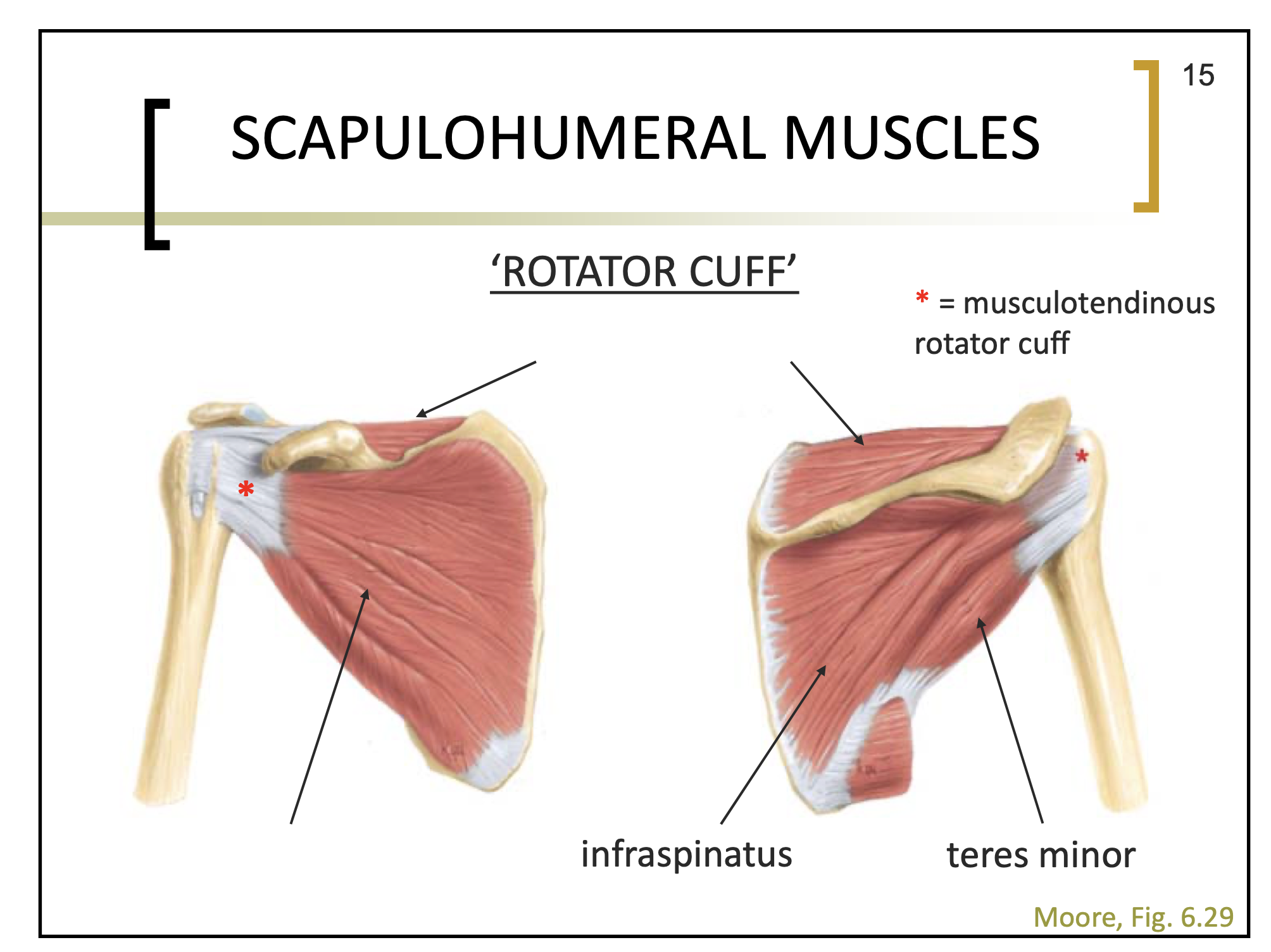
Rotator Cuff Summary
Function: Dynamic ligaments that stabilize the glenohumeral joint, allowing for movement unlike normal ligaments.
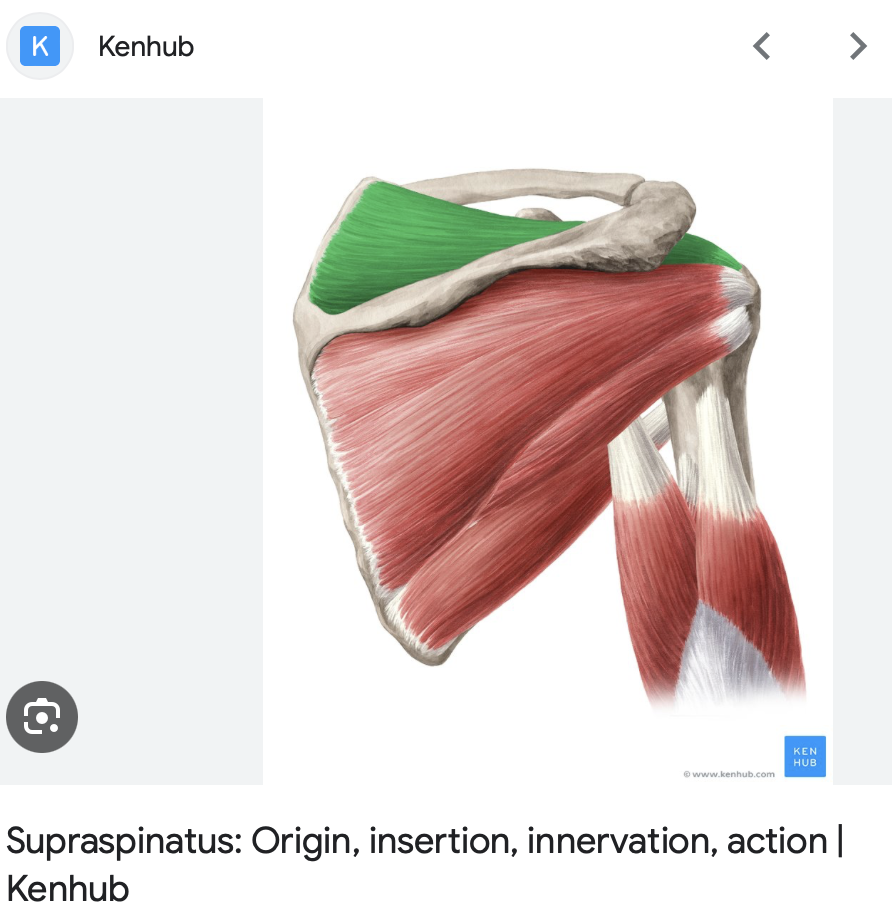
Supraspinatus
Joint Crossed: Glenohumeral
Position Relative to Joint: Superior
Actions:
Stabilizes GHJ
Prevents superior dislocation
Initiates abduction
Innervation: Axillary nerve for the deltoid muscle and suprascapular nerve for the supraspinatus.
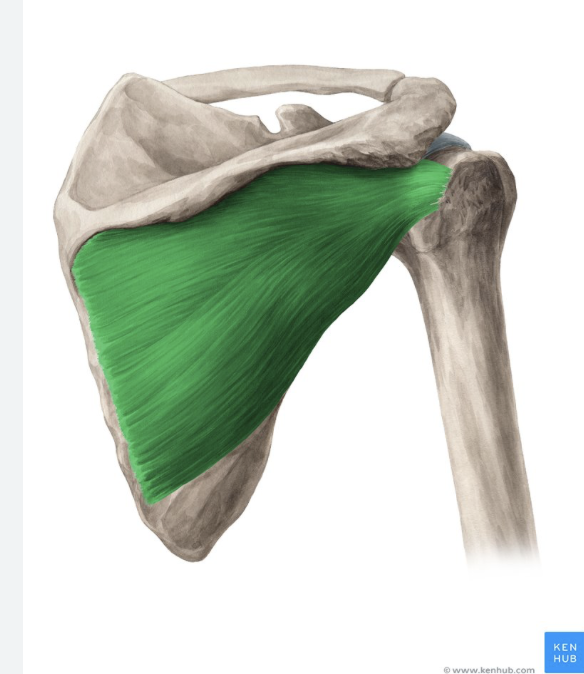
Infraspinatus
Joint Crossed: Glenohumeral
Position Relative to Joint: The infraspinatus muscle is located posteriorly to the glenohumeral joint, playing a crucial role in external rotation and stabilization of the shoulder.
Actions 3
External rotation of the humerus
Stabilization of the shoulder joint during movements
Contribution to abduction when the shoulder is in certain positions.
:
Stabilizes GHJ
Prevents inferior dislocation
Innervation: Suprascapular nerve
Teres Minor
Joint Crossed: Glenohumeral
Position Relative to Joint: Located posteriorly and laterally to the glenohumeral joint, the teres minor plays a crucial role in shoulder stability and movement.
Actions:
Stabilizes GHJ
Prevents inferior dislocation
Lateral rotation
Innervation: Axillary nerve
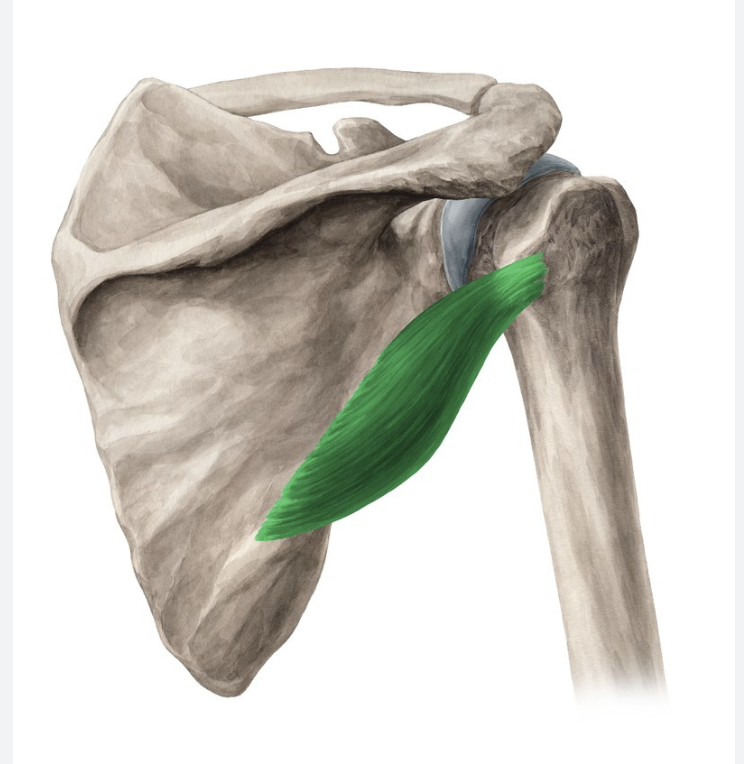
Subscapularis
Joint Crossed: Glenohumeral
Position Relative to Joint: The subscapularis muscle is positioned anteriorly to the glenohumeral joint, allowing it to play a crucial role in internal rotation and stabilization of the shoulder.
Actions:
Stabilizes GHJ
Prevents anterior dislocation
Medial rotation
Helps hold head in glenoid fossa
Innervation: Upper and lower subscapular nerves