Control of Microbial Growth Flashcards
Fundamentals of Controlling Microbial Growth
Core Concepts and Objectives:
- Primary Goal: The central objective of microbial control protocols is to reduce microbial load in order to prevent infection, transmission, and product contamination or spoilage.
- Contextual Cleanliness: Cleanliness is a relative standard. Different settings, applications, and items require varying degrees of microbial destruction or inhibition rather than a uniform standard of absolute sterility.
Key Terminology and Definitions:
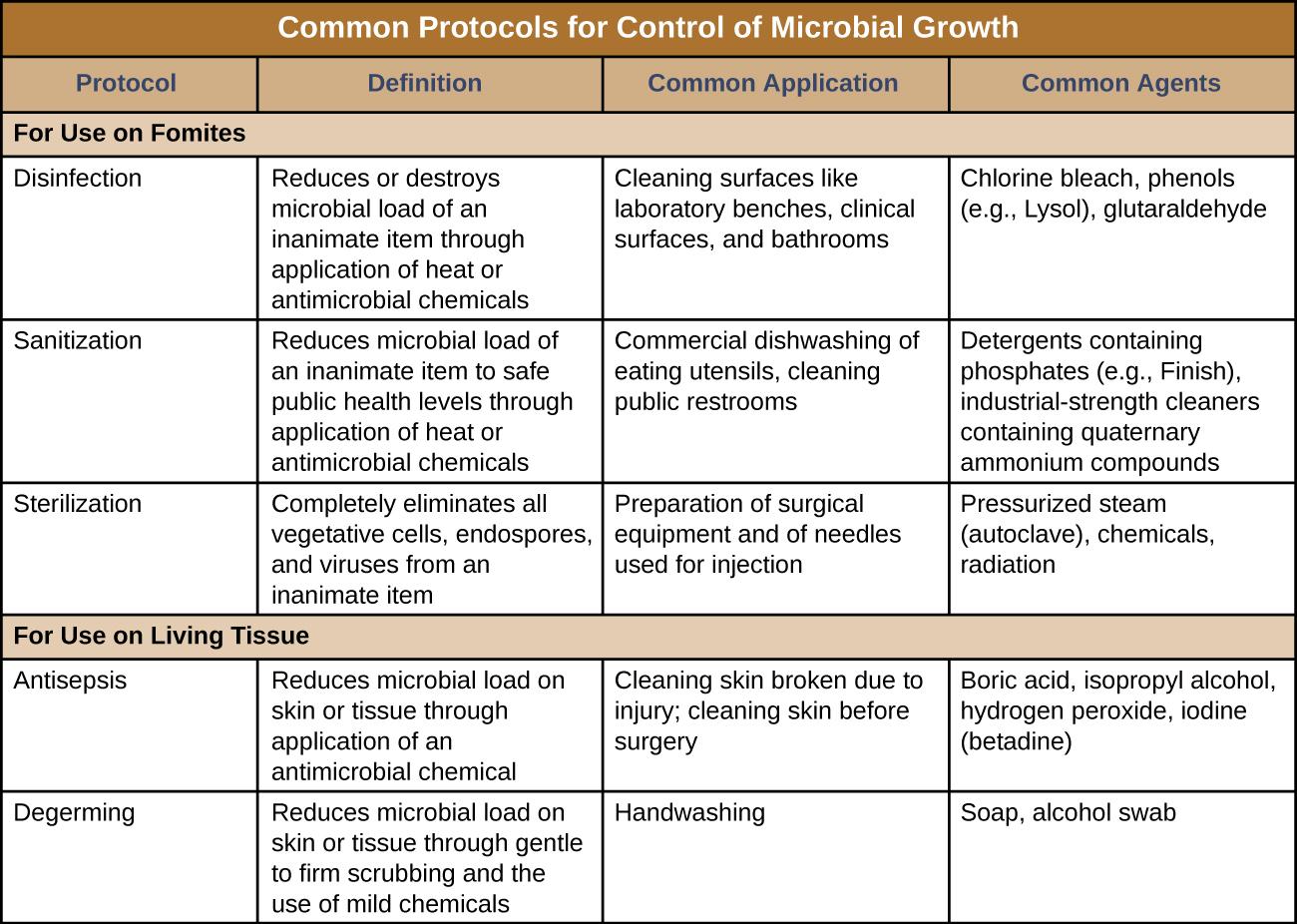
- Sterilization: The complete removal or destruction of all living vegetative microbial cells, bacterial endospores, fungal spores, and viruses from an inanimate object (fomite) or biological organism.
- Disinfection: The inactivation or destruction of most pathogenic and vegetative microorganisms on non-living surfaces (fomites) using physical heat or chemical agents. Disinfection does not guarantee complete sterilization, as resilient structures like bacterial endospores frequently survive.
- Sanitization: The reduction of microbial populations on inanimate items to safety levels deemed acceptable by public health standards, typically achieved through washing, heat, or mild antimicrobial chemical treatments.
- Antisepsis: The application of non-toxic antimicrobial chemical agents (antiseptics) directly onto living tissue or skin to reduce microbial load without causing tissue damage.
- Degerming: The mechanical reduction of microbial numbers on living tissue or skin, primarily through firm physical scrubbing combined with mild cleansing chemicals (e.g., handwashing with soap or wiping skin with an alcohol swab).

Biological Safety Levels (BSL)
- Overview of Facility Classifications:
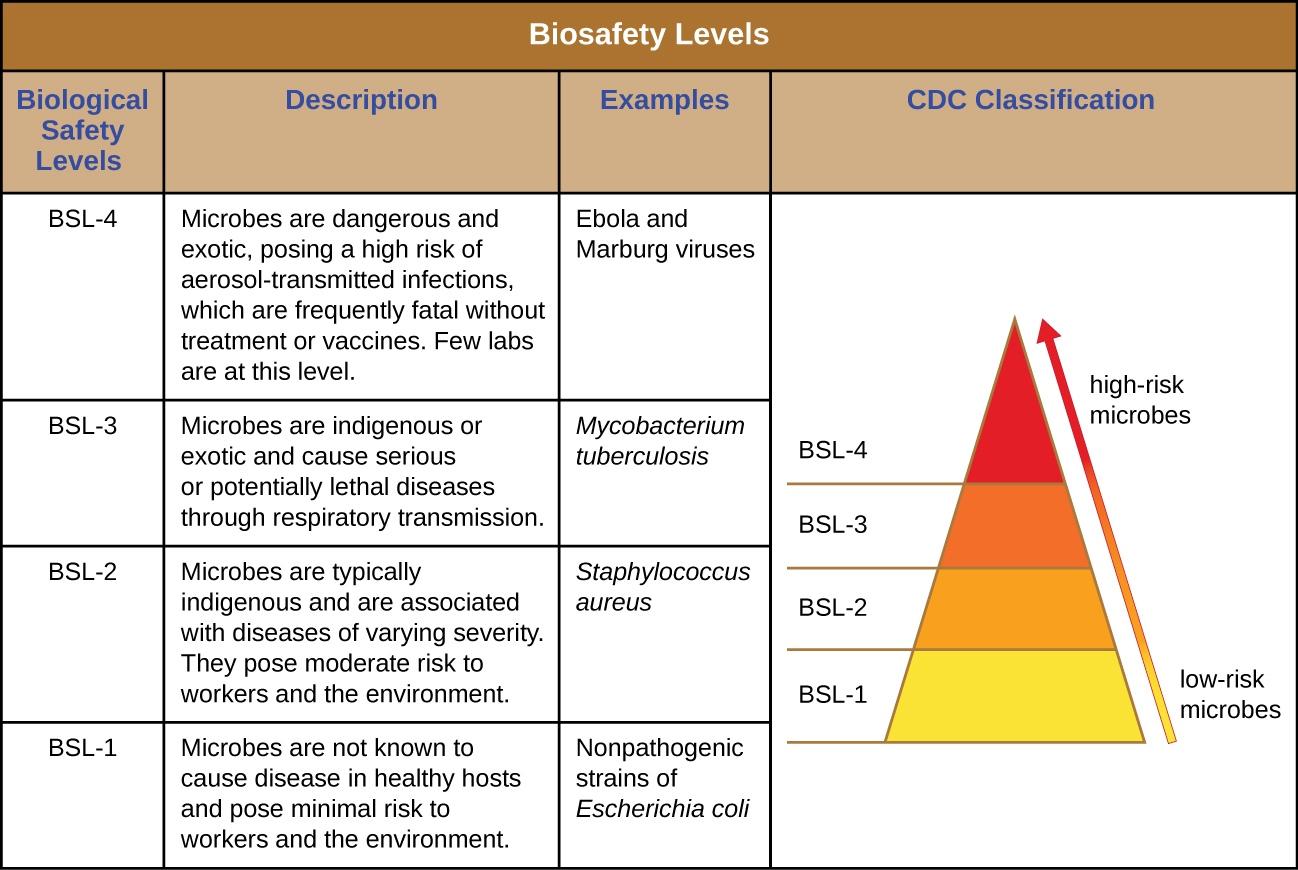
- Biological Safety Levels (BSL) are standardized safety frameworks established jointly by the Centers for Disease Control and Prevention (CDC), the National Institutes of Health (NIH), and the World Health Organization (WHO).
- Laboratories are assigned one of four safety levels based on the pathogenicity, infectivity, mode of transmission, and availability of treatments for the infectious agents worked with in the facility.
- Microbiology teaching laboratories at the University of Texas at Arlington (UTA) operate under BSL-2 protocols.
- Detailed Biosafety Level Requirements:
- BSL-1:
- Target Microbes: Agents not known to cause disease in healthy human adults, posing minimal risk to lab personnel and the environment.
- Examples: Nonpathogenic strains of Escherichia coli.
- Facility Requirements: Standard open laboratory benches, a dedicated sink for handwashing, and a door to separate the lab from public corridors (e.g., standard undergraduate introductory biology labs).
- BSL-2:
- Target Microbes: Indigenous microbes associated with human disease of varying severity, posing moderate hazards to personnel and the environment.
- Examples: Staphylococcus aureus.
- Facility Requirements: All BSL-1 requirements, plus personal protective equipment (PPE: lab coats, gloves, eye protection), self-closing doors, an eyewash station, and access to an autoclave or equivalent decontamination method.
- BSL-3:
- Target Microbes: Indigenous or exotic pathogens capable of causing serious or potentially lethal disease via respiratory/aerosol transmission.
- Examples: Mycobacterium tuberculosis (Note: No BSL-3 facilities are present at UTA).
- Facility Requirements: All BSL-2 requirements, plus mandatory respirators, biosafety cabinets (BSCs) for all sample manipulations, hands-free handwashing sinks, directional negative airflow, and a double-door entrance with self-closing interlocking doors.
- BSL-4:
- Target Microbes: Highly dangerous and exotic pathogens posing a extreme risk of aerosol-transmitted infections that are frequently fatal, lacking targeted treatments or vaccines.
- Examples: Ebola virus, Marburg virus.
- Facility Requirements: All BSL-3 requirements, plus full positive-pressure suits with dedicated breathing air supplies, mandatory decontamination showers upon exiting, complete autoclave decontamination of all materials leaving the suite, and a dedicated, isolated air supply and exhaust system. Only 13 BSL-4 facilities currently exist in the United States.
- BSL-1:
Clinical Item Classification Standards
Critical Items:
- Definition: Instruments or medical equipment designed to enter directly into sterile tissues or the cardiovascular system.
- Sterilization Requirement: Must be strictly sterile prior to use.
- Examples: Surgical instruments, cardiac catheters, intravenous needles, scalpel blades.
Semicritical Items:
- Definition: Medical devices that contact intact mucous membranes or non-intact skin without penetrating sterile body cavities or vascular spaces.
- Sterilization Requirement: Do not strictly require absolute sterilization, but require high-level disinfection to eliminate vegetative cells and viruses.
- Examples: Gastrointestinal endoscopes, respiratory therapy equipment, anesthesia breathing circuits.
Noncritical Items:
- Definition: Items that come into contact only with intact skin and do not breach body barriers.
- Sterilization Requirement: Require basic low- to intermediate-level cleaning or disinfection; sterilization is unnecessary.
- Examples: Stethoscopes, blood pressure cuffs, crutches, bed linen.
Dynamics of Microbial Control Efficacy
Antimicrobial Action Terminology:
- -cidal (Cicides): Antimicrobial agents or processes that cause direct killing of targeted microbes (e.g., Bacteriocidal, Viricidal, Fungicidal).
- -static: Antimicrobial agents or processes that temporarily inhibit or arrest microbial growth and metabolism without causing direct cell death. If the static agent is removed, microbial growth can resume (e.g., Bacteriostatic, Viristatic, Fungistatic).
Variables Influencing Efficacy:
- Length of exposure time to the controlling agent.
- Concentration or intensity of the antimicrobial agent.
- Initial population density (microbial load).
- Environmental conditions, such as temperature, pH, and the presence of interfering organic matter (e.g., blood, pus, sputum).
Microbial Death Curve & D-Value:
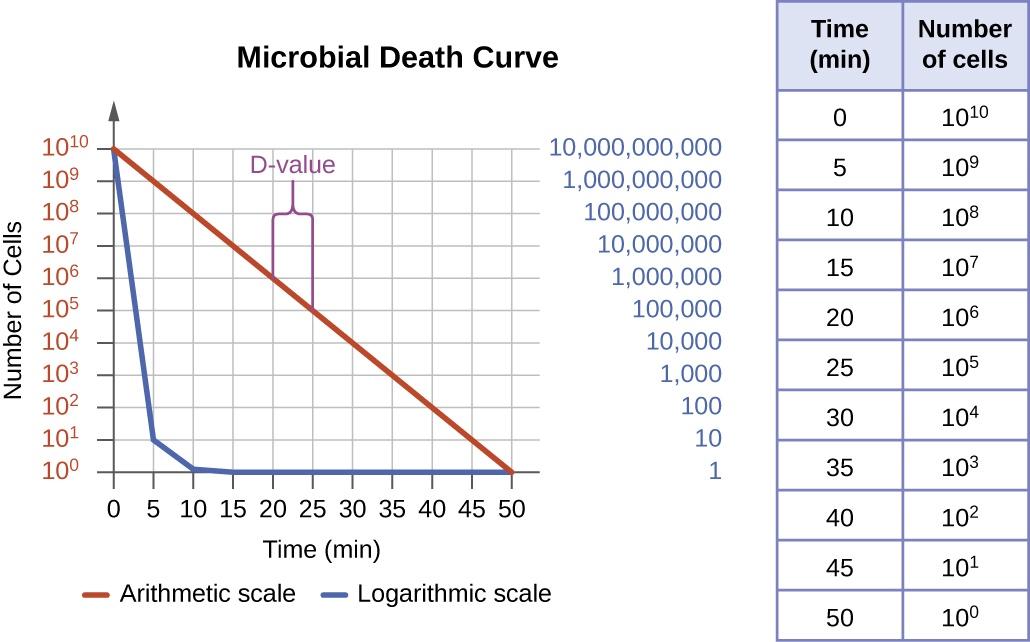
- Microbial populations exposed to lethal conditions die at a constant logarithmic rate.
- Decimal Reduction Time (DRT or D-value): The duration of time required for a specific control method to kill of a microbial population (a 1-log reduction in cell count, such as reducing counts from to cells).
Physical Means of Control: Thermal Methods
Mechanisms of Heat Control:
- Heat acts primarily by denaturing essential cellular proteins, inactivating enzymes, and disrupting membrane lipid structures.
- Thermal Death Point (TDP): The lowest temperature at which all microorganisms in a liquid suspension are killed within an exposure time of .
- Thermal Death Time (TDT): The minimum length of time needed to kill all microorganisms in a liquid culture at a specified constant temperature.
Dry-Heat vs. Moist-Heat Sterilization:
- Dry-Heat Sterilization:
- Mechanism: Direct application of high dry heat () causing oxidation, dehydration, and incineration.
- Dry-Heat Oven: Operating conditions of for for heat-stable laboratory glassware and medical equipment.
- Incineration: Direct destruction by open flame (e.g., flaming inoculating loops with a Bunsen burner or microincinerator).
- Moist-Heat Sterilization:
- Mechanism: Denaturation of proteins and membrane disruption using heated water or steam. Moist heat penetrates cells significantly faster and more efficiently than dry heat.
- Boiling: at sea level. Kills vegetative cells, fungi, and most viruses, but fails to reliably kill bacterial endospores. Used for cooking, personal sanitization, and preparing certain culture media.
- Dry-Heat Sterilization:
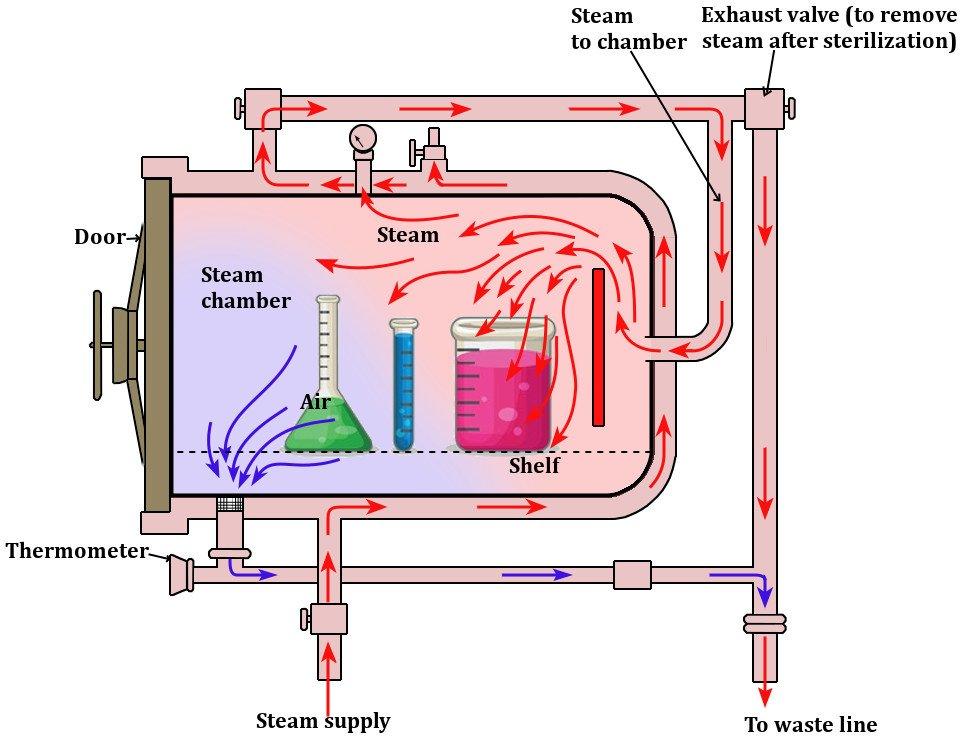
Autoclaving:
- Mechanism: Pressurized steam chamber designed to elevate water temperatures above its normal atmospheric boiling point.
- Standard Operating Parameters: at a pressure of above atmospheric pressure for .
- Spectrum: Sterilizes microbiological media, surgical tools, and laboratory items by destroying all vegetative cells, viruses, and heat-resistant endospores.
- Pasteurization:
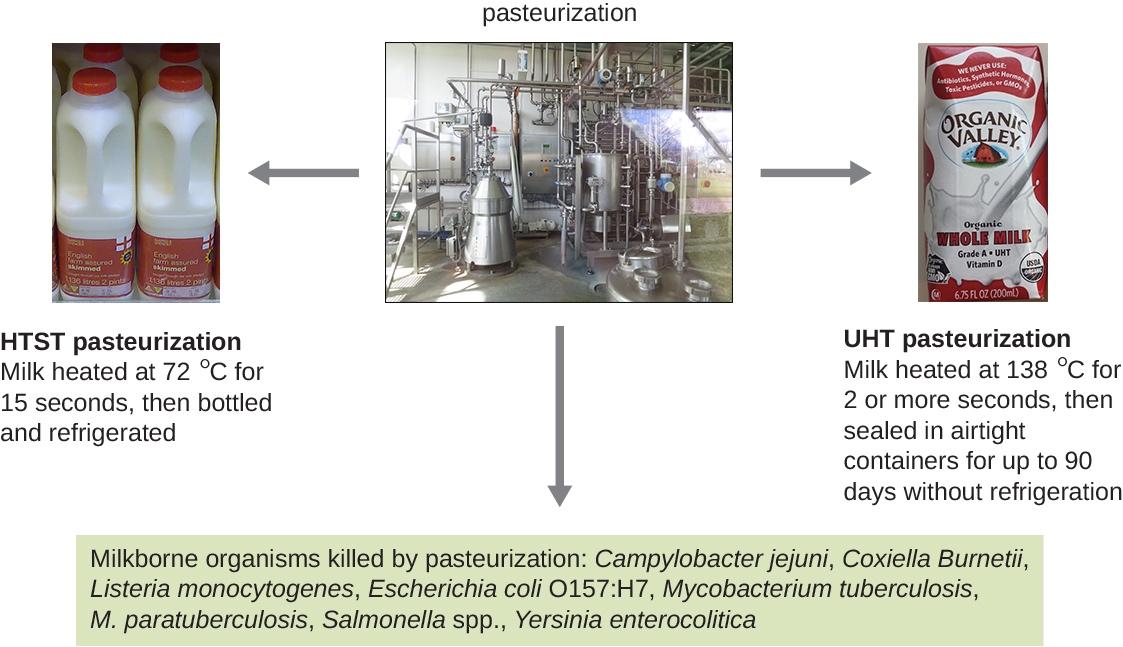
- Purpose: Mild heat treatment applied to food products (e.g., milk, juices, honey) to eliminate pathogenic microbes and reduce spoilage organisms while maintaining product quality and taste.
- High-Temperature Short-Time (HTST): Heats milk to for , followed by immediate chilling and refrigeration.
- Ultra-High-Temperature (UHT): Heats milk to for , then packages it in sterile, airtight containers. Allows storage without refrigeration for up to 90 days.
- Milkborne Pathogens Controlled: Campylobacter jejuni, Coxiella burnetii, Listeria monocytogenes, Escherichia coli O157:H7, Mycobacterium tuberculosis, Mycobacterium avium subsp. paratuberculosis, Salmonella spp., and Yersinia enterocolitica.
Physical Means of Control: Low Temperature, Pressure, Desiccation, Radiation, & Filtration
- Low-Temperature Treatments:
- Refrigeration (): Inhibits metabolism and drastically slows cell division (bacteriostatic). Because dormant organisms resume rapid multiplication upon warming, the USDA recommends thawing frozen meats inside a refrigerator below growth temperatures.
- Freezing (below ): Halts metabolic activity; ice crystal formation may damage cellular membranes and kill a fraction of the population. Long-term preservation of biological samples and cultures relies on ultra-low temperatures ( or liquid nitrogen at ).

- Pressure Treatments:
- Pascalization (High-Pressure Processing): Application of extreme pressure () in the food industry to denature proteins and induce cell lysis while preserving taste.
- Hyperbaric Oxygen Therapy: Treatment in which patients breathe pure oxygen at air pressure 3 times higher than normal atmospheric pressure. Saturates infected tissues with oxygen, inhibiting the metabolism of obligate anaerobic pathogens (e.g., treating Clostridium perfringens gas gangrene).
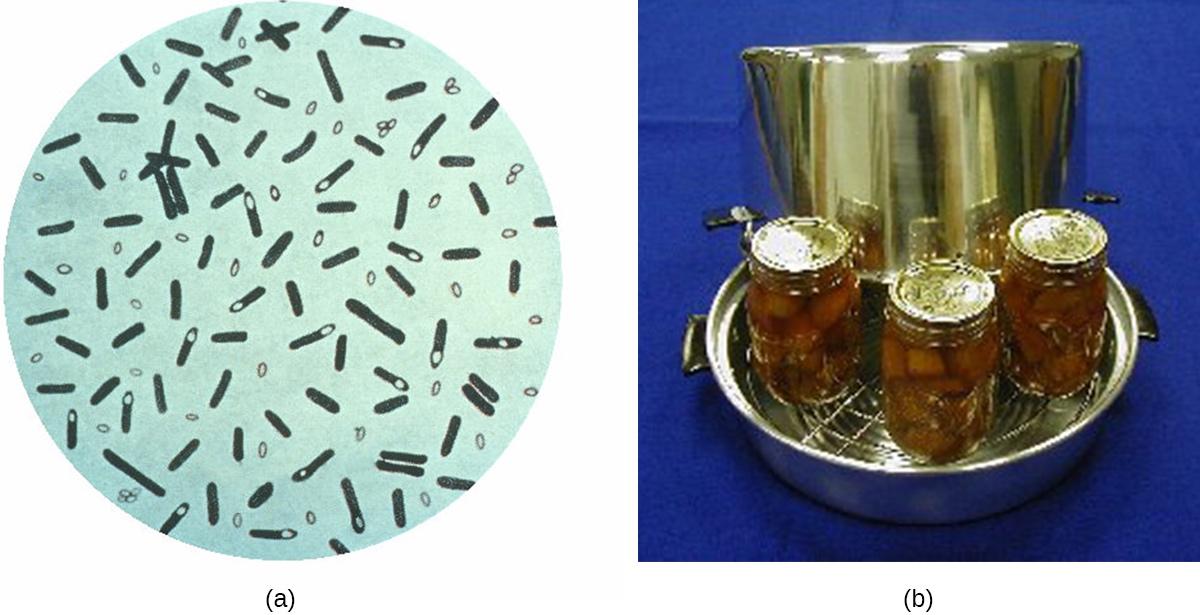
- Pressure Canning: Uses combined elevated pressure and temperature in pressure cookers to kill resilient endospores of Clostridium botulinum in low-acid canned foods.
- Desiccation (Dehydration):
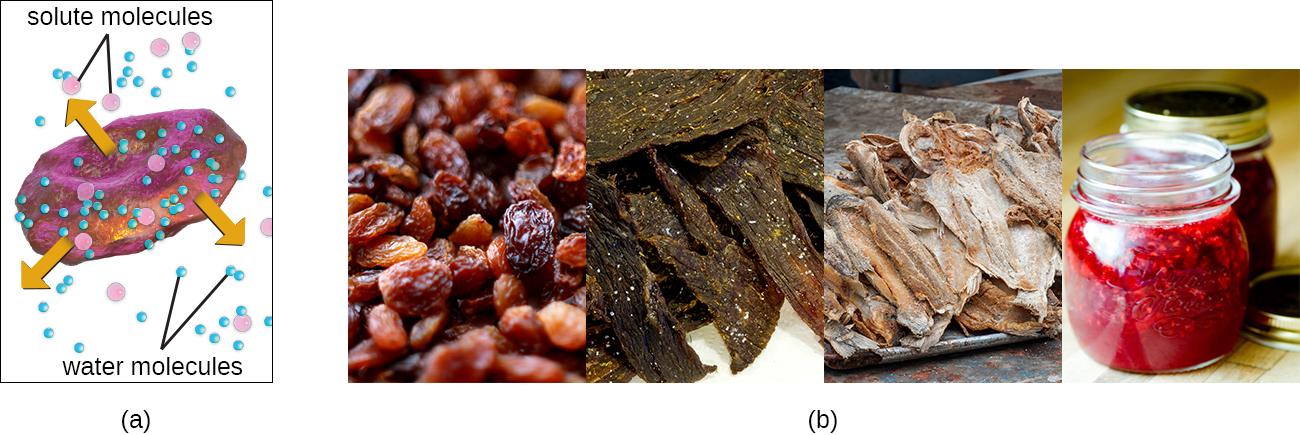
- Simple Desiccation: Direct removal of water via drying (e.g., jerky, raisins).
- Reduced Water Activity (Osmotic Pressure): Addition of high concentrations of solutes (salts or sugars) to lower water activity (), creating a hypertonic extracellular environment that draws water out of microbial cells, causing plasmolysis and metabolic inhibition (e.g., salted meats/fish, honey, jams, jellies).
- Lyophilization (Freeze-Drying): Rapid freezing of a material under a vacuum, allowing frozen water to sublime directly from solid ice to gas. Preserves food, microbial stock cultures, and reagents without structural damage.
- Radiation:
- Ionizing Radiation:
- Agents: High-energy X-rays and gamma rays (-rays).
- Mode of Action: Penetrates deeply through cells and packaging, causing ionization of water, generating reactive hydroxyl radicals, altering molecular structures, and introducing double-strand breaks into DNA.
- Applications: Sterilization of heat-sensitive medical devices, plastic items, pharmaceuticals, surgical supplies, and dried spices. Widely accepted for food sterilization in Europe (less accepted in the US).
- Ionizing Radiation:


*   **Nonionizing Radiation**:
    *   *Agent*: Ultraviolet (UV) light.
    *   *Mode of Action*: Cannot penetrate solid materials, paper, or glass; acts directly on exposed surfaces. Absorbed by DNA pyrimidine bases, forming covalent **thymine dimers** that distort double-helix structure, block replication and transcription, and induce lethal mutations.
    *   *Applications*: Surface disinfection of laboratory work benches, biosafety cabinets, operating rooms, and water treatment units.

- Sonication & Filtration:
- Sonication: High-frequency ultrasound waves induce rapid pressure fluctuations in liquid media, generating microscopic vacuum cavities (cavitation) that collapse violently and disrupt cell structures to induce lysis.
- Filtration: Physical passage of a liquid or gas through a micro-porous membrane to trap microbes.
- Liquid Membrane Filtration: Essential for heat-labile solutions that decompose in autoclaves (e.g., antibiotic solutions, enzyme preparations, vitamin solutions, urea broth media). Standard bacterial filter pore size is (or ); viral exclusion requires ultrafiltration pores down to .
- Air Filtration: High-Efficiency Particulate Air (HEPA) filters trap bacterial cells, fungal spores, endospores, and viruses to maintain sterile air in surgical rooms, clinical suites, and biosafety cabinets.


Chemical Means of Control
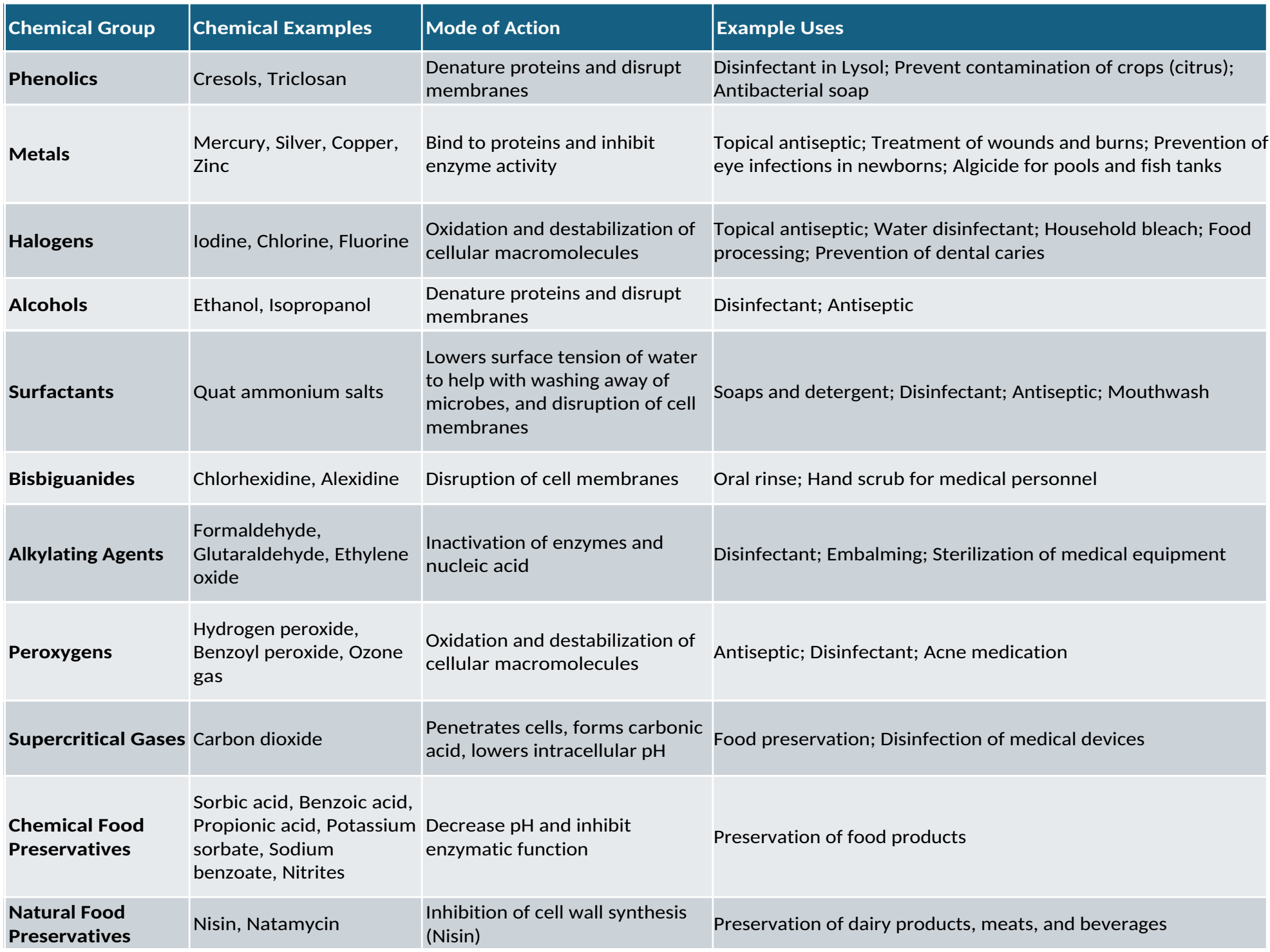
Phenolics:
- Structure: Organic aromatic compounds featuring a benzene ring substituted with a hydroxyl () group.
- Mode of Action: Denature cellular proteins and disrupt microbial membrane integrity.
- Examples:
- Carbolic Acid (Phenol): Historically introduced by Joseph Lister as a pioneer surgical antiseptic for treating wounds.
- Cresols: Found in heavy-duty commercial disinfectants.
- Lysol: Original formations contained cresols/phenolics (modern consumer formulations use quaternary ammonium compounds).
- Triclosan: Bisphenol once added to consumer soaps, toothpastes, and products; banned in consumer hand soaps by the US FDA in 2017 due to hormonal and resistance risks.
Heavy Metals:
- Mode of Action: Heavy metal cations () exhibit oligodynamic activity, binding tightly to bio-reactive sulfhydryl () groups on enzymes and structural proteins, causing protein precipitation and functional inhibition.

*   *Examples*:
    *   *Mercury*: Historically used to treat syphilis (e.g., calomel, mercurochrome); banned today due to severe neurotoxicity.
    *   *Silver*: Applied in burn wound creams (silver sulfadiazine), pediatric eye drops preventing neonatal ophthalmia (*Neisseria gonorrhoeae*), and embedded in catheters or wound dressings.
    *   *Copper Sulfate*: Algicide added to swimming pools, water reservoirs, and fish tanks.
    *   *Zinc*: Zinc oxide formulated in diaper creams, calamine lotion, and baby powders; zinc chloride in mouthwashes.
- Halogens:
- Mode of Action: Strong oxidizing agents that destabilize cellular proteins, nucleic acids, and membrane lipids.
- Iodine: Oxidizes vital cell components. Frequently prepared as an iodophor (iodine bound to an organic carrier like polyvinylpyrrolidone, e.g., Povidone-iodine / Betadine) to slow release, enhance stability, and prevent skin staining/irritation.

* *Chlorine*:
* *Hypochlorous Acid ()*: Formed when chlorine gas dissolves in water (); strong oxidant used in drinking water and municipal wastewater treatment.
* *Sodium Hypochlorite ()*: Active chemical agent in household bleach.
* *Chloramines ()*: Stable compounds formed by combining chlorine with ammonia (); releases chlorine slowly over time, producing the characteristic "swimming pool smell".

* *Fluorine*: Formulated in dental hygiene products to incorporate into tooth enamel (forming fluorapatite), providing resistance against acid degradation and disrupting oral bacterial fermentation.

- Alcohols:
- Mode of Action: Denature cytoplasmic proteins and dissolve lipid membranes.
- Optimal Conditions: Most active at aqueous concentrations of ethanol or isopropyl alcohol. Pure () alcohol is less effective because water is required for protein denaturation and penetration.
- Spectrum: Effective against vegetative bacteria, fungi, and enveloped viruses; ineffective against non-enveloped (naked) viruses and bacterial endospores.

- Surfactants:
- Overview: Surface-active chemicals that lower the surface tension of water to assist in washing away organic matter and microbes.
- Soaps: Long-chain fatty acid salts containing a hydrophilic polar head and a hydrophobic nonpolar tail.

    *   *Function*: Soaps are not inherently bactericidal or bacteriostatic; they act mechanically by emulsifying oily skin deposits and lifting microbes so water can rinse them away.
*   *Detergents*: Synthetic amphipathic molecules categorised as anionic, cationic, or nonionic.
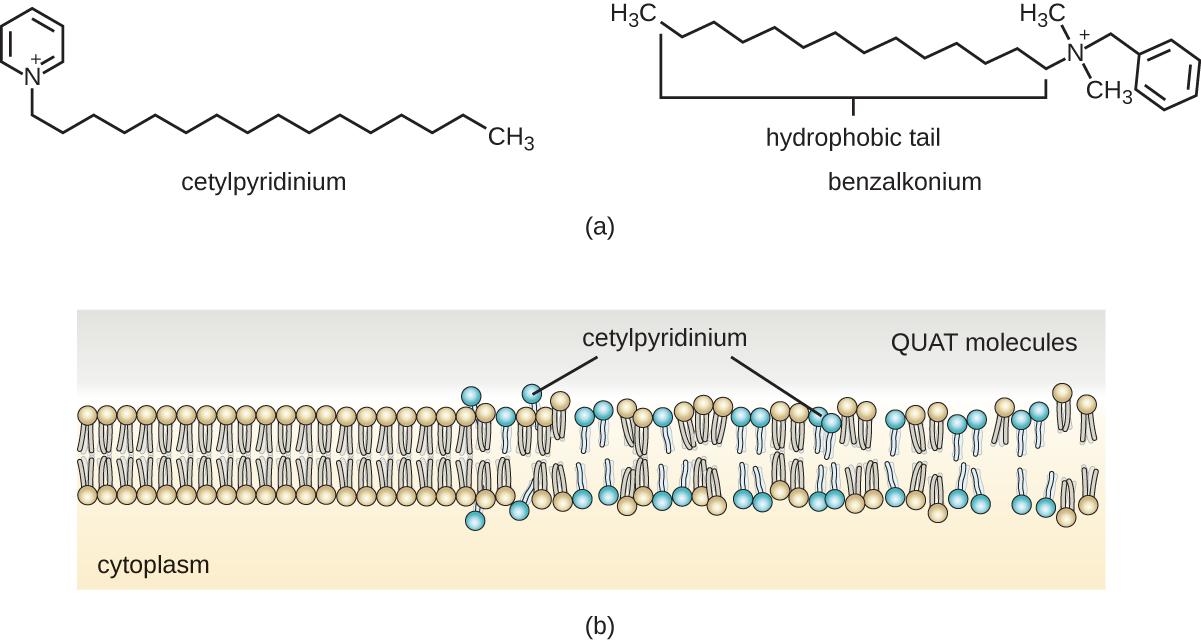
*   *Quaternary Ammonium Salts (Quats)*:
    *   Cationic detergents containing a positively charged nitrogen atom.
    *   *Mode of Action*: Amphipathic structure mimics membrane phospholipids, allowing insertion into the bacterial cell membrane, causing membrane disruption, leakiness, and cell lysis.
    *   *Examples*: Cetylpyridinium chloride, benzalkonium chloride (found in skin antiseptics, mouthwashes, and modern Lysol disinfectant sprays).

- Bisbiguanides:
- Mode of Action: Cationic molecules that disrupt cellular membranes, causing intracellular contents to leak.
- Examples:
- Chlorhexidine: Broad-spectrum antiseptic used as a surgical scrub, pre-operative skin preparation, and clinical mouthwash; offers long-lasting antimicrobial persistence on skin.
- Alexidine: Faster-acting bisbiguanide surgical scrub agent.
- Limitations: Ineffective against non-enveloped viruses, Mycobacterium tuberculosis, and bacterial endospores.

- Alkylating Agents:
- Mode of Action: Replace reactive hydrogen atoms in functional groups (, , ) with alkyl groups, causing lethal protein cross-linking and enzyme/nucleic acid inactivation.
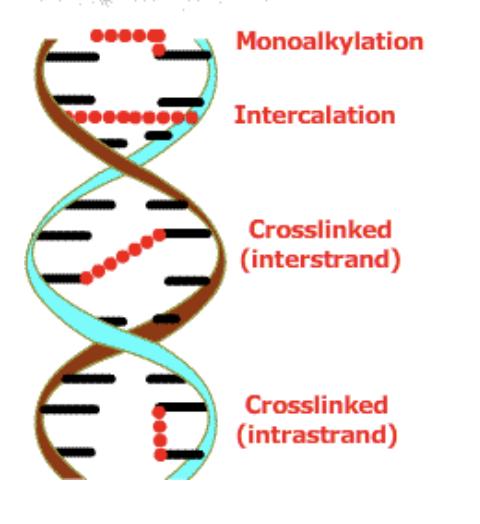
*   *Formaldehyde*: Potent chemical disinfectant and tissue fixative; cross-links functional groups in proteins and nucleic acids. Highly toxic and carcinogenic.
*   *Glutaraldehyde*: Acts faster than formaldehyde; used as a liquid sterilant/high-level disinfectant for heat-sensitive clinical devices (e.g., endoscopes).
*   *Ethylene Oxide (EtO)*: High-penetration gaseous sterilant used in specialized chambers to sterilize plasticware, delicate medical implants, and pre-packaged disposable instruments. Highly flammable, explosive, and carcinogenic.
Peroxygens:
- Mode of Action: Strong oxidizing agents that generate reactive oxygen species (ROS) such as hydroxyl radicals (), which damage lipids, proteins, and DNA.
- Examples:
- Hydrogen Peroxide (): Inexpensive disinfectant and antiseptic. Catalase produced by bacteria can decompose low concentrations, but higher concentrations overwhelm enzymatic clearance.
- Benzoyl Peroxide: Active agent in acne treatments; targets the obligate anaerobe Propionibacterium acnes (Cutibacterium acnes).
- Carbamide Peroxide: Formulated in whitening toothpastes and oral hygiene products to combat oral biofilms.
- Ozone Gas (): Used to disinfect municipal water supplies and air systems.
Supercritical Fluids:
- Mechanism: Created by subjecting a substance to temperature and pressure above its critical point, creating physical properties intermediate between liquids (dissolving power) and gases (penetration ability).
- Supercritical Carbon Dioxide (): Penetrates microbial cells and forms carbonic acid, lowering intracellular pH and killing vegetative cells and spores. It is non-toxic, non-flammable, and non-reactive, making it ideal for sterilizing biological tissues, food products, and delicate medical implants.

- Chemical & Natural Preservatives:
- Chemical Food Preservatives: Non-toxic organic acids that lower intracellular pH and inhibit enzymatic function (e.g., Sorbic acid, Benzoic acid, Propionic acid, Potassium sorbate, Sodium benzoate, Nitrites). Nitrites specifically prevent the germination of Clostridium botulinum endospores in cured meats.
- Natural Food Preservatives: Antimicrobial compounds produced naturally by microorganisms. Nisin is a bacteriocin produced by Lactococcus lactis that inhibits cell wall synthesis in Gram-positive bacteria; Natamycin is an antifungal macrolide used in cheese preservation.
Testing the Effectiveness of Antiseptics and Disinfectants
Testing Mandates:
- Regulatory authorities (e.g., US FDA, EPA, European regulatory bodies) require standardized efficacy testing to establish antimicrobial potency, contact duration, spectrum of kill, and stability.
Standard Assay Methods:
- Phenol Coefficient Method:
- Historical baseline method evaluating a disinfectant's potency against pure phenol.
- A phenol coefficient of indicates equal efficacy to phenol. A value indicates higher efficacy, while a value indicates lower efficacy.
- Disk-Diffusion Method:
- Filter paper disks impregnated with test chemical agents are placed on agar plates seeded with a lawn of target bacteria.
- Chemicals diffuse radially through the agar. Effective agents generate a clear zone of inhibition where microbial growth is blocked. Zone diameter reflects antimicrobial efficacy, diffusion rate, and solubility.
- Use-Dilution Test:
- EPA standard method for testing disinfectant claims on hard non-porous surfaces.
- Stainless steel carriers are dipped in liquid bacterial cultures, dried, and immersed in dilutions of the disinfectant for a standardized contact time. Carriers are then transferred to sterile growth broth; absence of turbidity confirms effective surface disinfection.
- In-Use Test:
- Clinical assay determining whether working solutions of disinfectants in healthcare facilities have become contaminated during routine use.
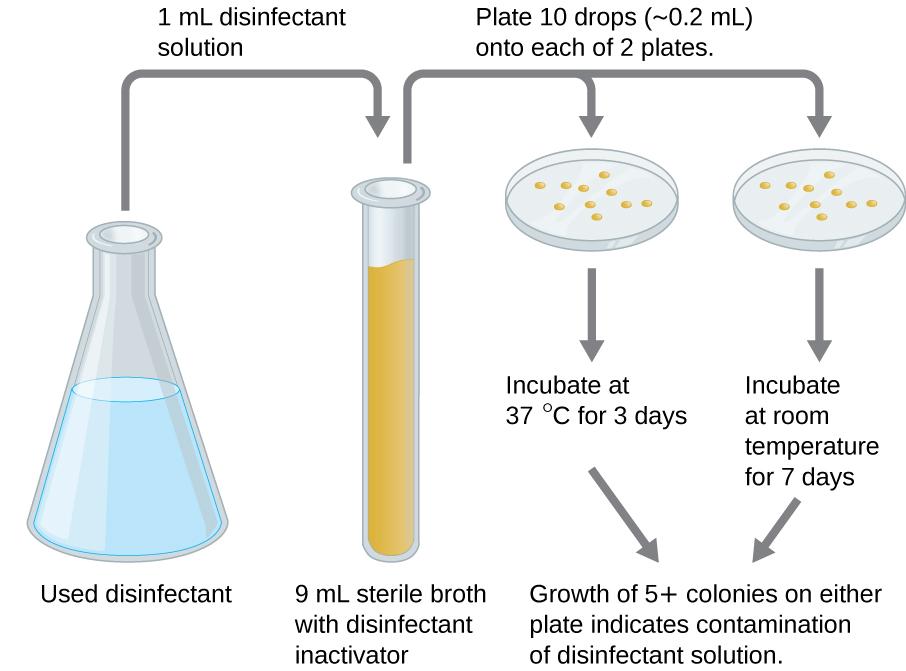
- Protocol: of used disinfectant solution is mixed into of sterile broth containing a disinfectant inactivator. Ten drops (approx. ) are transferred onto each of two agar plates. One plate is incubated at for 3 days; the second is incubated at room temperature () for 7 days. Growth of 5 or more colonies on either plate indicates that the disinfectant solution is contaminated and must be discarded.
- Phenol Coefficient Method: