Plant Biology Lab: Final Exam Notes
Genetics and Heredity
Definitions
DNA - polymer composed of repeating subunits called nucleotides
Nucleotides - adenine, thymine, cytosine, and guanine; 5-carbon sugars composed of a phosphate and a nitrogenous base
Purines - nucleotides with two rings (A and G)
Pyrimidines - nucleotides with one ring (T and C)
Locus - location of gene on a chromosome
Allele - variation of genes
Homozygous - two identical alleles at a locus
Heterozygous - two different alleles at a locus
Genotype - genetic makeup
Phenotype - physical appearance
Two principles of Mendelian genetics - principle of segregation and principle of independent assortment
Principle of segregation - two members of a gene pair separate during meiosis
Principle of independent assortment - the segregation of one allele pair is independent of the equal segregation of the other allele pair
Monohybrid and Dihybrid crosses
The results of crossing two heterozygous parents in a monohybrid cross are a phenotypic ration of 3:1 and a genotypic ratio of 1:2:1 assuming that there is no incomplete dominance at play
The results of crossing two heterozygous parents in a dihybrid cross is a genotypic ratio of 1:2:1:2:4:2:1:2:1 and a phenotypic ratio of 9:3:3:1
Quiz and Lab Sheet Answers
Alleles are different variations of genes
Adenine, thymine, guanine, and cytosine are the nucleotides present in DNA
The phenotypic ratio of a dihybrid cross is 9:3:3:1
DNA is located in the nucleus
DNA molecules are in the shape of a double helix
When extracting DNA, ethanol is ice cold to make the DNA condense
When extracting DNA extraction buffers are used to break down membranes
Bryophytes and Ferns
Introduction
Bryophytes are non-vascular plants
Ferns are seedless vascular plants
Alteration of generations refers to the two phases that occur in cycles in plants that undergo sexual reproduction. The two primary stages are gametophyte and sporophyte
In more primitive plants, such as mosses, the gametophyte stage is dominant.
Higher plants like ferns and fern allies have sporophyte stage as dominant.
Gametophytes produce gametes in a social structure called a gametangium
Sporophytes produce spores in a structure called a sporangium
Bryophytes
Bryophytes include mosses, liverworts, and hornworts. We are Most familiar with mosses most of the time.
In bryophytes the sporophytes are dependent on the gametophytes
Sexual reproduction requires water in bryophytes
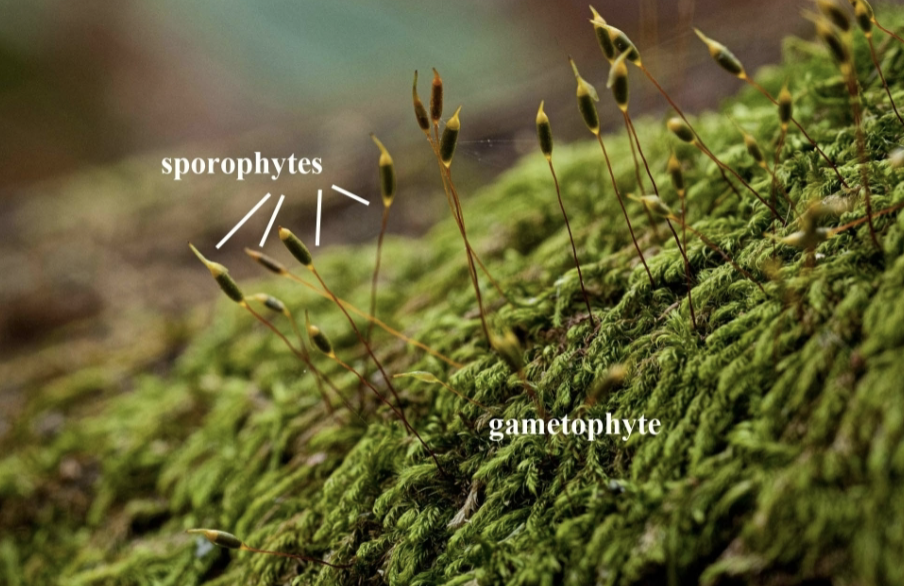
Sex Organs in Bryophytes
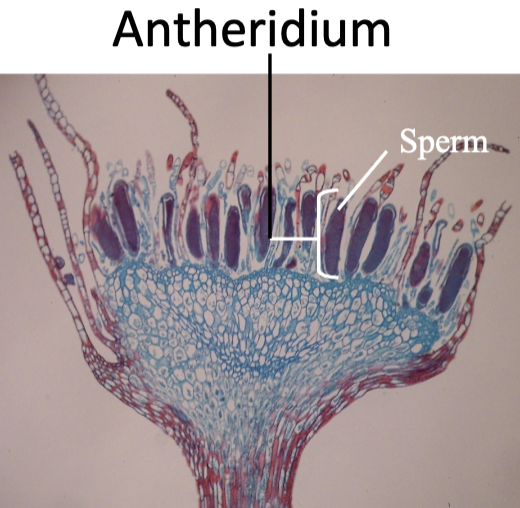
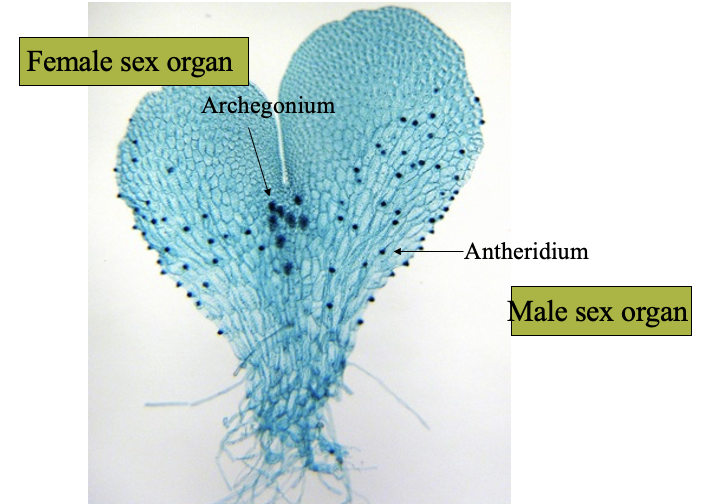
The male sex organ of a moss is the antheridium
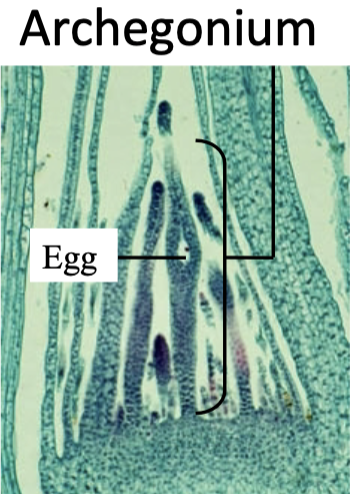
The female sex organ is the archegonium
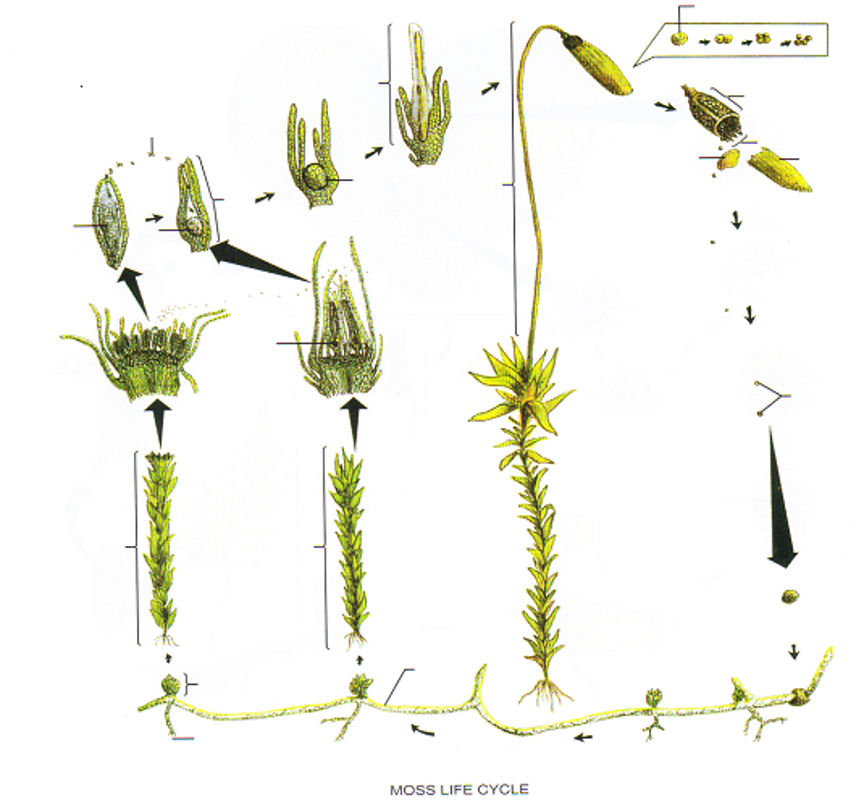
Protonema - one of the earliest stages in a moss’s life cycle. When a moss spore geminates it results in a mass of thread-like or flattened tissues
Calyptra - covering tissue for a capsule containing spores
Operculum - bud cap that covers the peristome
Peristome - modified opening consisting of a ring of “teeth” that allows for gradual release of spores
Seedless Vascular Plants
Ferns!
Classified as vascular because they have xylem and phloem. Also differentiated from bryophytes due to the presence of roots, stems, and leaves.
Dominant phase is sporophyte
Sexual reproduction requires water
Frond - diploid sporophyte
Sorus - collection of sporangia where meiosis occurs
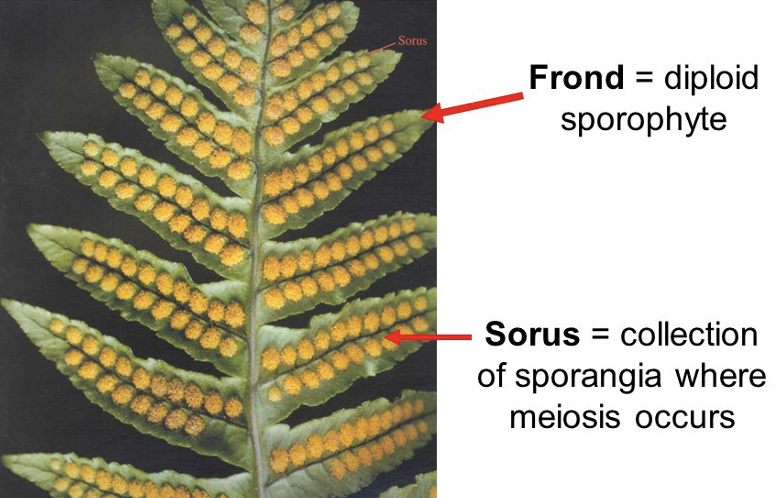
Each dot in an individual sorus, a cluster of sporangia
Indium - a papery covering over the sorus that protects the sporangia from excessive air exposure, drying, and other hazards
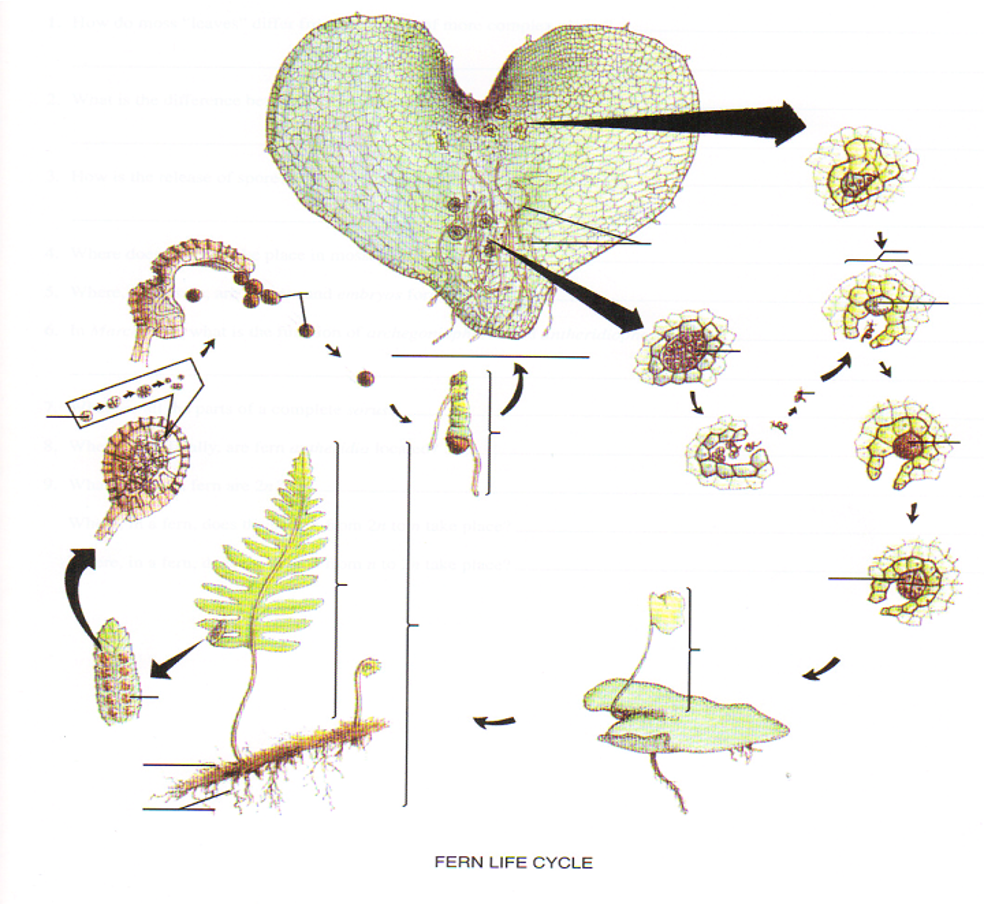
The gametophyte stage in the life of a fern is known as the prothallus
Quiz and Sheet Answers
What is the dominant phase of bryophytes? Gametophyte
What is the dominant phase of ferns? Sporophyte
What is the male sex organ of moss? Antheridium
What is the female sex organ of moss? Archegonium
Sheet is only the life cycles! Be sure to review them.
Kingdoms Bacteria, Protista, and Fungi
Taxonomy and Classification
Three domains (Bacteria, Archaea, and Eukarya) split into six kingdoms (Bacteria, Archaea, Protista, Fungi, Plantae, and Animalia)
Protists are eukaryotes that are never multicellular and do not show differentiation into tissues
These are followed by phylum, class, order, family, genus, and species
Eukaryotic cells have nuclei and membrane-bound organelles
Prokaryotic cells lack nuclei and membrane-bound organelles
Autotrophic - synthesizes its own food
Heterotrophic - feed on others
Domain Bacteria Kingdom Bacteria
Includes prokaryotic cells that undergo reproduction asexually via fission.
Heterocyst - special nitrogen fixing cells; often a large, transparent, thick-walled cell found in the filaments of certain blue-green algae and in certain fungi
Domain Eukarya Kingdom Protista
Contains eukaryotic cells that are mostly autotrophic
Reproduce sexually and asexually
Includes Spirogyra which has spiral chloroplasts
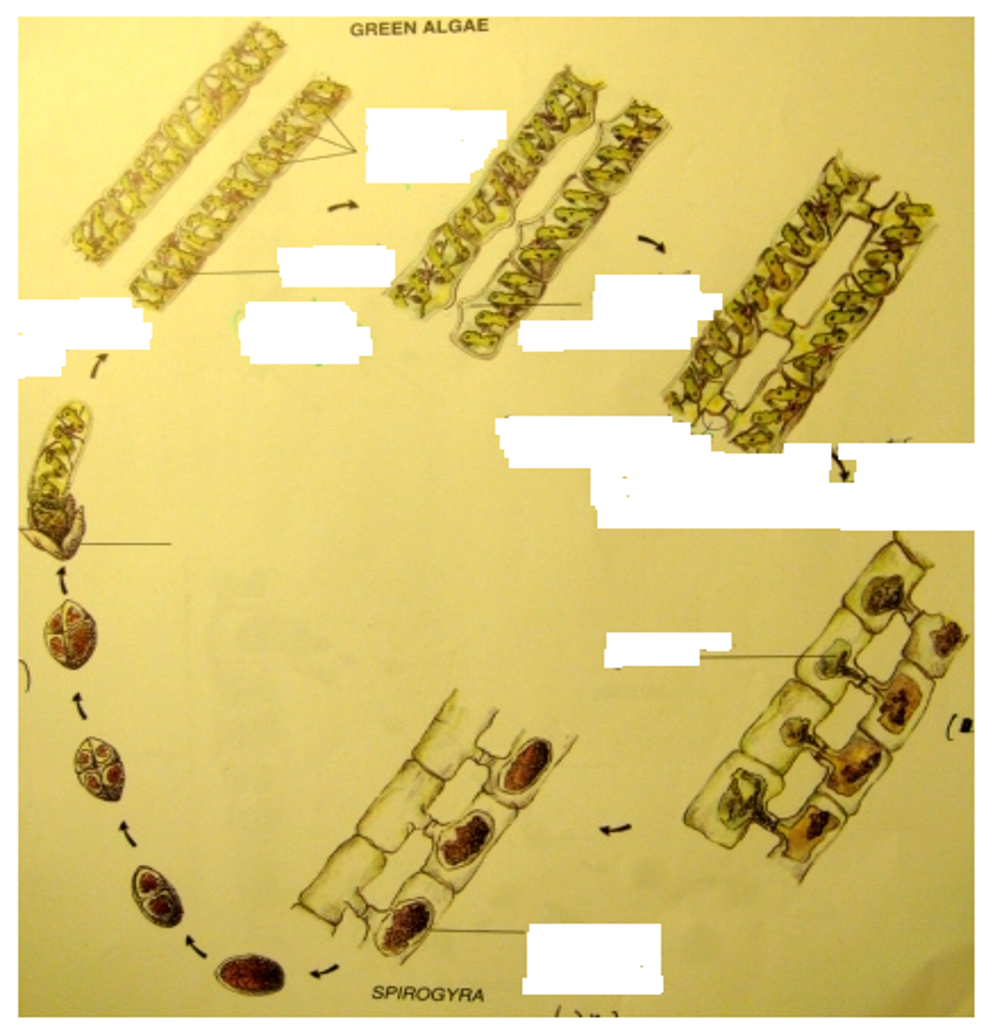
Pyrenoids - protein body in algal chloroplasts involved in carbon fixation, starch formation, and starch storage
Euglena can detect light
Diatoms!
Kingdom Fungi
Fungi are grouped by the type of sexual spores they produce into three phylum: Zygomycota, Ascomycota, and Basidiomycota
Fungi are eukaryotic and reproduce using spores. They are differentiated from plants due to their heterotrophic nature and their cell walls being made up of chitin rather than cellulose.
Spores are units of asexual reproduction. A single spore developed into a new organism
Gametes are units of sexual reproduction. Two gametes need to fuse to create a new organism
Zygomycota
Sexual spores are thick-walled spores called zygospores
Spores occur in the sporangium in Zygomycota
Filaments are called hyphae, a mass of hyphae is called mycelium
Mycelium is the vegetative part of a fungus consisting of a mass of branching, thread-like hyphae.
Rhizopus - a genus of fungi within the Zygomycetes class, example is the fungus that grows on bread.
Columella - a sterile structure that extends into and supports the sporangium. May actually belong to the host organism instead of the fungi itself
Sporangiophore - a specialized hypha bearing sporangia
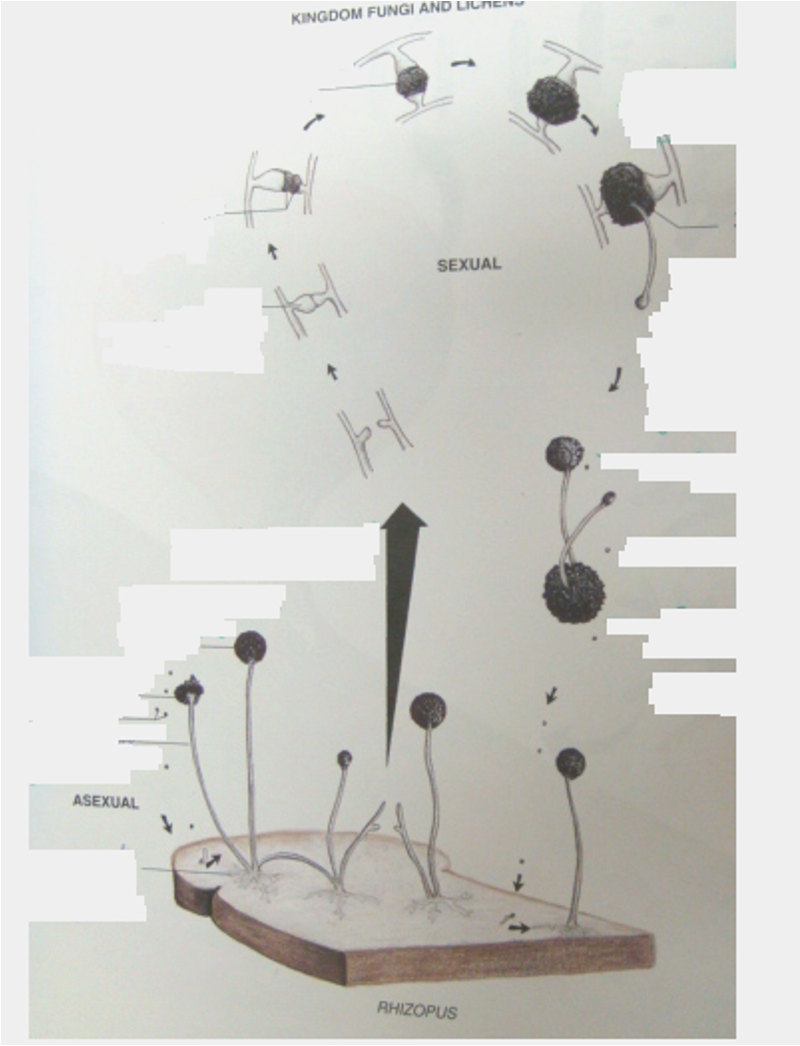
When a plus strain of bread mold meets a minus strain, the two hyphae create structures called gametangia, fusing and exchanging chromosomes in a process called karyogamy
Zygospores are held in place by suspensor cells made up of the former gametangia. They have thick coats known as zygosporangium to prevent drying out or destruction from ultraviolet rays
Karyogamy only occurs when conditions are unfavorable for the other kind of growth. Otherwise, bread mold typically propagated via asexual reproduction.
Ascomycota
Ascomycota - spores internally borne in a sac called an ascus
Example include morels and truffles
Spores occur in the conidia in ascomycota.
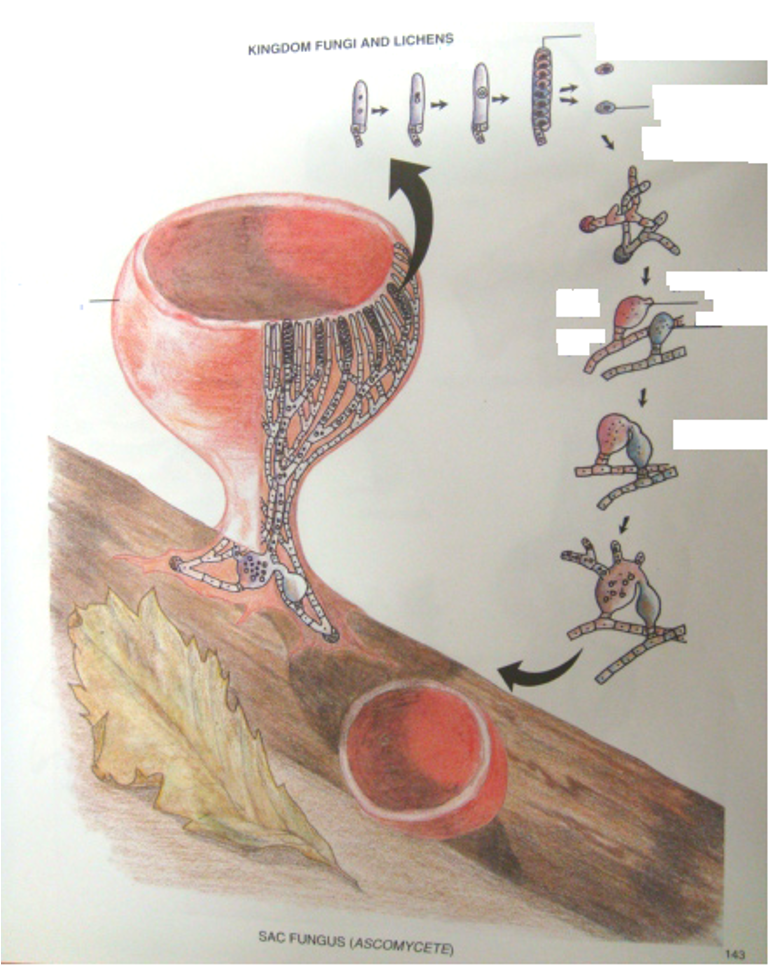
Plasmogamy - the cytoplasm of two parent cells fuses together without the fusion of nuclei, effectively bringing two haploid nuclei close together in the same cell
Basidiomycota
In Basidiomycota spores are borne externally on a club shaped structure known as a basidium
Sterigmata - a spore-bearing projection from a cell
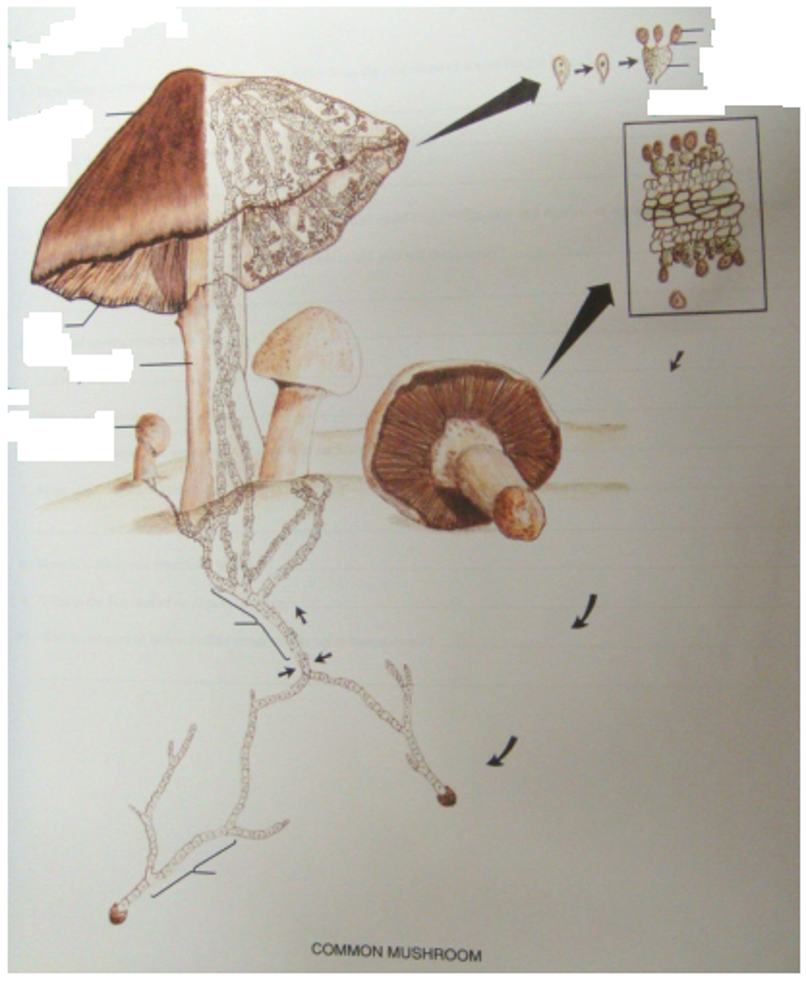
Overview
How can you separate the three major lineages of fungi?
In Zygomycota sexual spores are thick-walled, resting spores called zygospores
In Ascomycota spores are borne internally in a sac called an ascus
In Basidiomycota spores are borne externally on a club-shaped structure called a basidium
Gymnosperms and Angiosperms
Gymnosperms are cone-bearing plants
Angiosperms are flowering plants
Homosporous plants have one spore type. They tend to be haploid and develop into gametophytes in mosses and ferns
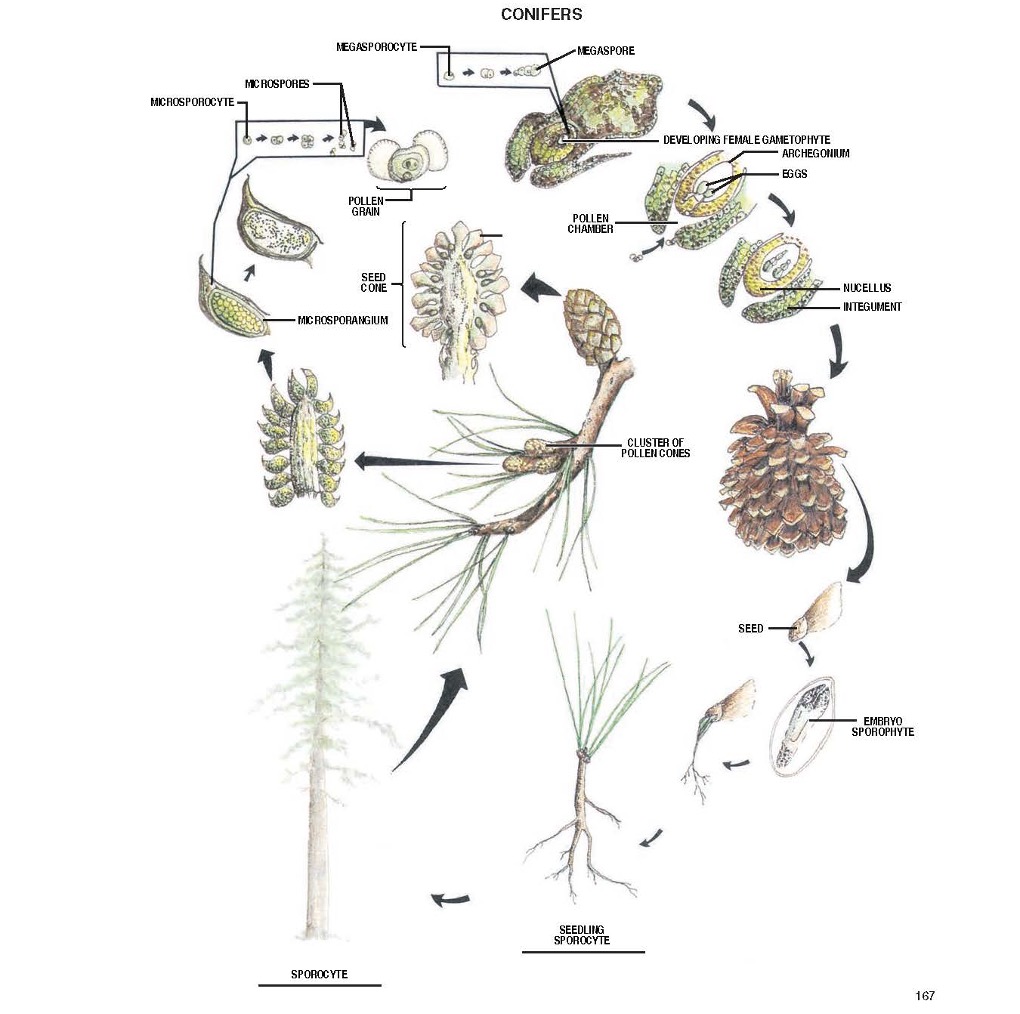
Heterosporous have two spore types, the megaspore and microspore, on the same plant
Megaspore is a female spore that develops into a female gametophyte (example: the cones on evergreen trees)
Microspore is a male spore that develops in a male gametophyte. They are smaller and grow in clusters at the tips of branches.
Gymnosperms
Main characteristics:
- In gymnosperms seeds are not enclosed in an ovary that develops into a fruit
- Gymnosperms have a vascular system
- Gymnosperms are heterosporous
- Gymnosperms are sporophyte dominant
- Water is not required for reproduction in gymnosperms
- In gymnosperms gametophytes are not free living
Nucellus - develops into perisperm that feeds the embryo
Angiosperms
Characteristics:
- Angiosperms have a vascular system
- Angiosperms do not require water for reproduction
- Angiosperm gametophytes are not free living
- Angiosperms are sporophyte dominant
- Angiosperms are heterosporous
- Angiosperms have fruit with seeds
- Angiosperms use animal pollinators
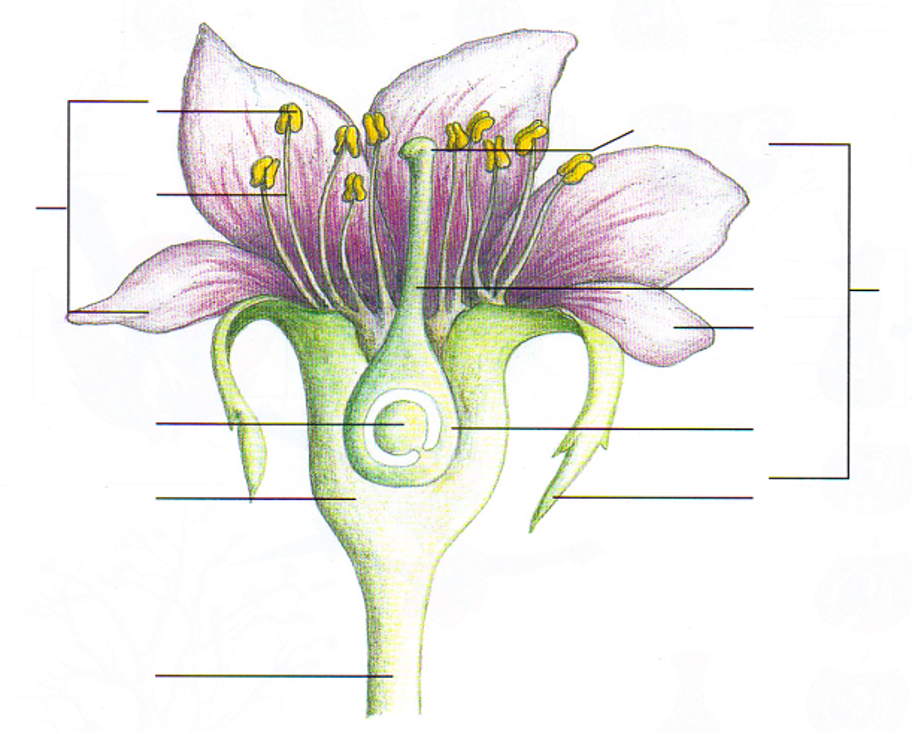
Pistil - consists of one or more carpels and consists of an ovary, stigma, and style
Complete flowers have all four basic parts of a flower (sepals, petals, stamens, and carpels)
Incomplete flowers are missing one or more parts that are included on a complete flower (sepals, petals, stamens, and carpels)
Perfect flowers have both male and female part of a flower
Imperfect flowers have only the male or the female part of a flower, not both
Monoecious plants have both male and female imperfect flowers on the same plant
Dioecious plants only bear male or female imperfect flowers
Imperfect flowers are always incomplete, but incomplete flowers are not always imperfect
Fruits and Seeds
The term fruit refers to a mature ovary that contains seeds
Pollination is the process y which pollen is transferred from anther to stigma
Fertilization is the process of fusion of two gametes
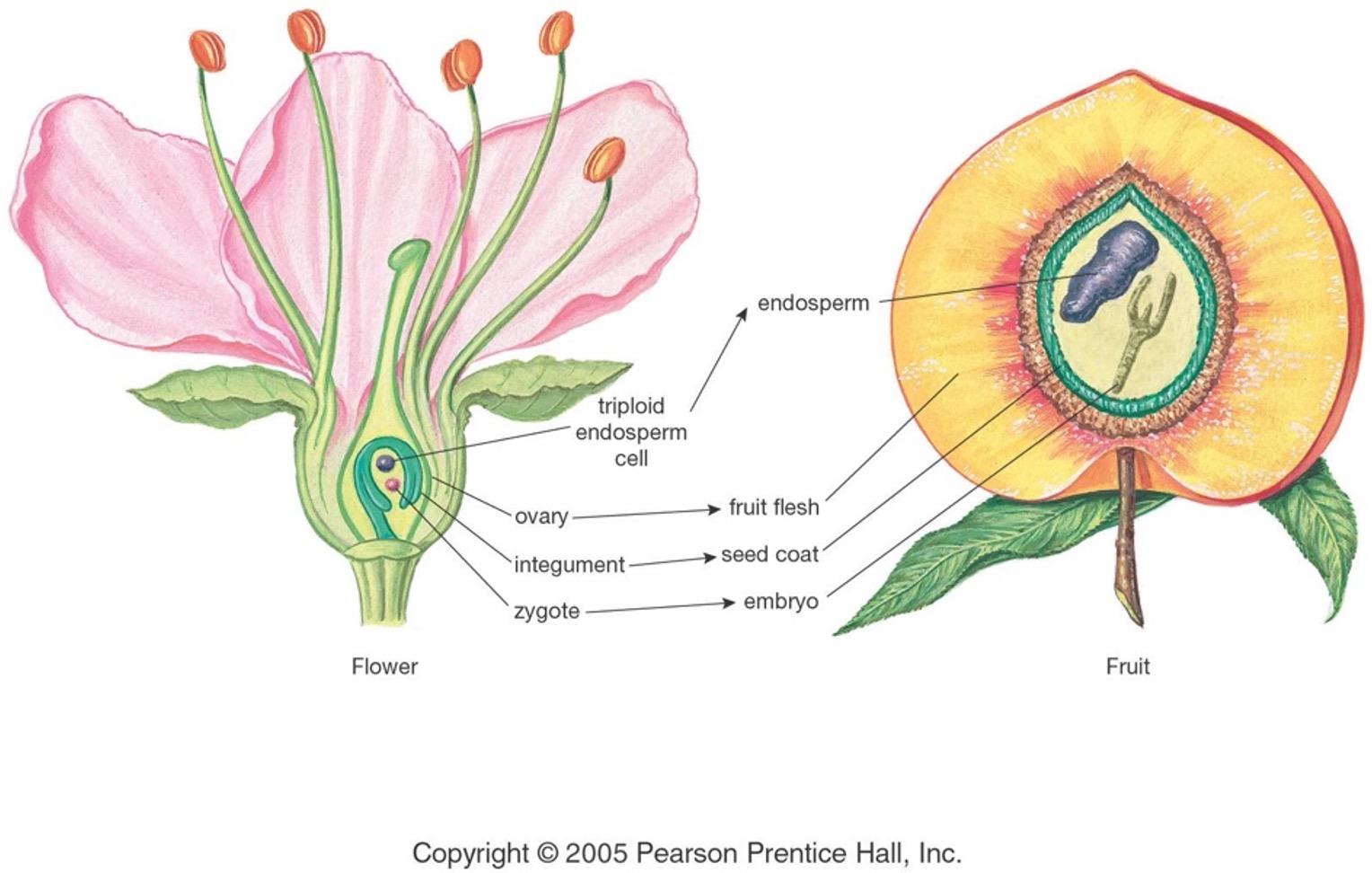
The form of a fruit gives an idea about its dispersal. Dry fruits with wings or parachutes may be wind-dispersed, fleshy fruits are often dispersed by animals, explosive fruits can fling seeds, and floating fruits may be water dispersed.
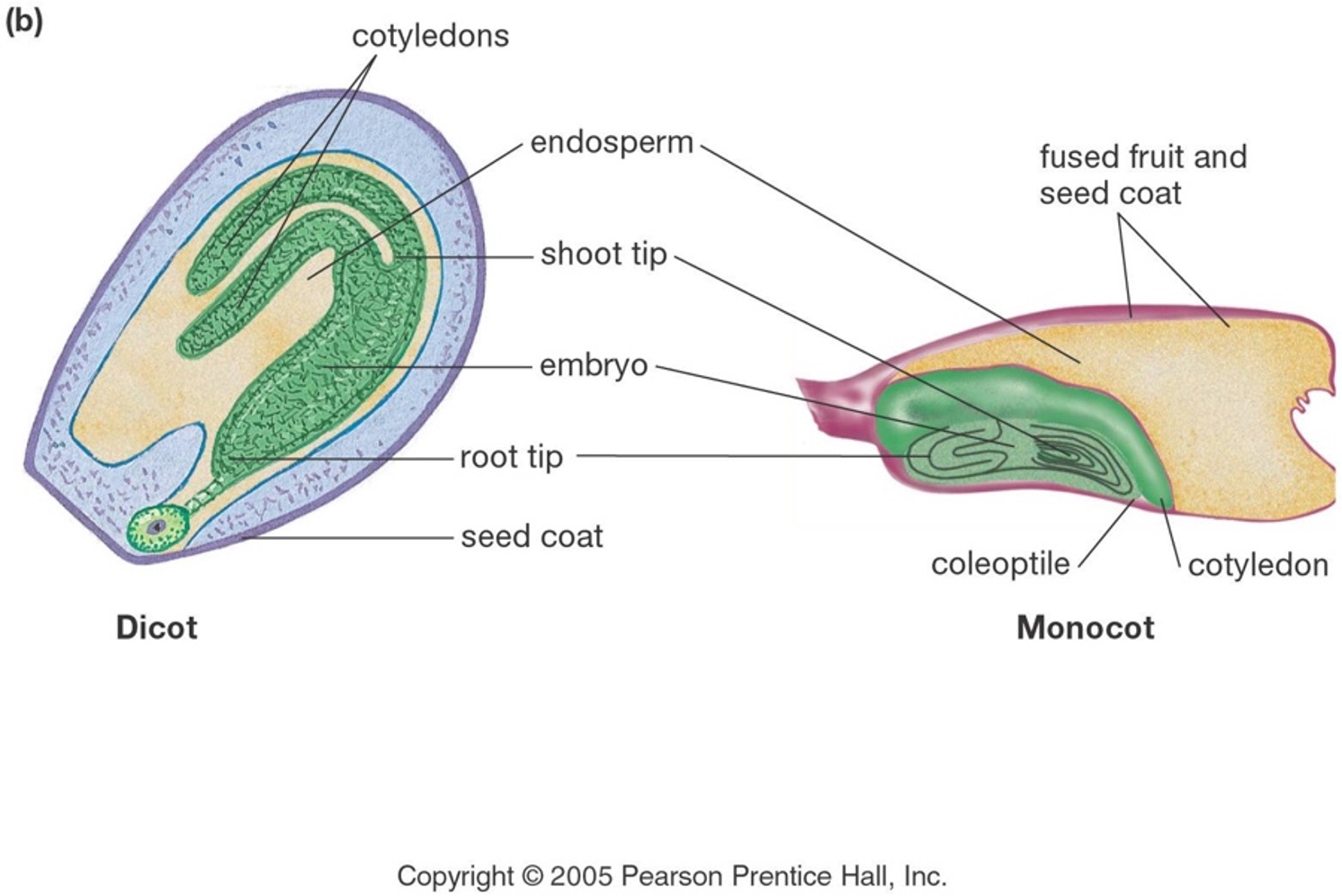
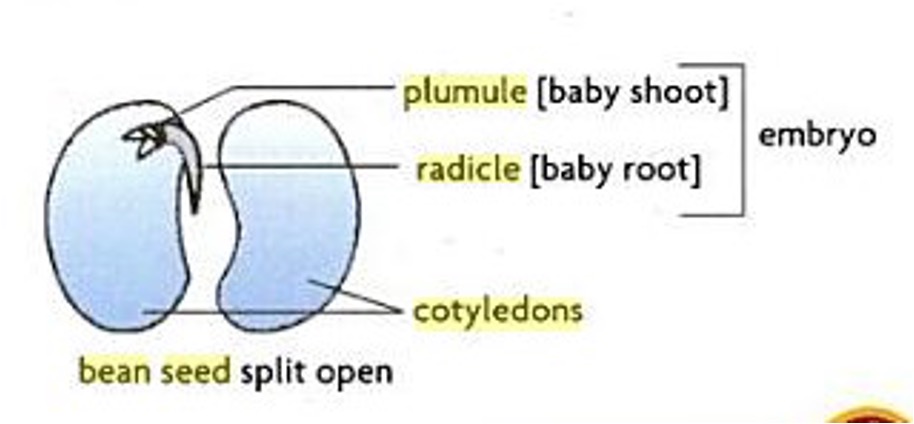
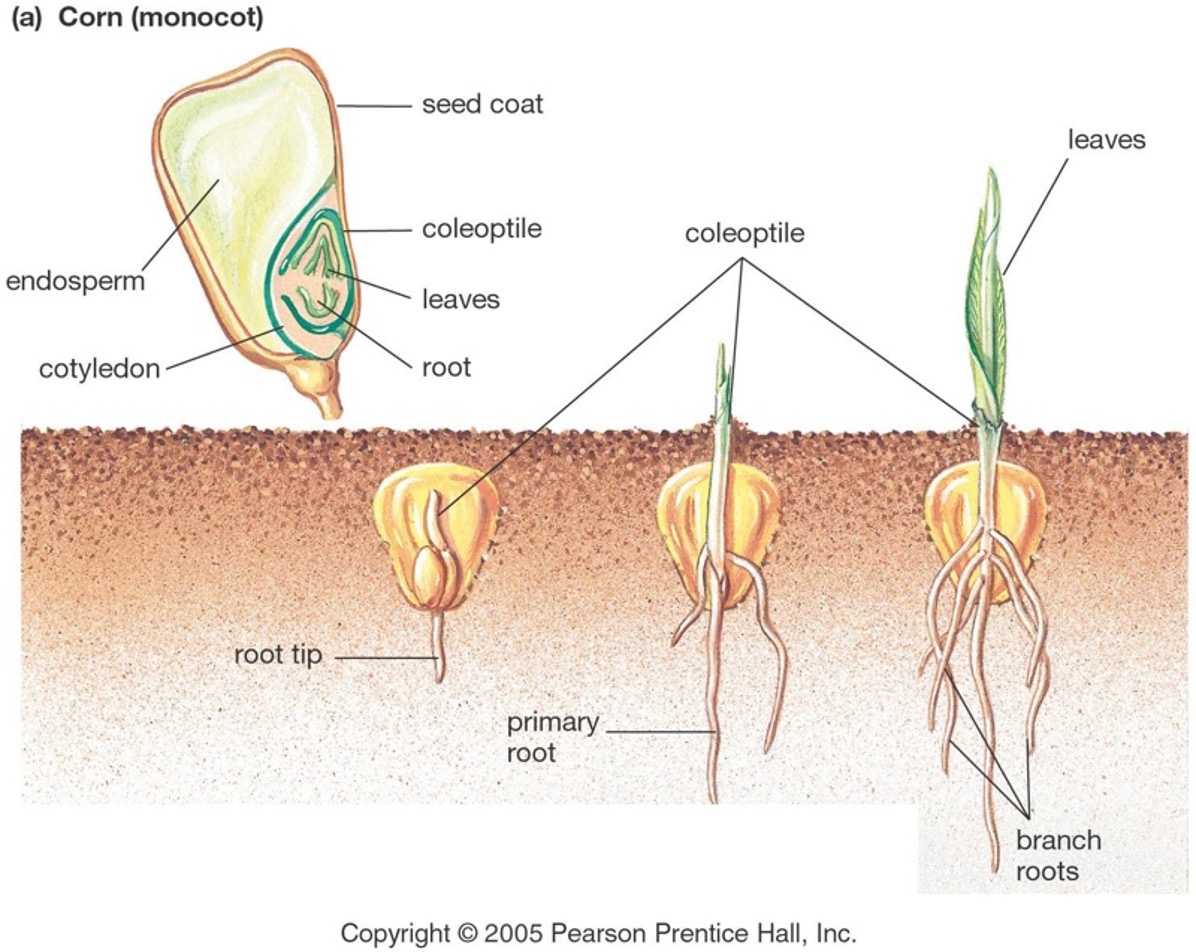
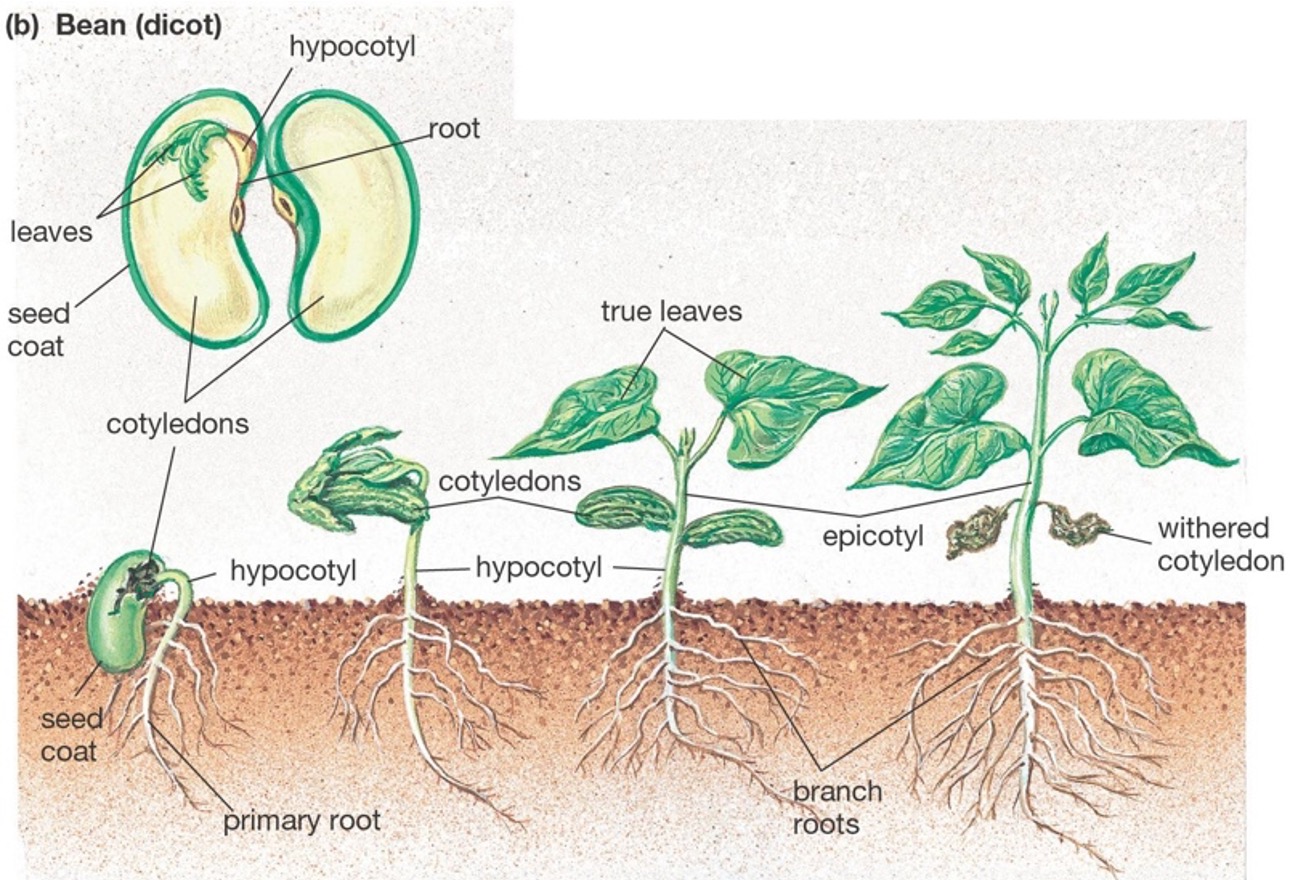
Seeds may remain dormant in soil for long periods of time to ensure that germination occurs in proper conditions
Seeds require moisture and correct temperature to germinate and break dormancy
Fleshy Fruit
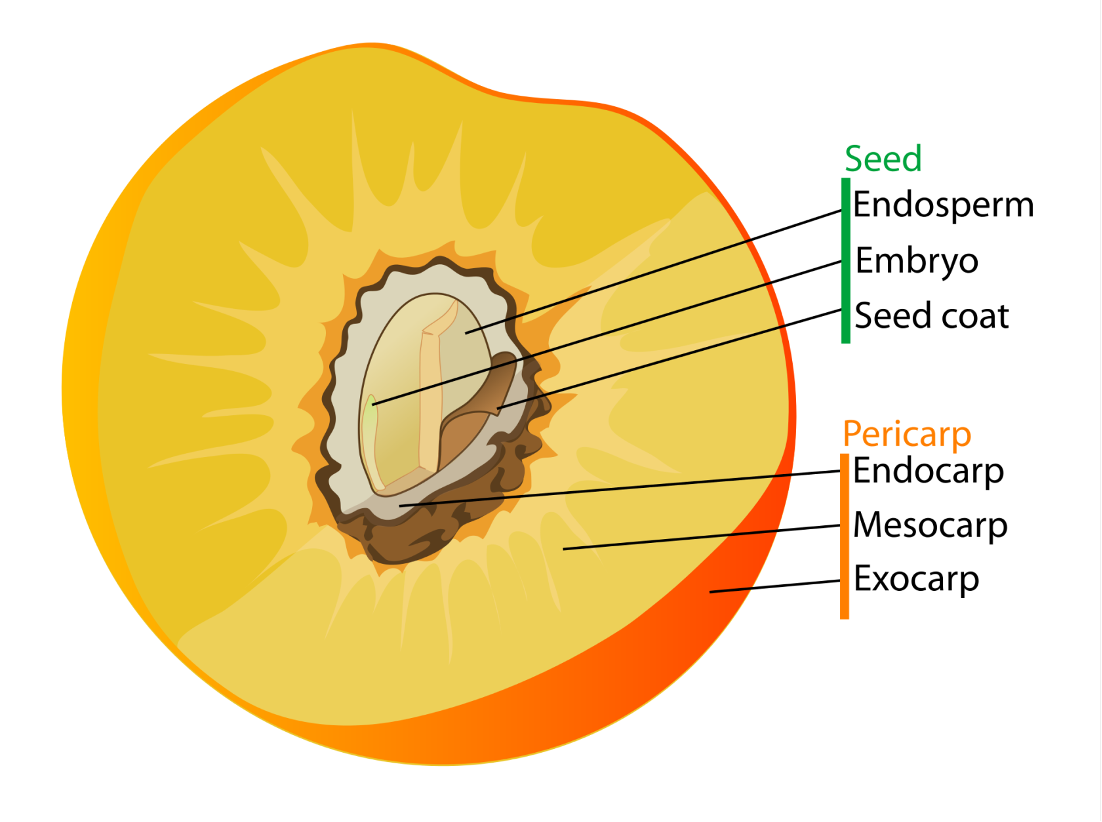
Fleshy fruits have three regions of ovary tissue:
- Exocarp (skin)
- Mesocarp (fleshy part)
- Endocarp (directly adjacent to the seed)
- Fleshy simple fruits are produced by flowers containing one pistil
- Fleshy aggregate fruits develop from flowers which have more than one pistil
- Fleshy multiple fruits develop from a cluster of flowers known as an inflorescence
- Fleshy accessory fruits are developed from plant parts other than the ovary
Fleshy Simple Fruits
Fleshy simple fruits are divided into berries, hesperidium, pepo, drupes, and pomes
Berries are characterized by the ovary wall becoming fleshy throughout, with examples including tomatoes, grapes, pomegranates, and eggplants
Hesperidium are modified berries in which the outer part of the ovary wall becomes leathery, typically referring to citrus fruits
Pepo is a berry with a relatively thick rind derived from teh receptacle, such as cucumbers, pumpkins, and watermelons
Drupes typically have fleshy mesocarp and a single seep eclosed in a hard pit, such as peaches, almonds, cherries, and mangoes
Pomes have leathery or papery endocarps surrounded by fleshy accessory tissue derived from the floral tube, such as apples and pears
Accessory fruit defines a false fruit also known as a pseudocarp where parts other than the ovary and its wall are important in forming the fleshy fruit
Fleshy Aggregate Fruits
Polydrupes are formed from the development of several simple carples from a single flower, including strawberries and blackberries
Aggregate fruit develops from one flower
Fleshy Multiple Fruits
Multiple fruits are fused fruits that form from an inflorescence, such as mulberries and pineapples
Multiple fruits develop from multiple flowers
Dry Fruits
Dry fruits have all three regions of ovary tissue fused into one layer known as the pericarp
Dry fruits are divided into indehiscent and dehiscent fruits, and further categorized from there
Indehiscent Dry Fruits
Indehiscent dry fruits are characterized by not opening at maturity
They are divided into achene, caryopsis, samaras, and nuts
Achene are small, one-seeded, and characterized by the pericarp and seed being loosely attached, such as sunflowers
Caryopsis are also known as grains and have the fruit wall fused to the seed coat, such as oats, wheat, and corn
Samara have one or more wings, like helicopter seeds from maple and ash trees
Nuts have a hard shell surrounding the seed such as buckeyes, hazelnuts, and acorns
Dehiscent Dry Fruits
Dehiscent dry fruits open at maturity to shed their seeds
They are divided into legumes, follicles, and capsules
Legumes split along both edges and include beans and peas
Follicles split along one edge only, such as milkweed
In capsules the pericarp splits along carpel lines, such as in lilies