PDH
A Beautiful Mind
Wellbeing
Wellbeing is a combination of one's physical, mental, social, cognitive and spiritual health which leads to happiness and satisfaction of life.
Factors Impacting Wellbeing
Nutrition
Health
Beliefs
Environment
Quality of life
Purpose
Sense of identity
Sense of Self and Wellbeing
What someone thinks, feels and believes about themselves and it can be influenced by relationships, interactions and experiences.
Knowing values
Education
Relationships
Access to health
Good sense of self can lead to a sense of purpose and identity within life which leads to a positive attitude towards things. This in turn can improve one’s well being as they will have strong beliefs and purpose in life.
Bad sense of self can lead to disconnection in life and negative emotions which decrease one’s sense of self and identity and decrease their wellbeing.
Resilience
Characteristics
Determinated
Positive
Grit
Work ethic
Never giving up
People such as Jessica Mauboy were resilient as they faced challenges such as panic attacks when performing. She persevered and achieved success by being resilient and not letting her anxiety control her life.
ANTS
Automatic negative thoughts which impact your mood and influence behaviour.
Helpful thinking can shape the way you feel about yourself and life, negative thoughts can be unhelpful and put stress on relationships.
Management
Meditation
Decreases anxiety
Improve memory
Smiling mind
Calm
Gives a sense of peace and balance which improves mental health and can be useful in coping with stress
Food
Eating a well balanced nutritional diet can give a better night's sleep
Gives more energy which improves headspace and concentration
Decreases craving for high in sugar foods
Exercise
Better sleep
Raise energy levels
Lengthens attention span
Changes the anatomy and function of the brain
Sleep
Better mood
Less stress
Restored energy
8-10 hours of sleep
Mental Health Conditions
Anorexia
Eating disorder characterised by a low body weight and a distorted perception of weight.
Dehydration
Dizziness
Fainting
Fatigue
Treatments include:
Nutrition rehab
Hospitalisation
Medication
Support Services:
The Butterfly Foundation
Confidential support
Aids family and friends looking to help
National Eating Disorder Collaboration
Stigmas
Stigmas attached to Mental health derive from a lack of understanding and ignorance.
Discriminated against
Exclusion
Avoid treatment
Because the illness is within the mind people assume that one may be crazy or faking it.
Empower Me
Women's health and Rights of Young People in Healthcare
Women’s health issues:
Breast cancer
Ovarian cancer
Cervical cancer
Endometriosis
STI’s
Iron deficiency
Toxic shock syndrome
Rights and Responsibilities
Rights Responsibilities |
|
Factors Affecting Access to Healthcare
Many factors can influence one's access to adequate healthcare these can include:
Family
For some people family can be crucial in decision making as their familial values can heavily influence what they want from their healthcare.
Geographical location (rural or urban)
Living in a rural location can impact access to healthcare as the only doctor can be a long way away which contrasts to urban areas where there are an abundance of doctors.
Money
Not having money can limit access as an individual may not be able to pay for specific treatments or medications.
Religion
An individual may want to speak to a doctor with the same religion or religion can impact decision making such as a catholic woman who may not want to abort her baby because of catholic values.
Culture
An individual may want a doctor with the same cultural background so they feel comfortable, different cultures may also have different beliefs such as a chinese person who may want to use traditional chinese medicine rather than modern western medicine.
Age
May impact someones decisions regarding their health as a young person may not be able to make a properly informed decision so parents may have to step in to make a decision. Young people may also not be able to communicate how they feel.
Education
Can influence whether someone seeks to see a medical practitioner or not such as someone who was educated on breast cancer who self checks and feels a lump compared to someone with no education regarding breast cancer who has it, but does not check and realise
Breast Cancer, Cervical Cancer and Ovarian Cancer
Breast Cancer:
The abnormal cell growth within breast tissue which can be both genetically linked or non-hormonal.
1 in 7 women diagnosed
Common around 40 years
2nd most diagnosed cancer in Australia
Signs and Symptoms:
Lumps
Pain or swelling
Abnormals fluids
Treatment:
Radiation therapy
Surgery to remove tumour
Medications
Diagnosis:
Self breast checks
Regular self breast checks at the same time each month
Notice differences and any lumps
8 out of 10 women diagnose themselves with self breast checks
Early detection is vital to catch the cancer in the early stages
The National breast cancer foundation is an example of a foundation which raises awareness for breast cancer through fundraisers which are open to anyone in the community to run.
Cervical cancer:
Growth of abnormal cells within the lining of the cervix.
Signs and Symptoms:
Bleeding between periods
Pelvic pain
Changes in discharge
Treatment:
Surgery
Radiotherapy such as chemo
Diagnosis:
Cervical screening test
Anyone with a cervix between 25 and 74 years is eligible to be tested
Look at the cervix for any abnormalities
Ovarian cancer:
Malignant tumour in one or both ovaries.
Signs and symptoms:
No obvious signs
Bloating
Difficulty eating
Pelvic pain
Constipation
Treatment:
Surgery
Chemotherapy
Diagnosis:
Through biopsies of the tissue as the doctor cannot see the ovaries through an examination like the cervical screening
Catholic values and influence on health
The catholic perspective on sex is:
It is a gift to bring life
Bring a couple together
Contraceptives are seen as a barrier to prevent life so it is not supported as it is not creating life
Partners should be married as it should be with a lifelong partner
The Catholic church is open to Natural Family Planning as a method to increase or decrease the chance of falling pregnant but there is no physical barrier to life being created.
Sexually Transmitted Infections
Open communication
Sexually transmitted infection Signs and Symptoms Treatment |
Chlamydia Females: Burning sensation when urinating, unusual discharge, pain in belly Males: Pus and burning while urinating dose of antibiotics and sometimes pills |
Gonorrhoea females: pelvic pain, unusual discharge often no obvious symptoms Males: pain while urinating 10 day course or one off dose of pills given from doctor |
Genital warts warts, itchiness around anus, skin burning sensations topical anti tumor medications but they may go away on their own |
Herpes Simplex 2 pain or itching around the genitals Small bumps or blisters Painful ulcers that form Painful urination Medications from the doctor such as Acyclovir and Valacyclovir |
Hepatitis B Darker urine, pale faeces, yellowing of the skin and eyes Fever and extreme tiredness Stomach pains and vomiting no complete cure |
Hepatitis C no symptoms at first but later on symptoms such as jaundice and flu like symptoms may occur. There may be symptoms such as tiredness, pain in abdomen, nausea and dark urine Drug called Interferon may work for some people but not everyone. There is no vaccine |
HIV Similar to the flu but some people may get symptoms between 2 and 7 years after they first got infected No cure but the symptoms can be helped through medications |
Contraception
Contraception is a method used to prevent pregnancy.
Condom: 98% effective and protects against STIs however it is made from breakable materials and must be replaced every time
Birth control pill: 99.7% effective and has health risks and does not protect against STIs
IUD: 99.8% effective but does not protect against STIs and can also be painful
Implant: 99% effective and lasts 3 years, slight pain and may leave a scar
Pull out method
Young people use contraception often to avoid pregnancy and catching STDs, not all forms of contraception protect against STIs as there still may be contact between skin or fluids.
Consent
Healthy Relationships and Impact of Pornography
ROAD SAFETY
Towards Zero Campaign
The Four Safe Systems
Safe System Area Description |
Safe People All road users are safe including pedestrians 
|
Safe Roads Road safety features such as ribbed lines so people know when they are going off the road to keep safe
|
Safe Speeds Driving faster leads to more severe crashes so if speeds are slower then crashes if there are any will be less severe 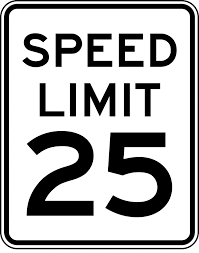
|
Safe Vehicles Safety features in cars with things such as crumple zones and seat belts which improve the safety of a car if a crash occurs
|
Factors Affecting Road Safety
Risks: Situations which expose danger to someone or which can have an adverse effect. Positive risks include going for jobs, negative risks include drink driving.
Reasons for Road Accidents:
Emotions
Peer pressure
Alcohol
Gender
People in car
Time
Weather
Speeding
Fatigue
Graduated Licensing Scheme
It is useful in increasing road safety as it teaches people to be safe and low risk drivers through its experiences, restrictions, conditions and tests.
Restrictions on Licences
L Red P Green P |
120 hours 90 km/h speed limit DKT test Supervised by full licence Hazard perception test Driving test 90 km/h speed limit Can't drive with more than one passenger under 21 between 11pm and 5am 12 months 100km/h speed limit 24 months before applying for full licence |
Distractions
Why do distractions increase chance of accidents
It will slow down reaction time and put someone in danger of not seeing hazards including traffic lights, stop signs and other users.
Passengers
Loud music
Phones
Taking your eyes off the road for longer than two seconds doubles the risk of a crash.
Mobile phones
Fatigue
Speeding
Alcohol
How can alcohol affect driving ability
Alcohol is a depressant meaning it slows down reaction time which increases a risk of a crash.
Short Term Effects |
After a few drinks Elevated mood, relaxed, poor concentration, slow reflexes |
A few more Fewer inhibitions, more confidence, less coordination, slurred speech, intense moods |
And a few more Confusion, blurred vision, poor muscle control |
More still Nausea, vomiting, sleep |
Even more alcohol May cause coma or death |
BAC
Blood alcohol content/concentration
Difficult to measure as it is different between different people
Food eaten
Weight
Gender
Fitness
Liver function
Penalties
Fine
licence suspension
Demerit points
Arrest
Court hearing
Record
Jail Time
Strategies to Reduce Drink Driving
RBT
Responsible service of alcohol
Plan B campaign
Age limits
Speeding
Casual speeding is the biggest cause of deaths and injuries on NSW roads.
Going 5km over in a 60 zone doubles the risk of a crash
Consequences of Accidents
Consequences of Accident |
Physical
|
Emotional
|
Financial/Economic
|
Social
|
Legal
|