MAPEH 3RD
PHYSICAL FITNESS
- ability of the body to perform daily tasks efficiently without fatigue
HEALTH RELATED COMPONENTS
Cardiovascular Endurance: the lungs, heart, and blood vessels deliver enough oxygen to the cells to meet the needs of long-term physical activities.
Muscular Strength: capacity of the muscle to produce force
Muscular Endurance: highest amount of force that a muscle group is able to pull or push
Flexibility: joint or group of joints to move through their full range of motion without pain or restriction.
Body Composition: how much of your body is made up of fat, bone, and muscle
MEASURING PHYSICAL FITNESS
Assess current fitness level
Setting realistic goals
Tracking progress
TOOLS AND METHODS
VO2 Max Test
1 Repetition Max Test
Sit and Reach
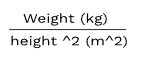
BMI
BMI METRIc
IMPORTANCE OF WEIGHT MANAGEMENT
Reduces chronic diseases
Improves quality of life
STRATEGIES
Balanced diet
Exercise
Hydration
Behavioral
SPORTS AS LIFETIME INVOLVEMENT
- physical activities promotes health across all ages
- participation in sports encourages physical, mental, and social well-being
ADAPTATIONS IN ACTIVITIES
Children: fun & development
Adults: fitness & competition
Seniors: mobility & social interactions
PRECAUTION MEASURERS
Warm up & stretching
Use appropriate gear & equipment
Follow proper techniques & training guidelines
Stay hydrated & maintain nutrition
Seek professional guidance when needed
CLASSIFICATION OF SPORT
Individual sport, dual sport, team sport
SPORTS INJURIES
Sprains & Strains: ligaments & muscle
Fractures: Broken bones due to impact
Open (compound) - outside the skin
Closed (simple) - inside the skin
Dislocations: joints forces out of position
Concussion: Head injuring causing temporary dysfunction
Tendonitis: Inflammation of tendons due to overuse
RECREATIONAL ACTIVITIES: Mind, Body, & Soul
- voluntary activities undertaken for enjoyment, relaxation & health
PHYSICAL BENEFITS
Improved Physical Health
Disease Prevention
Increased Energy Levels
EMOTIONAL BENEFITS
Stress Reduction
Enhanced Mood
Boosted Confidence: Achieving recreational goals builds self- esteem.
Improved Mental Clarity
SOCIAL WELL-BEING BENEFITS
Building Relationships
Community Engagement
Improved Communication Skills:
Support Systems
Examples of Recreational Activities
- Physical: Running, cycling, dance classes.
- Emotional: Painting, writing, gardening.
- Social: Team sports, community volunteering, club memberships.
How to Incorporate Recreation in Daily Life
Balance work and leisure with a structured schedule
Choose activities that align with personal interests and goals
Encourage family and friends to participate in recreational activities