Etiology and Sampling Methods
FLASHCARDS
ETIOLOGY - The cause or origin of a disease or abnormal condition is known as its etiology. Etiology also encompasses the way a disease progresses over time.
Natural history of the disease - The way a disease progresses in the absence of medical or public health intervention
BEINGS – mnemonic device for the major categories of risk factors.
Smallpox- first infectious disease known to have been
eradicated from the globe.
•
Edward Jenner- created the smallpox vaccine and “father of
vaccine”.
•
Herd immunity- vaccine diminishes an immunized person’s
ability to spread a disease, leading to reduced disease
transmission.
Blue zone - regions in the world where people are claimed to live
longer than average.
Newborn/Genetic screening – important for identifying
problems in newborns (phenylketonuria and congenital
hypothyroidism), for which therapy can be extremely beneficial
if instituted early enough.
Antigenic shift- genetic changes in the influenza virus aremajor
and can cause pandemic (COVID)
•
Antigenic drift- genetic change in the influenza virus are minor
and still can produce major regional outbreaks of influenza
Iatrogenic disease- occurs when a disease is induced
inadvertently by treatment or during a diagnostic procedure.
•
Wrong medications- unnecessary or inappropriate diagnostic
(surgical procedure).
Population or universe- statistical enquiry, all items which fall
within the purview of enquiry.
•
Sampling- describe a portion chosen from the population.
•
Sample- finite subset of statistical individuals defined in a
population
•
Sampling size- number of units in a sample
Lottery Method- most popular and most simplest. Folded and
mixed up in a container
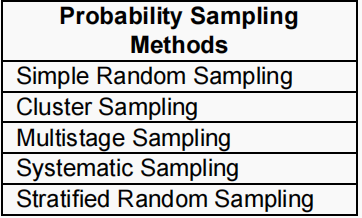
Simple Random Sampling - The simple random sampling method ensures each member of the population has an equal chance of being selected for the sample, making it highly representative. Despite its effectiveness, this method is seldom utilized in practice due to its impracticality.;
Stratified Random Sampling - The population is divided into strata, with simple random sampling done in each group to create a sample. This method collects the same information as simple random sampling but with fewer people, ensuring representation and accuracy. It is easy to administer, saves time, and reduces expenses by subdividing the universe.;
Systematic Sampling - The method is widely used due to its simplicity and convenience, especially when a full population list is accessible. It is a popular sampling technique for its ease of implementation.;
Random Numbers - Random sampling selects a sample from a large population without bias using calculators or computers for chance-based selection. It is good for homogeneous populations and allows accuracy testing by examining another sample from the same universe. It’s practical and effective for research without needing in-depth knowledge of individual units.;
NOTES

MEMORY
Epidemiologists distinguish between:
Biologic mechanisms,
social,
Behavioral,
Environmental causes of disease
BEINGS
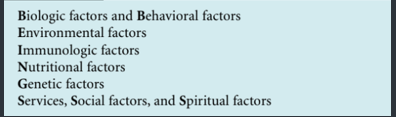
PROBABILITY SAMPLING
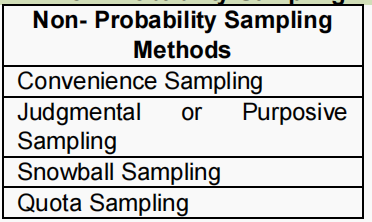
NON PROBABILITY SAMPLING
 STEPS OF SAMPLING PROCESS
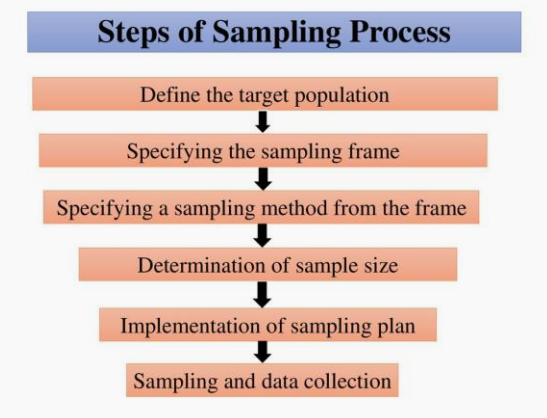 DSSDIS
REASONS FOR SELECTING A SAMPLE.
Infinite population makes complete enumerations impossible
Quick results needed
Wide survey area
Limited resources like money and trained personnel
Investigated item or unit gets destroyed
CHARACTERISTIC OF A GOOD SAMPLE
True representative of the population
Free from error and bias
Accuracy in absence of bias
Independent and relevant units
Free from random sampling error