L03.2 - Sensory System
Free nerve endings
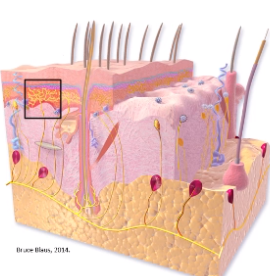
Mostly found in the skin, muscle, joints, viscera.
Temperature, crude touch, itch, nociception (sensing and encoding noxious stimuli)
Encode information about temperature etc
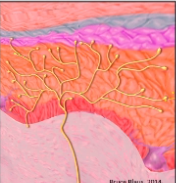
Structurally simple
Branching
Penetrate dermis (skin) to sense what is going on
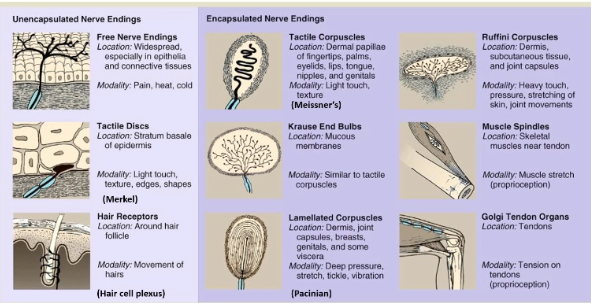
Diversity of sensory receptors
These sensory signals need to get to the brain
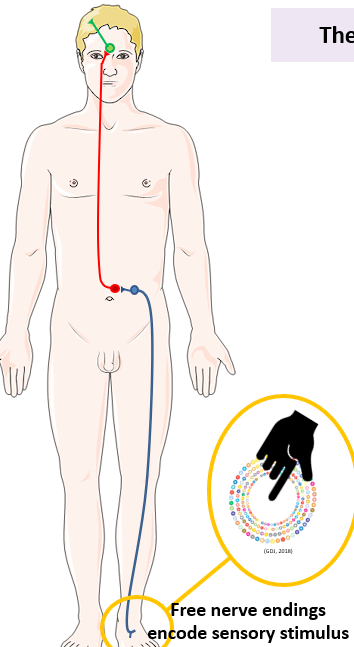
Network of neurones carry sensory signals to the brain. Then develop awareness of the sensation.
1st Order neuron (nociceptor) - sensory cell body in dorsal root ganglion
2nd Order neuron - cell body in dorsal born of spinal cord
3rd Order neuron - cell body in thalamus
Free Nerve Ending Activation
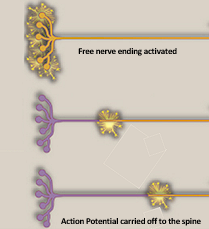
Temperature, stretch, touch, pressure
Nociceptive signal (danger/damage/impending damage)
Inflammatory chemicals
Signal (action potential) arrives at spinal cord
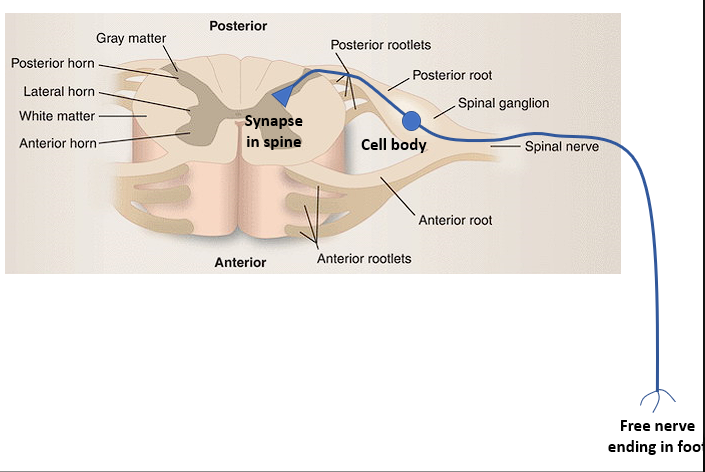
Synapse passes sensory signal to second order neuron
Spinal ganglion AKA dorsal root ganglion
Thalamus
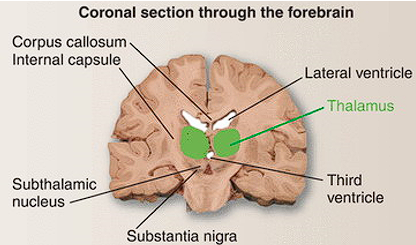
Second order neurones synapses with the third order neuron in the thalamus
Finally, the sensory signal is carried to the somatosensory cortex
Motor and sensory cortices
Motor cortex somatic - motor control of skeletal muscle and general motor planning
Sensory cortex - input from skin, input from proprioceptors and spatial discrimination
Spinothalamic pathways to the brain
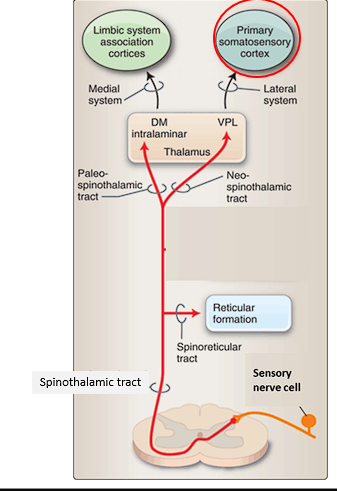
Direct spinothalamic
Primary somatosensory cortex
Cortical areas
Better spatial discrimination
i.e. homunculus
Indirect spinothalamic
Limbic system association cortices
Limbic system
Hypothalamus
Reticular formation
Reticular activating system
Poorer spatial discrimination
Autonomic centres of the brain/brainstem
Reticular formation