Chemistry EST Practice
Synthetic Polymers: made out of artificial monomers, derived from petrochemical sources
non biodegradable
durable and resistant to environmental factors
polyethylene
polystyrene
polyvinyl chloride
issues:
dependant to fossil fuels
energy-intensive production
microplastics
chemical exposure
ingestion of plastics: animals mistaking as food, cause physical harm
habitat damage: damage habitats and affecting biodiversity
ghg emissions: degradation of synthetic polymers contribute to GHGs
toxicity: leach harmful chemicals into the environment
Semi-synthetic polymers: derived from natrual polymers but are chemiaclly modified
biodegradable properties depending on their mods
derived from natural sources but processed to improved their properties
nylon
cellulose acetate (wood pulp or cotton)
film production, clothing, coatings.
Biodegradable Polymer: broken down by natural processes into smaller, non-toxic components
envivronmentally friendly
decompose through natural processes
polyactic acid
PHA
Biopolymers: dervied from renewable biological sources like
naturally occuring or produced by biological processes
biodegradable and often sustainable
starch
chitosan
proteins
issues:
resource competition: relies on agricultural crops, create competition with food production
agricultural inputs: require significant inputs such as water, fetilizer and pesticides
land use competition:lead to land use may negatively impact ecosystems
high cost
higher production cost than synthetic polymers
limited scalability
Solar:
form of radiation, where 2/3 of of it is absorbed by the planet’s surface. Rest is reflected atmosphere where greenhouse gases operate
reflects energy back where it convets to heat to make planet liveable, greenhouse effect.
Global Dimming
Solar irradiance: decline in the amount of sunlight reaching earth’s surface
main causes are air pollution, emissions.
affect cloud formation, denser clouds.
Aerosols/atmospheric particulates have effects of sulphur dioxide reflect all sunlight, combustion of fossil fuels, wood releases particles, which absorb solar energy and heat up, comtributing to global warming
Maybe beneifical due to reducing temperature, but affect photosynthesis rates, impacting food security.
Greenhouse effect:
Solar radiation: emits energy in sunlight
Abosrbtion: Earth’s surface absorbs solar energy.
Enhanced Greenhouse Effect
additional warming of the Earth’s atmosphere
increased levels of green house gases, due to burning fossil fuel, deforestation.
leads to global warming and climate change. Causes environmental impacts, rising sea levels and extreme weather events.
Scrubbing
used to control air pollution by removing harmful particles and gases from industrial exhaust streams.
Wet scrubbers
use liquid to capture and remove pollutants
removing gases like sulfur dioxide
Dry Scrubbers:
use dry reagents or sorbents to capture pollutants
removing acidic gases like HCl
Electrostatic Precipitators
elecrical charges to remove particles to become charged, then attracted to and collected on plates.
Advantages
high efficiency of removing pollutants
Disadv.
expensive
proper disposal of waste
Synthetic Polymers: made out of artificial monomers, derived from petrochemical sources
non biodegradable
durable and resistant to environmental factors
polyethylene
polystyrene
polyvinyl chloride
issues:
dependant to fossil fuels
energy-intensive production
microplastics
chemical exposure
ingestion of plastics: animals mistaking as food, cause physical harm
habitat damage: damage habitats and affecting biodiversity
ghg emissions: degradation of synthetic polymers contribute to GHGs
toxicity: leach harmful chemicals into the environment
Semi-synthetic polymers: derived from natrual polymers but are chemiaclly modified
biodegradable properties depending on their mods
derived from natural sources but processed to improved their properties
nylon
cellulose acetate (wood pulp or cotton)
film production, clothing, coatings.
Biodegradable Polymer: broken down by natural processes into smaller, non-toxic components
envivronmentally friendly
decompose through natural processes
polyactic acid
PHA
Biopolymers: dervied from renewable biological sources like
naturally occuring or produced by biological processes
biodegradable and often sustainable
starch
chitosan
proteins
issues:
resource competition: relies on agricultural crops, create competition with food production
agricultural inputs: require significant inputs such as water, fetilizer and pesticides
land use competition:lead to land use may negatively impact ecosystems
high cost
higher production cost than synthetic polymers
limited scalability
fat is the the most concentrated source, 9 calories is in eveyr gram in fat
liquid at room temp are oils
fats are firm at room temp are solids (butter)
60g are the maximum number of fat
10% total fat
Calculate the percentage of fat
grams of fat * 9
/ by total calories
*100
cholesterol is a fat-like substance present in all body cells that is needed for many essential body processes
contributes to digestion of fat and the skin’s production of Vit. D
LDL and HDL Lipoproteins
LDL(Low-Density Lipopro
takes cholesterol from the liver to wherever it is needed in the body
if too much is circulaing, excess amounts can build up in artery walls
buildup increases the risk of stroke
HDL(High-Density Lipoproteins):
picks up extra cholesterol and takes it back to the liver so it can be disposed
Saturated fatty acids increases the level of LDL
Monosaturated fatty acids decreases level of LDL but increases level of HDL
Hydrogenation
process in which missing hydrogen atoms are added to make unsat. fat to make it firm in texture
extend shelf life
called trans fatty acids; still contains the same saturated fats
Visible fat
easily seen
butter, fat in meats
Invisible fat
hard to see
functions of fat
supplies energy
carries Vit. A D E K
provide a reserve store of energy
promotes healthy skin
normal cell growth
heat regulator to protect organs
feel full longer
add flavor to food.
Too much fat
heart diesease
obesity
cardiovascular related problems
How to reduce fat
Exercise
replace with unsaturated
lean cuts of meat
steam boil or bake foods instead
Stationary point source
pollutants coming from one point
Mobile point source
Type of Pollutants
Air Pollution: presence of one or more chems in the atmosphere that cuase harm to forms of life and materials
Primary: chemicals released into the atmosphere that mix vertically and horizontally dispersed and diluted in tropospher
e.g. Ammonium Sulfate, Sulfuric Acid, Ammonium Nitrate, Nitric Acid, Ozone
Second: primary pollutants that react with other components to for new pollutants
e.g. Carbon Monoxide, Carbon Dioxide, Sulfur Dioxide, Nitrogen Oxide, hydrocarbons, most particulates
Photochemical Smog
mixture of prim and second pollutants formed under sunlight
Involves NOx and volatile hydrocarbons + Sunlight to produce ozone (O_3) aldehydes (CH2O).
CHemical Reactions Form Chemical Oxidants
N2+ O2 → N2O
2NO + O2 → 2NO2 (brown gas with choking odor)
Hydrocarbons + O2 + NO2 → PANS (nitrates)
NO2 + O → O3
NO2 + uvradiation → NO + O
Industrial Smog
consists of sulfur dioxide, sulfuric acid and suspended solid particles and droplets that emanate from coal and heavy oil burning
When coal and oil are burned:
C + O2 → CO2 and or 2C + O2 → 2CO
sulfur compounnds + coal and oil + oxygen produce sulfur dioxide, colorless suffocating gas
S + O2 → SO2
Influences
Climate
Topography
Amount of percipitation (rain and snow cleanse)
WIn Patters
Reduce flow of air in valleys
Drastic temperature changes (Very Hot on day, Freezing at night)
Thermal Inversions
Warm air rise in atmosphere in valleys, a layer of dense, cool air, can become trapped Prevents air to ascend. Hence, keeping air pollution.
Human Health:
health risk is high blood pressure.
takes decades of being exposed to get killed.
Nasal Passage flter pollutatns
Sticky mucus in upper resp track capture small particles and filter gaseous pollutants.
Asthma: acute inflammation
Chronic bronchitis: inflammation and damage cells
Emphysema: damage to alveoli
Carbon monoxide Poisoning: reducce red blood cells from carrying oxygen
Suspended particulate matter
effects of air pollutants to materials
soot and grit buildings, cars and clothing
Exterior paint of cars buildings and roofing materials
historic buildings stained glass windows pits, gauge
Solutions
reduction of :
suspended particulate matter
sulfur oxides
carbon monoxide
ozone
volatile organic compounds
lead
Laws
Increase fuel efficiency standards for cars and trucks, reduce oil imports
Alternative energy (renewable sources)
Fund research
Car pool, Turn off lights
Reuse,
Conserving water and electricity
alternative transports
Fossil Fuels:Oil is trapped in geological structures
most of oil comes from a few large wells
one in 10 exploratory drillings strike oil
Organic material must be deposited without decomposing
must spend time burtied below 2286 meters of rock
must not go below 4572 meters
Hydrocarbon
all fossil fuels are hydrocarbons,
natural gas is composted of hydrocarbon
Gasoline is (C6 to C12)
Methane reaction
CH4+2O2→CO2+2H20+Energy
Octane reaction:
2C8H18+25O2+16CO2+18H2+Energy
Cracking hydrocarbons:
longer molecules such as diesel produced from fractional distribution are cracked to smaller molecules due to its higher demand
Long chain→ heat and catalyst→ alkane+alkene
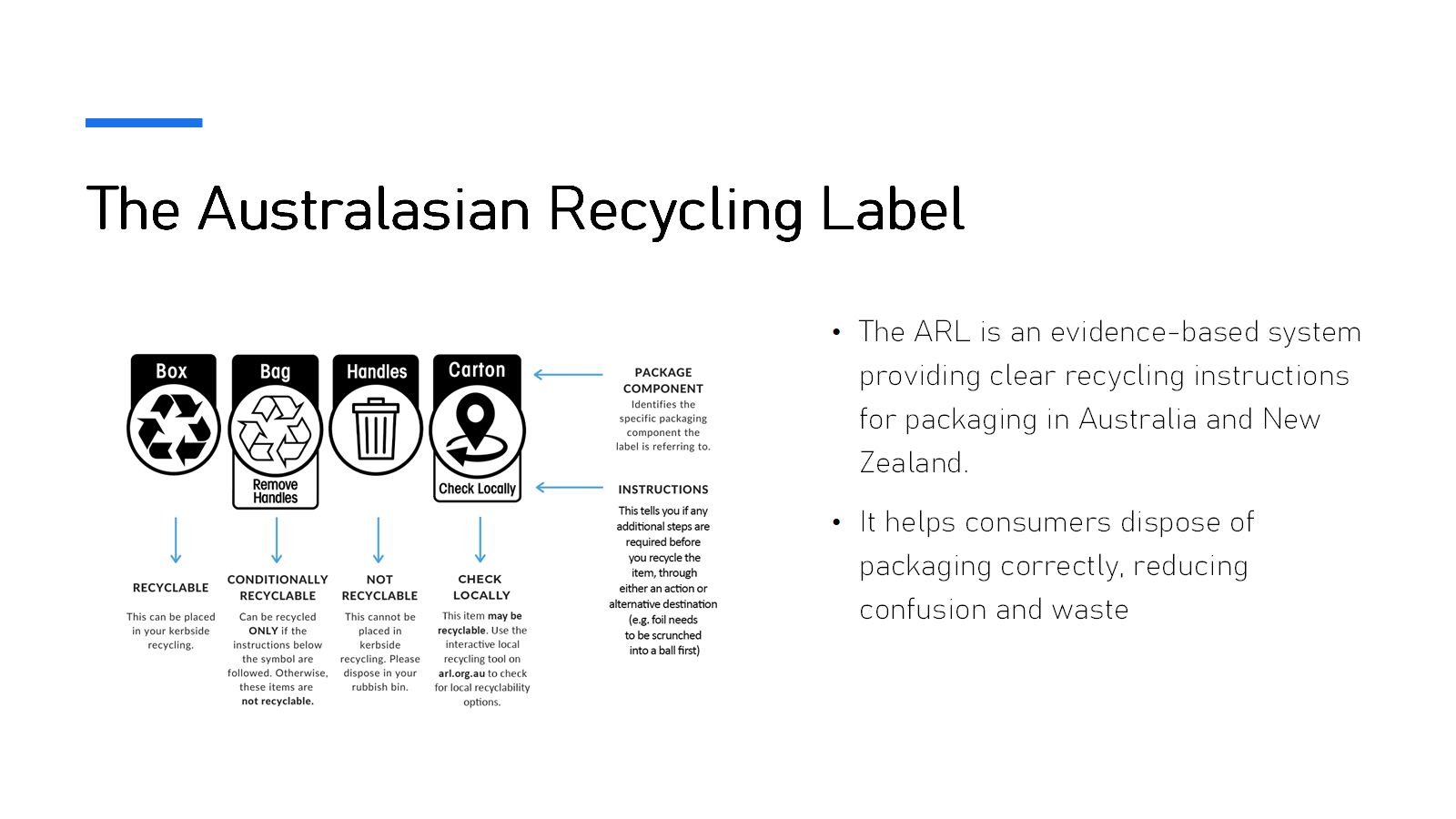
•The Australasian Recycling Label•The ARL is an evidence-based system providing clear recycling instructions for packaging in Australia and New Zealand.
•It helps consumers dispose of packaging correctly, reducing confusion and waste
•Why do we need it?
•Many Australians and New Zealanders are eager to recycle but are often confused by inconsistent labels.
•The ARL eliminates this confusion, ensuring recyclable materials are correctly sorted and kept out of landfills.
•How Does It Work?
•Each packaging component is assessed using the Packaging Recyclability Evaluation Portal (PREP).
•PREP evaluates materials, shape, size, inks, adhesives, and more to determine recyclability.
•It also considers the availability of kerbside recycling services across regions.
•
•Understanding Symbols
•Recyclable: Coloured recycling symbol indicates the item can be placed in the recycling bin.
•Conditionally Recyclable: Clear recycling symbol means follow specific instructions; otherwise, dispose of in the rubbish bin.
•Not Recyclable: Bin symbol signifies the item should go into the rubbish bin to avoid contaminating recyclables.
•Check Locally: Geotag symbol suggests recycling options vary by location; check local guidelines
•Check it Before you Chuck it Campaign
•Encourages consumers to always refer to the ARL before disposing of packaging.
•Aims to increase correct recycling practices and reduce contamination.
•