Motor Control and Motor Learning Review
OCT 5127 Motor Control and Motor Learning: Study Notes
I. Course Introduction and Foundational Concepts
Key recall points include:
Developmental theorists like the one who organized human motivations into a hierarchy of stages: physiological, safety and security, love and belonging, self-esteem, and self-actualization (referring to Maslow's Hierarchy of Needs).
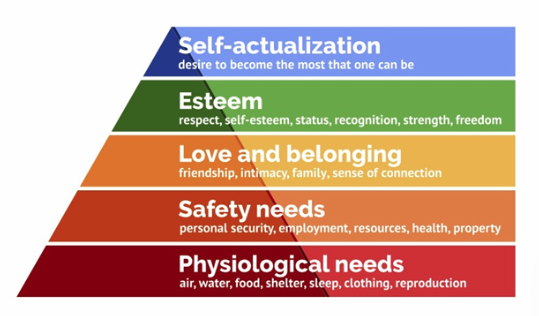
Stages from Piaget's theory.

Core Terms: Key terms related to Motor Control, Motor Learning, Learning Activity, and References will be explored.
II. Motor Control
Overview: This section provides an overview of Motor Control, focusing on the nature of movement and functional capacity.
Motor Control Theories: Several foundational theories guide the understanding of motor control. These include:
Reflex Theory: Proposes that movements are controlled by a series of reflexes chained together. Complex movements are the result of combined simple reflexes.
Hierarchical Theory: Suggests that the central nervous system (CNS) is organized hierarchically, with higher centers exerting control over lower centers. Movement is controlled by a top-down approach.
Motor Programming Theories: Focus on the concept of a motor program, which is a set of pre-structured commands that, when executed, result in a coordinated movement. These programs can be activated by sensory input or central processes.
Systems Theory: Views movement as a result of the interaction between multiple systems, including the nervous system, musculoskeletal system, and environmental factors. Emphasizes the self-organizing nature of movement.
Ecological Theory: Focuses on the interaction between the individual and the environment. Movement emerges from the desire to achieve a goal in a specific environment, with perception of the environment being crucial for action.
Task-Oriented Approach: Emphasizes that motor control is organized around accomplishing a behavioral goal (task) in a specific environment. Therapy focuses on practicing functional tasks to regain motor control.
III. Classification of Movement Tasks
Deepened Understanding: This unit aims to deepen the understanding of how movement tasks are classified.
Examples and Reflection: Learners will be exposed to examples of different categories of movement tasks and are encouraged to reflect on how this understanding will be applied in occupational therapy practice.
Clinical Relevance for Occupational Therapy:
Many clients struggle with tasks they wish to perform, negatively impacting their occupational performance.
By understanding the classification of movement tasks and their attributes, occupational therapists can more successfully grade activities.