Bipolar and Related Disorders, Suicide, Dissociative Disorders, Schizophrenia, and Personality Disorders
Bipolar and Related Disorders
Bipolar Disorder
Definition:
Bipolar disorder is characterized by an unstable emotional condition which involves cycles of abnormal and persistent high moods (mania) and low moods (depression).
Incidence Rates:
1.3% of lifetime incidence.
Equally common among men and women.
Most cases are recurrent.
Visual Reference:

Biopsychological Viewpoint
Genetic Component:
Bipolar disorder has the highest rate of heritability among mental disorders.
Concordance rates:
40%-70% for identical twins.
10% for fraternal twins.
Typically polygenic, indicating multiple genes influence the disorder.
Diathesis-Stress Viewpoint
Stressful Experiences:
Stressful life events tend to precede both manic and depressive episodes.
Cognitive Viewpoint
Personality Factors:
Certain personality traits can predict increased bipolar symptoms.
Family Influence:
The supportiveness of families has a significant impact on the rate of relapses.
Suicide
Defining and Measuring Suicide
CDC Definition:
"Death from injury, poisoning, or suffocation where there is evidence (either explicit or implicit) that the injury was self-inflicted and that the decedent intended to kill themself."
Terminology:
Completed suicide – when the act results in death.
Suicide attempt – a non-fatal, self-directed act with the intent to die.
Suicidal ideation – thoughts or plans about suicide.
Statistics on Suicide
Prevalence:
Approximately 3% of the population will make a suicide attempt at some point in their lives.
More than 13% of individuals report having suicidal thoughts.
Internationally, approximately 800,000 people die by suicide every year.
Gender Differences in Suicide
Trends:
Women are more likely to attempt suicide, whereas men have higher rates of completed suicide.
Age Distribution Data:
Deaths per 100,000 in specified groups:
1999: 42.4 (Males aged 15-24)
2014: 38.8 (Males aged 15-24)
Other age groups display similar trends with males consistently higher.
(chart representation provided).
Common Motives for Suicide
Motivations Include:
Sense of alienation.
Intolerable psychological suffering.
Intolerable physical suffering.
Hopelessness.
An escape from feeling worthless.

Warning Signs of Suicide
Indicators to Watch For:
Discussing intentions to commit suicide (90% of those who are suicidal will express these intentions).
Previous suicide attempts.
A more positive mood following a long depressive episode.
Severe emotional reactions to failed love or significant stressors.
Family history of suicide.
Indicators of reckless behavior.
Declining performance at school or work.
Withdrawal from people and activities.
Increased drug and alcohol use.
Dissociative Disorders
Definition
Dissociative Disorder:
When an individual experiences disruptions in normal cognitive processes, leading to disturbances in memory, awareness, or personality. These episodes can last from a few minutes to several years.

Types of Dissociative Disorders
Dissociative Identity Disorder (DID):
Characterized by the presence of two or more distinct identities within an individual. Each identity may take control of the individual's behavior at different times.
Incidence: Affects approximately 0.5% to 1% of the general population.
Gender Ratio: Male to female ratio is 1:9.
Dissociative Amnesia:
Involves the sudden loss of memory for personal information, often significant.
Dissociative Fugue:
Entails a sudden loss of memory for personal history combined with departure from home and assumption of a new identity.
Both disorders typically emerge in adulthood but are rare after age 50.
Psychodynamic Theory
Many individuals with DID have a history of severe child abuse or trauma. The dissociative aspects may represent a psychological defense mechanism intended to escape the pain associated with these experiences.
Schizophrenia Spectrum and Other Psychotic Disorders
Schizophrenia
Definition:
Schizophrenia is a psychological disorder characterized by significantly impaired emotional, social, cognitive, and perceptual functioning.
The term "schizophrenia" was coined in 1911 by the Swiss psychiatrist Eugen Bleuler.
Incidence:
Affects approximately 1% of the population.
Slightly more common among men.
Rarely develops before early adolescence.
Symptoms of Schizophrenia
1. Sensory-Perceptual Symptoms:
Hallucination:
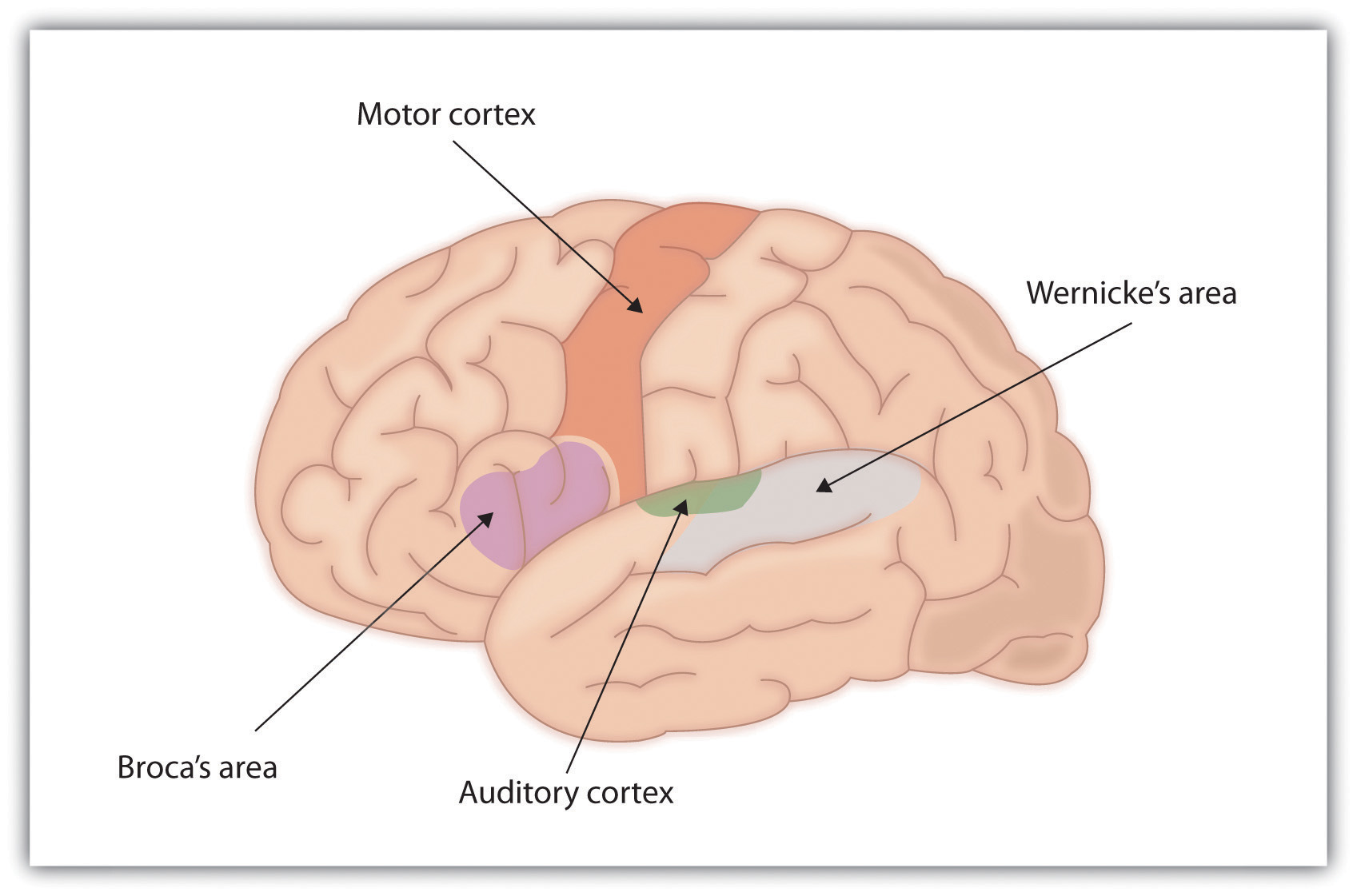
A false perceptual experience which appears real despite the absence of external stimulation. Commonly auditory, associated with increased activity in the sensory processing cortical areas.
2. Cognitive Symptoms:
Include
Attention Difficulties: Challenges in focusing on tasks.
Disorganized Speech: Incoherence and rapid shifts between topics (e.g., loose associations).
Delusions: False beliefs that remain despite evidence to the contrary:
Delusions of Influence: The belief that one's thoughts or actions are being controlled by external forces.
Delusions of Grandeur: The belief of oneself having extraordinary abilities or fame.
3. Social-Emotional Symptoms:
Negative Symptoms:
Emotional withdrawal, apathy, and poverty of speech indicate absence of normal emotional expression.
Emotional Inappropriateness: Exhibiting inappropriate emotional responses (e.g., laughing at tragic events).
Difficulty Recognizing Emotion: Challenges in interpreting emotional cues from facial expressions and vocal tone.
4. Motor Symptoms:
Individuals may engage in bizarre motor behaviors:
Tracing patterns in the air, unusual eye movements, rocking back and forth, making odd faces, pacing, or holding strange positions for prolonged periods.

Biopsychological Viewpoint
Genetic Factors:
Concordance rates among identical twins is 48%, compared to 17% among fraternal twins. Prenatal and perinatal factors may influence these figures.
Neuroanatomy:
Individuals with schizophrenia may exhibit progressive tissue loss in the parietal lobe, which can eventually affect broader areas of the brain. The neural “pruning” seen in these individuals is more severe compared to those without the disorder.
Diathesis-Stress Viewpoint:
Family environment significantly influences both the development and recovery process for individuals diagnosed with schizophrenia.
Personality Disorders
Definition of Personality
Personality: Refers to enduring patterns of feeling, perceiving, thinking about, and relating to oneself and one's environment.
Personality Trait: A consistent core element of personality that is stable across different settings and over time (e.g., traits like being caring or outgoing).
The Big 5 Personality Factors
Each factor comprises different facets:
Factor 1: Negative Emotionality vs. Emotional Stability
Facets Include:
Anxiousness, Angry Hostility, Depressiveness, Self-Consciousness, Impulsivity, Vulnerability.
Individuals endorsing high facets exhibit fearfulness, anger, depression, and impulsivity.
Individuals endorsing low facets tend to be relaxed, even-tempered, and unconcerned.
Factor 2: Extraversion vs. Introversion
Facets Include:
Warmth, Gregariousness, Assertiveness: High individuals show sociability and outgoingness, while low individuals appear cold and withdrawn.
Factor 3: Openness vs. Closedness to Experience
Facets Include:
Fantasy, Aesthetics, Feelings, Actions, Ideas, Values. High individuals are imaginative and creative, while low individuals subscribe to routine and rigidity.
Factor 4: Agreeableness vs. Antagonism
Facets Include:
Trust, Straightforwardness, Altruism, Compliance, Modesty, Tender-Mindedness. High individuals are empathetic and trusting while low individuals are suspicious and aggressive.
Factor 5: Conscientiousness vs. Undependability
Facets Include:
Competence, Order, Dutifulness, Achievement, Self-Discipline, Deliberation. High individuals are organized and reliable, while low individuals are negligent and disorganized.
Source: Widiger & Mullins-Sweatt, 2009.
General Definition of Personality Disorder
The DSM-5 employs a categorical perspective on personality disorders:
Personality Disorder: Characterized by an enduring pattern of feeling, thinking, and behaving that remains stable over time.
Features of concern must be evident by early adulthood.
Assessment should consider the temporal and situational contexts along with cultural and social factors.
Personality Disorder Clusters (per DSM-5)
Groups 10 PDs into 3 clusters based on similarities.
Cluster A: Paranoid, Schizoid, Schizotypal.
Cluster B: Antisocial, Borderline, Histrionic, Narcissistic.
Cluster C: Avoidant, Dependent, Obsessive-Compulsive.
Barriers to Treatment
Individuals may face several challenges to treatment:
Lack of awareness that the disorder requires treatment.
Beliefs and personal circumstances that impede access to services.
Lack of knowledge regarding where to find appropriate services.