Patho blueprint
Ch. 1 - The cell in health and illness
Na+/K+ Pump
Function: The sodium-potassium pump is an essential membrane protein that actively transports sodium (Na+) out of the cell and potassium (K+) into the cell,
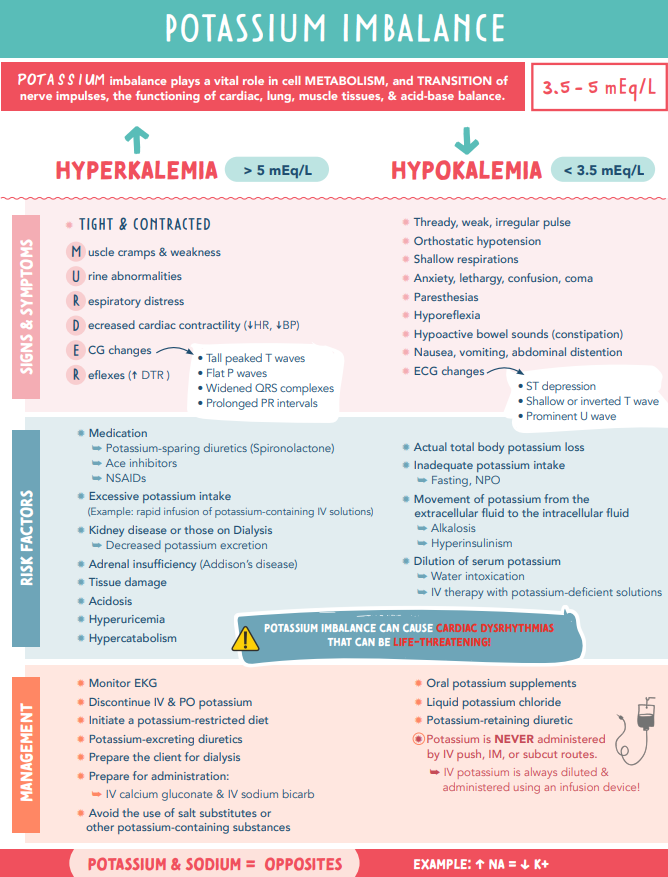
Significance: The Na+/K+ pump maintains cell volume, nerve impulse transmission, and muscle contraction. Disruption in this pump can lead to hyperkalemia or hypokalemia, which can affect cardiac function.(K high inside and Na high outside)
Lysosomes
Function:
Digestion/Breakdown of Cell Debris
Phagocytosis: Lysosomes digest foreign materials engulfed by the cell, such as bacteria or viruses(Macrophages)
Role in Disease: Dysfunctional lysosomes can lead to lysosomal storage diseases (e.g., Tay-Sachs disease), where undigested material accumulates within cells, leading to cellular dysfunction and death.
Ribosomes
Structure: Contain rRNA some are attached to ER-
“Protein Factory”
Function:
Transcription: The process where the DNA sequence of a gene is copied into mRNA. This occurs in the nucleus.
Translation: Ribosomes use the sequence of the mRNA to assemble amino acids into a polypeptide chain, forming a protein. Translation occurs in the cytoplasm.
Mitochondria.
Function:
Energy Production
Aerobic Metabolism: Requires oxygen and produces High ATP molecules per glucose molecule.
Anaerobic Metabolism: Occurs without oxygen, producing Low ATP molecules per glucose molecule and generating lactic acid(BAD)
Role in Disease: Mitochondrial dysfunction is linked to various conditions, including neurodegenerative diseases, muscle disorders, and aging.
Ch. 2 – Cellular Injury, Adaptations, and Maladaptive Changes
Cellular Adaptations:
Atrophy: Reduction in cell size due to decreased workload, disuse, or inadequate nutrition.(SHRINKAGE)
Hypertrophy: Increase in cell size due to increased workload or stimulation. This occurs in muscle cells in response to exercise or in the heart due to hypertension.(GROWTH)
Hyperplasia: Increase in cell number due to increased demand or hormonal stimulation. An example is the proliferation of the endometrial lining during the menstrual cycle.(INCREASED NUMBER)
Metaplasia: Reversible transformation of one differentiated cell type into another. This can occur in response to chronic irritation, such as the change from columnar to squamous epithelium in the airways of smokers.(CHANGE)
Dysplasia: Abnormal growth and disordered arrangement of cells. It is often a precursor to cancer, as seen in cervical dysplasia.(PRECANCEROUS)
Neoplasia: Uncontrolled and abnormal cell growth, leading to tumor formation. This can be benign or malignant (CANCEROUS).
Endothelial Injury:
Significance: Damage to the endothelium, the inner lining of blood vessels, can initiate a cascade leading to atherosclerosis(BUILD UP OF FAT/CHOLESTEROL IN BLOOD VESSELS), thrombosis(CLOT), and vascular diseases.
Etiologies: Hypertension, hyperlipidemia, smoking, diabetes, and immune reactions can all cause endothelial injury.
Cell Death:
Apoptosis: A regulated process of programmed cell death that removes damaged or unnecessary cells without causing inflammation.
Necrosis: Unregulated cell death due to injury, resulting in inflammation. It can be caused by factors such as toxins, infection, or ischemia.
Ischemia: Insufficient blood flow to a tissue, leading to oxygen deprivation and potentially cell death if prolonged.
Infarction: Tissue death (necrosis) caused by prolonged ischemia, commonly seen in heart attacks (myocardial infarction).
Gangrene: Large-scale tissue necrosis, often due to severe ischemia or infection. It can be dry (due to ischemia) or wet (due to bacterial infection).
Ch. 3 – Genetic Basis of Disease
Basic Concepts of Genetics:
Genes: Units of heredity made up of DNA that codes for proteins.
Mutations: Permanent changes in the DNA sequence that can be inherited or acquired. Mutations can lead to diseases like cancer or genetic disorders.
Inheritance Patterns:
Heterozygous: Possessing two different alleles for a gene.(Hh)
Homozygous: Possessing two identical alleles for a gene.(HH)
Phenotype: The observable characteristics of an individual.What does the person present.
Carrier: An individual who has one copy of a recessive allele but does not express the trait.(Hh)
Autosomal Inheritance: Refers to genes located on autosomes (non-sex chromosomes). Diseases can be autosomal dominant (only one copy of a mutated gene is needed to express the trait)(Hh) or autosomal recessive (two copies of the mutated gene are needed).(hh)
Pedigree Interpretation: A tool used to track inheritance patterns of traits and genetic disorders through generations in a family.
Complex Inheritance: Traits influenced by multiple genes and environmental factors, such as height or skin color.
Selected Genetic and Chromosomal Disorders:
Marfan’s Syndrome: This is a connective tissue disorder. It's classified as an autosomal dominant genetic condition, meaning that a single copy of the mutated gene is sufficient to cause the disorder.Symptoms:Tall stature with long arms and legs,Aortic enlargement or dissection Eye problems, such as lens dislocation or myopia,Chest deformities, like pectus excavatum or carinatum,Joint hypermobility
Cystic Fibrosis: This is a recessive genetic disorder affecting the respiratory and digestive systems. To have the disease, an individual must inherit two copies of the mutated gene, one from each parent.Symptoms:Chronic cough with thick mucus,Frequent lung infections, such as pneumonia or bronchitis,Digestive issues, including poor weight gain, greasy stools, and pancreatic insufficiency,Saltier sweat than normal,Infertility in males
Tay-Sachs Disease: This is a recessive genetic disorder characterized by the destruction of nerve cells in the brain and spinal cord. Dysfunctioning Lysosome disorder.Symptoms:Loss of motor skills,Progressive vision and hearing loss,Muscle weakness and stiffness,Seizures,Cherry-red spot in the eye (detected via eye examination),Developmental regression, leading to severe cognitive and physical decline
Klinefelter’s Syndrome: This is a chromosomal disorder where males have an extra X chromosome (XXY). It is caused by nondisjunction during meiosis, leading to an additional chromosome.Symptom:Reduced testosterone levels,Infertility or reduced fertility,Small testes and enlarged breasts (gynecomastia),Tall stature and reduced muscle mass,Learning disabilities or delays in speech and language development
Turner’s Syndrome: This is a chromosomal disorder where females have only one X chromosome (XO) instead of two. It results from the loss of one X chromosome due to nondisjunction.Symptoms:Short stature,Webbed neck or a broad chest with widely spaced nipples,Heart defects, such as coarctation of the aorta,Infertility or reduced fertility,Learning difficulties, particularly in spatial reasoning,Ovarian dysfunction leading to absent or delayed puberty
Down Syndrome: This is a chromosomal disorder caused by an extra copy of chromosome 21 (trisomy 21). It results from an error in cell division known as nondisjunction.Symptoms:Intellectual disability with varying degrees of severity,Distinctive facial features, such as a flat facial profile, slanted eyes, and a small mouth,Hypotonia (decreased muscle tone),Short stature,Heart defects, such as congenital heart disease,Increased risk of certain health issues, such as thyroid disorders and leukemia
Ch. 4 - Stress, Exercise, and Immobility
Stress:
Selye’s Stress Stages: Hans Selye identified three stages of stress response:
Alarm: The body's initial reaction to stress, activating the "fight or flight" response.
Resistance: The body attempts to adapt to the stressor.
Exhaustion: Prolonged stress leads to depletion of resources and possible onset of diseases.
McEwen Allostatic Overload: Refers to the cumulative burden of chronic stress and the body's inability to recover, leading to various health issues like cardiovascular disease and mental health disorders.
Effects on the Nervous System: Chronic stress affects the hypothalamic-pituitary-adrenal (HPA) axis, leading to elevated cortisol levels, which can impact memory, and immune function, and increase the risk of mental health disorders.
Exercise:
Cardiovascular Benefits: Regular exercise strengthens the heart, reduces blood pressure, and improves circulation.
Glucose Levels: Exercise enhances insulin sensitivity, helping regulate blood glucose levels and reducing the risk of type 2 diabetes.
Immobility:
Harmful Effects: Prolonged immobility can lead to muscle atrophy, pressure ulcers, deep vein thrombosis (DVT), and decreased bone density (osteoporosis).
Clinical Concepts: Early mobilization, physical therapy, and proper nutrition are essential in preventing and managing the harmful effects of immobility.
Ch. 5 - Obesity and Nutritional Imbalances
Obesity:
Adipokines: Hormones released by adipose tissue that regulate inflammation, insulin sensitivity, and energy metabolism. Examples include leptin, adiponectin, and resistin.
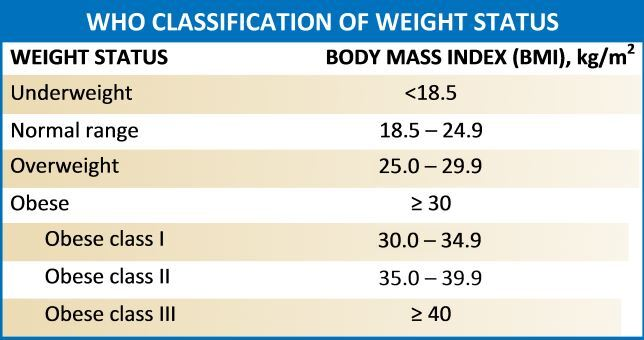
Bariatric Considerations: Bariatric surgery is considered for individuals with severe obesity (BMI ≥ 40 or BMI ≥ 35 with comorbid conditions). Surgical options include gastric bypass, sleeve gastrectomy, and adjustable gastric banding. These procedures help with weight loss by reducing stomach size or altering the digestive process.
Nutrition:
Anorexia Nervosa: A psychological disorder characterized by an intense fear of gaining weight, leading to self-starvation and severe weight loss. It can cause numerous health problems, including electrolyte imbalances, heart problems, and osteoporosis.
Bulimia Nervosa: A disorder characterized by cycles of binge eating followed by purging (vomiting, laxative use) to prevent weight gain. It can result in gastrointestinal issues, electrolyte imbalances, and dental erosion.
Ch. 6 - Pain
Central Nervous System and Pain Perception:
Dermatomes: Specific areas of the skin innervated by sensory fibers from a single spinal nerve. Mapping dermatomes helps identify the level of spinal cord or nerve root damage.
Gate Control Theory: Suggests that non-painful input (like rubbing the skin) can close the "gates" to painful input, which prevents pain sensation from traveling to the central nervous system. This theory explains why rubbing a bumped knee can alleviate pain.
Types of Pain:
Acute Pain: Sudden onset and typically linked to a specific injury or illness. It is often sharp and may trigger autonomic responses like increased heart rate.
Chronic Pain: Persistent pain lasting longer than 3-6 months. It can be due to chronic conditions like arthritis or neuropathy.
Phantom Pain: Pain that feels like it's coming from a body part that is no longer there, common in amputees.
Sources of Pain Categorized:
Nociceptive Pain: Caused by damage to body tissue (e.g., a cut or fracture).
Neuropathic Pain: Caused by damage to the nervous system (e.g., diabetic neuropathy, shingles).
Inflammatory Pain: Results from inflammation, such as in rheumatoid arthritis.
Functional Pain: Pain without a clear origin, often associated with conditions like fibromyalgia.
WHO Pain Ladder: A three-step approach for pain management:
Mild Pain: Non-opioid analgesics (e.g., acetaminophen, NSAIDs).
Moderate Pain: Weak opioids (e.g., codeine) with or without non-opioids.
Severe Pain: Strong opioids (e.g., morphine) with or without non-opioids.
Fibromyalgia: A chronic condition characterized by widespread musculoskeletal pain, fatigue, sleep disturbances, and memory issues. It is often associated with heightened pain response to pressure.
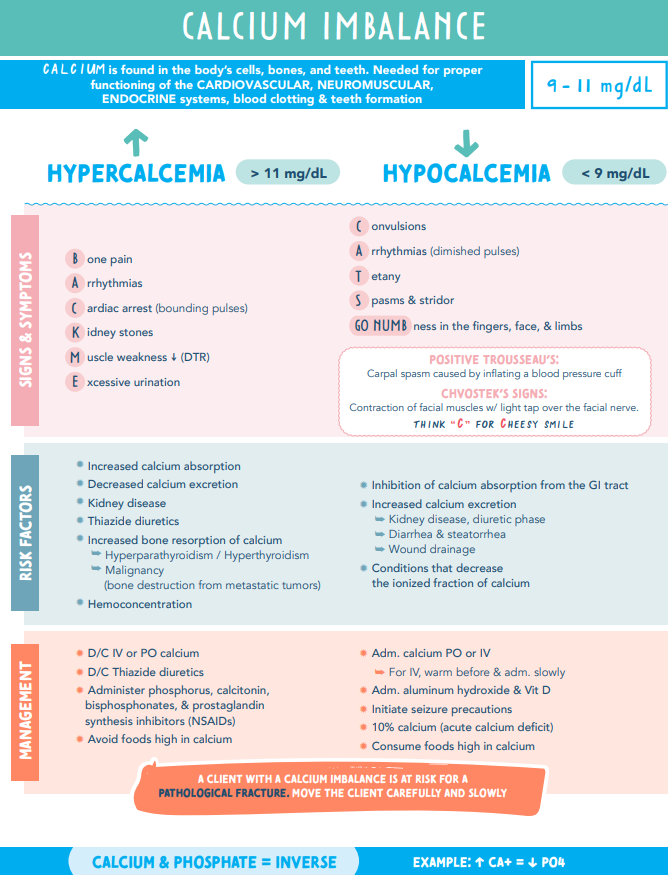
Ch. 7 – Fluid and Electrolyte Imbalances
Hydrostatic Pressure: The force exerted by fluid against the walls of blood vessels, primarily due to blood pressure. It pushes fluid out of the capillaries and into the interstitial space.
Osmotic Pressure: The pulling force exerted by solutes, such as salts or proteins, to draw water into the bloodstream. It counteracts hydrostatic pressure and helps maintain fluid balance.
Oncotic Pressure: A specific type of osmotic pressure exerted by plasma proteins (especially albumin) that pulls water into the circulatory system. Low albumin levels can lead to edema.
Tonicity:
Isotonic Solutions: Have the same concentration of solutes as blood, causing no net movement of water into or out of cells.
Hypotonic Solutions: Have a lower concentration of solutes compared to blood, causing water to move into cells, which may lead to cell swelling.
Hypertonic Solutions: Have a higher concentration of solutes compared to blood, causing water to move out of cells, leading to cell shrinkage.
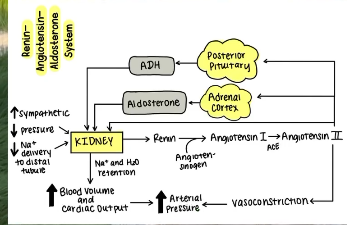
Renin-Angiotensin-Aldosterone System (RAAS): A hormone system that regulates blood pressure and fluid balance. When blood volume or sodium levels are low, or potassium levels are high, kidneys release renin, leading to the production of angiotensin II, which constricts blood vessels and stimulates aldosterone release, causing kidneys to retain sodium and water, increasing blood pressure.
Natriuretic Peptides:
Brain Natriuretic Peptide (BNP): Released by the heart in response to stretching of the ventricles due to increased blood volume. It promotes natriuresis (excretion of sodium in urine) and diuresis (increased urine production) to reduce blood volume and pressure.
Fluid Volume Imbalances:
Fluid Volume Deficit: Also known as dehydration; occurs when fluid output exceeds intake, leading to symptoms like dry skin, decreased urine output, and hypotension.
Fluid Volume Excess: Known as overhydration or hypervolemia; occurs when fluid intake exceeds output, leading to edema, hypertension, and pulmonary congestion.
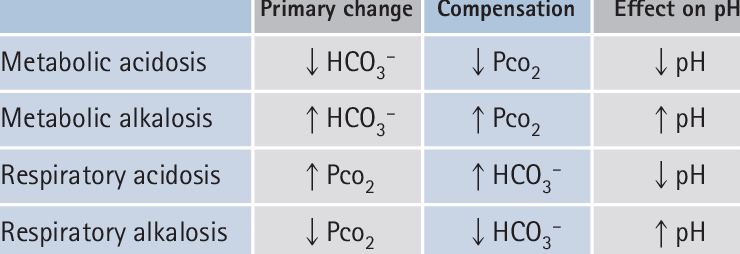
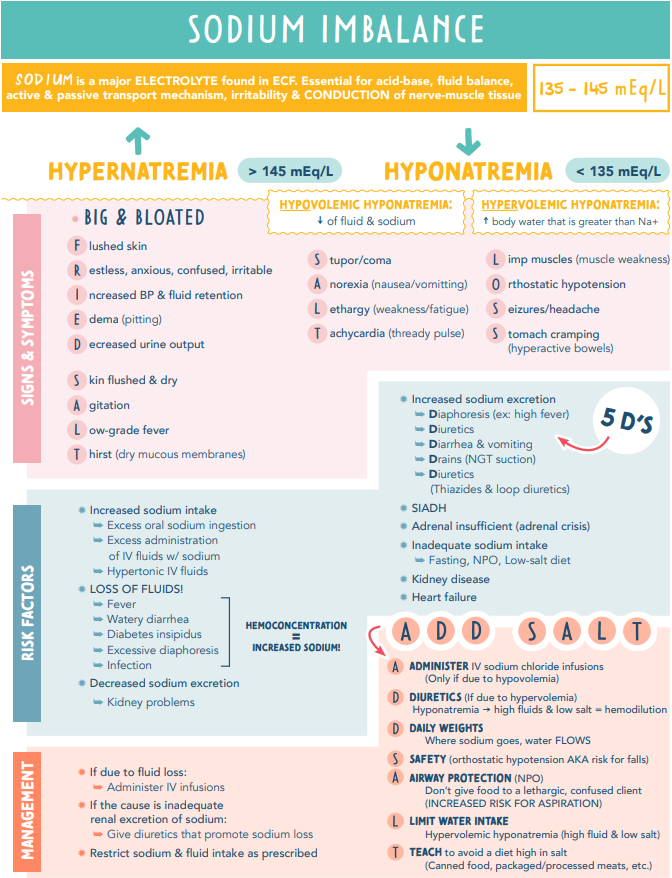
Electrolyte imbalances The Four Acid-Base Disturbances:
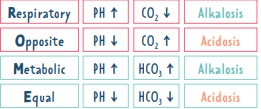
Respiratory Acidosis: Caused by hypoventilation leading to CO2 retention and a decrease in pH. Common in conditions like COPD.
Respiratory Alkalosis: Caused by hyperventilation leading to excessive CO2 loss and an increase in pH. Seen in anxiety or high altitudes.
Metabolic Acidosis: Caused by an accumulation of acids (e.g., lactic acidosis) or loss of bicarbonate (e.g., diarrhea). It results in a decrease in pH.
Metabolic Alkalosis: Caused by an excessive loss of acids (e.g., vomiting) or excessive bicarbonate intake. It results in an increase in pH.
Ch. 8 - Acid-Base Imbalances
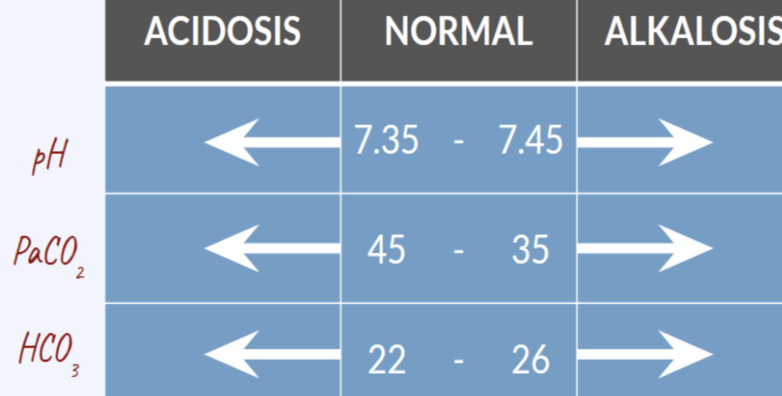
Carbonic Acid-Bicarbonate Buffer System: The primary buffer system in the body, it maintains the blood pH within a narrow range (7.35-7.45). Carbonic acid (H2CO3) can dissociate into carbon dioxide (CO2) and water (H2O), and bicarbonate (HCO3-) acts as a buffer.
Renal and Respiratory Compensations:
Renal Compensation: The kidneys regulate acid-base balance by excreting or reabsorbing H+ and HCO3-. In response to acidosis, the kidneys excrete H+ and reabsorb HCO3-. In alkalosis, they do the opposite.
Respiratory Compensation: The lungs can quickly alter CO2 levels by adjusting the rate of ventilation. Increased breathing (hyperventilation) decreases CO2 and raises pH (reducing acidosis), while decreased breathing (hypoventilation) increases CO2 and lowers pH (reducing alkalosis).
Arterial Blood Gases (ABGs): A test that measures the pH, CO2, O2, and bicarbonate levels in arterial blood, providing insight into acid-base status.
Anion Gap: The difference between measured cations and anions in serum, used to help identify the cause of metabolic acidosis. A high anion gap indicates the presence of unmeasured anions (e.g., lactate, ketones).
pH and Electrolytes – Potassium: Acidosis is often associated with hyperkalemia (as H+ ions enter cells and K+ exits), while alkalosis is associated with hypokalemia (as K+ enters cells and H+ exits).
Ch. 45 – Physiological Changes of Aging
Cardiovascular Changes:
Decreased Cardiac Output: Due to stiffening of the heart muscle and thickening of the heart walls, leading to reduced efficiency.
Increased Blood Pressure: Due to loss of elasticity in the arteries, leading to a higher risk of hypertension and cardiovascular disease.
Renal Changes:
Decreased Glomerular Filtration Rate (GFR): Reduced kidney function leads to slower filtration of blood and clearance of waste, increasing the risk of drug toxicity and electrolyte imbalances.
Genitourinary Changes:
Urinary Incontinence: Weakened bladder muscles and urethral sphincter can lead to incontinence. In men, an enlarged prostate can obstruct urine flow.
Gastrointestinal Changes:
Slower Motility: Decreased peristalsis leads to constipation. Reduced digestive enzyme production can lead to nutrient malabsorption.
Musculoskeletal Changes:
Decreased Bone Density: Increased risk of osteoporosis and fractures.
Muscle Atrophy: Loss of muscle mass (sarcopenia) leading to reduced strength and mobility.
Neurological Changes:
Cognitive Decline: Some decline in memory, processing speed, and problem-solving ability, though not all aging individuals experience significant cognitive impairment.
Increased Risk of Neurodegenerative Diseases: Such as Alzheimer's disease and Parkinson's disease.
Immune System Changes:
Immunosenescence: The aging immune system becomes less effective, leading to increased susceptibility to infections, autoimmune diseases, and cancer.
Endocrine Changes:
Insulin Resistance: Higher risk of type 2 diabetes due to decreased insulin sensitivity.
Thyroid Function: Reduced thyroid function can lead to hypothyroidism, which causes fatigue, weight gain, and depression.
Sensory Changes:
Vision: Presbyopia (difficulty focusing on close objects) and cataracts are common with aging.
Hearing: Presbycusis (age-related hearing loss) often affects high-pitched sounds first.
Integumentary System Changes:
Skin: Thinning of the skin, loss of elasticity, and decreased production of natural oils leading to dryness and increased risk of skin tears.
Hair: Graying and thinning of hair due to reduced melanin production and follicle shrinkage.