Biology summer exam revision
*Do practice question on One note”
Cell structure
Eukaryotes (5-100um)are larger than prokaryotes(0.2-2um)
prokaryotic:
cells of bracteria
cell membrane on the outer layer of the cell
cell contains cytoplasm, ribbosome but no mitochondria or chloroplast
Dna is a single molecule found free in the cytoplasm - additional DNA is found on one or more rings called plasmids
divides by binary fission
Eukaryotes:
cells of animals, fungi, and plants
outer layer of cell membranw - surrounded by cell wall in plants and fungi
cell contains cytoplasm, cell organelles include mitochondria, cholorplasts in plants and ribosomes
DNA in nucleus
cell division by mitosis
Smallest to largest:
Organells
Cell
Tissue
Organ
Organ system
Organism
tissue - is a group of cells that work together for a common goal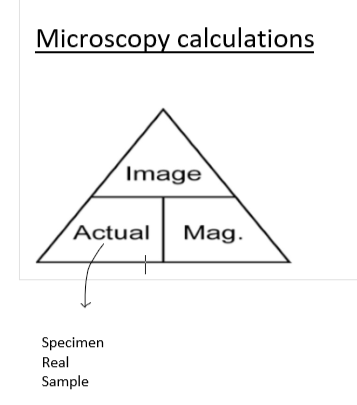 mm → um = x1000
um → mm = /1000
culture medium: is a liquid or gel that contains carbohydrates for energy and nitrogen for building proteins
tempretures above 25 degrees can cause dangerous bacteria to form
bacteria at the end of growth = number bacteria at begininning x 2 to the power of number of divisions
to prevent bacteria growth:
lowering or raising tempreture
disinfecting kills bacteria
antiseptics kills bacteria
Antiseptics kills bacteria
Antibiotics are used to kill bacteria inside humans.
the larger the inhibition zone is the more effective the disinfectant is
Cell division
genes - a section of DNA that contains information that controls specific characteristics
DNA - (Deoxyribonucleic acid) contains your entire genome that make up all of your characteristics
Allele - One of two or more versions of DNA sequence (a single base or segment of bases) at a given genomic location
Mitosis - a process by which a cell produce identical copies of itself for growth or repair
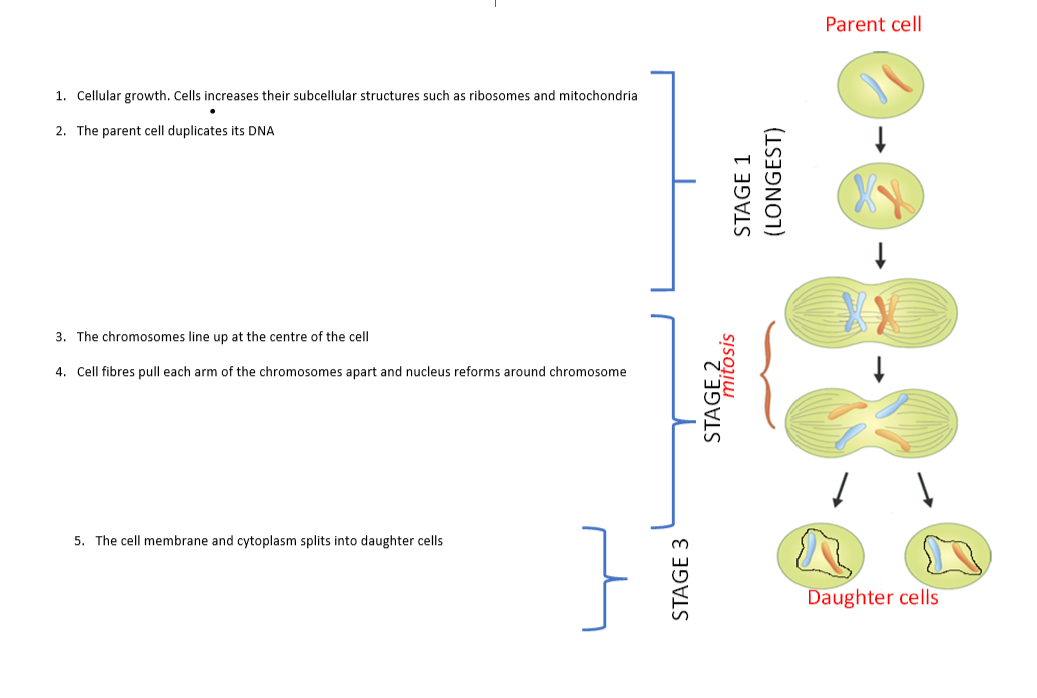 Meiosis
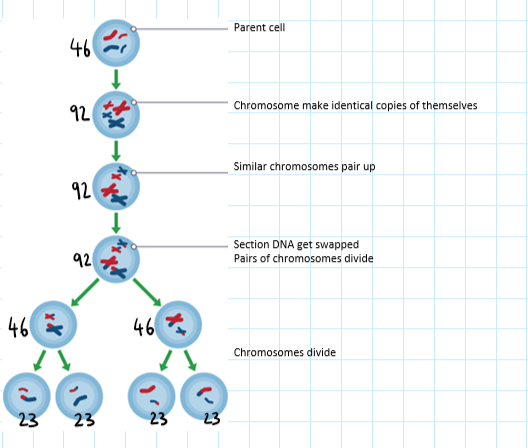
Mitosis
Creates DIPLOID daughter cells
Mitosis makes a cell Identical to itself
Mitosis is asexual reproduction
Meiosis
Creates HAPLOID daughter cells
meiosis makes cell with the chromosomes of the parent
Meiosis is sexual reprodcution
Diploid = 46 chromosomes
Haploid = 23 chromosomes
Size order: (smallest to largest)
Gene
DNA strand
Chromosome
Nucleus
Cell
why is variation important?
variation is important because it makes us less vulnerable to environmental change which allows us to adopt to change in the environment
Stem cells
Stem cells are undifferentiated cells that are able to differentiate into specialized cell types
a single stem cell can replicate itself or differentiate into many cell types
Locations - Bone marrow, skin, Brain, eye, embryo’s
However from adults the can only differentiate into a small number of cells,
For embryo’s they can differentiate into anything
scientist had found embryotic stem cells in the umbilical cord blood of new born babies which means in the future it might be possible to get embryotic stem cells without destroying the embryo (future)
For adults its an easy process
For embryo’s its a difficult process
Can cure diseases such as diabetes, eye conditions, heart damage after attack, spinal cord injuries
stem cells in plants
found in the meristems of plants.
disease resistant
prevent rare species going extinct
Cheap and quick production of food
Movement of substances (transport)
Diffusion is the passive movement of molecules from a region of high concentration to a region of lower concentration down the concentration gradient
Accuracy - how close a measurement is to the true value
Precision - how close the measurement are to each other
Validity - are the values describing what was supposed to be measured?
Resolution of equipment is the degree at which a piece of equipment can measure to.
Solute + Solvent = Solution
Solute: a dissolved substance in the solvent
Solvent: a liquid used to dissolve a solute
Solution: a liquid mixture in which the solute is uniformly distributed within the solvent
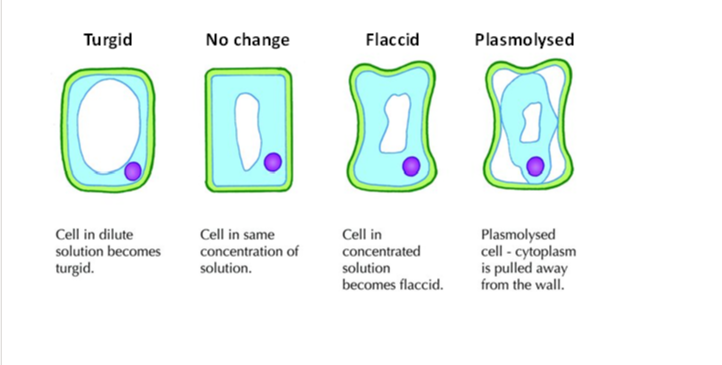
Osmosis is the passive movement of water molecules from an area of high water potential to an area of low water potential across a partially permeable membrane
HWP: Low concentration of solute (dilute solutions)
LWP: High concentration of solutes (concentrated solution)
 Active transport - substances that are absorbed against the concentration gradient, from low to high concentration.
ATP - Adenosine trisphosphate
Active transport requires energy which is released via aerobic respiration in the mitochondria in the form of ATP
Glucose sugar in the gut
Often absorbed against the concentration gradient
Glucose if used to produced energy via aerobic respiration
Glucose + oxygen → carbon dioxide + water + (enerygy)
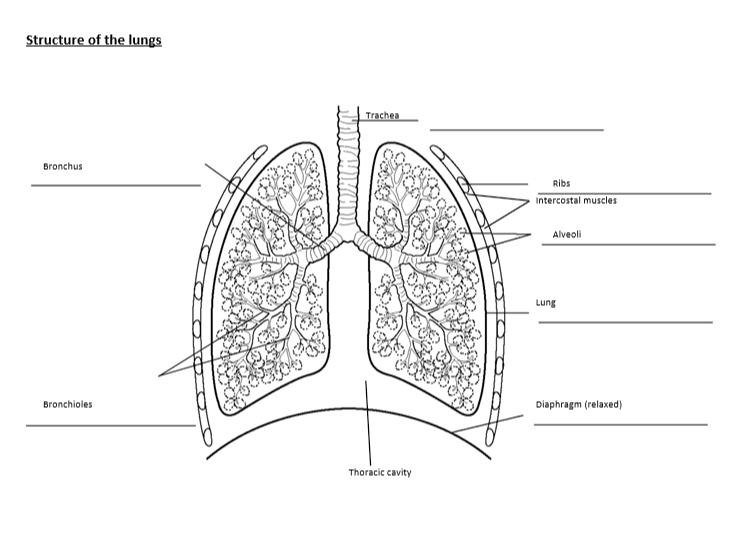 Surface area to volume ration
High surface area: volume ratio = efficient transfer of substances e.g Jellyfish 6:1
Low surface area : volume ration = inefficient transfer of substances e.g hippo 2:1
Bioenergetics
Photosynthesis is the process that plants use to convert carbon dioxide and water into glucose and oxygen
Glucose is turned into starch for late use
Starch is insoluble which makes it much better for storing in plants
to test for starch in plants iodine solution turns from orange to blue
In humans:
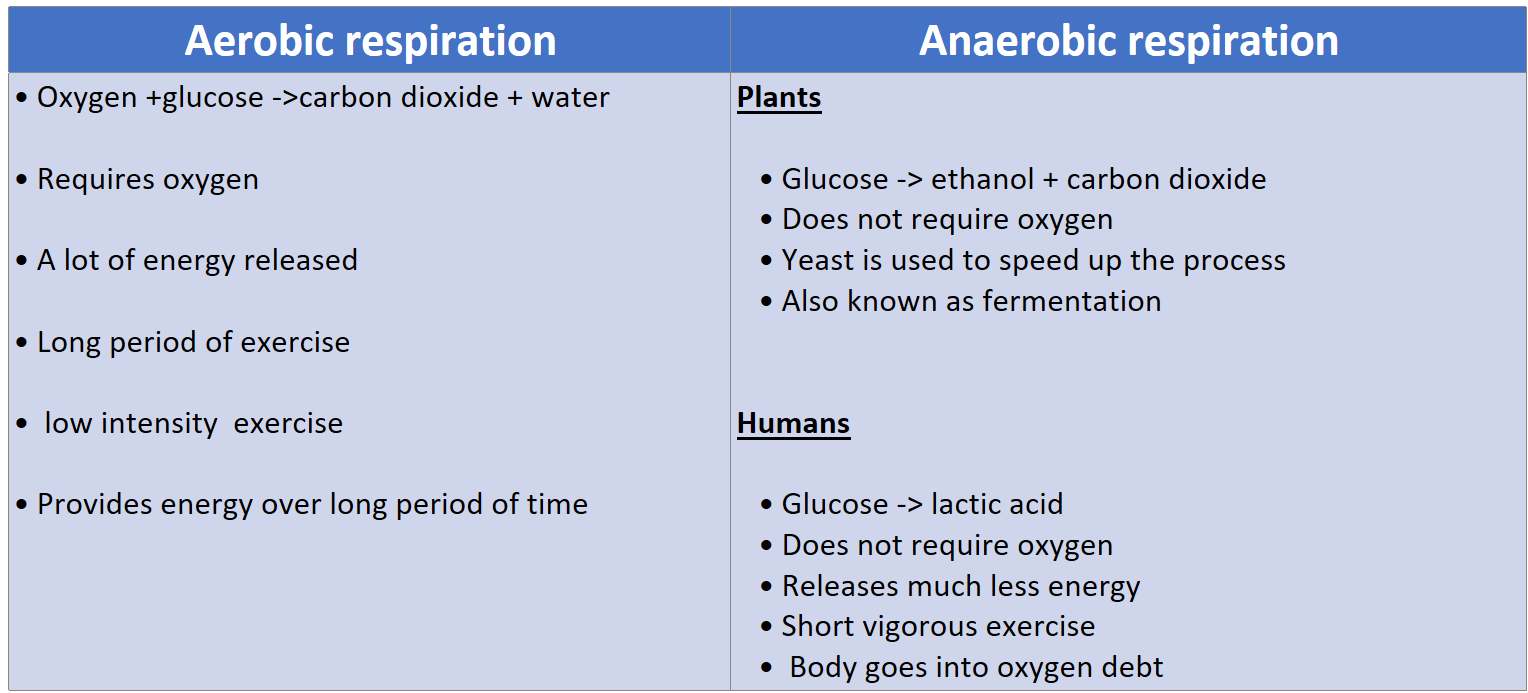
Aerobic respiration:
oxygen + glucose → carbon dioxide + water
complete oxidation of glucose
produces more energy
Anaerobic respiration in humans:
glucose → lactic acid
Incomplete oxidation of glucose released less energy
oxygen debt - after exercise, lactic acid must be removed. Lactic acid is oxidised to carbon dioxide and water. This process requires oxygen which can increase a persons breathing and heart rate and lead it to take longer to return to normal
aerobic respiration in plants (also known as fermintation)
glucose → ethanol + carbon dioxide
carbon dioxide makes the bread rise.
ethanol is the alcohol
 glycogen is a stored form of glucose