Biology Lab Notes
Unknown
Prokaryotic Domains
Eubacteria
Archaea
Cyanobacteria
Only bacteria that can synthesize because it has chlorophyll
Responsible for producing 20% of Earth’s O2
Many forms are macro in size (i.e. visible to the naked eye)
Extremophiles
Microorganism that is usually an Archaean that live in conditions of extreme temperature, acidity, alkalinity, or chemical concentration
Thermoacidophiles: Organisms that can survive in high temperature
Bacteria Shapes
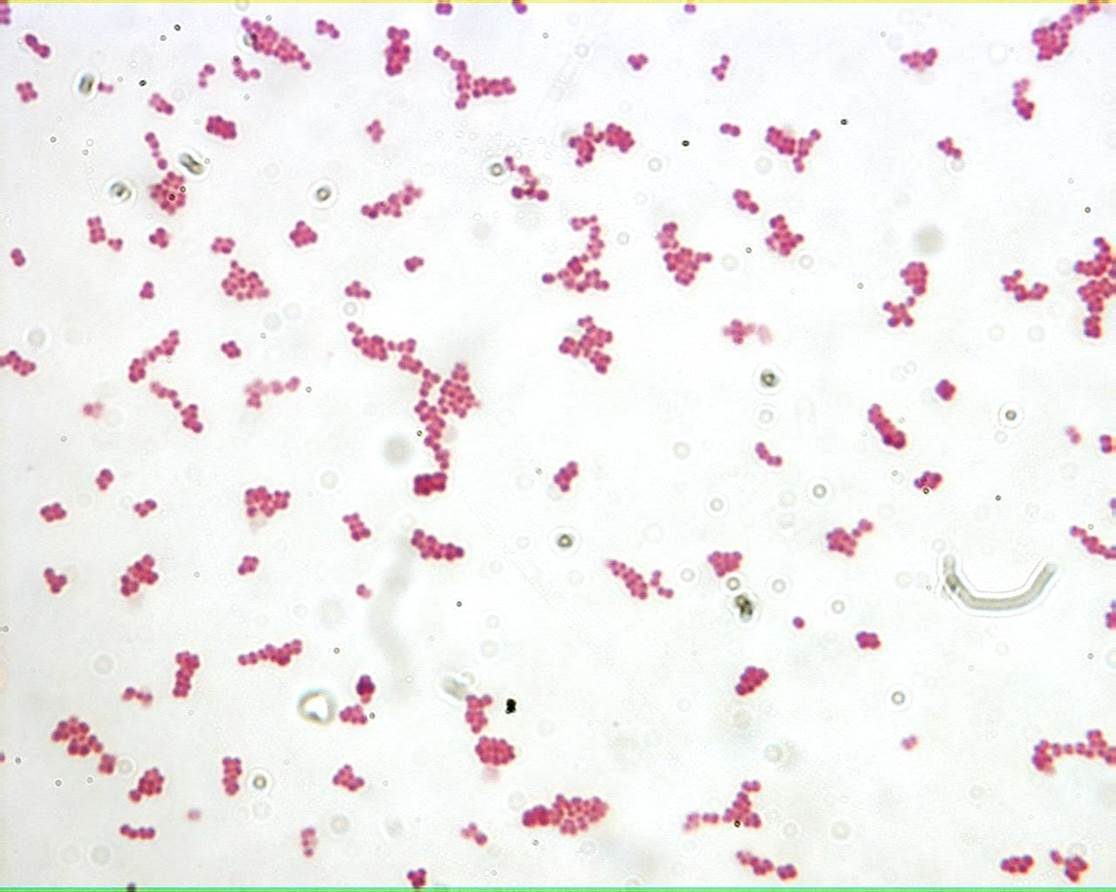
Coccus: Spherical or round in shape
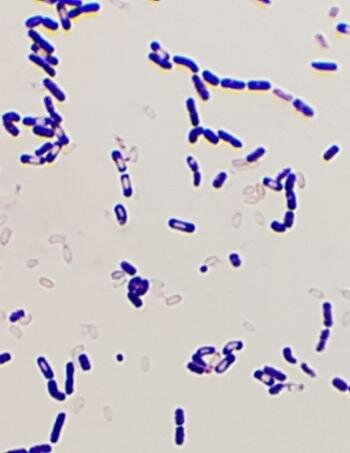
Bacillus, Bacilli: Rod shaped
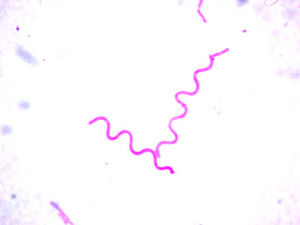
Spirillum, Spiral: Curved, spiral or twisted
This image is gram-negative
Gram-Negative and Gram-Positive
Differentiation between the two
Gram-staining: Once a gram-stain has been completed you are able to determine if a bacteria is gram-negative or gram-positive depending on the color
Gram-positive: Retains the crystal violet dye. Blue or purple
Gram-negative: Does not retain the dye. Pink or red
Examining Cell Wall Thickness: As stated in the name, you examine the thickness of the cell wall on the bacteria to determine if a bacteria is gram-negative or gram-positive
Gram-positive: Thick peptidoglycan layer
Gram-negative: Thin peptidoglycan layer
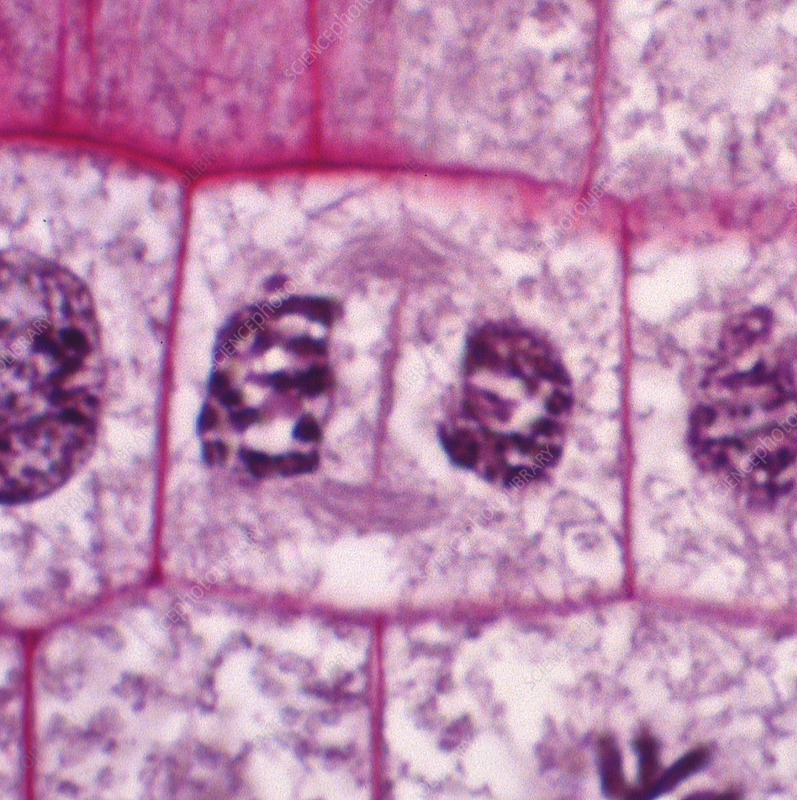
Mitosis Stages
Prophase
Metaphase
Anaphase
Telophase
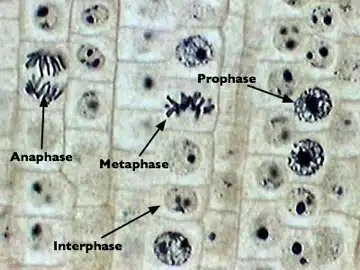
Interphase
G1
Growth, build up of parts, normal functioning
S
Synthesis of DNA
G2
Corrects all mistakes (prevents cancer), make other organelles
Cytokinesis
Division of the cytoplasm and occurs at the end of mitosis
Punnett Squares
Tool used to predict probability of an offspring inheriting certain traits
Three Domains of Life
Eukarya
Kingdoms of Eukarya
Protista
Animalia
Plantae
Fungi
Archaea
Bacteria
Protista
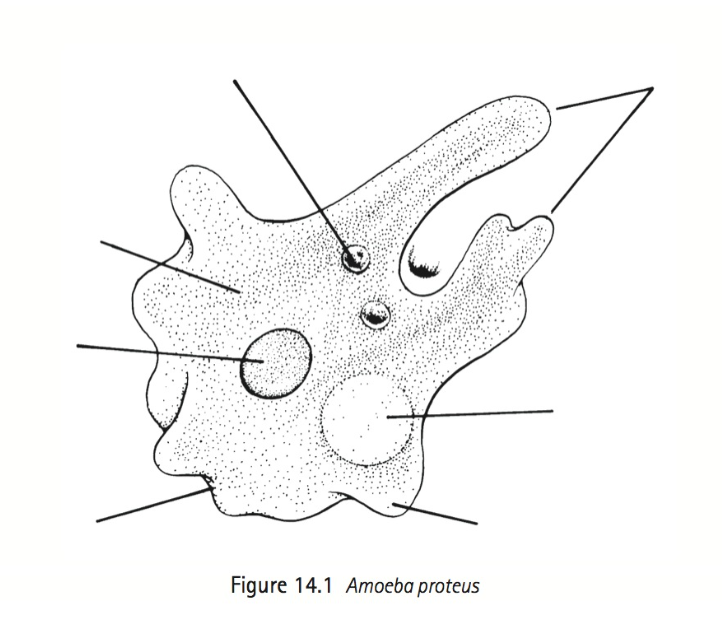
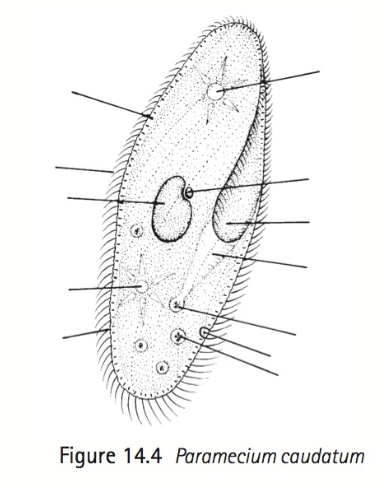
Phylum Sarcodina | Phylum Ciliophora |
|---|---|
Amoeba | Paramecium |
Pseudopodia | Cilia |
Phagocytosis | N/A |
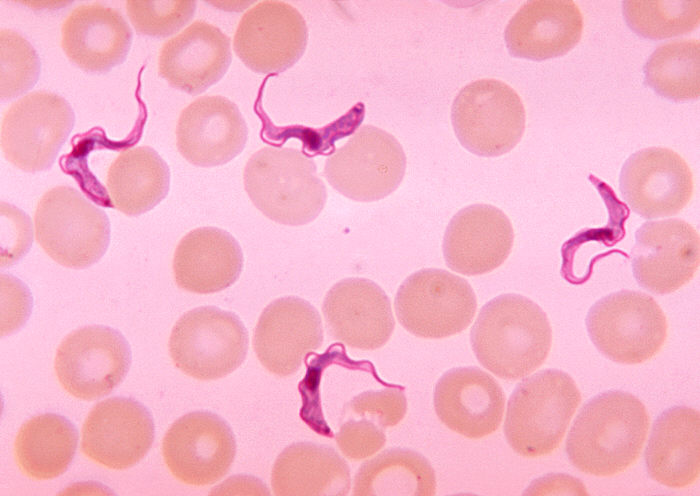
Phylum Zoomastigina
Flagellates
Phylum Pyrrophyta
- Dinoflagellates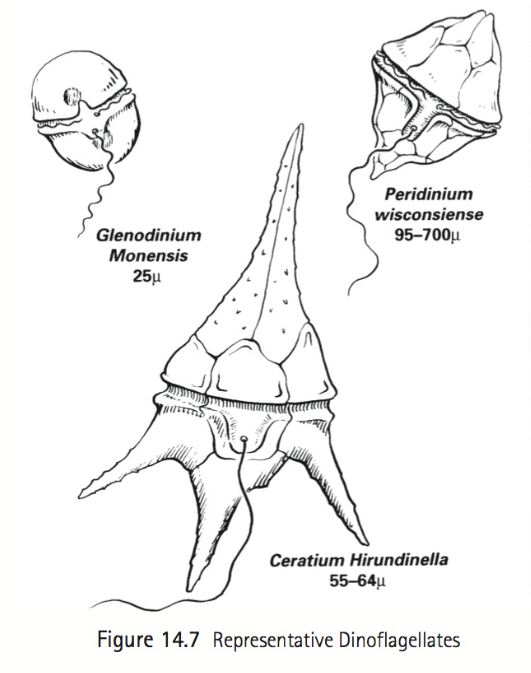
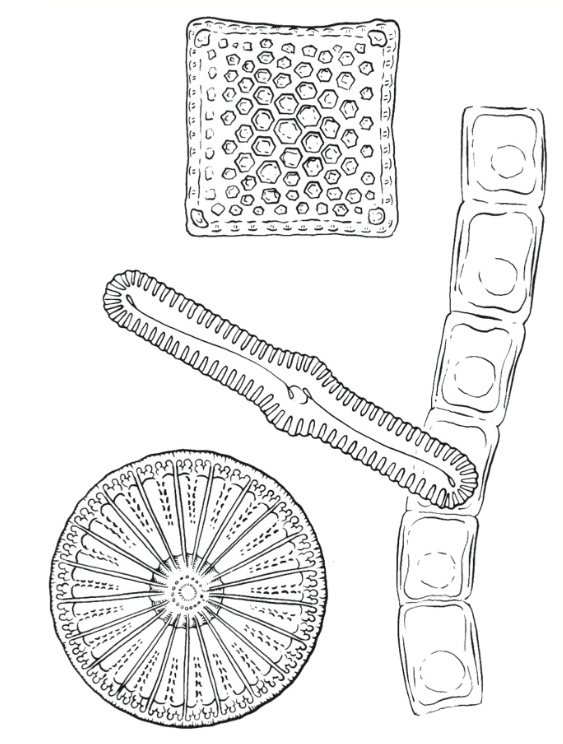
Phylum Chrysophyta
Diatoms
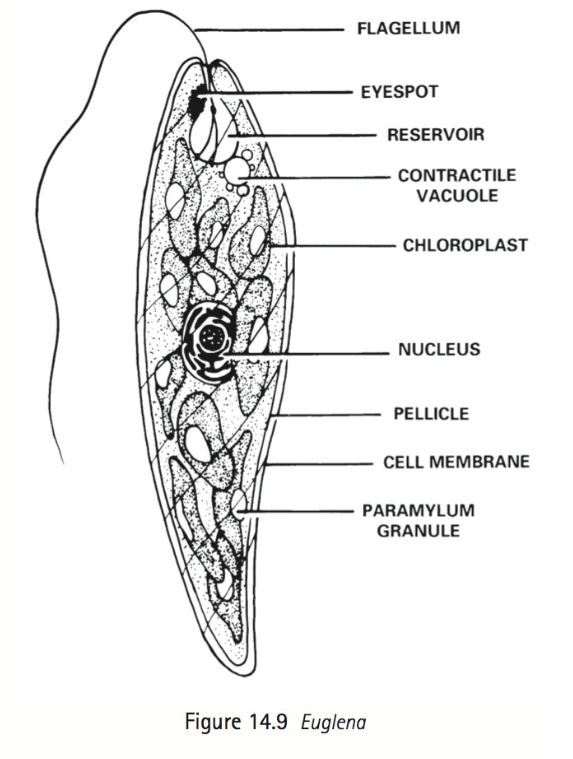
Phylum Euglenophyta
Euglenoids
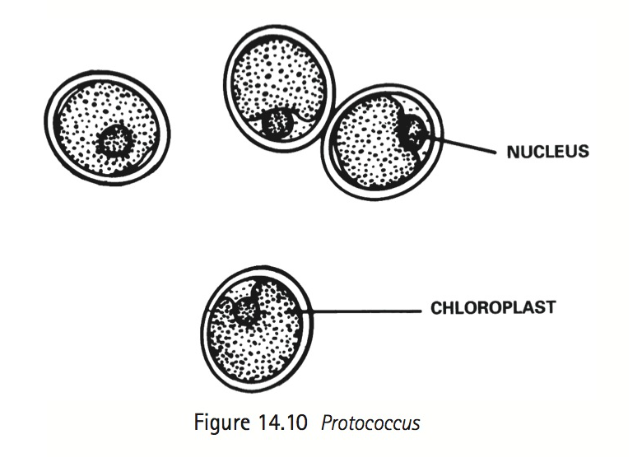
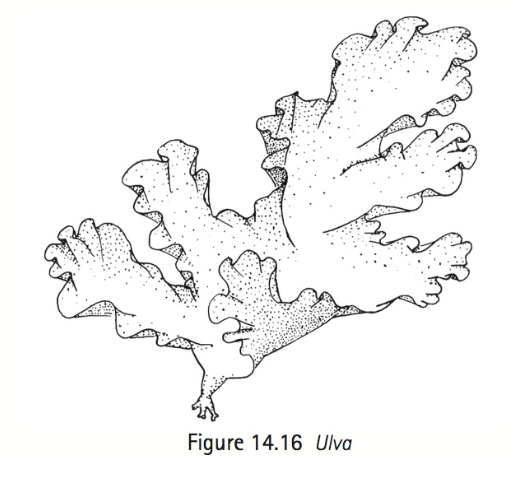
Phylum Chlorophyta
Daughter Colony
Kelp
Multicellular Algae
Kingdom Fungi
Eukaryotes
Have a cell wall, made of chitin
Heterotrophs
Absorb organic food, saprophytes
Mycelium
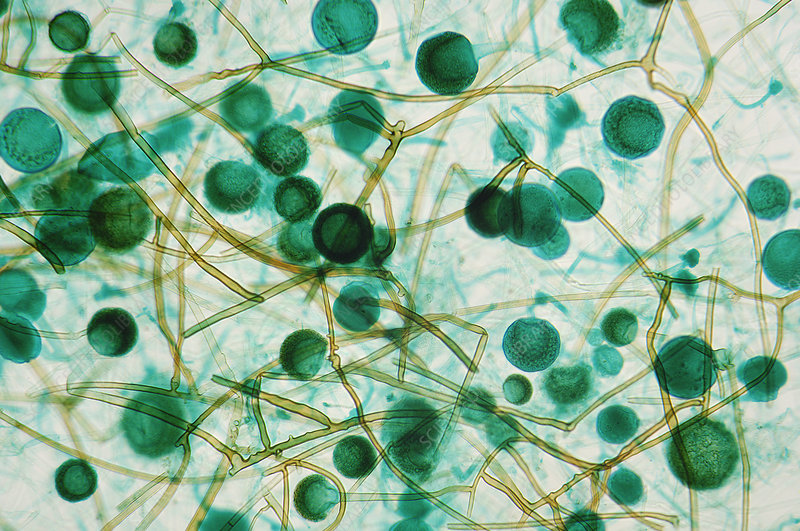
Mycelium is composed of a mass of branching filaments which is called Hyphae
Fruiting body. has spores
Phylum Zygomycota
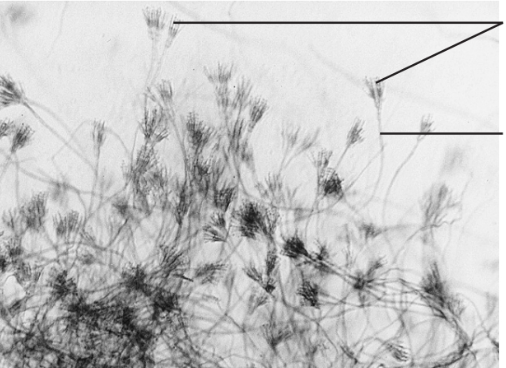
Rhizopus Nigricans is a common black bread mold
Phylum Ascomycota
Yeast
Single Celled
Budding
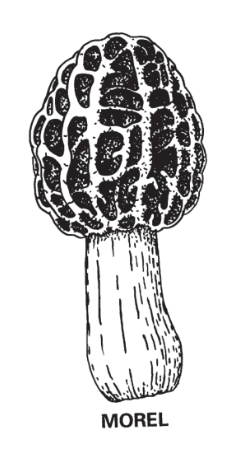
Morel
Phylum Basidiomycota
Earthstar
Devil's Cigar (Exclusive to Arlington, Texas and Japan)
Polypores (Mushrooms with no gills)
Gilled Mushrooms
Shelf Fungi (Bark of tree)
Puff Balls (Come in many sizes)
Phylum Deuteromycota
Aspergillus (Farmer's Lung)
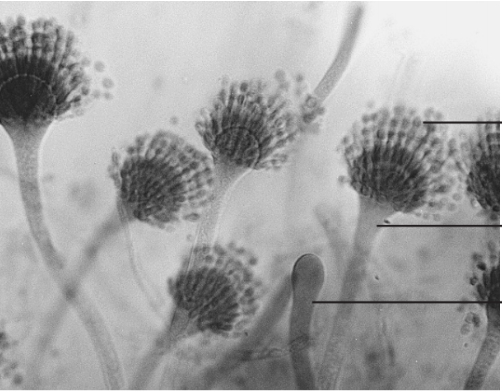
Penicillin (First antibiotic)
Lichens
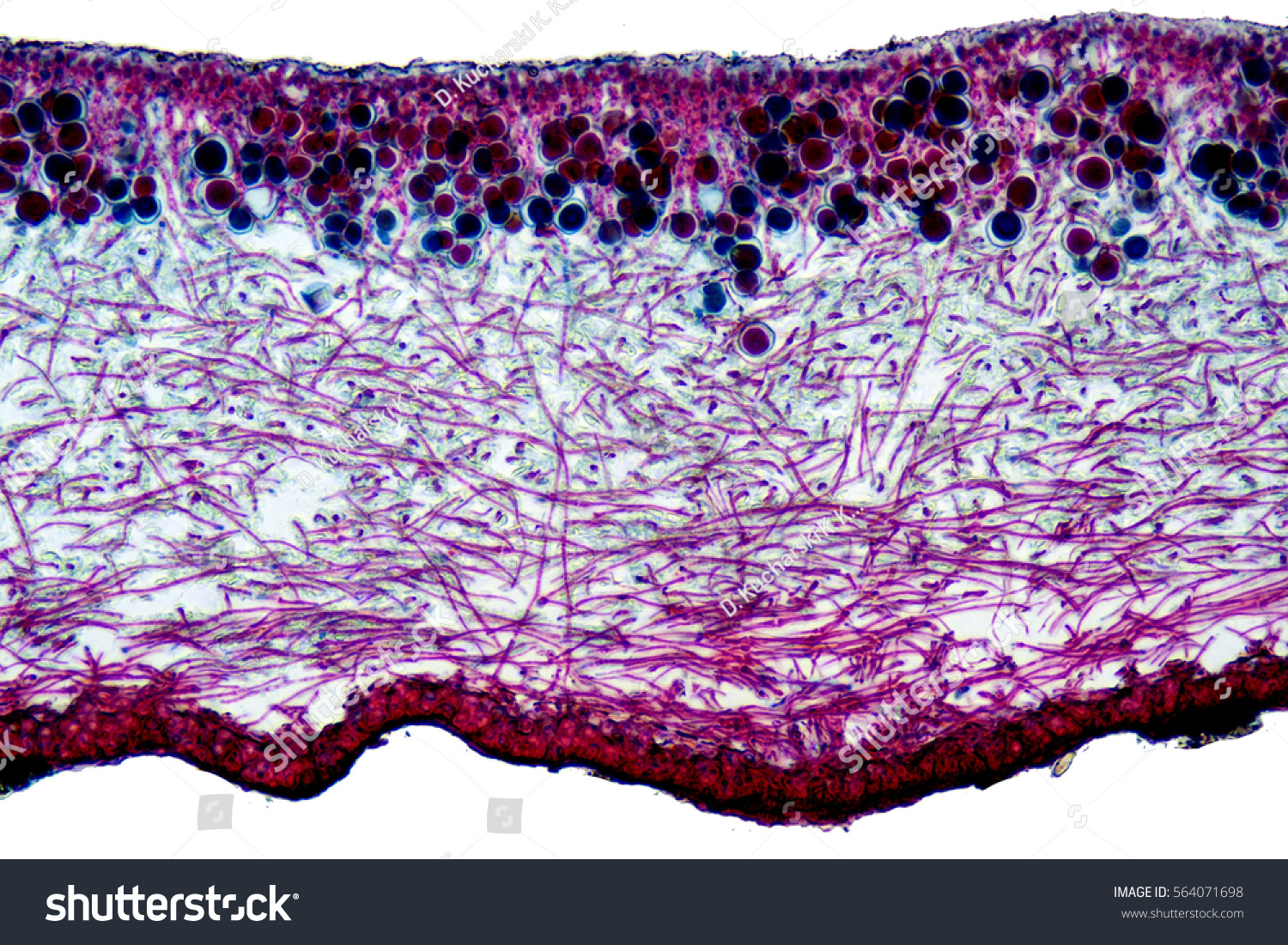
Fungus (Most lichens that are fungus are ascomycetes)
Photosynthetic partner (Can't be a plant, can be cyanobacteria/algae)
Fungus provides air and water
Cyanobacteria gives organic nutrients/carbs
Kingdom Animalia
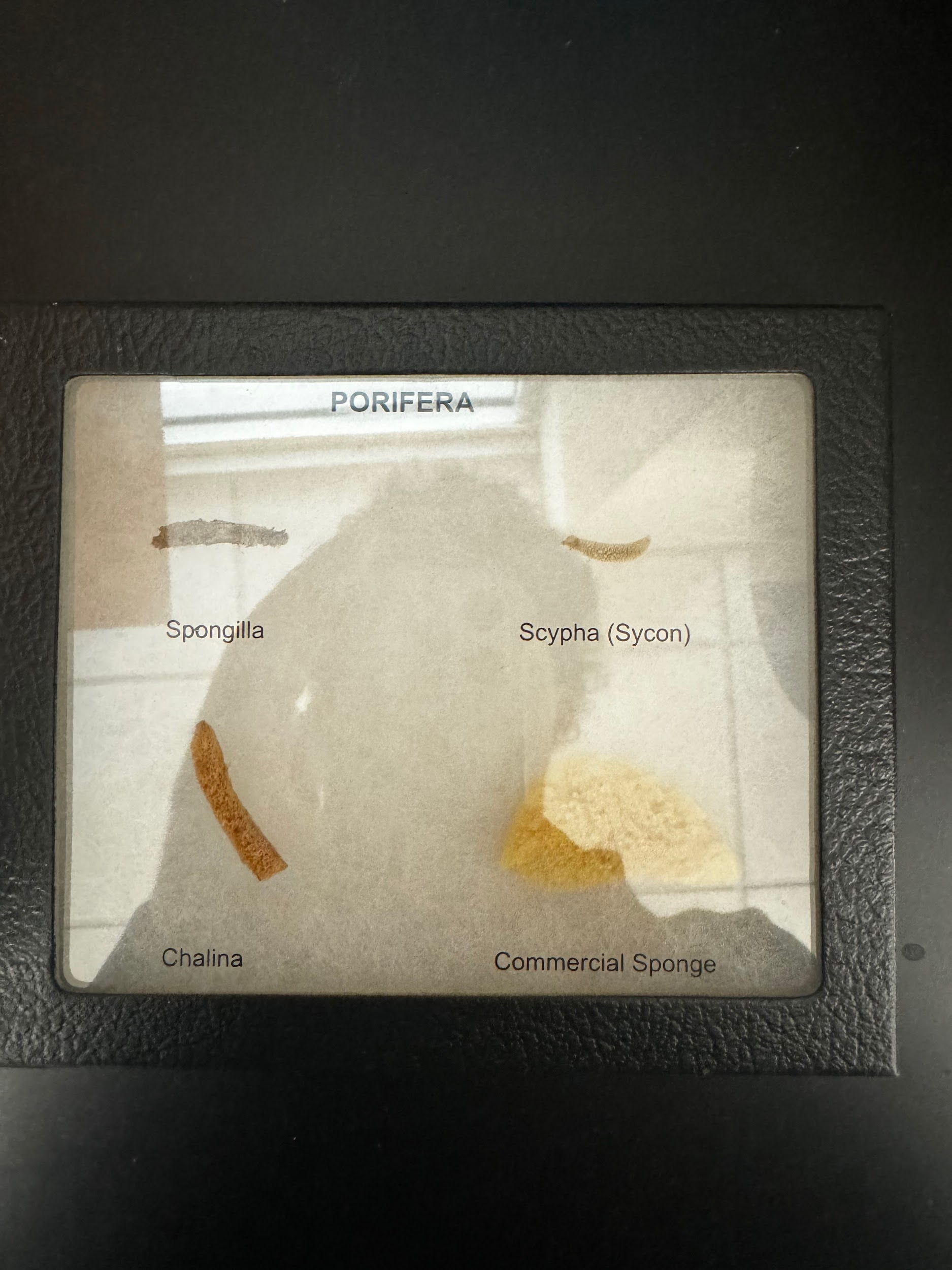
Phylum Porifera
Sponges
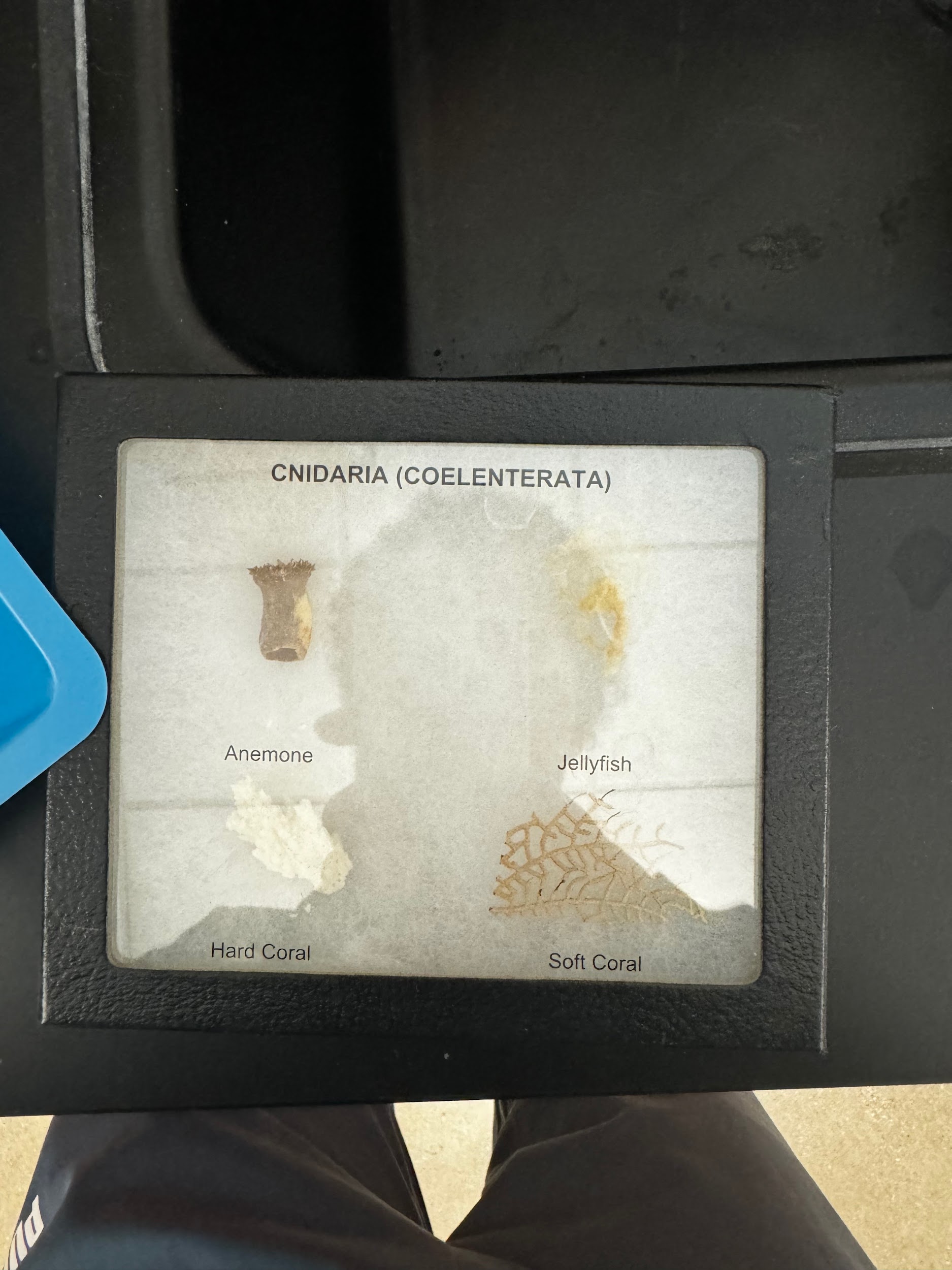
Phylum Cnidaria
Radial symmetry
Have tissues
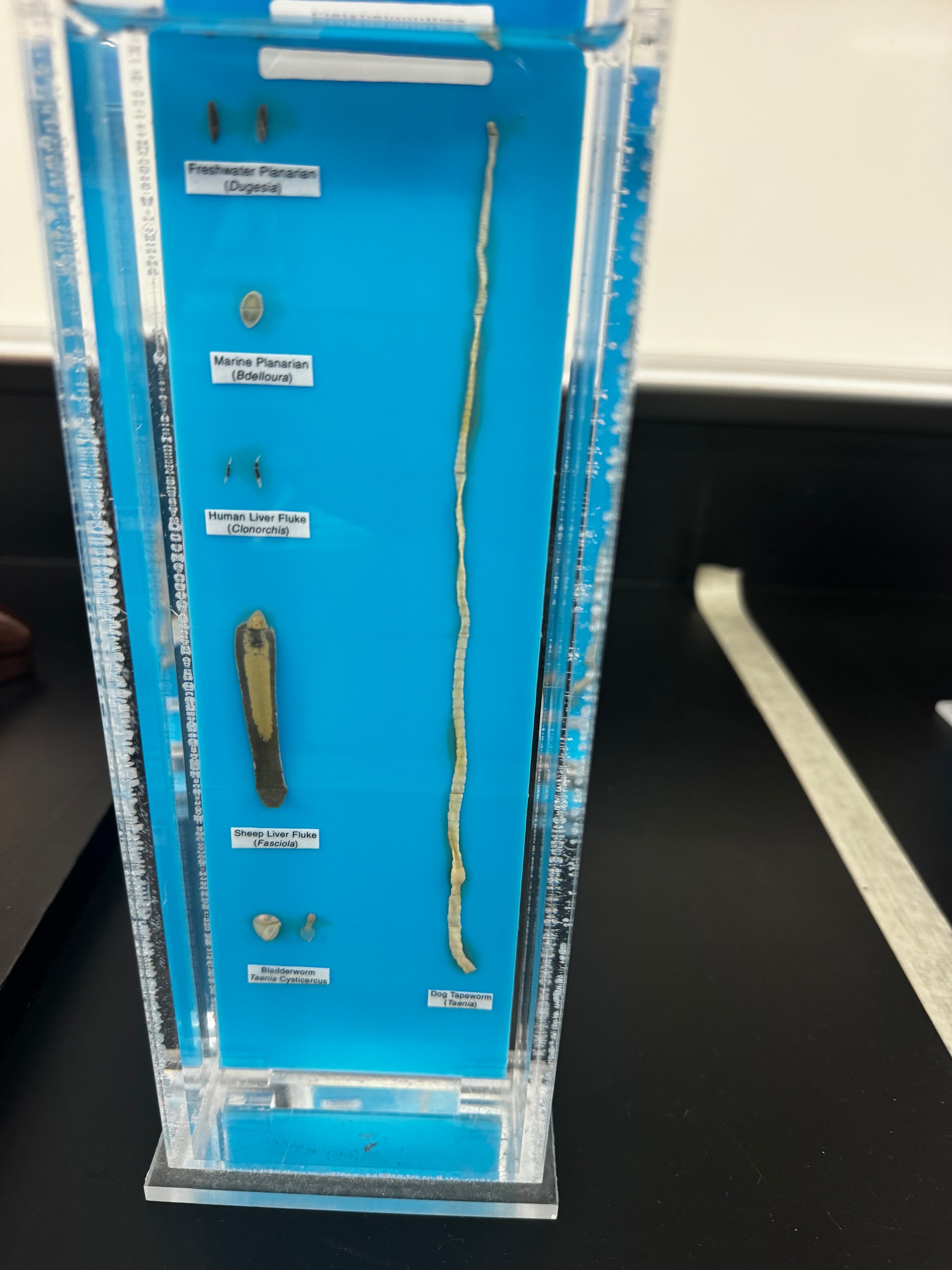
Phylum Platyhelminthes
All are hermaphrodites
Planaria
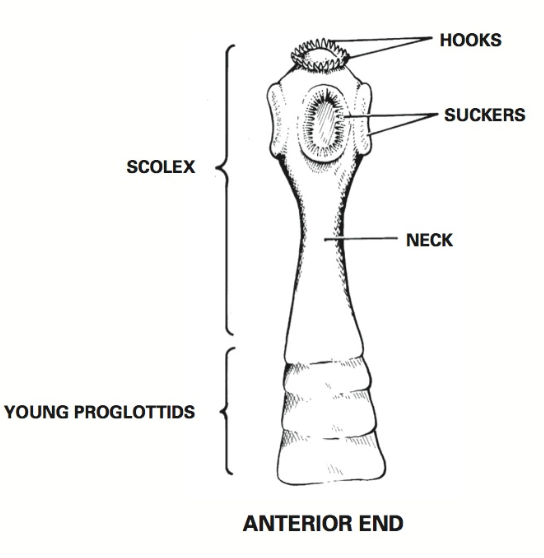
Taenia Pisiformis (Tape Worms)
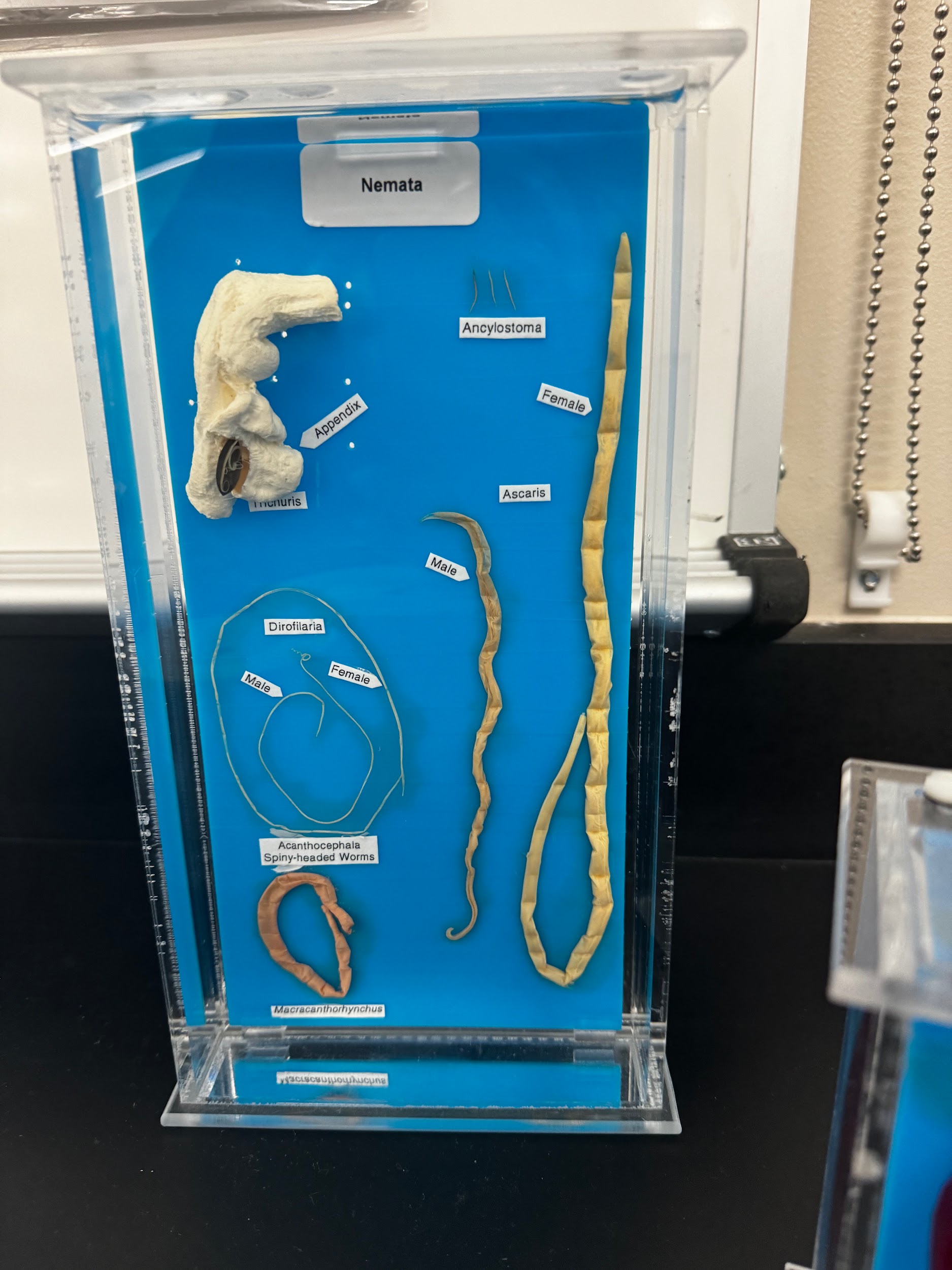
Phylum Nematoda
Ascaris Lumbricoides
Be able to differentiate between male and female
Females: Longer and do not have a hook
Males: Smaller and have a hook
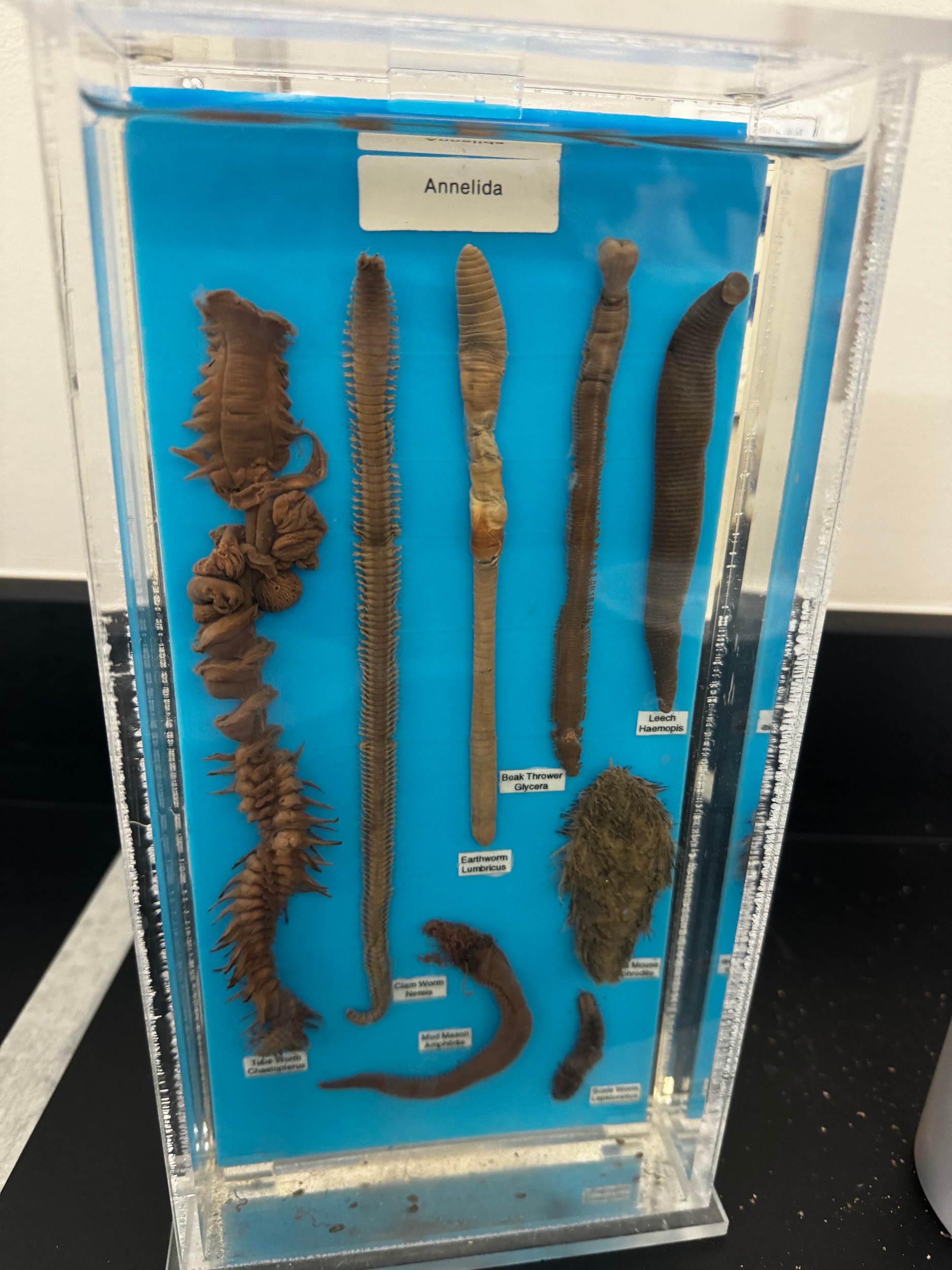
Phylum Annelida
Class Polychaeta
Marine bristle worms and sandworms
Class Hirudinea
Leeches
Class Oligochaeta
Earthworms
- Hydra Plain and Budding
Phylum Arthropoda
Size limited
Heavy exoskeleton
Chitin (Polysaccharide)
Molting to shed outer skeleton
Subphylum Trilobita:
No living representatives
Subphylum Chelicerata
Class Merostomata: horseshoe crabs Class Arachnida: spiders, mites, ticks, scorpions, harvestmen, and daddy longlegs
Subphylum Mandibulata
Class Crustacea: lobsters, crabs, crayfish, and shrimp
Class Insecta: butterflies, bees, beetles, mosquitos, etc.
Class Chilopoda: centipedes
Class Diplopoda: millipedes
Phylum Mollusca
Class Bivalvia: Clams, oysters, mussels, scallops, etc.
Class Gastropoda: Snails and slugs
Class Cephalopoda: Octopuses, and Squid
Phylum Chordata
Is the most advanced phylum
3 main characteristics
Notochord
Cartilaginous rod typically on the dorsum
Hollow nerve tube
Pharyngeal gill slits
Subphylum Urochordata
Subphylum Cephalochordata
Class Cephalaspidomorphi: jawless fish
Subphylum Vertebrata.
Class Chondrichthyes
Class Osteichthyes: bony fish
Class Amphibia: salamanders, frogs, toads
Phylum Echinodermata
, sea star
May have asexual reproduction