Chemistry
Structure of an atom:
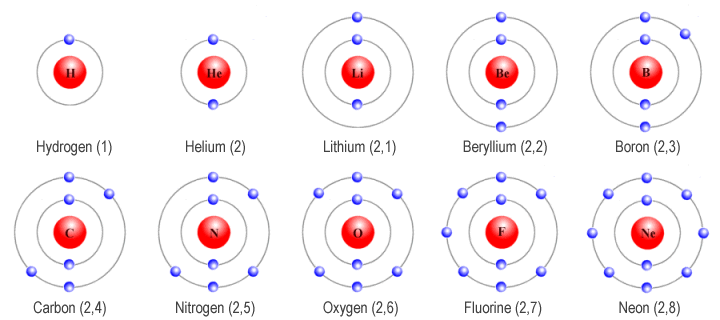
neatrons and protons in the nucleus, and electrons on the outer shells
Periodic table:
Elements arranged by increasing atomic number
Groups indicate elements with similar chemical properties
Periods show the number of electron shells in the atoms
groups: down
periods: across
The 3 main groups are:
Metals:
Typically conduct electricity and heat, have a shiny appearance, and are malleable.
Non-metals:
Generally dull in appearance, poor conductors of heat and electricity, and tend to be brittle in solid form.
Metaloids:
Typically have intermediate properties between metals and non-metals, exhibiting characteristics such as semi-conductivity and lustre that can vary based on their specific configurations.
Electron Shells:
2, 8, 16, 32
Chemical or physical change:
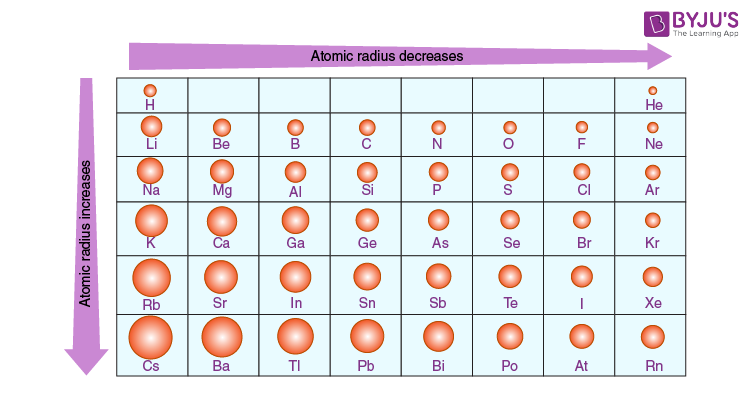
Atomic radius:
Is the distance from the atom's nucleus to the most outermost shell.
represents the size of an atom
Reactivity:
How easily an atom loses or gains an electron
Electronegativity:
A measure of an atom's ability to attract and hold onto electrons in a chemical bond.
Ionic Bonding:
Ionic bonding is when a metal transfers electrons to a non-metal, forming oppositely charged ions that attract each other.
Ionic bonding happens between a metal and a non-metal.
Metals lose electrons to become positively charged ions (cations).
Non-metals gain electrons to become negatively charged ions (anions).
Electrons are transferred from the metal to the non-metal.
Oppositely charged ions attract each other due to electrostatic forces.
This forms a strong ionic bond and a giant lattice structure.
Ionic compounds usually have high melting and boiling points.
They conduct electricity when dissolved in water or molten, not when solid.

Ions:
Ions are atoms or molecules that have gained or lost electrons, resulting in an electrical charge.
Cation vs Anion:
Cations are positively charged ions formed when an atom loses electrons.
Anions are negatively charged ions formed when an atom gains electrons.
Naming ionic compounds:
Name + name-ide (remove “ine” from name)
eg: Cl⁻ becomes chloride, and O²⁻ becomes oxide.
eg: Al 3+ p 3- = Al3 P3 = Al P
Bondning pairs:
single, double, triple
electron dot diagram